Your kitchen appliances are essential tools that help make cooking and meal preparation easier and more enjoyable. It’s easy to overlook the small habits that can negatively impact their performance and longevity. Identifying the common practices that may be ruining your appliances can save you time, money, and frustration down the road.
Many of us adopt routines in the kitchen without realizing they can lead to costly repairs or replacements. By being aware of these detrimental habits, you can make simple adjustments to enhance the efficiency of your appliances. With a mindful approach, you can extend the life of your kitchen equipment and keep your cooking space running smoothly.
Advertisement
1. Not Cleaning Your Oven Regularly
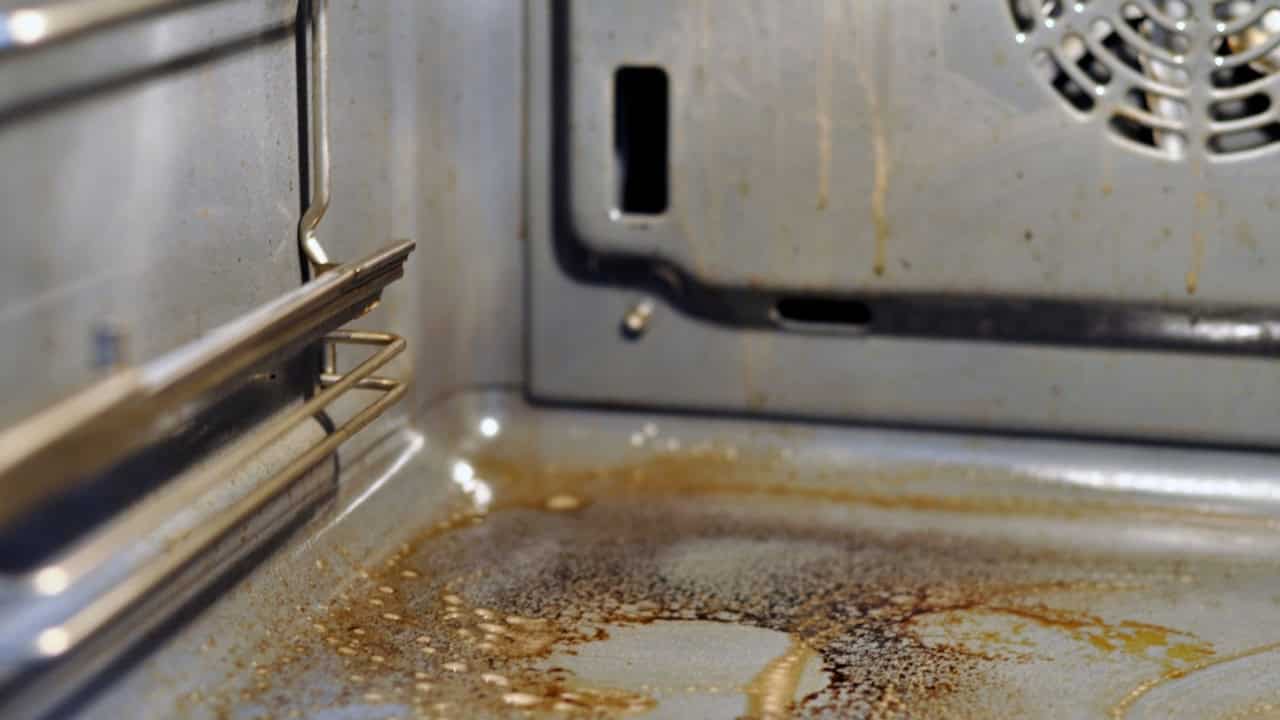
Neglecting to clean your oven can lead to several problems. Grease and food residue build up over time, which can create unpleasant odors and even affect the taste of your food.
Regular cleaning helps prevent smoke and potential fire hazards. It also improves your oven’s efficiency; a clean oven cooks more evenly and uses less energy.
Taking a little time to maintain your oven can save you money on repairs later. So, make oven cleaning a routine part of your kitchen care!
2. Overloading Your Dishwasher
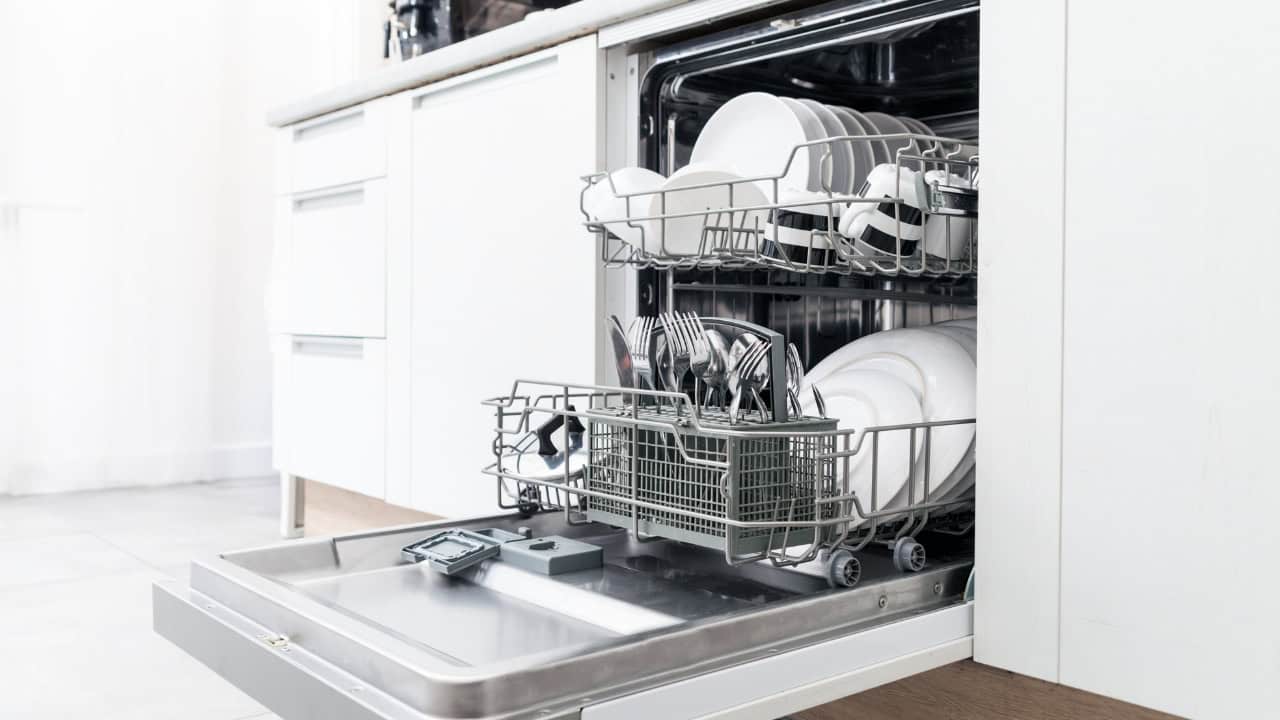
You might be tempted to cram as many dishes as possible into your dishwasher. While it seems efficient, this habit can hinder the appliance’s performance.
When you overload the dishwasher, water and detergent struggle to reach all surfaces. This can lead to dirty dishes and even unpleasant odors.
Proper loading allows for better circulation during the wash cycle. By leaving enough space between items, you ensure a more thorough clean and help extend the dishwasher’s lifespan.
3. Ignoring Appliance Manuals

Many people overlook appliance manuals, but these resources are essential for proper use and maintenance. They provide crucial information on how to operate your appliances effectively.
Ignoring these instructions can lead to problems like improper installation and maintenance, which may void warranties. Take the time to read the manual for your appliances.
Follow the guidelines for cleaning, care, and troubleshooting. This will help you extend the lifespan of your kitchen appliances and keep them running smoothly.
4. Leaving the Oven On
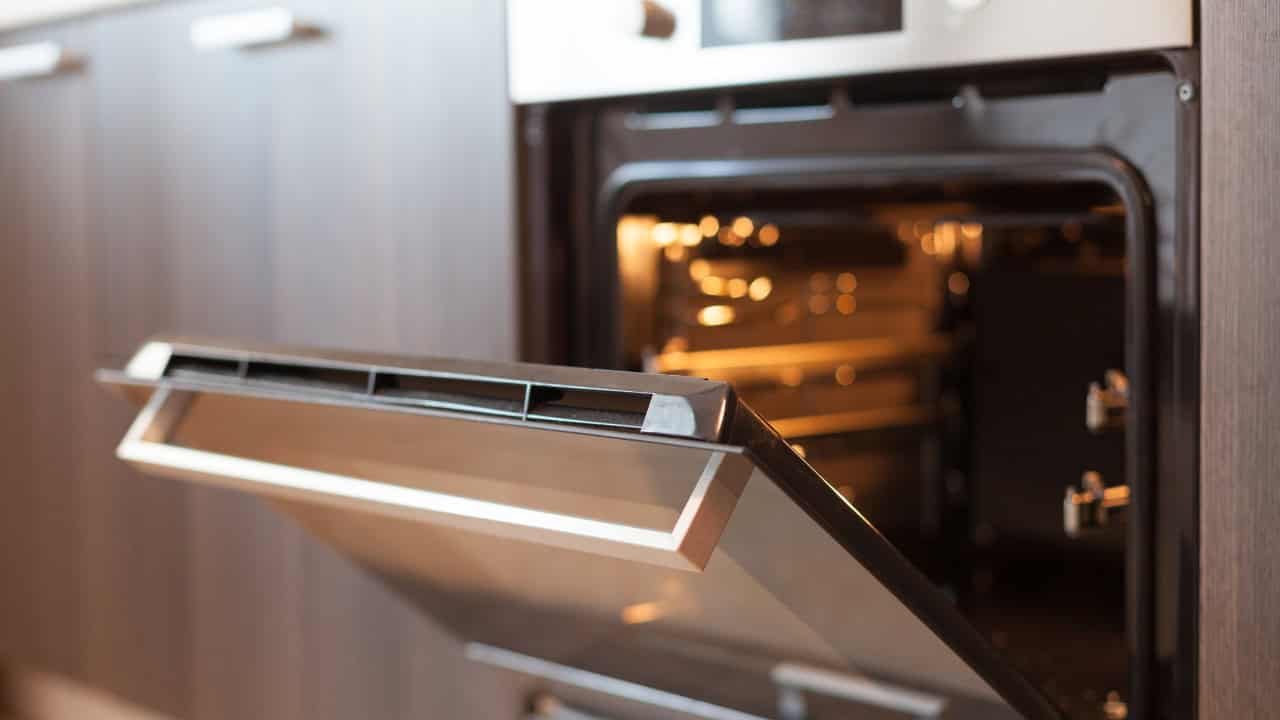
Leaving the oven on for extended periods can lead to serious issues. The constant heat can damage internal components, causing them to wear out faster.
Additionally, the excess heat can affect your kitchen environment. It may even lead to higher energy bills.
Always double-check that you’ve turned off the oven after cooking to ensure everything stays safe and efficient. Simple habits can help your appliances last longer.
5. Slamming Appliance Doors
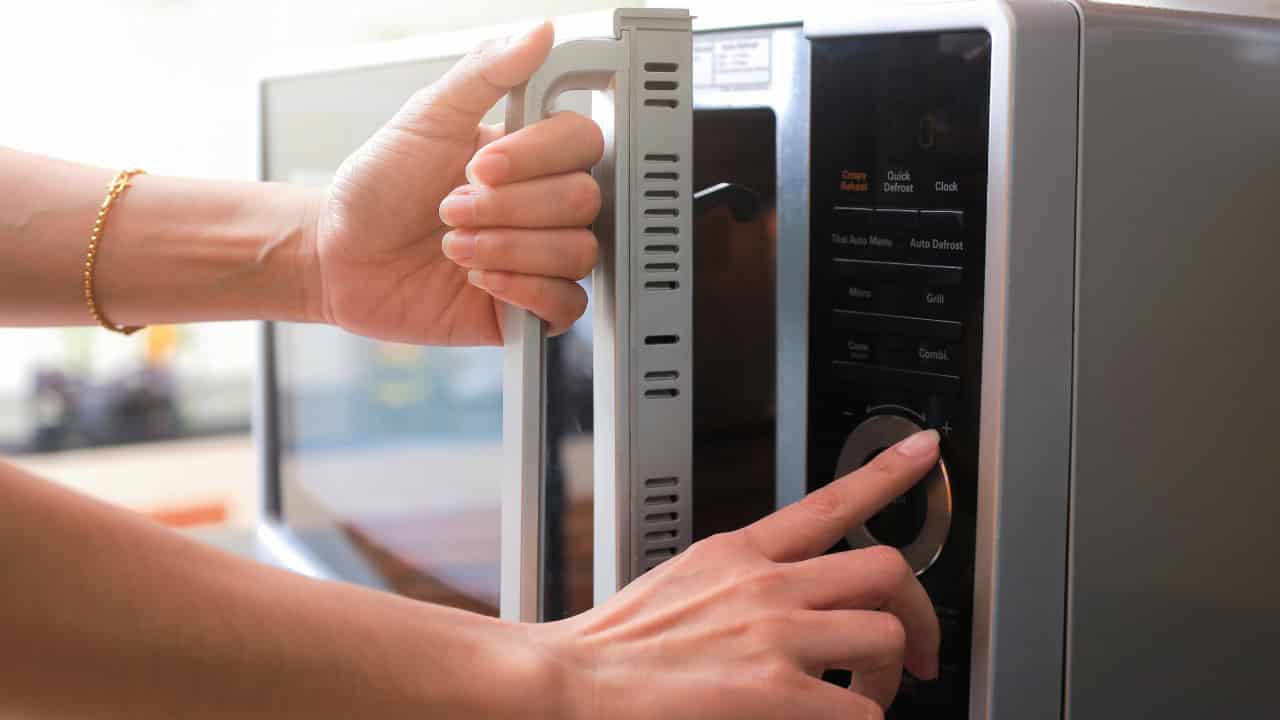
Slamming doors on your appliances might seem harmless, but it can lead to significant damage over time. When you slam the door of your refrigerator or oven, you risk bending hinges or disturbing internal components.
In addition, this behavior can interfere with proper sealing in refrigerators and dishwashers. A poor seal may cause energy inefficiency and unwanted leaks.
Instead of slamming, try closing the doors gently. This small change can help keep your appliances functioning properly for longer.
6. Not Defrosting Your Freezer
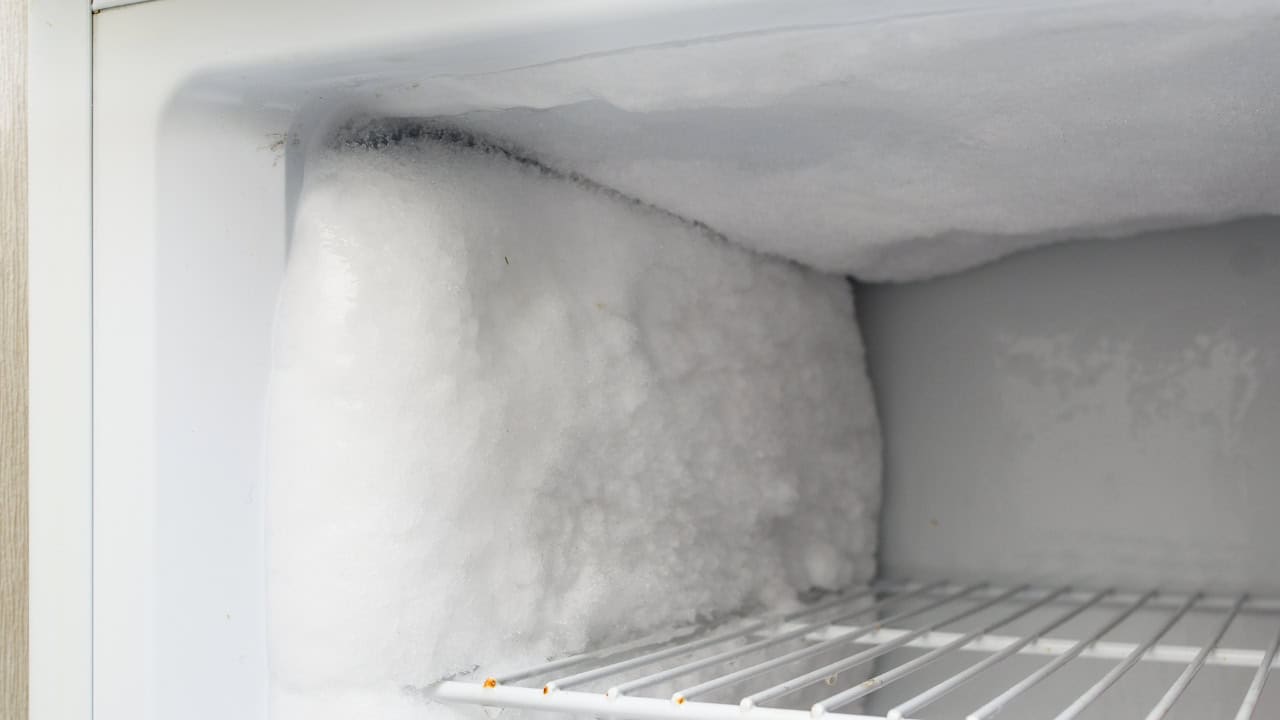
Neglecting to defrost your freezer can lead to a buildup of ice, which reduces its efficiency. This makes it harder for your appliance to maintain the right temperatures.
You should regularly check for frost accumulation. If you notice ice buildup of 1/4 to 1/2 inch, it’s time to defrost. Simple steps like placing towels on the floor can help manage the melting ice.
Setting a reminder to defrost at least once a year can keep your freezer running smoothly. Avoid using sharp tools to remove ice, as this can cause damage.
7. Improperly Loading the Dishwasher
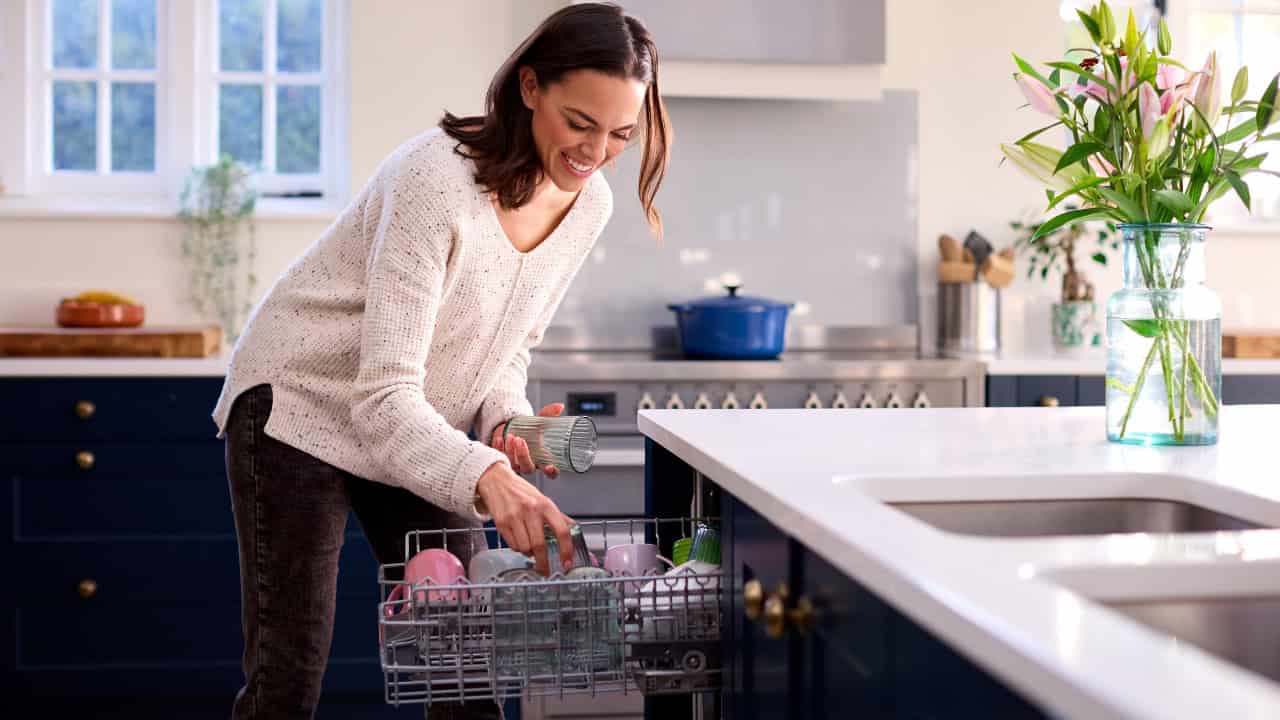
Loading the dishwasher might seem simple, but doing it incorrectly can lead to dirty dishes and appliance issues.
Make sure to place items so that water flows freely over all surfaces. Avoid stacking silverware or placing items too closely together, as this can lead to clumping and poor cleaning.
Check that all items are dishwasher safe to prevent damage. Overloading could cause plates to chip or warp, resulting in a need for replacements. Consider these tips to keep your dishwasher running smoothly and your dishes sparkling clean.
8. Forgetting to Clean Refrigerator Coils
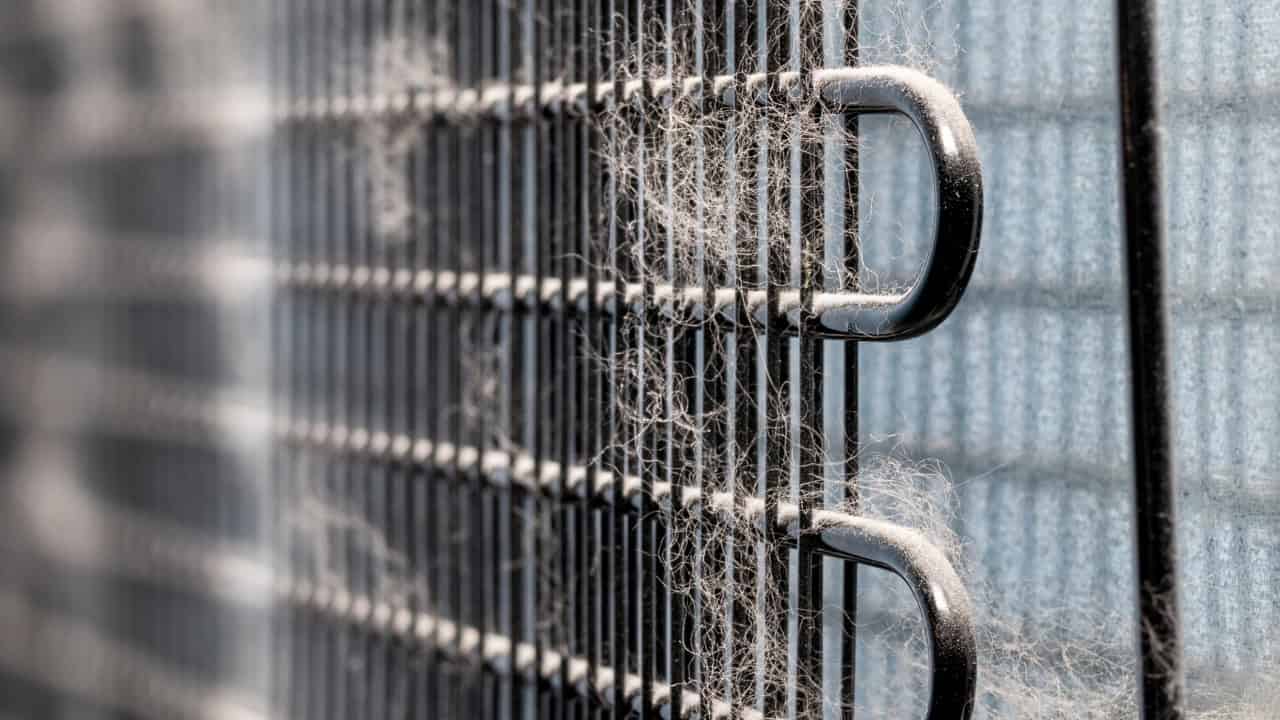
Cleaning your refrigerator coils is essential for optimal performance. Dust and dirt can accumulate on the coils, forcing your fridge to work harder to maintain cool temperatures.
Aim to clean the coils every six months. Unplug your fridge before starting, then use a vacuum or a coil brush to remove the buildup. This simple task can improve efficiency and extend your appliance’s lifespan.
By keeping the coils clean, you help your fridge run smoothly and save energy.
9. Using Wrong Dishwasher Detergent
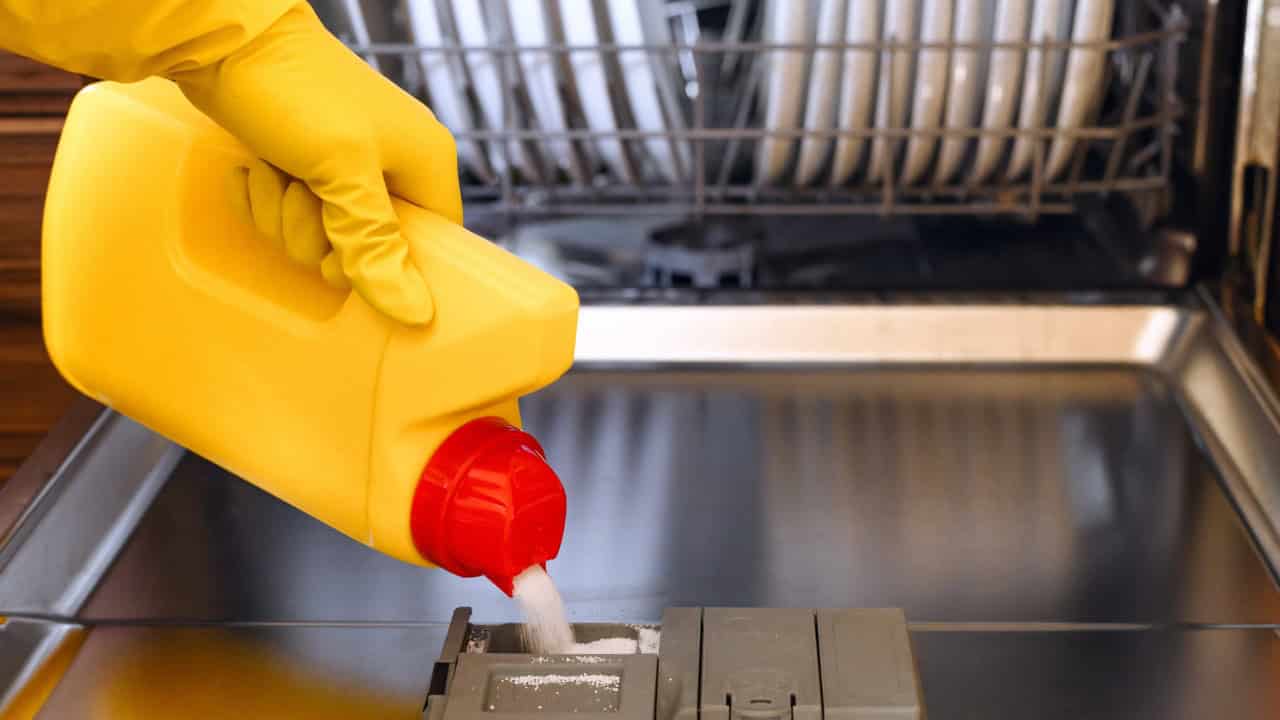
Using the wrong dishwasher detergent can seriously affect how well your dishes get cleaned. Many people don’t realize that not all detergents work the same way.
For instance, powdered detergents may not dissolve properly in shorter cycles, leaving residue on your dishes. On the other hand, using too much liquid detergent can cause buildup that clogs your dishwasher.
It’s important to choose a detergent specifically designed for your machine. Following manufacturer recommendations can help ensure sparkling clean dishes every time.
10. Ignoring Filter Replacement
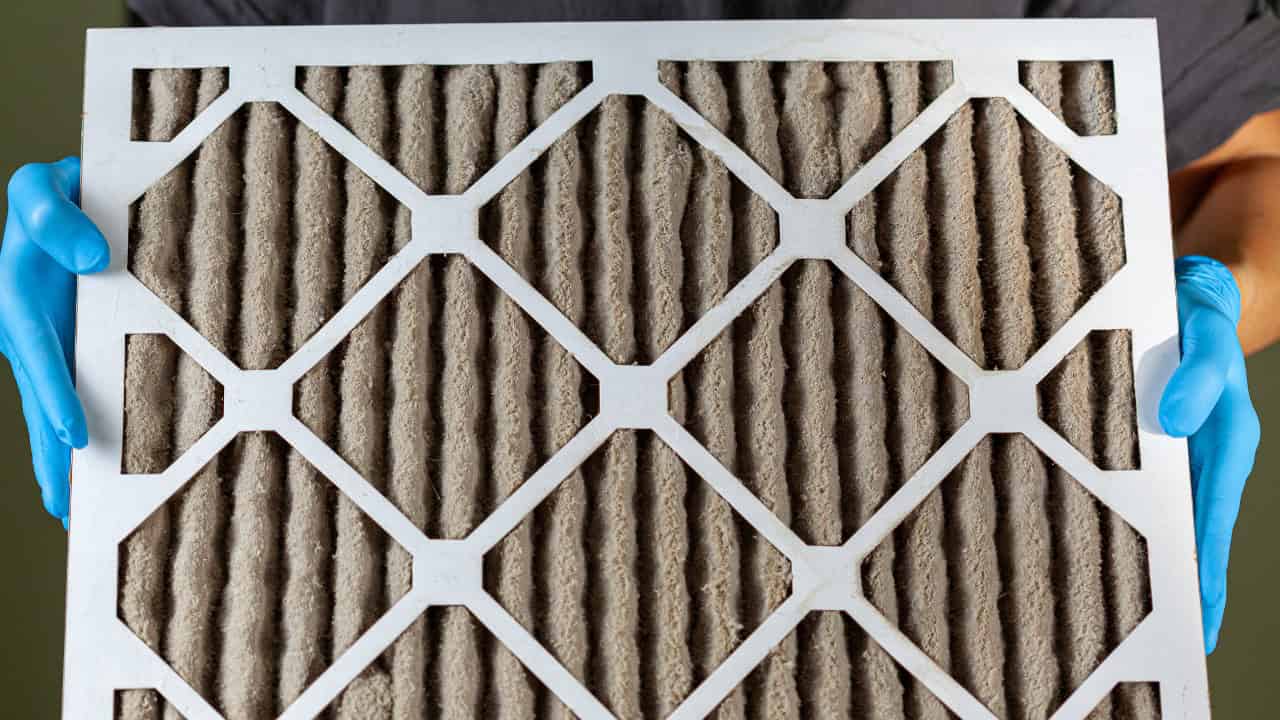
Changing your appliance filters regularly is crucial for maintaining functionality. If you neglect this task, you risk reduced efficiency and increased energy bills.
Dirty filters can also lead to poor air quality and even damage to your HVAC system. You may notice increased allergens and respiratory issues as a result.
Keep an eye on your filters and set reminders for replacements. This small effort can save you from costly repairs in the long run.
11. Storing Appliances When Wet
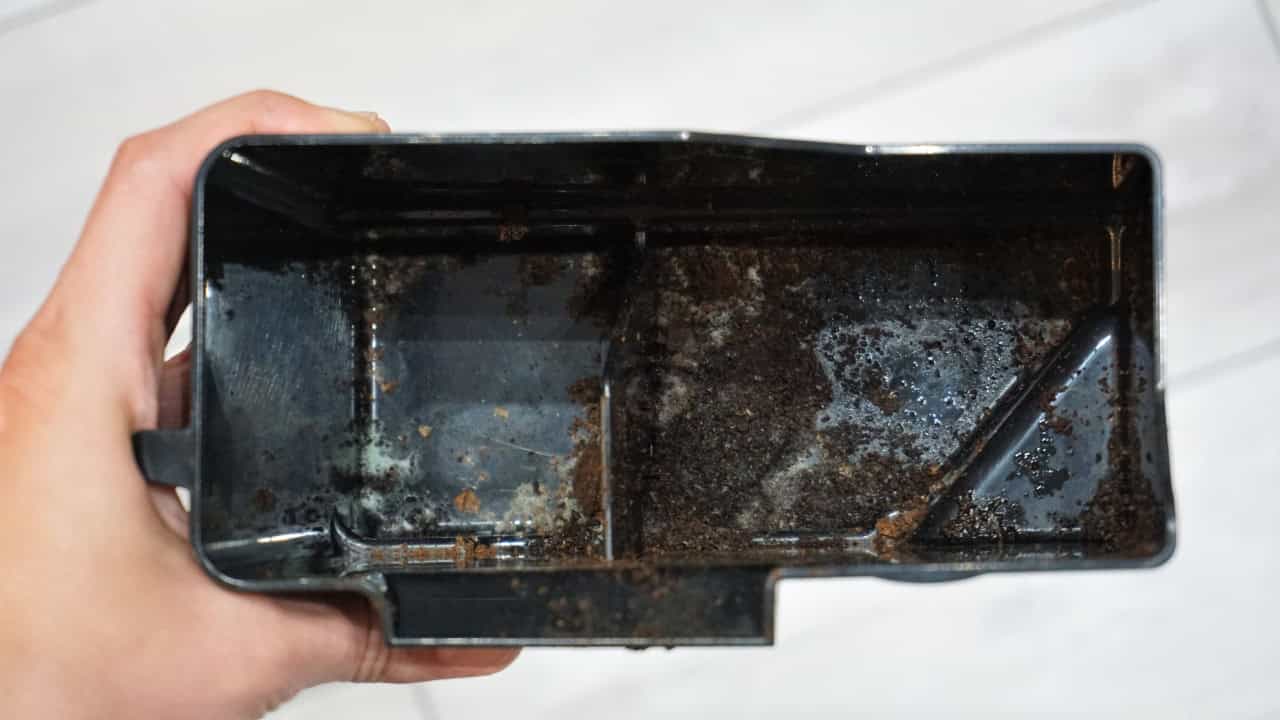
Storing appliances while they are still wet can lead to serious problems. Moisture is a breeding ground for mold and mildew, which can damage your appliances over time.
Always dry your appliances thoroughly before putting them away. This simple step can help extend their lifespan and keep them running smoothly.
If you notice any moisture, make sure to air out the appliance. Leaving it in a well-ventilated area allows it to dry completely before storage.
12. Piling On Heavy Loads in Washing Machine
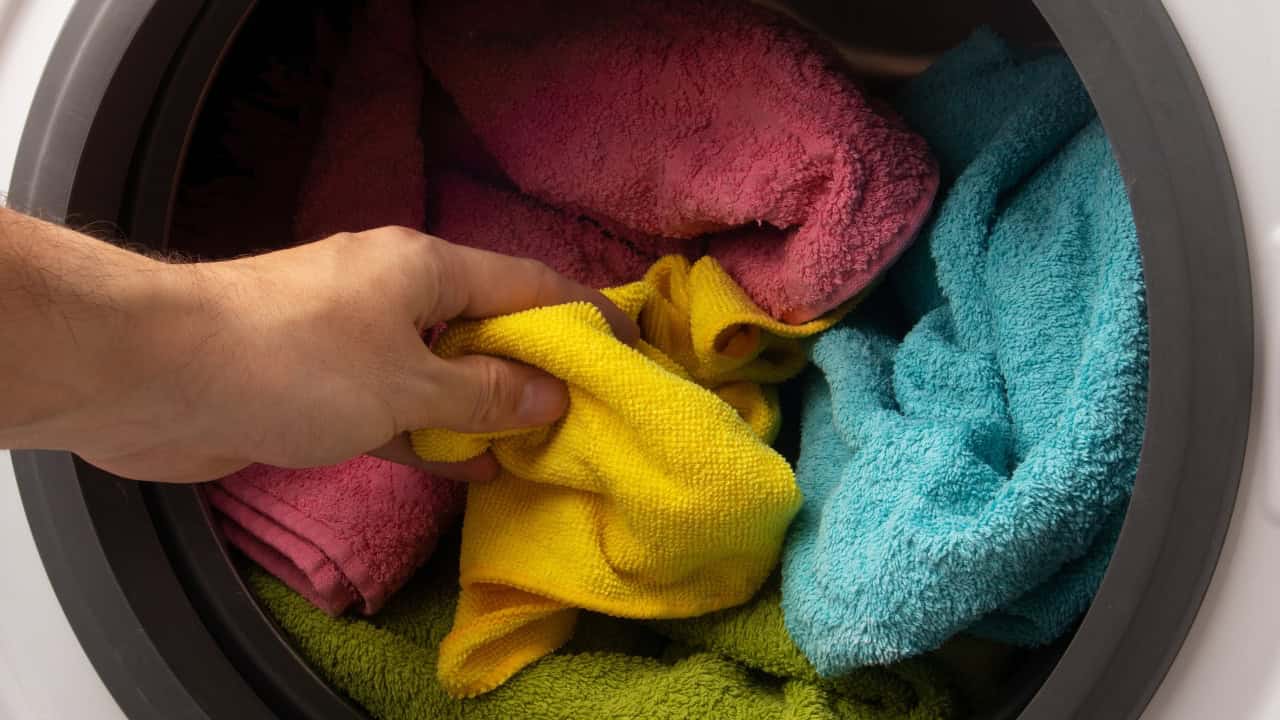
Loading your washing machine with too much laundry can lead to various issues. When you pack in heavy loads, the machine struggles to clean your clothes evenly.
This can cause clothes to tangle and not get adequately washed. It’s essential to know your machine’s capacity. Refer to your manual for guidance on load size and avoid surpassing it.
For optimal performance, leave about 25 percent of the drum empty. This allows proper water and detergent circulation, ensuring your laundry comes out fresh and clean.
13. Not Tightening Loose Screws

Loose screws in kitchen appliances can lead to bigger problems. If you notice any that are not secure, take a moment to tighten them.
Neglecting this simple task can cause parts to shift or even break over time. This is especially important for frequently used items, like cabinet hinges.
Regular inspections can prevent costly repairs. Use a screwdriver to check the screws on appliances you use daily. Keeping everything tight will help your kitchen stay functional and safe.
14. Using Harsh Chemicals on Appliances
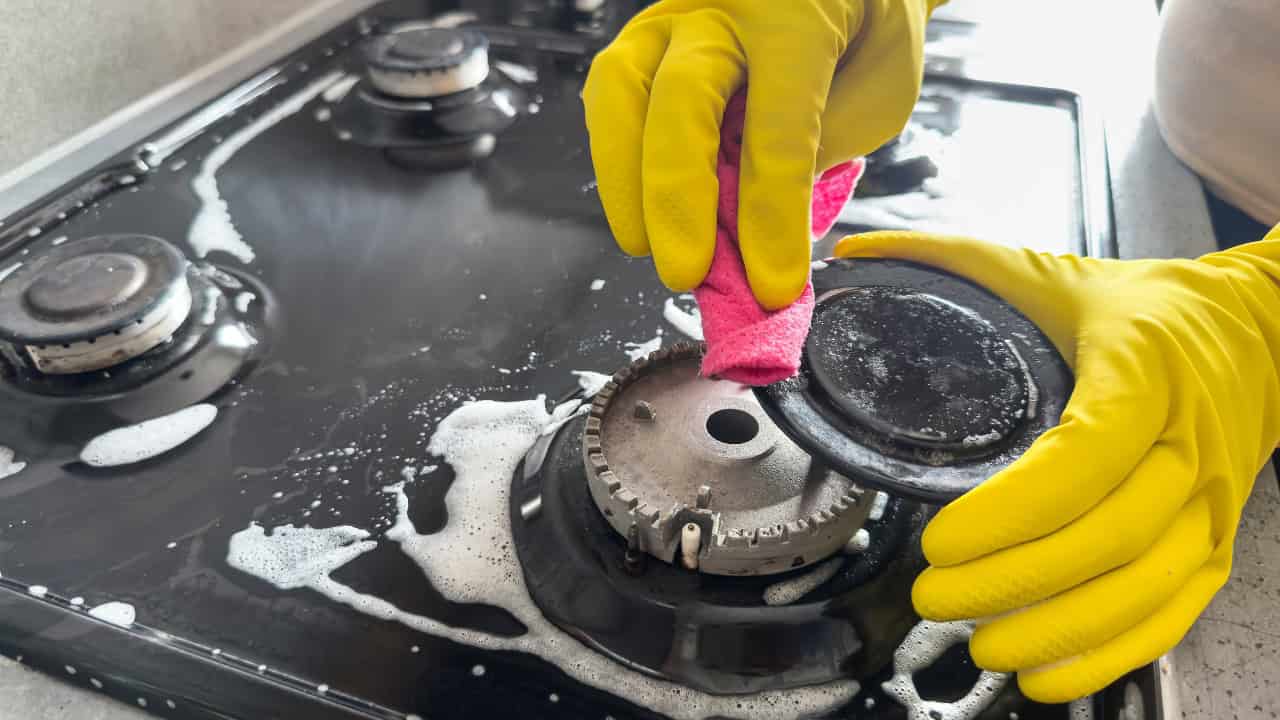
Using harsh chemicals on your appliances can lead to serious damage. These cleaners can scratch surfaces, discolor finishes, and wear down protective coatings.
Instead, opt for gentle cleaners that are specifically designed for your appliances. They can effectively clean without causing harm.
Always check the manufacturer’s guidelines to find out the best cleaning products to use. This helps ensure that your appliances stay in great shape for years to come.
*This article was created with the help of AI.