Starting a garden can be exciting, but it often comes with some common challenges that many beginners face. Understanding these pitfalls early on can help you save time, effort, and frustration as you grow your green space.
Knowing the typical mistakes gardeners make helps you avoid them and increase your chances of success. With a little guidance, you can develop healthy habits that make gardening more enjoyable and rewarding for you.
Advertisement
Setting goals too big too soon
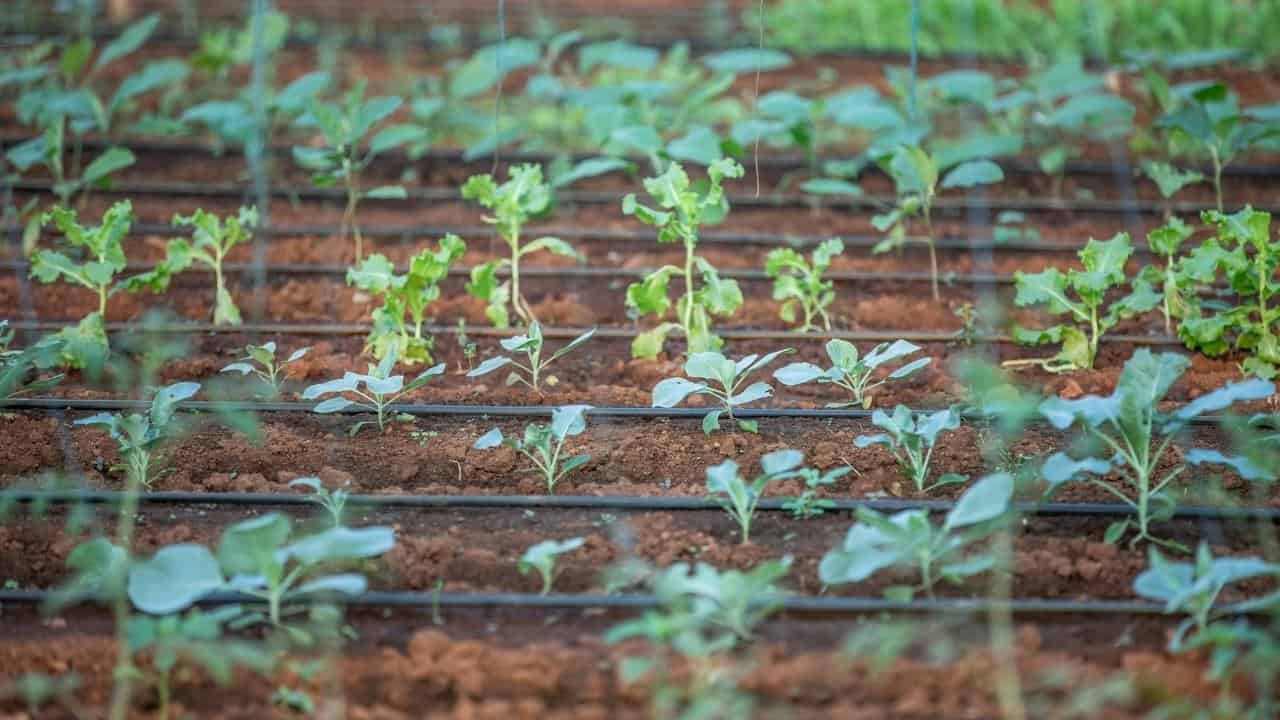
You might feel excited and want to start a large garden right away. But tackling too much at once can lead to frustration and burnout.
Start small with a few easy-to-manage plants. This helps you learn the basics without feeling overwhelmed.
As you gain confidence, you can gradually expand your garden. Taking it step by step makes gardening more enjoyable and successful.
Not testing soil before planting
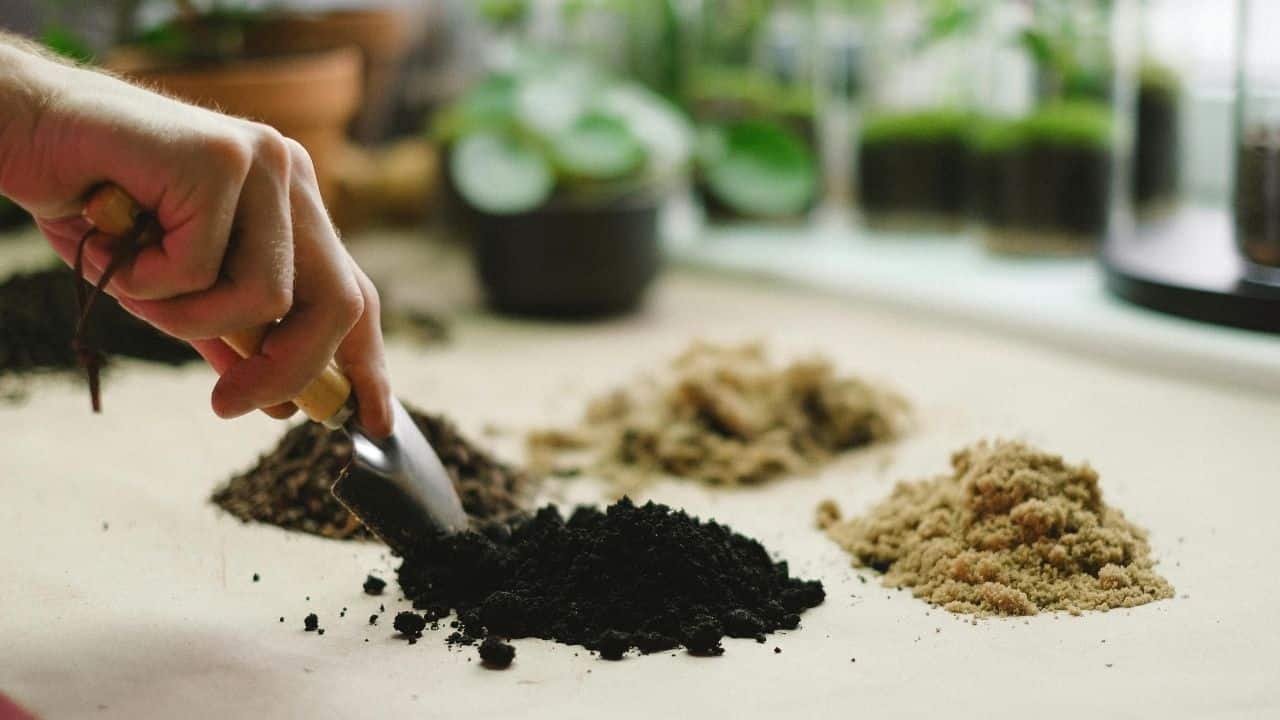
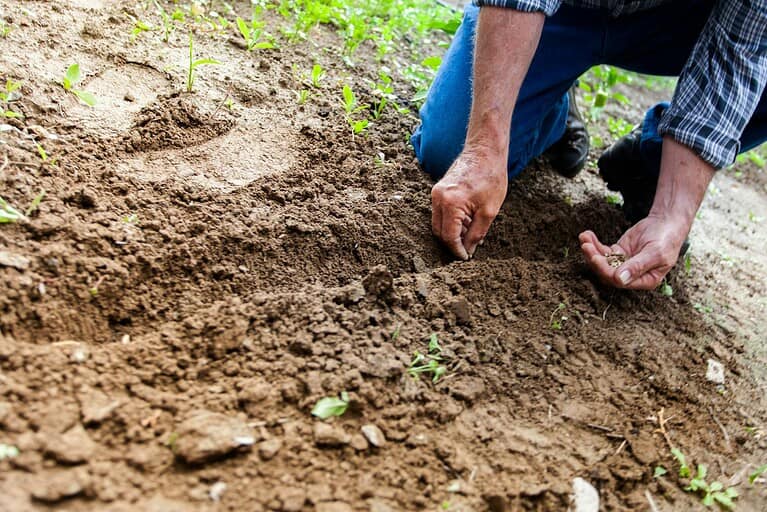
You might skip testing your soil, but this step is important. Soil tests tell you about nutrients and pH levels, helping you choose the right plants and amendments.
Without testing, your plants could struggle if the soil is too acidic or lacking nutrients. Testing early gives your garden a better start and saves effort later.
Ignoring proper sunlight needs

You might think all plants need the same amount of sun, but that’s not true. Most vegetables require at least 4 to 6 hours of direct sunlight daily to grow well.
If your plants don’t get enough light, they can become weak or fail to produce fruit or flowers. Pay attention to each plant’s sunlight requirements, and place them accordingly in your garden.
Overcrowding plants in beds

When you plant too closely, your plants compete for sunlight, water, and nutrients. This can stunt their growth and increase the chance of disease.
Give each plant enough space to grow by following spacing recommendations on seed packets or plant labels. Proper spacing helps your garden stay healthy and productive.
Forgetting to interplant compatible crops
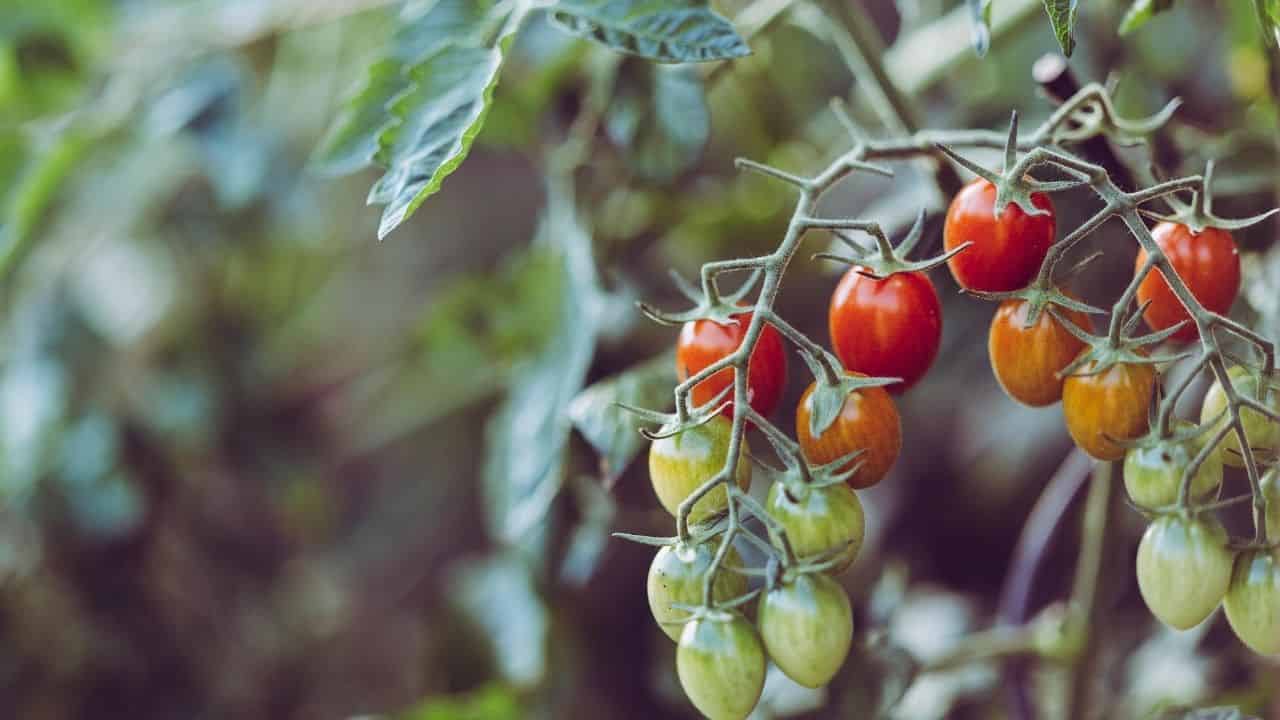
When you forget to interplant crops that grow well together, you miss out on natural benefits. Some plants help repel pests or improve soil health for their neighbors.
By choosing compatible crops, you can save space and reduce the need for pesticides. It also helps your garden stay balanced and healthy. Try pairing plants like tomatoes with basil or carrots with onions to support each other.
Planting too many varieties at once
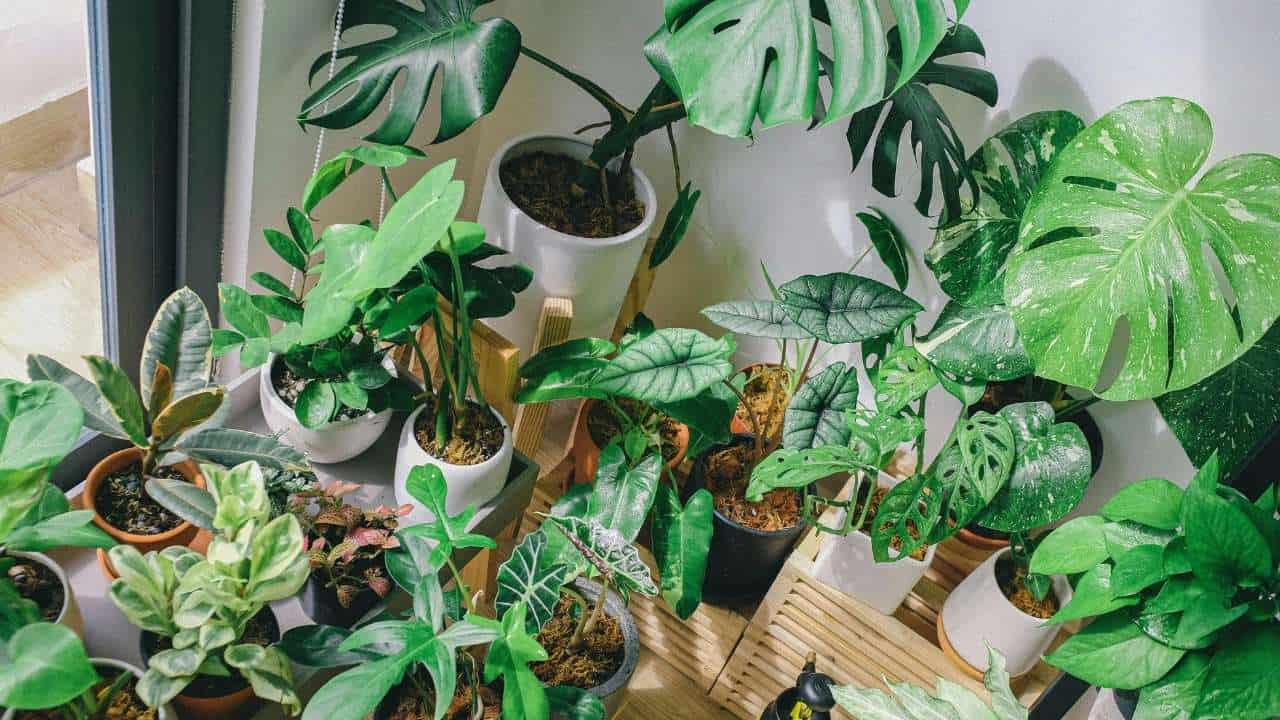
When you plant too many varieties at once, it can quickly become hard to manage. You might feel overwhelmed by their different care needs and schedules.
Focusing on a few types lets you learn what each plant really needs. This way, your garden is easier to maintain, and your plants stand a better chance of thriving. Start small, then add more varieties as you gain confidence.
Choosing poor quality or immature plants

You might be tempted to pick the cheapest plants, but poor quality or immature plants often struggle to grow. Look for healthy leaves, strong stems, and well-developed roots.
Avoid plants with yellowing leaves or signs of pests. Choosing the right plants gives your garden a stronger start and saves you time and effort later.
Skipping mulch to retain moisture
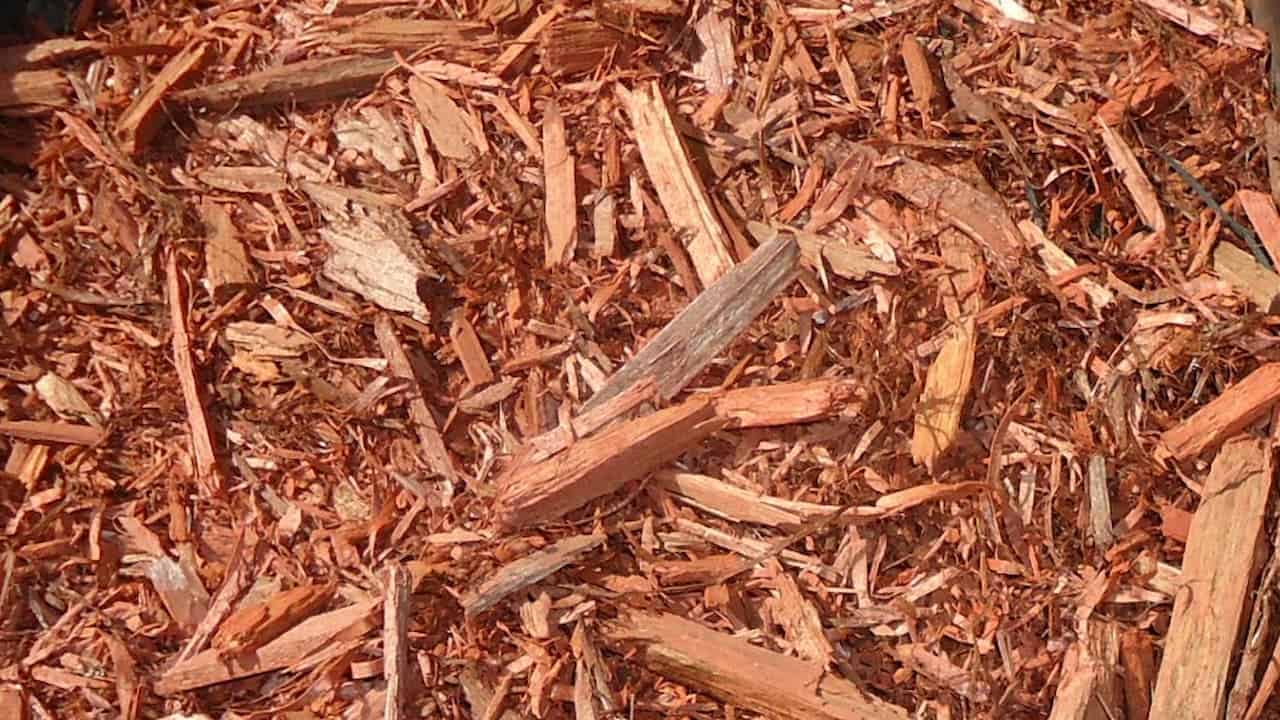
If you skip mulch, your soil may dry out faster than you expect. Mulch helps keep moisture in, especially on hot days.
Adding a layer of mulch around your plants also reduces the need to water every day. It protects roots from temperature changes. Be sure not to leave mulch on for too long, as it can create issues if it stays wet. Check it regularly for best results.
Watering inconsistently or too much
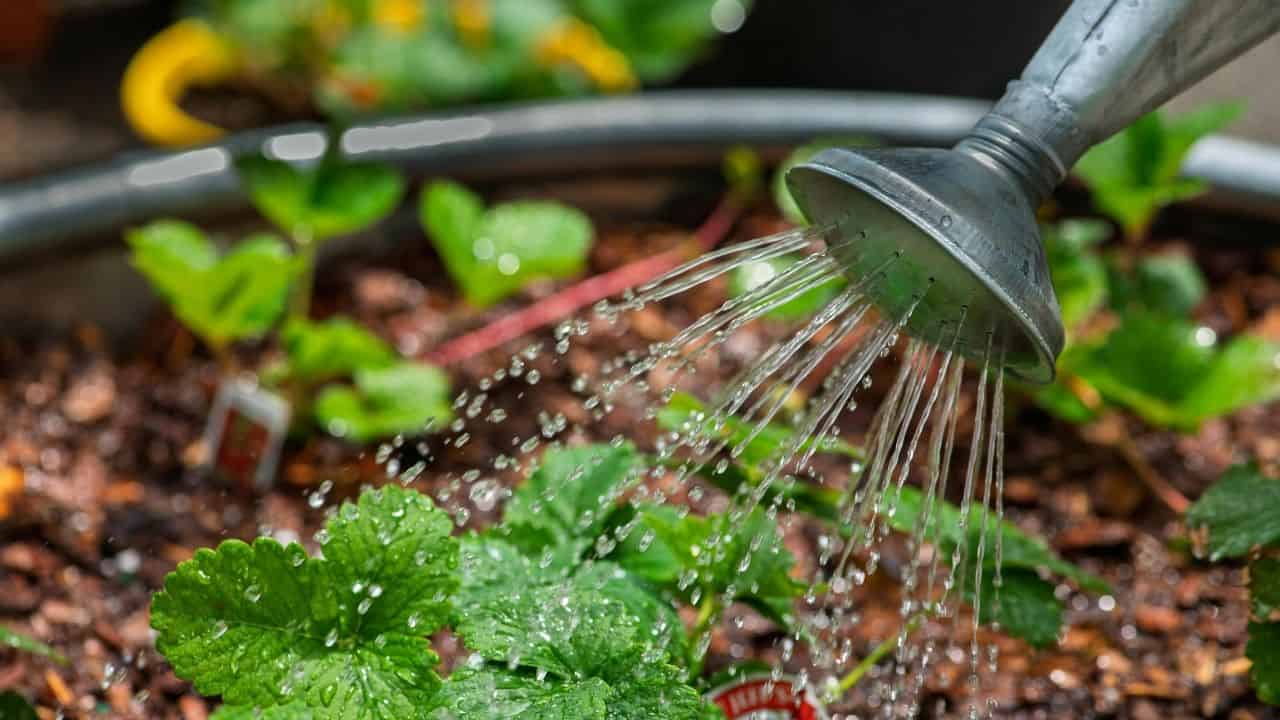
You might think watering every day helps, but it can actually harm your plants. Water too often, and the roots won’t grow deep, making plants weaker.
Try watering deeply and less frequently to encourage stronger roots. Pay attention to your plants’ needs since overwatering can cause root rot, while underwatering may dry them out. Finding the right balance is key to keeping your garden healthy.
Neglecting pest and disease prevention

You might be tempted to skip pest control, but ignoring it can let problems grow quickly. Using pesticides sparingly and encouraging natural predators like birds helps keep your garden balanced.
Check your plants regularly for signs of disease or insects. Early detection means easier treatment and healthier plants overall.
Failing to rotate crops annually
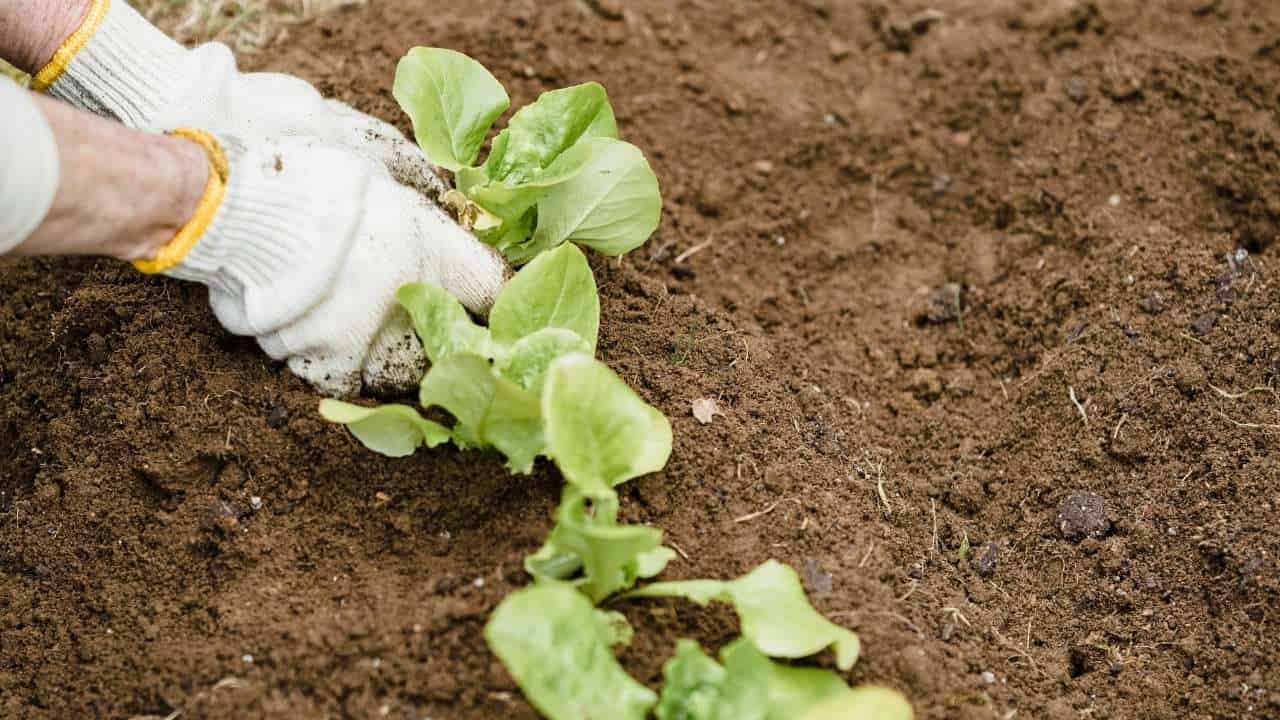
You might think planting the same crops in the same spot every year is easier. However, this can cause nutrient depletion in your soil. Different plants use different nutrients, so rotating crops helps keep your soil balanced.
Also, crop rotation reduces the buildup of pests and diseases that target specific plants. Try a simple rotation plan to give your garden a better chance to stay healthy and productive.
Using excessive or improper fertilizer
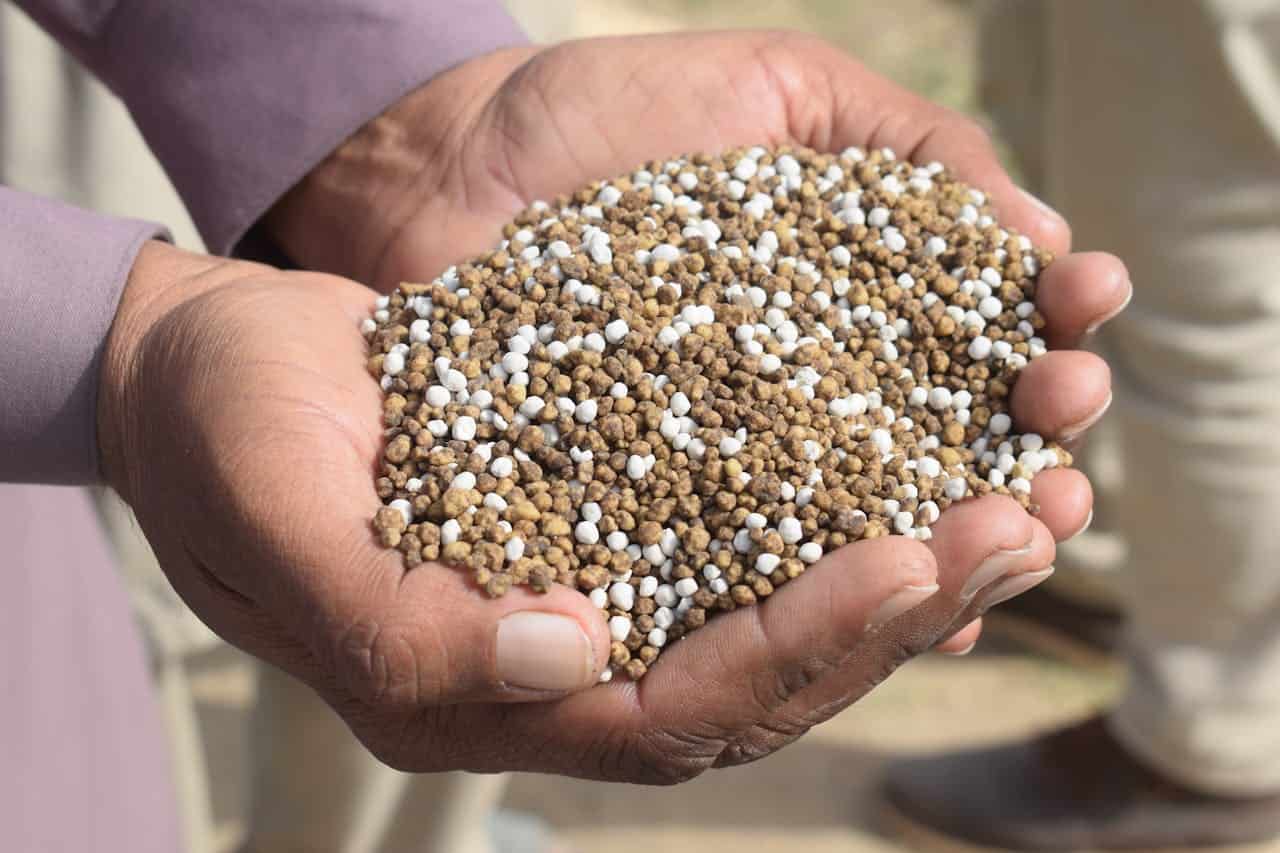
Using too much fertilizer can harm your plants by causing fertilizer burn. This happens when high salt concentrations damage the roots.
Make sure you use the right type of fertilizer for your plants. Different plants have different nutrient needs. Always follow the instructions on the packaging. Over-fertilizing is a common mistake that can stunt growth or kill plants.
Not considering local climate conditions
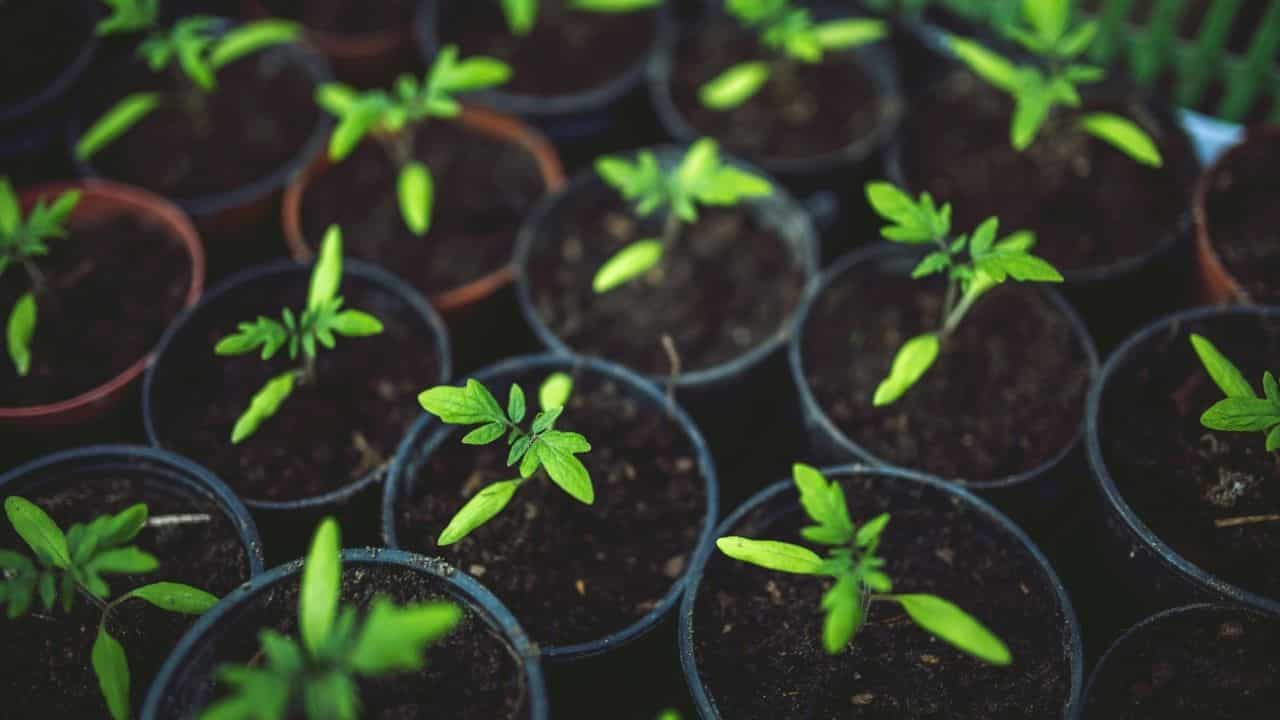
You might be tempted to plant something simply because it looks nice, but your local climate plays a big role in what will actually grow well.
Pay attention to your area’s temperature range, rainfall, and frost dates. Choosing plants suited to these conditions saves you time and frustration. Knowing your climate helps you plan the best planting seasons and gives your garden a stronger chance of success.
Starting without a basic garden plan

If you start gardening without a plan, it’s easy to feel overwhelmed. Take time to map out your garden space and decide what you want to grow.
Consider sunlight, soil type, and plant sizes to avoid overcrowding. A simple plan helps you stay organized and makes gardening more enjoyable.