When it comes to upgrading your home, not every improvement will add the value or comfort you might expect. Some upgrades can end up costing you more than they are worth, both in terms of money and long-term satisfaction.
Knowing which home upgrades to avoid can help you save money and focus on changes that truly make a difference in your living space and resale value. Making smart choices ensures your investment benefits you now and in the future.
Advertisement
Installing an in-ground swimming pool
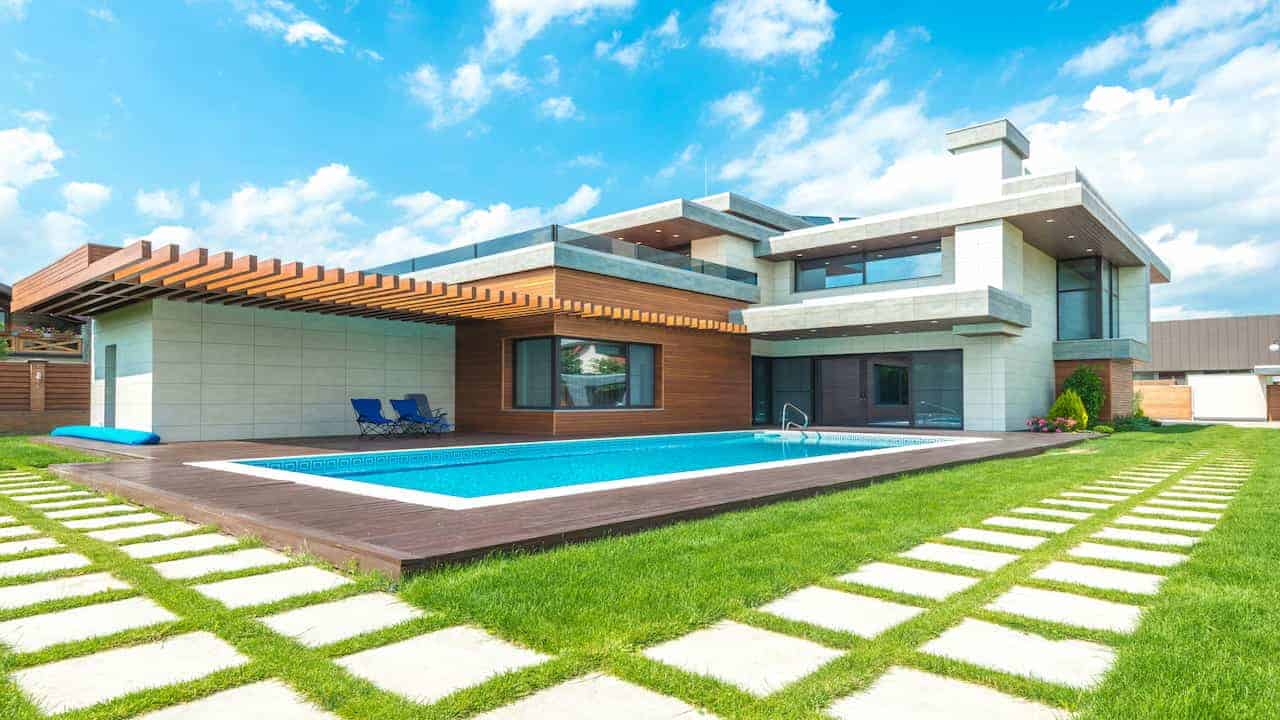
Adding an in-ground swimming pool might seem like a fun upgrade for your home. However, it often costs much more than it adds to your home’s value.
You could spend tens of thousands on installation, but many buyers see pools as extra maintenance and safety concerns. If you don’t live in a warm climate year-round, a pool may be especially hard to sell later.
High-end luxury kitchen remodel
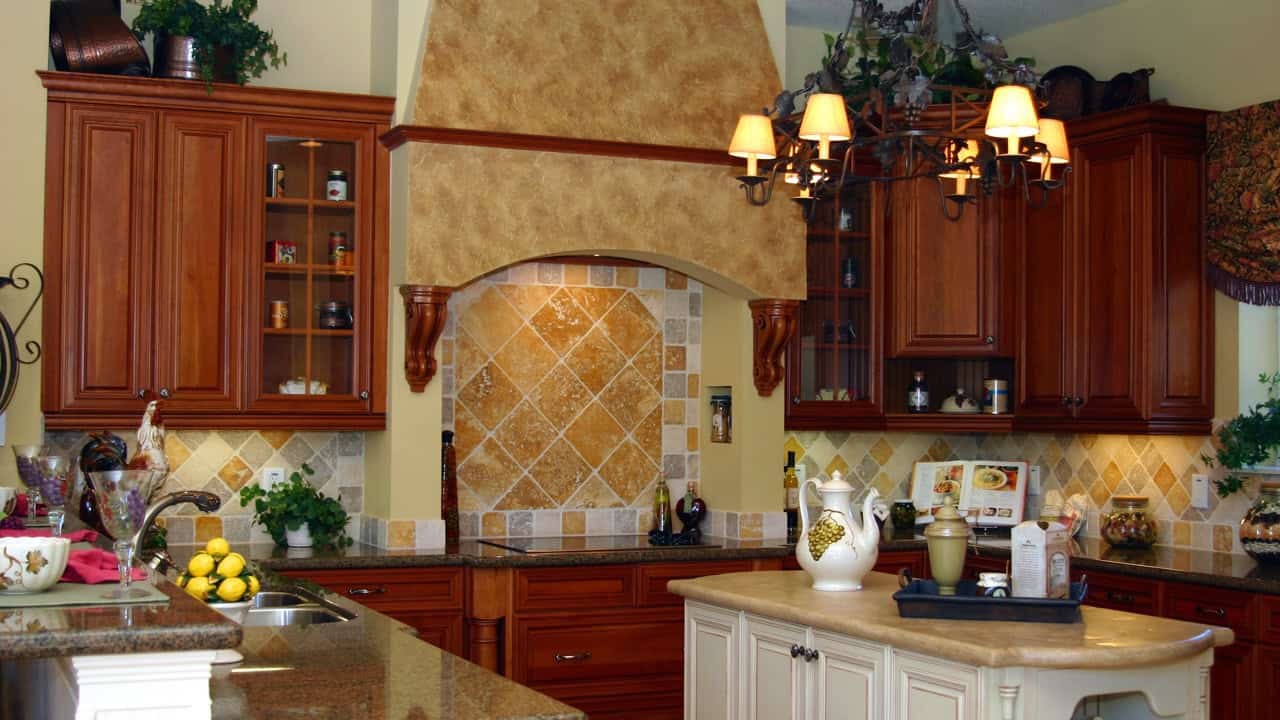
You might think a luxury kitchen remodel adds big value, but often it recoups only about half of what you spend. Features like oversized refrigerators and marble countertops can quickly blow your budget without a strong return.
Consider if those upgrades truly fit your lifestyle. Sometimes simpler updates give you more satisfaction and save money in the long run.
Adding a sunroom addition
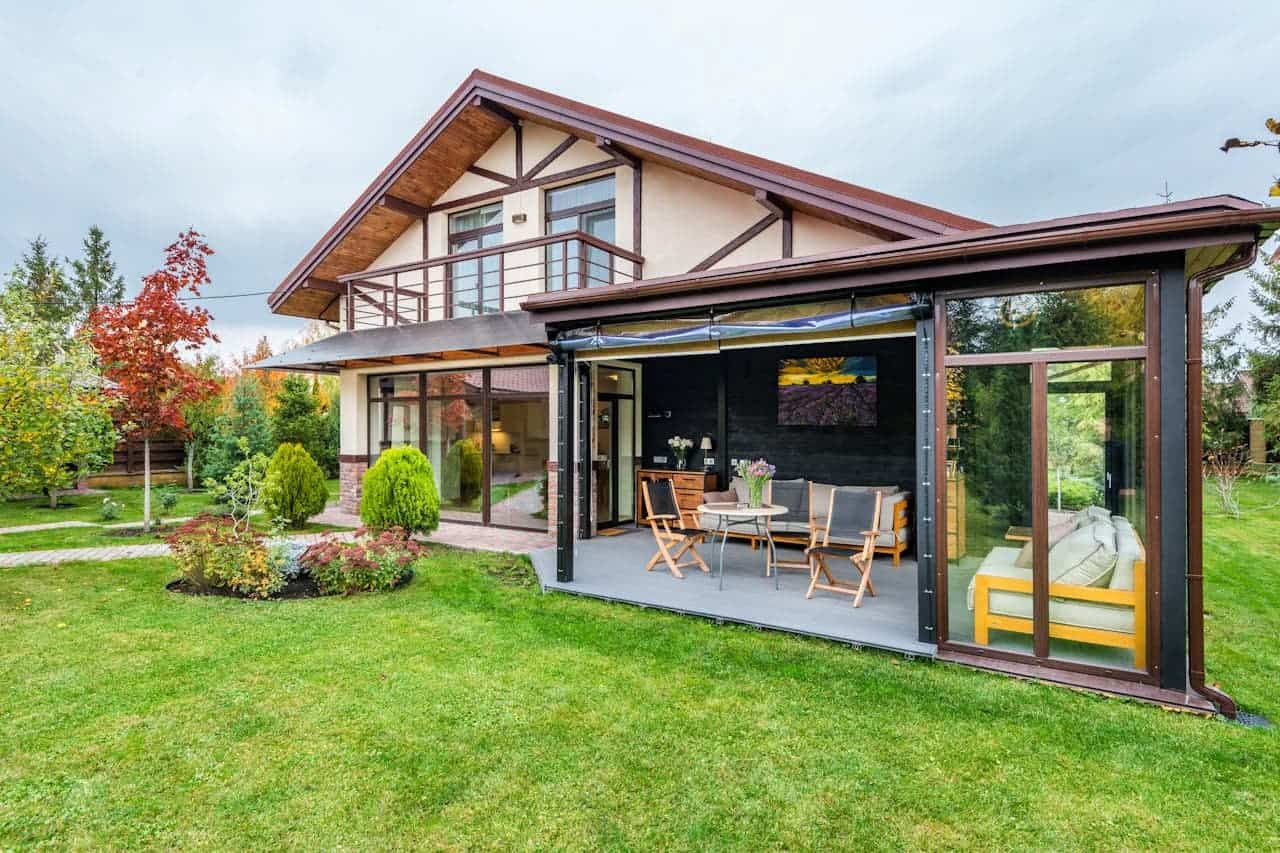
Adding a sunroom might seem like a nice upgrade, but it often doesn’t add much value to your home. Many buyers don’t see sunrooms as essential, which means you may get only about half of what you spent back when selling.
Sunrooms can be costly, ranging from moderate to very expensive depending on size and features. They usually require less complex construction but still might not boost your resale value enough to justify the expense.
Renovating fireplace mantles
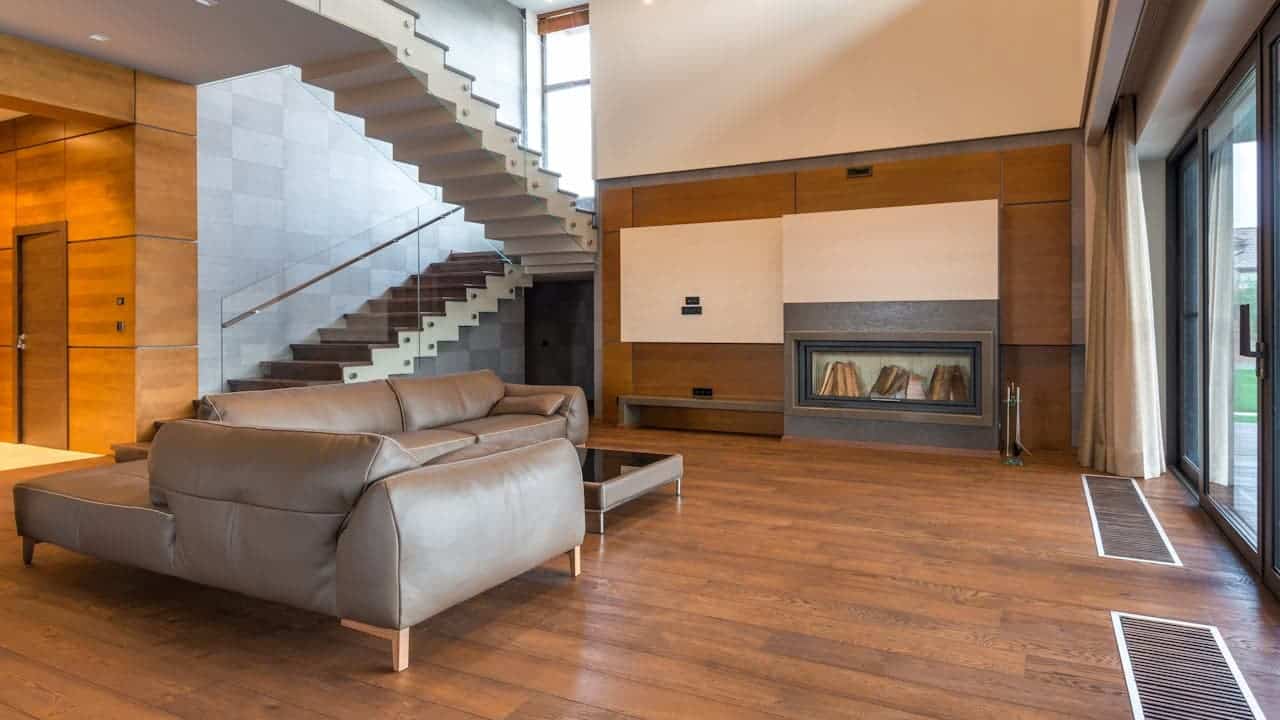
Renovating your fireplace mantle might seem like a good idea to boost your home’s appeal. However, this upgrade rarely adds significant value to your property.
Buyers tend to focus on more important features, so spending a lot here might not pay off. Instead, ensure the fireplace itself is safe and functional. A clean, well-maintained hearth matters more than an elaborate mantle.
Building custom built-in bookshelves
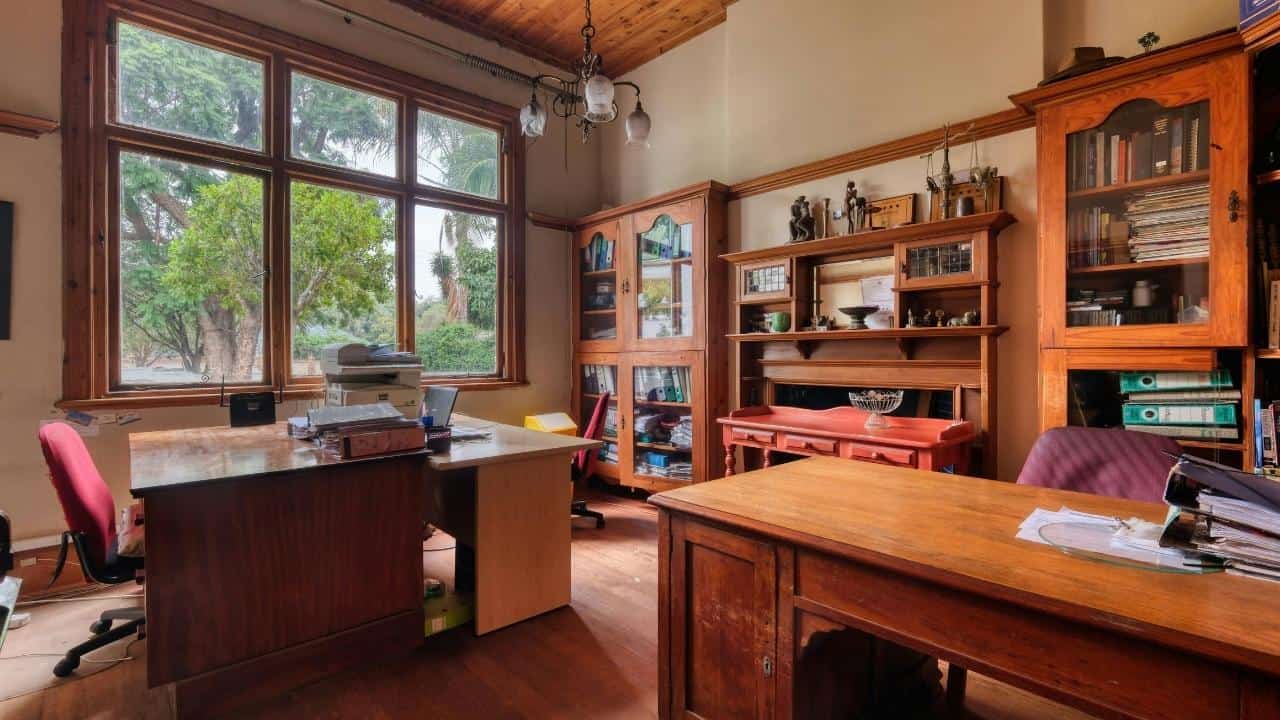
Building custom built-in bookshelves can seem like a great idea for adding storage and style. However, if you don’t plan to stay in your home long-term, they might not add value for future buyers.
These projects can also be costly and time-consuming. If you want a similar look without the hassle, consider adjustable or removable shelving options instead. This keeps your space flexible and appealing to others.
Turning kitchen all white paint

If you’re thinking about painting your kitchen all white, consider that this trend is now outdated. It may feel fresh, but many homeowners find it lacks personality and warmth over time.
White kitchens can also show dirt and wear more easily, meaning more upkeep for you. Exploring other color options might give your kitchen a more unique and inviting look.
Extravagant backyard landscaping

You might be tempted to create an elaborate garden with intricate pathways and expensive features. However, this can quickly become a financial burden without adding much value to your home.
Simple upgrades like a gravel path or well-placed lighting often deliver better results for less money. Overspending on landscaping can also make maintenance more difficult and costly in the long run. Keep it practical and budget-friendly.
Over-the-top home theater rooms
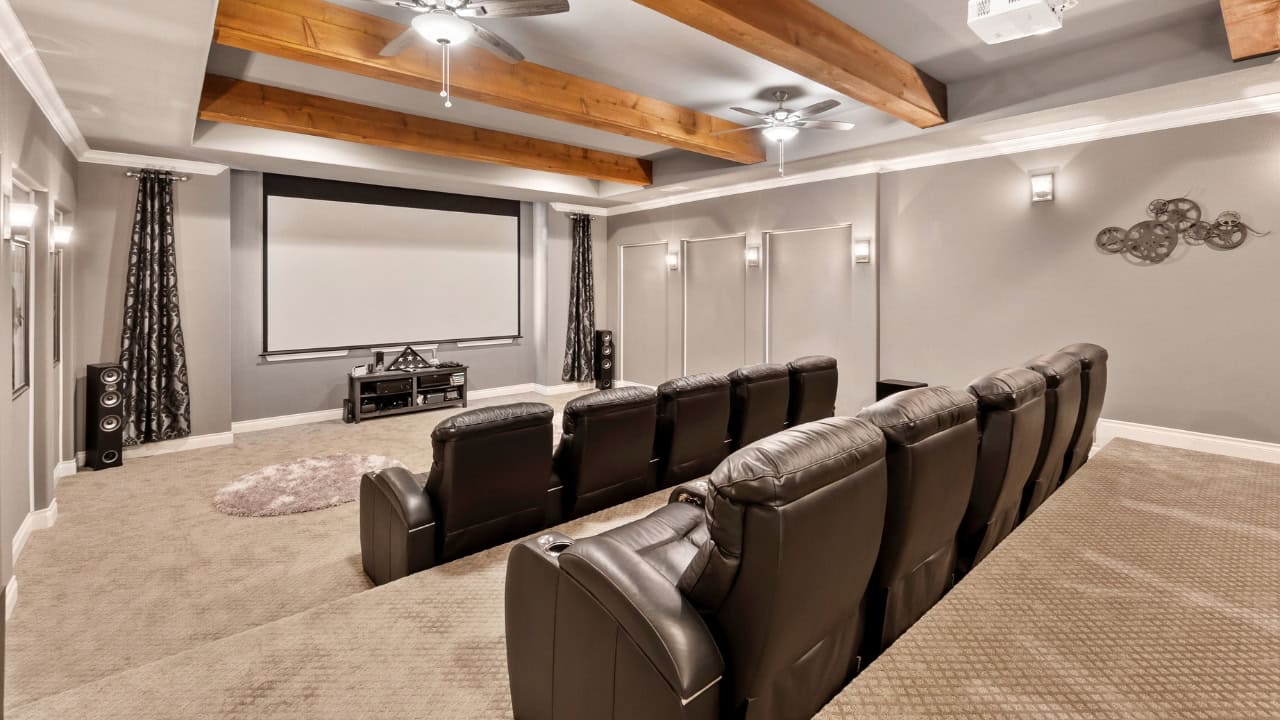
You might think a high-end home theater adds value, but going too far can backfire. Expensive built-in equipment and soundproofing often don’t boost resale value enough to justify the cost.
A simple basement setup with a decent screen and speakers usually does the job. You can always remove or change it later without much hassle or expense. Keep it practical to enjoy without overspending.
Adding ornate crown molding everywhere

Adding ornate crown molding to every room might seem like a quick way to add style. But it often ends up feeling overdone and can overwhelm your space.
You may also find the cost doesn’t match the value it adds. If the style doesn’t fit your home’s design, it can look out of place.
Consider where crown molding truly enhances your space before committing to it everywhere. Focus on key areas for a balanced, tasteful look.
Installing exotic flooring materials
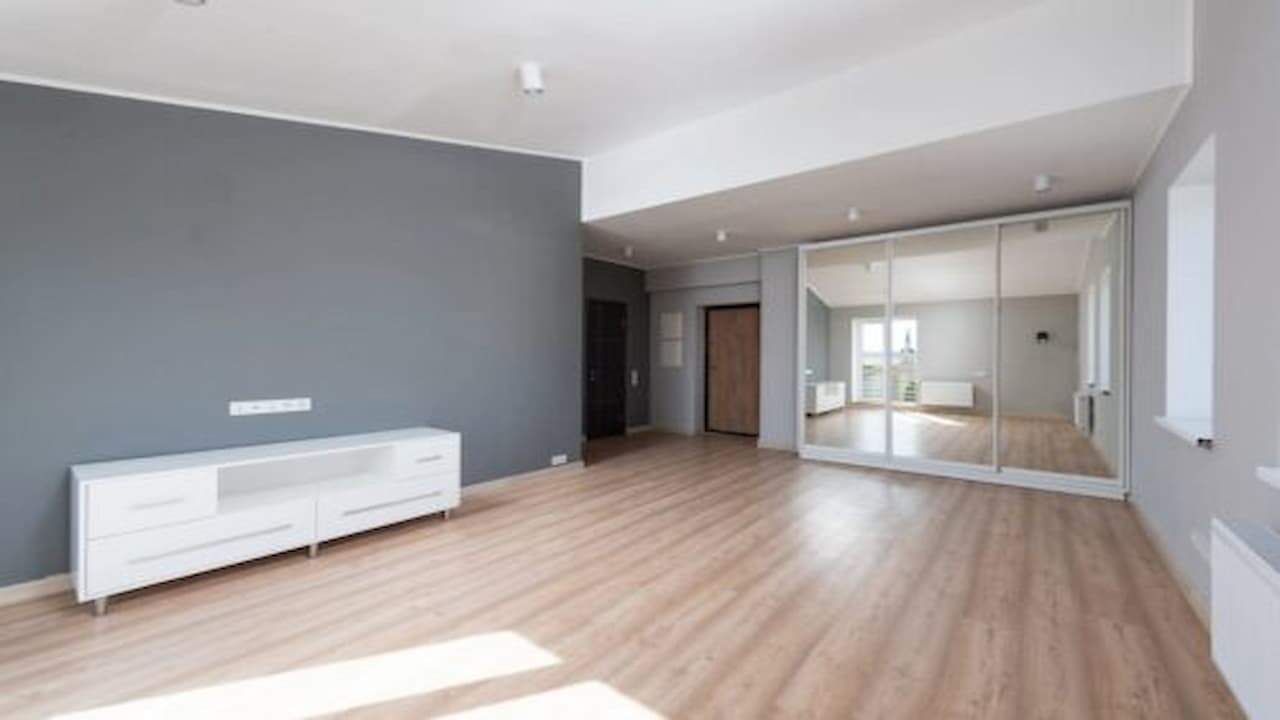
You might be tempted to choose exotic flooring for a unique look. However, these materials often come with high costs and require special maintenance.
Exotic floors can wear quickly or be difficult to repair, impacting your home’s long-term value. It’s usually better to pick durable, low-maintenance options like hardwood or laminate.
Upgrading to high-end smart home systems unnecessarily
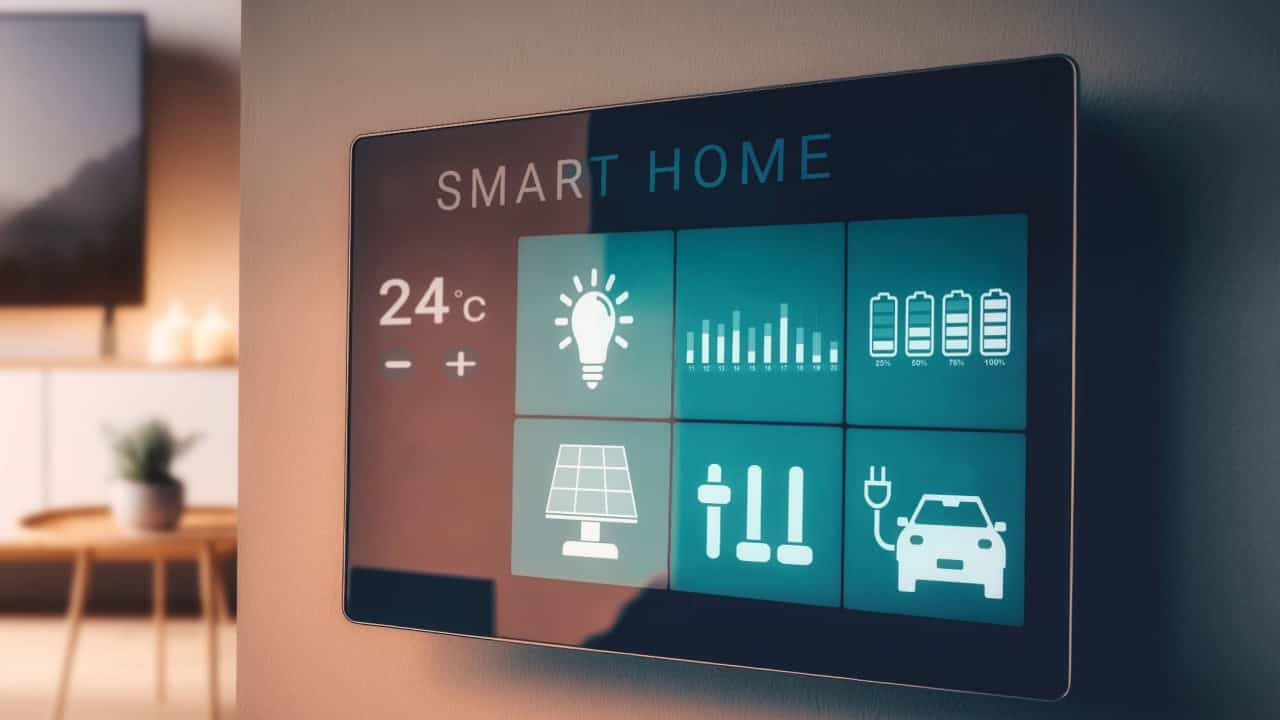
You might be tempted to install a full smart home system with every gadget available. But these high-end systems often come with a price that doesn’t match their practical benefit.
Simple smart devices, like a thermostat or lighting controls, can improve your home without a big investment. Avoid buying complex setups that you don’t truly need or won’t use regularly.
Remember, the goal is to make your home comfortable and efficient, not to overwhelm it with technology that adds little value.
Constructing a large outdoor kitchen
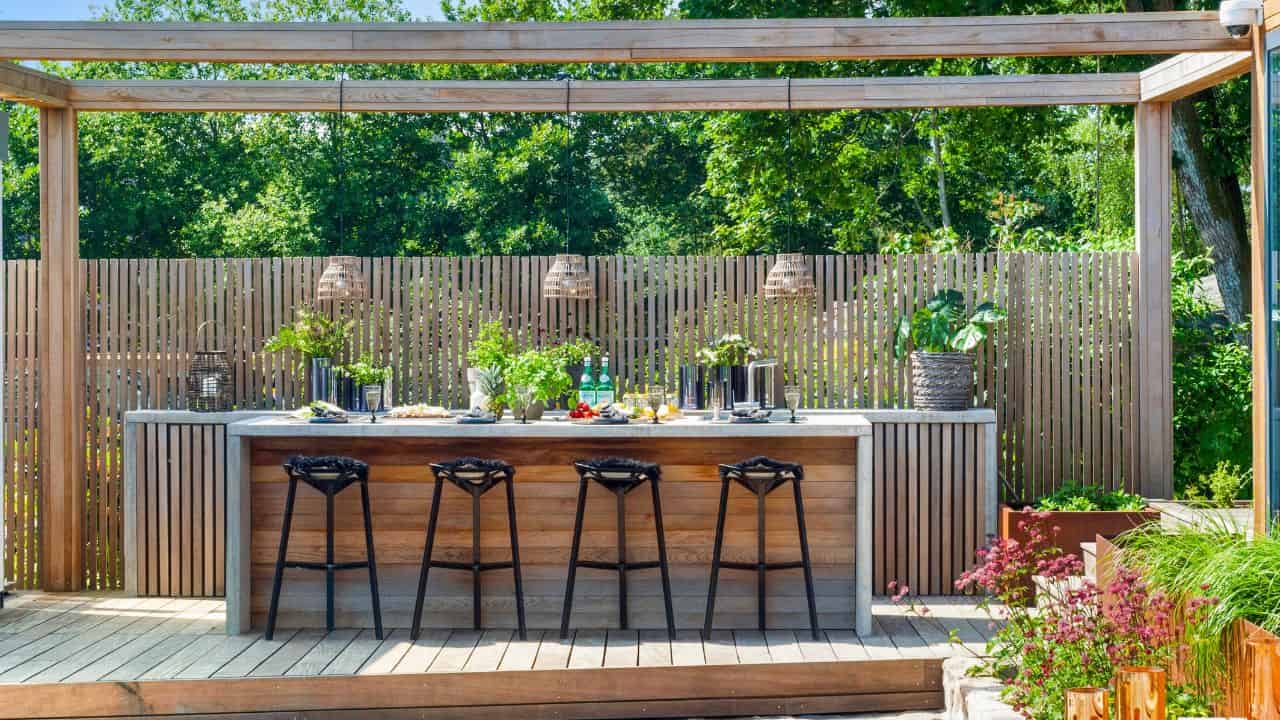
Building a large outdoor kitchen can quickly become expensive. Costs often range between $275 and $900 per square foot, not including appliances, which add thousands more.
If your yard isn’t spacious, a big outdoor kitchen might overwhelm your outdoor area. Planning is key to avoid wasting space or money.
Remember to include essentials like a sink and fridge. Without these, you’ll find yourself running back inside often, which defeats the purpose of having an outdoor kitchen.
Installing expensive fountain features

Adding a fancy fountain to your yard might seem like a nice touch. However, it often doesn’t add much value when it’s time to sell.
Fountains require regular maintenance and can increase your water bill.
If you want to enhance your outdoor space, simpler and low-maintenance features usually make more sense for your budget and future buyers.
The Hidden Costs of Home Upgrades

When you upgrade your home, the expenses often go beyond the visible price tag. Some upgrades may not increase your home’s value or appeal as much as you expect, leading to unexpected financial downsides.
How Ineffective Investments Can Impact Resale Value
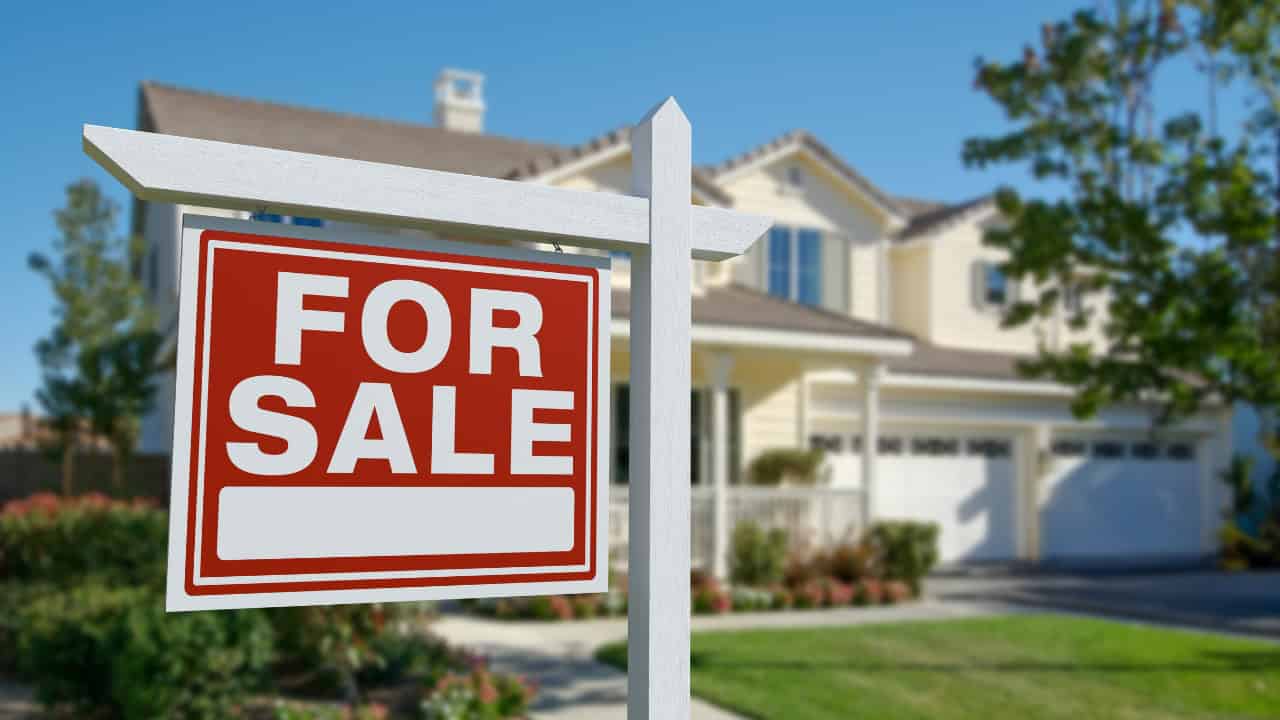
Not all home improvements boost resale value. For example, costly additions like sunrooms often have a poor cost-to-benefit ratio. Buyers may prefer more practical spaces or upgrades that improve energy efficiency.
Certain upgrades can even deter buyers if they appear overly customized or out of style. You might spend thousands on features like high-end potlights, but these might not appeal to future owners and could delay your sale.
Avoid upgrades that add little to no resale value. Instead, focus on updates that attract a wider pool of buyers and maintain or increase your home’s market appeal.
Evaluating Return on Investment Before Renovating
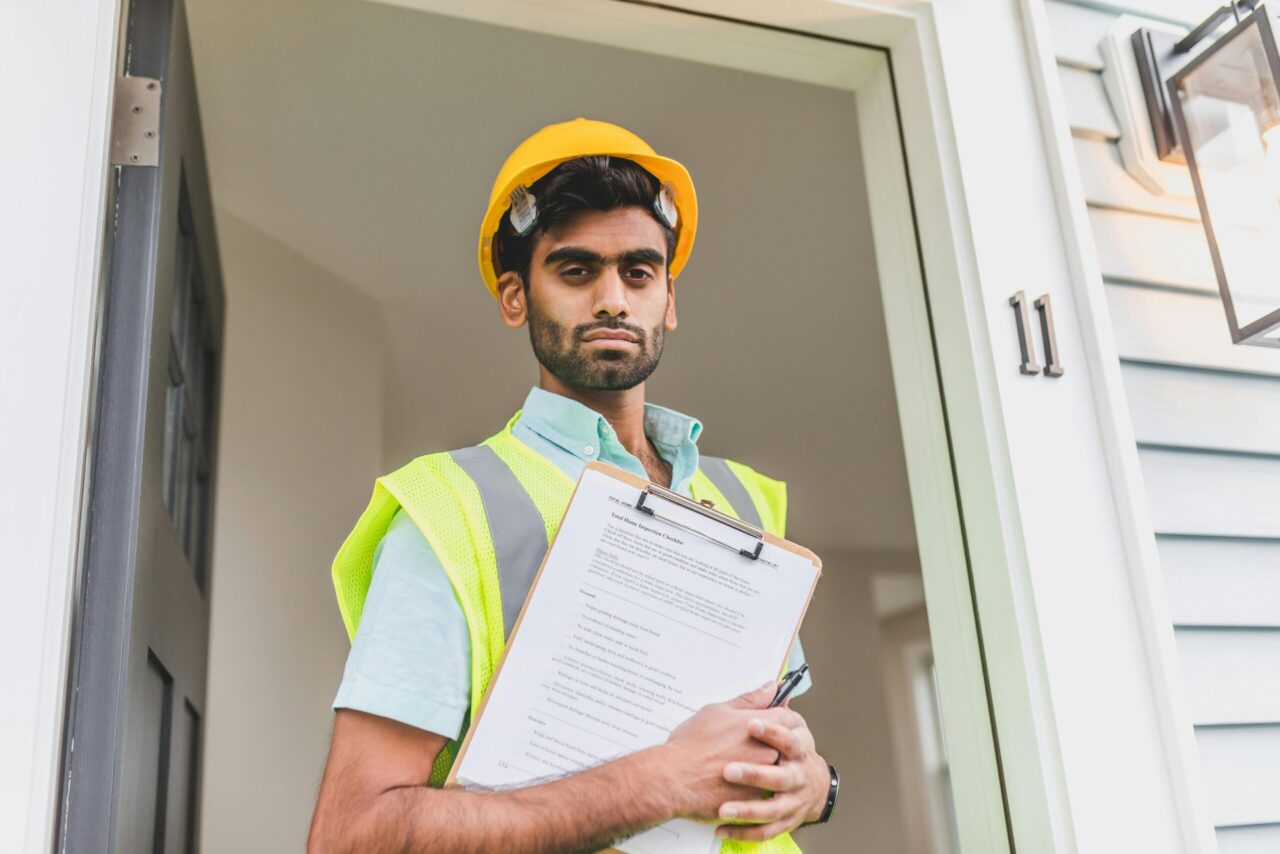
Before you start remodeling, calculate the likely return on investment (ROI). Simple upgrades, such as attic insulation or basic kitchen updates, often offer better ROI than luxury additions.
Consider cost, market preferences, and regional demand. Research what buyers in your area value most. Skipping expensive, non-essential additions like custom lighting installations can save money without lowering your home’s desirability.
Creating a prioritized list of improvements based on ROI helps you plan smarter. You can avoid spending on flashy features that don’t pay off and focus on upgrades with clear financial benefits.
Choosing Upgrades That Truly Add Value

When picking upgrades, focus on improvements that enhance your home’s efficiency and appeal to buyers. This approach helps ensure your investment pays off if you decide to sell. Not all upgrades work the same, so it’s important to know what matters most.
Focusing on Energy Efficiency Improvements
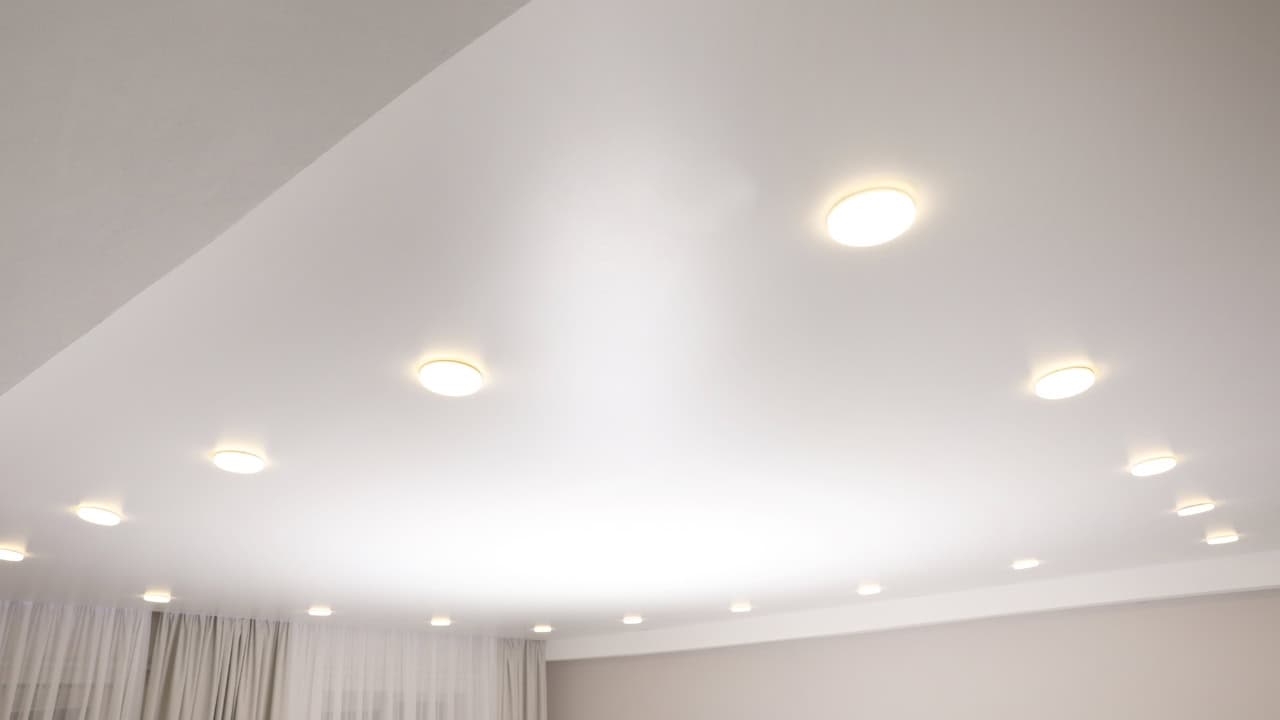
Energy-efficient upgrades often provide the best return on investment. Installing LED lighting, double-pane windows, or Energy Star-certified appliances can lower utility bills and attract buyers who want to save money long-term.
Adding insulation or a programmable thermostat improves comfort and cuts energy waste. These changes may cost less upfront but stand out as practical improvements in home inspections.
Remember to check for local rebates or incentives. They can reduce the cost of energy-efficient upgrades and make your home more competitive when selling.
Why Buyer Preferences Matter

Buyers tend to prefer features that fit current lifestyle trends and practical needs. Neutral paint colors, modern flooring, and well-maintained systems like HVAC or plumbing tend to appeal widely.
Avoid upgrades that are too personalized or high-maintenance, such as extravagant pools or overly unique design choices. These can limit your pool of interested buyers or require extra upkeep.
You can research your local market to see what buyers in your area prioritize. This insight helps you select upgrades that will enhance your home’s value and market appeal.