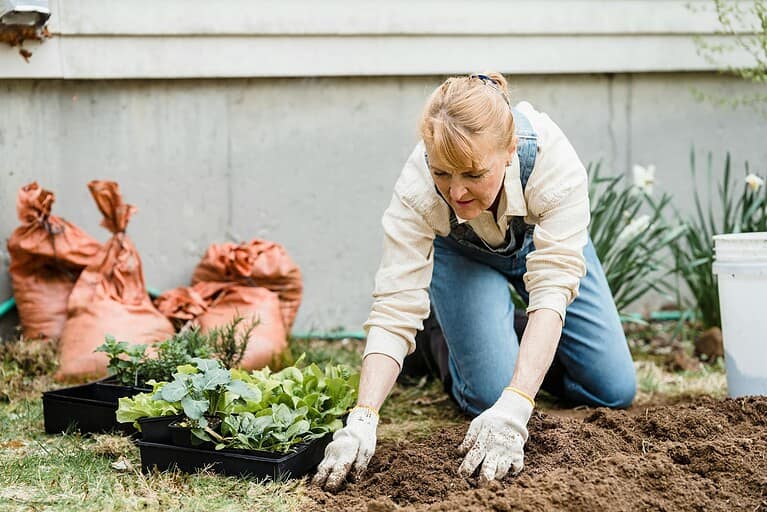
Creating a bird-friendly garden is a rewarding way to invite nature closer to your home. By providing food, water, and shelter, you can attract a variety of birds and enjoy their presence throughout the year.
This article will guide you through simple steps to help you create a welcoming environment for your feathered visitors.
Advertisement
Plant native berry-producing shrubs like serviceberry and elderberry
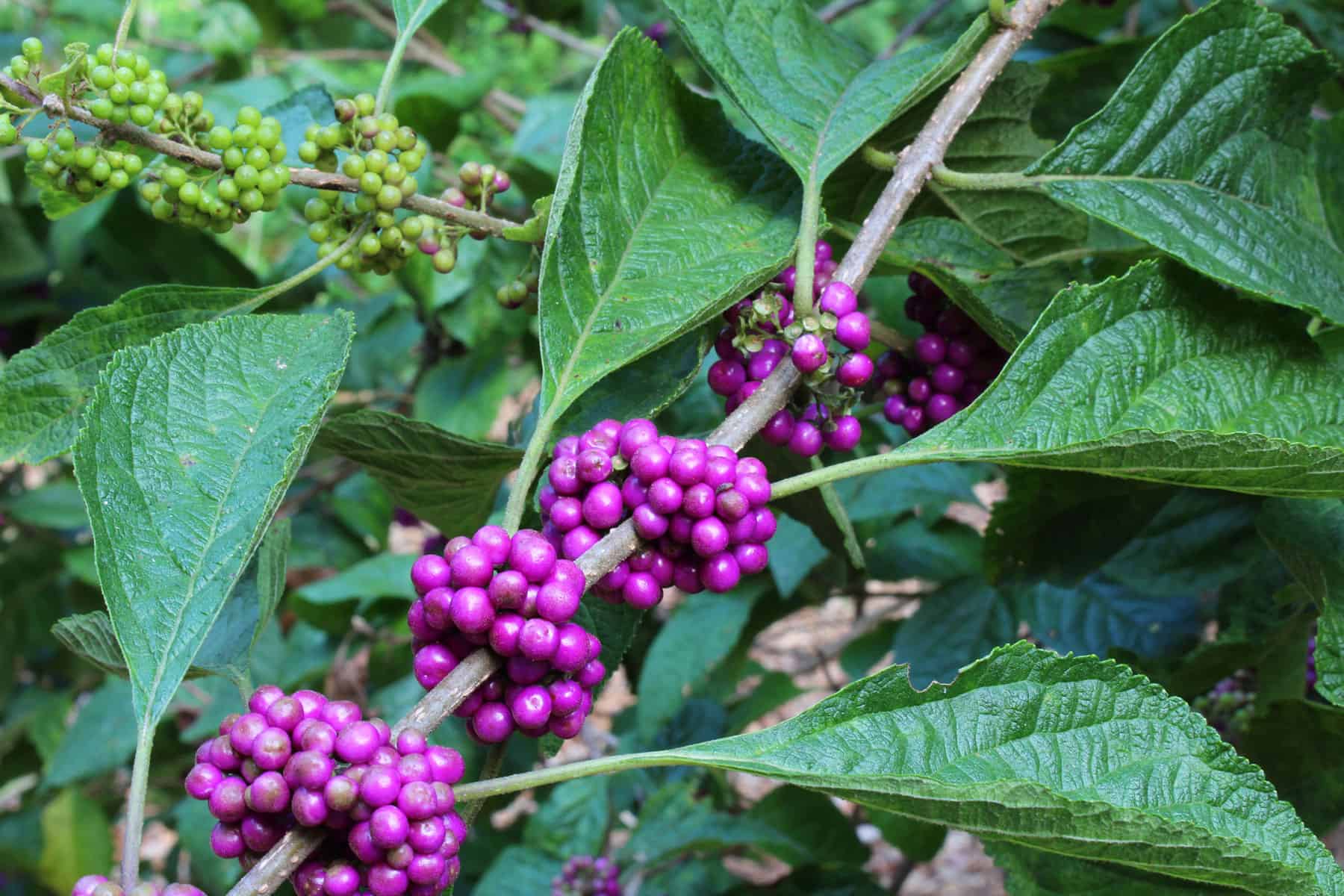
You can attract more birds by planting native berry-producing shrubs. Serviceberry and elderberry are great choices that offer food through their berries.
These shrubs support local birds, especially during migration and winter months. Elderberry flowers also attract insects, providing extra food for birds in spring.
Choosing native plants helps your garden fit naturally with the local ecosystem.
Install bird feeders with sunflower seeds and nyjer seed

You can attract many birds by setting up feeders filled with black oil sunflower seeds and nyjer seed. Sunflower seeds appeal to cardinals, chickadees, and finches, while nyjer seed is a favorite of goldfinches.
Place feeders in quiet, visible spots to help birds find food safely.
Provide fresh water with a bird bath or small pond

You can attract birds by adding a bird bath or a small pond to your garden. Make sure the water is clean and refreshed daily, especially during warm weather.
Place the water source where birds can easily see and access it. Adding nearby bushes gives birds a safe spot to rest while they visit.
Add a variety of vines such as trumpet vine for cover
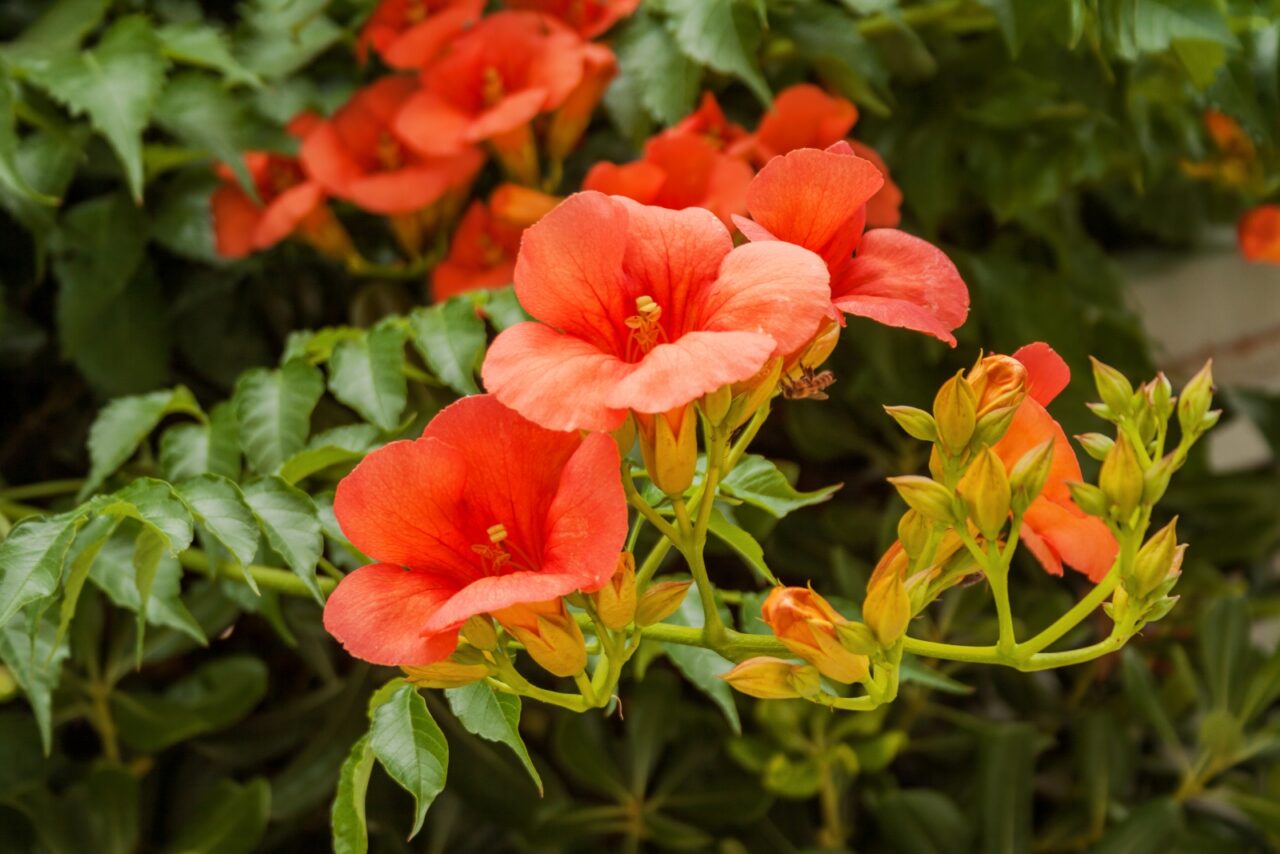
You can create great cover for birds by adding vines like trumpet vine to your garden. These plants provide shelter and safe places for birds to perch or nest.
Trumpet vine also attracts hummingbirds with its tubular flowers. Make sure to choose native vines to support local bird species naturally.
Put up wooden nest boxes for cavity-nesting birds

You can attract birds like bluebirds and chickadees by putting up wooden nest boxes. Choose untreated wood like cedar or redwood for durability.
Place the boxes on metal poles or wooden posts and add predator guards below to keep birds safe. Plain boxes usually work better than brightly painted ones.
Grow nectar-rich flowers like bee balm and columbine
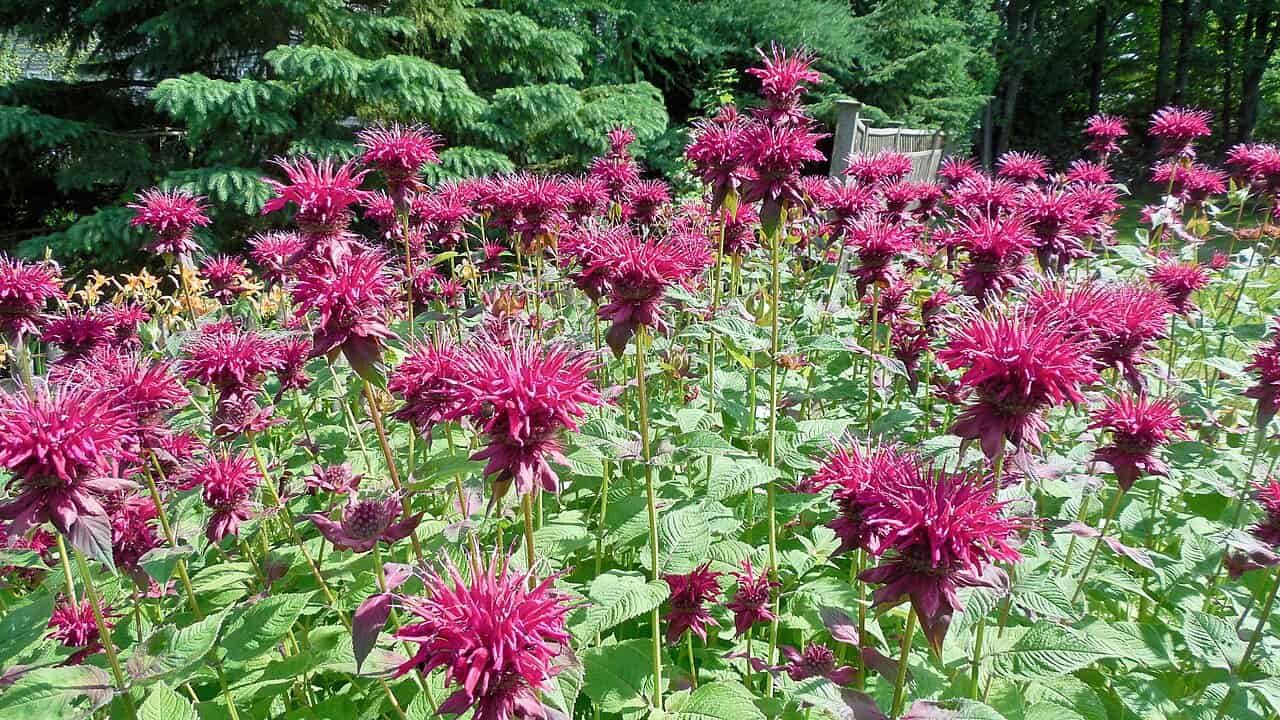
You can attract more birds by planting nectar-rich flowers such as bee balm and columbine. These flowers provide a valuable food source, especially for hummingbirds.
Bee balm has vibrant, tubular blossoms that are easy for hummingbirds to access. Columbine offers sweet nectar and adds a unique shape to your garden’s variety. Both plants bring color and life while supporting local wildlife.
Leave dead trees or snags for natural perching and nesting
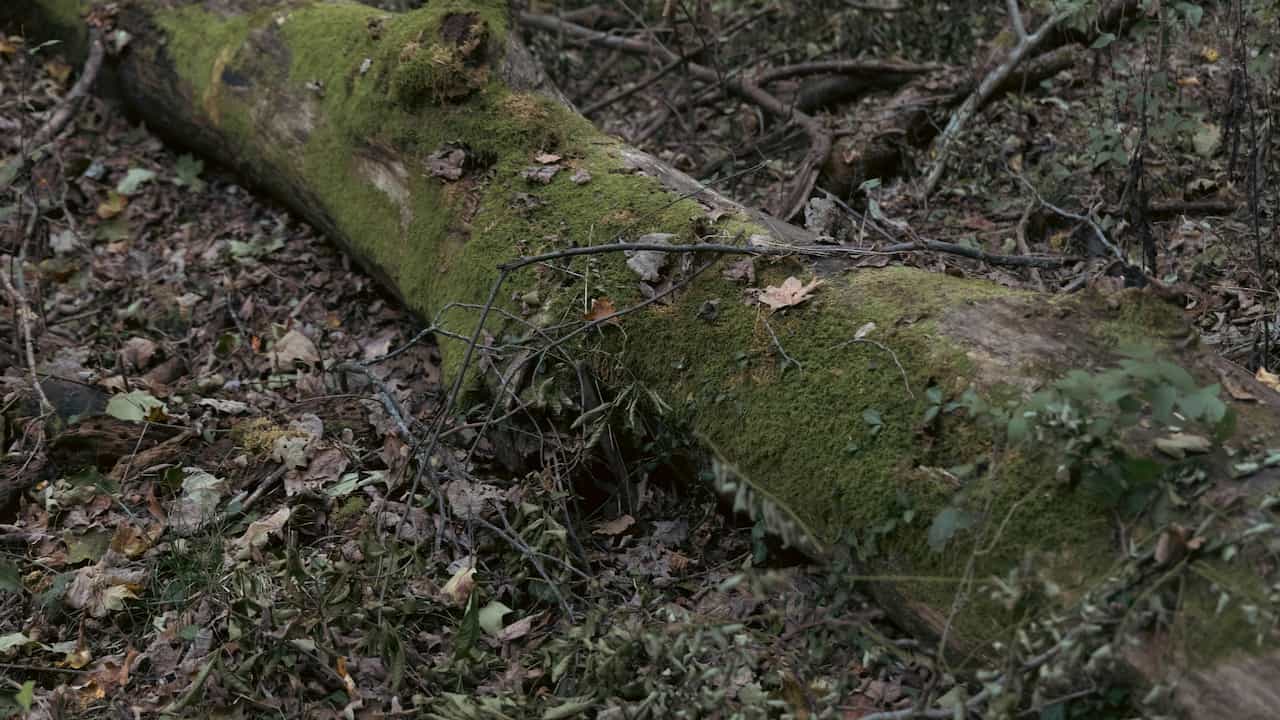
You can leave dead trees or snags in your garden to provide natural perching spots for birds. These areas are important for species like woodpeckers and chickadees that use cavities for nesting.
Dead trees also offer food sources like insects hiding under the bark. Just make sure the tree is safe and not a hazard to people or property.
Create thick native hedges for shelter and protection

You can provide birds with safe places to rest by planting thick native hedges in your garden. Choose a mix of species like hawthorn, blackthorn, and holly to offer year-round shelter.
These dense hedges help protect birds from predators and harsh weather. They create natural nesting spots for many local bird species.
Plant evergreens for year-round cover
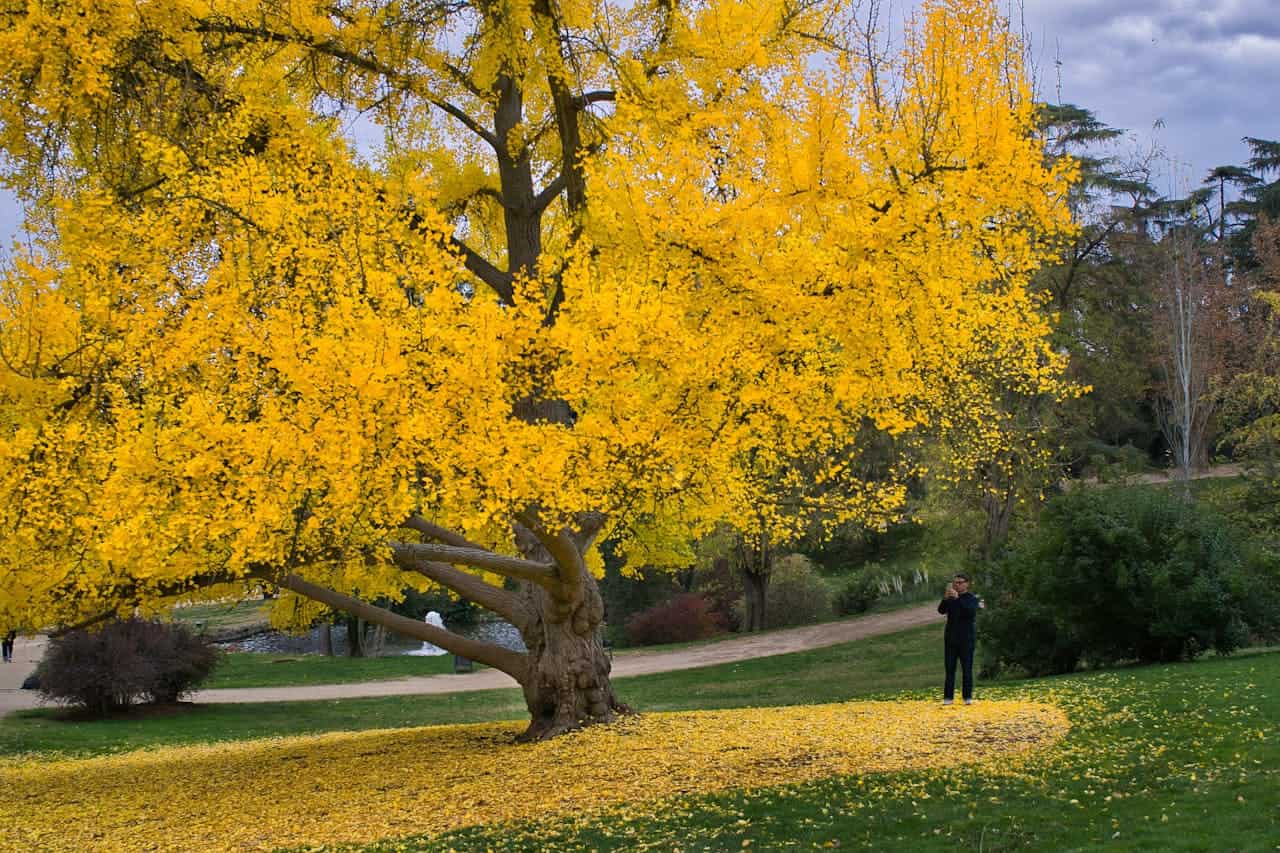
You can add evergreens to your garden to provide shelter for birds all year. These plants keep their leaves or needles through winter, giving birds a safe place to hide from cold and predators.
Evergreens also offer a steady source of cover when other plants lose their leaves.
Set up ground-level brush piles for small birds
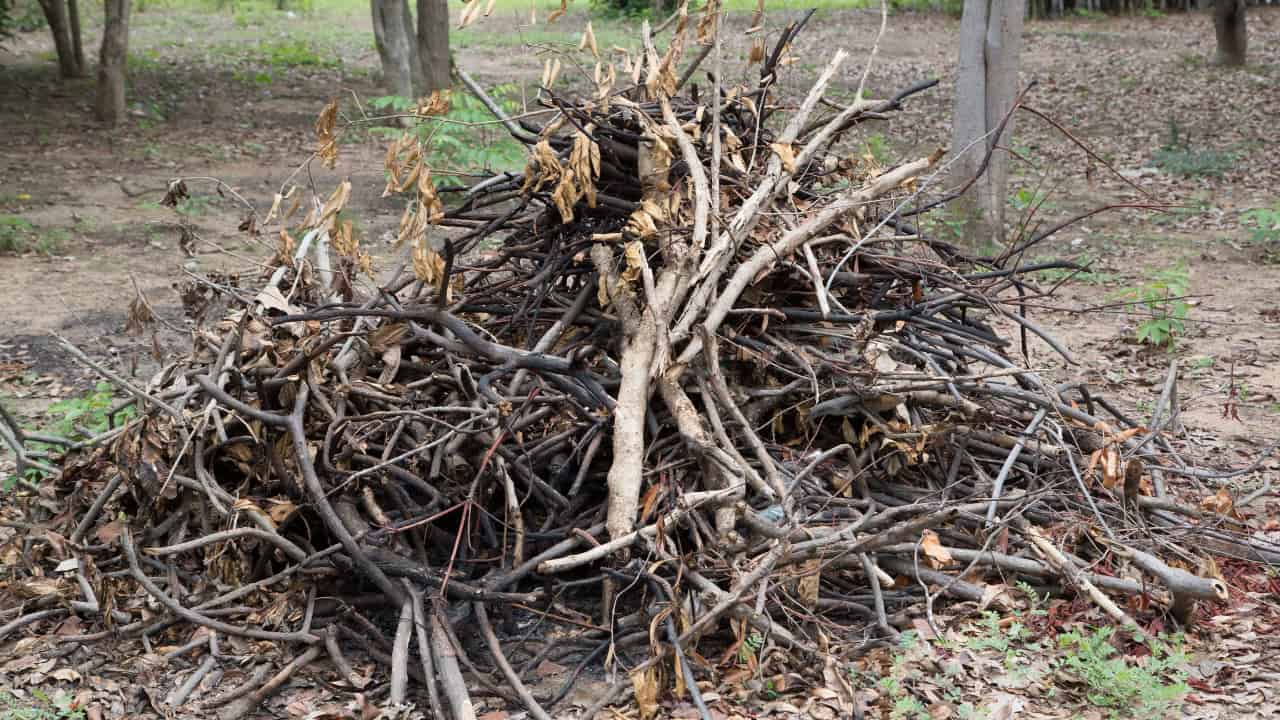
You can easily create shelter for small birds by building a brush pile in your garden. Use branches, twigs, and leaves to form a loose heap near shrubs or trees.
This pile offers a safe hiding spot and attracts insects birds like to eat. Place it in a quiet corner to give birds a peaceful refuge.
Use bird-friendly window decals to prevent collisions

You can protect birds by adding decals to your windows. These small patterns break up the reflection and make glass visible to birds.
Choose decals that are visible to birds but subtle enough to look nice from inside. Applying them on the outside surface works best.
Avoid pesticides to protect insect food sources
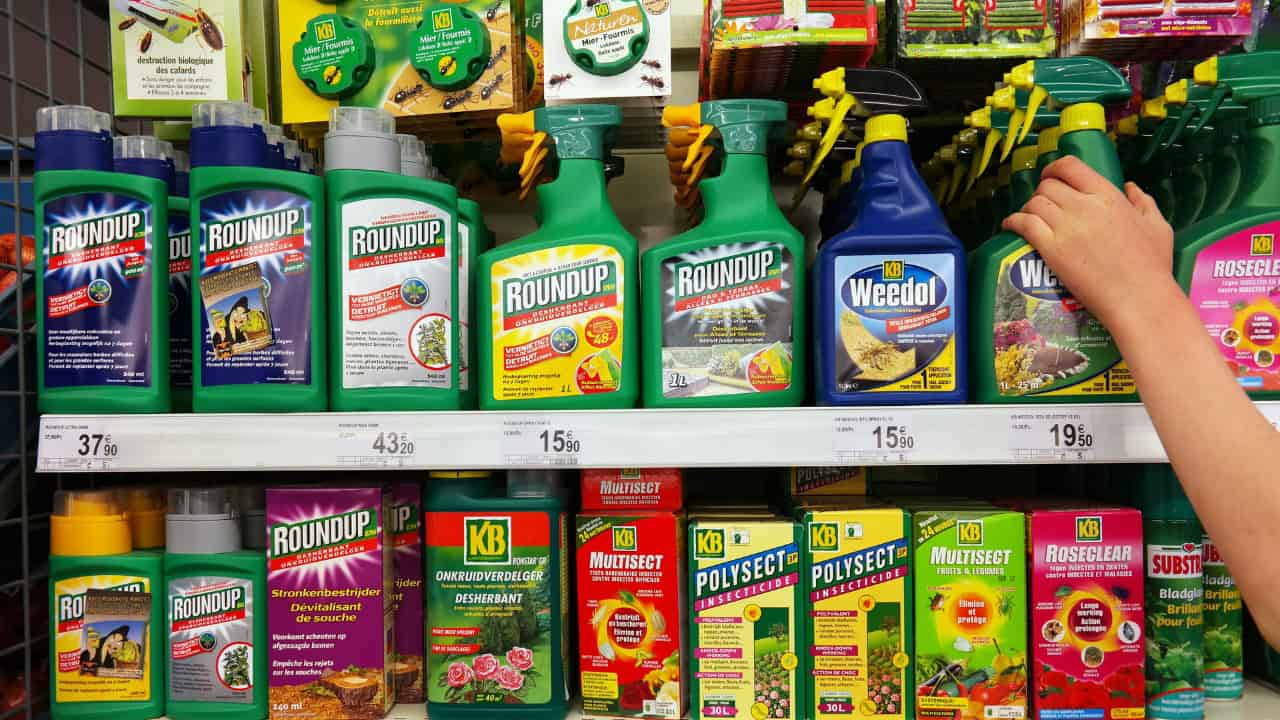
You should avoid using pesticides in your garden to keep insect populations healthy. Insects are a vital food source for many birds.
When you skip pesticides, you help ensure birds have plenty to eat. This creates a safer and more natural environment for both insects and birds in your garden.
Plant seed-producing perennials like coneflowers
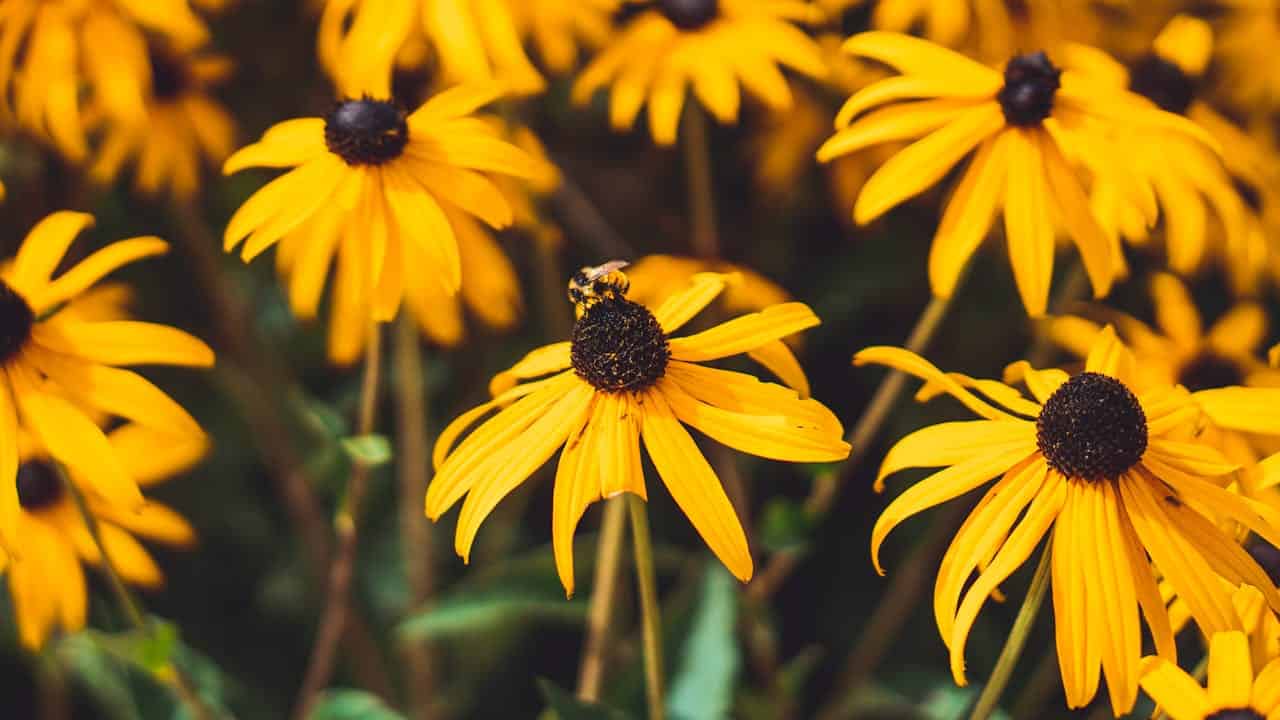
You can attract birds by planting perennials that produce seeds, such as coneflowers. These plants provide a reliable food source through late summer and fall.
Coneflowers are easy to grow and support a variety of local bird species. Leaving the seed heads on in winter gives birds access to food when it’s scarce.