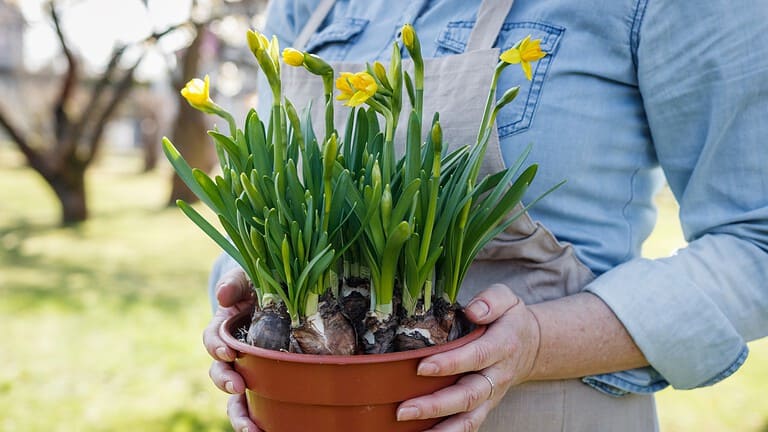
Growing your own food can be a rewarding experience, even if you’re limited on space. Whether you have a small balcony, a tiny yard, or just some window sills, you can still enjoy fresh produce by using creative gardening techniques that fit your environment.
With the right strategies, you can maximize your growing potential without needing a sprawling garden. This article explores practical tips and methods to help you cultivate your own food while making the most of the space you have available.
Advertisement
Use Raised Garden Beds to Maximize Space

Raised garden beds are an excellent solution for growing food in limited spaces. They allow you to plant more in a smaller area by utilizing techniques like square foot gardening.
With raised beds, you can control soil quality and drainage better, which means healthier plants and more yields. They also make it easier to manage water usage, promoting efficient growth even in tough conditions.
Adding vertical growing elements, like trellises, can enhance your space even further. You can also adjust the height of the beds to make gardening easier on your back.
Try vertical gardening with trellises

Vertical gardening is a smart way to maximize your space. Using trellises lets you grow plants upward, making the most of limited areas.
You can plant climbing vegetables like beans and cucumbers. They work well on a trellis, allowing for better air circulation and sunlight exposure.
Trellises can be placed against walls or fences, creating a green backdrop that enhances your garden’s aesthetics. This setup not only saves space but also adds beauty to your environment.
Consider using sturdy materials for your trellis to support heavier plants. With some creativity, vertical gardening can turn small spaces into productive green areas.
Container gardening on balconies or patios

Container gardening is perfect for balconies or patios where space is limited. You can grow fresh vegetables and herbs without needing a traditional garden.
Start with pots that are at least five gallons for vegetables. This helps ensure your plants have enough room to thrive.
Choose easy-to-grow options like tomatoes, peppers, and salad greens. These plants do well in smaller spaces and can provide frequent harvests.
Don’t forget to consider sunlight. Most vegetables need at least six hours of direct light a day. Adjust your pots accordingly to maximize sun exposure.
Opt for square-foot gardening techniques

Square-foot gardening is a simple way to maximize your planting space. Instead of traditional rows, you create small sections in a raised bed to grow various plants.
You can fit more in less space by dividing a 4×4 foot area into 16 squares. Each square can hold different plants, allowing for a diverse harvest.
This method encourages intensive planting and can lead to higher yields. You’ll find that less maintenance is required, making it ideal for limited spaces.
Grow Fast-Maturing Crops Like Radishes
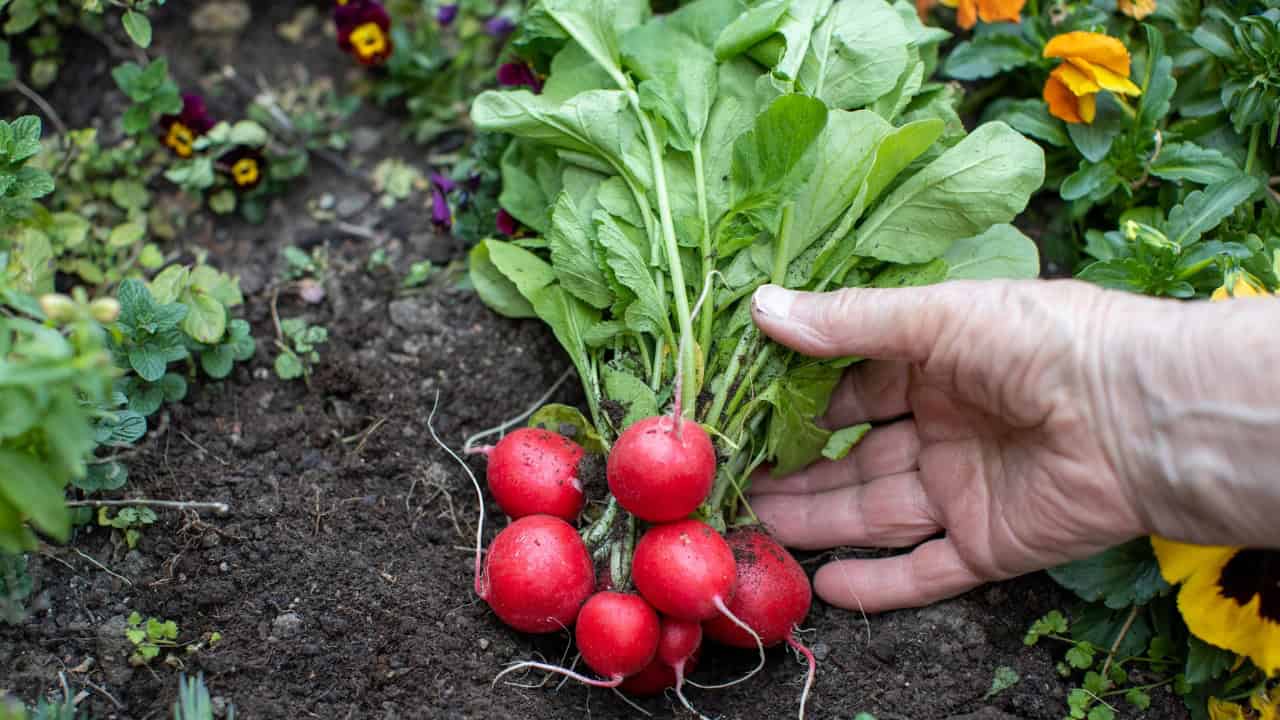
If you’re looking to maximize your limited gardening space, radishes are a fantastic choice. They typically mature in just 3 to 4 weeks, making them one of the quickest crops you can grow.
Plant them in a small patch or even in containers. They thrive in various conditions and are easy to care for.
You can enjoy a fresh, crunchy harvest in no time. Plus, they’re versatile in the kitchen and can add a nice kick to salads or sandwiches.
Utilize companion planting for efficiency
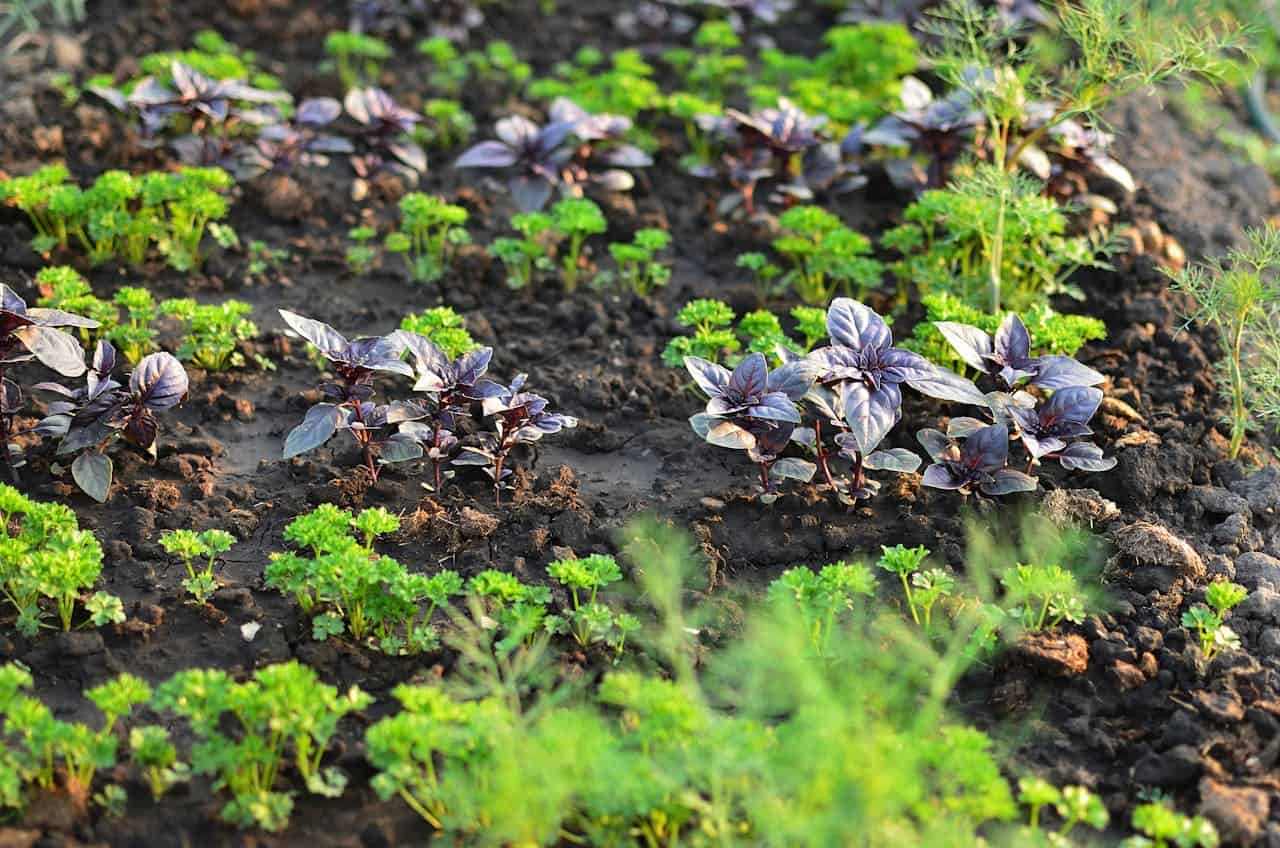
Companion planting is a smart way to make the most of your limited space. By pairing plants that benefit each other, you can boost growth and deter pests.
For example, tomatoes and basil are great companions. Basil can enhance the flavor of tomatoes while masking their scent from pests.
You can also try planting carrots with onions. The onions help deter a common pest of carrots while both plants utilize space well.
Experiment with different combinations to see what works for you. This approach not only maximizes your garden’s productivity but also encourages biodiversity.
Embrace hydroponics for indoor growing
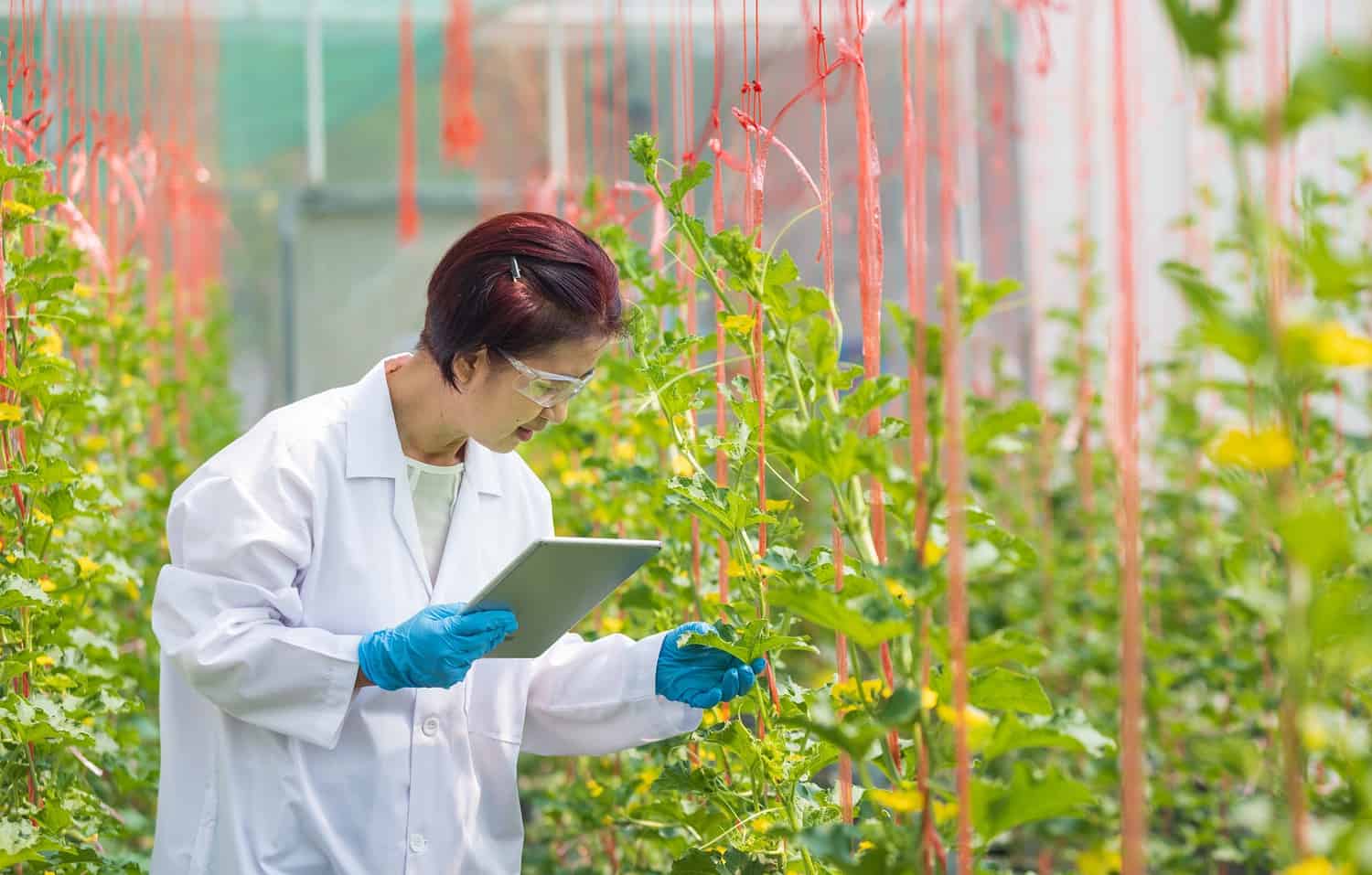
Hydroponics allows you to grow plants without soil, making it a smart option for limited spaces. You can set up a small system in your home to cultivate fresh herbs, vegetables, or even fruits.
With hydroponics, your plants grow in nutrient-rich water, which can lead to faster growth and higher yields. Plus, you’ll save water since hydroponic systems use up to 90% less than traditional gardening.
This method is great for urban dwellers and those with little outdoor space. It’s an efficient way to enjoy homegrown food, no matter the size of your living area.
Plant dwarf or compact vegetable varieties

When space is tight, consider planting dwarf or compact vegetable varieties. These plants take up less room and can still produce a good yield.
Dwarf tomatoes are a favorite for small gardens. They thrive in containers and can give you delicious fruits without needing a lot of space.
Other great options include dwarf cucumbers, peppers, and summer squash. You can even find compact varieties of eggplant and melons.
Mixing these plants in your garden lets you grow a variety of vegetables without feeling cramped. Choose varieties suited for small spaces, and enjoy your homegrown food!
Practice Succession Planting for Continual Harvest

Succession planting lets you enjoy fresh produce continuously throughout the season. By planting different crops at staggered intervals, you can maximize your limited space.
Start with fast-growing options, like lettuce or radishes. Once you harvest one batch, plant a new crop immediately.
This method keeps your garden productive, helping you make the most of every inch. Plus, it adds variety to your meals, so you’re not eating the same thing week after week.
Keep track of your planting schedule to ensure a steady supply. Happy gardening!
Use Hanging Baskets for Herbs and Flowers
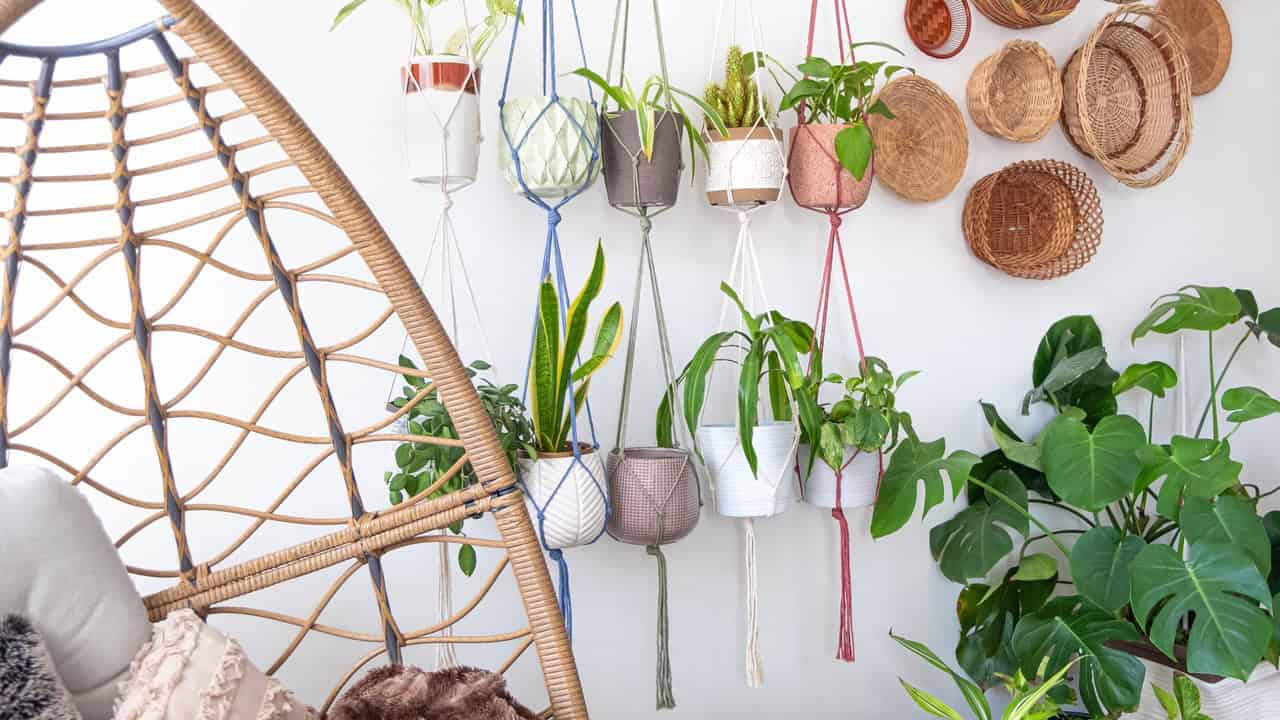
Hanging baskets are perfect for growing herbs and flowers in small spaces. They allow you to utilize vertical areas like patios or balconies effectively.
You can plant popular herbs like basil, mint, and chives. These not only save space but also add flavor to your meals.
Adding colorful flowers like petunias or geraniums can brighten up your space. Plus, they attract pollinators, which benefit your garden.
With proper drainage and a good potting mix, your plants will thrive. Just remember to water them regularly to keep them healthy.
Incorporate Edible Landscaping Elements
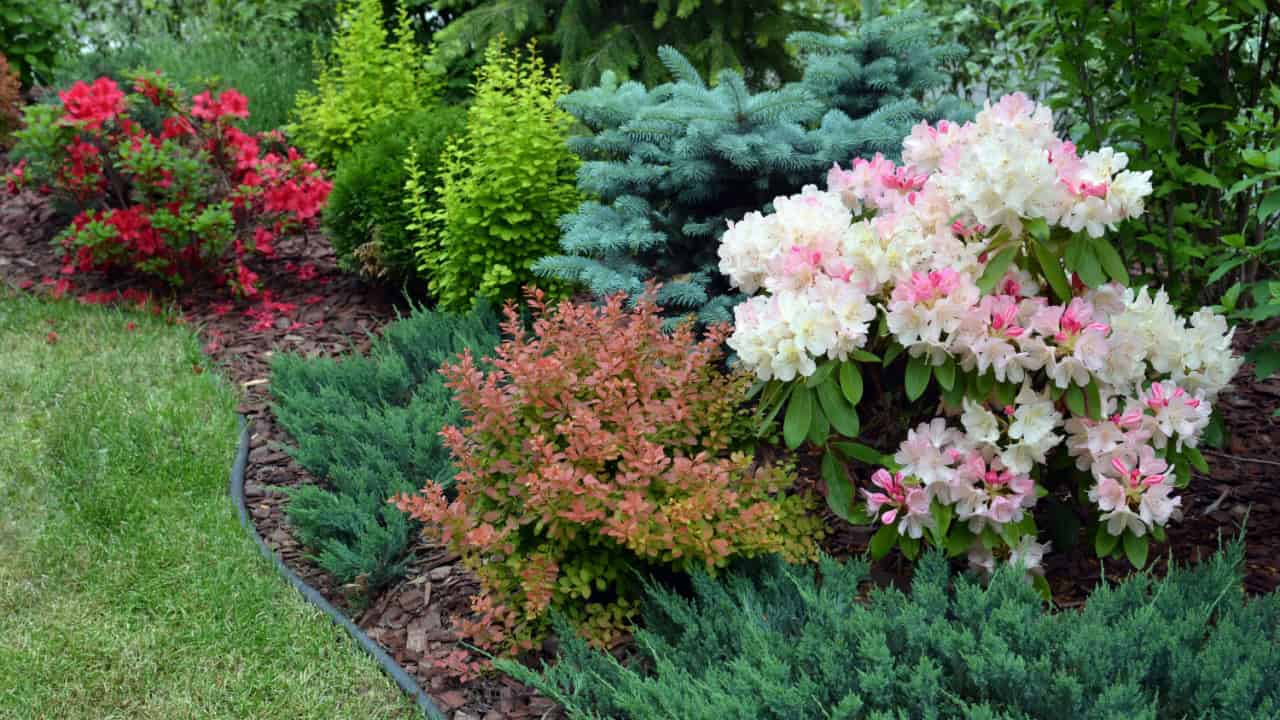
Edible landscaping is a fun way to grow your own food while enhancing your yard’s beauty. You can start by blending fruits, herbs, and vegetables into your existing garden design.
Try planting leafy greens in decorative containers. They can fit in small spaces and look great.
Consider using plants like strawberries or tomatoes as ground cover. They add color and yield fresh produce.
Additionally, edible flowers like nasturtiums not only beautify your space but can also be enjoyed in salads. Happy gardening!
Experiment with microgreens indoors

Growing microgreens indoors is a fun and space-friendly way to start your own food garden. They don’t require much room and can thrive on a sunny windowsill.
All you need are some seeds, a few containers, and quality soil. You can use trays or even repurpose shallow containers you have at home.
Microgreens grow quickly, often within a week, so you won’t be waiting long to enjoy your fresh snacks. They add a nice flavor and crunch to salads and sandwiches.
Try different varieties to find your favorites, like radish, basil, or sunflower. It’s a simple way to bring fresh greens into your meals every day.
Utilize Window Boxes for Salad Greens
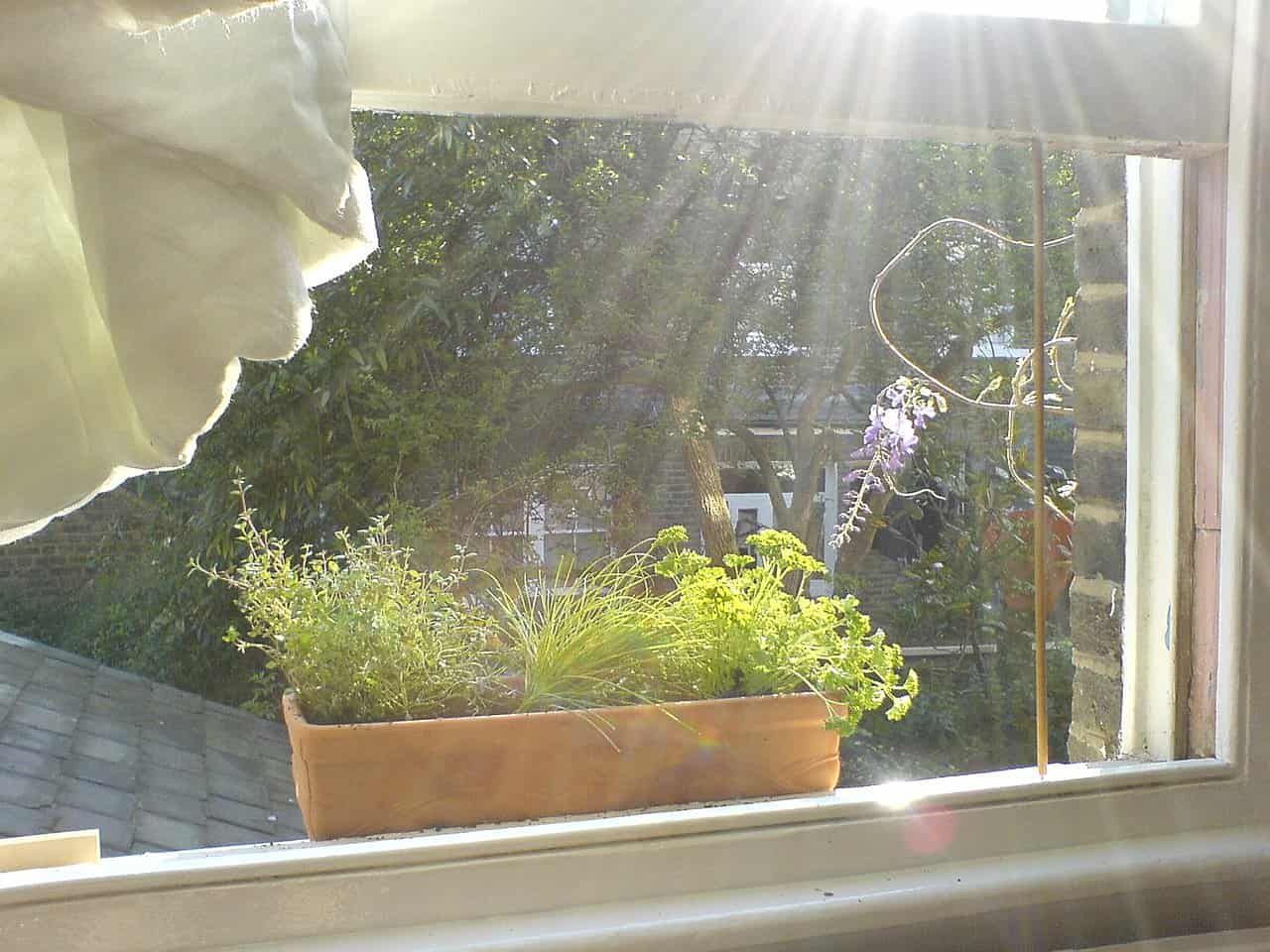
Using window boxes is a fantastic way to grow salad greens in limited space. You can place them on a balcony, patio, or even a windowsill.
These containers are perfect for leafy greens like lettuce, spinach, and arugula. Just make sure to choose a sunny spot, as most greens thrive with at least six hours of sunlight.
Keep the soil moist but not waterlogged to encourage healthy growth. Thin out your plants as they grow to give them room to spread.
With a little effort, you can have fresh salad greens right at your fingertips. This makes it easy to add a nutritious touch to your meals!