Grocery shopping can feel like a minefield of clever marketing tactics designed to get you to spend more. From flashy displays to misleading pricing strategies, it’s easy to fall for gimmicks that inflate your bill. Being aware of these tricks can save you money and help you make smarter choices while shopping.
Navigating the grocery store doesn’t have to be stressful. With a few simple strategies, you can steer clear of costly pitfalls and stick to your budget. Understanding how stores manipulate your buying behavior gives you the upper hand during your next shopping trip.
Advertisement
Always check unit prices to compare value effectively.

When shopping, always check the unit prices. This makes it easy to see which product gives you the best deal.
Sometimes larger packages seem like a better price, but they aren’t always the most cost-effective option. By looking at the unit price, you can quickly compare different sizes and brands.
This simple step can save you money over time. Remember, not every sale is a good deal if the unit price is high. Stay alert and save smart!
Don’t shop while hungry; it leads to impulse buys.

Shopping when you’re hungry can sabotage your grocery budget. When your stomach is growling, everything in the store looks tempting. You might end up grabbing items you don’t need.
Eating before you head to the store can help you stick to your list. You’ll make better choices when your cravings aren’t driving your decisions. A full stomach means you can avoid those unnecessary snacks and treats that add up quickly.
Stick to your shopping list to avoid unnecessary items.
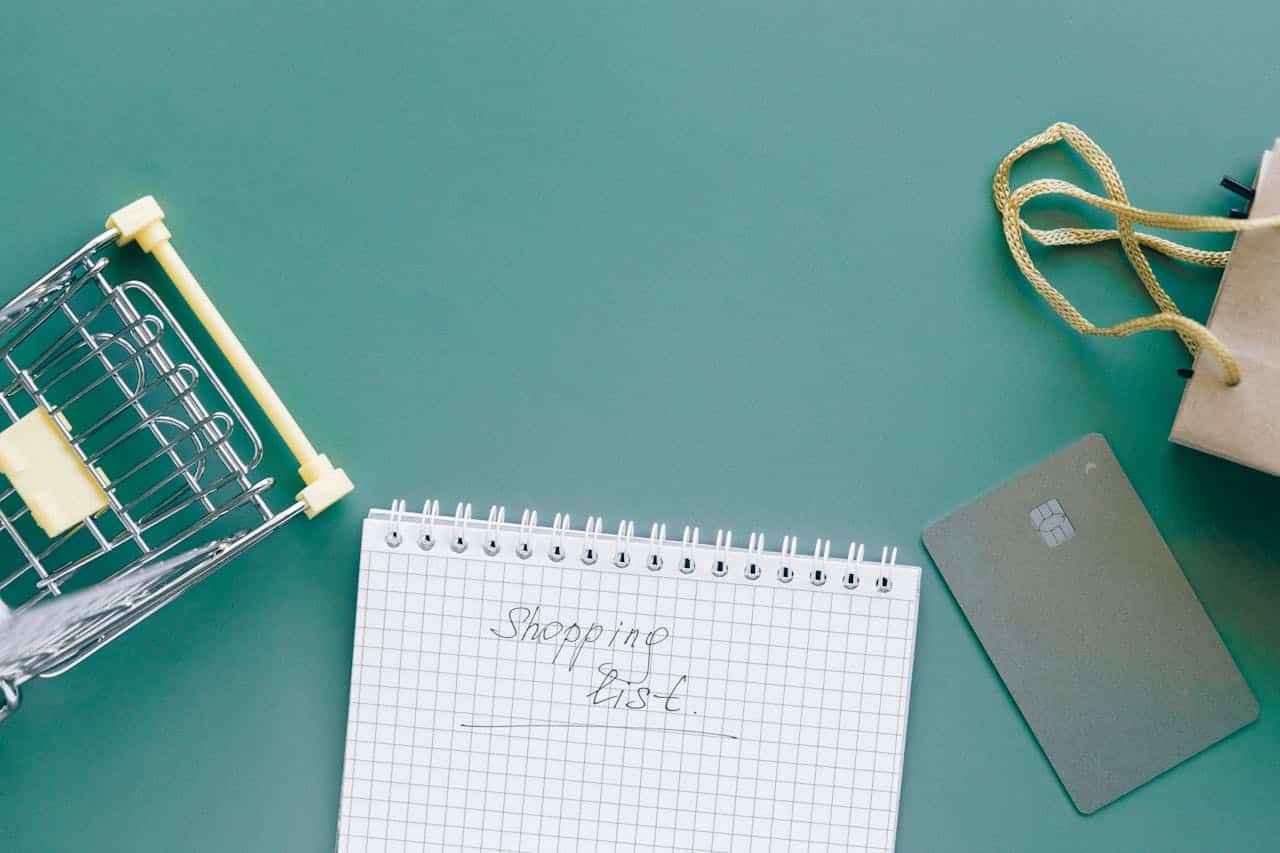
Creating a shopping list is one of the simplest ways to stay focused. Write down what you need before heading to the store. This prevents impulse buys that can stretch your budget.
Stick to your list while you shop. Keep it handy on your phone or in your pocket. When you see something tempting, check if it’s on your list. If not, walk away.
Remember, grocery stores often place enticing items at eye level to catch your attention. By staying committed to your list, you can dodge these marketing tricks and save money.
Beware of the “10 for $10” offers; buy only what you need.
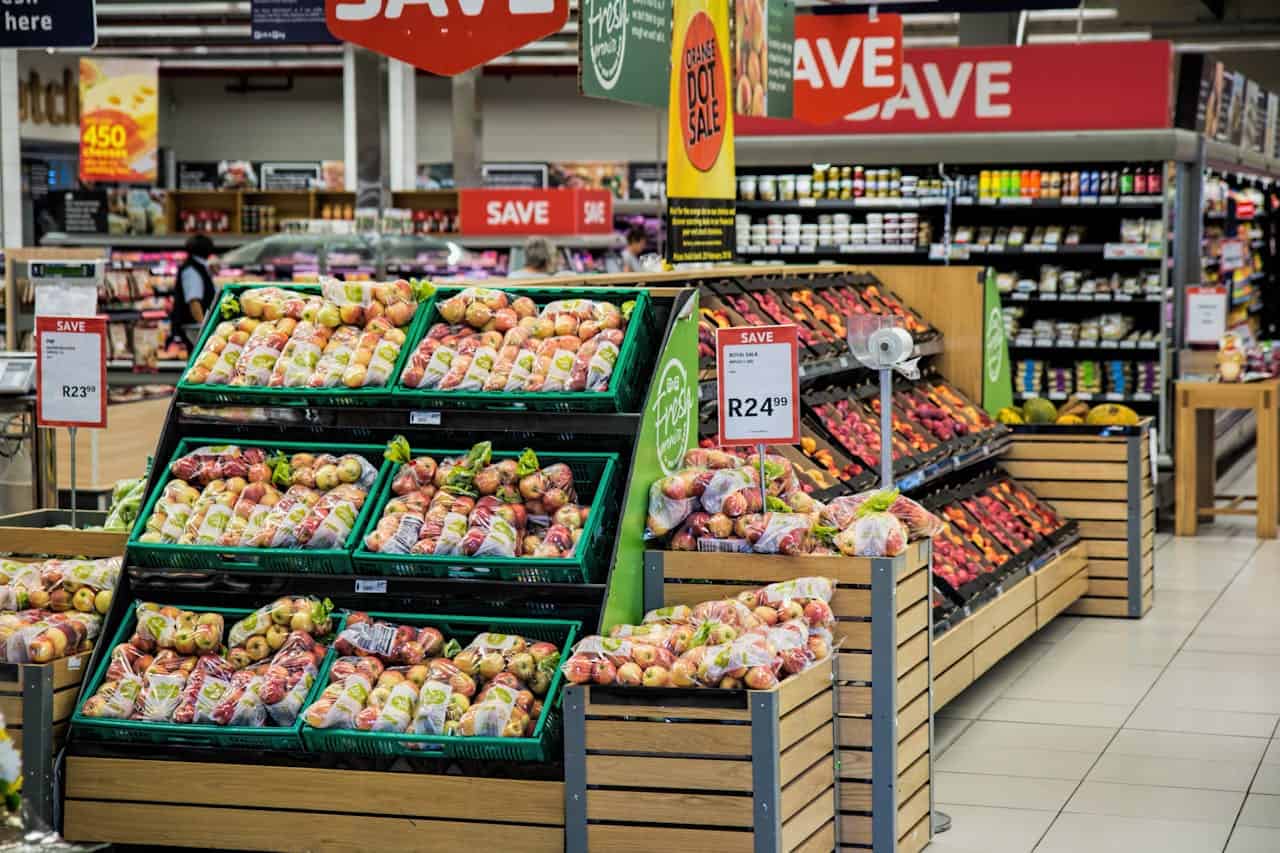
When you see those “10 for $10” signs, it’s easy to think you need to buy ten items to score the deal. That’s not the case! Often, you can purchase just one item for a dollar.
Many stores price single items lower than buying in bulk for promotions. Always check if you’re really saving money. Stick to what you need, and avoid overspending on items you don’t want.
Remember, it’s your money—spend it wisely!
Compare sale items with regular prices for actual savings

When you see a sale label, don’t just assume it’s a good deal. Take a moment to check the regular price. Sometimes, the “sale” price isn’t much lower than what you’d usually pay.
Use your phone to quickly compare prices if you’re unsure. This little effort can help you spot genuine discounts.
Be cautious of sales that might trick you into buying items you don’t need. Focus on comparing sale items with their regular prices to truly see if you’re saving money.
Avoid oversized carts which can encourage overbuying

You might not realize it, but the size of your shopping cart can impact how much you spend. Oversized carts can make it feel like you need to fill them up, leading to unnecessary purchases.
When you have more space, you might be tempted to grab items that aren’t on your list. Stick to standard-sized carts to help keep your spending in check.
Next time you shop, consider using a smaller cart or even a basket. This can help you stay focused on what you really need.
Pay attention to shelf placement; items at eye-level often cost more.

When you’re shopping, keep an eye on where products are placed. Items at eye level are strategically positioned because they catch your attention more easily.
Stores often place pricey brand-name products here to increase sales. If you look above or below, you might find cheaper alternatives, like store brands.
By being mindful of shelf placement, you can make smarter purchasing choices and save money. Remember, just because you see it first doesn’t mean it’s the best deal.
Skip end-cap displays which are designed to attract impulse purchases.
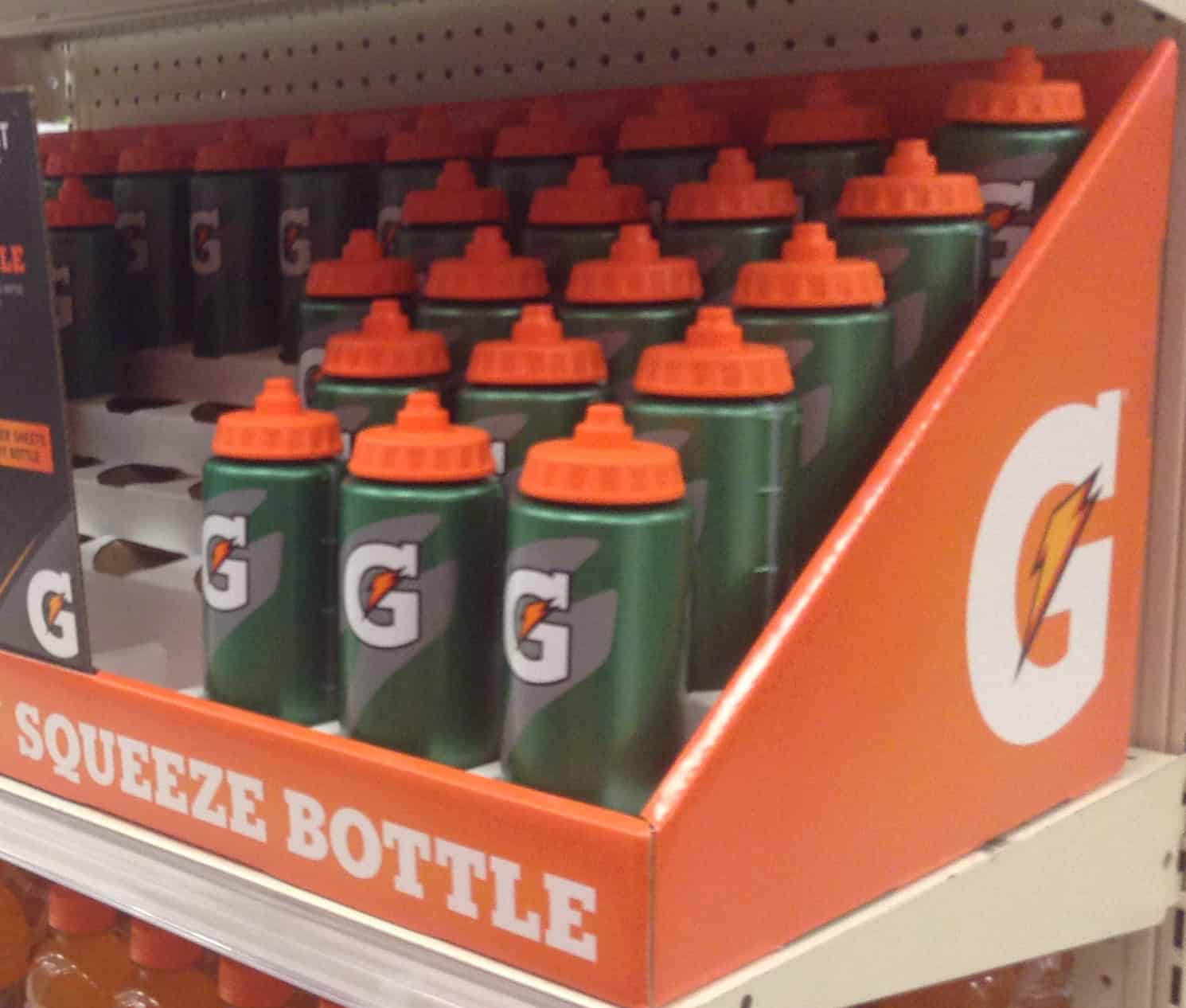
End-cap displays are usually eye-catching and strategically placed at the ends of aisles. These displays are meant to grab your attention and tempt you into buying items you didn’t plan for.
When you pass by, resist the urge to stop. Those products are often marked up to maximize profit. Stick to your shopping list and avoid getting pulled into a last-minute splurge.
By steering clear of these displays, you can save money and stick to essentials. Remember, less is more when it comes to grocery shopping.
Rethink buying in bulk unless you can use it all before expiry

Buying in bulk can seem like a smart way to save money, but it’s not always the best choice. If you can’t finish everything before it expires, you might end up wasting more than you save.
Think about your household’s actual consumption. If a bulk item goes bad, it becomes an unnecessary expense.
Be cautious with perishables like fruits, veggies, or dairy. They can spoil quickly.
If you love a product and know you’ll use it, great! Otherwise, stick to smaller packages to avoid waste.
Avoid prepared foods; they’re convenient but costly.

Prepared foods may seem like a quick fix when you’re short on time. They save you the hassle of cooking and can be tempting on busy days.
However, these convenience options often come with a hefty price tag. You can easily spend more than you need on processed meals that may not even be that healthy.
Instead, consider prepping your meals in advance. A little planning can save you money and offer better nutrition. Stick to simple recipes that you can make in bulk and enjoy throughout the week.
Follow the Perimeter for Fresh Produce and Essentials

When you enter a grocery store, stick to the perimeter. This area usually features fresh produce, lean meats, and dairy products.
Filling your cart with these items often means healthier choices. Fresh fruits and vegetables provide essential vitamins.
You’re also likely to find less processed food in these sections. Avoid the inner aisles where temptation lurks with snacks and sugary drinks.
Shopping this way can help keep your grocery bill down while boosting your nutrition. So, take a stroll around the edge and fill up on the good stuff!
Ignore catchy “highlighted” sale signs without actual savings.
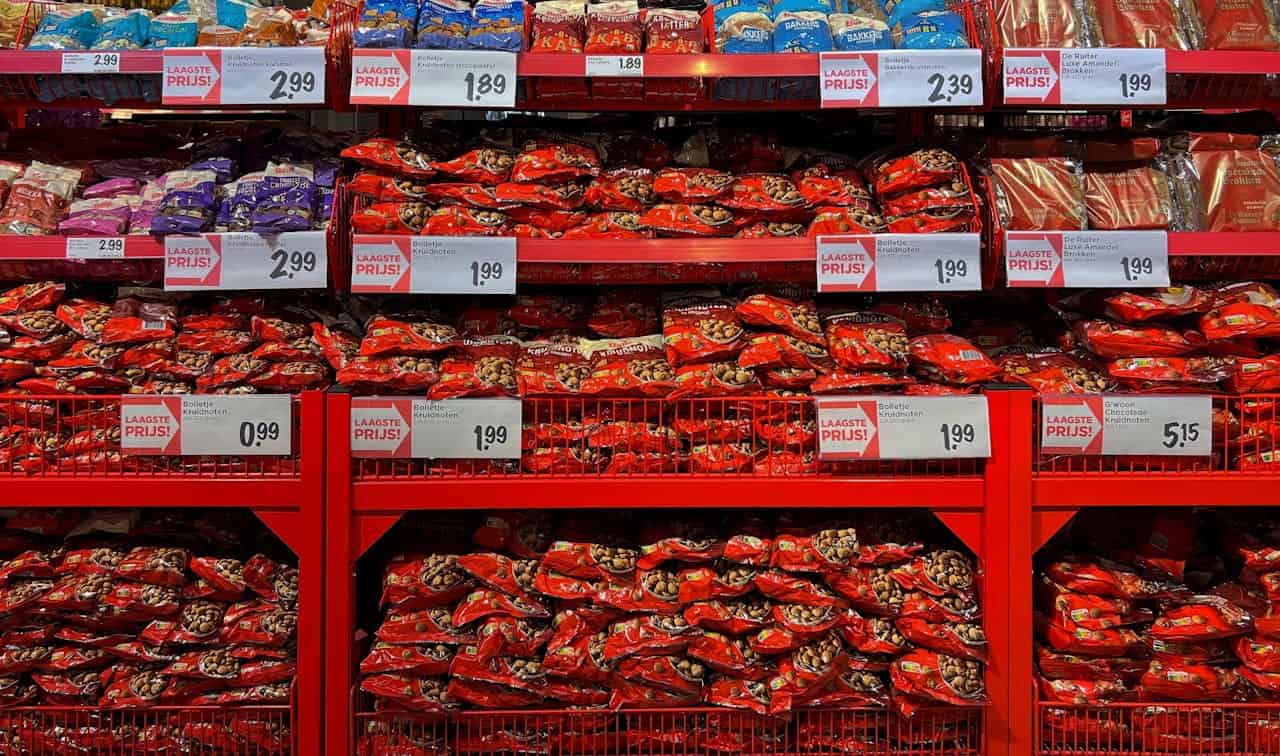
When you see highlighted sale signs, take a moment to check the actual price. Sometimes, these signs draw you in without delivering on savings.
Retailers often use bright colors and bold fonts to catch your eye. This doesn’t always mean it’s a good deal.
Compare prices with similar products or previous prices of the item. It’s easy to get caught up in the excitement, but staying alert helps you avoid overspending.
Use price match policies when available to save more.

Take advantage of price match policies at your local stores. Many retailers will match a competitor’s price if you ask them, allowing you to save on items you were already planning to buy.
To use this effectively, keep an eye on promotions. If you find a lower price in a flyer or online, bring it with you. Some stores offer a limited time to request a price match, so be prepared.
Being aware of these policies can lead to significant savings. It’s an easy way to ensure you’re getting the best deal without extra effort. Remember, every little bit helps when you’re keeping your grocery budget in check!