If you’ve ever noticed insects swarming around outdoor lights at night, you might wonder how this affects them. Artificial lighting, especially in urban areas, changes their natural environment in ways you might not expect.
Lighting disrupts the behavior, health, and survival of many nocturnal insects, affecting entire ecosystems. Understanding these impacts can help you appreciate the hidden consequences of something as common as a porch light or streetlamp.
Advertisement
Disrupts insect navigation by confusing their internal compass

When you turn on artificial lights at night, you might unknowingly confuse nocturnal insects. They use natural light sources like the moon to guide their flight.
Artificial lights disrupt their internal compass by altering how they perceive direction. This can cause them to fly in circles or become trapped.
Because their navigation relies on steady light cues, your outdoor lighting can make it hard for insects to find their way safely.
Causes exhaustion as insects circle and can’t escape light sources
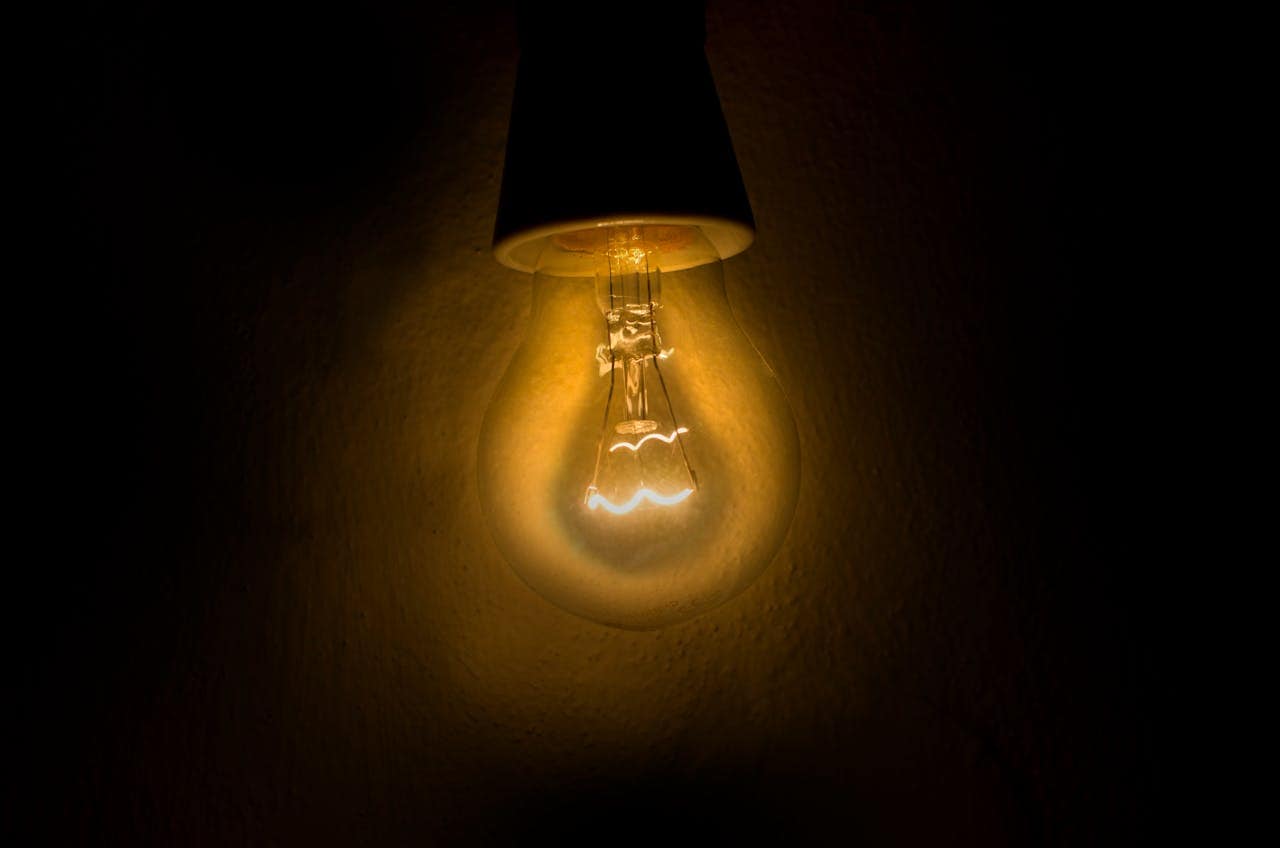
When insects are drawn to artificial lights, they often circle around them in confusion. This constant flying uses up their energy quickly.
You might notice how they seem trapped, unable to find a way away from the light. This behavior can cause them to become exhausted and vulnerable.
Because they can’t escape, their normal rest and feeding patterns are disrupted. This can affect your local insect populations over time.
Alters nocturnal pollinators’ activity, reducing pollination rates
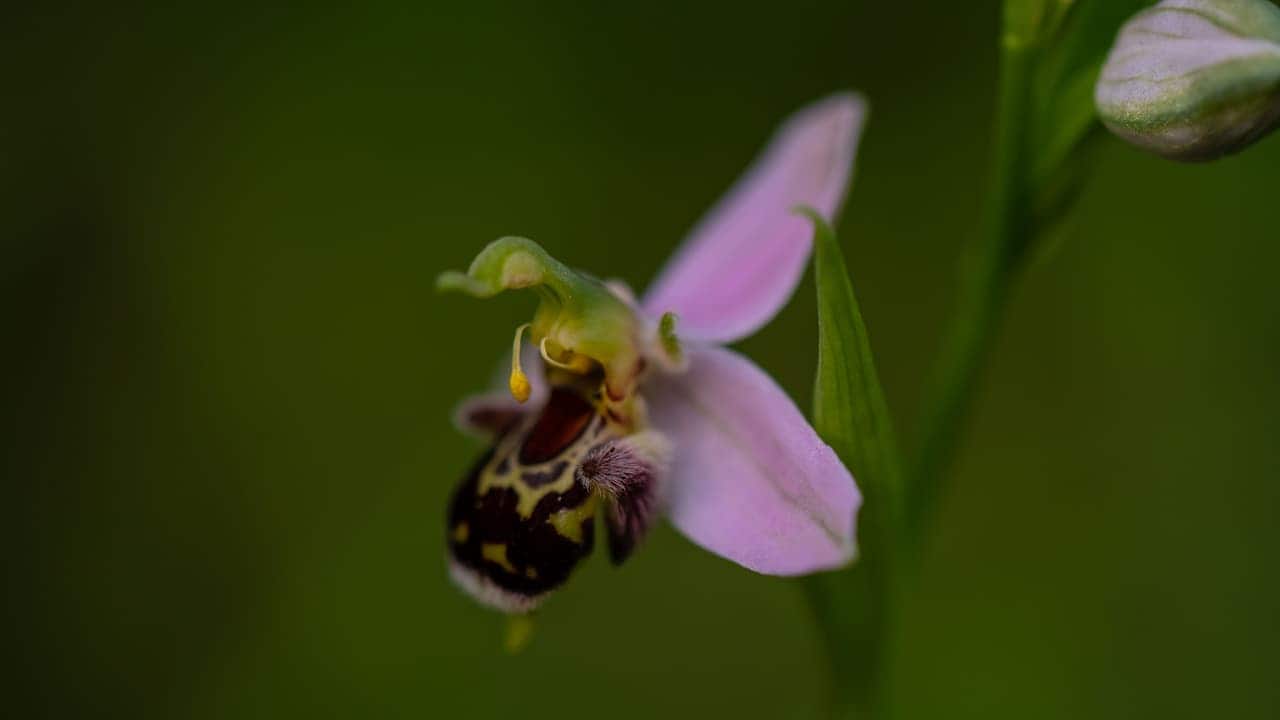
When you turn on artificial lights at night, it can confuse nocturnal pollinators like moths and beetles. These insects may avoid lit areas, changing their natural activity patterns.
This change means fewer pollinators visit flowers during the night. As a result, the plants you care about might get less pollinated, affecting their growth and fruit production.
Your outdoor lighting can disrupt important nighttime routines, so dimming or using insect-friendly lighting helps protect these pollinators.
Attracts biting insects, increasing disease transmission risks
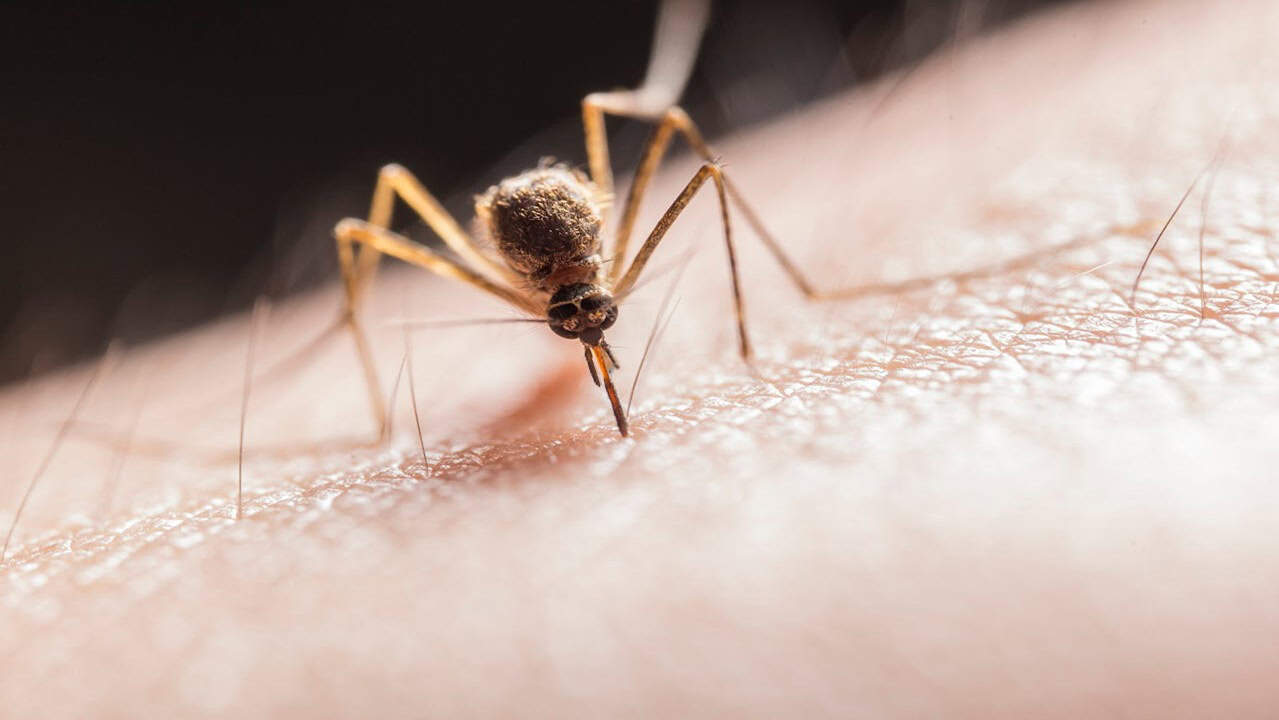
When you use artificial lights at night, you may unknowingly attract biting insects like mosquitoes. These insects are drawn to the light, which can increase their activity around you.
This attraction raises the chances of insect bites, making it easier for diseases to spread. So, your choice of outdoor lighting can impact not only insects but also your health.
Interferes with insects’ ability to predict seasonal changes
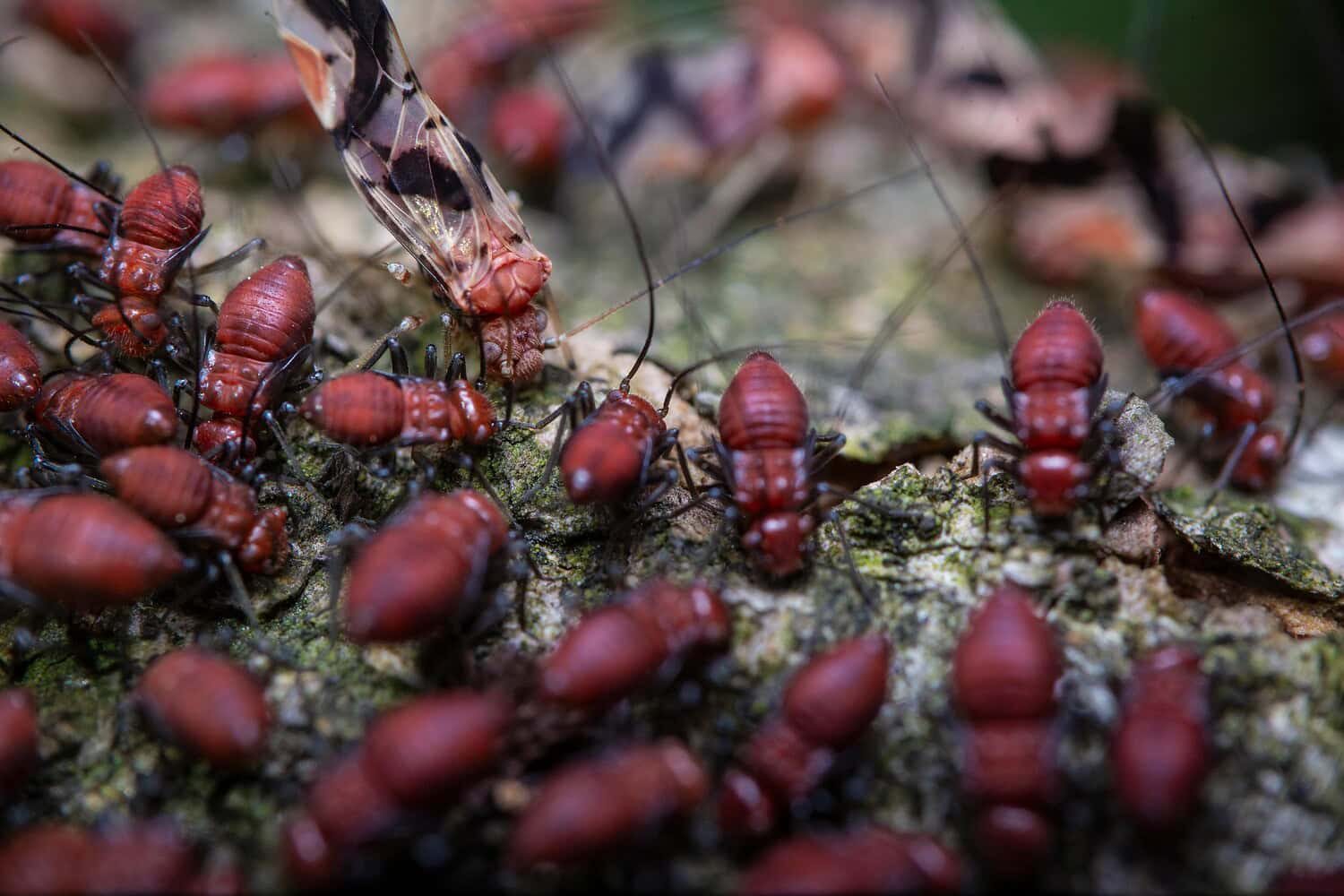
When you introduce artificial light at night, it can confuse insects about the time of year.
Insects rely on natural darkness and light patterns to sense seasons and know when to migrate, breed, or hibernate.
If your outdoor lights stay on too long, insects may lose track of these cues, affecting their life cycles. This disruption can impact their survival and the roles they play in ecosystems.
Disrupts circadian rhythms affecting sleep and feeding patterns
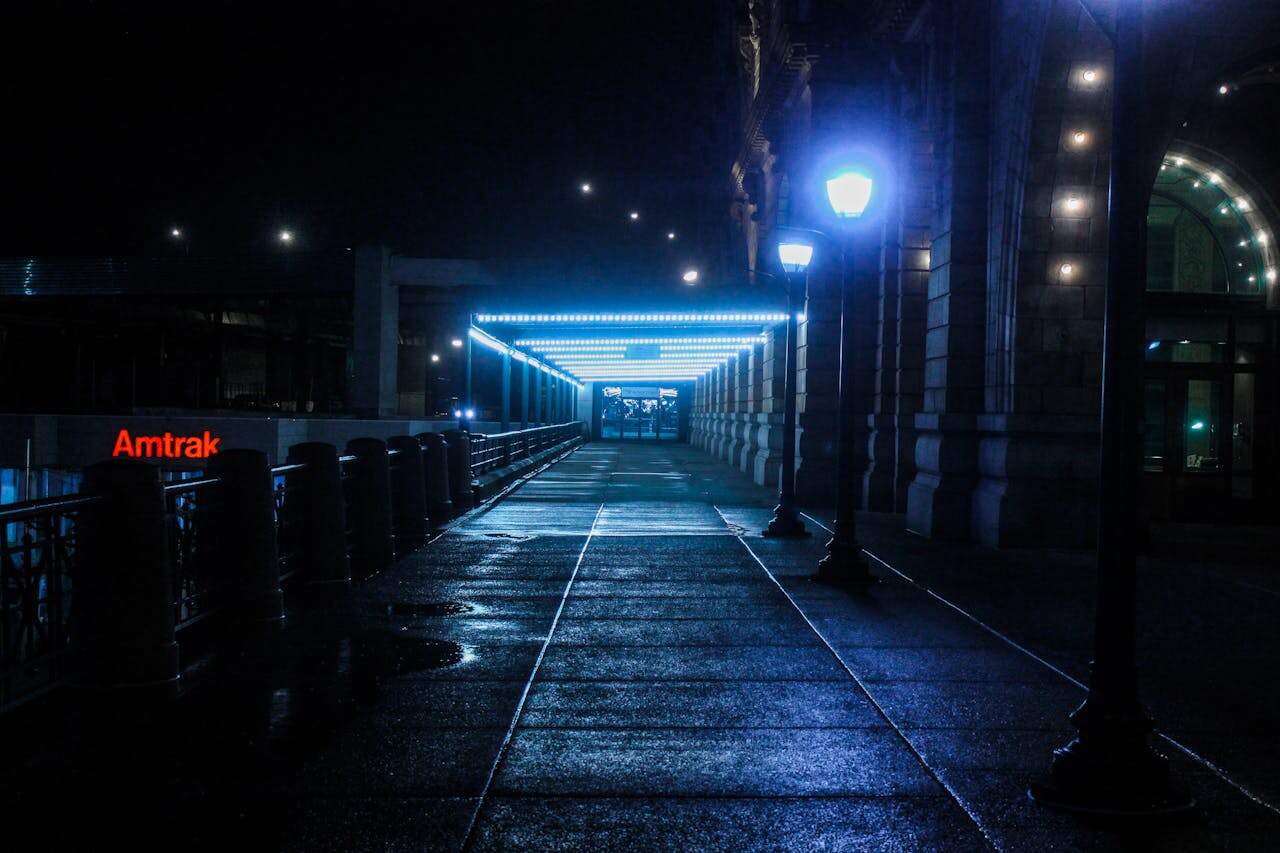
When you turn on artificial lights at night, it can confuse nocturnal insects by disrupting their natural circadian rhythms. These rhythms help insects know when to rest and when to feed.
If your lighting is bright or constant, it can interfere with their sleep cycles. This makes it harder for insects to find food and affects their overall health.
Increases vulnerability to predators drawn to illuminated areas
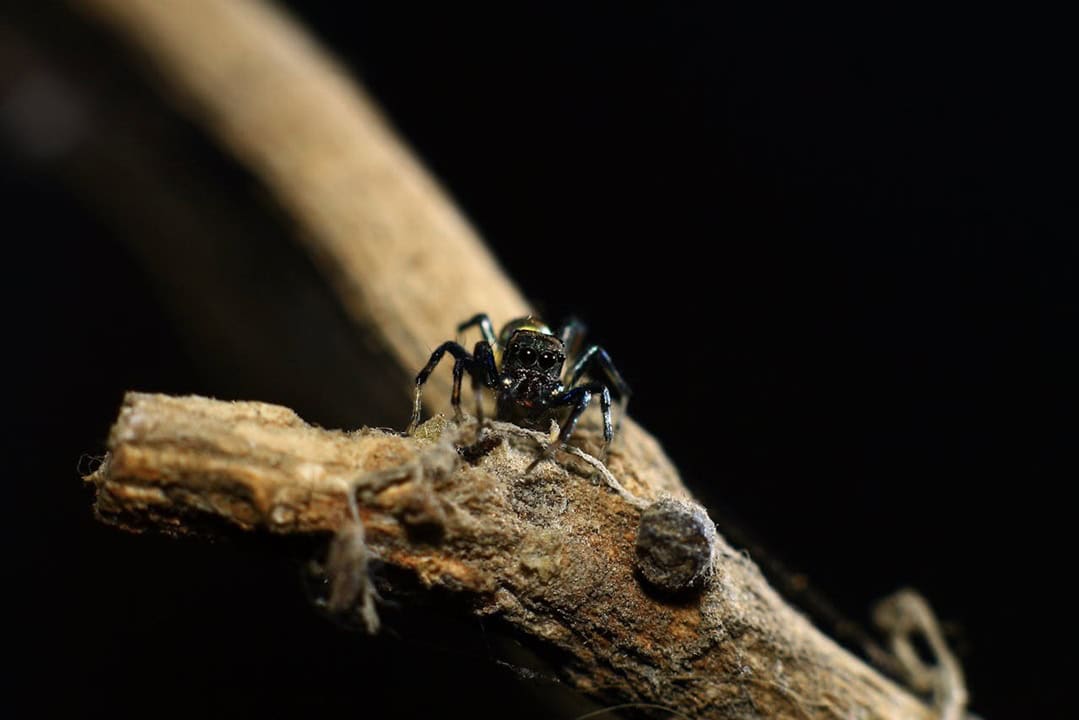
When you bring light into dark spaces, you also attract animals that hunt at night. Predators like bats and spiders often gather near lights because insects crowd there.
This means your favorite nighttime bugs are easier targets. The bright spots create hunting grounds where insects stand out, making it harder for them to hide or escape.
Reduces reproductive success by disturbing mating behaviors
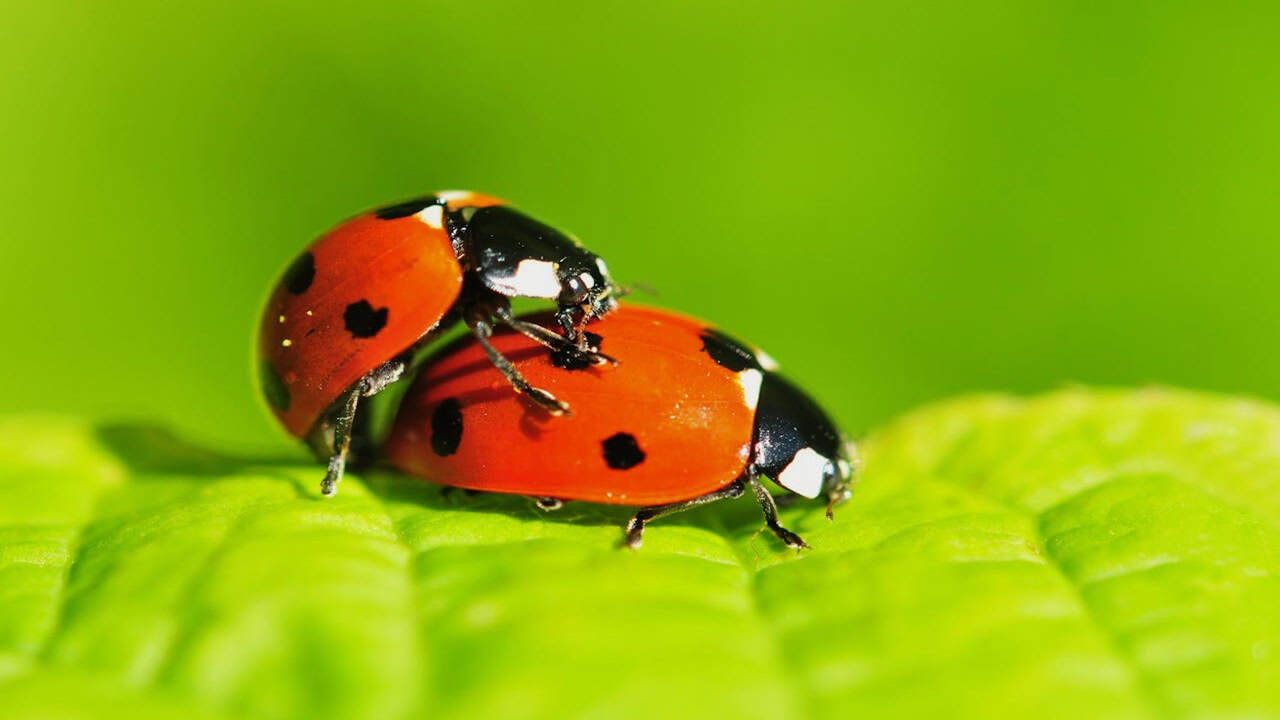
When you add artificial light at night, it can confuse nocturnal insects like fireflies. This disruption makes it harder for them to find mates.
Your outdoor lights can interfere with their natural signals, reducing the chances of successful mating. As a result, fewer offspring are produced, which affects their population over time.
Mercury vapor lamps highlight UV markings that trap insects
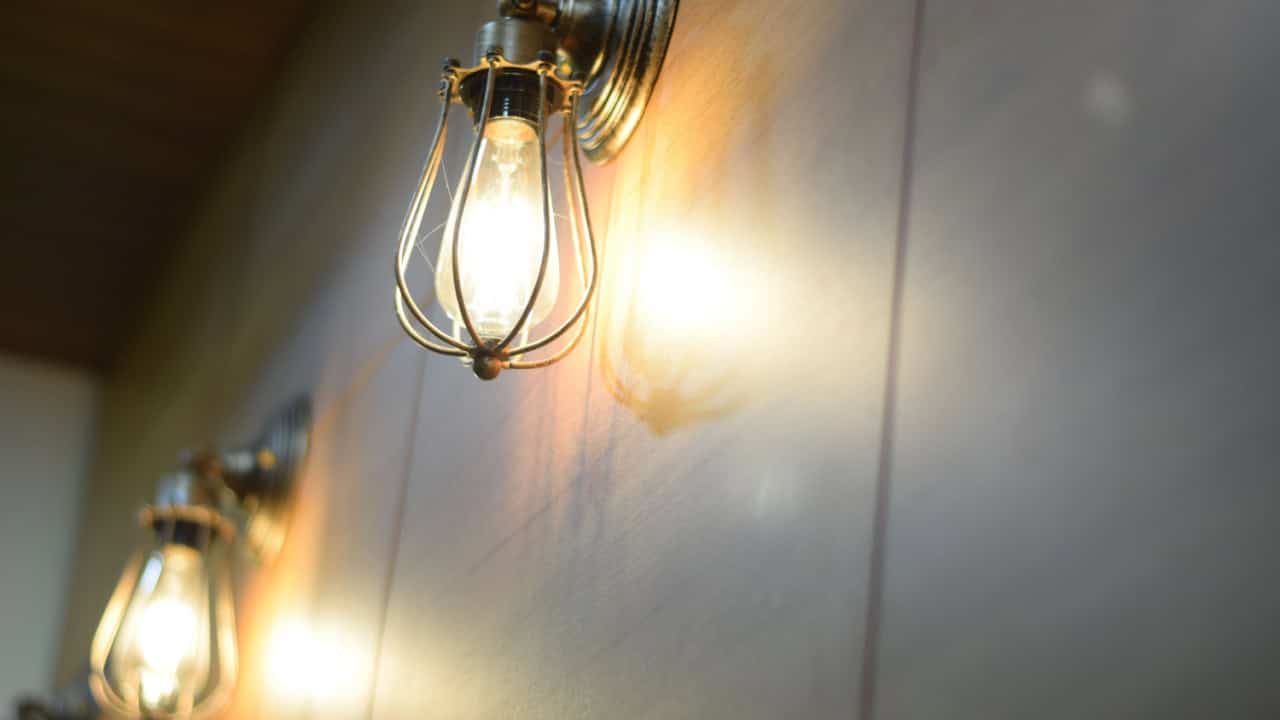
You might notice that mercury vapor lamps emit a strong ultraviolet (UV) light. This UV glow makes certain insect-attracting markings on flowers and insect wings more visible.
Because of these highlighted UV patterns, insects like moths and bees are drawn toward the light unintentionally. The lamps enhance the natural signals insects use, making it easier for light traps to catch them.
This means your outdoor lighting with mercury vapor lamps can increase insect attraction, sometimes disrupting their natural behavior.
LED lights worsen impacts by being brighter and more widespread
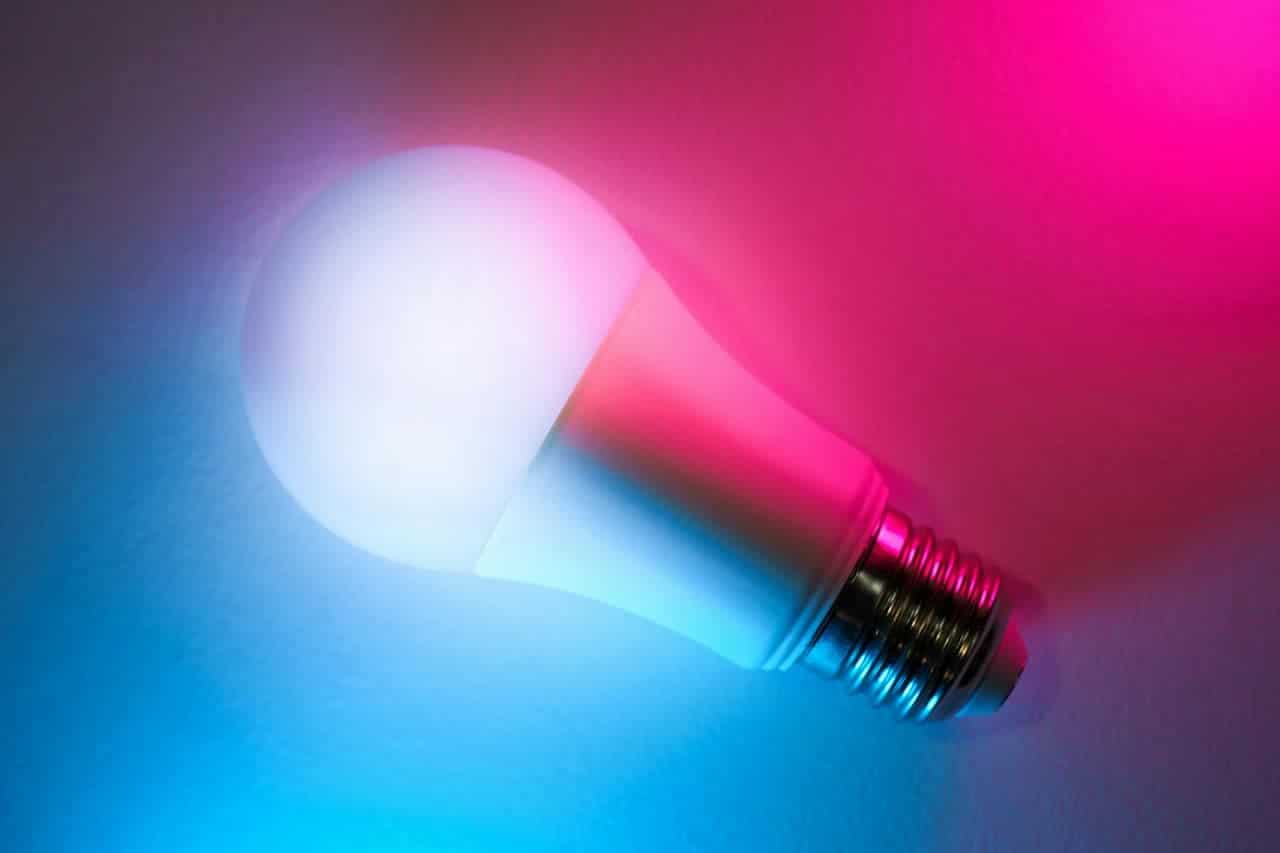
You might notice LED lights are brighter than traditional streetlights. This increased brightness can confuse and disturb nocturnal insects more than older lamps.
Because LEDs are becoming more common, their effects spread over larger areas. That means more insects are exposed to light that disrupts their natural behaviors.
You could think energy-saving is all good, but these brighter lights may repel insects more strongly. This can contribute to declines in local insect populations.
Suppresses beneficial nocturnal insect populations over time
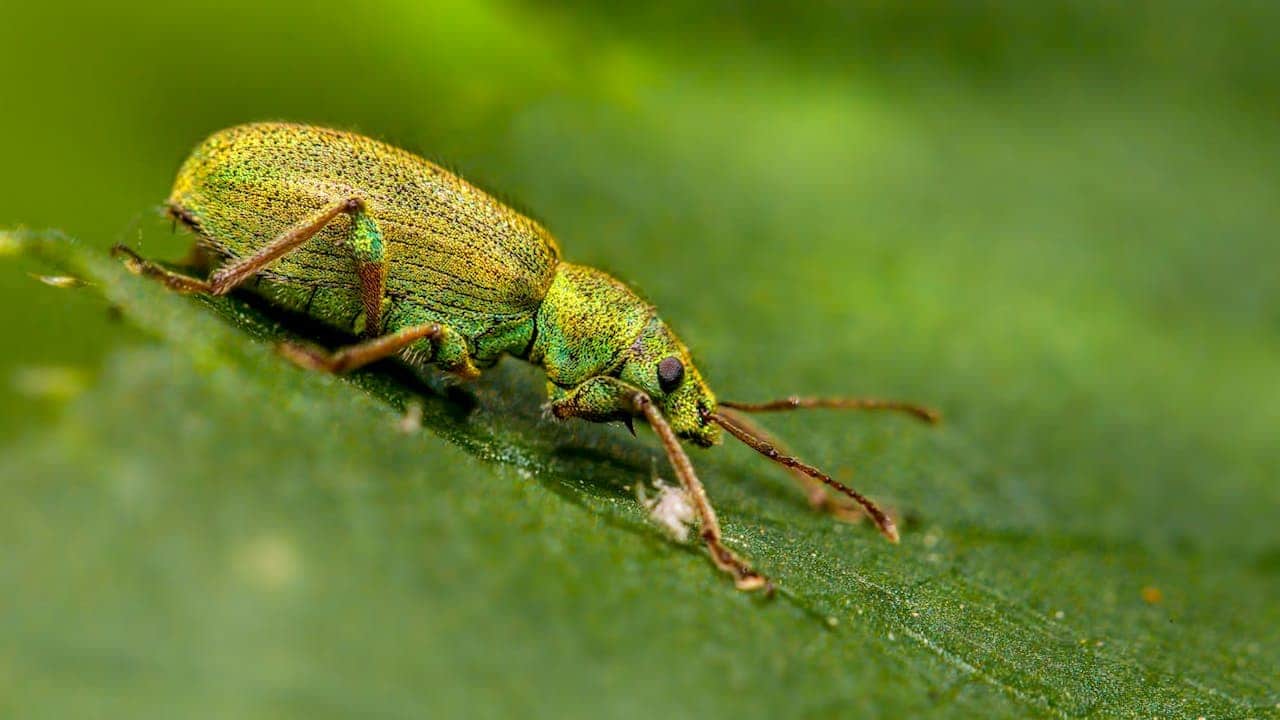
When you shine artificial light at night, it can confuse beneficial insects like pollinators and predators. This confusion disrupts their natural behaviors and reduces their ability to find food and mates.
Over time, fewer insects survive and reproduce. This means your local environment may lose many helpful nocturnal species that support plant growth and pest control.
Confuses insects that rely on natural darkness for orientation

When you turn on artificial lights, it changes how insects find their way at night. Many nocturnal insects use natural darkness and the moon or stars to navigate.
Bright lights can confuse their sense of direction. This makes it hard for them to move around or find food and mates.
Your outdoor lighting may seem harmless, but it disrupts their natural behavior and navigation.
Leads to a decline in moths and beetles essential to ecosystems

You might not realize it, but moths and beetles play a big role in keeping ecosystems healthy. Artificial lighting confuses them, reducing their numbers over time.
When these insects decline, it affects animals that depend on them for food. You can help by reducing unnecessary outdoor lighting to protect these important creatures.