Hoarding can often seem harmless, but it may come with hidden costs that you aren’t fully aware of. Understanding how hoarding can impact your finances is crucial, as it can lead to unexpected expenses and financial strain over time. From misplaced bills to the burden of unnecessary purchases, the costs can add up quickly without you even noticing.
You’re not alone if you’ve ever found yourself overwhelmed by clutter, but it’s important to recognize the financial implications it can bring. By examining the ways hoarding sneaks into your budget, you can take steps to regain control and save money in the process.
Advertisement
Paying for Unused Storage Units
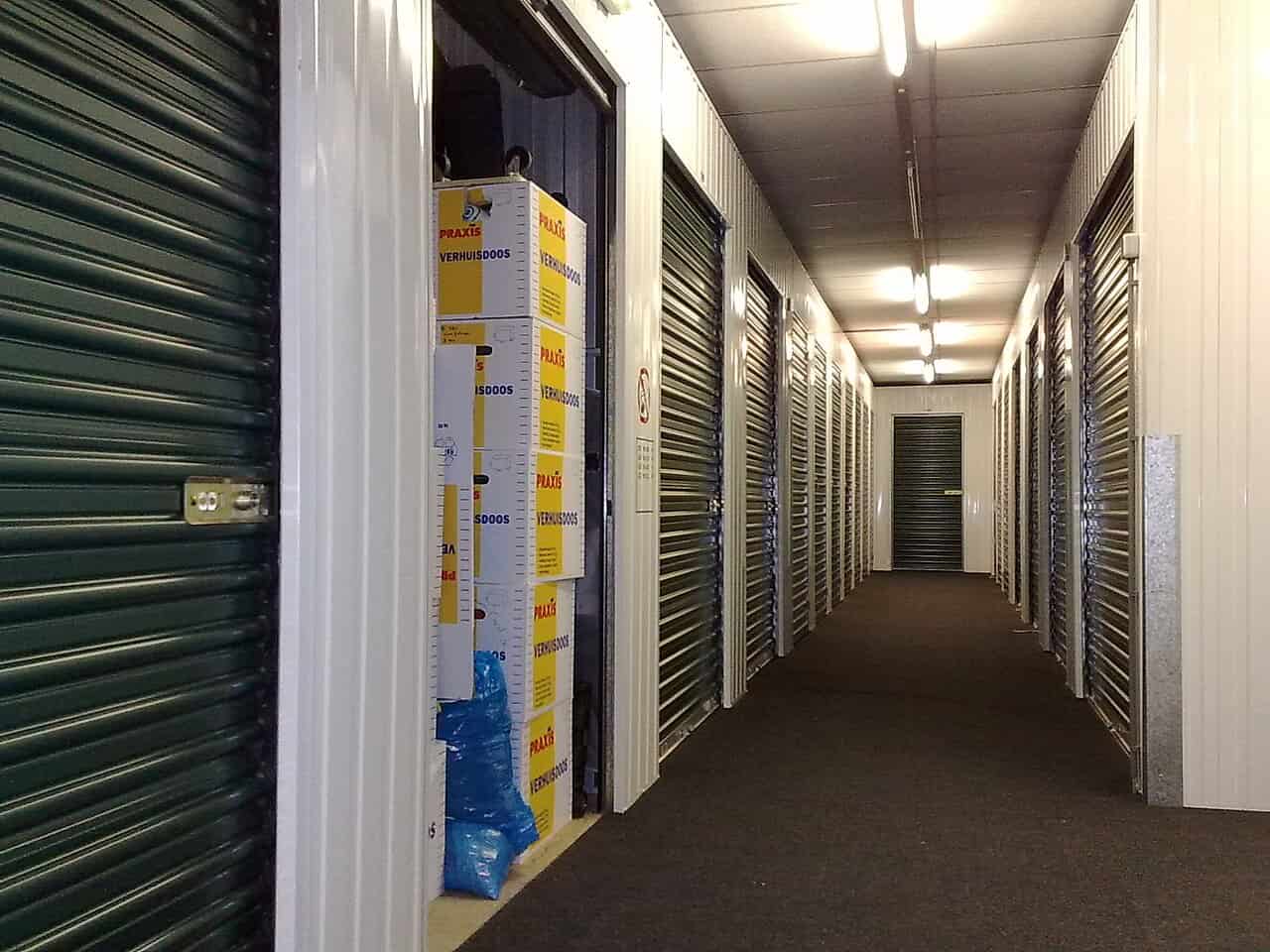
You might be paying monthly for a storage unit filled with things you rarely use. These fees can add up quickly and strain your budget.
Think about what’s really in there. Is it worth the cost? Often, you’ll find that you’re simply holding onto items that no longer serve a purpose.
Instead of keeping those unused items, consider decluttering. You could save money and reclaim valuable space in your life. Plus, selling or donating what you don’t need feels pretty good!
Buying Duplicates of Forgotten Items

You might think you’re being smart by buying duplicates of items you love. After all, having a backup can feel reassuring.
The problem kicks in when you forget about those duplicates. They sit around in storage, and you often end up buying the same thing again because you don’t realize you already have it.
This cycle keeps happening, making your spending spiral out of control. Instead of saving money, you’re just adding to the clutter and costs. Keeping track of what you own can help you avoid this pitfall.
Missing Bill Payments Amid Clutter

When your space is filled with clutter, it’s easy to lose track of important bills. You might find unpaid notices buried under piles of things. This can lead to late fees or even service interruptions.
You might think you’ll remember to pay later, but clutter can create chaos in your mind. It adds stress and distractions, making it harder to focus on tasks like bill payments.
Regularly sorting through your mail can help you stay on top of expenses. A clear space means clearer thinking, which can save you money in the long run.
Increased Utility Costs Due to Blocked Vents

When you hoard, your space can get cluttered. This clutter can block heating vents, making it hard for air to flow freely.
As a result, your heating or cooling system has to work harder to maintain a comfortable temperature.
This extra strain leads to higher utility bills. You might notice your energy costs climbing without realizing why.
Keeping vents clear not only improves airflow but also helps keep those bills in check.
Overspending on Easily Accessible Items
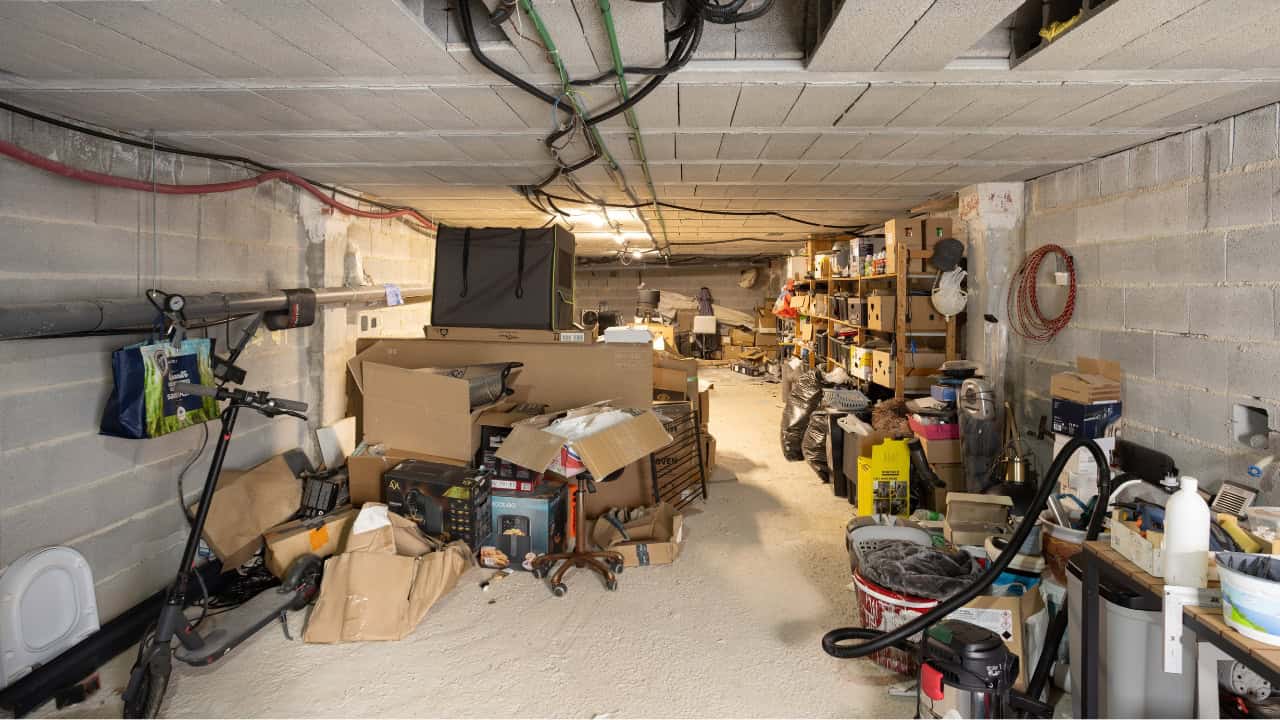
When you have a lot of clutter, it’s easy to lose track of what you already own. You might end up buying duplicates or items you don’t really need.
This accessibility can lead to impulsive purchases. With so many items available, you might forget about what’s in your home and spend money unnecessarily.
By decluttering, you create space and awareness. This helps you avoid spending on items you could simply find at home.
Losing Money on Unclaimed Returns

You might not realize it, but unclaimed returns can be a hidden money sink. When you buy items and forget to return them, you lose the chance to get that cash back.
Many retailers have specific return policies, including time limits. If you hold onto unwanted items too long, that money is locked away with no chance of recovery.
Take some time to review your purchases and returns. You could be sitting on a pile of cash if you just take action! Each unclaimed return is money you could use for something better.
Paying Late Fees on Lost Bills
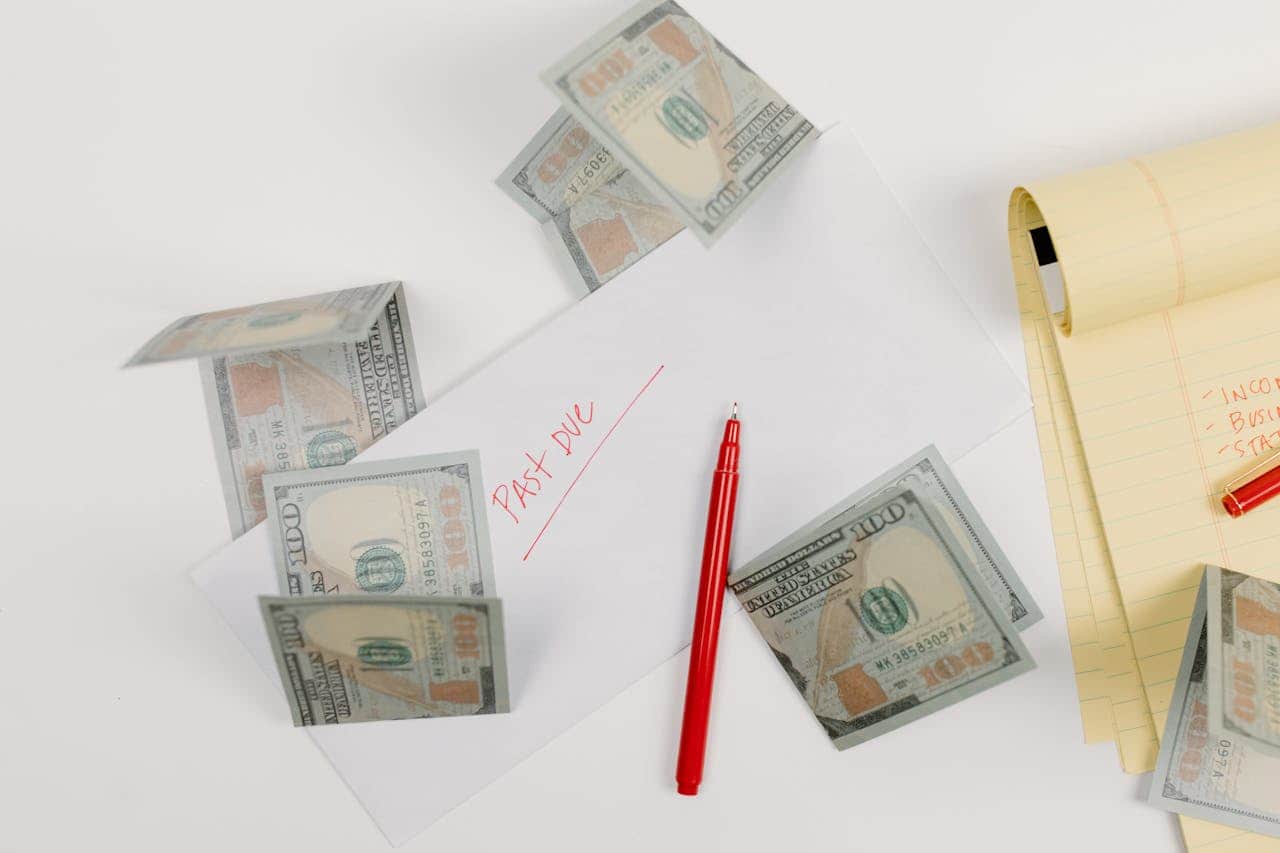
When you’re dealing with clutter, it’s easy to misplace bills. This can lead to missed payments and costly late fees.
You might find yourself digging through piles of papers, only to realize a critical bill is nowhere to be found. Late fees can really add up, especially when you forget due dates.
Not only do late fees strain your budget, but they can also lead to higher interest rates and even impact your credit score. So, tackling the clutter can save you money in more ways than one.
Driving More Due to Clutter-Induced Stress

When your space is cluttered, it can heighten your stress levels. This can lead you to seek comfort or escape, often resulting in more driving.
You might find yourself making extra trips to stores for items you can’t locate at home. This adds up in fuel costs and wear on your vehicle.
Additionally, if you feel overwhelmed by clutter, you might use driving as a way to clear your mind. Unfortunately, this means spending more money on gas and time behind the wheel.
Ignoring Routine Maintenance Costs

When you hoard, it’s easy to overlook the upkeep of your belongings. Clogged gutters, broken appliances, or neglected systems can lead to bigger problems later on.
You might avoid addressing small issues, thinking they’re not a big deal. However, ignoring routine maintenance can result in costly repairs that add up quickly.
Taking care of your items and space can help you avoid those unexpected bills. Regular maintenance not only saves you money but also improves your quality of life.
Spending More on Groceries Due to Expired Food

Buying too much food can lead to waste. You might end up throwing away items that expire before you use them.
When you constantly restock your pantry with expired food, you waste money instead of saving it. Frequent trips to the grocery store add up, especially if you buy things you don’t end up eating.
To save cash, focus on buying just what you need for a few days. This approach helps minimize waste and keeps your spending in check.
Increased Insurance Costs Due to Clutter-Related Risks

Hoarding can significantly impact your homeowners insurance. When excessive clutter is present, adjusters may struggle to assess damage accurately, which could lead to claim denials.
Insurance companies often view clutter as a risk. Water damage, mold growth, and structural issues are more likely in cluttered homes. You might find your premiums increasing or even face difficulty getting coverage at all.
Some insurers may require you to address clutter issues before renewing your policy. This added pressure can make managing your space not just a matter of organization, but also a financial necessity.
Higher Cleaning Expenses for Larger Spaces

When your home is filled with clutter, cleaning it can turn into a serious expense. Bigger spaces mean more time, effort, and resources are needed for cleanup.
You might find yourself hiring professionals, which can add up quickly. Cleaning costs can skyrocket if your space requires extra services, like dealing with hazardous materials.
Keeping everything organized from the start could save you a lot of money in cleaning expenses down the line. A clear space usually translates to fewer hidden costs.
Waste Money on Subscription Duplicates

You might not realize how easily subscription services can pile up. You sign up for one streaming service, then another, thinking you’ll use them all.
Before long, you’re paying for duplicates of the same content. That’s cash going down the drain while your clutter grows.
Taking a little time to review your subscriptions can help you cut unnecessary costs. Streamlining what you pay for means you’ll have more money for things you truly enjoy.
*This article was created with the help of AI.