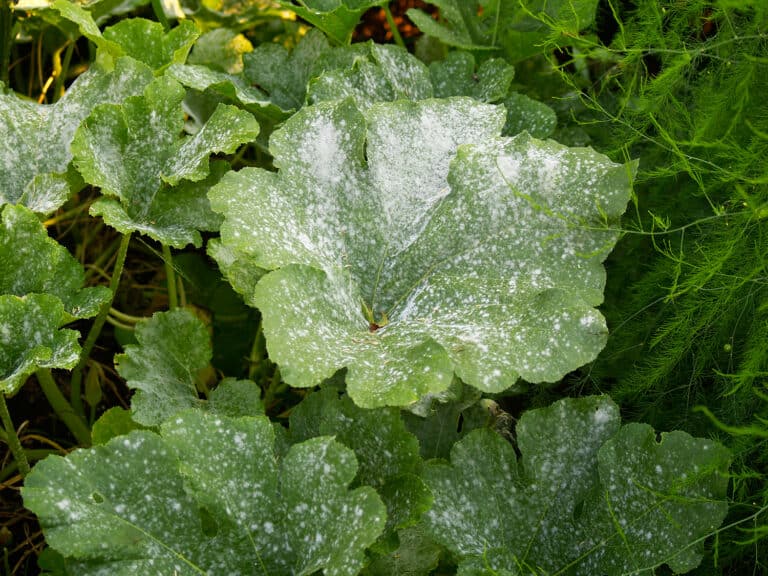
Growing your own vegetables can be a rewarding experience, especially when you find plants that come back year after year with little extra effort. These types of vegetables save you time and money since you don’t need to replant every season.
Knowing which vegetables grow back naturally can help you create a more sustainable and low-maintenance garden. By choosing these perennial vegetables, you can enjoy fresh produce with less work and more consistency in your garden.
Advertisement
Asparagus
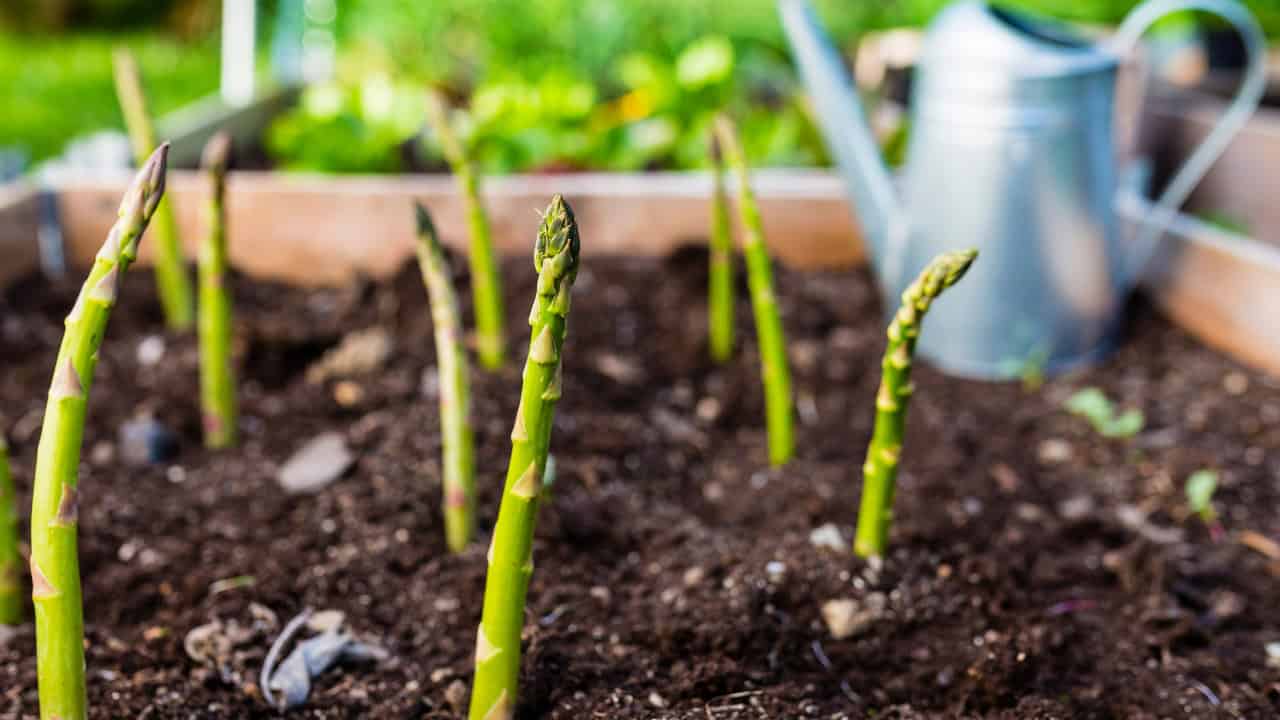
When you plant asparagus crowns, you’ll need a little patience before harvesting. It usually takes two to three years before your first spears are ready to pick.
Once established, asparagus will come back year after year, producing fresh spears each spring. You can enjoy harvesting for a decade or more from the same bed.
Let the unharvested spears grow tall; they turn into ferny foliage that helps feed the roots for next year’s growth.
Chives

Chives are a great choice if you want a vegetable that comes back every year. Once planted, they will return season after season with minimal effort from you.
You can harvest chives by cutting the green stalks about 1 to 2 inches above the soil. This promotes new growth and allows for multiple harvests throughout the growing season.
They are cold hardy, so you don’t need to worry about winter killing them. Just cut back the foliage in late fall or early winter to keep your chive patch healthy.
Mint

You’ll find mint easy to grow and maintain in your garden. It’s a perennial herb, so it comes back every year without replanting.
Mint spreads quickly, so keep it contained to avoid crowding other plants. Its refreshing flavor makes it perfect for teas, salads, and garnishes.
With some basic care, your mint will thrive and provide you with fresh leaves season after season.
Garlic
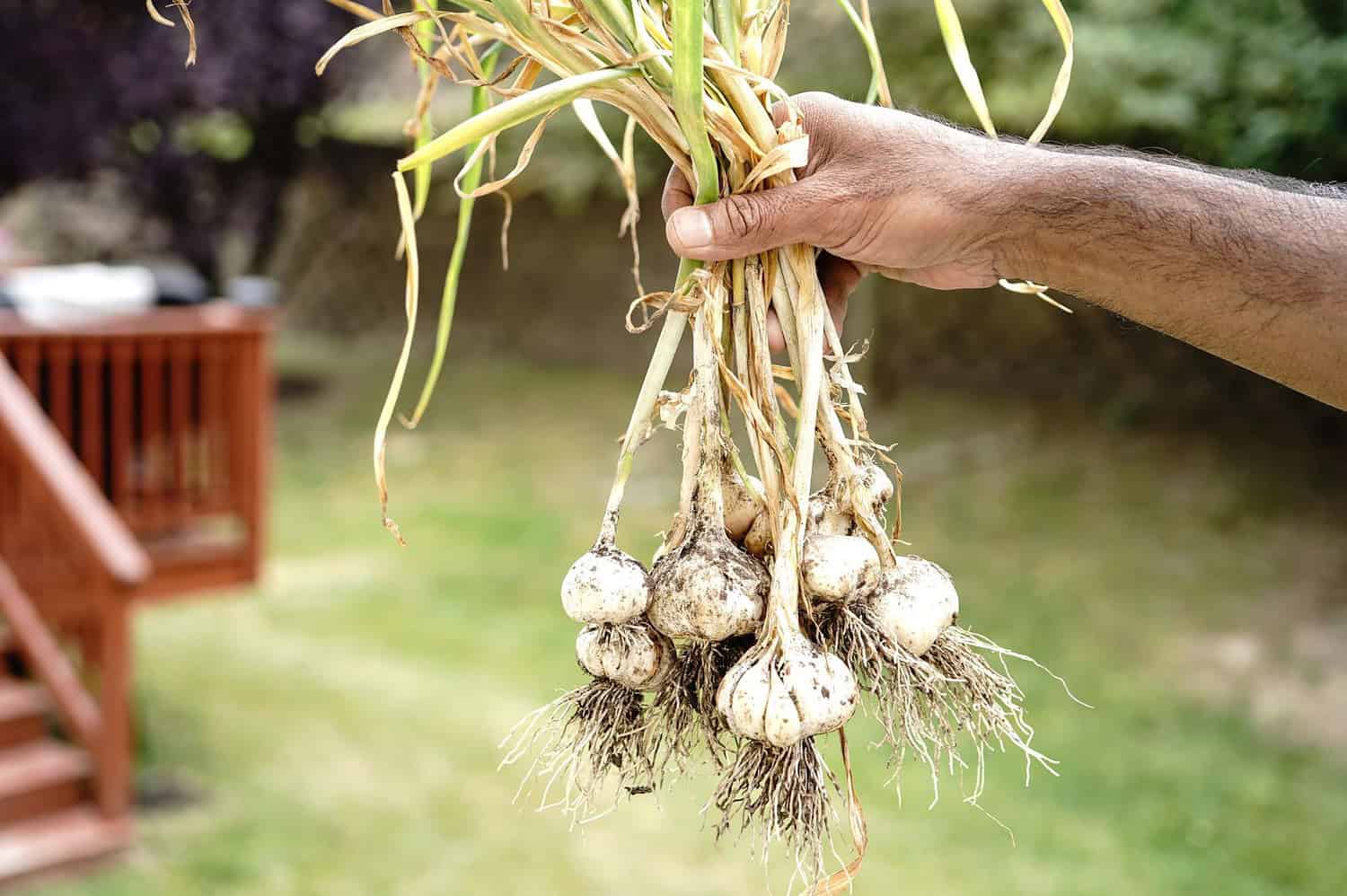
Garlic is a great perennial vegetable to have in your garden. When you leave some bulbs in the ground, they’ll naturally multiply and come back each year.
It prefers well-drained soil and plenty of sunlight. You’ll only need to harvest the largest heads, letting the rest keep growing for future seasons.
With minimal effort, garlic will provide you with fresh cloves year after year. It’s a simple and rewarding plant to grow.
Jerusalem Artichokes
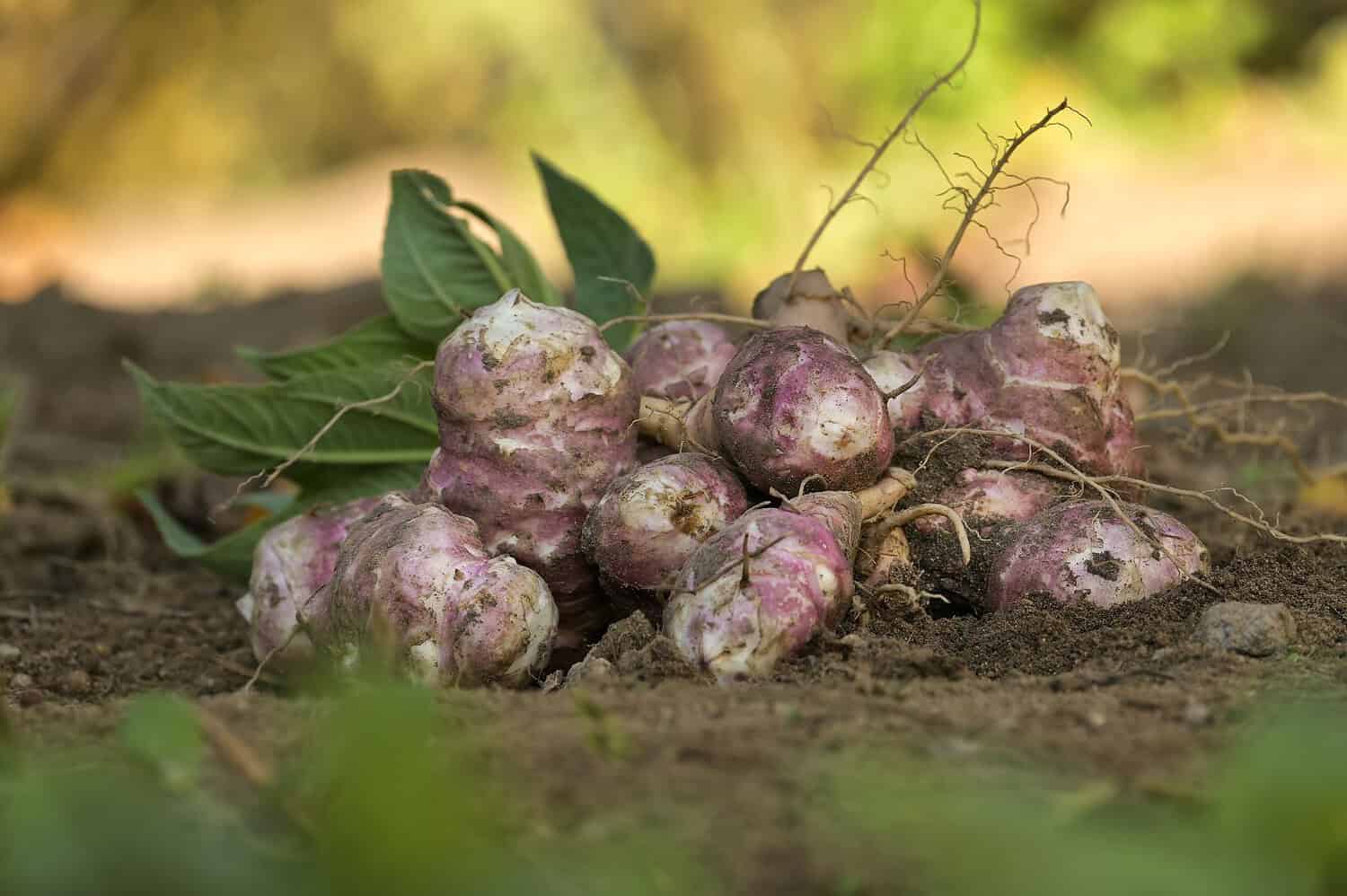
Jerusalem artichokes, also called sunchokes, grow from edible tubers that you can harvest each year. They produce tall stalks topped with bright yellow flowers, adding beauty to your garden.
These plants spread quickly, so it’s a good idea to give them their own space. You’ll find their roots tasty, but eat them in moderation to avoid stomach discomfort.
Ramps
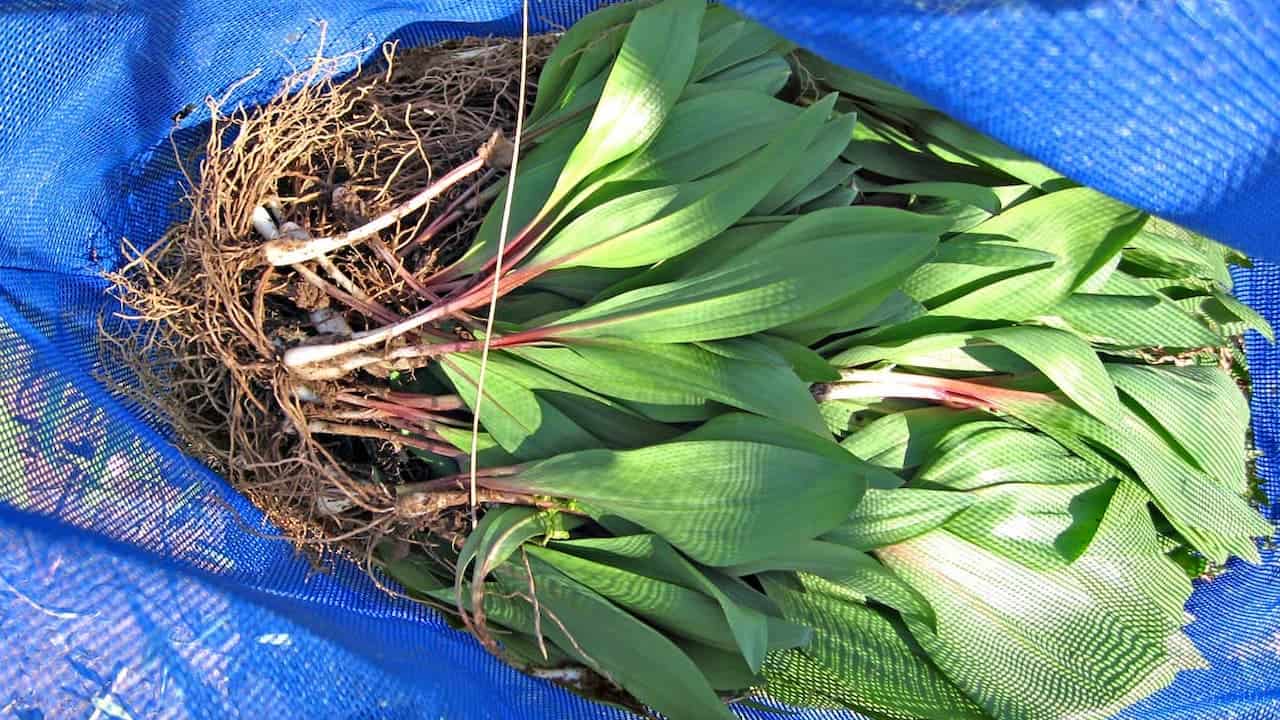
Ramps are a wild leek that will return to your garden each spring. They prefer shaded, moist environments with rich, well-drained soil.
When planting, be sure to keep them away from toxic look-alikes like False hellebore. Ramps only appear above ground for a few weeks but will grow back reliably year after year.
Blueberries

Blueberries are a great choice if you want a fruit that comes back every year. You can plant blueberry bushes once, and they’ll continue to grow and produce fruit each season.
They do best in well-drained, acidic soil with plenty of sunlight. Once established, your bushes will produce berries from early June to mid-July.
With proper care, your blueberry plants will get stronger year after year, giving you a steady supply of sweet, healthy fruit.
Blackberries
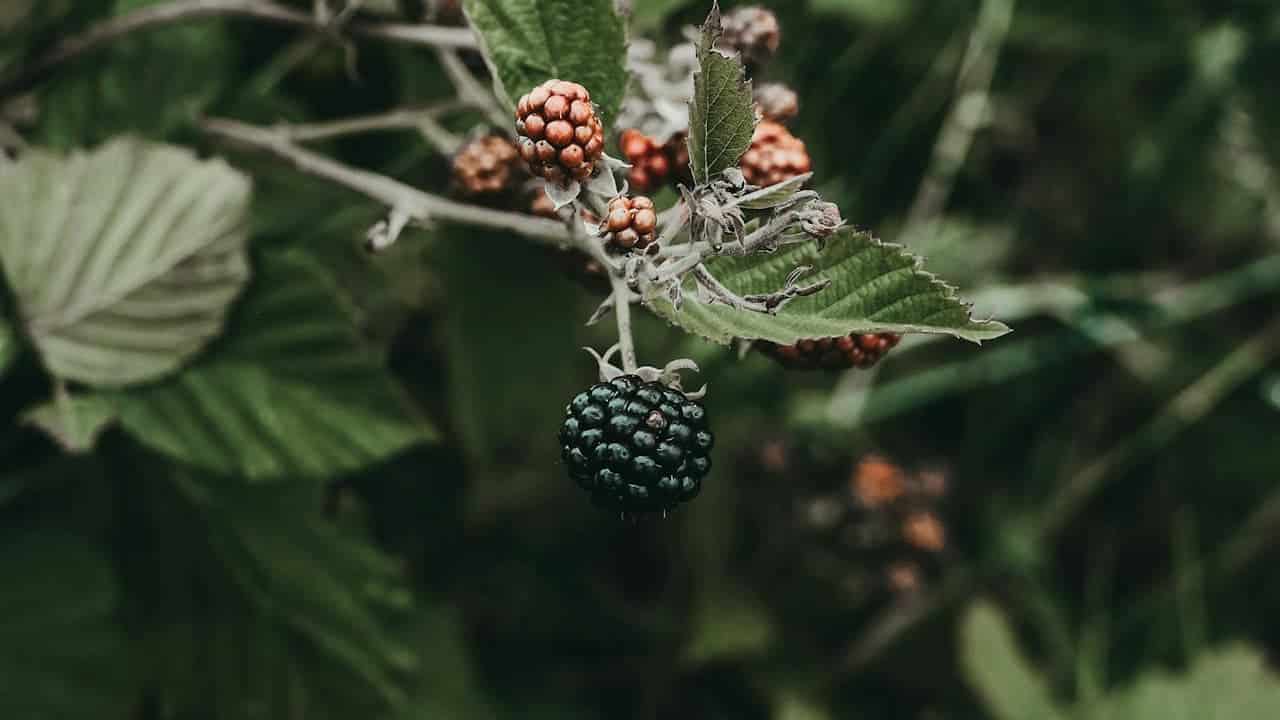
Blackberries are a reliable choice if you want a plant that comes back year after year. While the canes that produce fruit die after harvest, new shoots grow from the roots each season.
You don’t need to replant blackberries every year. Just prune the old canes, and your plant will keep producing fresh berries for many seasons to come.
Sorrel
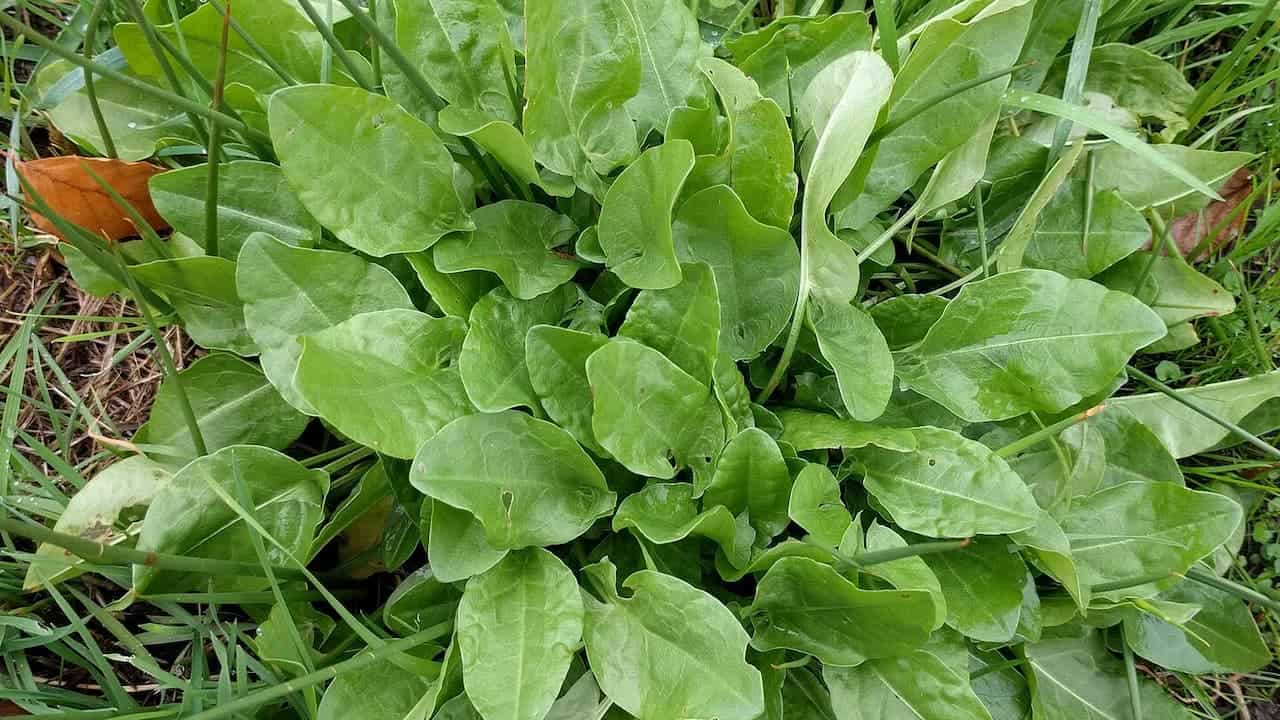
If you want a leafy green with a bright, lemony flavor, sorrel is a great choice. It comes back year after year with minimal care, making it easy to grow in your garden.
Sorrel thrives in full sun but appreciates a bit of shade on hot days. You can start it from seed or by dividing older plants. It’s perfect for salads, soups, or sauces.
Rhubarb
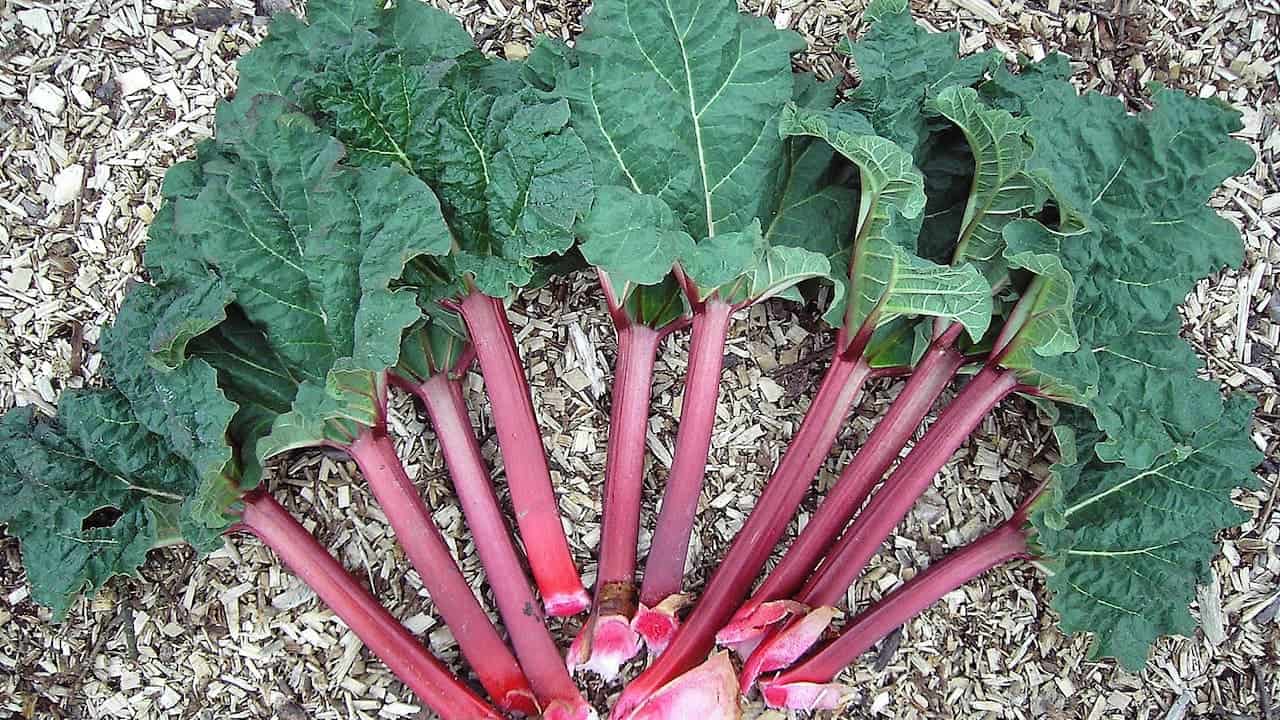
Rhubarb is a vibrant perennial vegetable that can add color and flavor to your garden. It grows back every year with minimal care once established.
You’ll notice its tart red stalks are great for pies and jams. Plant rhubarb in well-drained soil with plenty of sunlight for the best results. It’s a reliable, long-lasting addition to your garden.
Kale
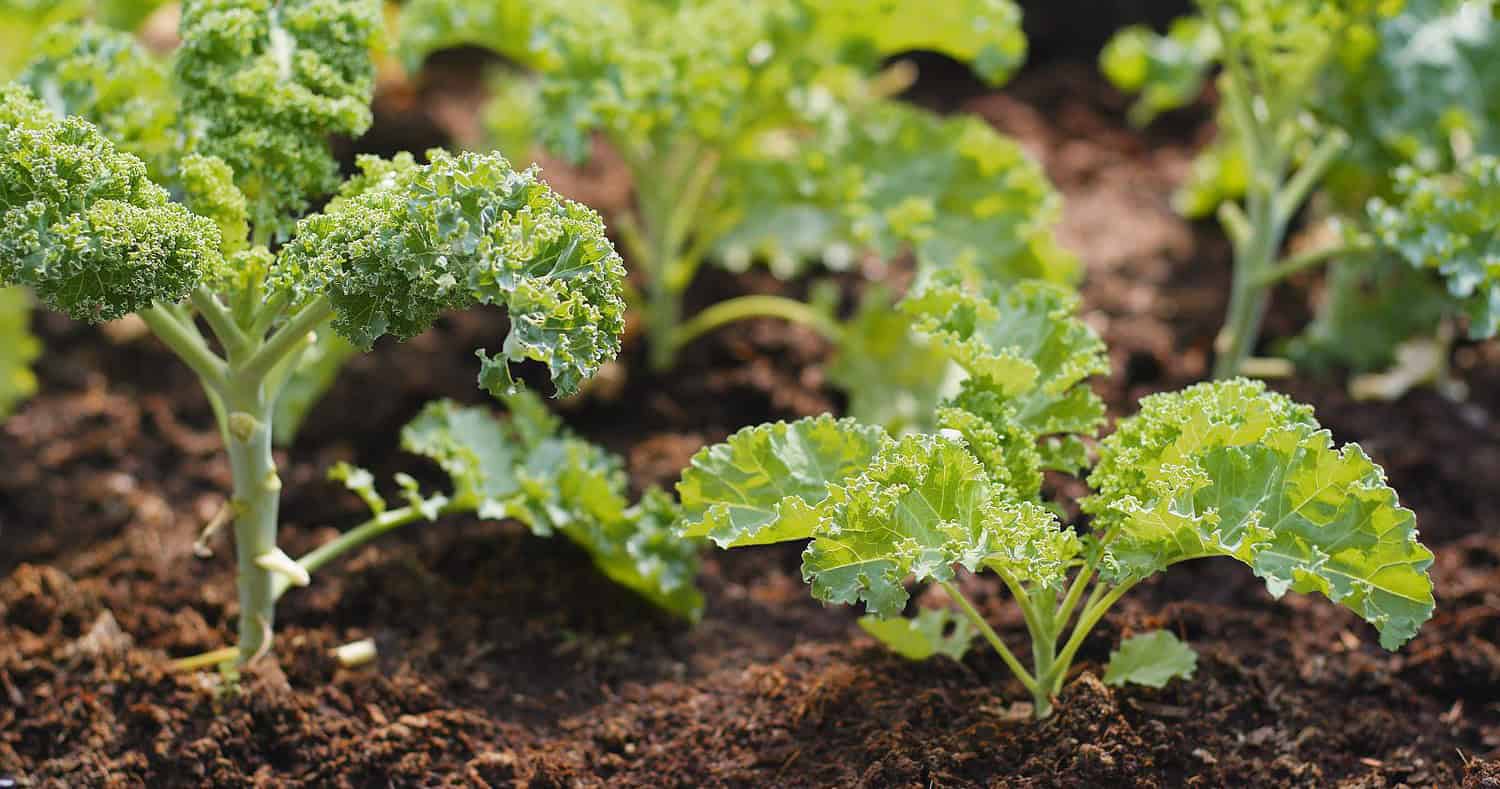
You can grow kale as a perennial in the right conditions. It is cold-hardy and can survive mild winters, coming back year after year.
If you live in a warmer climate, your kale is more likely to regrow without replanting. In colder areas, you may need to replant annually.
With consistent watering and proper care, your kale patch can provide fresh leaves for multiple seasons. Just harvest regularly to encourage new growth.
Oregano

Oregano is a hardy perennial herb that can grow back year after year in many gardens. You’ll find it forms a dense, bushy plant about 18 inches tall, perfect for adding fresh leaves to your cooking.
Once established, oregano requires little care. Just snip what you need, and it will keep producing new growth throughout the season. It’s great for sun-loving spots with well-drained soil.
Thyme
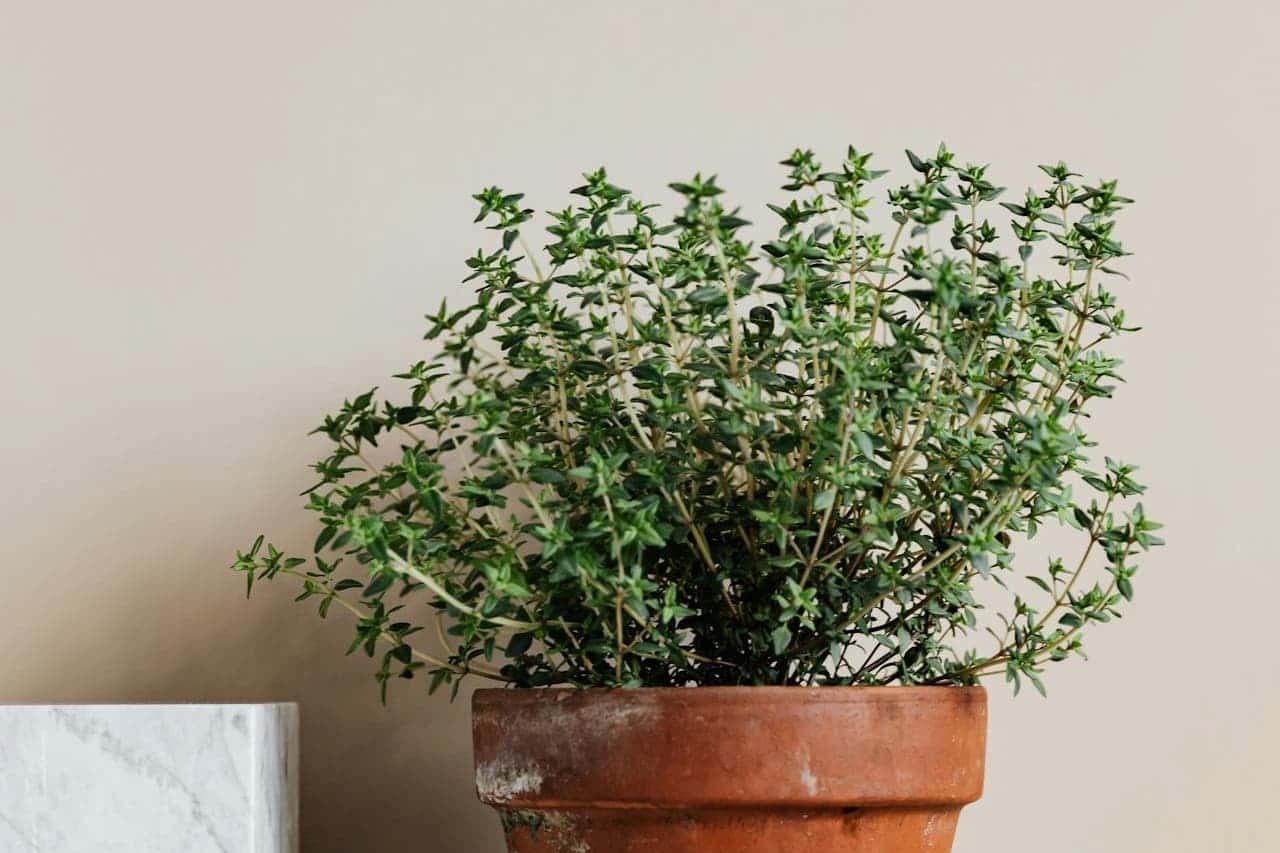
Thyme is a hardy perennial herb that will come back year after year in your garden. You don’t need to replant it each season because it grows back from the roots.
Choose a sunny spot that gets at least six hours of sunlight daily for the best growth. There are different types like creeping thyme and woolly thyme, which add variety to your garden and kitchen.