Donating items you no longer need is a great way to declutter your home and help others, but not everything belongs in a donation bin. Some items are unsanitary, unsafe, or simply unusable, and donating them can create more problems than solutions.
Before you drop off a box at your local thrift store or charity, check this list of XX things you should never donate—and better ways to dispose of them instead.
Advertisement
1. Used Undergarments and Socks
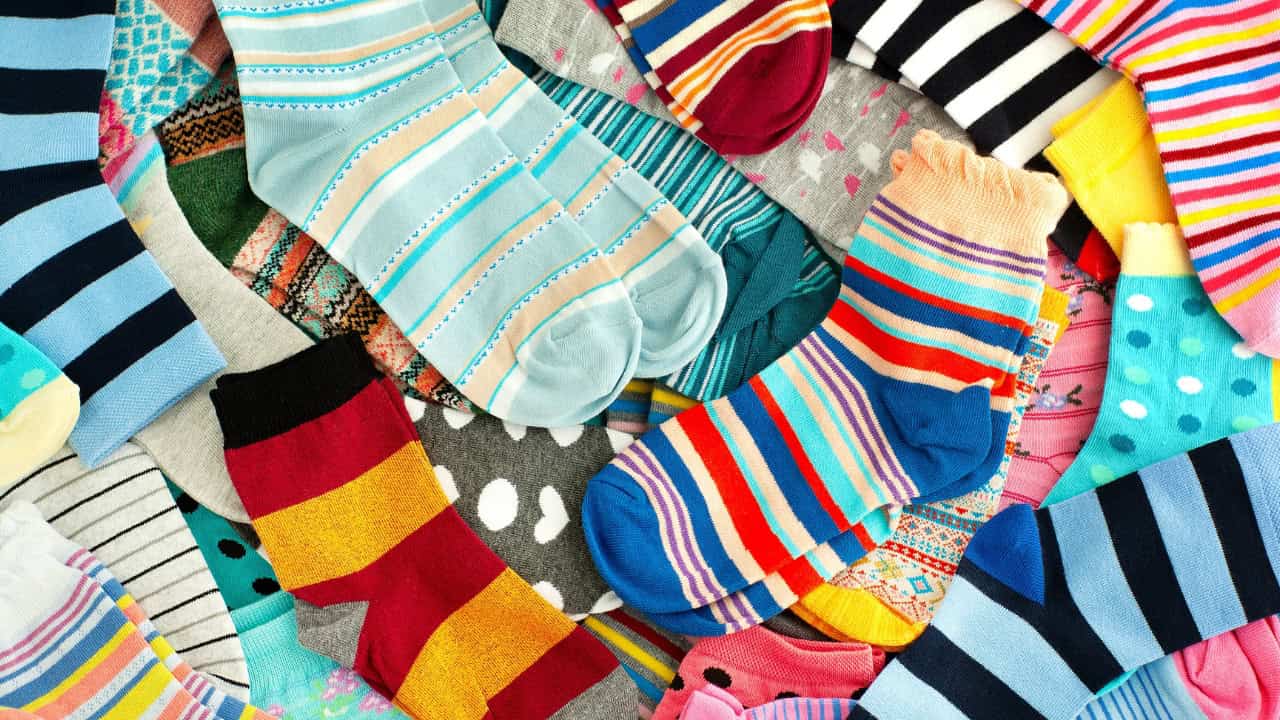
While gently used clothing is always appreciated, underwear and socks are a no-go for most donation centers due to hygiene concerns. Even if they’ve been washed, most places won’t accept them.
What to do instead:
- Recycle old socks as dusting cloths or pet toys.
- Donate new, unworn pairs to homeless shelters (they always need them).
- Recycle old underwear through textile recycling programs.
2. Broken or Damaged Electronics

If your old TV or laptop doesn’t work, donation centers can’t resell or repair it—they’ll just throw it away. E-waste is a huge problem, and dumping electronics improperly can be harmful to the environment.
What to do instead:
- Check for electronic recycling programs in your area.
- Many stores like Best Buy and Staples accept old electronics for recycling.
- If it still works but is outdated, consider donating it to a school or community center.
3. Expired Food

Food banks love donations, but expired or open food can’t be distributed for safety reasons. Even canned goods can spoil over time if they’re past their expiration date.
What to do instead:
- Check expiration dates before donating.
- If food is close to expiring, use it yourself or offer it to a friend.
- Compost non-dairy, plant-based expired foods instead of throwing them in the trash.
4. Used Mattresses and Box Springs

Most charities won’t accept used mattresses due to hygiene issues and the risk of bed bugs. Even if yours looks clean, many donation centers are legally prohibited from accepting them.
What to do instead:
- If it’s still in great condition, check if a homeless shelter or furniture bank will take it.
- Many states have mattress recycling programs—check your local waste management site.
- If it’s too worn out, schedule a bulk trash pickup or call a junk removal service.
5. Cribs, Car Seats, and Strollers (If They’re Outdated)
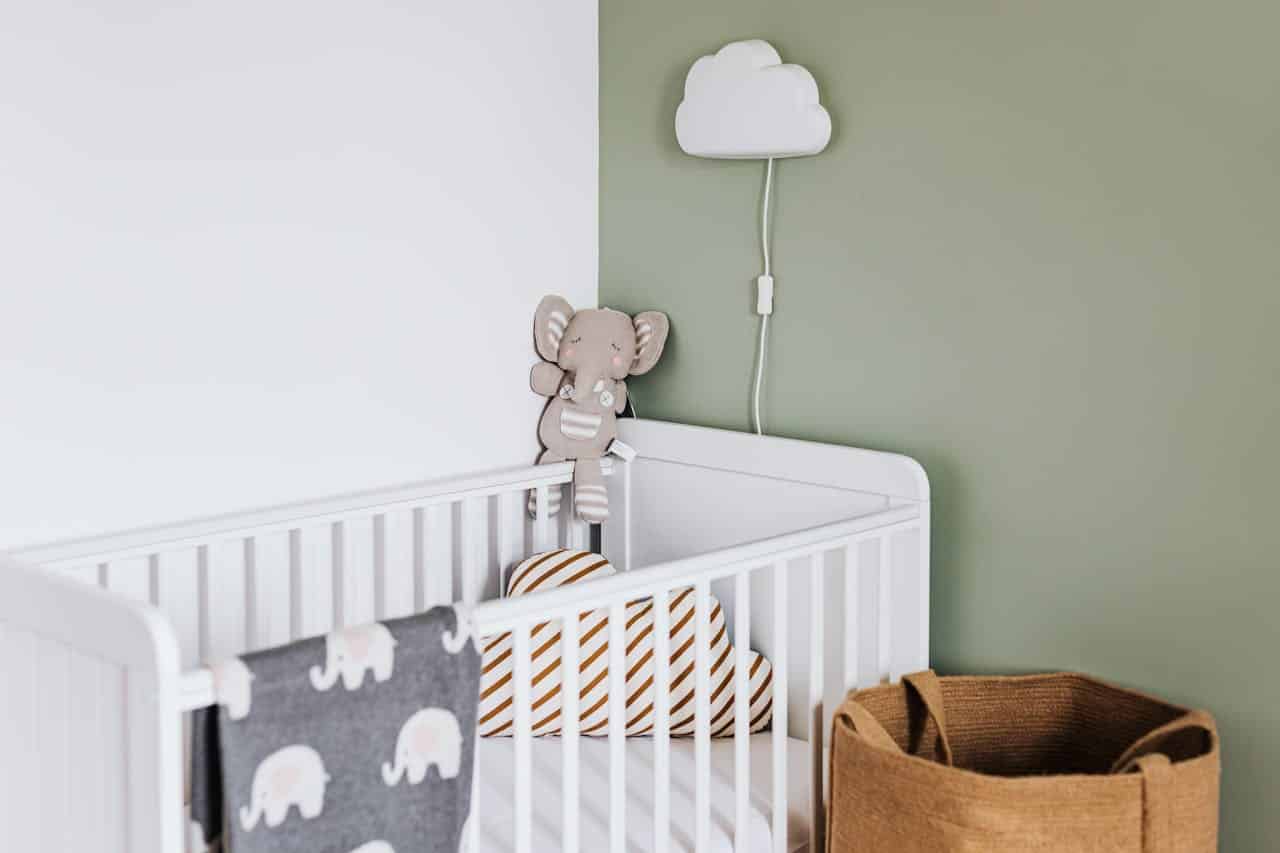
Baby gear safety standards change frequently, and older cribs, car seats, and strollers may no longer meet regulations.Many donation centers won’t accept them due to safety risks.
What to do instead:
- Check if the manufacturer has a recycling program (some baby gear brands accept old products).
- If it’s newer and still safe, give it directly to a friend or family in need.
- If it’s recalled or damaged, dispose of it properly—never pass along unsafe baby gear.
6. Opened or Expired Medicine
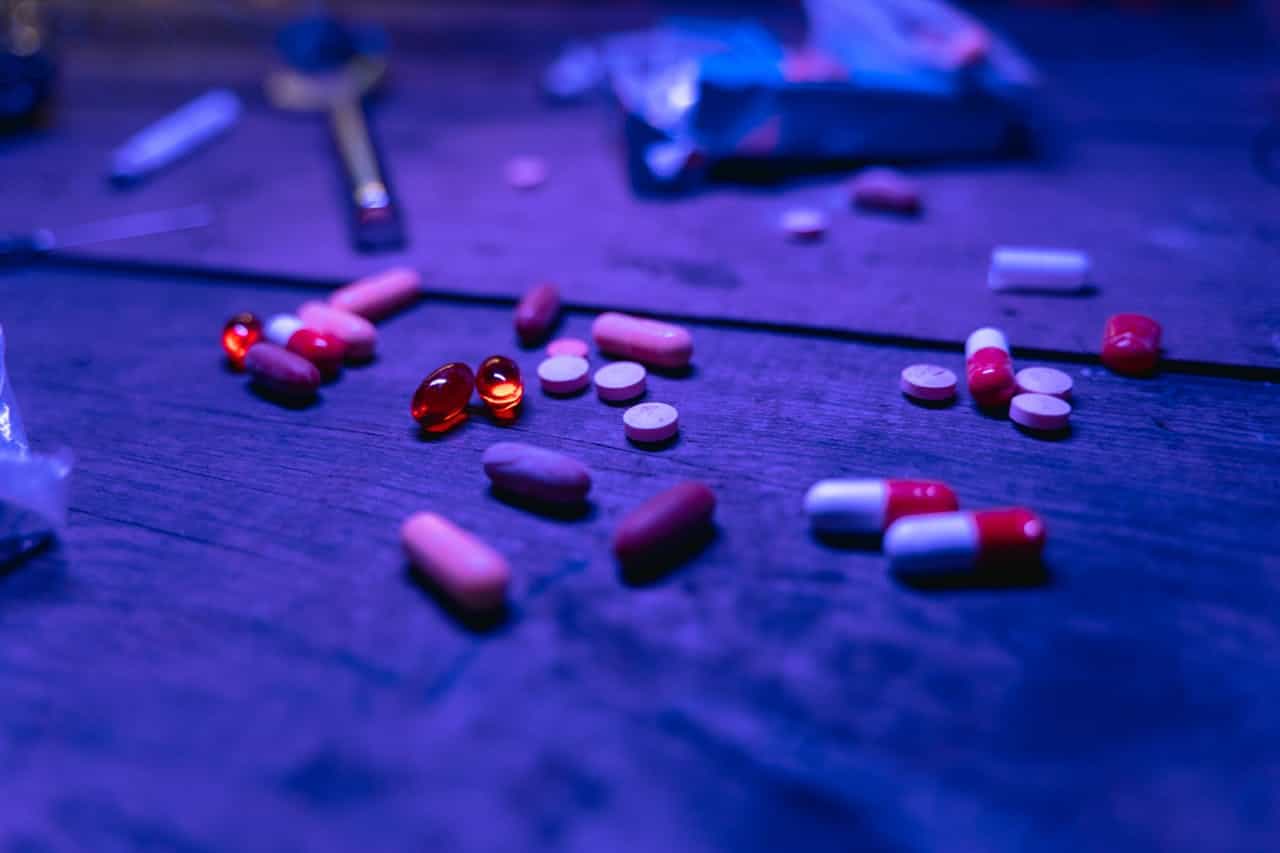
Medication donation programs exist, but they only accept sealed, unexpired products. Open or expired medication is a safety risk and should never be donated.
What to do instead:
- Drop off expired medicine at a pharmacy or police department take-back program.
- Never flush medicine down the toilet—it contaminates the water supply.
- If no take-back program is available, mix medicine with coffee grounds or kitty litter before throwing it away.
7. Used Makeup and Skincare Products
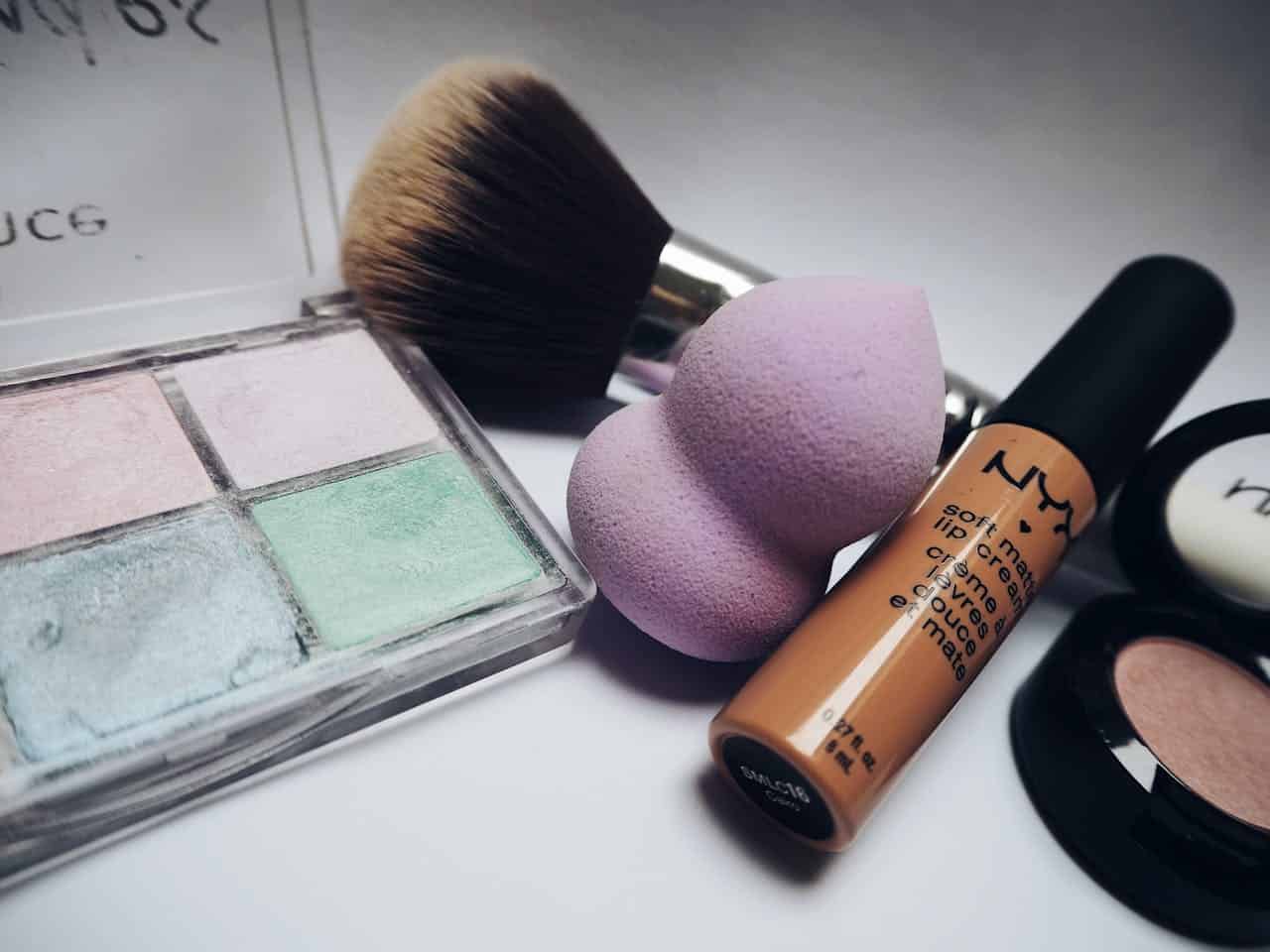
Even if it’s barely used, makeup and skincare items can harbor bacteria and cause infections. Most donation centers won’t accept them, even if they’re high-end brands.
What to do instead:
- If it’s brand new and unopened, donate it to a women’s shelter.
- Recycle empty containers through brand recycling programs (like MAC’s Back-to-MAC).
- If possible, sanitize lightly used products and give them to a friend.
8. VHS Tapes and Cassette Players
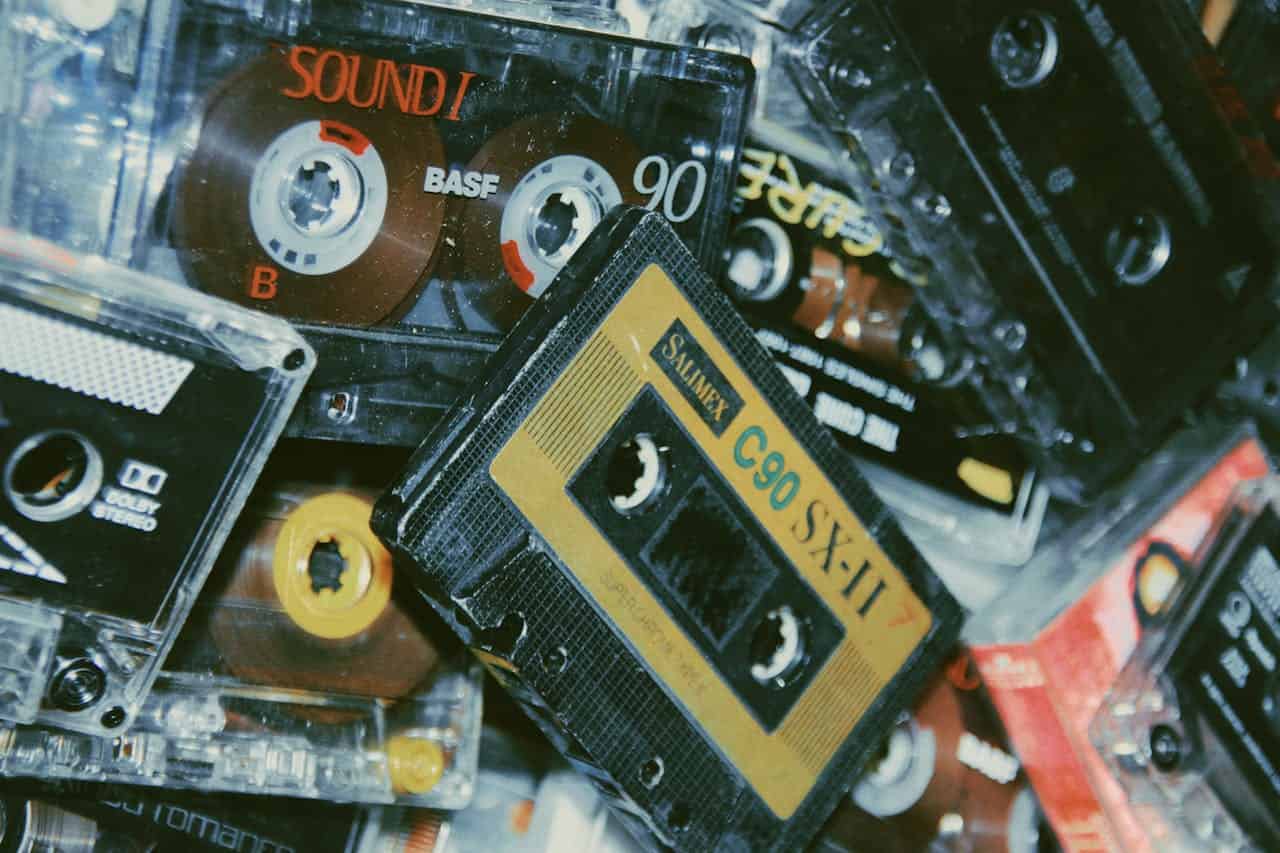
Most thrift stores don’t accept outdated media formats like VHS tapes, cassettes, or old CDs because nobody buys them anymore. They just end up in landfills.
What to do instead:
- Sell them online—some collectors still buy vintage tapes.
- Upcycle old VHS covers into notebooks or storage cases.
- Look for e-waste recycling programs that accept tapes.
9. Large Furniture That’s in Poor Condition
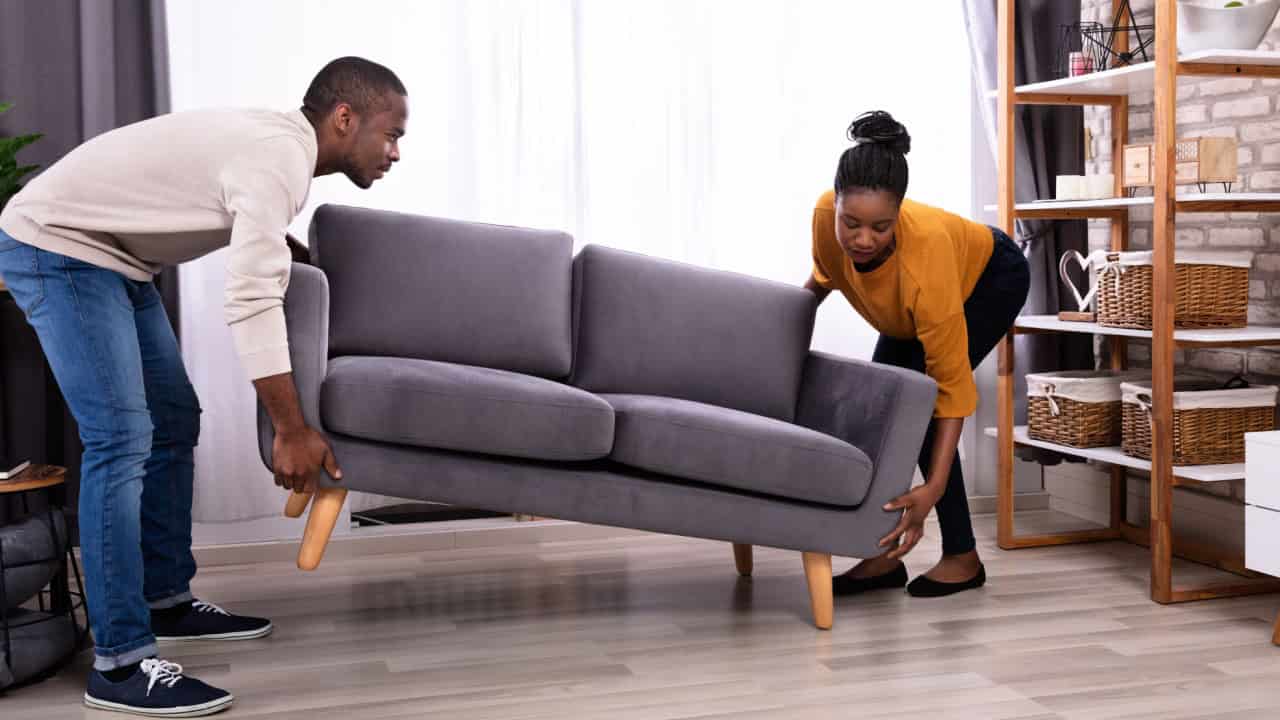
If a couch is ripped, stained, or smells bad, donation centers can’t sell it. They’ll just have to pay for disposal, which hurts their resources.
What to do instead:
- Call a furniture bank that specifically refurbishes used pieces.
- Check if your city offers bulk trash pickup or furniture recycling programs.
- If it’s solid wood, consider repurposing or refinishing it.
10. Old Pillows and Bedding

Even if they look clean, used pillows and bedding can hold dust mites, sweat, and bacteria—making them unsuitable for resale.
What to do instead:
- Donate old towels and bedding to animal shelters.
- Use pillows as pet beds or cushion fillers.
- Check if textile recycling centers will accept them.
11. Outdated or Broken Holiday Decorations

If your Christmas lights only half work or your decorations are falling apart, donation centers don’t want them.
What to do instead:
- If they work, list them for free on local buy/sell groups.
- Recycle broken holiday lights at hardware stores like Home Depot.
- Upcycle old ornaments into DIY crafts or gift wrapping decor.
12. Medical Equipment (Without Checking First)
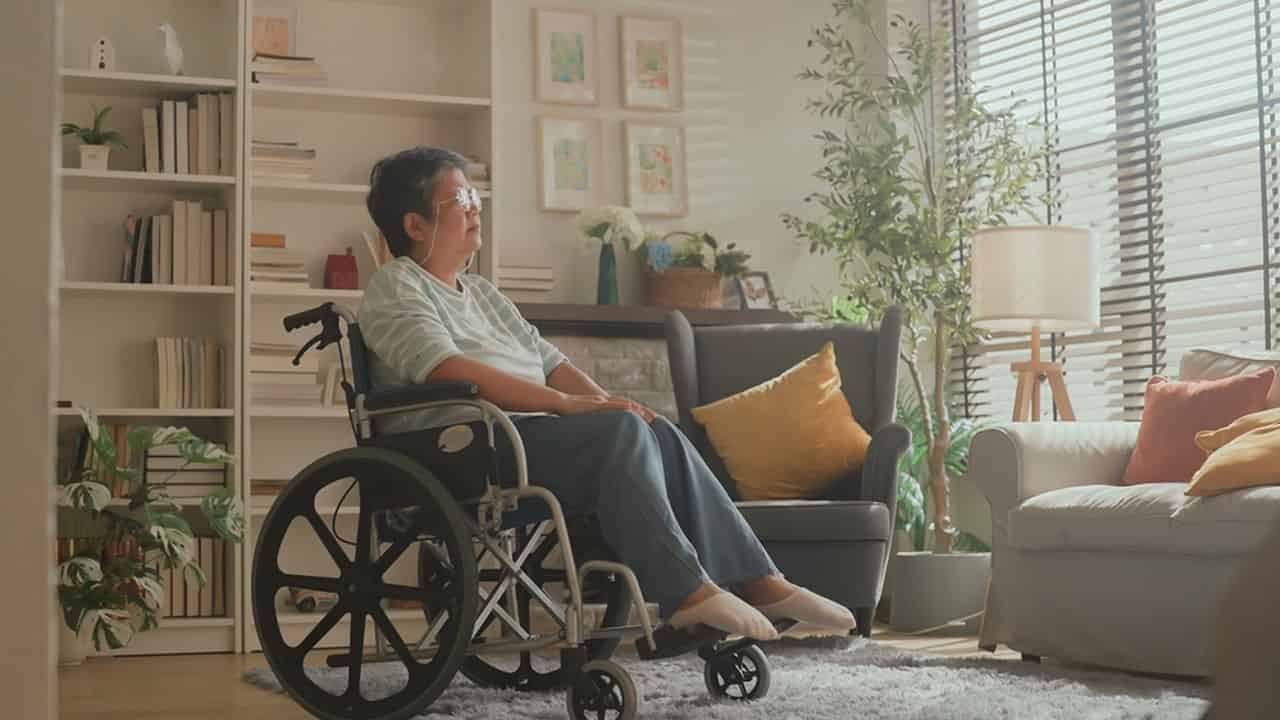
Some donation centers won’t accept used medical supplies due to sanitation laws. Things like wheelchairs, walkers, and CPAP machines must be properly inspected before reuse.
What to do instead:
- Donate to medical equipment charities (like Project C.U.R.E. or Goodwill Home Medical).
- Check with local nursing homes or hospitals—some accept gently used items.
- If the equipment is damaged, look for medical recycling programs.
13. Books That Are Damaged or Outdated

While books are usually a great donation, ones that are moldy, torn, or outdated (like old textbooks and encyclopedias) aren’t useful to most charities.
What to do instead:
- Little Free Libraries are a great option for books in decent condition.
- Use damaged books for craft projects or DIY wrapping paper.
- Recycle them properly instead of letting them sit in a thrift store forever.
*This article was created with the help of AI.