When the power grid ceases to function, life can take a dramatic turn. Knowing how to respond effectively can ensure your safety and well-being in these challenging times. Preparing for this scenario is about more than just having supplies; it’s about understanding the best actions you can take to adapt.
Consider how reliant you are on electricity in your daily life. From heating your home to keeping food fresh, losing power permanently means you need to rethink your approach to everyday tasks. Developing a practical plan is crucial to navigating this new reality smoothly.
Advertisement
Unplug Solar Panels from the Grid

If the power grid fails, it’s smart to go solar. Start by unplugging your solar panels from the grid-tied system. This lets you use the energy generated without depending on the utility.
Make sure to do this carefully. You don’t want to damage your equipment. Having an off-grid setup means you’ll rely on your stored energy instead.
Consider having a backup battery system in place. This way, you can store excess energy for cloudy days or nights. Keeping your system functioning independently can really help when the grid is down.
Use a Gas or Propane Stove for Cooking
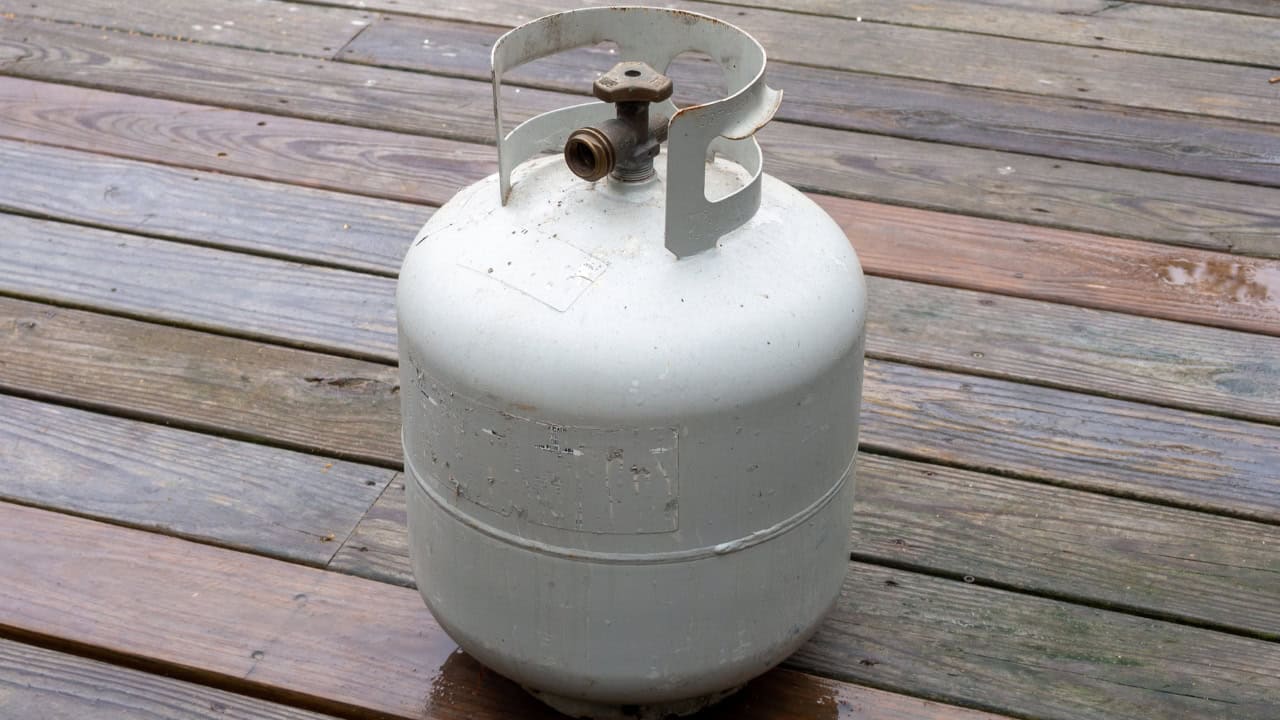
A gas or propane stove can be a lifesaver during a power grid failure. If you have one, you can still prepare meals without electricity.
Before using a gas stove, check the manufacturer’s guidelines. Some newer models may need electricity to operate due to safety features.
If you’re cooking indoors, always ensure good ventilation to avoid the risk of carbon monoxide buildup. Using a portable propane stove can also be a great backup. It’s portable and easy to use, perfect for emergencies.
Store and Ration Water Reserves
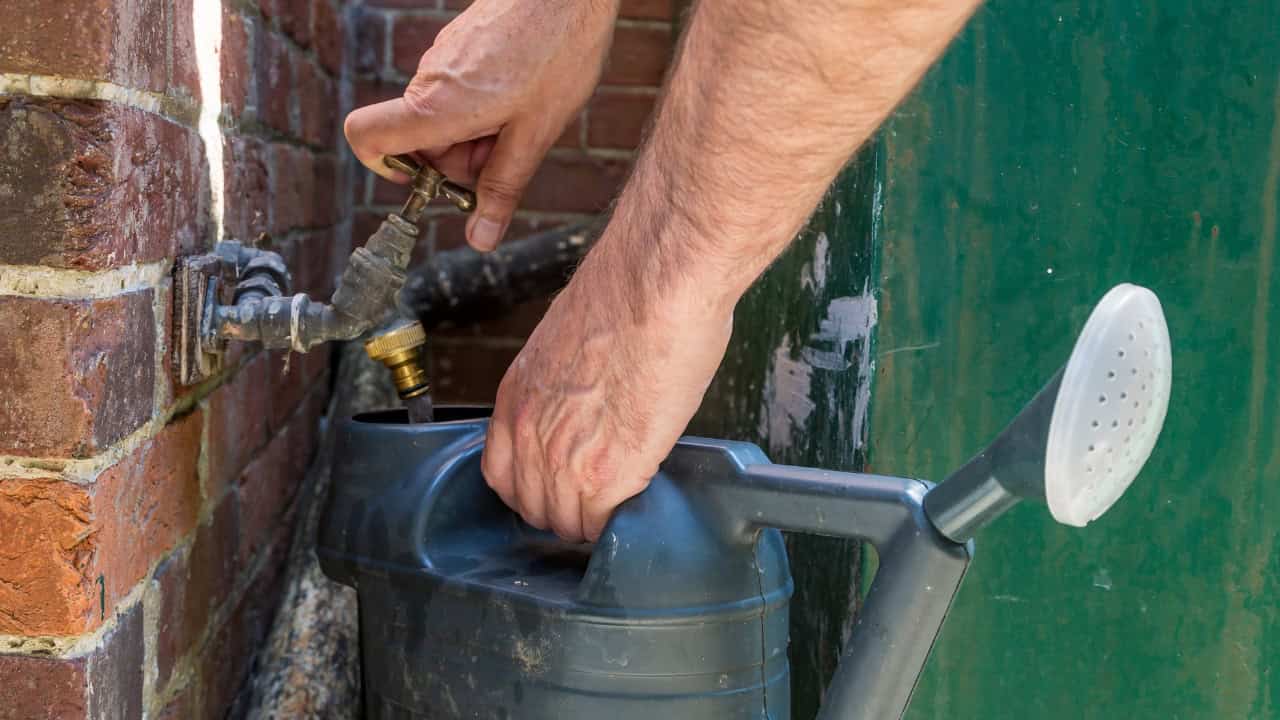
Water is crucial when the power grid fails. Start by storing enough water for each person in your household. A good rule to follow is one gallon per person per day.
Make sure to keep water in clean, food-grade containers. Label them with the date you filled them, and replace the water every six months for safety.
Ration your water wisely. Use it sparingly for drinking and cooking first. Avoid wasting it on non-essential activities, like washing clothes, until absolutely necessary.
Conserve battery-powered devices

When the power grid fails, saving battery life is crucial. Start by using devices only when necessary. This means turning off items like your phone or tablet when you’re not using them.
Consider dimming the screen brightness, as this can extend battery life. You can also switch to airplane mode if you don’t need connectivity.
Invest in solar chargers or portable battery packs to keep essential devices powered up. Keep these chargers in a safe and accessible location for easy use.
Finally, limit the use of apps that drain power quickly. Stick to basic functions to stretch your battery for as long as possible.
Set up a wind turbine for electricity
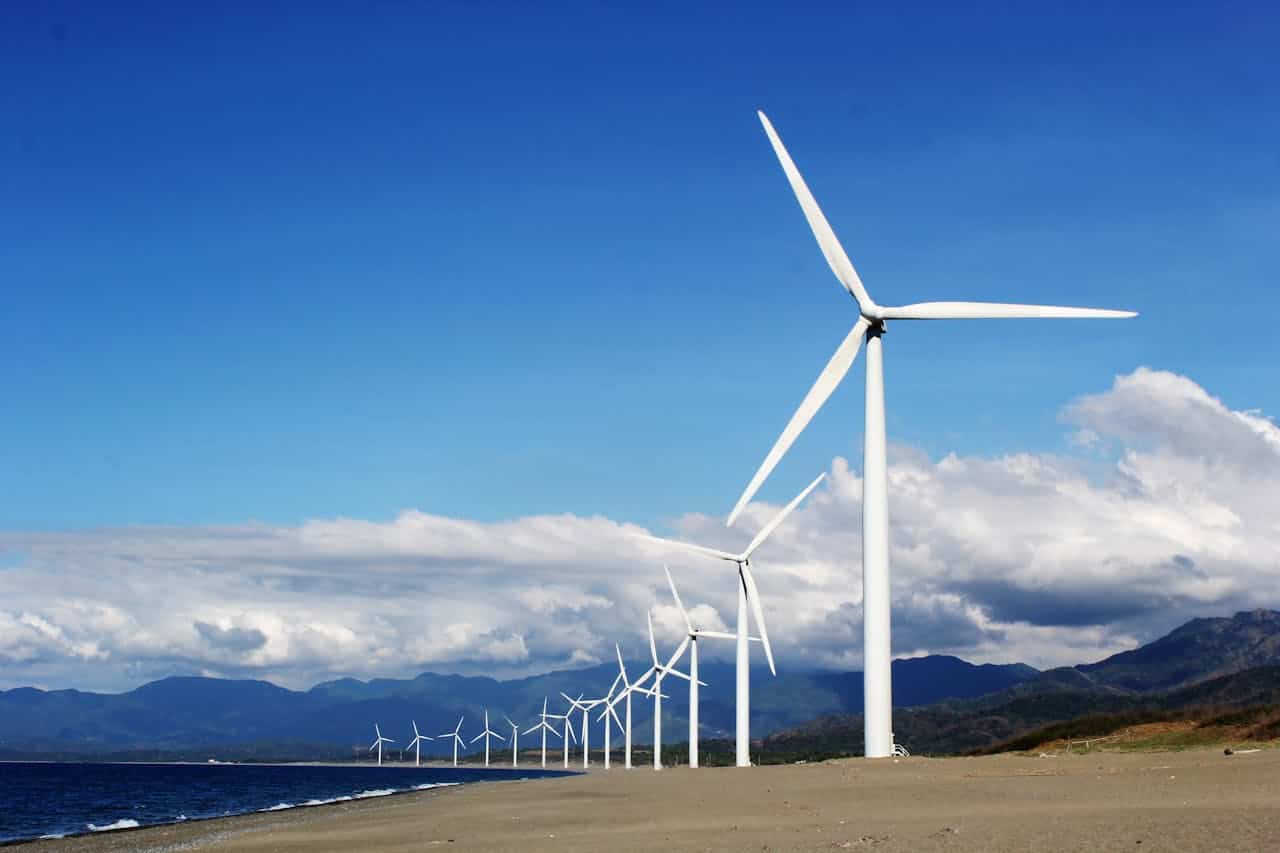
Setting up a wind turbine can provide a reliable source of electricity. First, choose an appropriate location with consistent wind. Avoid spots near tall buildings or trees that block the wind flow.
Next, select the right turbine for your needs. Small turbines work well for homes. Make sure to follow all safety guidelines during installation.
Connect the turbine to a battery system to store energy. This setup allows you to use power even when the wind isn’t blowing. Finally, check the system regularly to ensure everything runs smoothly and efficiently.
Forage for Food in Local Areas

When the power grid fails, your local area can be a treasure trove of food. Look for edible plants like wild greens, berries, and nuts. Check parks, forests, and even your own backyard.
Familiarize yourself with local plants to avoid toxic varieties. Websites and apps can help you identify what’s safe to eat.
Don’t forget about water sources. Stream and riverbanks often have plants like cattails that are edible. Exploring your surroundings can lead to nutritious finds. Happy foraging!
Learn Basic Fishing Skills
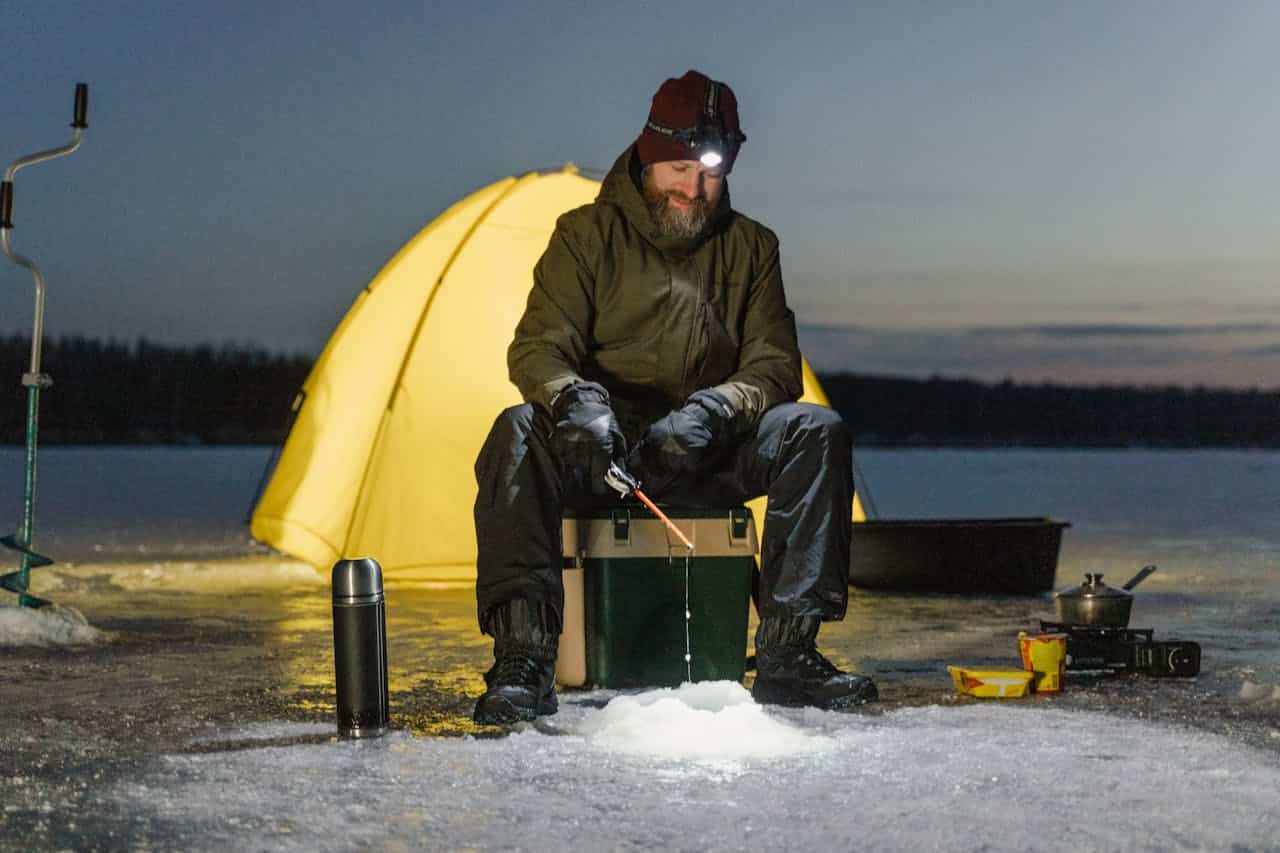
Fishing is a valuable skill when the power grid fails. It provides a reliable food source that doesn’t rely on electricity.
Start by familiarizing yourself with local fish species. Knowing where they like to hang out can significantly improve your chances of a catch.
You don’t need fancy gear to begin. A simple rod and reel or even a makeshift fishing line can work wonders.
Practice casting and reeling to build your confidence. Consider learning to make basic bait from available resources.
Get comfortable with gutting and cooking fish. These skills will serve you well and can make a big difference when fresh food is scarce.
Stockpile Essential Medications

When preparing for a power grid failure, don’t forget to stockpile essential medications. Keep enough of your prescription drugs on hand to last for several weeks.
Check the expiration dates regularly and replace medications as needed. It’s also smart to keep a list of your prescriptions, dosages, and any important medical information.
Consider over-the-counter medications too. Stock up on pain relievers, antacids, and any other non-prescription meds you may need.
Having a well-stocked supply can help you manage health issues and reduce stress during a crisis.
Barter Goods with Neighbors

When the power grid fails permanently, bartering can become a key survival strategy. You can trade items or services with your neighbors to meet essential needs.
Think about what you have to offer, like food, water, or skills. Items like batteries, tools, and hygiene products can also be valuable.
Communication is vital; build relationships with neighbors ahead of time. This way, you can establish trust and create a network for support.
Remember, your willingness to help others can encourage them to do the same for you.
Secure your home against looters

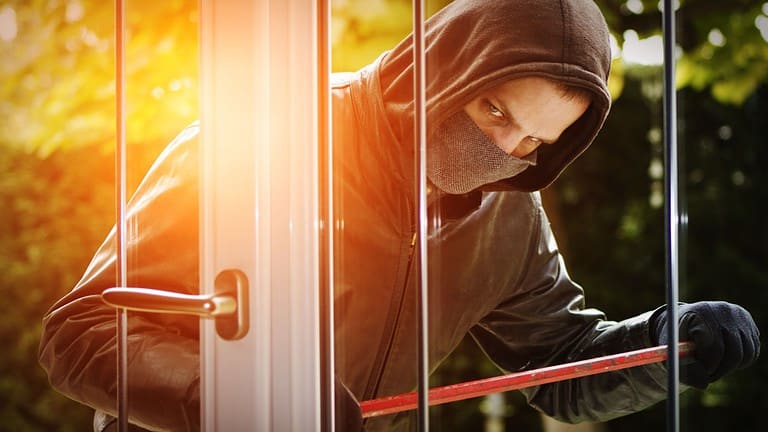
When the power grid fails, securing your home becomes a top priority. Start by reinforcing doors and windows. Use solid deadbolts and door jamming devices for added security.
Consider forming a neighborhood watch. Staying connected with your neighbors can help keep an eye on suspicious activity in the area.
Keep valuables hidden and avoid displaying them through windows. An organized home is less tempting for potential looters.
Have supplies like flashlights and basic tools on hand for repairs. This preparation can help you respond quickly if someone tries to break in.
Join a local community support group

Connecting with a local community support group can be incredibly helpful. You’ll find people who are also preparing for a long-term power outage. Sharing resources and tips can make your efforts more effective.
These groups often organize training sessions and share valuable information on emergency preparedness. You’ll also build a network of friends who can offer support during tough times. Participating in a group fosters a sense of community that can be vital when facing challenges together.
Turn off unnecessary circuit breakers
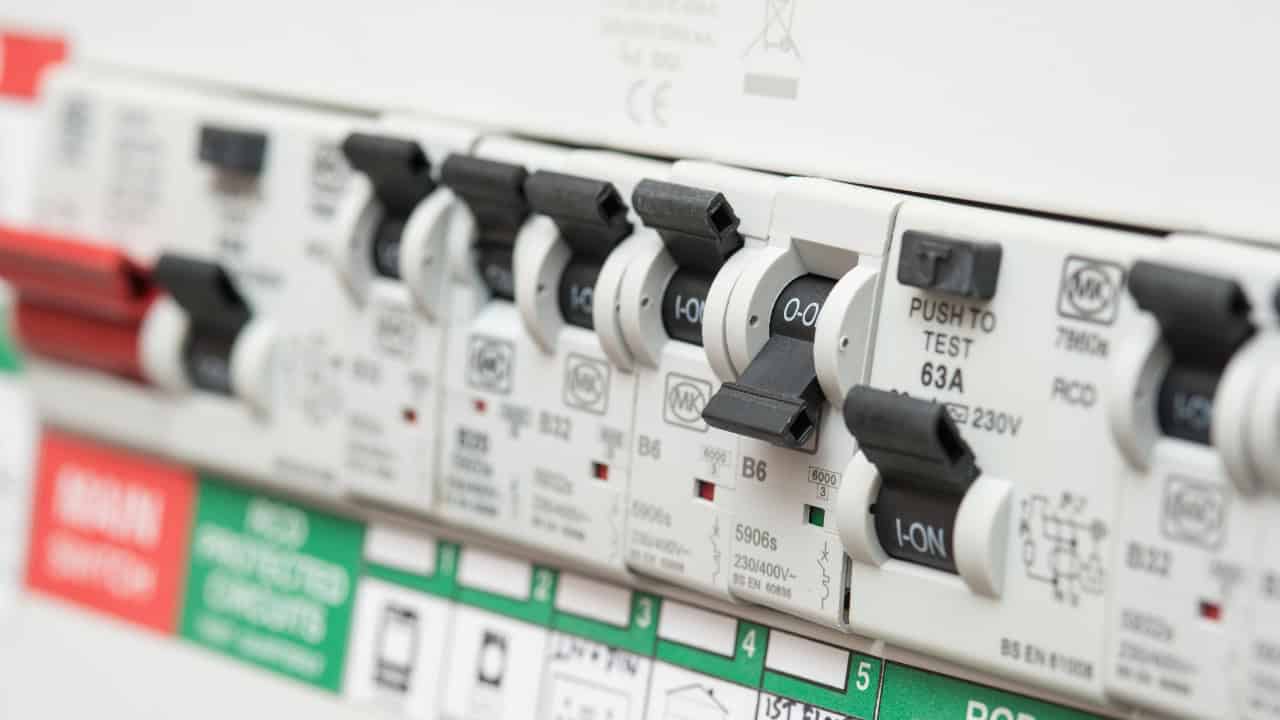
When the power grid fails, it’s a smart move to turn off unnecessary circuit breakers in your home. This helps prevent damage to appliances and reduces the risk of electrical fires.
Focus on shutting off non-essential circuits. Keep the breakers for your fridge and any emergency lighting on, but disconnect anything that isn’t crucial.
This simple step can save you stress later on and helps you manage your power usage if you rely on a backup generator. Stay safe and keep things simple.
Invest in a hand-crank radio

Having a hand-crank radio can be a game changer during a power outage. It allows you to stay informed about emergencies and developments without relying on electricity.
These radios are durable and can run without batteries, making them perfect for long-term situations. You can easily charge them by cranking the handle.
Look for models that also have extra features, like a flashlight or phone charger. This way, you get multiple uses from a single device, which is smart prepping.
*This article was created with the help of AI.