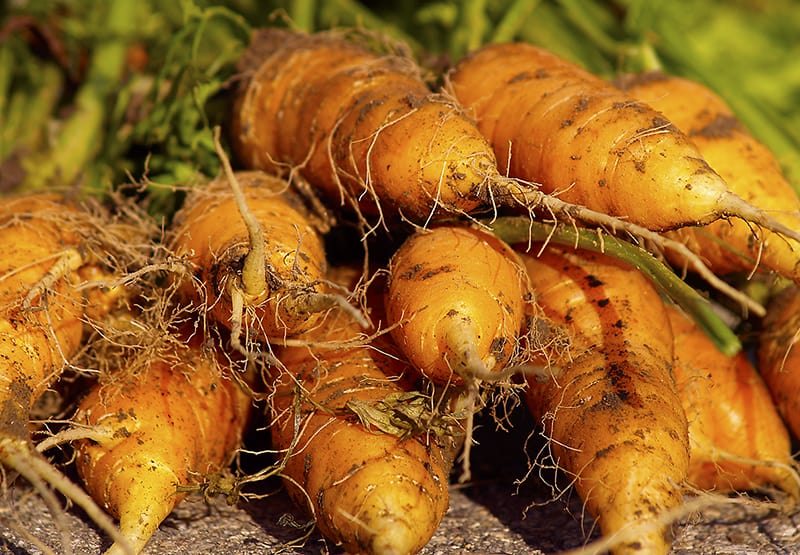
Gardening habits passed down from parents often include simple, practical techniques that continue to be effective today. Many of these methods help maintain healthy plants and a thriving yard without needing complicated tools or chemicals.
You can still apply these traditional gardening tips in your own yard to save time, reduce effort, and enjoy better results. These tried-and-true practices show how some old-school approaches remain valuable for any gardener, no matter the season or space.
Advertisement
Planting from seed instead of buying transplants
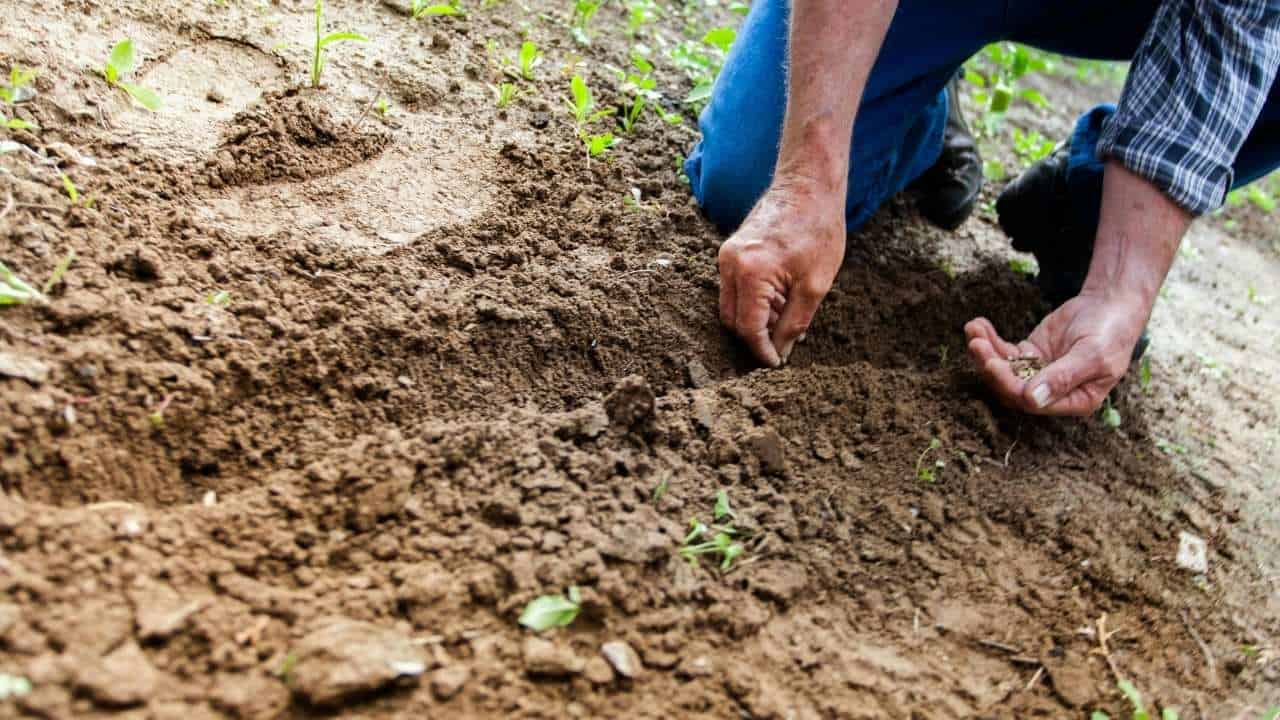
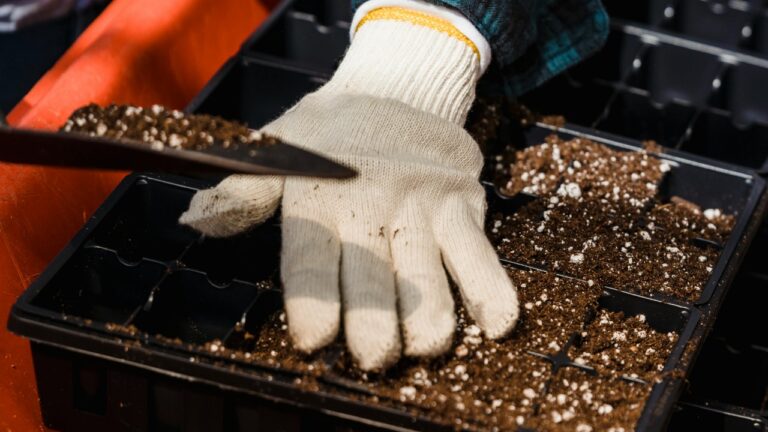
You can save money by starting plants from seed instead of buying transplants. Seeds are inexpensive and give you more variety to choose from.
It takes patience, but growing from seed lets you control how your plants develop from the very beginning. Some plants, like lettuce or dill, are especially easy to start this way. You might find planting from seed a fun way to learn and experiment with your garden each season.
Using organic fertilizers
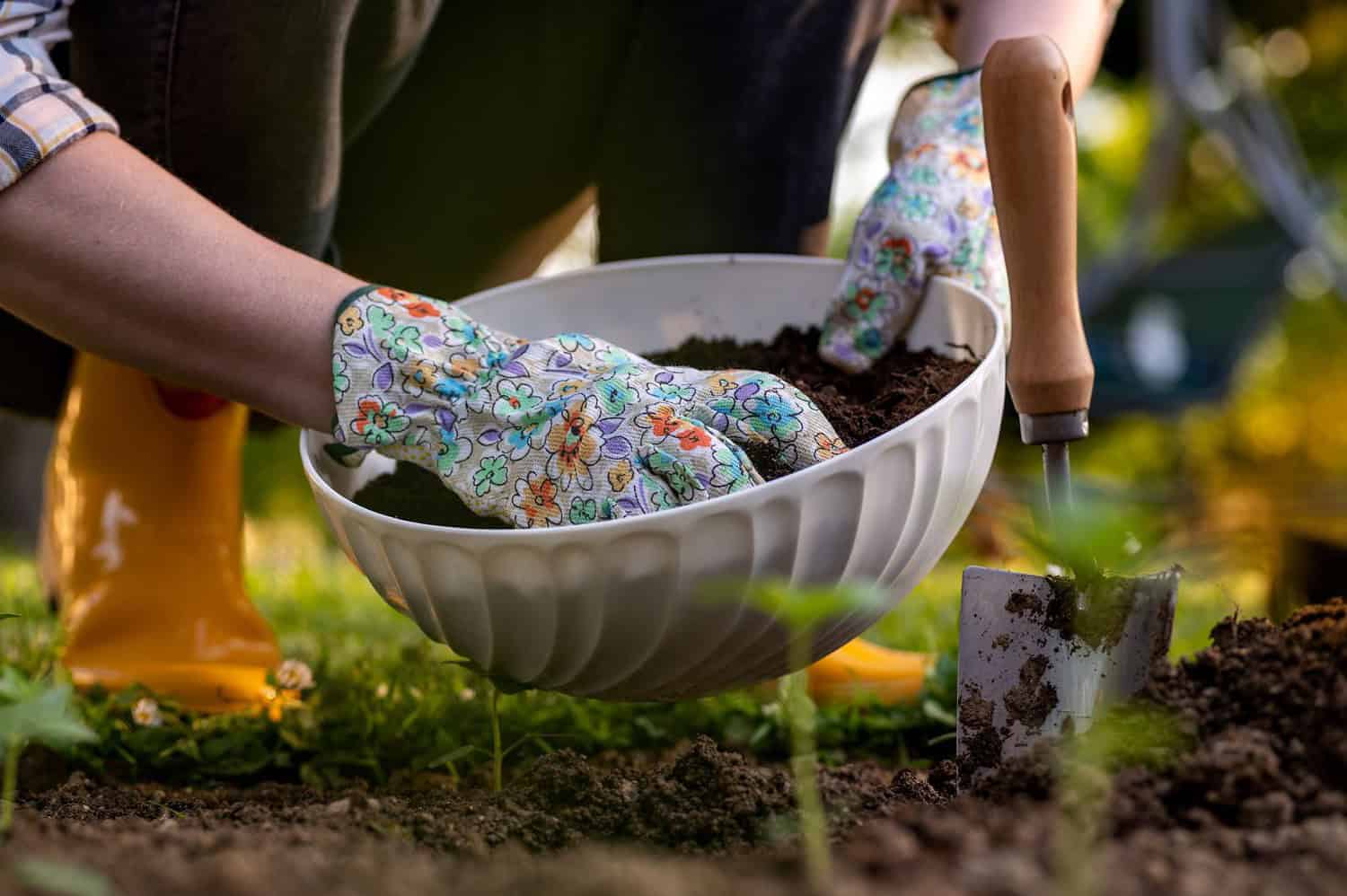
You can improve your garden’s soil by using organic fertilizers like compost or vermicompost. These enrich the soil naturally without harmful chemicals.
Applying small amounts more often helps plants absorb nutrients better. Organic fertilizers also boost water retention and support healthy soil structure for long-term growth.
Regular pruning to encourage new growth
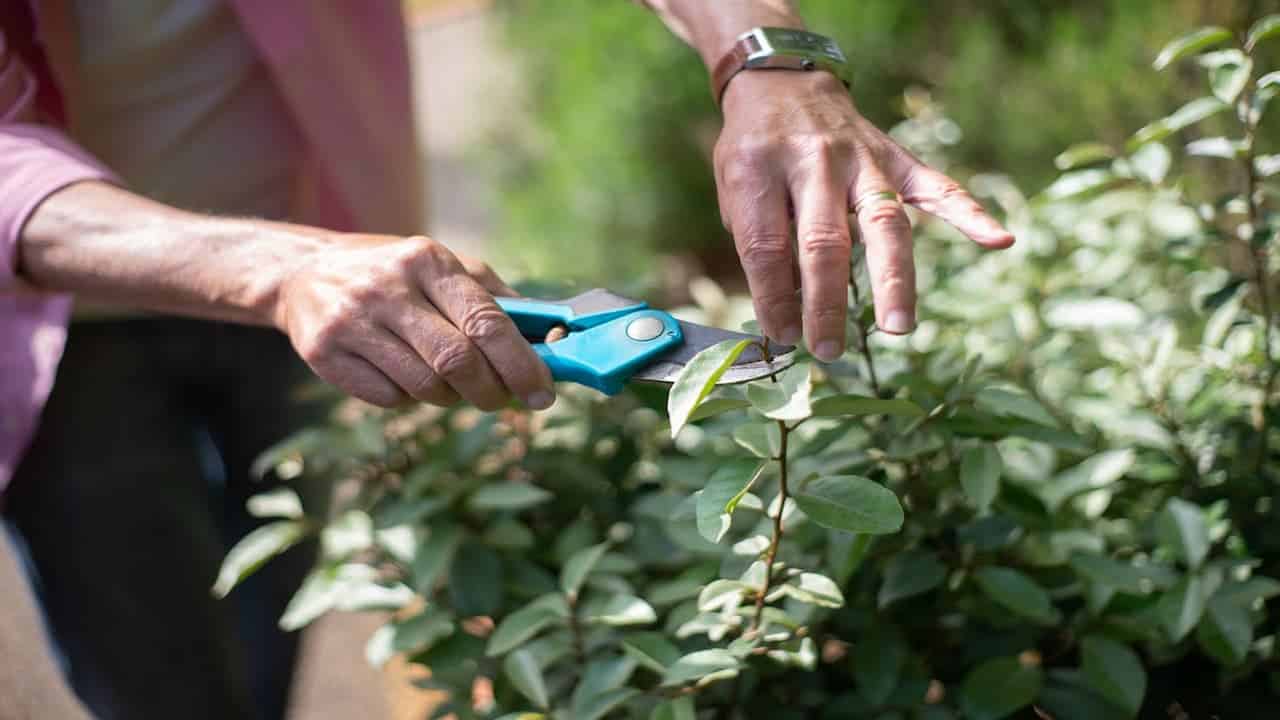
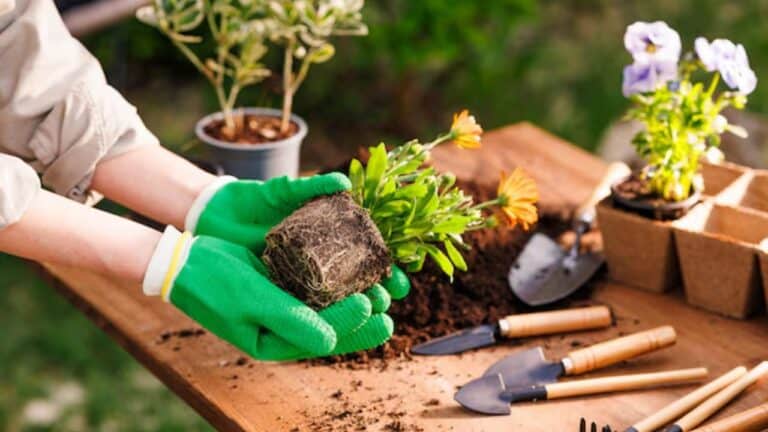
You’ll want to prune your plants regularly to keep them healthy and growing. When you cut back branches, it signals the plant to produce new shoots and leaves.
Focus on removing dead or unhealthy parts first. This helps the plant direct energy to its strongest areas, encouraging fresh growth. Pruning is a simple step that gives your garden a boost year after year.
Growing vegetables to reduce stress
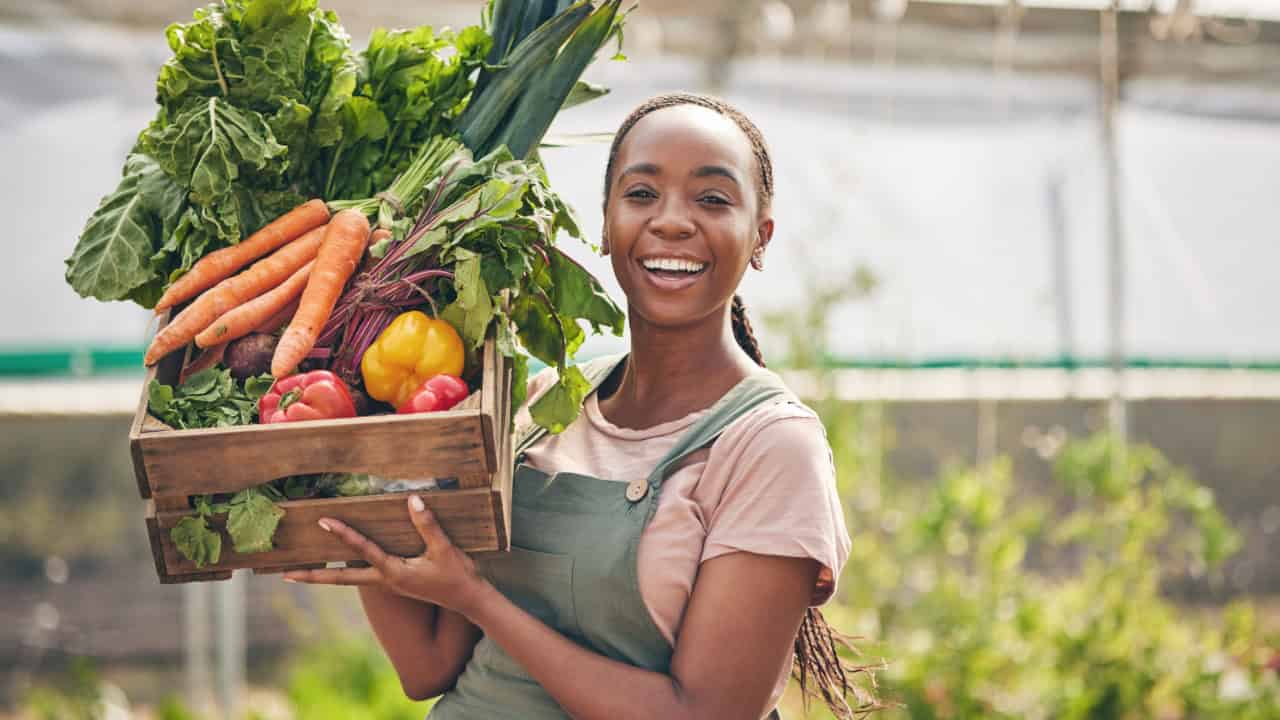
When you grow vegetables, you give yourself time to relax and connect with nature. This simple activity helps lower stress and can improve your mood.
Tending to plants requires focus, which takes your mind off worries. Plus, being outside adds vitamin D, boosting your overall well-being. Your garden becomes a peaceful space where you can slow down and enjoy small, calming tasks.
Incorporating traditional gardening methods

You can improve your garden by using traditional methods your parents might have taught you. Start with healthy soil and rotate your crops to keep plants strong.
Companion planting helps by placing plants that support each other close together. Watering early in the morning saves water and helps plants absorb moisture better. These simple steps still work well today.
Harvesting vegetables at peak ripeness
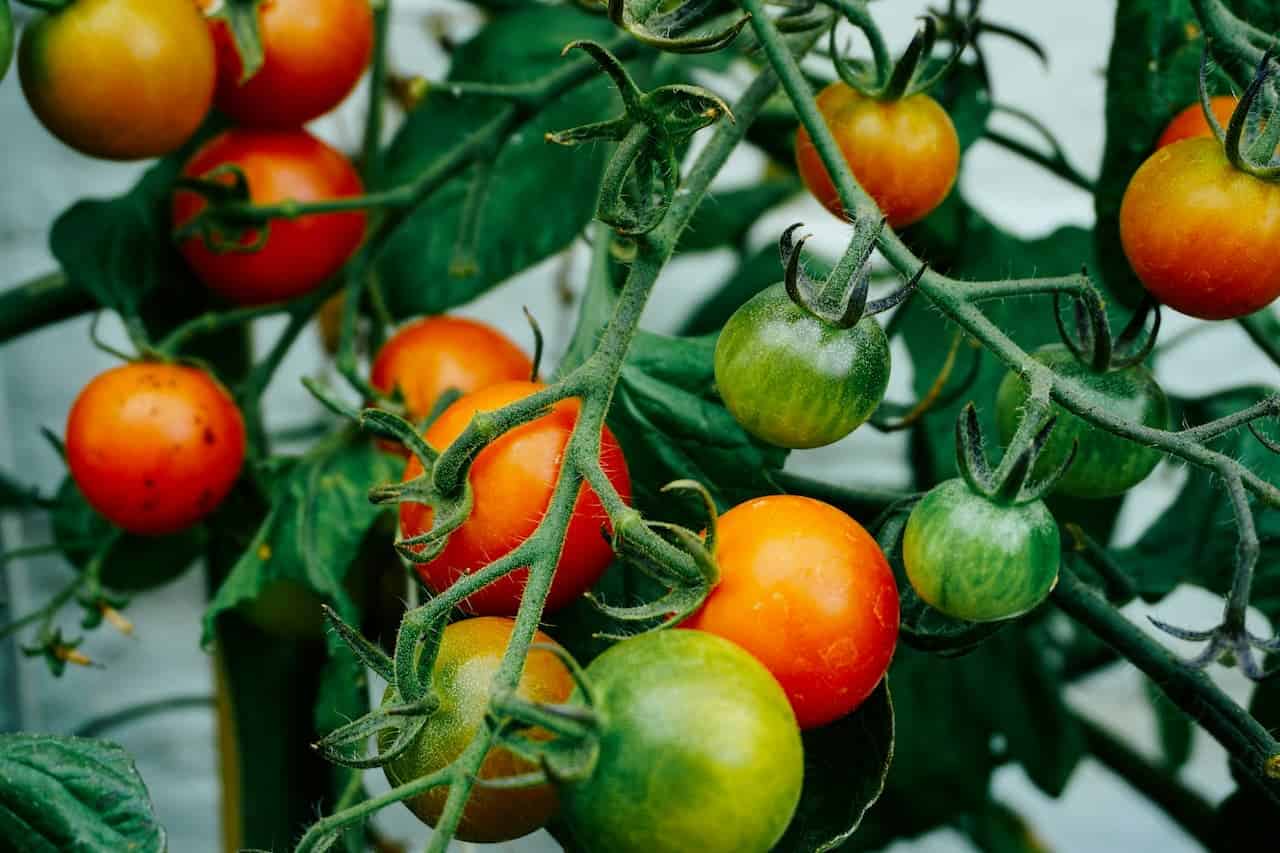
You’ll get the best flavor and nutrition when you harvest vegetables at their peak ripeness. Watch for changes in color, size, and texture to know when they’re ready.
Picking vegetables regularly also encourages plants to produce more. Don’t wait too long, or they may become tough or lose sweetness. Your careful timing makes a big difference.
Encouraging kids to help with weeding
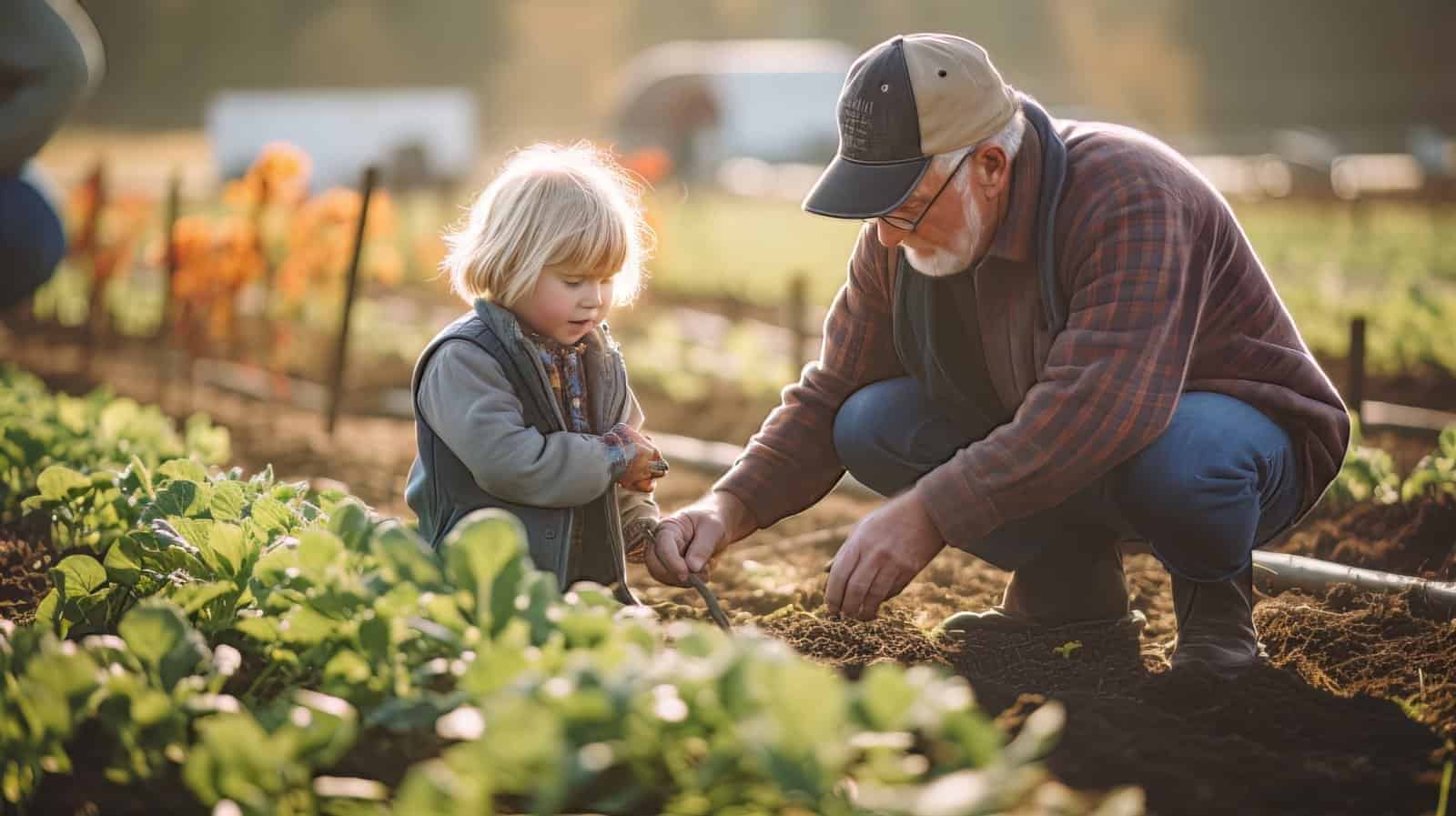
You can make weeding fun by letting your kids be a little messy and playful. Give them a tarp to collect weeds, turning the task into a simple game.
Point out specific weeds to target, so they know what to pull. This helps them feel involved and teaches patience without pressure.
Using natural pest control techniques
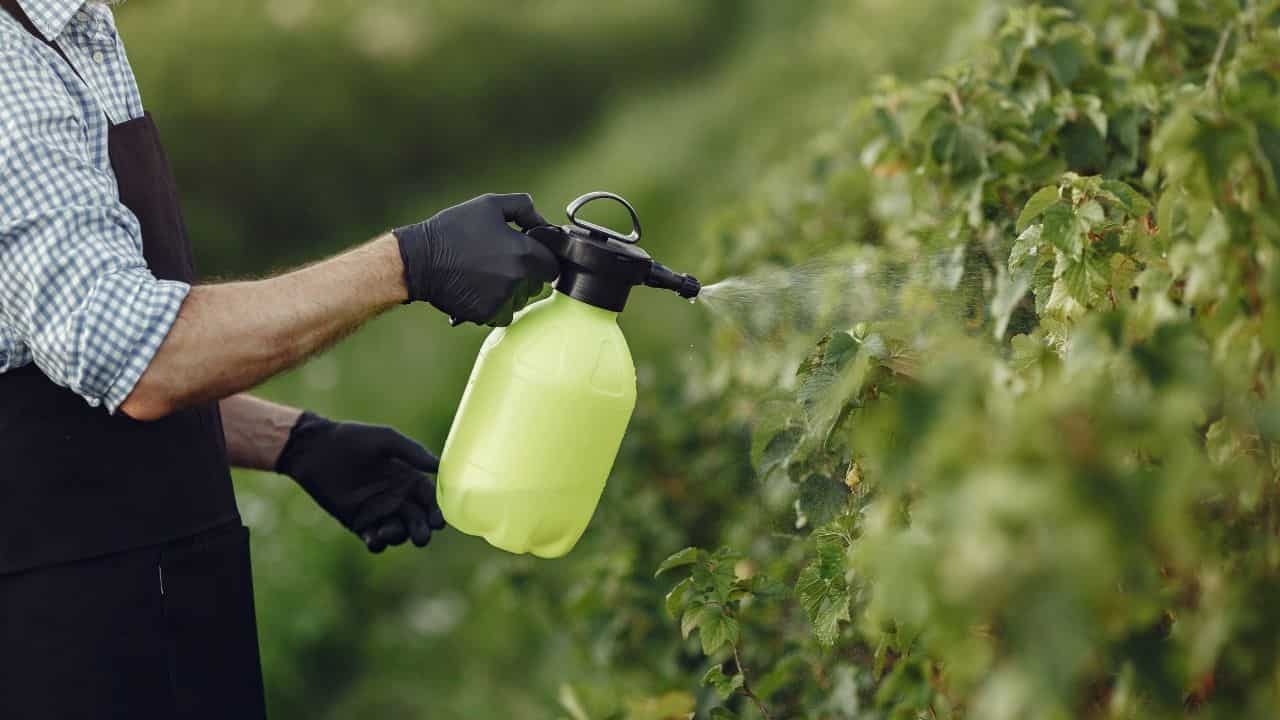
You can keep pests away without harsh chemicals by using natural methods. Planting marigolds or herbs like rosemary near your vegetables helps repel unwanted insects.
Clearing damaged leaves and pruning affected areas stops pests from spreading. You might also try essential oil sprays with lavender or tea tree for a gentle deterrent. These simple steps protect your garden while supporting beneficial bugs that help keep balance.
Composting kitchen scraps for soil health

You can boost your garden’s soil by composting kitchen scraps. Scraps like fruit and vegetable peels, coffee grounds, and even cardboard rolls break down into rich nutrients.
Adding these to your compost reduces waste and naturally improves soil quality. It’s an easy practice that connects your kitchen to your garden’s health.
Rotating crops to maintain soil fertility

You can keep your garden soil healthy by rotating crops each season. Different plants use and replenish nutrients differently, so changing what you grow helps balance the soil. For example, legumes like peas add nitrogen, which benefits the next crop.
Rotating also helps break pest and disease cycles. When you don’t grow the same plants repeatedly, pests and diseases have fewer chances to build up. This simple step works well to protect your plants naturally.
Making gardening a family bonding activity
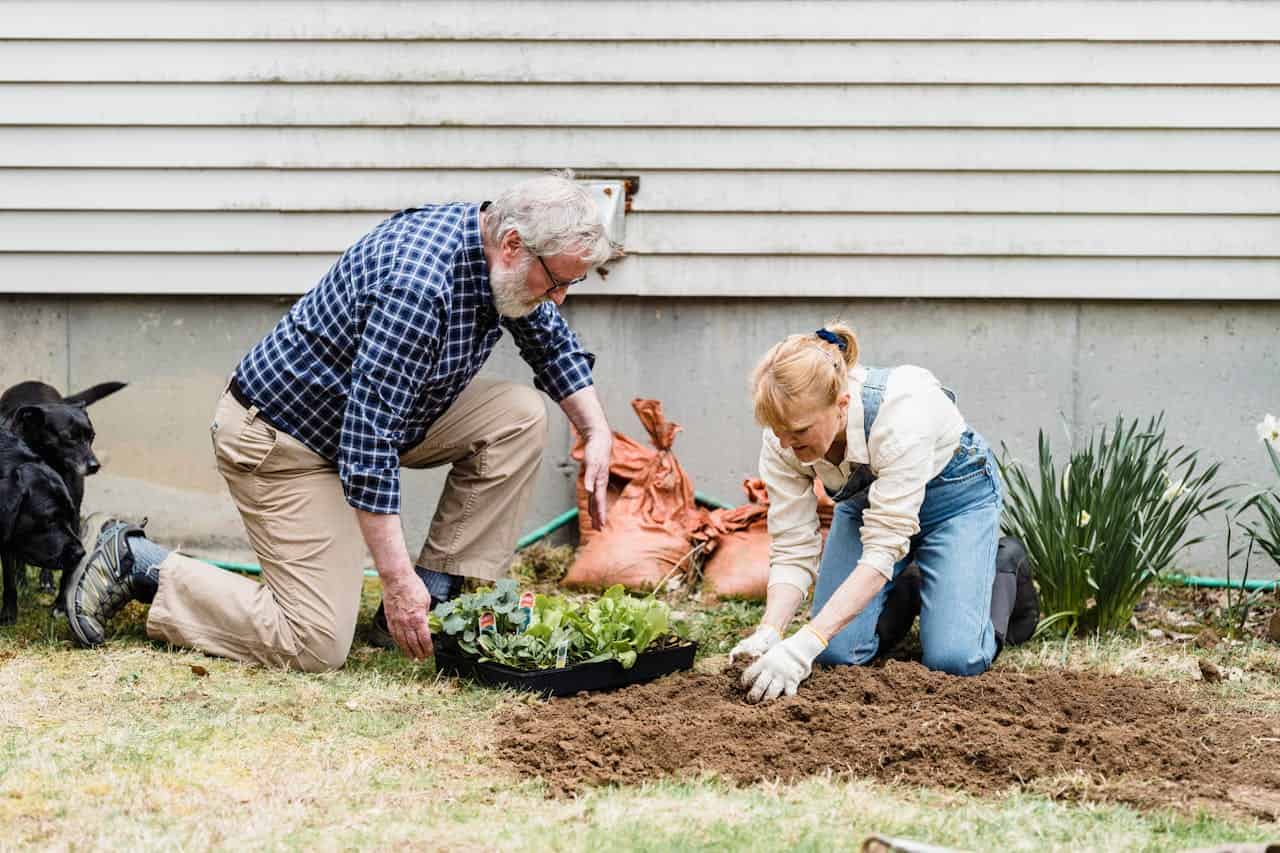
You can bring your family together by gardening side by side. Planting seeds, watering, and caring for plants creates moments to talk and cooperate.
Gardening also teaches patience and responsibility, valuable lessons you share with your children. These simple activities help build stronger family connections and lasting memories.
Starting plants indoors early in the season
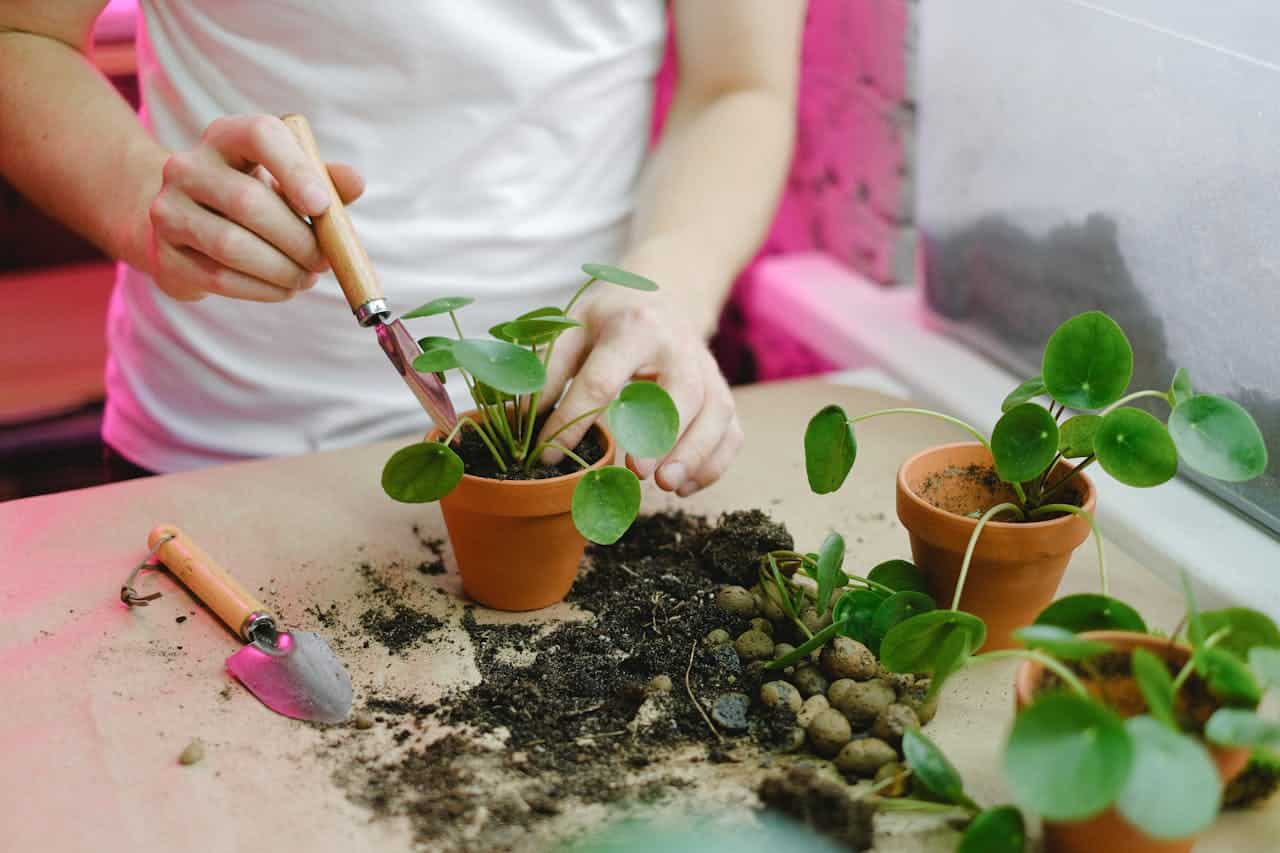
You can get a jump start by planting seeds indoors about six weeks before your last frost date. This helps tender plants like tomatoes and peppers grow strong before moving outside.
Starting indoors also protects young seedlings from unpredictable weather. Make sure to use good soil and keep your seeds warm and moist for the best results.