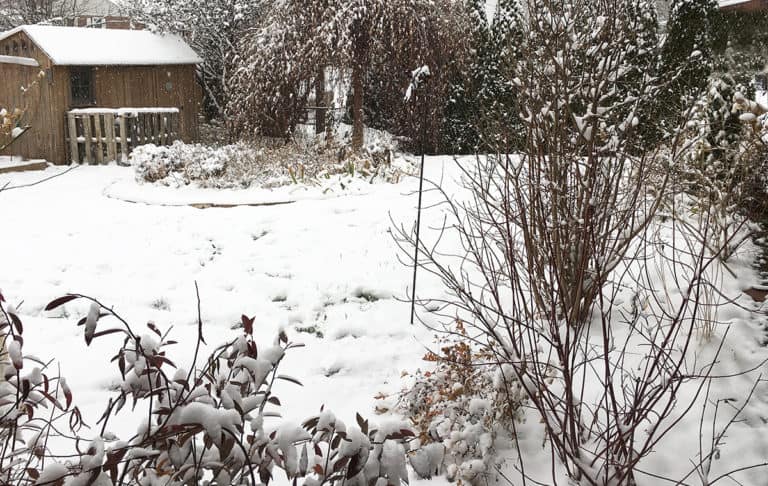
We’ve all been there. The clutter in our homes has become unbearable, and the shed out back seems like the perfect solution to our storage woes. It’s just a quick stroll across the yard, and voila, the mess is gone from sight and out of mind.
But as I’ve learned the hard way, the shed isn’t always the best place for everything. Sometimes, storing certain items in the shed can lead to damage, mess, or even danger. Here are 13 things I wish I’d never stored in my shed.
Advertisement
1. Paint and Paint Thinner

Storing paint and paint thinner in the shed seemed like a logical choice. After all, I had always seen cans of paint in my dad’s shed growing up. However, I learned the hard way that modern sheds, especially those made of plastic or wood, aren’t necessarily the best places for these substances.
The problem is that both paint and paint thinner require stable temperatures, and a shed can become extremely hot in summer and freezing in winter. This temperature fluctuation can cause the paint to separate or dry up, rendering it unusable. For paint thinners, the issue is more about safety. These products are highly flammable and can ignite if the shed gets too hot. So, it’s better to store these items in a cool, dry place with stable temperature like a basement or utility closet in your home.
2. Canned Food

I once thought the shed would be a great place to store canned food, especially during the winter months when my kitchen cupboards were overflowing. Unfortunately, this turned out to be a terrible idea.
Canned food, it turns out, requires a stable, cool environment to stay good. The shed, much like with paint, is subject to extreme temperature fluctuations that can cause the food to spoil. In addition, the humidity often found in sheds can cause cans to rust, leading to leaks and further spoilage. The lesson here is to keep your canned goods indoors, in a pantry or cupboard where the temperature and humidity are more controlled.
3. Electronics
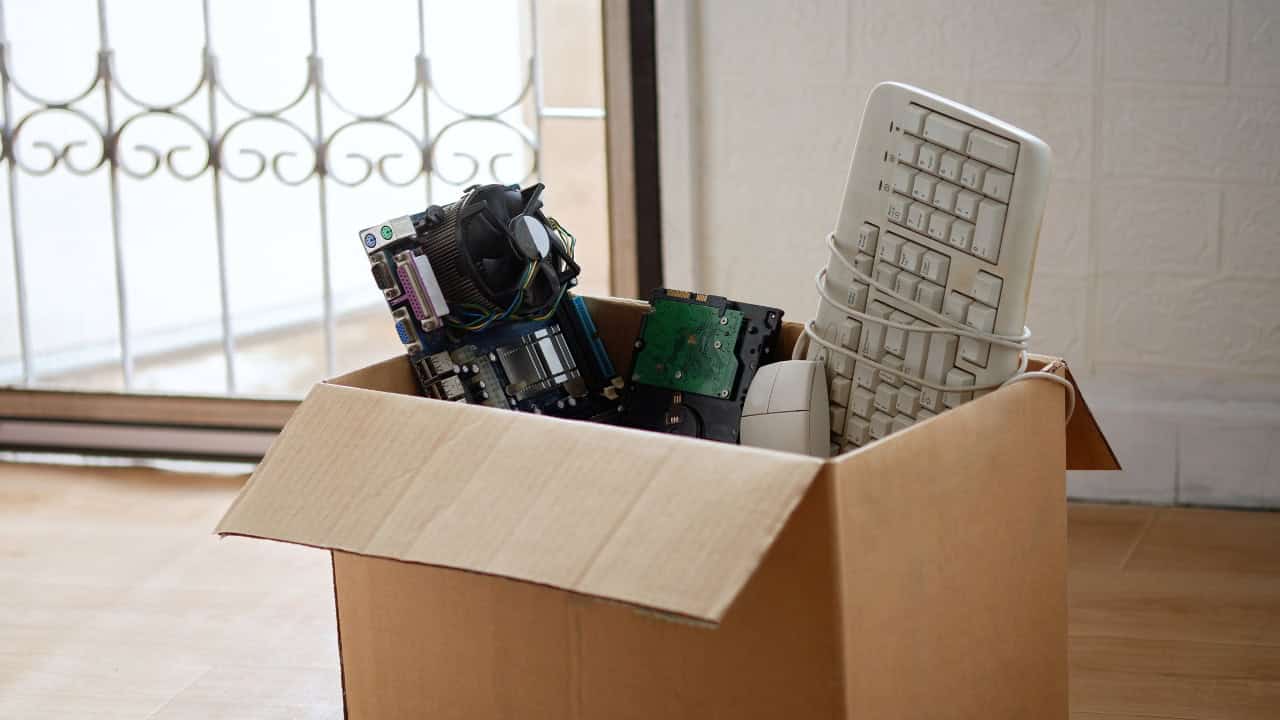
Storing old electronics in the shed seemed like a great way to free up some space in the house. However, this decision led to the death of a few old but cherished gadgets.
Moisture and temperature fluctuations in the shed can wreak havoc on electronics. Humidity can cause corrosion on circuits and connections, while excessive heat or cold can damage batteries and screens. Additionally, sheds are oftentimes not as secure as our homes, leaving electronics vulnerable to theft. So, instead of storing your electronics in the shed, consider recycling them, selling them, or storing them in a climate-controlled environment.
4. Photographs

In an attempt to declutter, I once moved several boxes of old photographs to the shed. I regretted this decision when I found the photos damaged and irreparable.
Photographs are extremely sensitive to environmental conditions. They can easily get damaged by moisture, light, and temperature fluctuations, all of which are common in sheds. The ink can fade, the paper can curl, and photos can stick together, ruining precious memories. To preserve your photos, store them in acid-free photo albums and keep them in a temperature-controlled environment away from light.
5. Wine

I once fancied turning my shed into a makeshift wine cellar. Unfortunately, my precious bottles of wine didn’t quite agree with this arrangement.
Wine needs to be stored at a stable temperature, ideally between 50 and 59 degrees Fahrenheit. The temperature fluctuations in a shed can cause wine to expand and contract, pushing the cork out or allowing air in, both of which can spoil the wine. Moreover, wine bottles should be stored on their sides to keep the corks wet, something that might not be feasible in a crowded shed. For these reasons, it’s best to store wine in a dedicated wine cooler or cellar.
6. Musical Instruments

My shed once housed a collection of musical instruments that didn’t fit in my home. However, the shed’s conditions weren’t quite music to their ears.
Most musical instruments are sensitive to changes in temperature and humidity. Wood instruments can warp, metal parts can corrode, and strings can break. Instruments like pianos can go out of tune, and repair costs can quickly add up. To keep your instruments in top shape, store them in a climate-controlled room in your home and invest in proper cases.
7. Gasoline
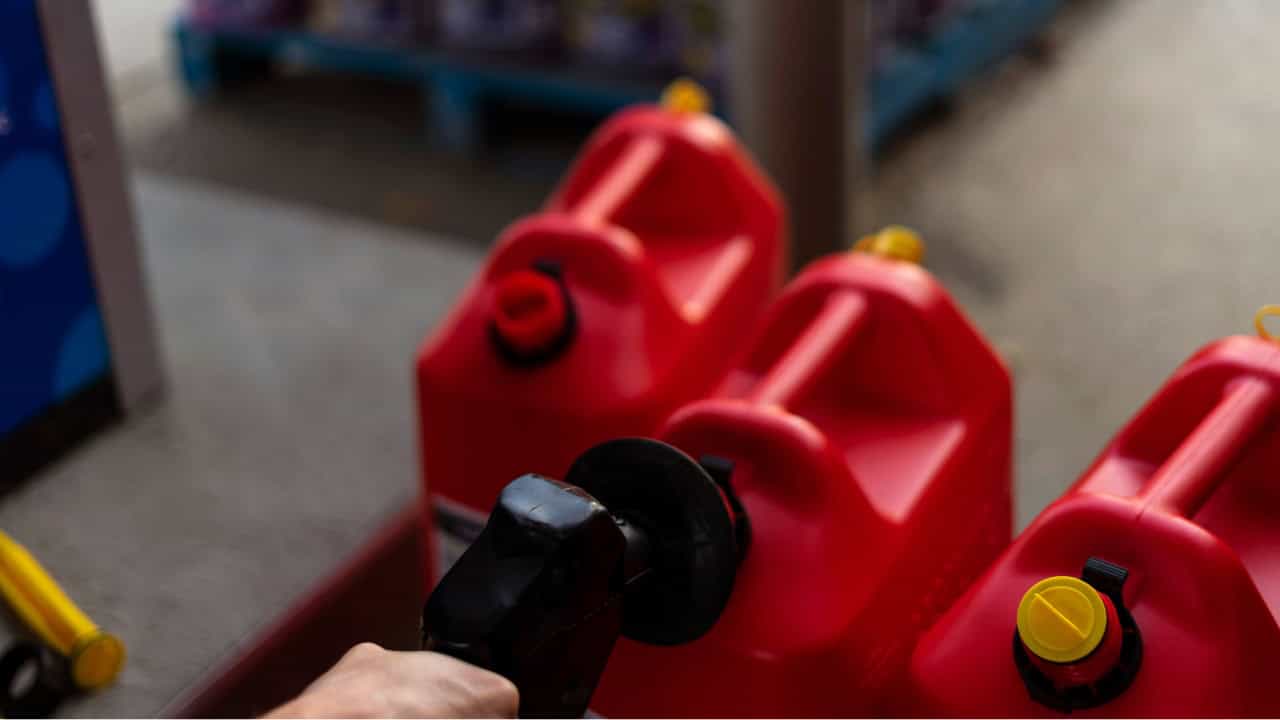
Storing gasoline in the shed seemed like a convenient solution, until I realized the safety risks it posed.
Gasoline is a highly flammable substance that can ignite from a single spark. Storing it in the shed, especially near electrical equipment or tools that create sparks, can be extremely dangerous. In addition, gasoline fumes are harmful when inhaled over long periods. Therefore, it’s best to store gasoline in a well-ventilated, cool, and dry place away from living areas.
8. Clothing and Bedding
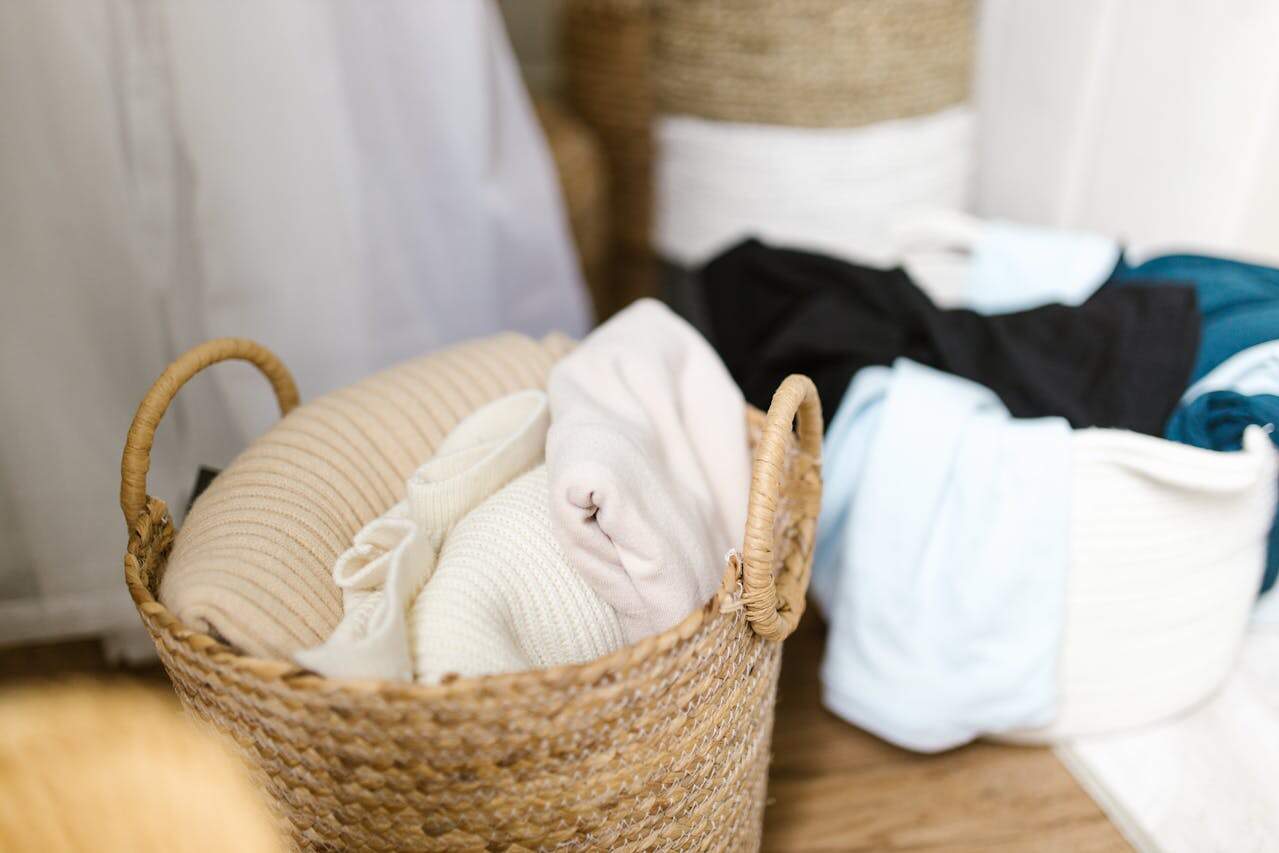
I once used my shed as an overflow closet for out-of-season clothing and bedding. This mistake cost me a few favorite sweaters and a set of sheets.
Sheds are often humid and can harbor mold and mildew, which can ruin fabrics. Pests like moths, mice, and insects can also make a home in your stored items, causing further damage. To protect your clothing and bedding, store them in vacuum-sealed bags and keep them in a dry, temperature-controlled environment.
9. Firewood
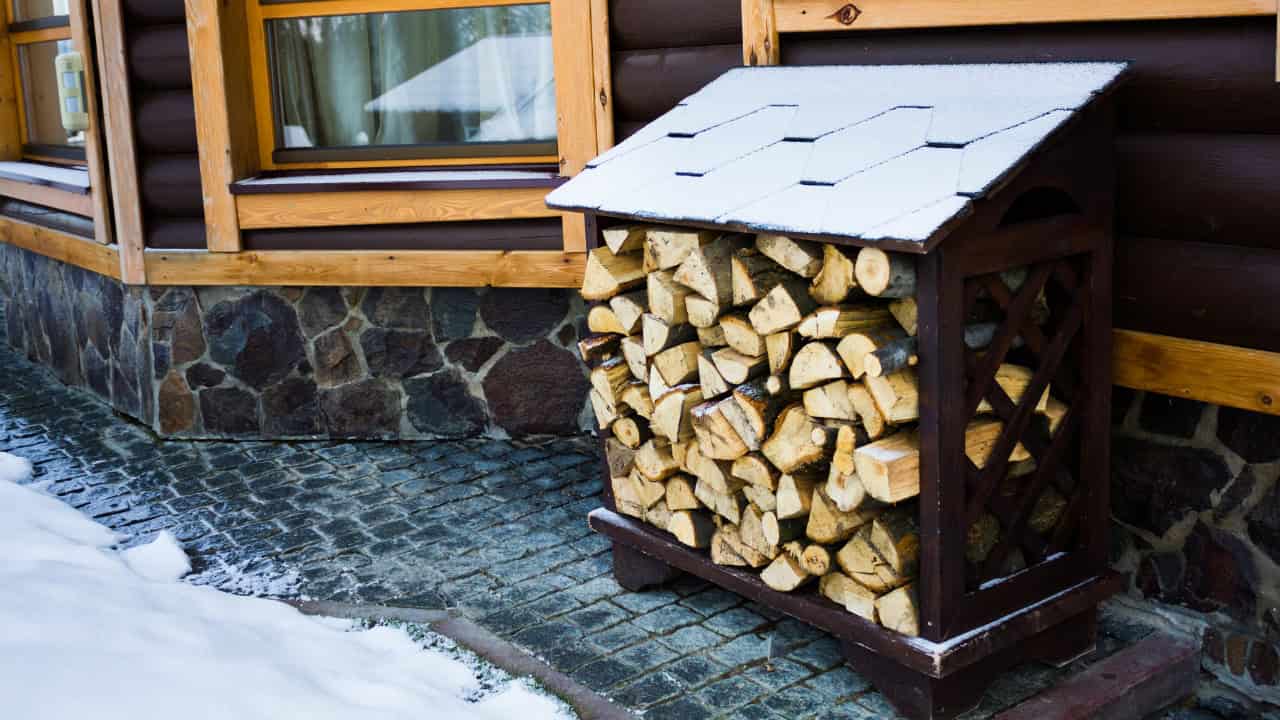
Storing firewood in the shed seemed like a natural choice. However, this decision brought more trouble than convenience.
Firewood can attract pests like termites, ants, and mice, which you definitely don’t want in your shed (or anywhere near your home). Moreover, firewood needs good air circulation to dry out and burn properly, and a shed can often be too cramped to allow for this. Instead, store firewood outside on a rack, covered on top to protect it from rain and snow, and at least a few feet away from your house to keep pests at bay.
10. Important Documents

In an attempt to organize my life, I once moved a box of important documents to the shed. I regretted this decision when I discovered them damaged and unreadable.
Like photographs, paper documents are sensitive to moisture, light, and temperature fluctuations. They can easily get damaged, faded, or moldy in a shed. To keep your important documents safe, store them in a fireproof and waterproof box in a secure, dry, and temperature-controlled environment in your home.
11. Pet Food
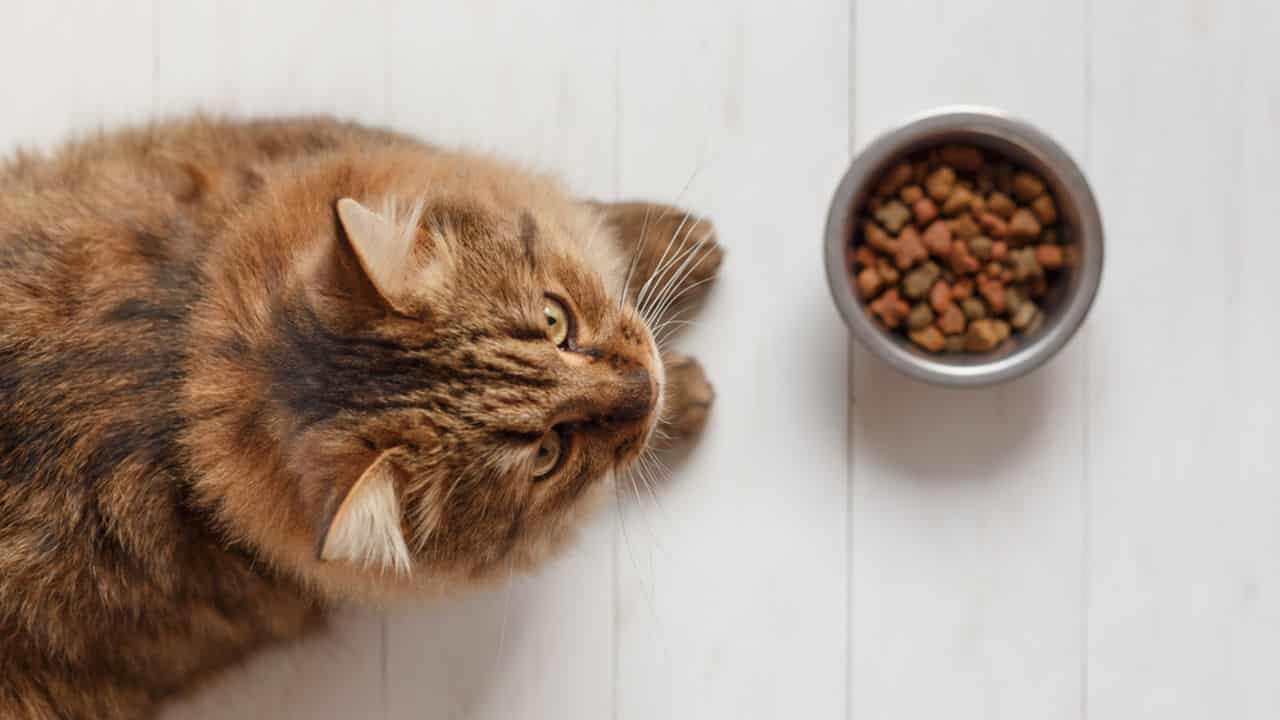
I thought storing pet food in the shed would be a convenient way to free up space in my pantry. However, this idea quickly attracted unwanted visitors.
Pet food can attract pests like rodents and insects, both to your shed and potentially to your home. In addition, pet food can spoil in the heat, become moldy in the humidity, or freeze in the cold, making it unsafe for your pets to eat. Instead, keep pet food in a cool, dry place inside your home, and store it in airtight containers to maintain its freshness and keep pests out.
12. Fireworks

Storing fireworks in the shed seemed like a safe idea for keeping them away from children. But I soon discovered this was a dangerous mistake.
Fireworks are highly flammable and can explode if exposed to heat, sparks, or even friction. Storing them in a shed where they can be exposed to these conditions is risky. Moreover, if fireworks get damp, they can become unstable and even more dangerous. Always store fireworks in a cool, dry place and keep them out of reach of children.
13. Seeds

Finally, I once stored a collection of garden seeds in my shed, only to find them useless come planting season.
Seeds need to be stored in a cool, dry place, and the temperature and humidity fluctuations in the shed can damage them or cause them to sprout prematurely. Moreover, pests like mice and insects can get into your seed packets and ruin them. To preserve your seeds, store them in airtight containers in a cool, dry place in your home, like a refrigerator or a basement.