We all want a lush, green, and healthy-looking lawn that adds beauty to our homes and gives us a sense of pride. But in our quest to achieve the perfect lawn, we often end up making mistakes that cause more harm than good. From overwatering to not mowing properly, these mistakes can turn your dream lawn into a nightmare. In this blog post, I will share thirteen things I wish I’d never done to my lawn, with the hope that my experiences can help you avoid these common pitfalls.
1. Overwatering

Overwatering is one of the most common mistakes homeowners make when caring for their lawns. Not only does it waste water, but it also creates a conducive environment for the growth of fungi and other lawn diseases. I learned this the hard way when my lawn developed a fungal disease due to excessive watering.
Advertisement
A lawn typically needs about one inch of water per week, including rainfall. Instead of watering every day, it’s better to water deeply once or twice a week so the roots can absorb moisture from the soil. Invest in a rain gauge or soil moisture meter to avoid overwatering.
2. Underwatering

On the other end of the spectrum is underwatering. This is equally harmful as it can cause your lawn to dry out and turn brown. I made this mistake one summer when I was trying to conserve water, and my lawn suffered the consequences.
Underwatering can lead to a weak, thin lawn that is more susceptible to weed invasion and disease. Make sure your lawn gets enough water, especially during hot and dry periods. Remember that it’s better to water deeply and less frequently than to water lightly and often.
3. Cutting the Grass too Short
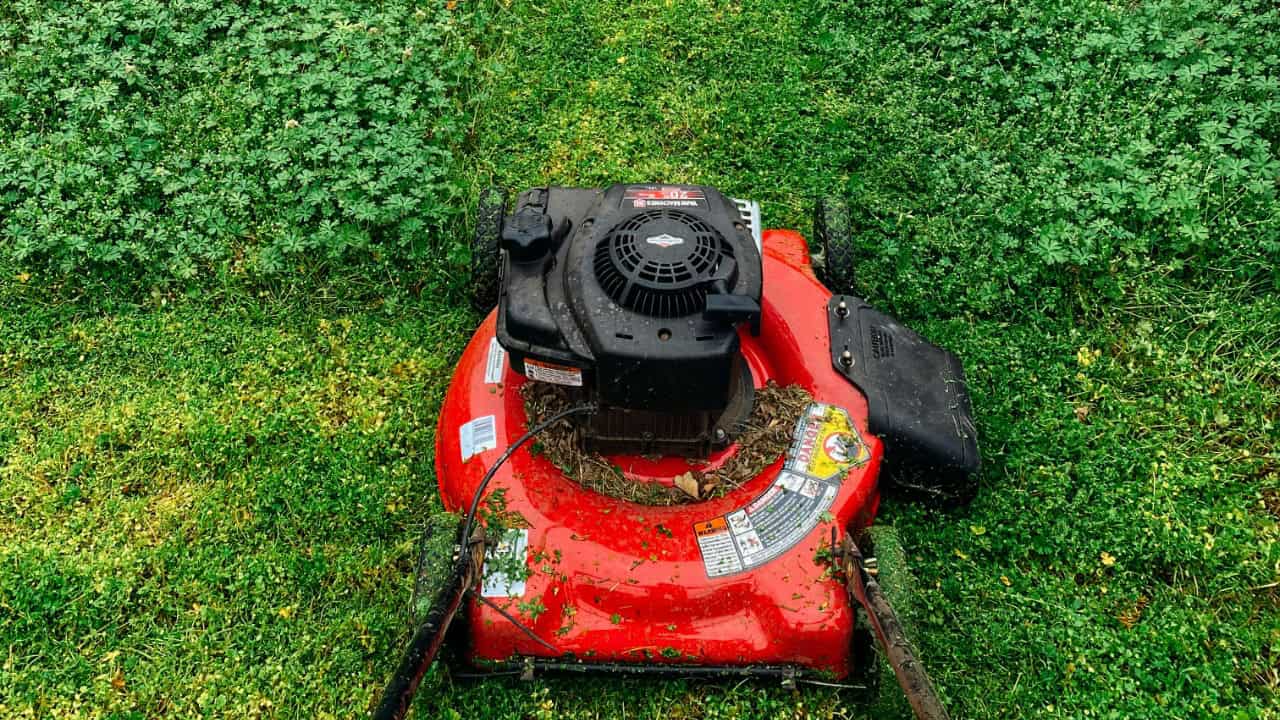
I used to think that cutting the grass as short as possible would save me time by reducing the frequency of mowing. However, this ended up damaging my lawn instead. When the grass is cut too short, it exposes the soil to sunlight, promoting weed growth and making the lawn more prone to drought.
Experts recommend maintaining a grass height of about three inches. This height is ideal because it shades the soil, keeping it cooler and helping it retain moisture. It also allows the grass to grow deeper roots, making it stronger and more resistant to pests and diseases.
4. Not Aerating the Soil
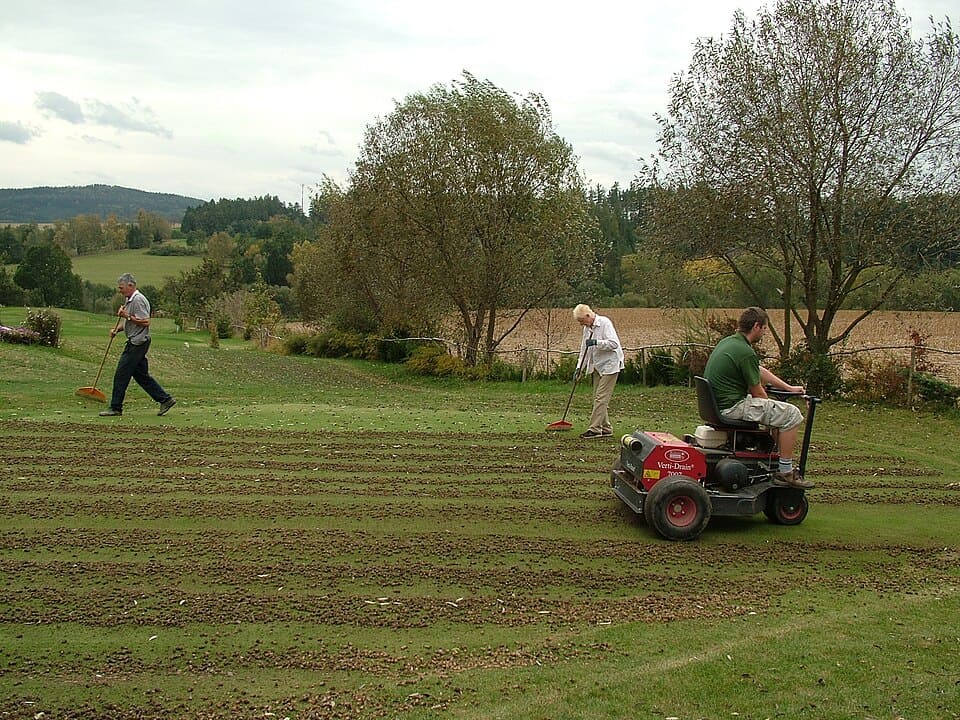
I overlooked the importance of aeration for a long time until my lawn started showing signs of compaction. My lawn became patchy, and the grass was not growing evenly. That’s when I realized that aeration is essential for maintaining a healthy lawn.
Aeration involves creating small holes in the soil to allow air, water, and nutrients to penetrate the grass roots. This helps the roots grow deeply and produce a stronger, more vigorous lawn. The best time to aerate your lawn is during the growing season when the grass can heal and fill in any open areas after soil plugs are removed.
5. Ignoring Soil pH

For years, I ignored the pH level of my lawn’s soil, not realizing how crucial it is for the health and growth of the grass. A soil pH that is too high or too low can hinder the grass’s ability to absorb necessary nutrients from the soil.
For most lawns, the ideal soil pH is between 6 and 7. If the pH is too high, meaning the soil is too alkaline, you can add sulfur or iron sulfate to lower it. If the pH is too low, meaning the soil is too acidic, you can add lime to raise it. A soil test can give you an accurate measure of your soil’s pH level and indicate what amendments, if any, you need to add.
6. Using the Wrong Fertilizer
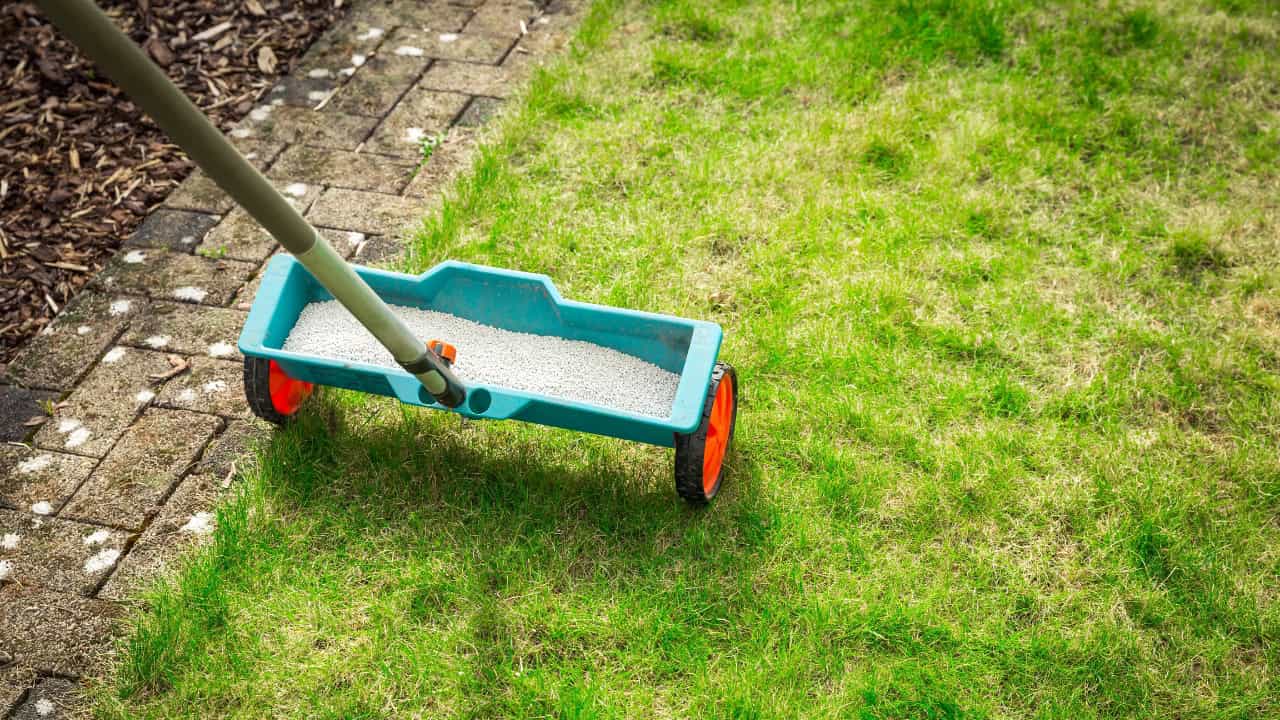
I once used a fertilizer designed for flower beds on my lawn, thinking it would boost the grass growth. Instead, it led to a nutrient imbalance that harmed my lawn.
Each type of fertilizer contains different proportions of nitrogen, phosphorus, and potassium, the three primary nutrients needed by plants. Lawns require a different nutrient ratio than flower beds or vegetable gardens. Using the wrong fertilizer can deprive your lawn of the nutrients it needs or cause a harmful nutrient buildup. Always use a fertilizer specifically formulated for lawns, and follow the package instructions carefully.
7. Fertilizing at the Wrong Time
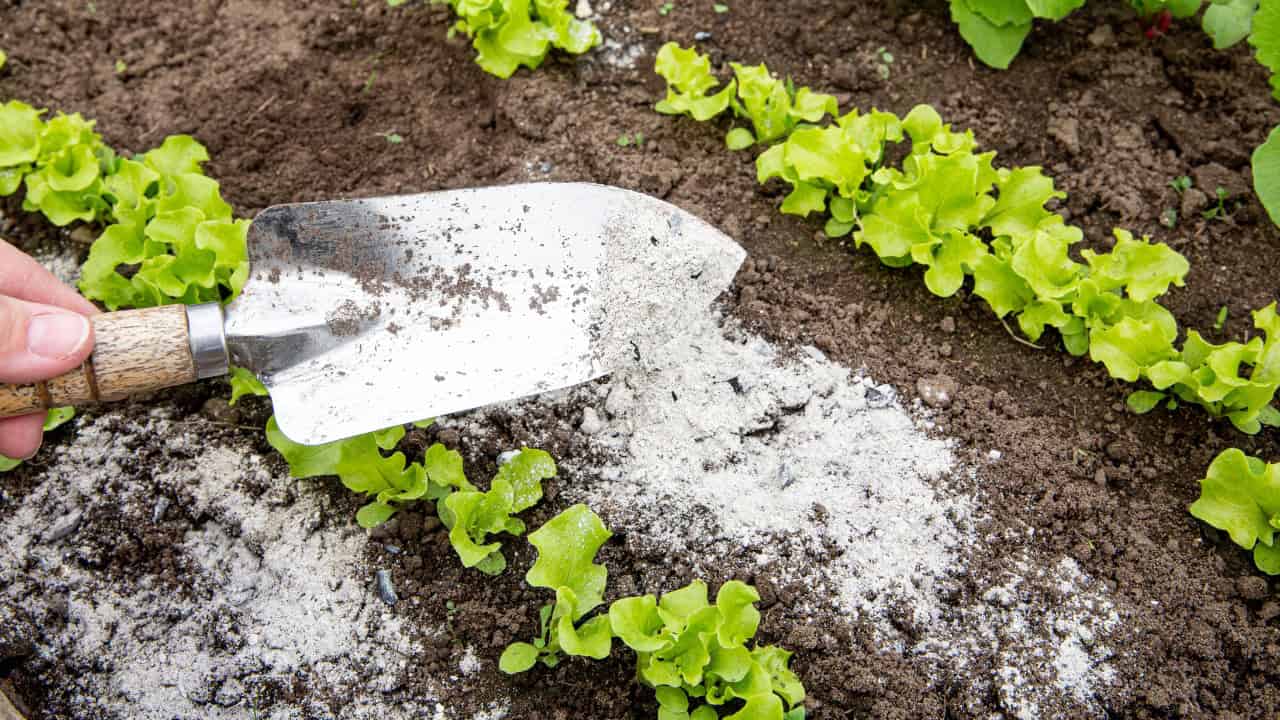
I used to fertilize my lawn whenever it looked like it needed a boost, not realizing that timing is crucial when it comes to fertilizing. Applying fertilizer at the wrong time can lead to weak, unhealthy growth and even burn your lawn.
The best time to fertilize your lawn is in the spring, when the soil temperature reaches 55 degrees Fahrenheit (around the time of the year when lilacs begin to bloom and grass starts growing). A second feeding in the fall can help prepare your lawn for winter. Always avoid fertilizing during dry, hot periods as this can stress the grass and potentially cause damage.
8. Overusing Pesticides

In the past, I used pesticides liberally whenever I noticed pests in my lawn, thinking I was protecting it. However, this led to an imbalance in the lawn ecosystem and made my lawn more susceptible to disease and pest infestations.
Pesticides can kill beneficial insects and microorganisms in the soil that help keep your lawn healthy. They can also leave residues that may be harmful to pets and humans. It’s better to use pesticides sparingly and as a last resort. Often, a healthy, well-maintained lawn can resist pests naturally.
9. Ignoring Weeds

I used to ignore weeds in my lawn until they became a significant problem. By then, they had spread so much that it took a lot of time and effort to eradicate them.
Weeds can overwhelm your lawn and compete with the grass for nutrients and water. It’s important to deal with weeds as soon as you see them. You can pull them out manually or use a selective herbicide. Regular mowing can also help control weeds by preventing them from seeding.
10. Neglecting to Reseed

I neglected to reseed my lawn for several years, and it slowly became thin and patchy. Reseeding is an essential part of maintaining a thick, lush lawn.
Over time, lawns can thin out and become patchy due to various factors, including foot traffic, pests, and disease. Reseeding helps fill in these patches and keeps your lawn dense and healthy. The best time to reseed is in the fall, when the soil is still warm but the air is cooler.
11. Using Dull Mower Blades

I didn’t realize the importance of sharp mower blades until I noticed my grass blades were looking torn and brown after mowing. Dull mower blades can damage your lawn and make it more susceptible to pests and diseases.
Sharp mower blades cut the grass cleanly, which is healthier for the grass and makes your lawn look greener. Dull blades, on the other hand, tear the grass, leaving it with jagged edges that brown quickly. Make sure to sharpen your mower blades at least once a year.
12. Mowing in the Same Direction

For years, I mowed my lawn in the same direction. I later learned that this can cause the grass to lean in the direction you mow and lead to uneven growth.
Changing the direction each time you mow forces the grass to grow straighter and healthier. This also helps prevent soil compaction and ensures an even cut. Try to remember to change your mowing pattern each time you mow your lawn.
13. Ignoring Thatch Buildup

I used to ignore thatch in my lawn until it became a thick layer that prevented water and nutrients from reaching the soil. Thatch is a layer of dead grass, roots, and debris that accumulates on the soil surface over time.
When the thatch layer becomes too thick (more than 1/2 inch), it can create a barrier that prevents water, nutrients, and air from reaching the soil. This can lead to a weak, unhealthy lawn. Regular dethatching can help maintain a healthy lawn. You can use a dethatching rake or a lawn aerator to remove the thatch.