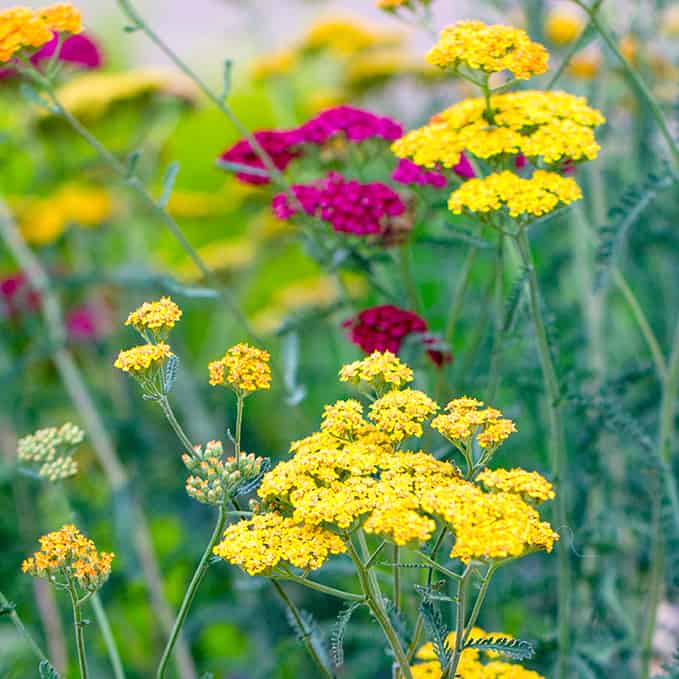
We all want a lush, green lawn that’s the envy of the neighborhood, but achieving and maintaining it can be quite a task. It involves more than just watering and mowing; it’s also about what we stop doing. In my own experience, I’ve discovered that there are certain habits that can actually harm our lawns more than help. In this post, I want to share 13 things that I stopped doing, which made my lawn healthier and more vibrant than ever.
1. Overwatering

Overwatering is often a result of good intentions gone awry. While it’s true that lawns need water to thrive, too much of it can lead to problems like disease, fungus, and shallow root systems. I used to water my lawn every day, thinking it will help the grass grow better. However, I noticed that the grass started yellowing and the growth seemed stunted.
Advertisement
Instead, I started watering deeply but less frequently. This encourages the roots to grow deeper into the soil, seeking moisture and thereby becoming more drought-tolerant. The best time to water your lawn is early morning, as the sun will help dry the grass. Watering at night can make your lawn a breeding ground for fungus and disease.
2. Cutting Grass Too Short
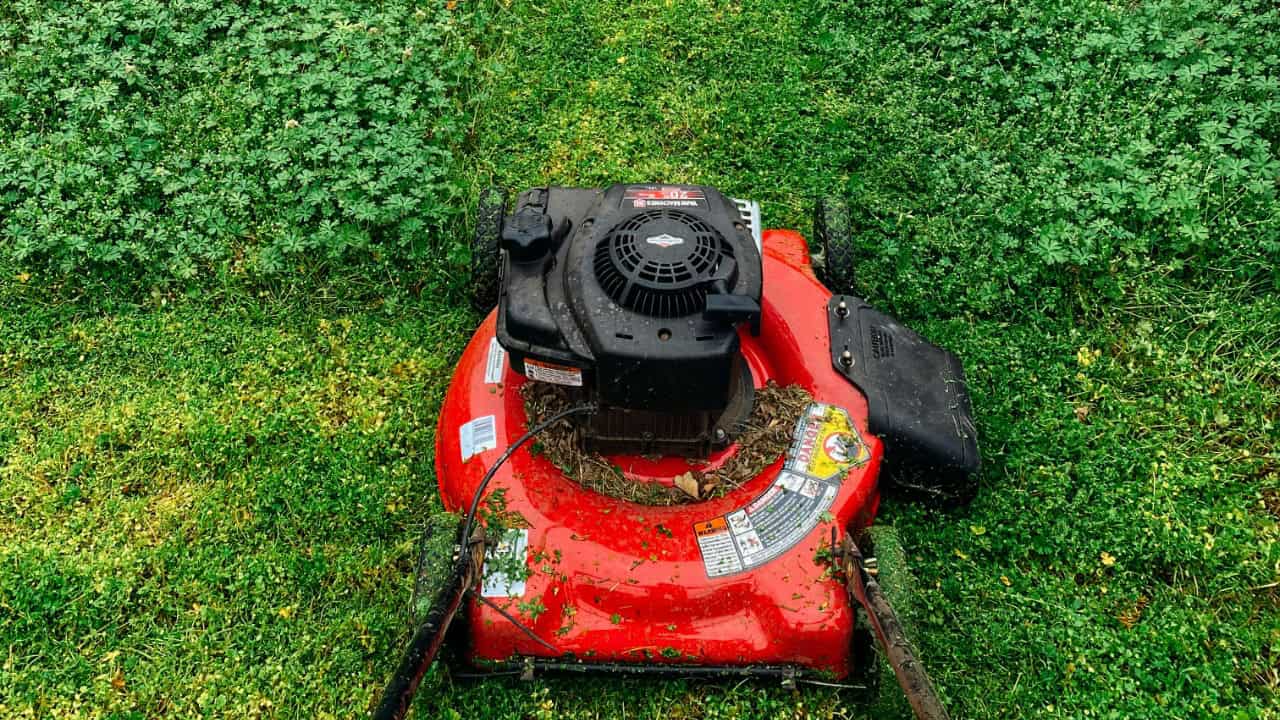
The practice of cutting the grass too short, also known as scalping, can be detrimental to your lawn. Scalping can stress the grass, making it more susceptible to diseases and pest infestations. Furthermore, it exposes the soil to sunlight, promoting weed growth. I used to mow my lawn quite low, assuming it would reduce how often I had to do it. However, I noticed the grass started turning brown and weed growth increased.
Instead, I started mowing the grass to the ideal height of about 3-4 inches. Taller grass blades develop deeper roots, leading to a healthier lawn. Moreover, they shade the soil, reducing water evaporation and inhibiting weed growth. Your lawn’s grass type typically determines the correct mowing height. For instance, Kentucky bluegrass thrives when cut to a height of 2.5–3.5 inches.
3. Ignoring Soil pH

Soil pH is a crucial factor that can influence the health of your lawn. However, many of us often overlook it. I used to ignore the soil pH and noticed that despite all the watering and fertilizing, the grass wasn’t thriving as expected.
Soil pH affects nutrient availability. If the pH is too high (alkaline) or too low (acidic), the grass may not get the necessary nutrients, even if they’re present in the soil. I started testing my lawn’s soil pH and adjusting it accordingly. For most grass types, a slightly acidic pH (6 to 7) is ideal. You can raise the pH by adding lime or lower it by adding sulfur or aluminum sulfate.
4. Overusing Fertilizers
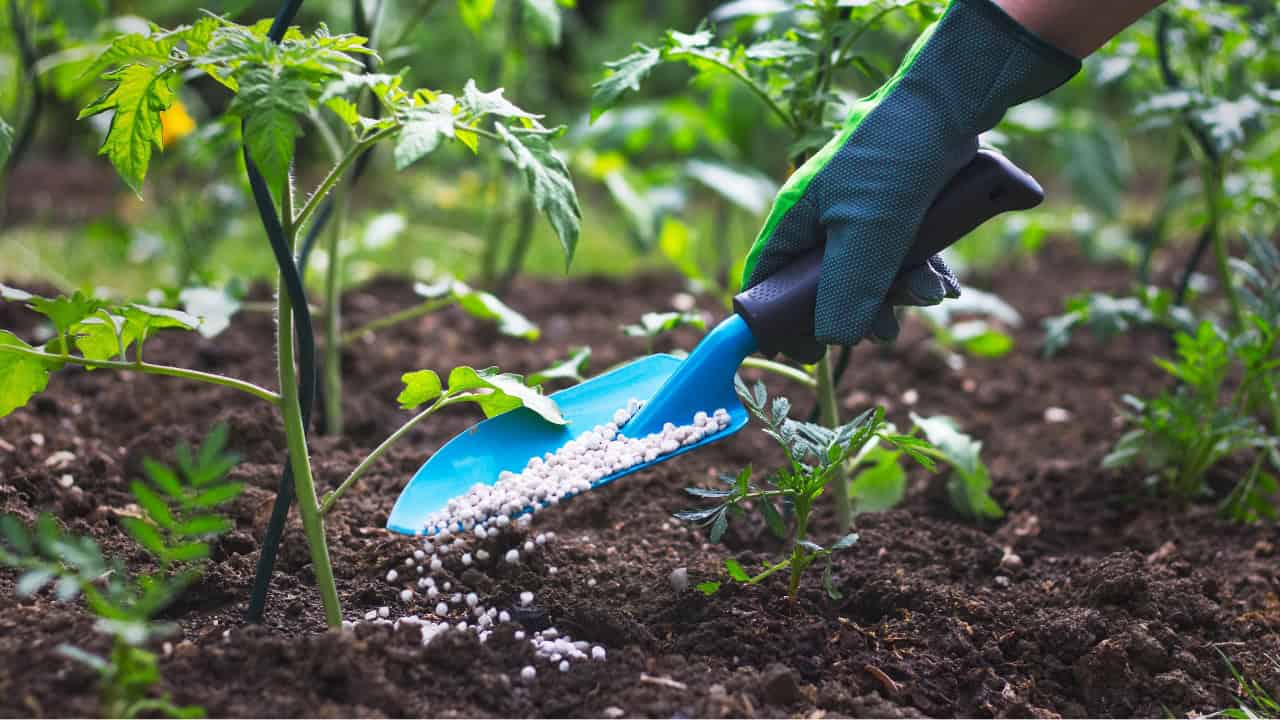
Fertilizers can work wonders for your lawn if used appropriately. However, more is not always better. I used to over-fertilize, thinking it would make my lawn greener and healthier, but it resulted in fertilizer burn and made my lawn more susceptible to disease.
I learned to follow the manufacturer’s instructions and apply the right amount of fertilizer. More importantly, I started using slow-release organic fertilizers, which provide nutrients over a more extended period and are less likely to burn the lawn. Remember that different grass types require different amounts of fertilizer.
5. Neglecting Aeration

Aeration involves perforating the soil with small holes to allow air, water, and nutrients to penetrate the grass roots. This helps the roots grow deeply and produce a stronger, more vigorous lawn. I used to neglect aeration, which resulted in soil compaction and thatch buildup.
I now aerate my lawn at least once a year, usually in the spring or fall. It helps reduce soil compaction and thatch, improves nutrient absorption, and promotes root growth. You can hire a professional or rent a lawn aerator for this task.
6. Using Dull Mower Blades

Sharp mower blades cut grass cleanly, while dull blades tear the grass. This not only gives your lawn a whitish or brownish cast after mowing but also stresses the grass and makes it more susceptible to pests and diseases. I used to mow with dull blades until I noticed the grass tips were turning yellow after mowing.
I now make sure to sharpen my mower blades at least once a year. A sharp blade cuts the grass cleanly, reducing stress and promoting healthier growth.
7. Watering at the Wrong Time
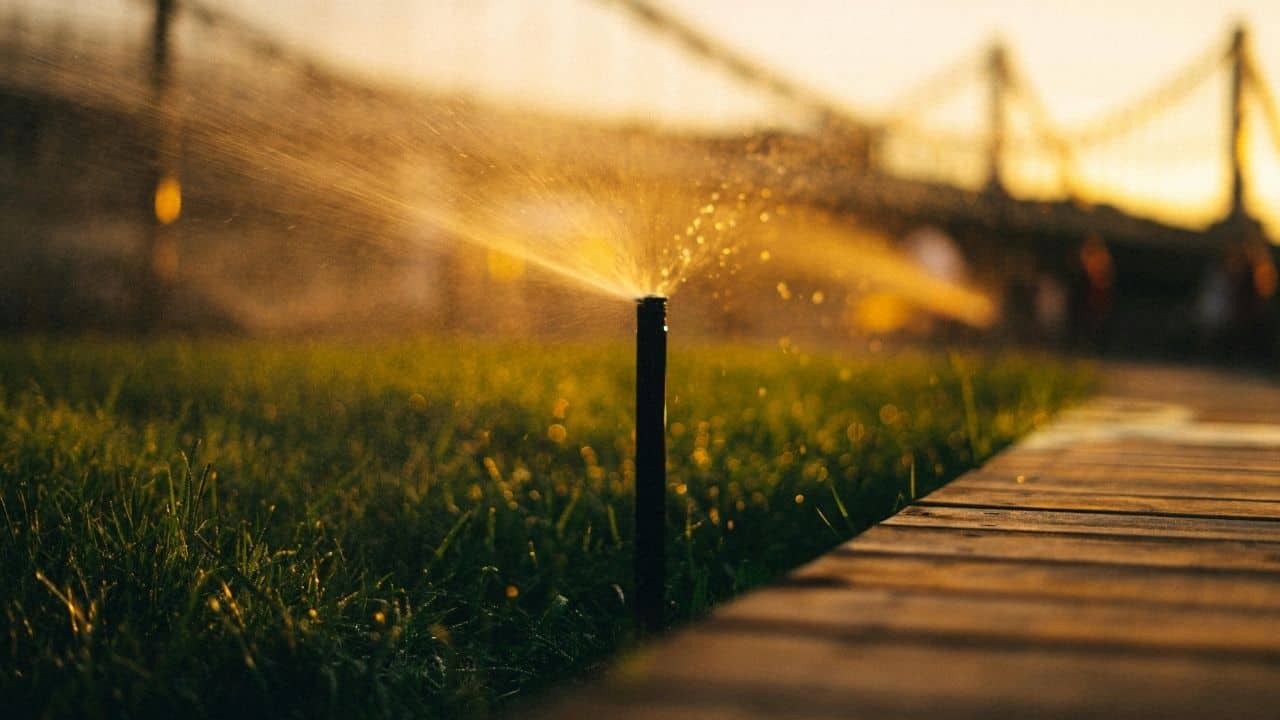
Timing is crucial when it comes to watering your lawn. Watering at the wrong time can lead to water evaporation or promote disease. I used to water my lawn in the afternoon, only to discover that much of the water was evaporating due to the heat.
The best time to water your lawn is early morning, as the sun will help dry the grass. Watering at night can make your lawn a breeding ground for fungus and disease.
8. Ignoring Weeds
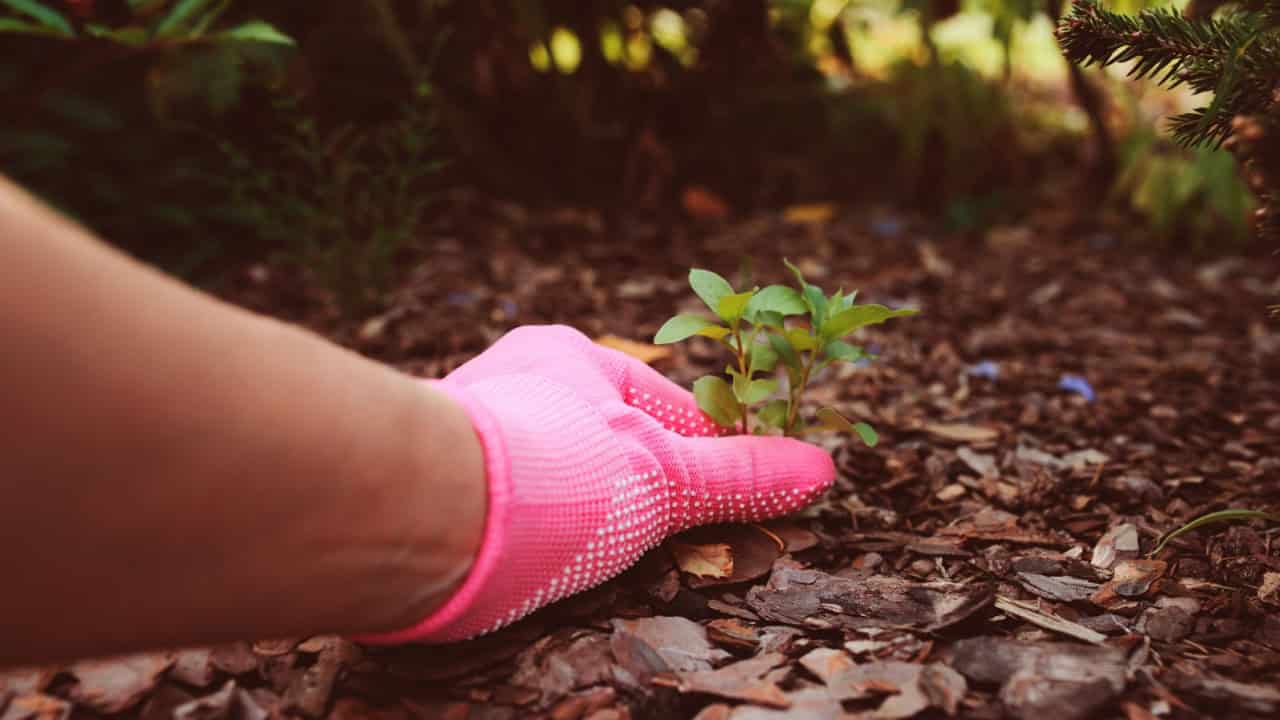
Weeds can invade and compete with your grass for resources. I used to ignore them, thinking they were just a visual nuisance. However, they started taking over my lawn, outcompeting the grass for water, nutrients, and sunlight.
Now I address weeds as soon as they appear. Hand-pulling is effective for a few weeds, but for larger infestations, a selective herbicide might be necessary. Remember, a healthy, well-maintained lawn can effectively compete with weeds and prevent them from establishing.
9. Neglecting Bare Spots

Bare spots are not only unsightly but also an invitation for weeds to establish. I used to ignore these patches, hoping they’d fill in on their own. However, they only got worse over time.
I now overseed bare spots as soon as I notice them. First, I prepare the area by removing any dead grass and loosening the top layer of soil. Then, I spread the seeds and keep the area well-watered until the new grass establishes.
10. Ignoring Pest Problems
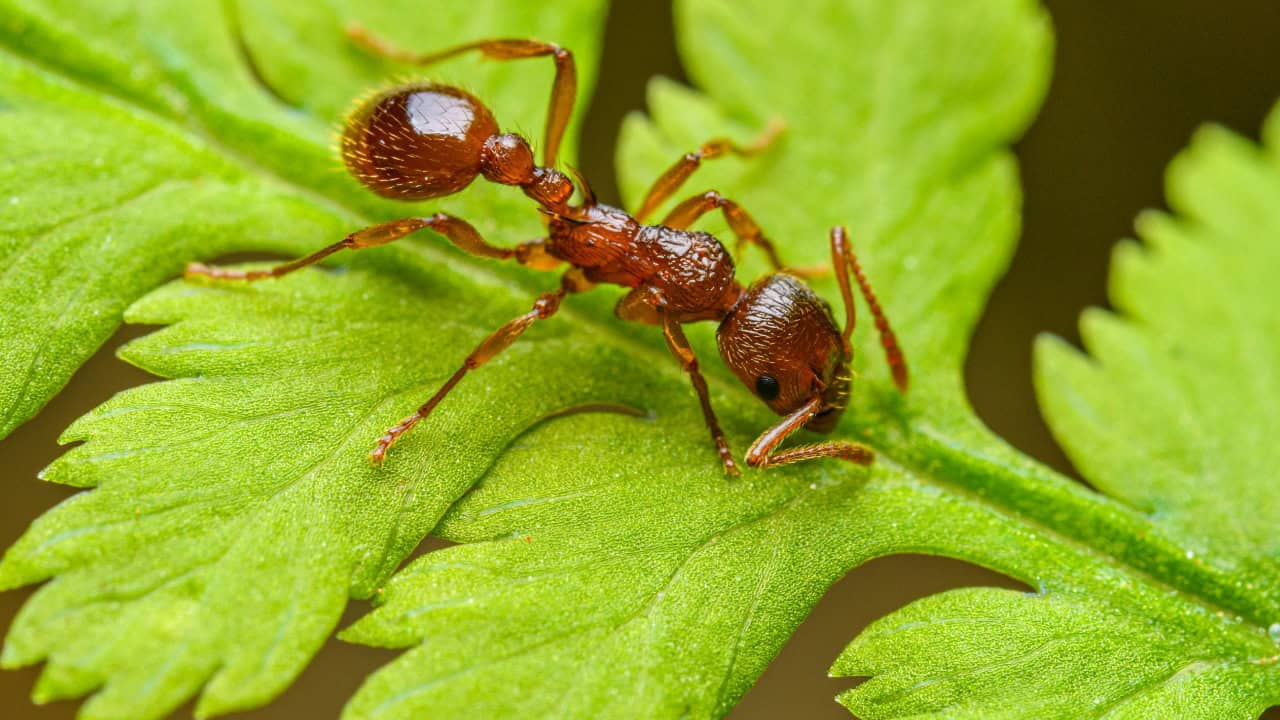
Lawn pests can cause significant damage if left unchecked. I used to ignore minor signs of pest infestations until they became severe.
I now keep an eye out for signs of pest problems, such as brown patches, wilting grass, or the presence of pests themselves. If I notice any issues, I consult a local extension service or a lawn care professional for advice on pest control.
11. Using the Wrong Grass Type

Different grass types perform differently depending on the climate, sun exposure, and soil type. I used to have a cool-season grass in a warm climate, which led to constant struggle to keep it healthy.
I replaced it with a warm-season grass, and the difference was remarkable. The grass is now healthier, greener, and requires less maintenance. If you’re not sure about the right grass type for your lawn, consult a local nursery or extension service.
12. Ignoring Thatch Buildup

Thatch is a layer of dead grass, roots, and debris that accumulates on the soil surface. While a small amount of thatch can be beneficial, too much can prevent water, air, and nutrients from reaching the soil. I used to ignore thatch buildup until it started suffocating my lawn.
I now dethatch my lawn regularly using a thatch rake or a dethatching machine. This improves water, air, and nutrient penetration and promotes healthier grass growth.
13. Not Testing the Soil

The soil is the foundation of your lawn, so it’s essential to understand its composition. I used to ignore soil testing, assuming that regular watering and fertilizing were sufficient. However, my lawn never seemed to thrive.
I started testing my soil every few years, and the results were enlightening. The tests revealed nutrient deficiencies and pH imbalances, which I could then address appropriately. Soil testing kits are readily available online or at garden centers.
By stopping these 13 habits, I was able to transform my lawn from mediocre to magnificent. It’s proof that sometimes, less is indeed more when it comes to lawn care. So, if you’re struggling with maintaining a healthy lawn, consider if you’re guilty of any of these practices and make the necessary adjustments. Your lawn will thank you for it!