In our quest to create the perfect garden, we often rely on a variety of products and practices that may not be the best for our environment. However, the good news is that going green in your garden is not only possible, but it can also be incredibly beneficial for your plants and the local ecosystem. By making a few simple changes, we can cultivate luscious, productive gardens while drastically reducing our environmental footprint. This blog post will explore 13 things I quit using in my yard to create a greener garden.
1. Synthetic Fertilizers
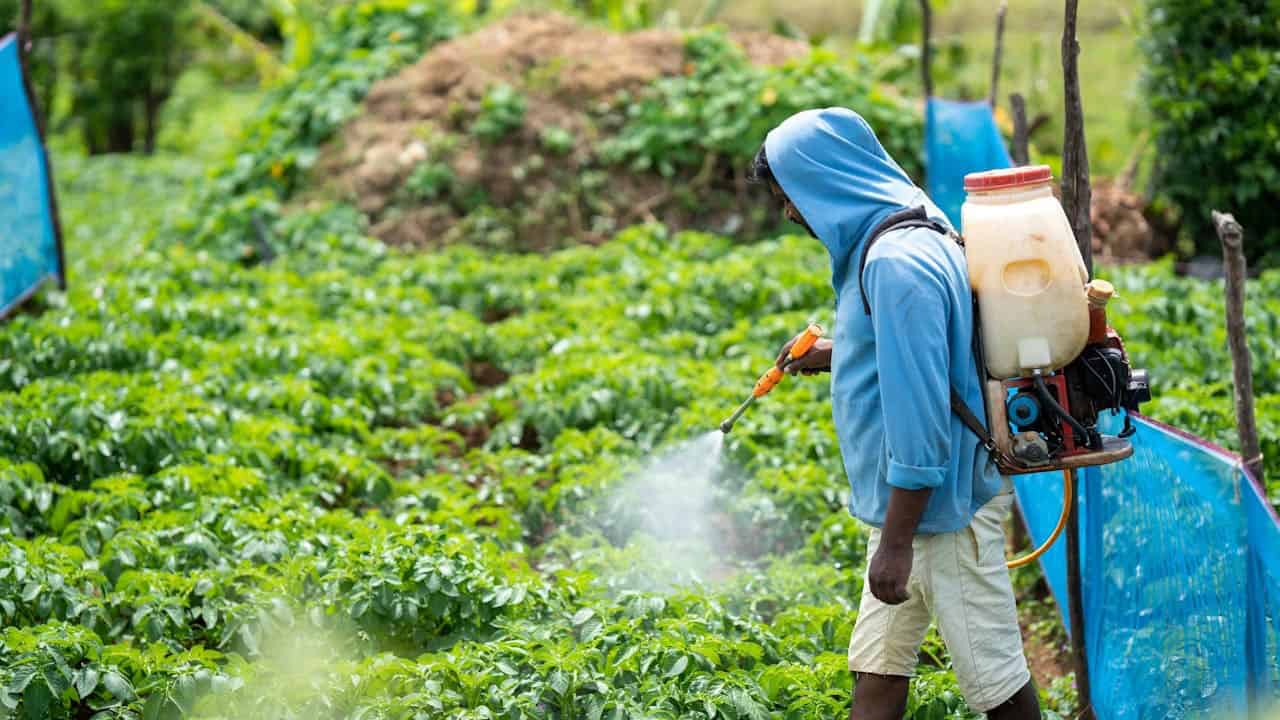
One of the first things I eliminated from my garden routine was synthetic fertilizers. While they are often praised for their ability to quickly green up a lawn or boost plant growth, they also have some serious downsides. Synthetic fertilizers can contaminate local water sources, harm beneficial soil organisms, and even contribute to climate change through the production and release of nitrous oxide, a potent greenhouse gas.
Advertisement
Instead, I opt for organic fertilizers like compost, worm castings, or homemade plant teas. These natural alternatives feed the soil, promote a healthy ecosystem, and are safe for all plants, animals, and humans. Plus, making your own compost is an excellent way to recycle kitchen scraps and yard waste, further reducing your environmental impact.
2. Pesticides
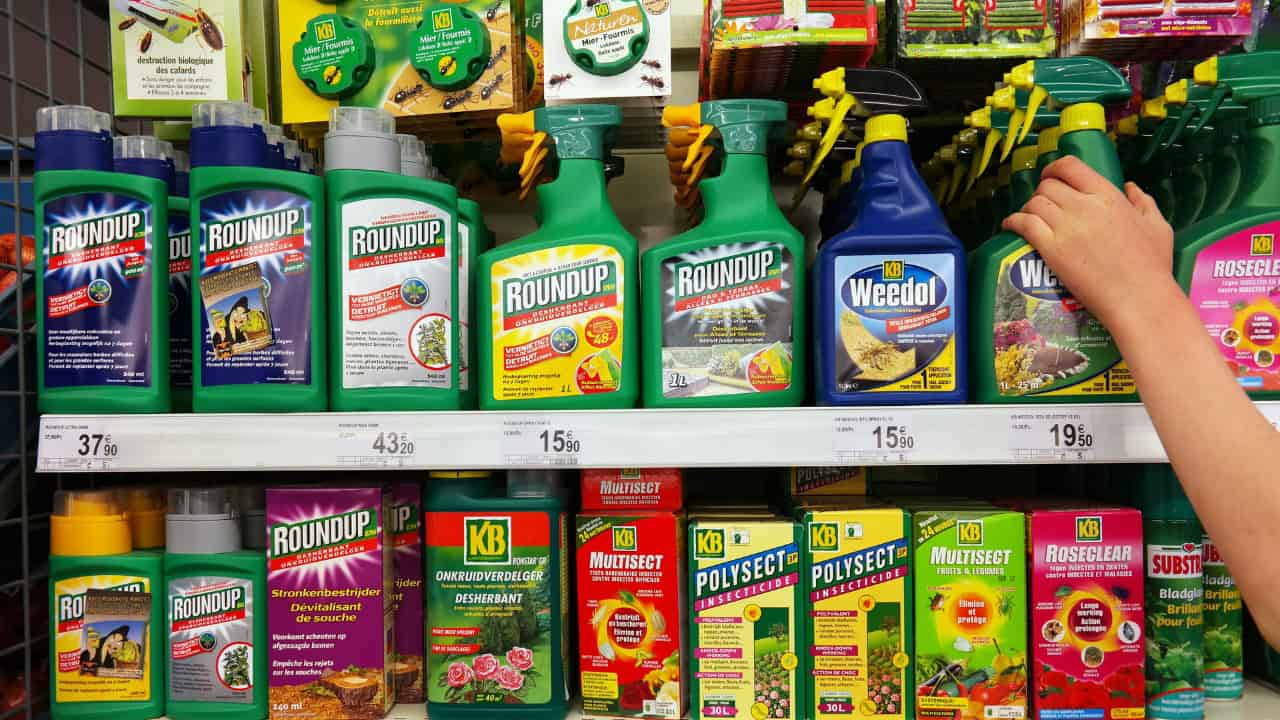
Pesticides are another common garden product that I’ve decided to forgo. These chemicals can have harmful effects on a variety of non-target organisms, including bees, birds, and aquatic life, and can also contaminate water sources. Furthermore, many pests can develop resistance to pesticides, resulting in a never-ending cycle of spraying and re-spraying.
Instead of reaching for the spray bottle, try implementing a strategy known as integrated pest management (IPM). This approach involves using a variety of methods, such as attracting beneficial insects, rotating crops, and practicing good sanitation, to control pests in a more sustainable and effective way.
3. Gas-Powered Tools

Gas-powered tools like lawnmowers, trimmers, and leaf blowers can be major sources of air and noise pollution. They emit harmful pollutants like carbon monoxide, nitrogen oxides, and volatile organic compounds, which can contribute to smog and health problems such as asthma and heart disease. Plus, they tend to be loud and disruptive, making it harder to enjoy the peace and quiet of your garden.
Instead, consider investing in electric tools or, better yet, manual tools. Electric tools produce fewer emissions and are often quieter, while manual tools produce no emissions and can provide a good workout. Plus, both options tend to be more energy-efficient and cost-effective in the long run.
4. Non-Native Plants
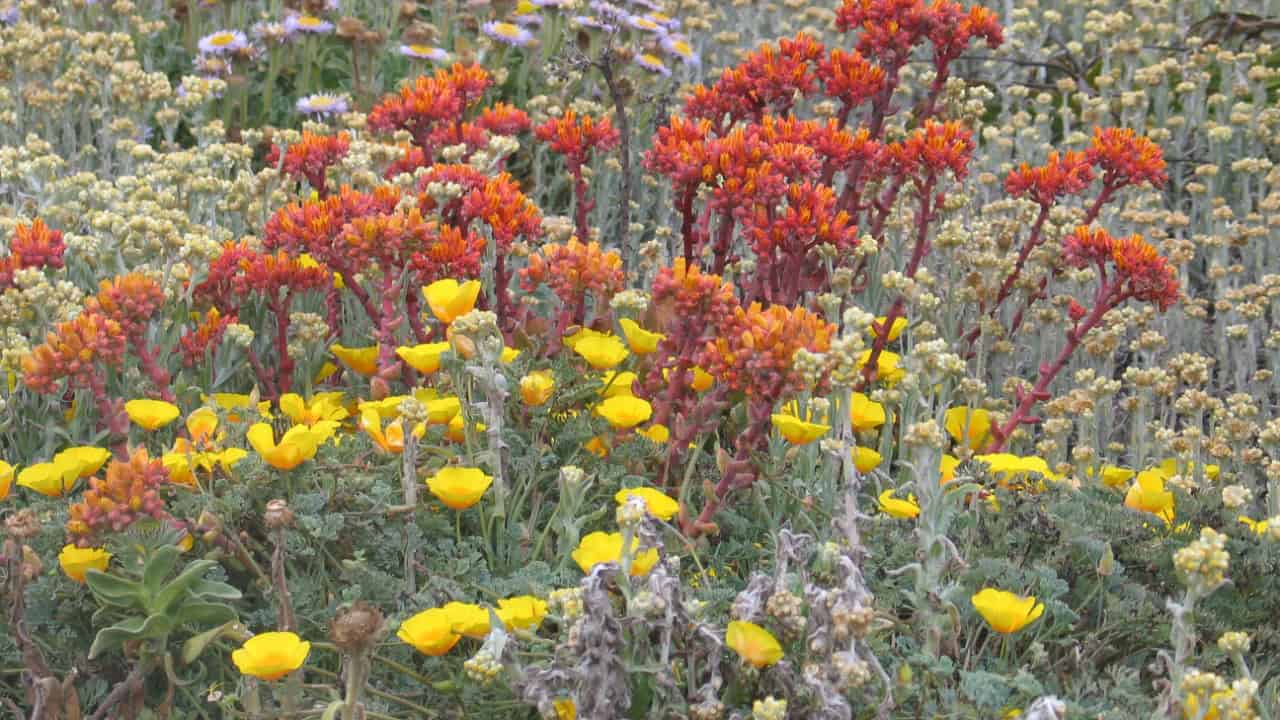
While non-native plants can certainly add a unique touch to your garden, they can also cause problems for local ecosystems. Non-native species can outcompete native species for resources, disrupt local food chains, and even introduce new diseases. This can have a cascading effect, harming wildlife and potentially leading to the extinction of local plant species.
Instead, consider planting native species in your garden. Native plants are adapted to local conditions and tend to require less water and care. They also support local wildlife by providing food and habitat. Plus, they can add a unique, local touch to your garden.
5. Excessive Water Use
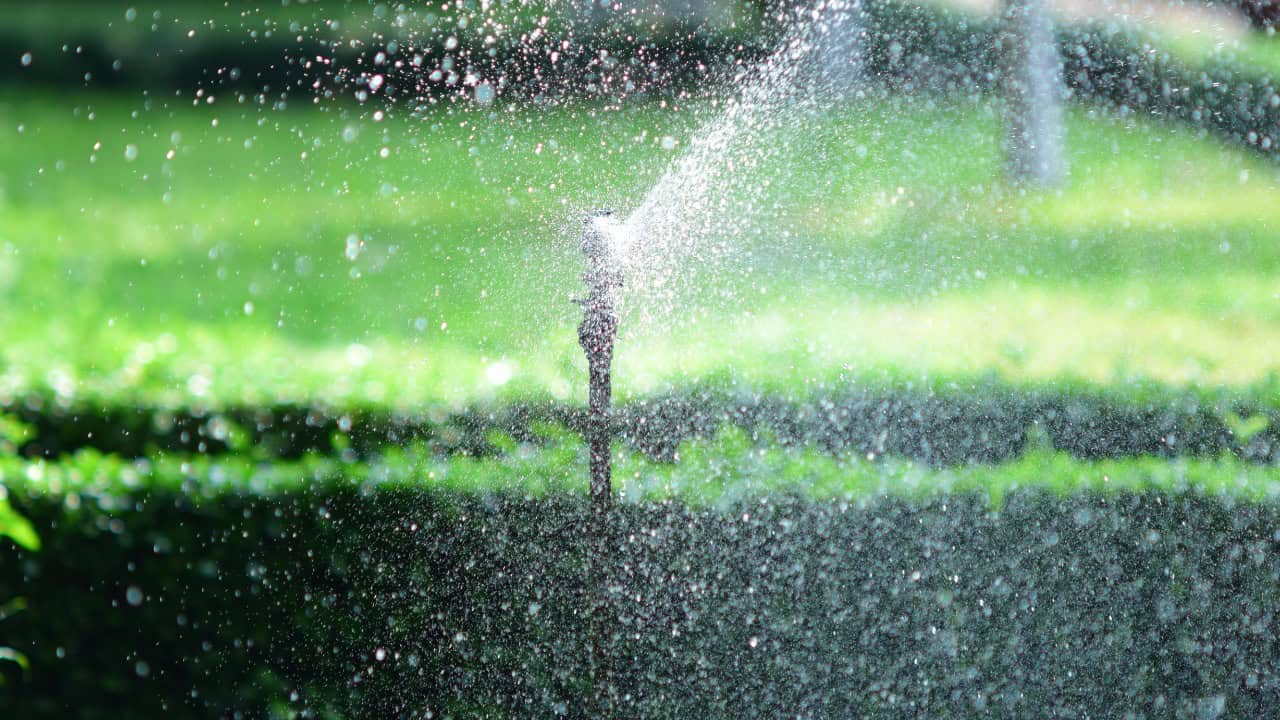
Watering is a crucial part of gardening, but it’s also an area where many of us can make improvements. Many gardens are overwatered, which wastes water and can actually harm plants by washing away nutrients and encouraging fungal diseases.
To reduce water use, consider implementing a drip irrigation system, which delivers water directly to the roots of plants. Also, try to water in the early morning or late evening to minimize evaporation. And remember, a healthy, well-mulched soil can retain water better and require less frequent watering.
6. Plastic Pots
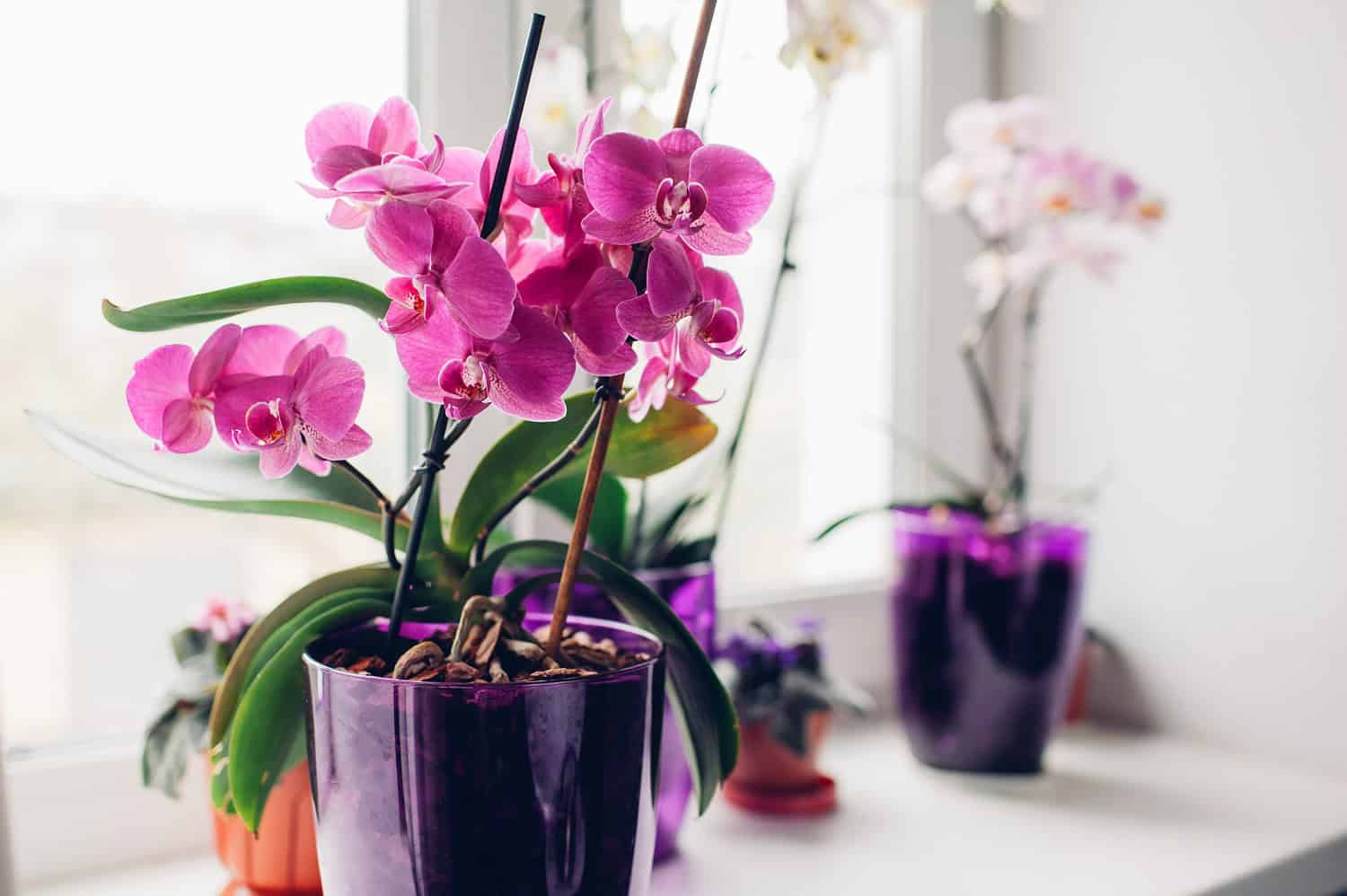
Plastic pots are a common sight in many gardens, but they come with their own set of environmental issues. Plastic is a non-renewable resource that can take hundreds of years to break down, and it often ends up in our oceans, harming marine life.
Instead of plastic, consider using pots made of biodegradable materials, like coir or peat. You can also recycle old containers, like tin cans or wooden crates, into unique planters. Or, better yet, plant directly in the ground to eliminate the need for pots altogether.
7. Non-Recycled Mulch
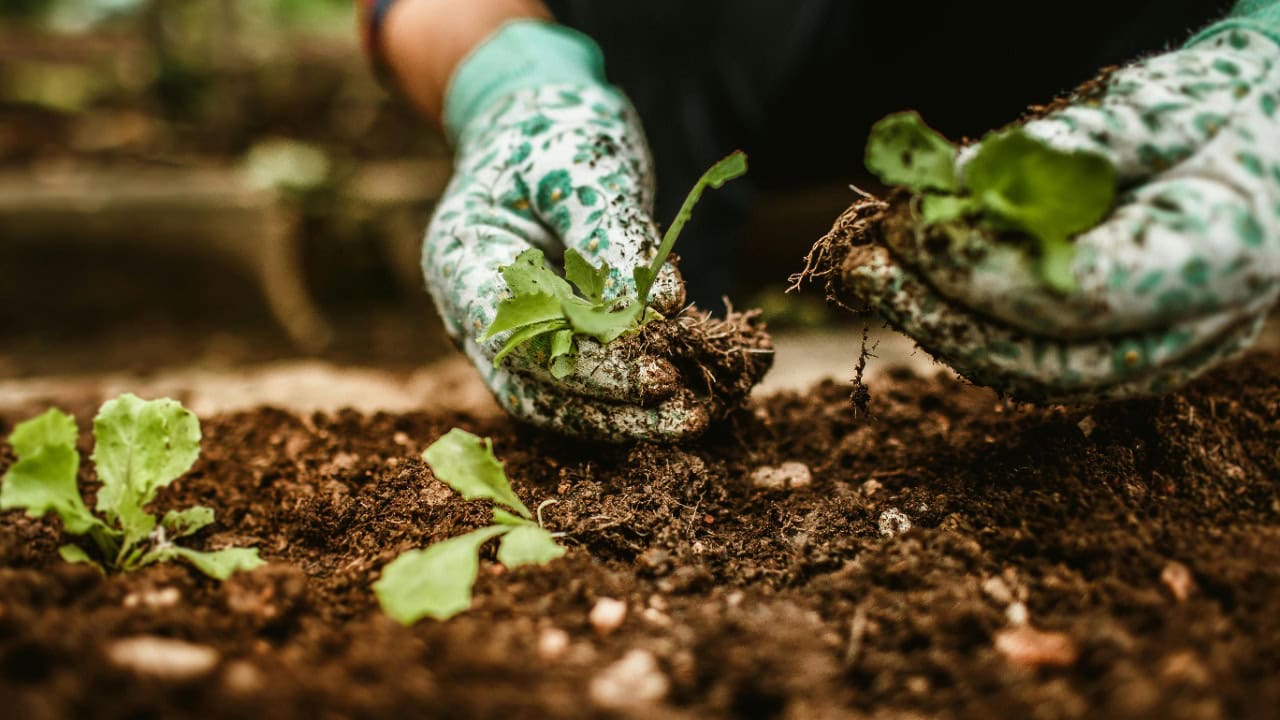
Mulch is a fantastic tool for conserving water, suppressing weeds, and enriching soil. However, it’s important to choose your mulch carefully. Some mulches, like those made from exotic hardwoods, can contribute to deforestation and loss of biodiversity.
Instead, consider using a locally-sourced, recycled mulch, like compost or shredded leaves. These mulches are sustainable, beneficial to your soil, and often free if you make them yourself. Plus, they can add a beautiful, natural touch to your garden landscape.
8. Chemical Weed Killers
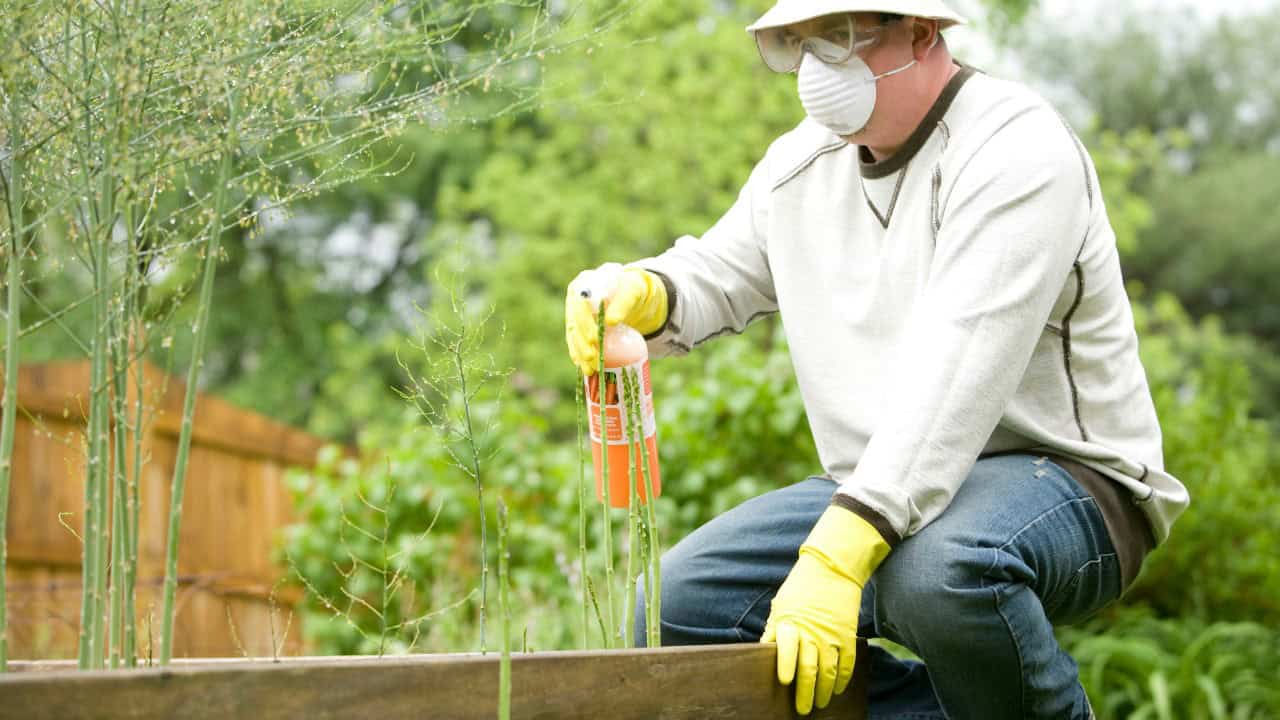
Chemical weed killers, or herbicides, are a common tool in many garden sheds. However, these chemicals can be harmful to humans, animals, and the environment. They can contaminate water sources, harm non-target plants, and even cause health problems in people and pets.
Instead of reaching for the herbicide, try a more natural approach. Hand-pulling, hoeing, or smothering weeds with cardboard or newspaper are all effective, eco-friendly methods. You can also use a homemade vinegar or boiling water solution for spot treatments.
9. Single-Use Tools
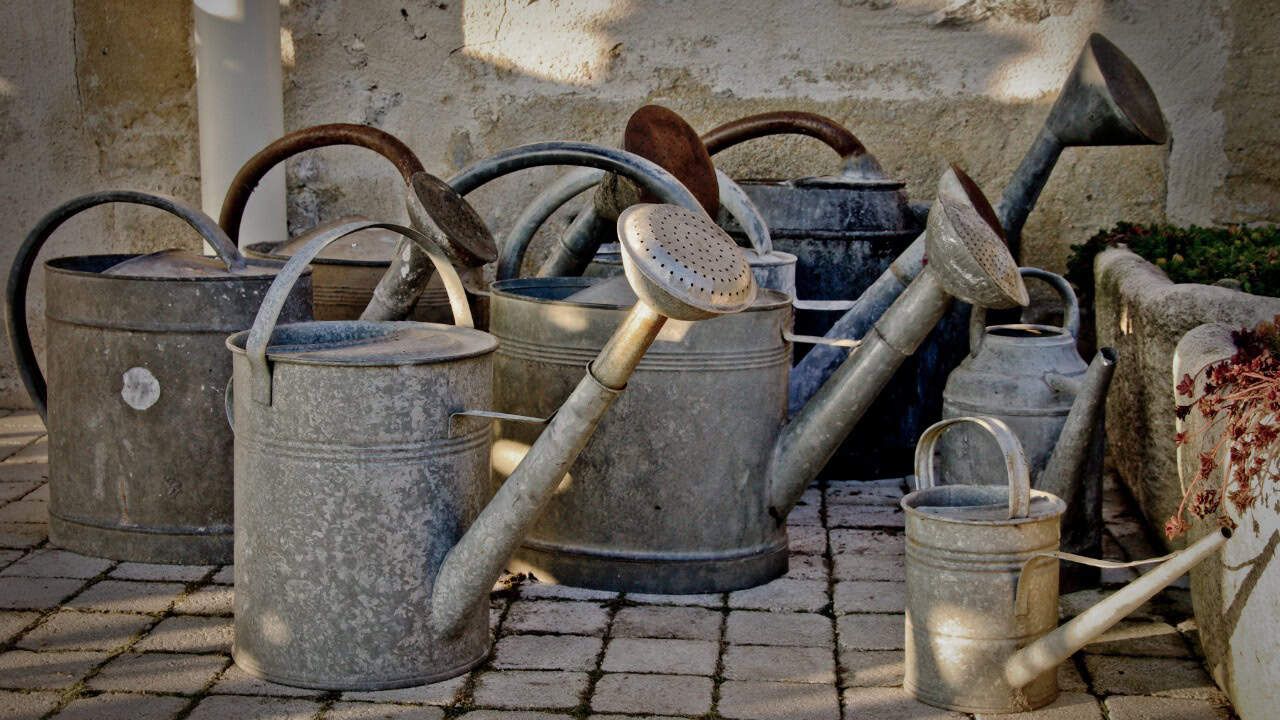
Single-use tools, like disposable gloves or plastic plant tags, can add up to a lot of waste over time. Plus, they often end up in landfills, where they can take hundreds of years to break down.
Instead, invest in reusable tools and materials. Durable gloves, metal plant tags, and sturdy watering cans can last for years, reducing waste and saving you money in the long run. Plus, they often perform better and look nicer than their disposable counterparts.
10. Non-Organic Seeds and Plants
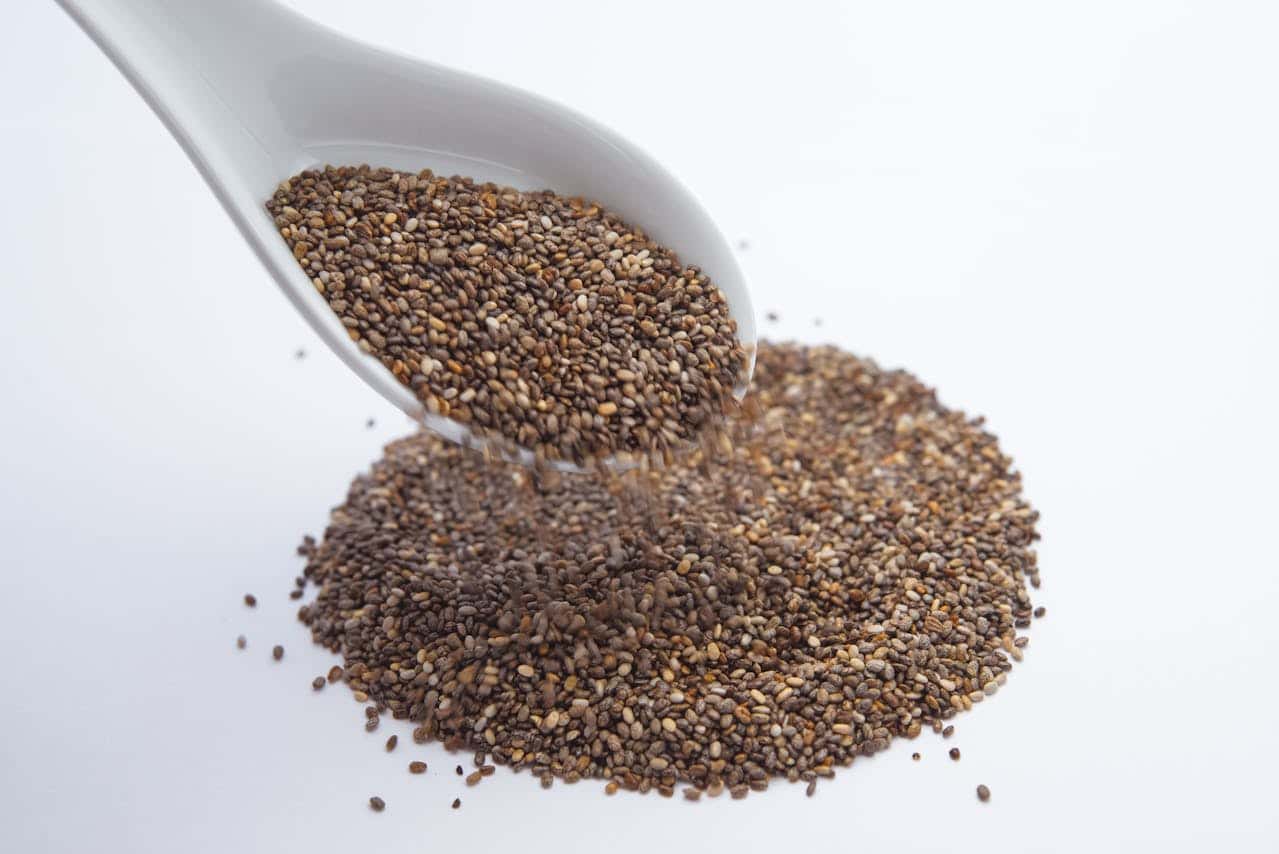
Non-organic seeds and plants are often treated with synthetic pesticides and fertilizers, which can harm soil health and contaminate local water sources. Plus, many non-organic plants are grown in peat-based composts, which contribute to the destruction of peat bogs, a valuable carbon sink.
Instead, look for organic seeds and plants, which are grown without synthetic chemicals and are often more resilient and disease-resistant. Or, better yet, save your own seeds and propagate your own plants to reduce your dependence on outside sources.
11. Non-Compostable Waste
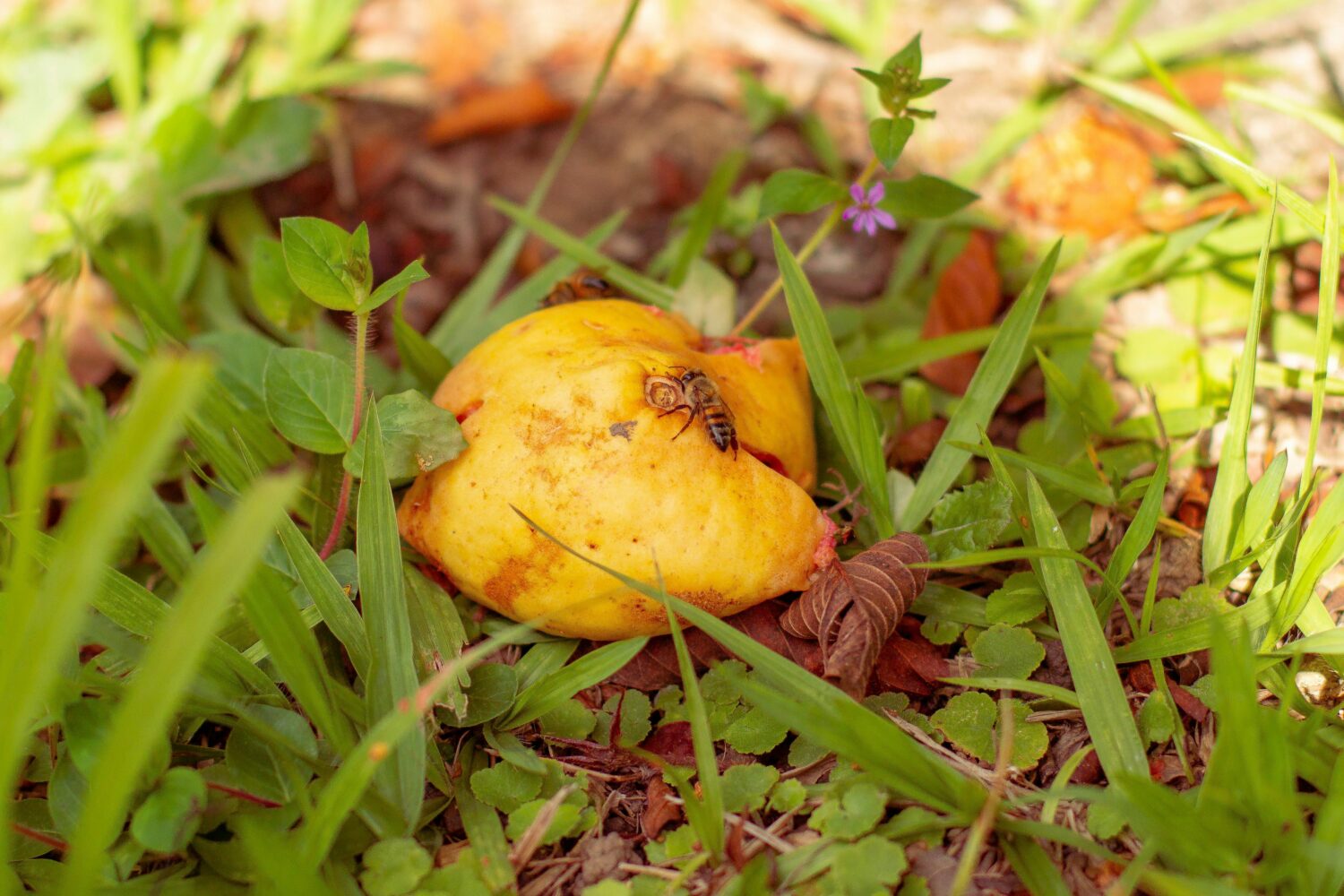
Gardening can generate a significant amount of waste, from plant trimmings to old potting soil. However, much of this waste can be composted, turning it into a valuable resource instead of sending it to the landfill.
Create a compost pile or bin in your garden and add your garden waste, along with kitchen scraps like fruit and vegetable peels. Over time, this waste will break down into rich, fertile compost that can be used to feed your plants and improve your soil.
12. Inefficient Irrigation Systems

Inefficient irrigation systems, like sprinklers, can waste a lot of water through evaporation and runoff. This not only wastes a valuable resource, but it can also increase your water bill and potentially harm local waterways through excess runoff.
Instead, consider using a drip irrigation system or soaker hoses, which deliver water directly to the roots of your plants. These systems are more efficient, conserve water, and can actually improve plant health by preventing overwatering.
13. Disposable Plant Labels

Finally, I quit using disposable plant labels in my garden. These labels are often made of plastic and can’t be recycled, leading to unnecessary waste.
Instead, try making your own reusable plant labels out of materials like wood, metal, or even painted rocks. These labels can be reused year after year, reducing waste and adding a unique, personal touch to your garden.