If you’re lucky enough to have an outdoor shed, you know it’s a great place to store all kinds of things — from garden tools and lawnmowers to bicycles and camping gear. But are there things you shouldn’t store in your shed? Absolutely! Storing some items in your shed can lead to problems, from damage to the items themselves to attracting unwanted pests. In this post, I’ll talk about 13 things I learned the hard way never to store in my outdoor shed.
1. Paint and Other Chemicals
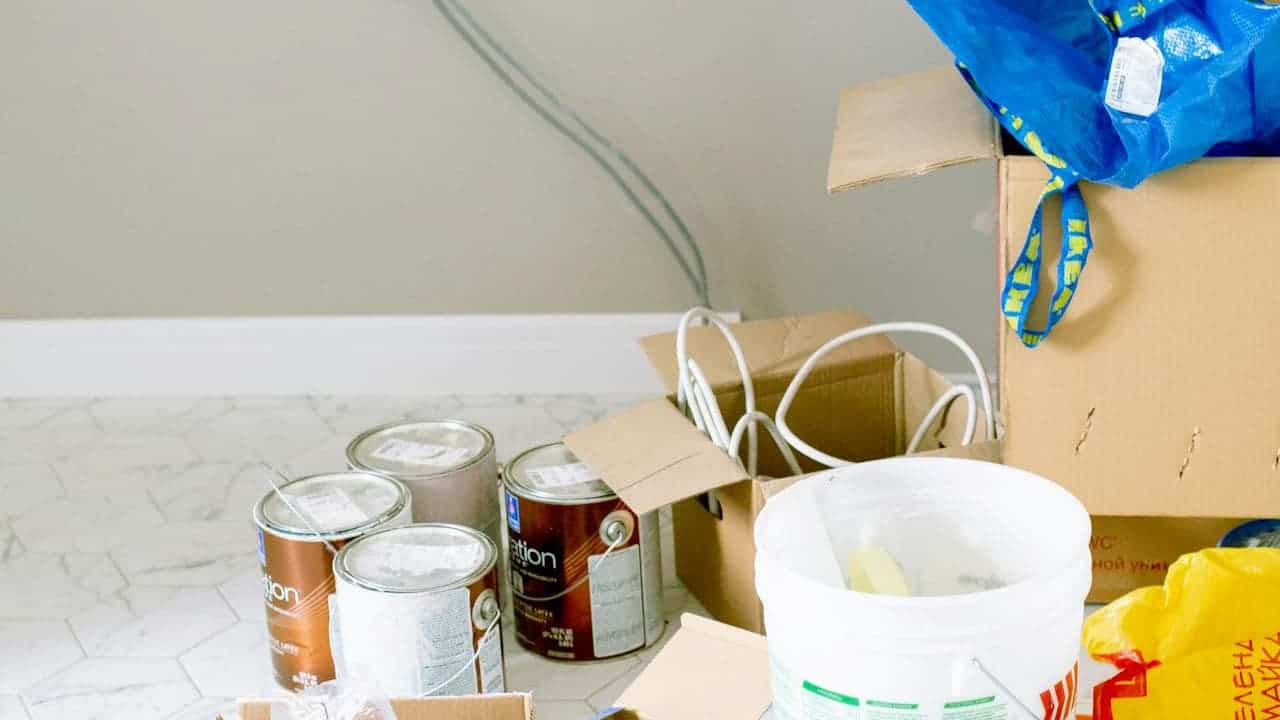
Paint, cleaning supplies, and other chemicals can be damaged by temperature extremes, which are common in outdoor sheds. Heat can cause cans of paint to explode, and cold can cause them to freeze and become unusable.
Advertisement
Furthermore, storing these items in your shed can pose a safety risk. If chemicals leak, they can contaminate the ground around your shed. And if you have children or pets, you definitely don’t want them coming into contact with these substances.
2. Electronics
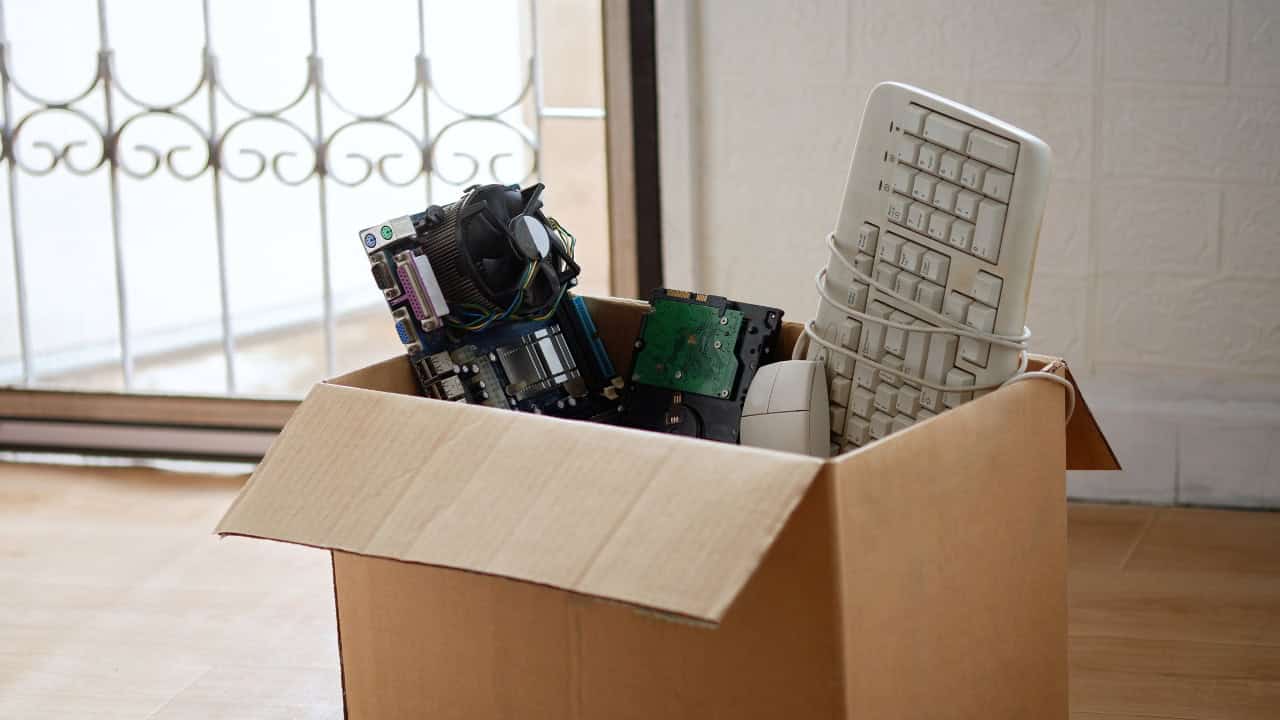
Electronics and appliances are another class of items that don’t fare well in the shed. Temperature and humidity fluctuations can damage internal components, leading to malfunction or total failure.
In addition, electronics can attract vermin. Mice and other critters are known to chew on wires, which can lead to dangerous electrical fires. It’s best to keep these items in a climate-controlled environment, like your home.
3. Important Documents
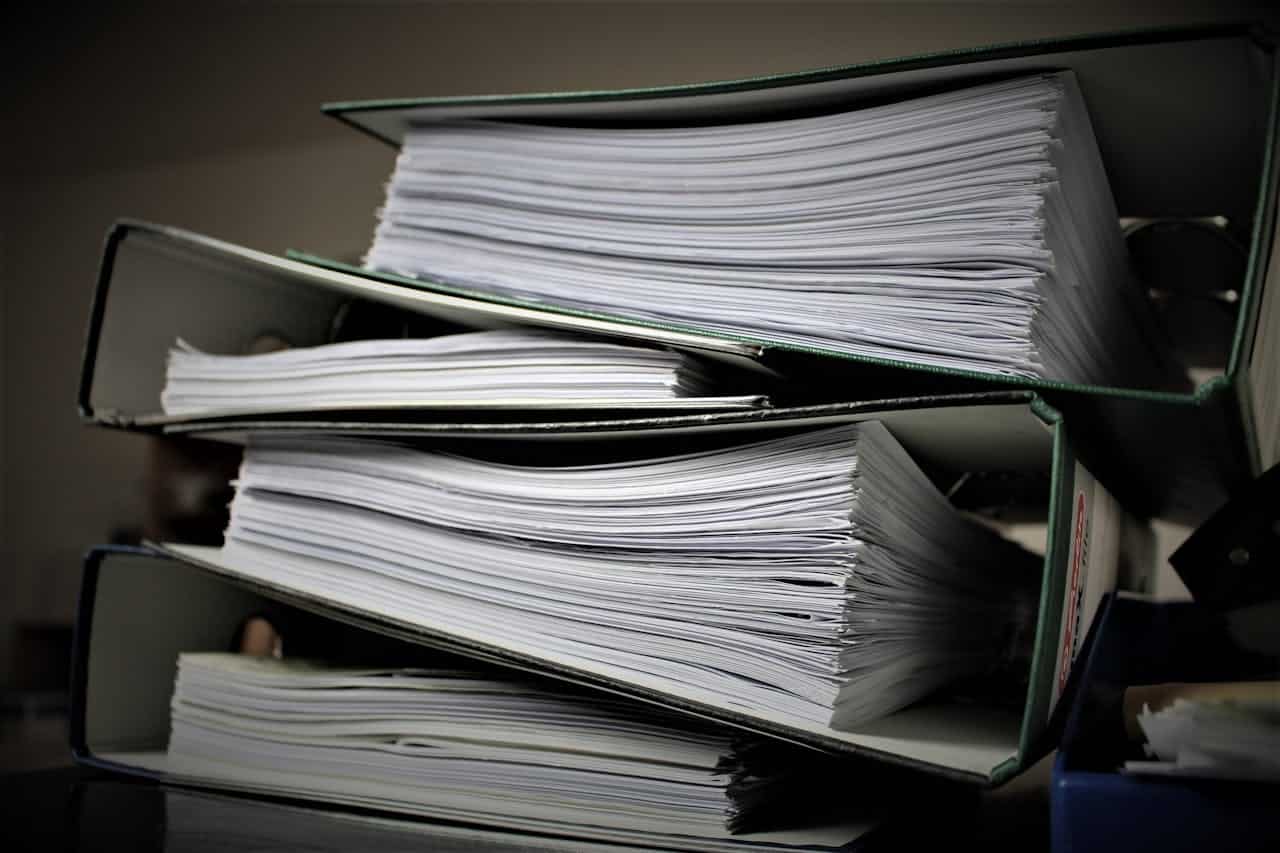
Important documents like birth certificates, passports, and financial records should never be stored in a shed. Sheds are not usually waterproof, and moisture can ruin these documents.
Plus, sheds are not as secure as your home. If your shed were to be broken into, you could lose these irreplaceable items. Always keep important documents in a secure, dry place inside your home.
4. Wooden Furniture

Wooden furniture can be severely damaged by the temperature and humidity fluctuations in a shed. Wood can warp, crack, and rot, and any metal hardware can rust.
In addition, wooden furniture can attract pests, like termites. Once you have a termite infestation in your shed, it can easily spread to your home. It’s best to store wooden furniture inside, where conditions are more stable.
5. Food
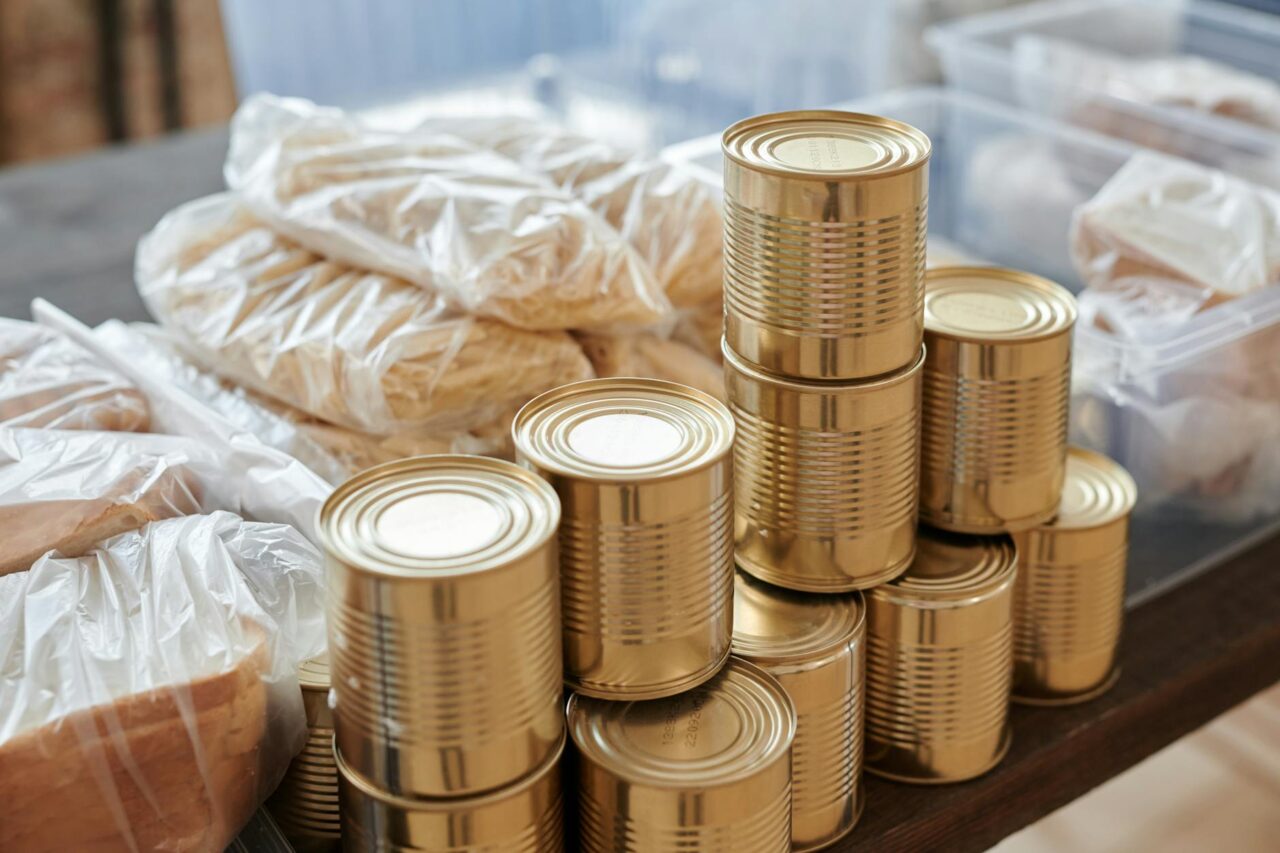
Food is a big no-no for shed storage. It can attract all sorts of pests, from rats and mice to ants and roaches. Even canned food can be damaged by temperature extremes, leading to spoilage.
Plus, if you store food in your shed and pests do get into it, they’re likely to stick around and get into anything else you have stored in there. It’s best to store food in your kitchen, where it’s easy to keep clean and pest-free.
6. Pet Food and Bird Seed
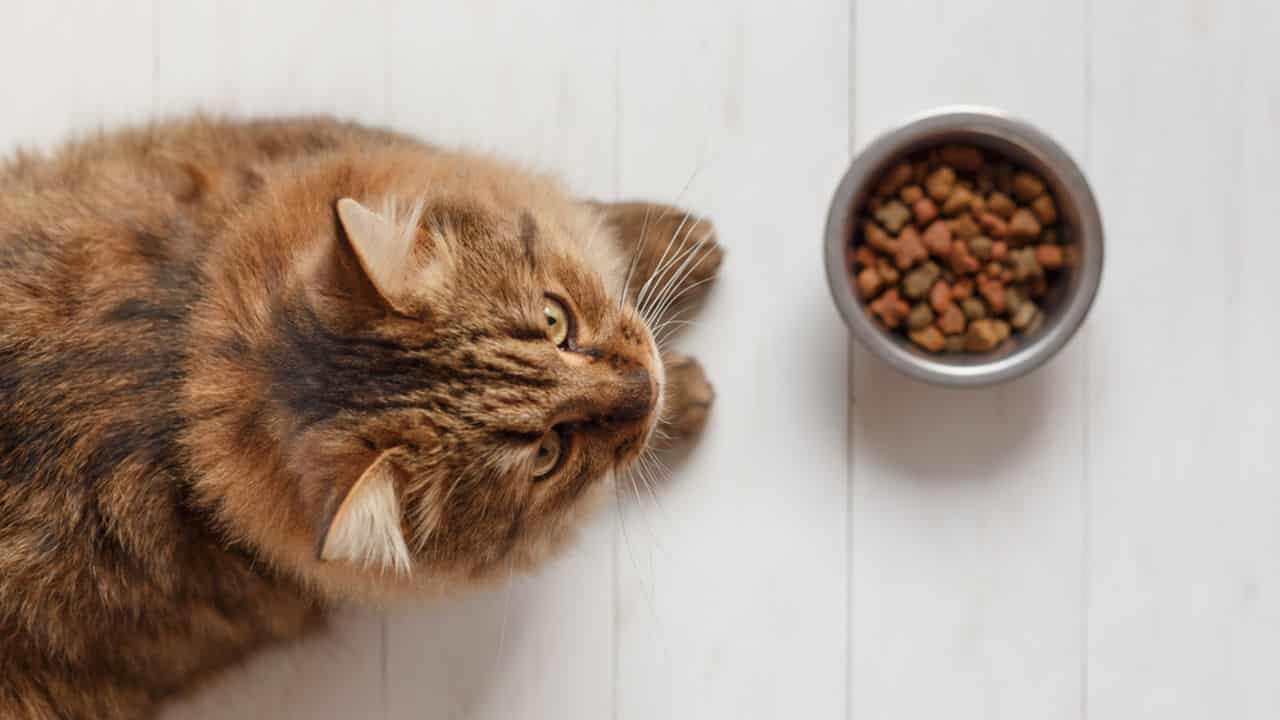
Just like human food, pet food and bird seed can attract pests. And once pests have found a food source, they’re likely to stick around and get into other things.
Even if you keep pet food and bird seed in sealed containers, pests can still smell it. And they’ll chew through plastic to get to it. It’s best to store these items inside your home.
7. Clothing and Bedding
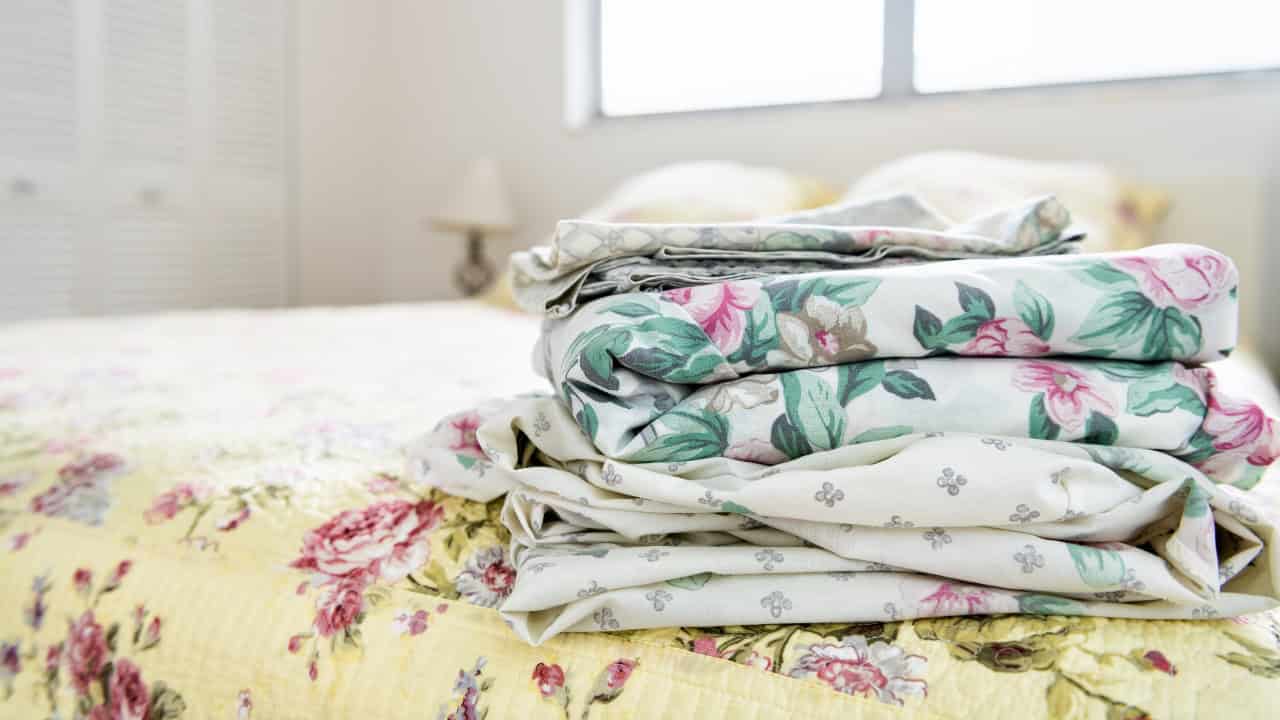
Clothing and bedding are another category of items that should never be stored in a shed. These items can easily become damp and moldy in a shed’s fluctuating conditions.
Plus, clothing and bedding can attract pests. Mice and rats, in particular, love to use these materials for nesting. Always store clothing and bedding in a dry, indoor location.
8. Wine

Wine is highly sensitive to temperature and humidity changes, which can alter its taste and quality. It can also be damaged by light, which many sheds have plenty of.
If you’re a wine enthusiast, it’s worth investing in a wine fridge or cellar to properly store your bottles. These are designed to keep wine at the perfect temperature and humidity, and they protect against light damage.
9. Musical Instruments
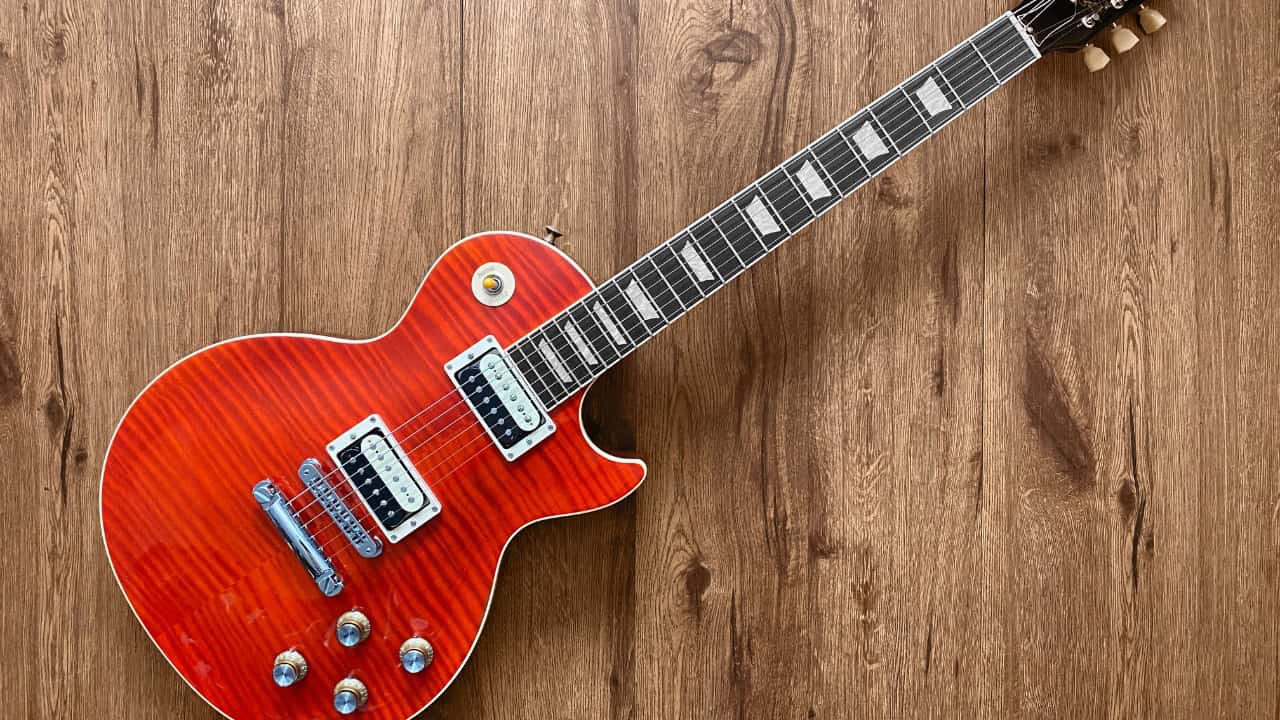
Musical instruments are delicate and can be damaged by the temperature and humidity changes in a shed. Wood can warp, strings can snap, and brass can tarnish.
In addition, instruments can be a target for theft. They’re often valuable, and a shed is not as secure as your home. Always store musical instruments in a climate-controlled environment, and consider getting them insured.
10. Photographs

Photographs should never be stored in a shed. They can easily become damaged by moisture and temperature fluctuations, leading to fading, yellowing, and curling.
If you have old photos that you want to preserve, consider getting them digitized. This way, you’ll always have a copy, even if the originals are damaged. Always store photographs in a dry, cool, dark place.
11. Artwork

Like photographs, artwork can be damaged by the conditions in a shed. Canvas can warp, paint can crack, and paper can become moldy.
In addition, artwork can be a target for theft. If you have valuable art, it’s best to keep it inside your home, where it’s safe and secure. And consider getting it insured.
12. Medication

Medication should never be stored in a shed. Heat, cold, and moisture can alter its effectiveness, and in some cases, can even make it dangerous to use.
Always store medication in a cool, dry place, out of reach of children and pets. And be sure to properly dispose of any medication that’s past its expiration date.
13. Leather Goods

Leather goods, like furniture, clothing, and bags, can be damaged by the conditions in a shed. Leather can dry out, crack, and mold.
Plus, leather goods can be a target for theft. They’re often valuable, and a shed is not as secure as your home. Always store leather goods in a climate-controlled environment, and consider getting them insured.