The kitchen is the heart of the home, a place where meals are prepared, conversations are had, and memories are made. But with all its importance, it’s also a place that can easily become cluttered and disorganized. We all have seemingly endless amounts of utensils, plates, spices, and more to store.
However, there are certain things that you should never store in your kitchen cabinets, either for health or practical reasons. In this blog post, I’ll be sharing 13 things I never store in my kitchen cabinets, and why you should consider doing the same.
Advertisement
1. Medication

Storing medication in your kitchen cabinets might seem like a smart idea. After all, it’s a place you visit daily, and it’s easy to remember to take your pills if they’re right there. However, the heat and humidity generated in the kitchen can have an adverse effect on certain medications, potentially reducing their effectiveness.
Most medication should be stored in a cool, dry place, away from sunlight. A better option would be a bathroom cabinet or a dedicated medicine cabinet. Also, keeping medication in the kitchen could pose a risk if there are children in the house, as they could easily access it.
2. Spices
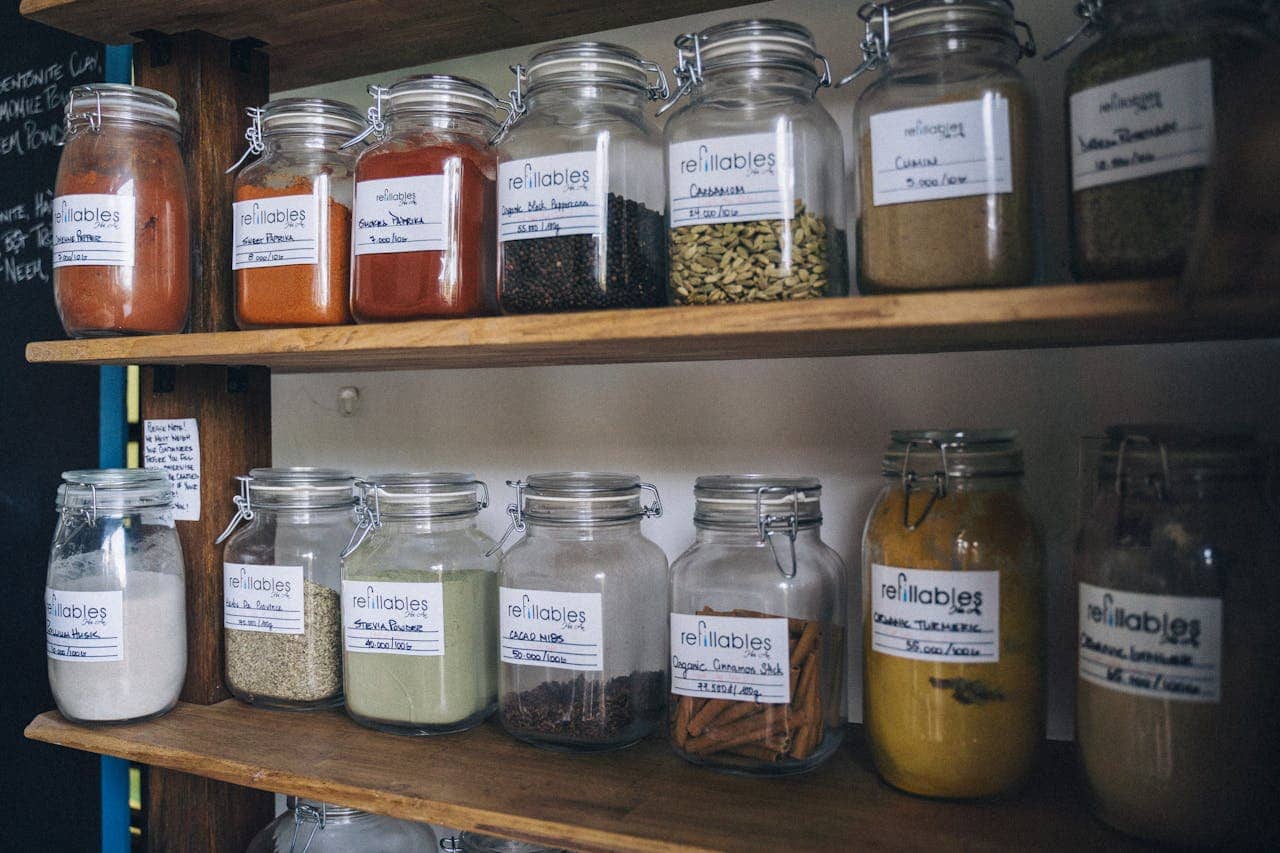
While it’s common to store spices in kitchen cabinets, it’s not the best practice. The heat from your cooking can reduce the potency and flavor of your spices, making them less effective. Similarly, light can also have a detrimental effect on them.
Instead, consider storing your spices in a cool, dark place. A pantry or a dedicated spice rack away from the stove is an ideal option. Also, try to buy small quantities of spices to ensure they are always fresh, as they lose their potency over time.
3. Cleaning Supplies
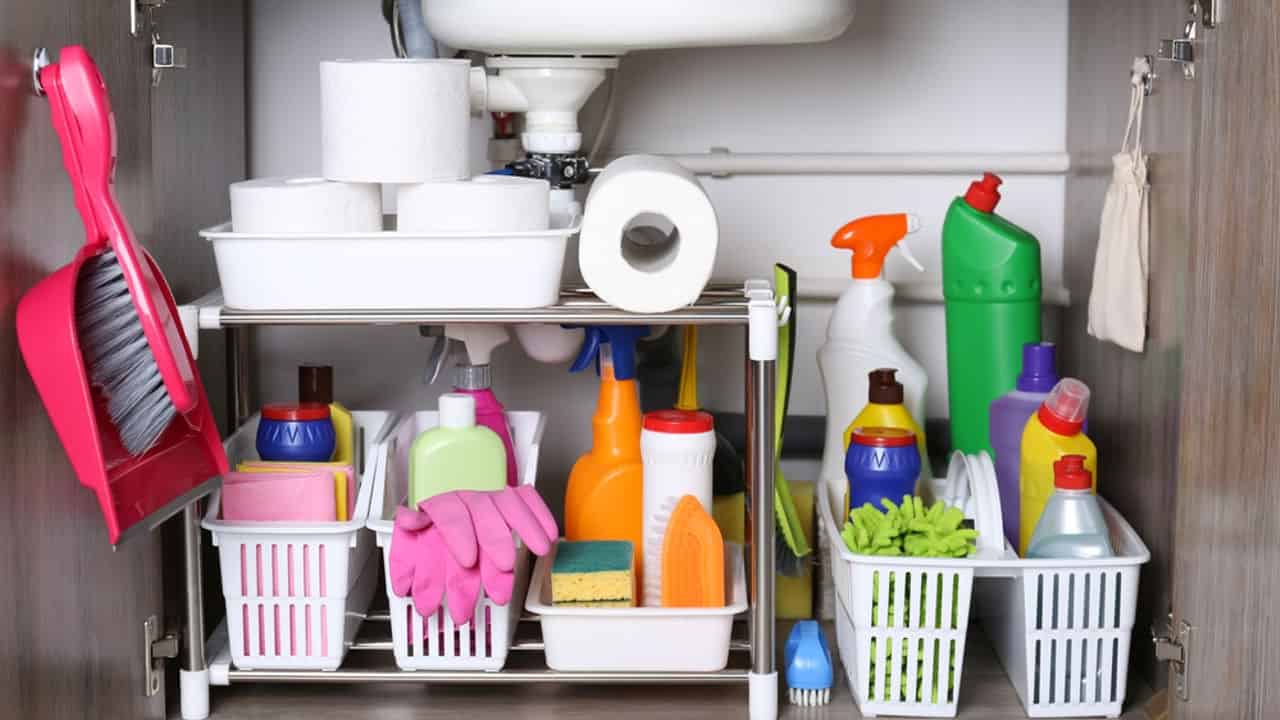
The kitchen cabinet under the sink is a popular spot for storing cleaning supplies. But this is not ideal for several reasons. Firstly, the moisture and dampness under the sink can affect the effectiveness of certain cleaning products. Secondly, these chemicals can be harmful if ingested, and storing them in the same area where we store our food is not the best idea.
Instead, store your cleaning supplies in a utility closet or a dedicated cleaning cabinet. If you must store them in the kitchen, make sure they are in a high cabinet, out of reach of children and pets.
4. Unsealed Grains and Pasta
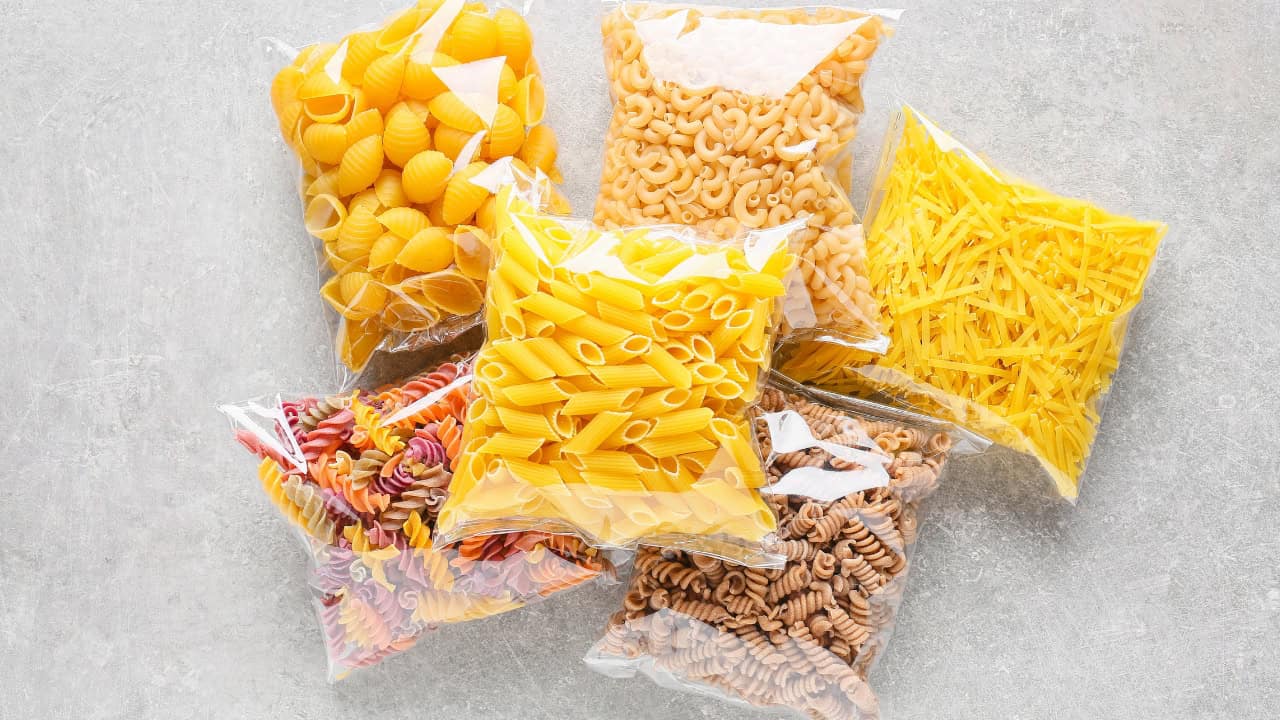
Unsealed grains and pasta can attract pests like weevils and moths. If you store these in your kitchen cabinets, you’re basically inviting these pests into your kitchen.
Instead, store grains and pasta in airtight containers. These containers will not only keep pests out but will also keep your grains and pasta fresher for longer.
5. Bread

Bread might seem like a perfect item to store in a kitchen cabinet. However, storing bread in a cabinet can actually speed up the molding process due to the lack of air circulation.
Instead, store your bread in a bread box or even the freezer. A bread box allows for air circulation, which can help keep your bread fresh for longer. If you don’t eat bread often, consider freezing it and just defrosting slices as you need them.
6. Potatoes

Potatoes are another item that should not be stored in kitchen cabinets. The lack of air circulation can cause potatoes to spoil faster. Plus, they can also give off gases that can cause other vegetables to ripen or spoil quickly.
Instead, store potatoes in a cool, dark place with good air circulation. A pantry or a dedicated potato bin would be great options.
7. Fresh Garlic

Fresh garlic stored in a kitchen cabinet can sprout prematurely or become moldy. The lack of air circulation and the dark environment can create a perfect condition for these problems.
Instead, store fresh garlic in a well-ventilated area. A countertop garlic keeper would be an ideal option.
8. Coffee Beans
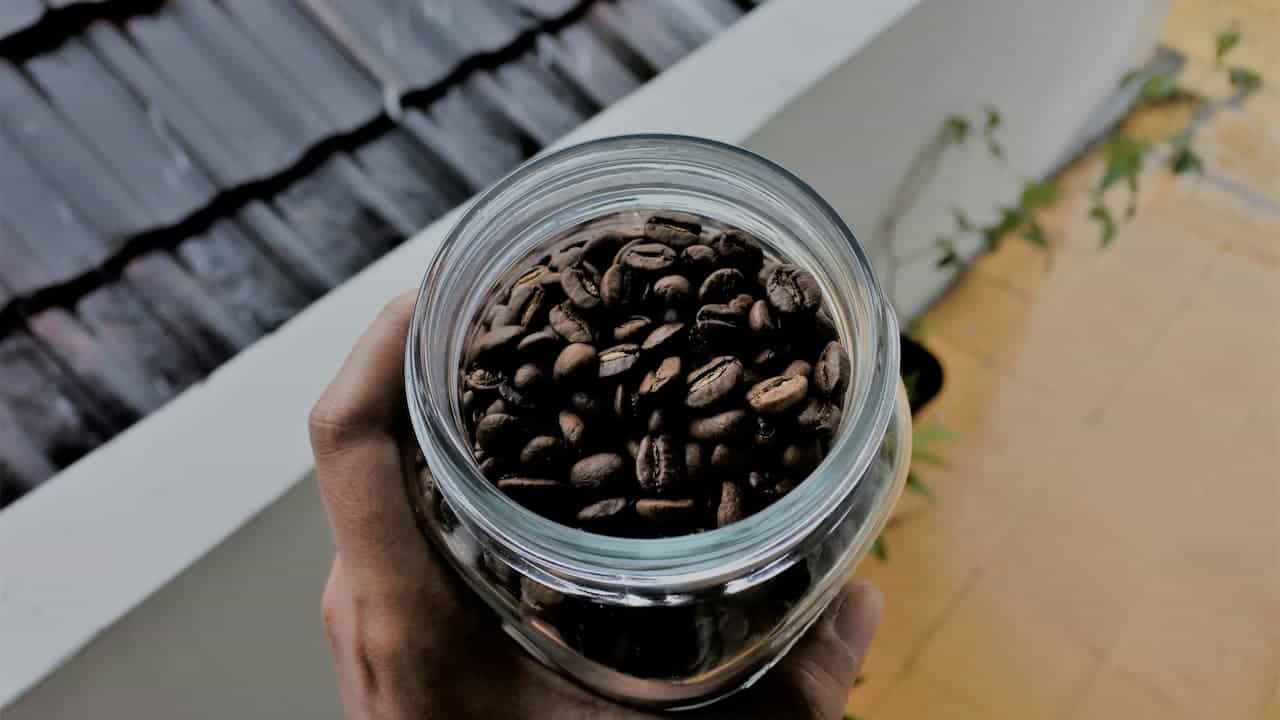
If you’re a coffee lover, you might be tempted to store your coffee beans in a kitchen cabinet. However, the warmth from the kitchen can make your coffee beans go stale faster.
Instead, store your coffee beans in an airtight container in a cool, dark place. This will help keep your coffee beans fresher for longer and maintain their flavor.
9. Extra Utensils

While it’s always good to have extra utensils, storing them in the kitchen cabinets can take up valuable space. Plus, they can easily become cluttered and disorganized.
Instead, consider storing your extra utensils in a different location. A storage room or a dedicated utensil drawer would be great options.
10. Flowers
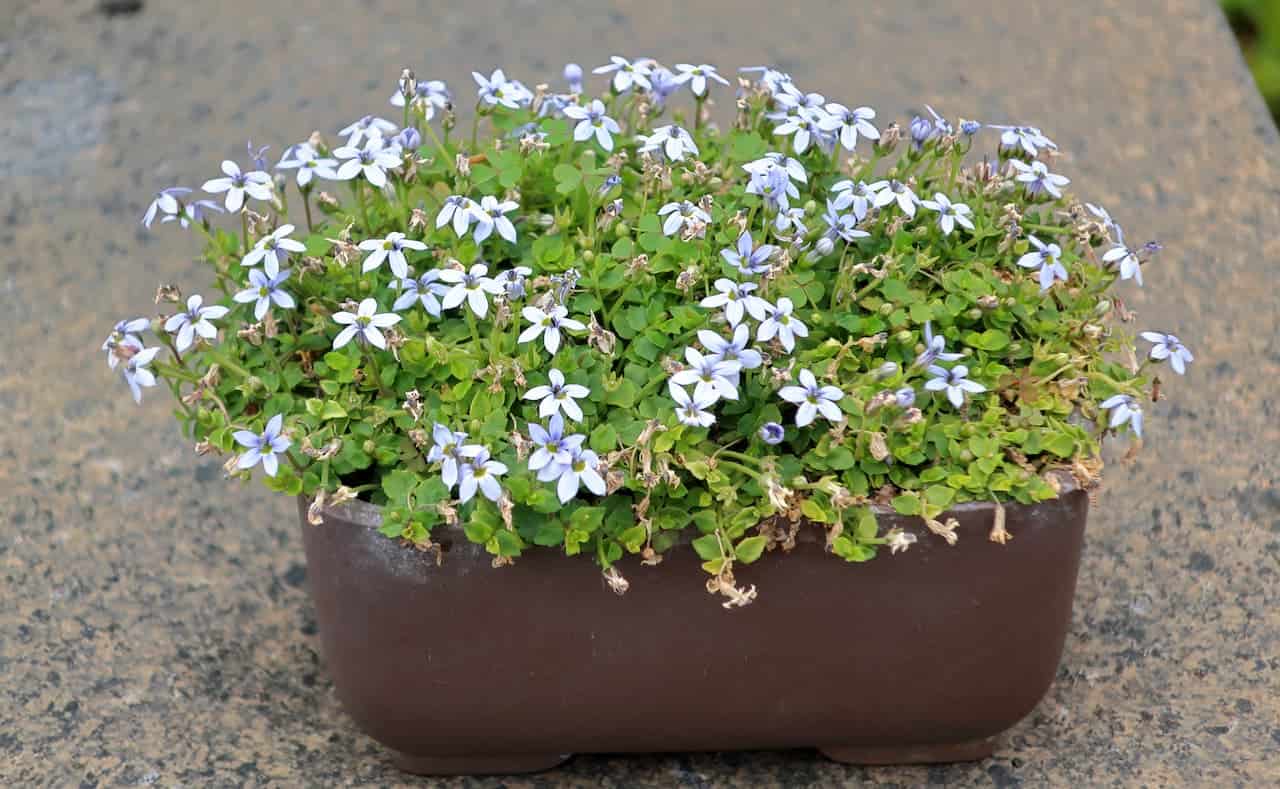
Flowers can add a touch of beauty to your kitchen. However, storing them in a kitchen cabinet is not a good idea. The lack of sunlight and air circulation can cause the flowers to wilt quickly.
Instead, display your flowers in a vase on the countertop or dining table. This will not only help keep the flowers fresh for longer but also add a pop of color to your kitchen.
11. Wine
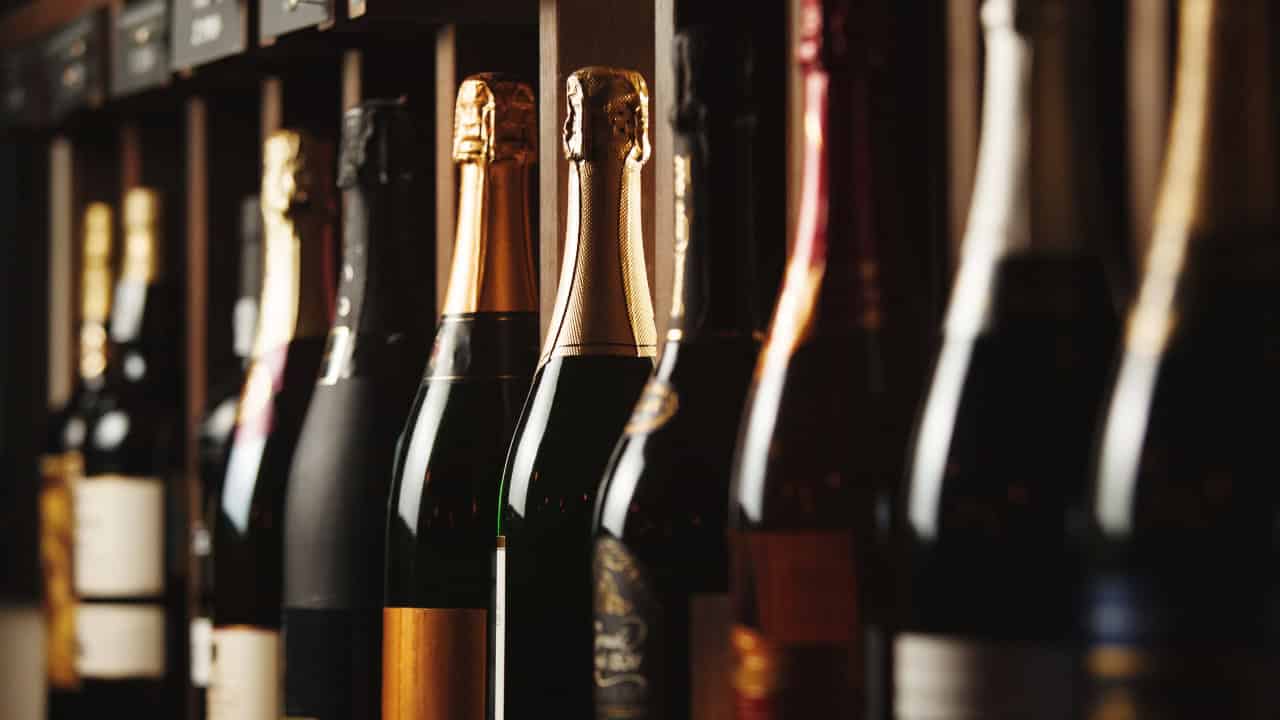
Storing wine in a kitchen cabinet might seem like a practical idea. However, the temperature fluctuations in the kitchen can affect the quality of the wine.
Instead, store your wine in a dedicated wine rack or wine fridge. These options will help keep your wine at the ideal temperature and maintain its quality.
12. Open Cans
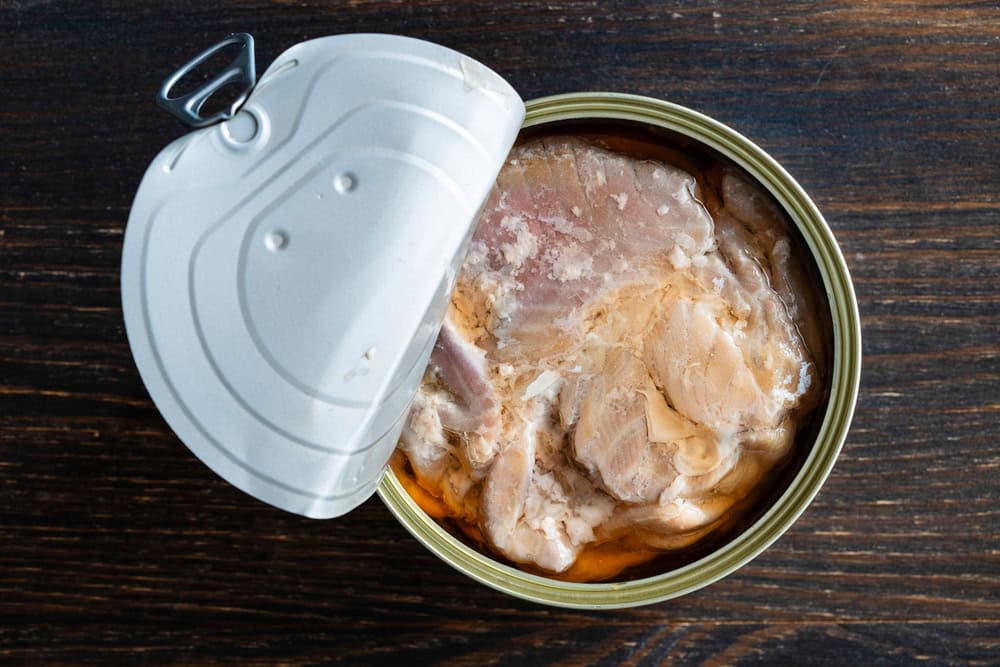
Open cans should never be stored in kitchen cabinets. The food in the can can easily spoil and cause a bad smell in your kitchen.
Instead, transfer the contents of open cans to airtight containers before storing them in the fridge. This will help keep the food fresh and avoid any unpleasant smells.
13. Plastic Shopping Bags
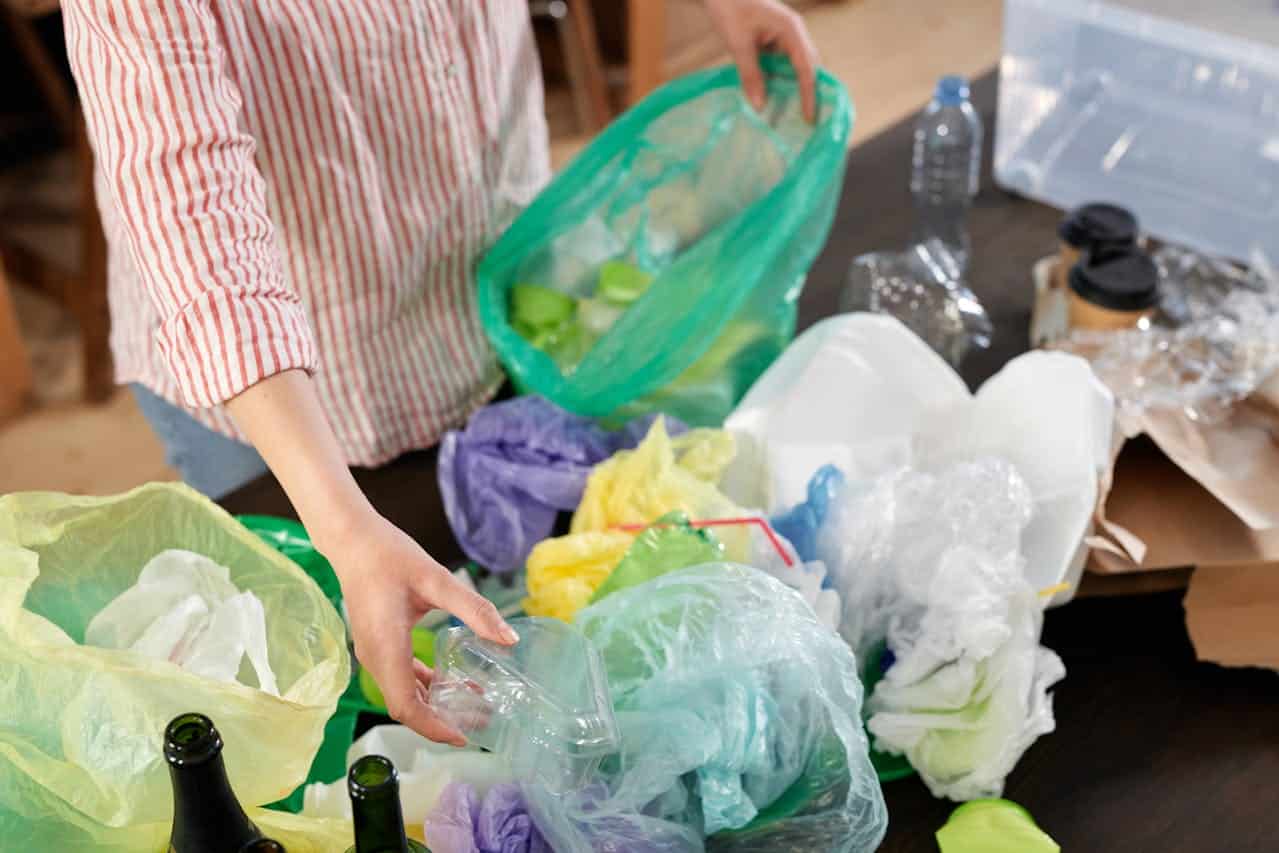
While it’s always good to have some plastic shopping bags on hand for emergencies or small tasks, storing them in kitchen cabinets can take up valuable space and become disorganized.
Instead, consider storing your plastic bags in a dedicated bag dispenser. You can also consider recycling them or switching to reusable shopping bags to reduce waste.