We often turn to our freezers as a solution for food storage and preservation. However, not everything handles the cold quite as well as we might think. Some foods turn downright inedible when frozen and others just lose their appeal. There are also items that can cause damage to your freezer or create a potential for danger. To avoid food waste, a freezer mishap or even an accident, here are 13 things I never store in my freezer.
1. Coffee
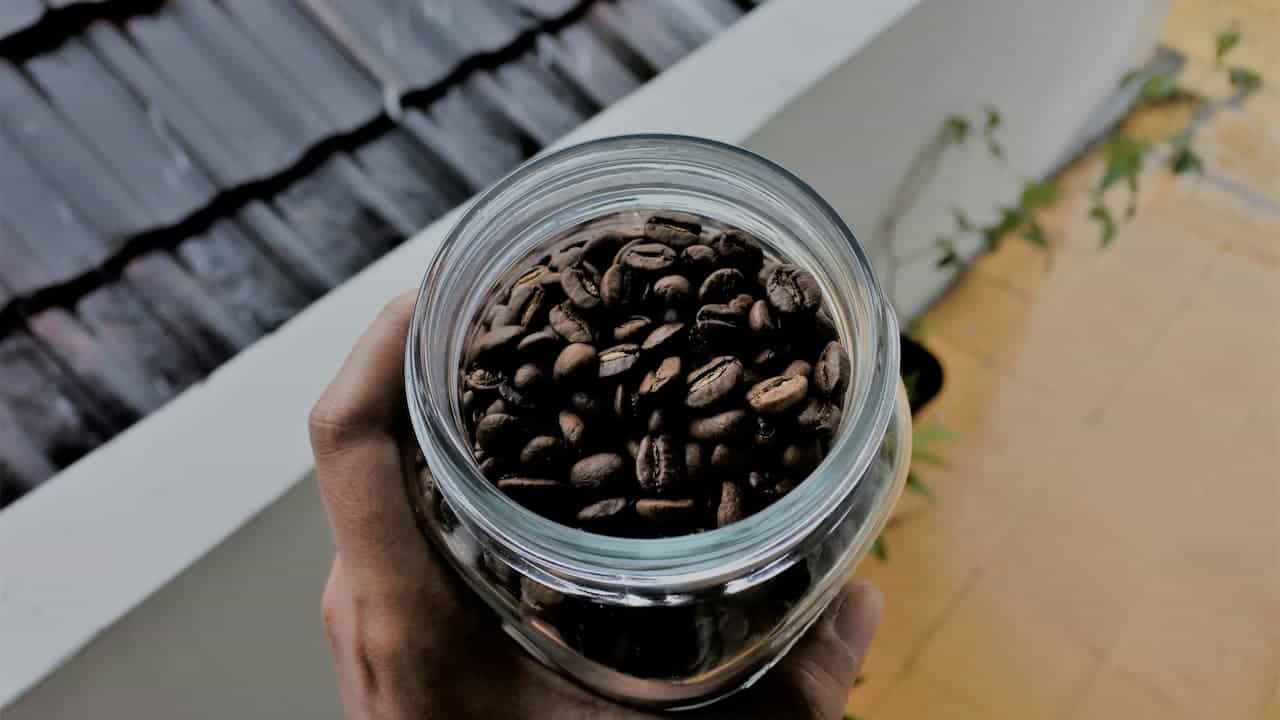
Coffee is best stored in a cool, dark place but the freezer isn’t it. Freezing coffee can lead to moisture contamination which can affect the taste. Each time you open the bag or container, condensation forms, which can make your coffee watery and bland.
Advertisement
Besides, coffee beans and grounds are porous. They can absorb the flavors and odors of other foods in your freezer. So unless you want your morning cup to taste like frozen fish or last week’s spaghetti sauce, it’s best to keep your coffee out of the freezer.
2. Milk
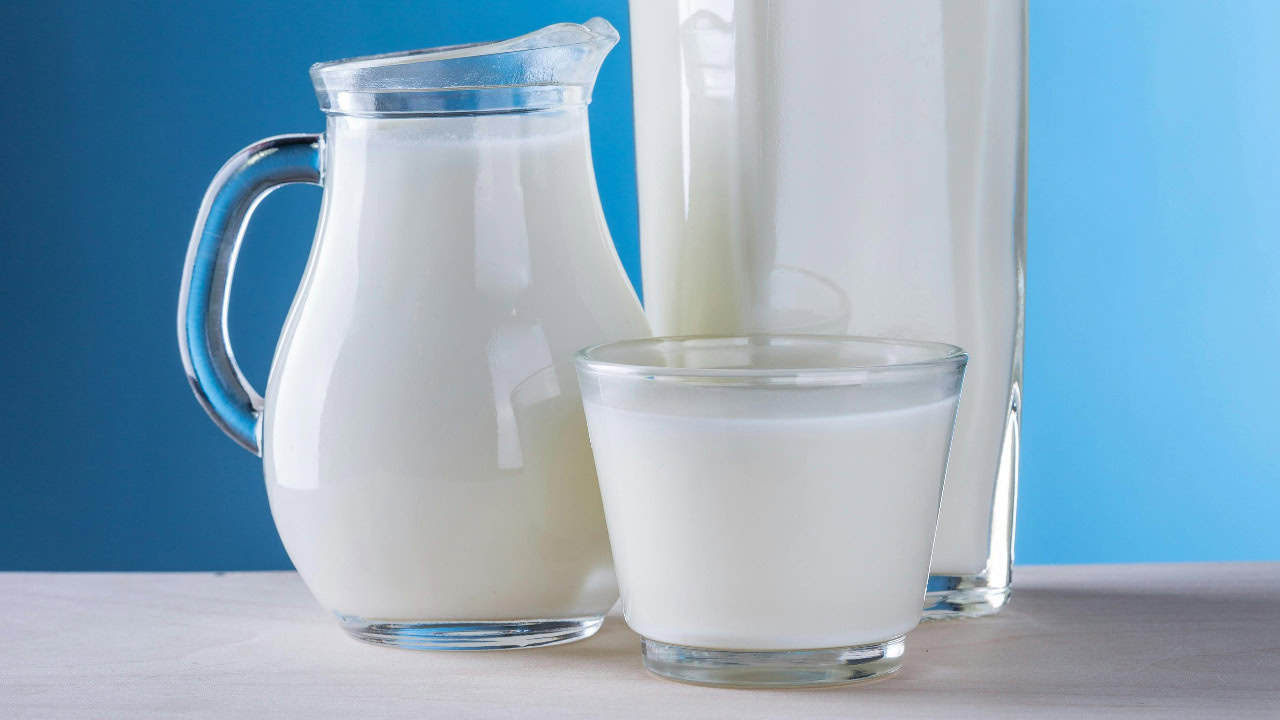
Freezing milk can cause it to become grainy and lose its smooth consistency. This is due to the separation of fat and water content in the milk. When it thaws, the texture is never quite the same, which can be off-putting in your coffee, tea or cereal.
Moreover, the expanding liquids might cause the milk container to burst open, creating a mess in your freezer. If you must freeze milk, be sure to pour out a little first to allow room for expansion.
3. Raw Potatoes

Raw potatoes don’t freeze well. The water content causes them to become mushy when thawed. This can ruin recipes that require the firmness and structure of fresh potatoes.
Not to mention, freezing can lead to discoloration, causing your potatoes to turn a grayish-brown color. If you need to preserve potatoes, it’s best to cook them first before freezing.
4. Raw Eggs in Shell
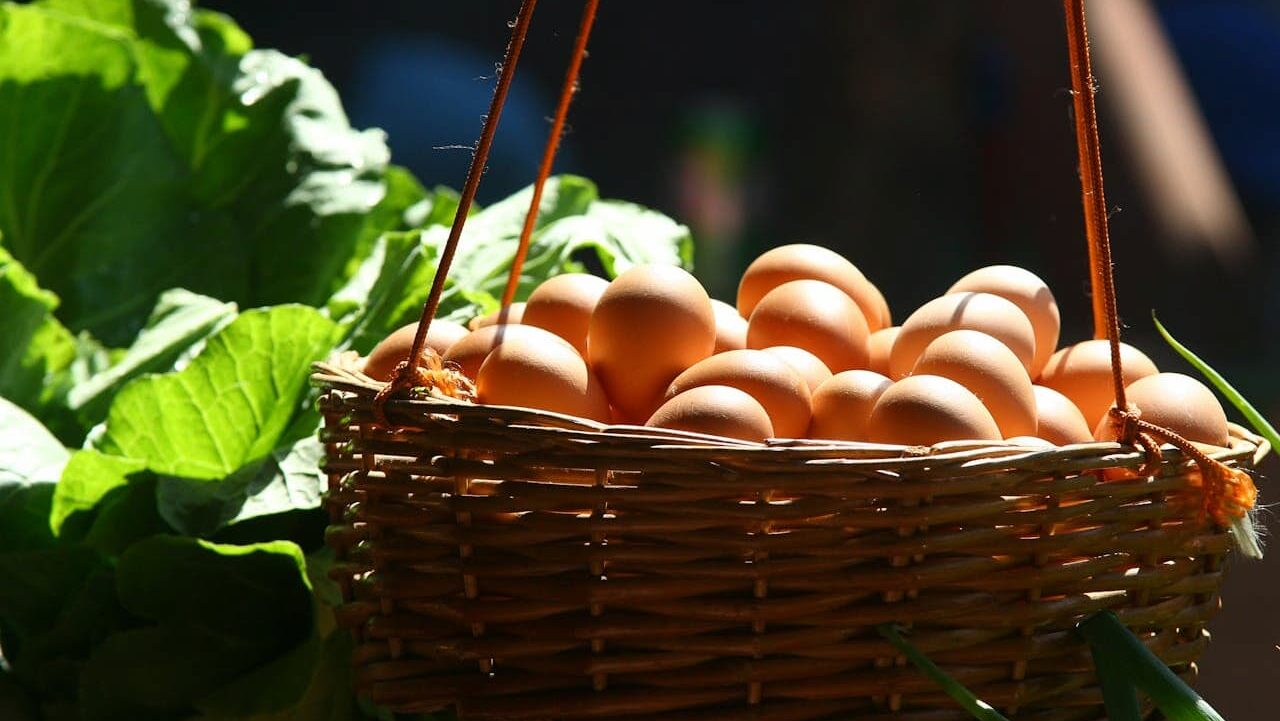
Freezing raw eggs in their shell is a no-go. As the egg freezes, it expands, which can cause the shell to crack, leading to potential bacterial contamination.
Even if the shell doesn’t crack, frozen raw eggs don’t cook up the same way as fresh eggs. The yolk can become thick and syrupy, which is definitely not appetizing. To freeze eggs safely, crack them open, beat until just blended, and store in a freezer-safe container.
5. Canned Food
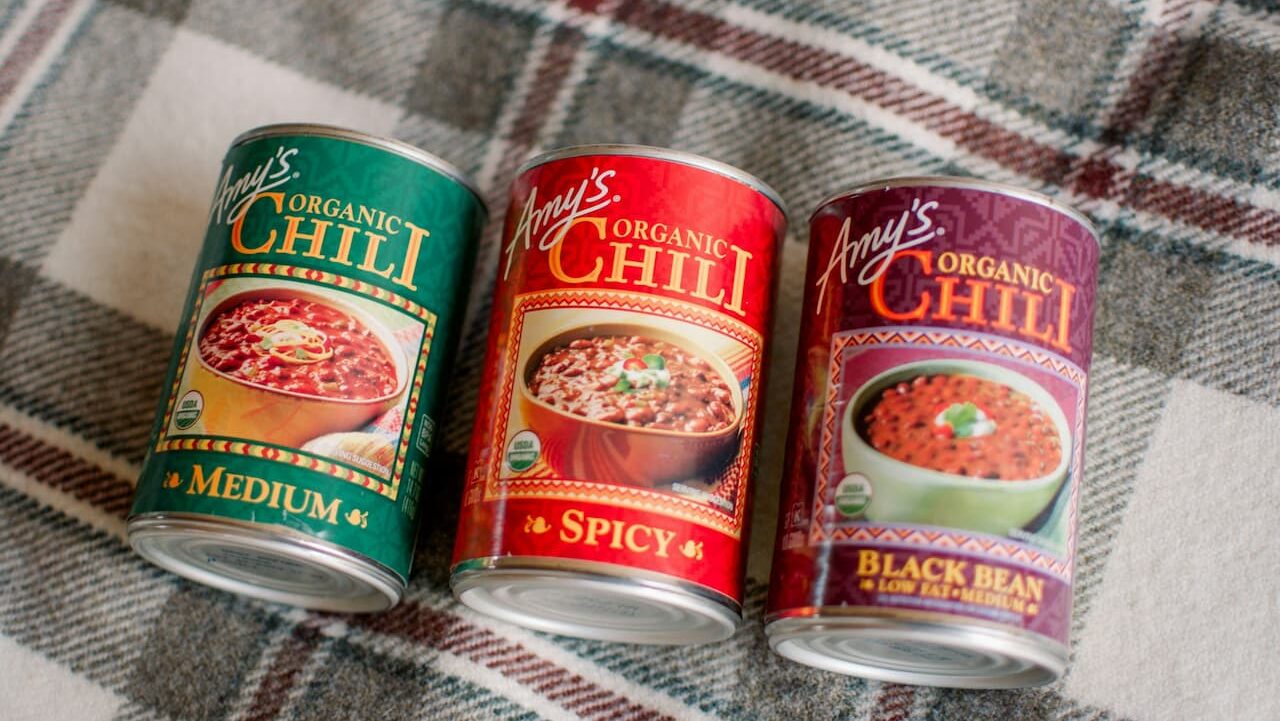
Never put canned food in the freezer. As the food freezes, it expands, which can cause the can to bulge or even burst. This can create a big mess in your freezer.
Moreover, the freezing and thawing process can affect the texture and taste of the food. It can turn mushy and lose its original flavor. If you have leftover canned food, it’s better to remove it from the can and store in a freezer-safe container.
6. Fresh Herbs
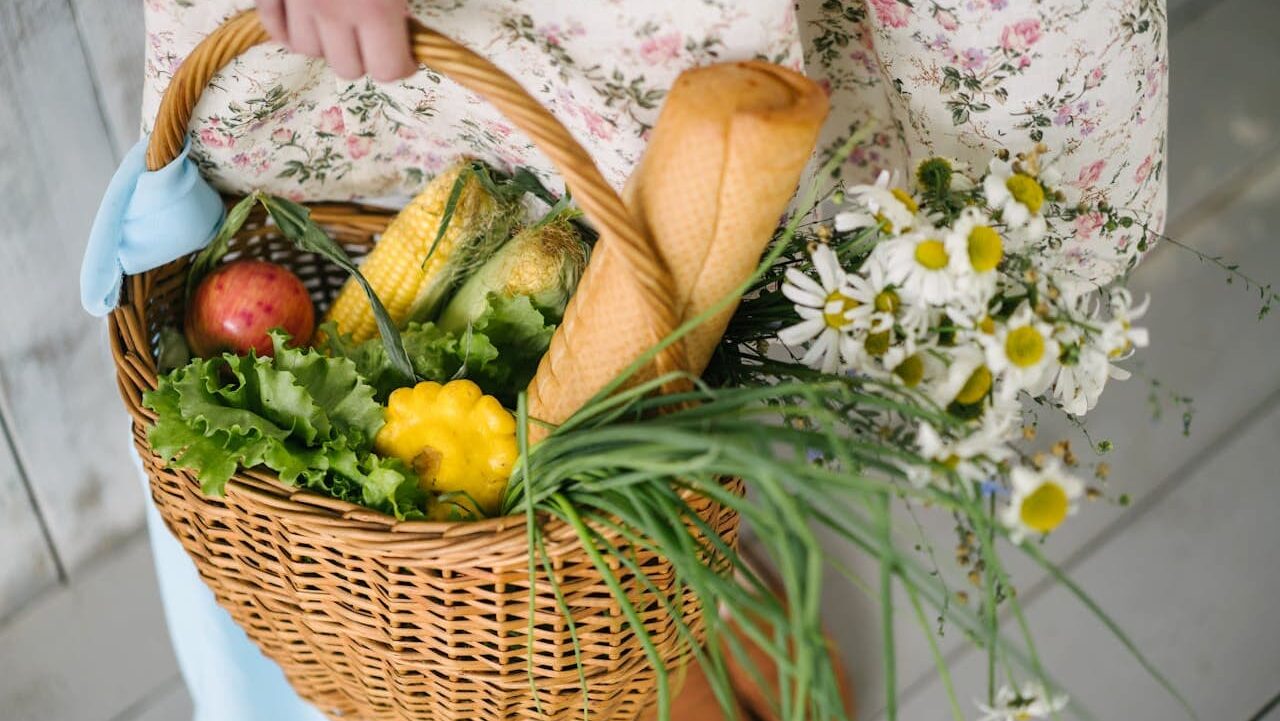
Freezing fresh herbs can result in a loss of flavor and a mushy texture. When frozen, the water in the herbs expands, breaking down the cell structure and leading to limp, soggy herbs when defrosted.
Although some herbs like rosemary and thyme might survive the freezing process, most herbs are better off stored fresh. If you need to preserve them, consider drying them or making a herb-infused oil or butter.
7. Fried Foods

The appeal of fried foods lies in their crispy texture, and freezing them is a sure way to lose that. When you freeze fried foods, the moisture content turns to ice, and upon reheating, the ice melts, making the food soggy.
Moreover, fried foods can turn rancid quickly in the freezer due to their high fat content. It’s best to enjoy fried foods fresh, or if you must store them, use the refrigerator and consume within a couple of days.
8. Soft Cheeses
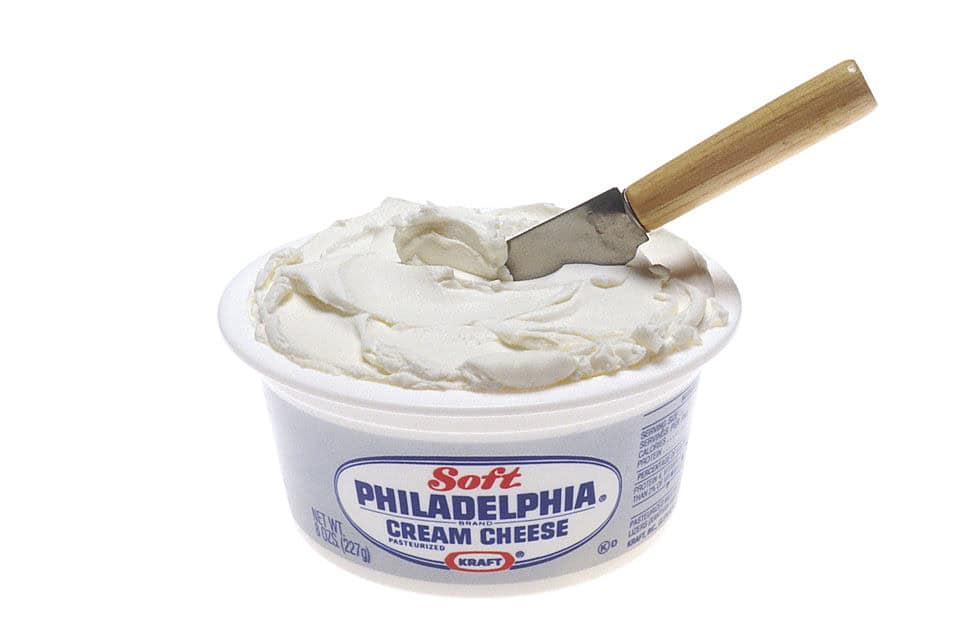
Soft cheeses like ricotta, cream cheese, and goat cheese don’t freeze well. The high water content in these cheeses leads to a grainy texture and separation of fat when thawed.
While the flavor might not change significantly, the change in texture can be off-putting. If you need to store these cheeses for an extended period, consider buying them in smaller quantities and storing in the refrigerator.
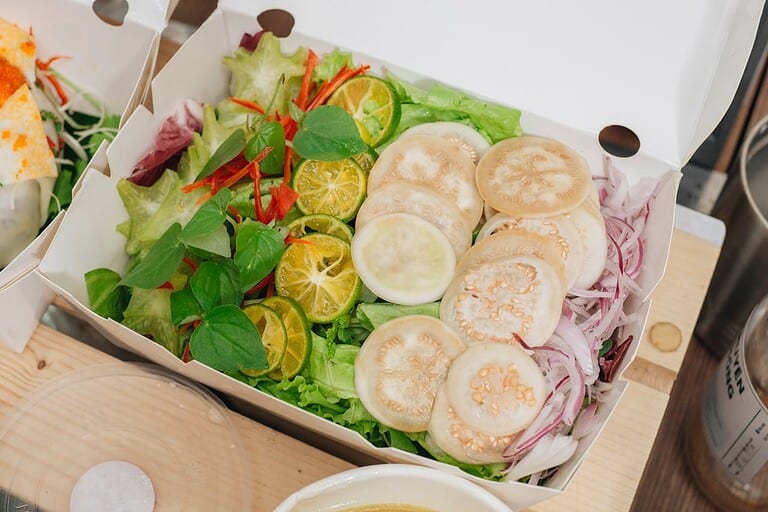
9. Lettuce and Other Leafy Greens
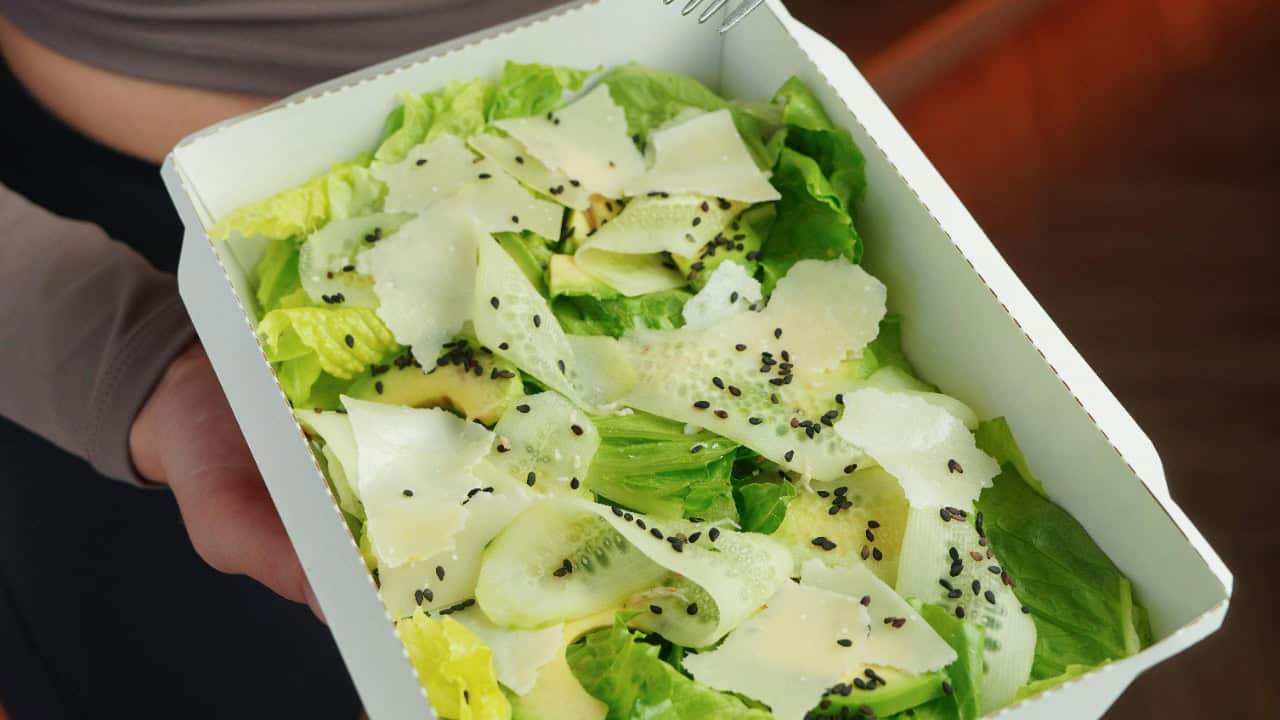
Freezing lettuce or other leafy greens like spinach or kale results in a wilted, mushy mess. This is due to the high water content in these vegetables.
While some leafy greens can be frozen for use in cooked dishes, salad greens like lettuce do not fare well. The texture change makes them unappetizing in salads or sandwiches. If you have excess greens, consider making a pesto or green smoothie instead.
10. Yogurt
Freezing yogurt can lead to a grainy texture due to the separation of whey when thawed. The creamy consistency of fresh yogurt is lost, and you’re left with a less appealing product.
While frozen yogurt can be eaten as a frozen treat, when it thaws, it never regains its original consistency. If you have leftover yogurt, consider using it in smoothies, sauces, or baking.
11. Gravy and Sauces
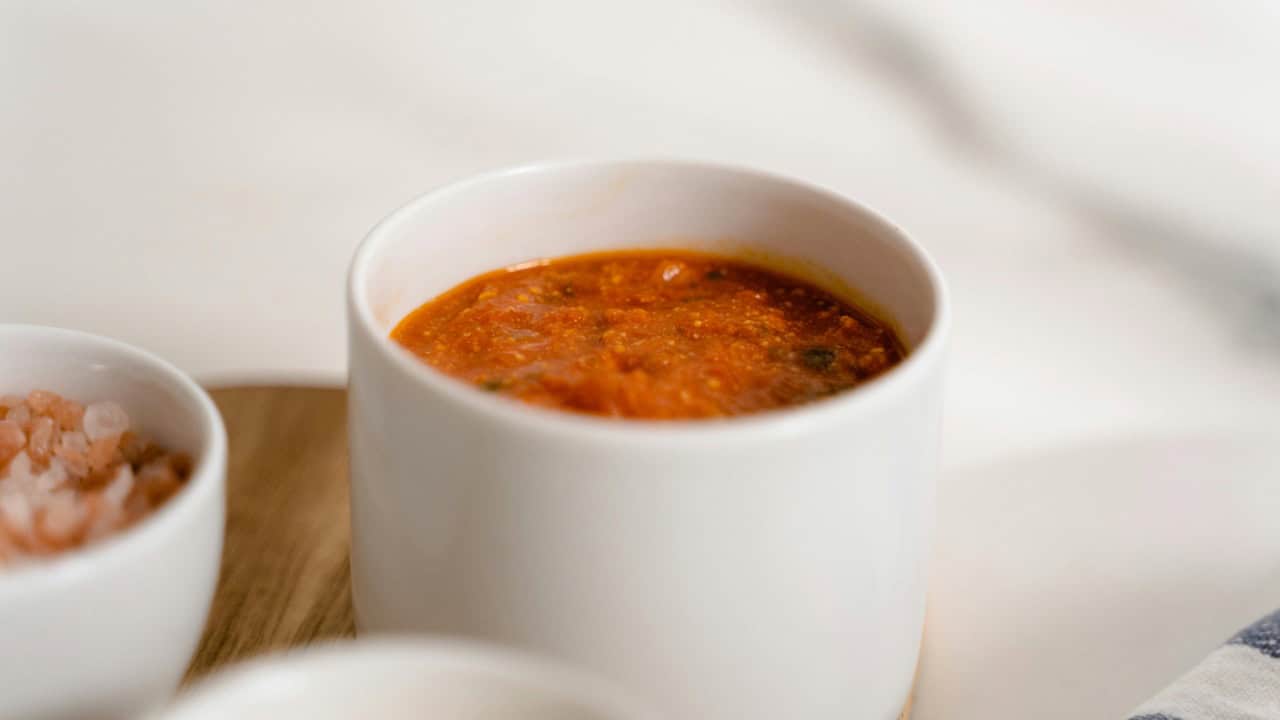
Freezing gravies and sauces, particularly those thickened with flour or cornstarch, can lead to separation and a lumpy texture upon thawing. The freezing process breaks down the bonds between the liquid and the thickening agent, causing an unappetizing result.
If you have leftover gravy or sauce, it’s better to store it in the refrigerator and consume within a few days. If you need to freeze it, consider making a roux-based gravy or sauce, which tends to hold up better in the freezer.
12. Carbonated Drinks
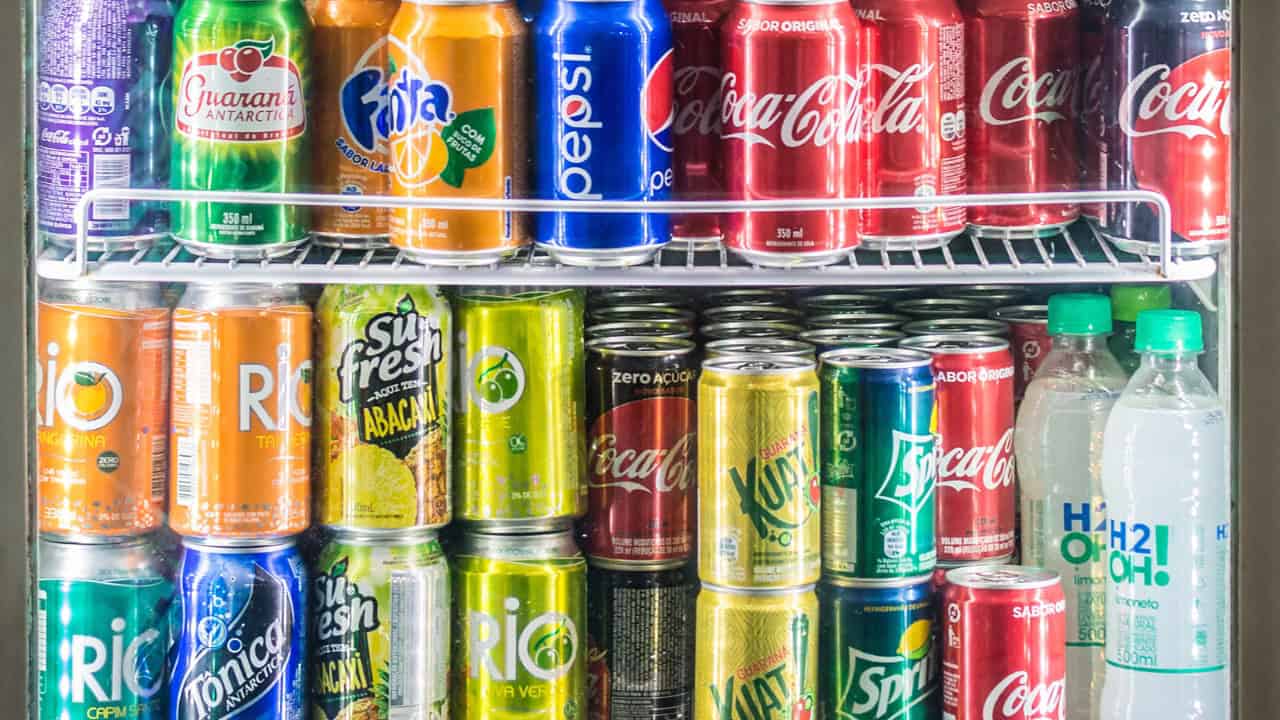
Never put carbonated drinks in the freezer. The freezing process can cause the carbonation to be lost, resulting in a flat drink.
Even worse, as the liquid freezes and expands, it can cause the can or bottle to explode, creating a sticky mess in your freezer. If you need to chill a carbonated drink quickly, a bucket of ice and water is a safer and quicker method.
13. Gelatin
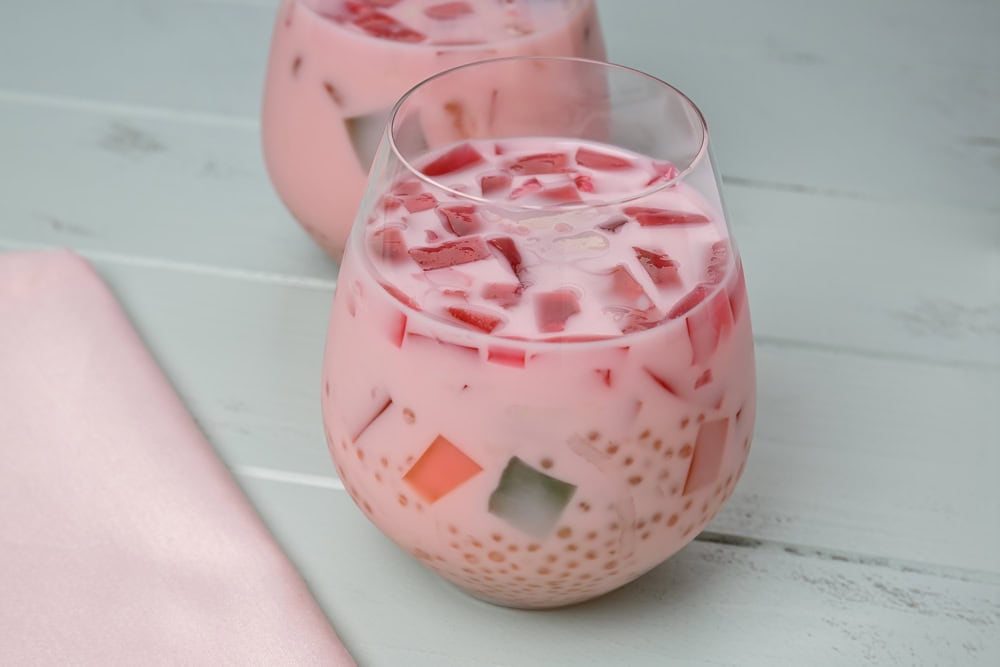
Freezing gelatin-based products like Jell-O or certain types of jelly can result in a weepy, watery mess. The freezing process disrupts the structure of the gelatin, causing it to separate and lose its firm texture.
Moreover, gelatin-based desserts might not set properly after being frozen. If you have leftover Jell-O or a gelatin dessert, it’s best to store it in the refrigerator and consume within a few days.