Ah, the garden shed. The unsung hero of the backyard. That little wooden structure that houses all our gardening needs and sometimes, our secrets. Having a well-stocked and organized garden shed can be a game-changer for any gardening enthusiast.
From the tools that make gardening a breeze, to the supplies that keep our plants thriving, a garden shed is an integral part of a well-maintained garden. But what exactly should you keep in there? Here are the 13 things I always keep in my garden shed.
Advertisement
1. Gardening Gloves
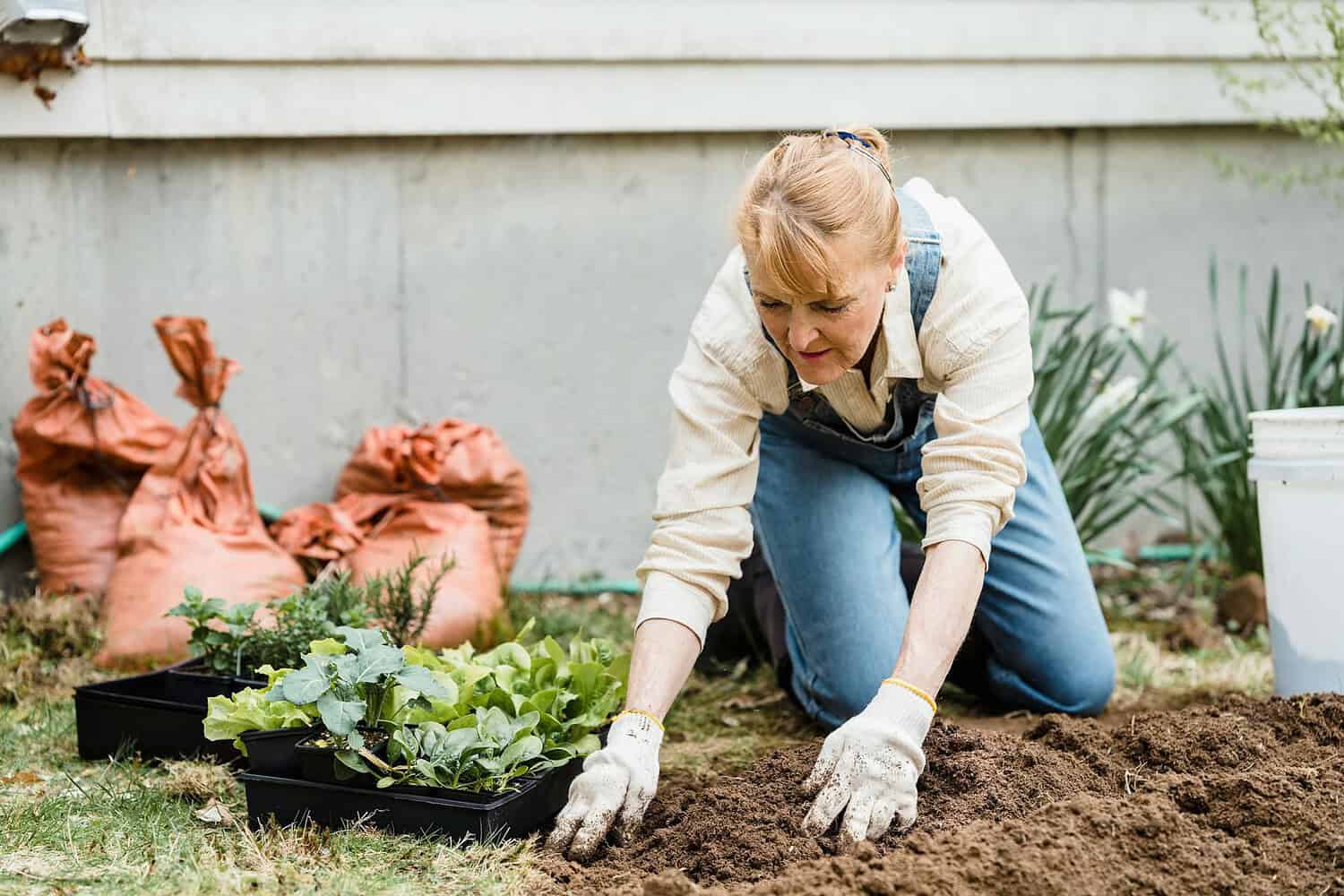
Gardening gloves are a must-have for any gardener. They protect your hands from thorns, sharp tools, and even the dirt that can dry out and damage your skin. I always keep a few pairs in my shed, so I have a backup when one gets dirty or worn out.
Not all gloves are created equal, though. Pick gloves that are durable and water-resistant. Fit is also very important. Gloves that are too big can make it hard to handle tools, while too small gloves can cause blisters. A good pair of gloves is a worthwhile investment for any gardener.
2. Pruning Shears
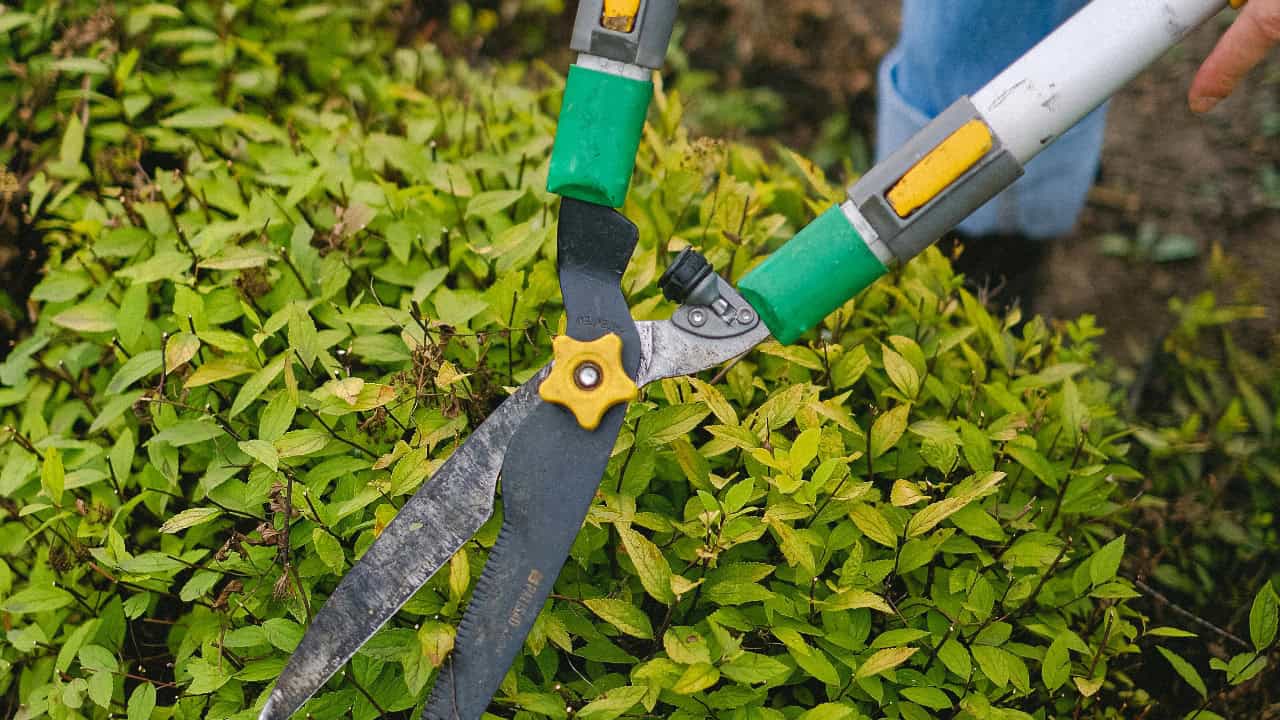
Pruning shears are probably the most used tool in any gardener’s shed. They’re perfect for trimming plants, cutting back overgrown branches, and even harvesting fruits and vegetables.
When buying pruning shears, look for a pair that fits comfortably in your hand. You’ll be using them a lot, so comfort is key. Also, make sure they’re made from high-quality materials. Cheap shears can dull quickly, making your gardening tasks harder.
3. Garden Trowel
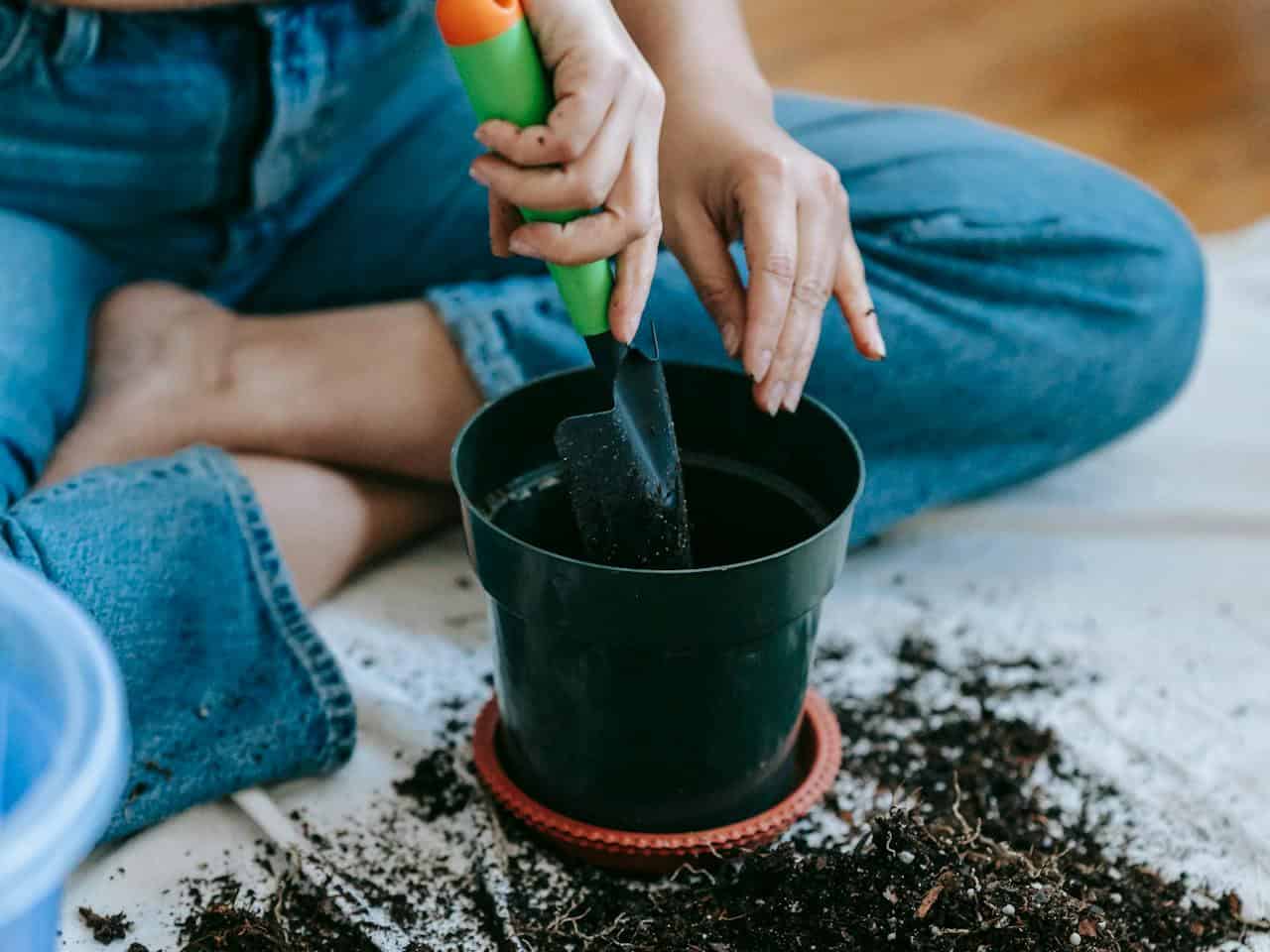
A garden trowel is another essential tool for any gardener. It’s perfect for digging small holes, planting bulbs, and weeding.
When picking a trowel, look for one with a comfortable handle and a sturdy blade. A trowel with a sharp point can make digging easier, especially in hard soil. Also, try to find one made of rust-resistant material, so it lasts longer.
4. Watering Can
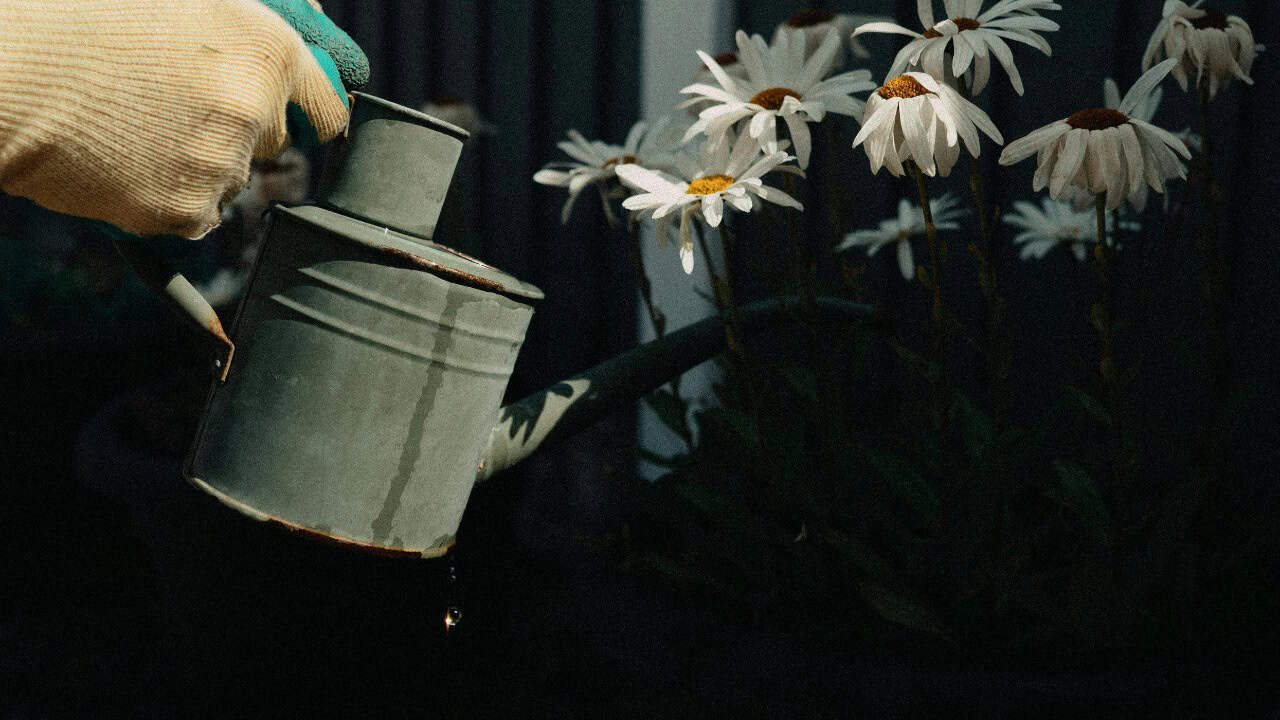
A watering can is essential for keeping your plants hydrated. While a garden hose is great for watering large areas, a watering can gives you more control over the amount of water your plants receive.
When choosing a watering can, consider its size and material. A larger can may hold more water, but it can be heavy to carry. Metal cans are durable, but they can rust over time. Plastic cans are lightweight and inexpensive, but they may not last as long.
5. Compost Bin
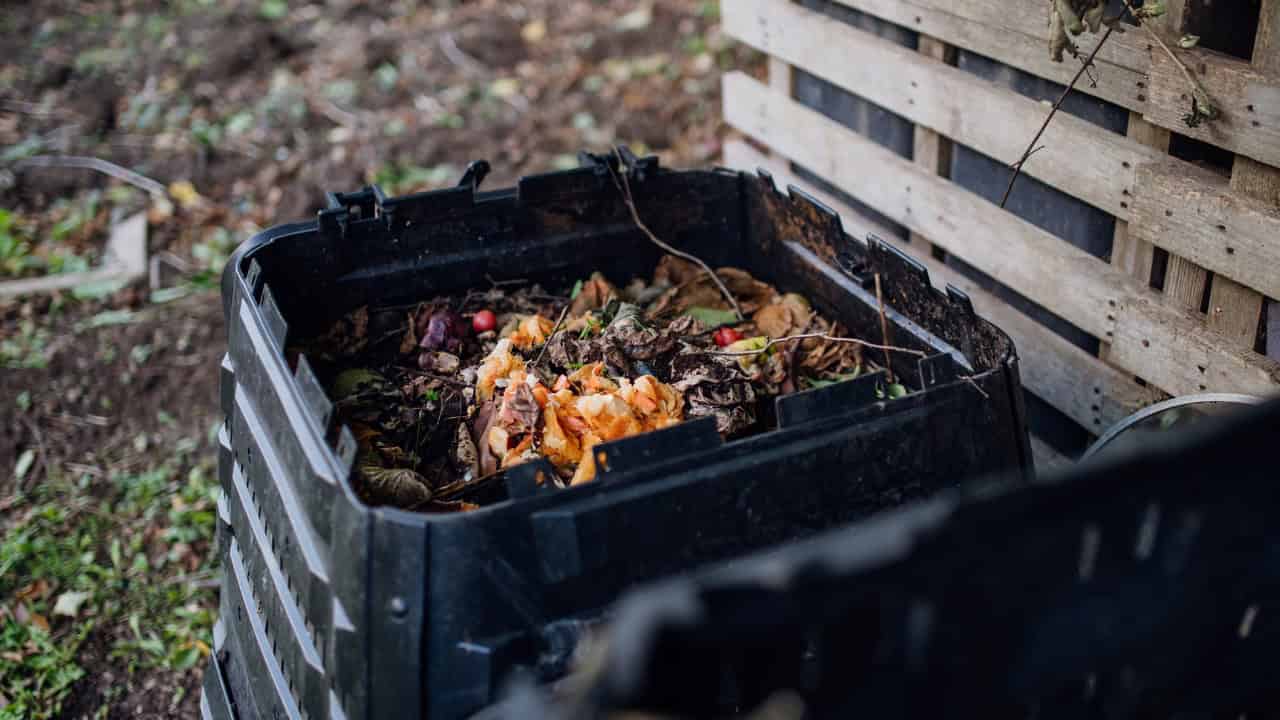
A compost bin in your garden shed is a great way to recycle kitchen scraps and garden waste into nutrient-rich compost for your plants. It’s also a great way to reduce the amount of waste you send to the landfill.
Composting is not as complicated as it might seem. All you need is a bin (you can buy one or make your own) and a mix of “green” materials (like vegetable peels and grass clippings) and “brown” materials (like leaves and newspaper).
6. Garden Fork

A garden fork is an incredibly versatile tool. It’s perfect for turning soil, breaking up clumps, and mixing in compost or other soil amendments.
When choosing a garden fork, look for one that’s sturdy and comfortable to use. The tines should be sharp and strong enough to penetrate the soil, and the handle should be long enough for you to use without bending over too much.
7. Seed Packets

Seed packets are small, but they’re full of potential. With them, you can grow anything from beautiful flowers to delicious vegetables. I always have a variety of seeds in my shed, so I’m ready to plant whenever the mood strikes.
When buying seeds, look for ones that are suitable for your climate and soil type. And remember, seeds don’t last forever. Check the expiration date before you buy, and use them within a year or two.
8. Plant Pots

Plant pots are essential for anyone who loves to grow plants from seeds or cuttings. They’re also great for container gardening, where you grow plants in pots instead of in the ground.
There are many different types of pots to choose from, including plastic, ceramic, and terracotta. Each has its pros and cons, so choose the one that suits your needs best.
9. Fertilizer
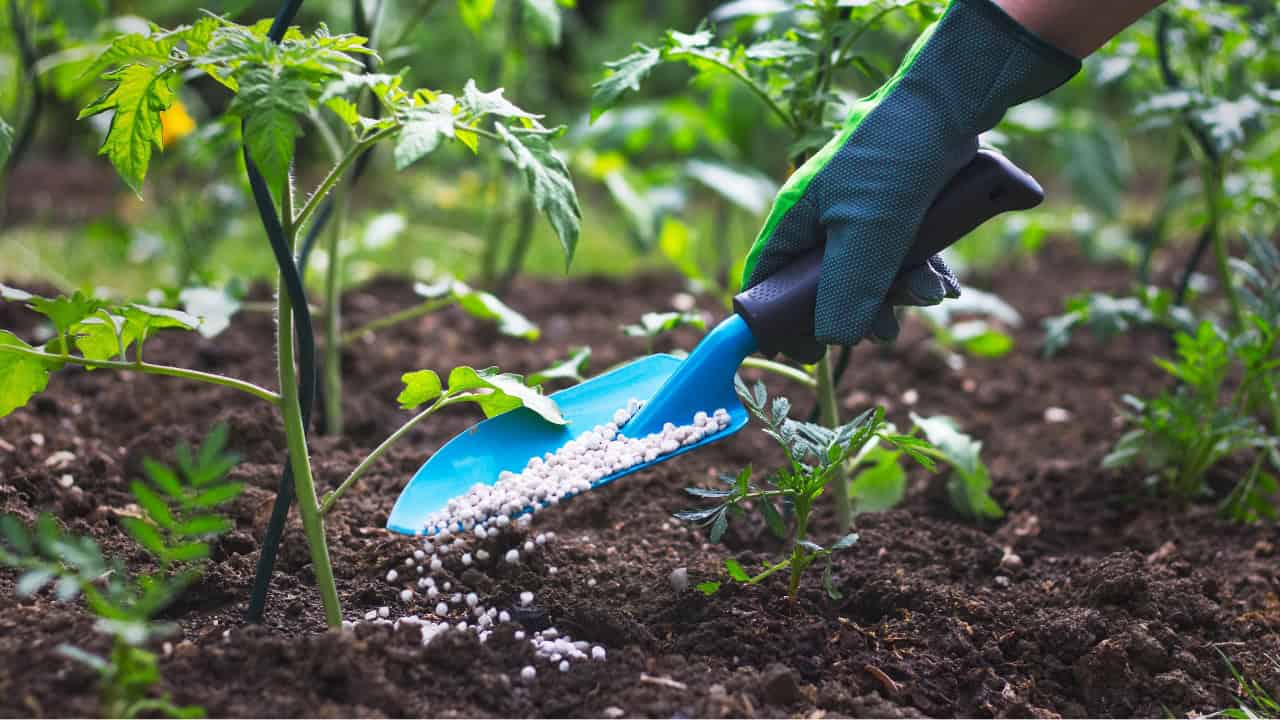
Fertilizer is essential for keeping your plants healthy and productive. It provides the nutrients your plants need to grow and thrive.
There are many different types of fertilizer to choose from, including organic and synthetic varieties. Each has its pros and cons, so choose the one that suits your needs best.
10. Garden Hose

A garden hose is a must for any gardener. It’s essential for watering your plants, cleaning your tools, and even washing your hands after a long day in the garden.
When choosing a hose, consider its length and material. A longer hose can reach further, but it can be heavy and difficult to manage. Rubber hoses are durable, but they can be expensive. Vinyl hoses are lightweight and inexpensive, but they may not last as long.
11. Garden Rake
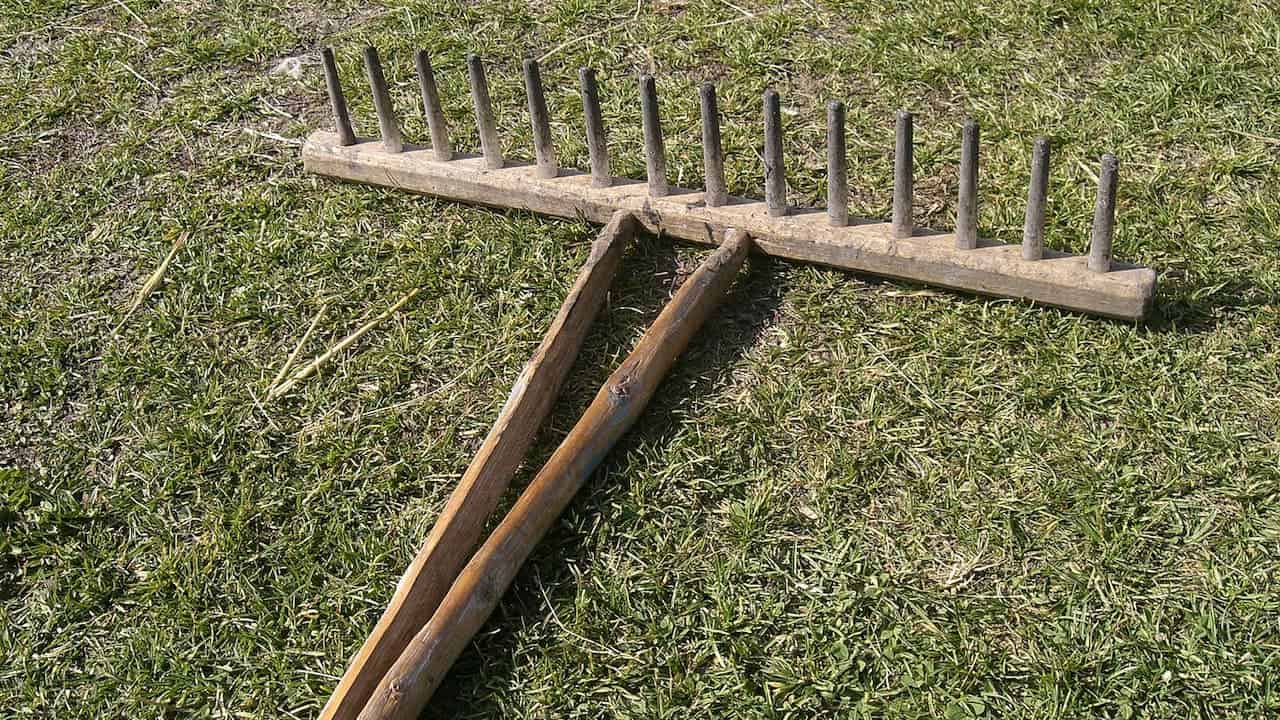
A garden rake is an essential tool for any gardener. It’s perfect for removing leaves and other debris from your garden, and for smoothing and leveling soil.
When choosing a rake, consider its size and material. A larger rake can cover more ground, but it can be heavy and difficult to manage. Metal rakes are durable, but they can rust over time. Plastic rakes are lightweight and inexpensive, but they may not last as long.
12. Wheelbarrow

A wheelbarrow is a great tool for transporting heavy loads around your garden. Whether you’re moving soil, compost, or plants, a wheelbarrow can save you a lot of time and effort.
When choosing a wheelbarrow, consider its size, material, and wheel type. Larger wheelbarrows can carry more, but they can be heavy and difficult to manage. Metal wheelbarrows are durable, but they can rust over time. Plastic wheelbarrows are lightweight and inexpensive, but they may not last as long.
13. First Aid Kit
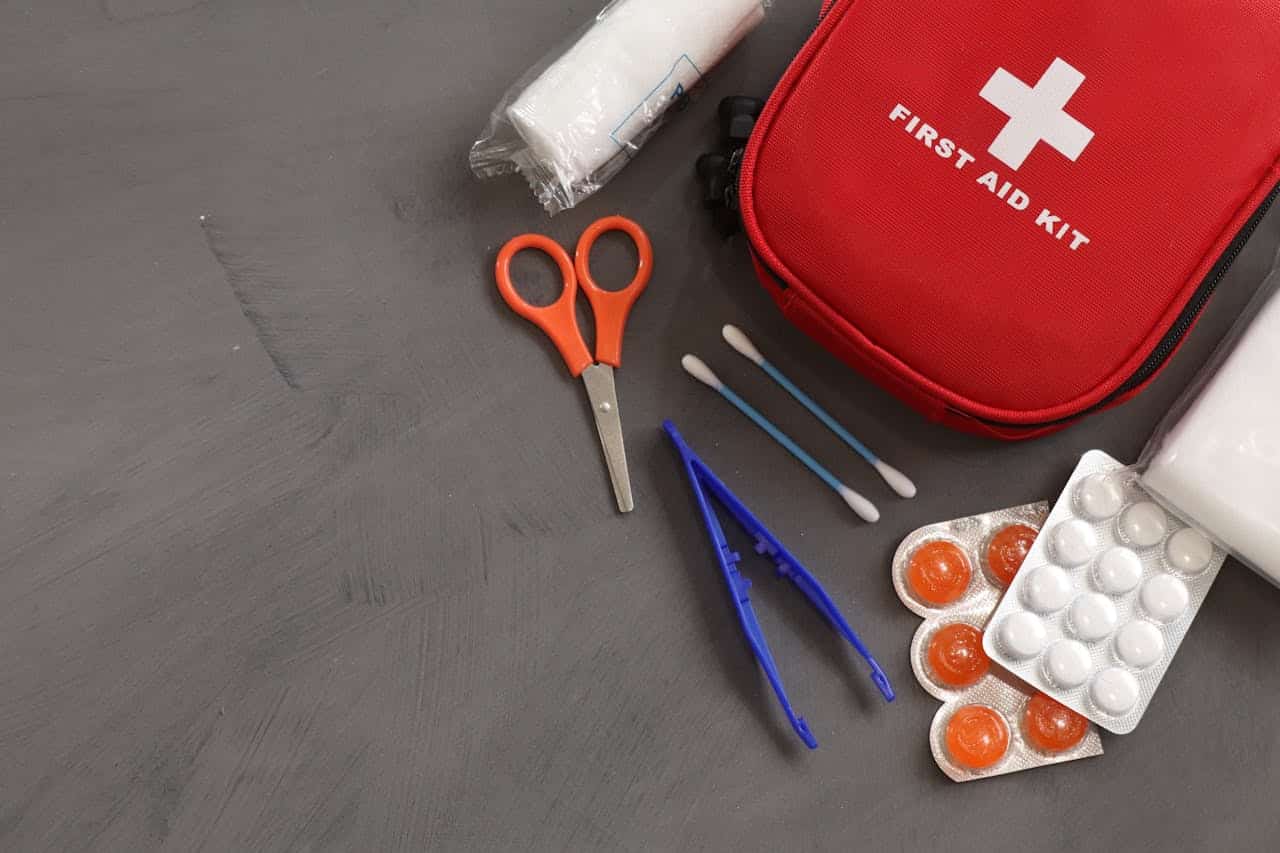
Last but not least, I always keep a first aid kit in my garden shed. Gardening can be a dangerous hobby. From cuts and scrapes to bee stings and sunburn, it’s always a good idea to have a first aid kit on hand.
Your first aid kit should include bandages, antiseptic wipes, tweezers, and a cold pack. It’s also a good idea to have a bottle of water and some snacks in case you need a quick energy boost.