Living in an area prone to storms means you need to be prepared at all times. It’s not just about battening down the hatches and hoping for the best; there are lots of little things you can do to make sure you and your home are safe and secure. I’ve weathered more than my fair share of storms, and over the years, I’ve compiled my own checklist of tasks to tackle before the storm hits. Here are my top 13 tips to help you weather any storm with confidence.
1. Check the Weather Forecast

One of the biggest ways to stay ahead of the storm is to keep an eye on the weather forecast. This will give you an idea of what to expect and can help you plan accordingly. Don’t just rely on your weather app; also tune in to your local news station for updates.
Advertisement
For instance, if heavy rain is predicted, you might want to move your outdoor furniture inside. Or, if high winds are expected, it could be a good idea to secure any loose items around your yard. The more information you have, the better prepared you can be.
2. Stock Up on Essentials

Before a storm hits, one of the first things I do is make sure I have enough food, water, and other essentials to last for at least a week. Power outages are common during storms, and you don’t want to be stuck without the basics.
When stocking up, consider non-perishable foods that don’t need refrigeration. Canned goods, dried fruits, and nuts are all good options. Also, don’t forget about any pet supplies you might need. It’s also a good idea to have a manual can opener on hand, in case you lose power.
3. Fill Up Your Gas Tank
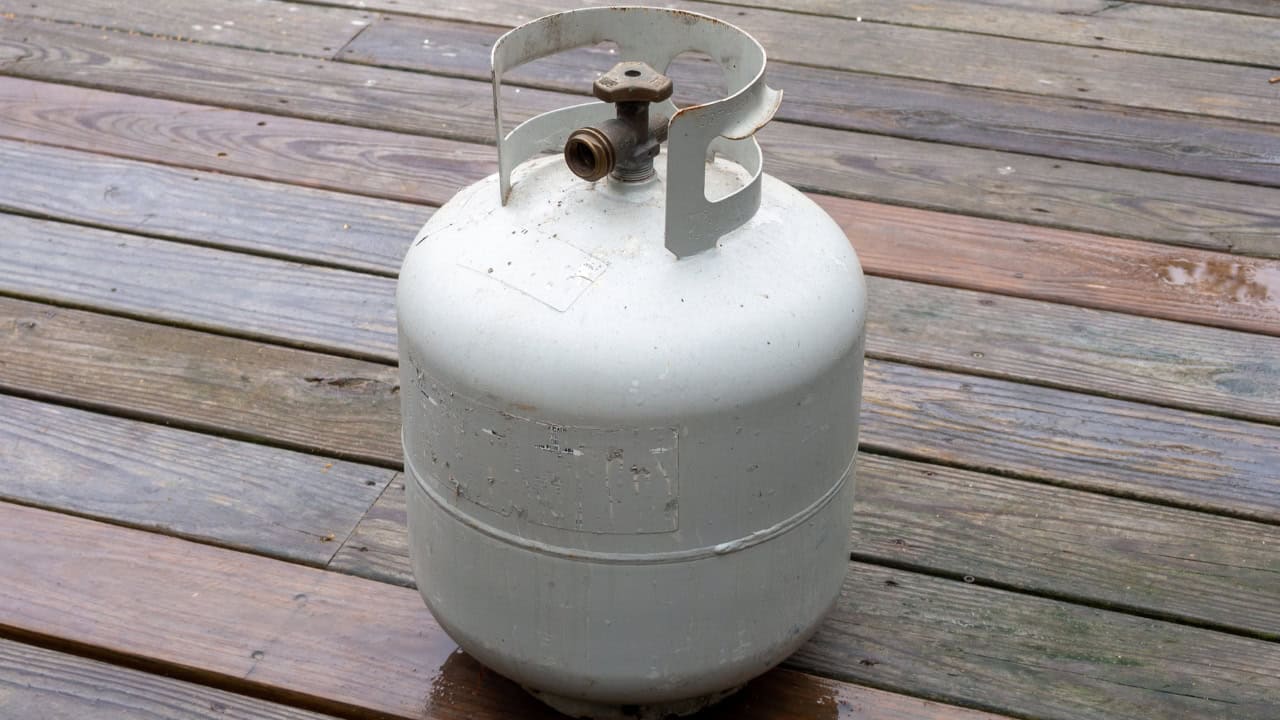
Before a storm hits, I always make sure to fill up my car’s gas tank. If the power goes out, gas stations may not be able to pump gas. Having a full tank can give you peace of mind and also provide a means of escape if conditions become too dangerous.
Moreover, if you have a generator, you’ll want to ensure you have enough fuel to keep it running. A generator can be a lifesaver during a power outage, providing power for essential appliances and charging devices.
4. Secure Your Home
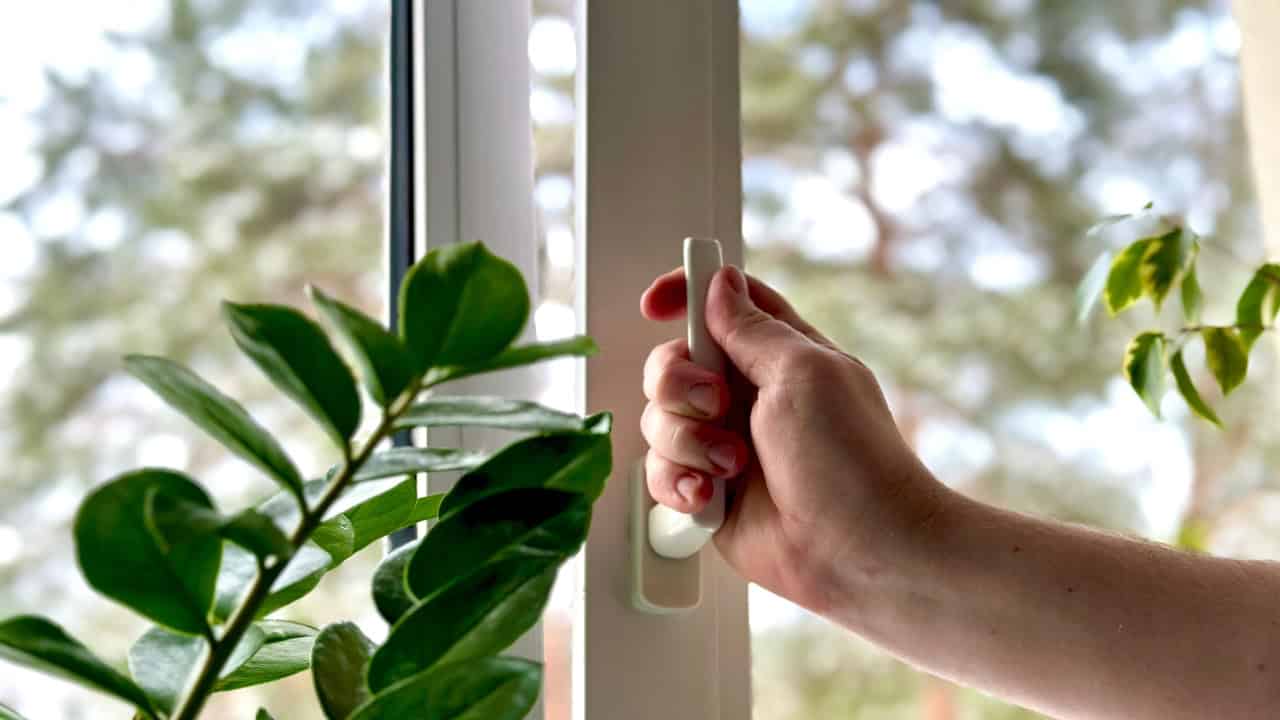
Securing your home is a crucial step in preparing for a storm. This means checking your property for any potential hazards and taking steps to mitigate them. For example, trim any overhanging tree branches that could potentially fall and damage your home.
Also, make sure your windows and doors are secure. If you live in an area prone to hurricanes, consider investing in hurricane shutters or impact-resistant windows. These can provide an additional layer of protection for your home.
5. Prepare a Storm Kit
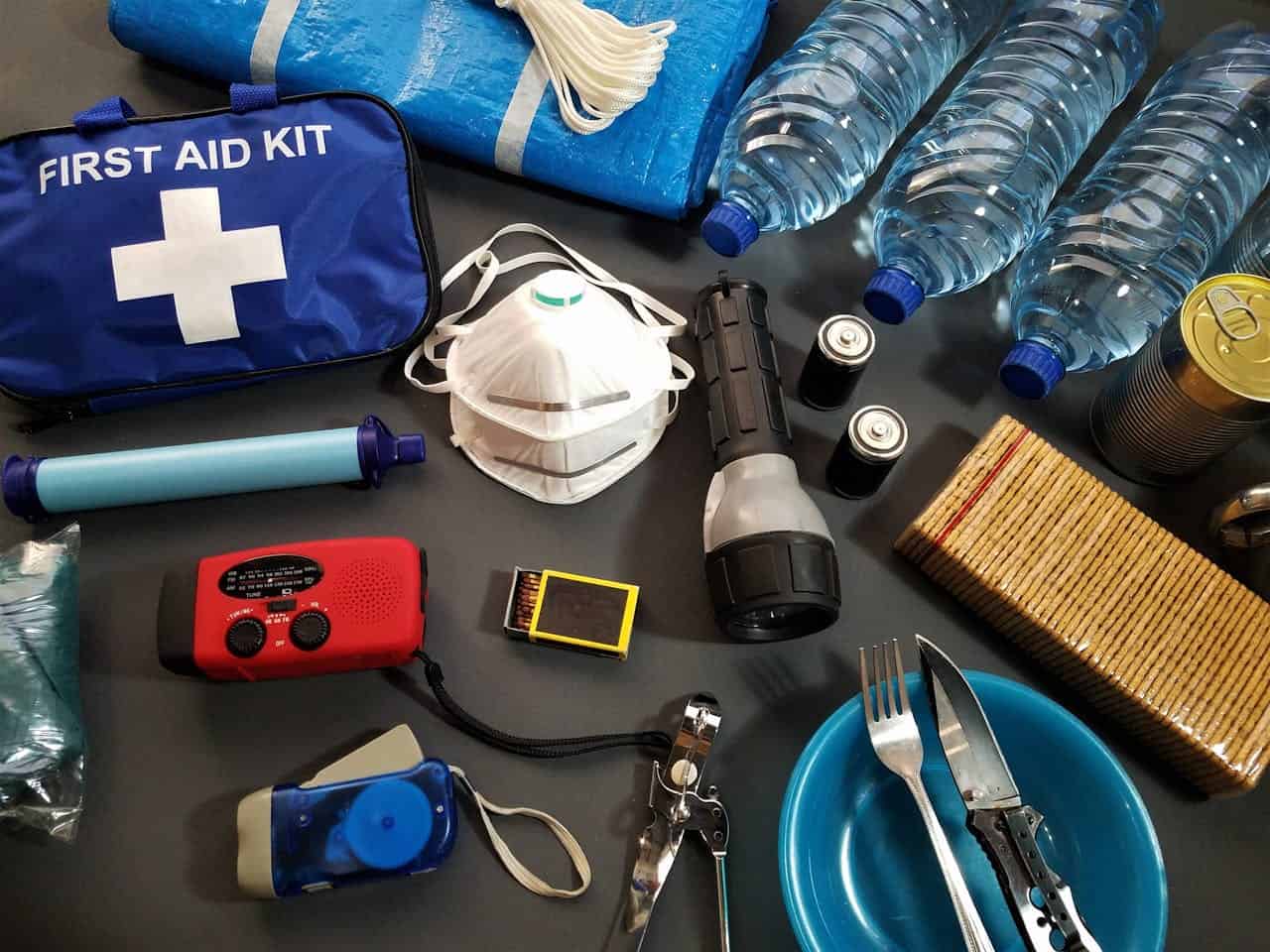
A storm kit is an essential part of any storm preparation plan. This should include items such as flashlights, batteries, a first-aid kit, a battery-powered or hand-crank radio, and a whistle to signal for help.
In addition, your kit should include personal hygiene items, prescription medications, and copies of important documents. It’s also a good idea to include some cash, in case ATMs and credit card machines are not working.
6. Charge Your Devices
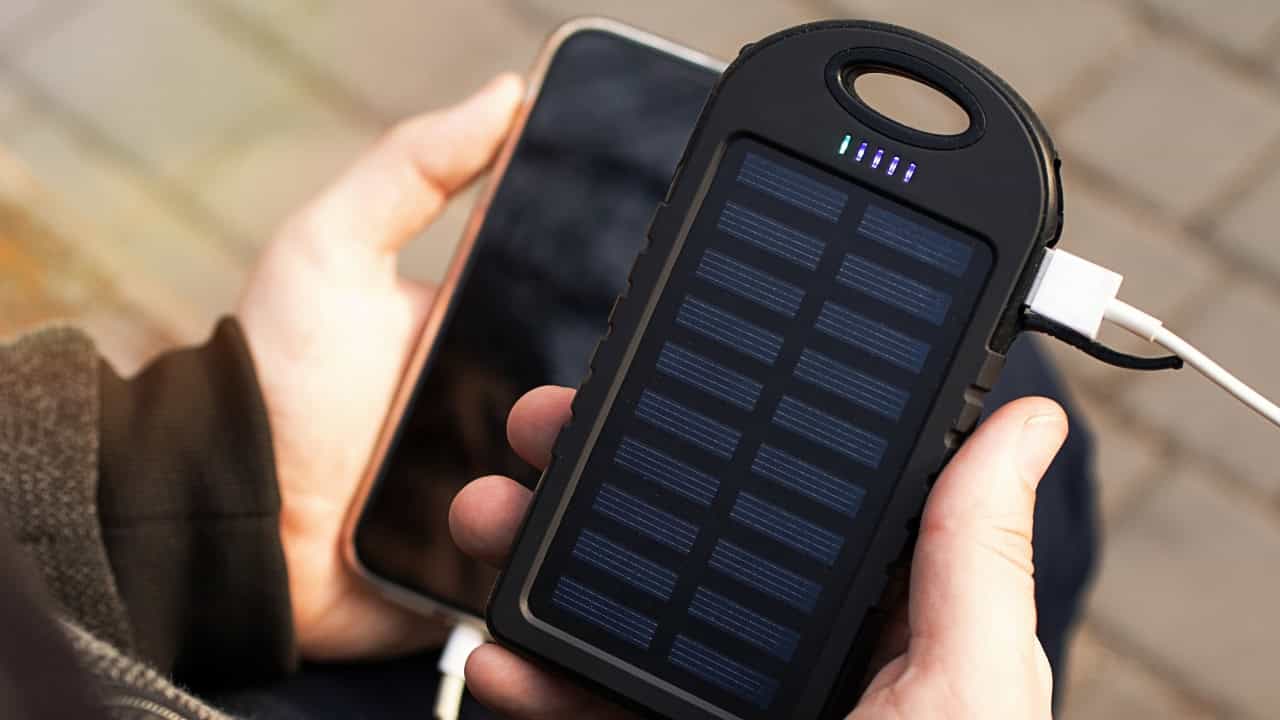
In this digital age, our phones and other devices are essential for staying connected and informed. Before a storm hits, make sure all your devices are fully charged.
Also, consider investing in a portable charger or power bank. These can provide several full charges for your devices, ensuring you stay connected even if the power goes out.
7. Check on Your Neighbors

Before a storm hits, it’s a good idea to check on your neighbors, especially if they are elderly or have special needs. They might need help preparing for the storm or might not be aware of the approaching weather.
This also gives you a chance to exchange contact information and plan to check in on each other after the storm. It’s always comforting to know you’re not alone during these potentially scary times.
8. Unplug Electronics
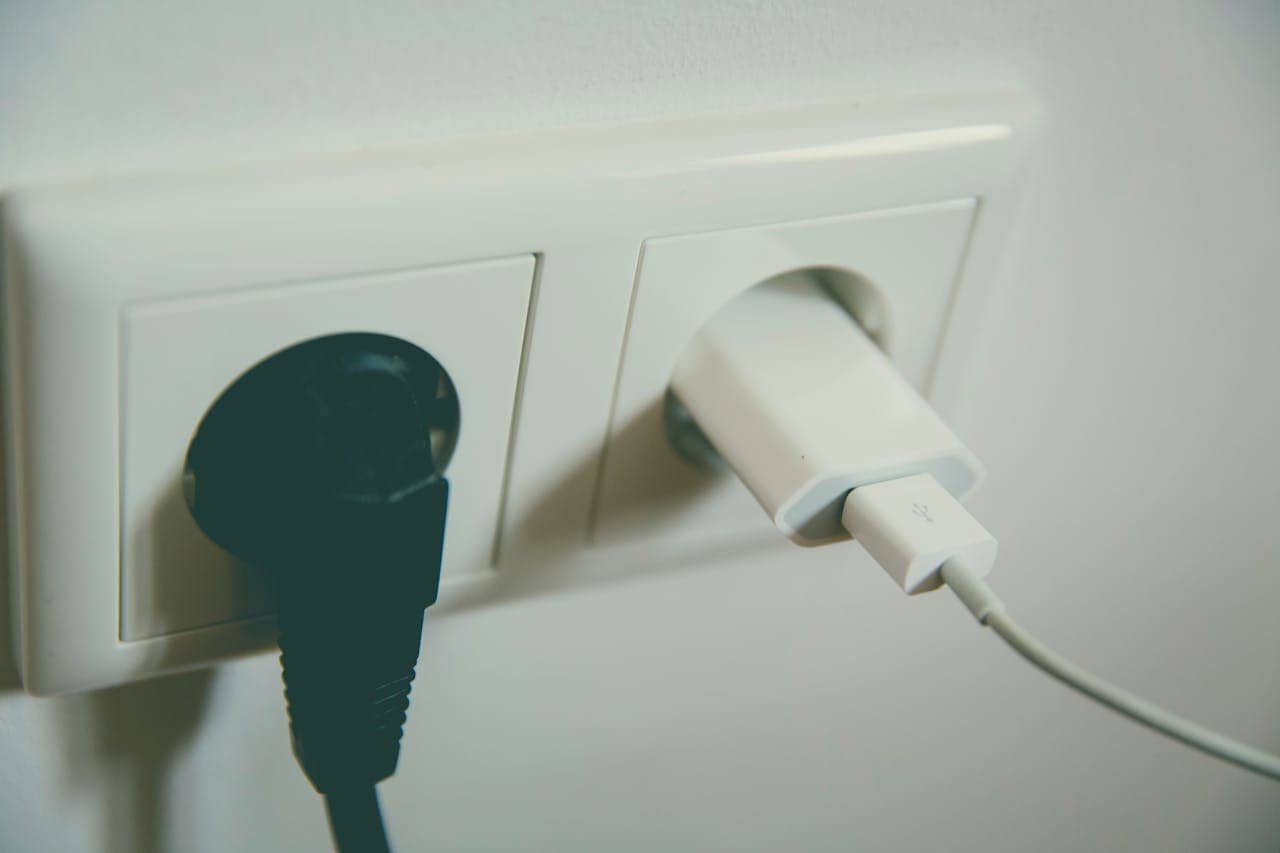
A power surge during a storm can cause significant damage to your electronics. As part of your storm preparation, make sure to unplug all non-essential electronics.
For those electronics that cannot be unplugged, like your refrigerator, consider investing in a surge protector. This can help protect your devices from any potential power surges.
9. Clear Gutters and Drains

Before a storm hits, make sure your gutters and drains are clear. This can help prevent water damage to your home.
If your gutters are blocked, water can overflow and damage your roof, walls, and foundation. Similarly, a blocked drain can cause flooding and water damage. Taking the time to clear these can save you from costly repairs in the long run.
10. Move Important Items to Higher Ground

If your area is prone to flooding, consider moving important items to a higher level in your home. This includes any valuable items, important documents, and electronics.
In addition, think about your appliances. If possible, elevate appliances like washers, dryers, and freezers to prevent water damage.
11. Review Your Insurance Policy

It’s always a good idea to review your insurance policy before a storm hits. Make sure you understand what is and isn’t covered.
If you’re unsure about anything, contact your insurance provider for clarification. It’s better to know what your policy covers before you need to make a claim.
12. Prepare for Power Outages
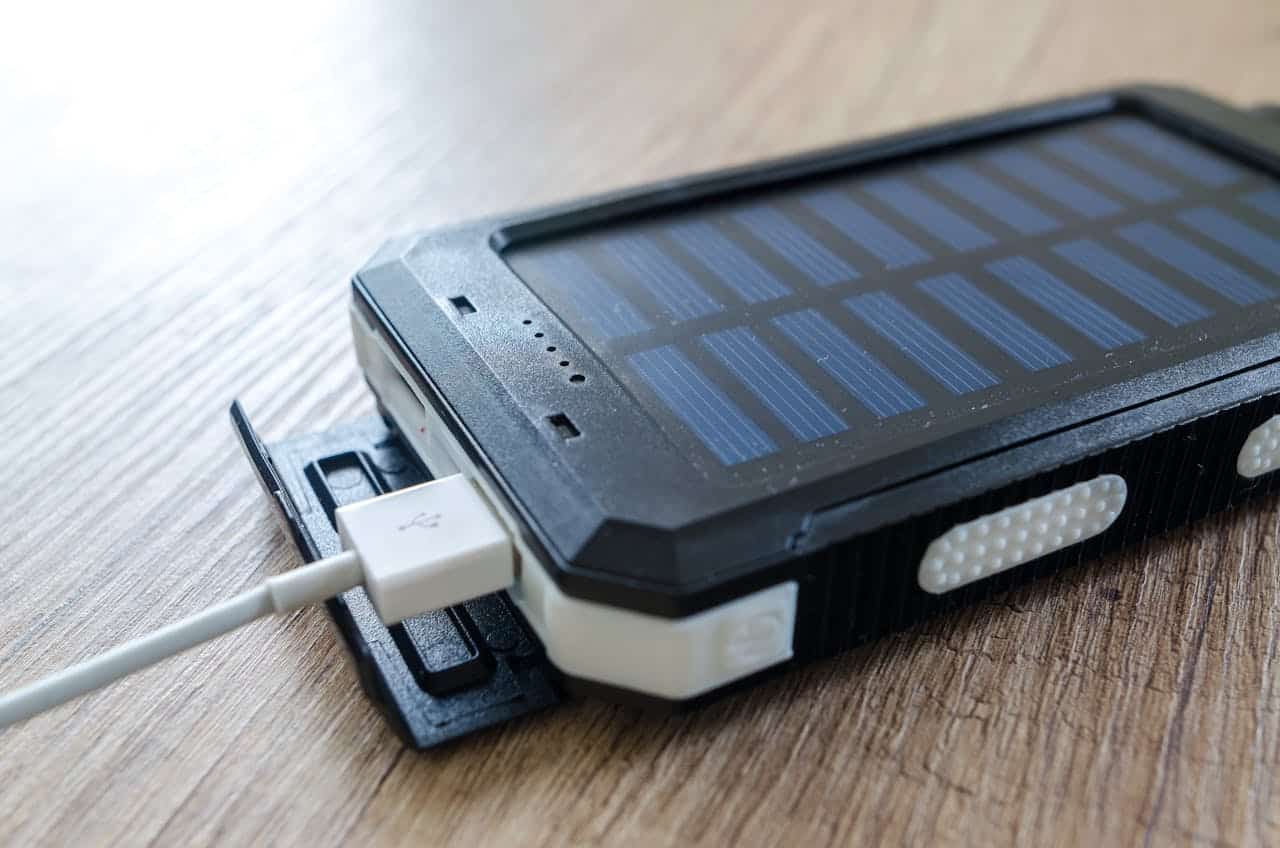
Power outages are common during storms, so it’s important to be prepared. This means having flashlights and extra batteries on hand, as well as a battery-powered or hand-crank radio.
Also, consider investing in a generator. This can provide power for essential appliances and charging devices during a power outage.
13. Stay Calm

Lastly, but most importantly, stay calm. Storms can be scary, but being prepared can make a world of difference.
Take a deep breath, follow your plan, and remember that storms don’t last forever. With the right preparation, you can weather any storm with confidence.