It’s easy to assume the things we love will always be around—but culture and technology are shifting fast. From nostalgic diners to pay phones, several once-common parts of American life are disappearing. This list highlights everyday items and experiences that are fading or evolving—some quietly, others quickly.
It’s based on recent trend reports, consumer data, and news from credible sources like NPR, Pew Research, and local governments. Whether it’s due to changing habits, economics, or innovation, here’s what might not be around much longer.
Advertisement
Traditional Diners
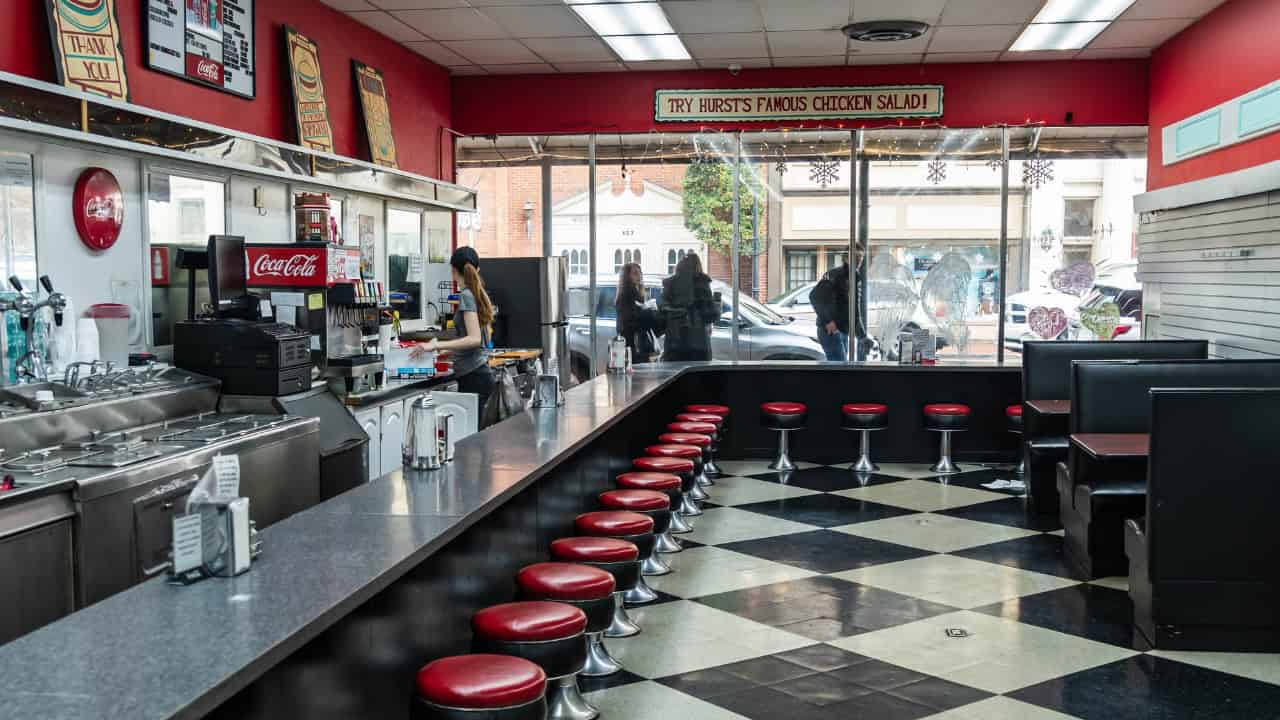
Classic diners once anchored American towns with chrome booths and bottomless coffee. But many are closing as chains and fast-casual spots take over. The Independent Restaurant Coalition notes that small eateries were hit especially hard during the pandemic.
Part of the charm—slower meals, friendly service—clashes with today’s grab-and-go lifestyle. As older owners retire and new generations seek different dining experiences, fewer diners remain open. If you’ve got a local favorite, now’s the time to visit.
Drive-In Theaters

Drive-ins had a revival during COVID-19, but it didn’t last. According to the United Drive-In Theatre Owners Association, fewer than 300 are left in the U.S. Most have closed due to land value, weather risks, or lack of year-round traffic.
They’re still magical—a movie under the stars with popcorn in your lap—but streaming and multiplexes are more convenient. These relics of mid-century Americana may soon exist only in memory and film.
Unrestricted Fireworks

Personal fireworks are increasingly banned across cities and counties. States like Massachusetts and cities like Seattle have prohibited them entirely due to wildfire risks and injury concerns.
Even in states where fireworks remain legal, stricter regulations are popping up. According to the National Fire Protection Association, fireworks cause over 19,000 fires and nearly 11,500 injuries each year. If lighting your own fireworks is part of your Fourth of July tradition, know that it may soon be off-limits.
Cable TV

Streaming has taken over, and traditional cable is fading fast. A 2023 Pew Research report showed that over half of U.S. adults now rely on streaming platforms for TV content.
Cable companies are losing millions of subscribers every year. With rising fees and limited packages, many viewers are cutting the cord for more flexible options. If you’re still watching cable, your favorite channels may not be around forever.
Cheddar Cheese

Cheddar cheese isn’t disappearing entirely, but its dominance may be fading. As global flavors take center stage, shoppers are trying new varieties. Nielsen research shows growing interest in imported cheeses like manchego, feta, and gouda.
Processed cheddar still fills American shelves, but artisan options face pricing pressure. As tastes evolve and food trends shift, cheddar may lose its top spot in the dairy aisle.
Drive-In Fast Food
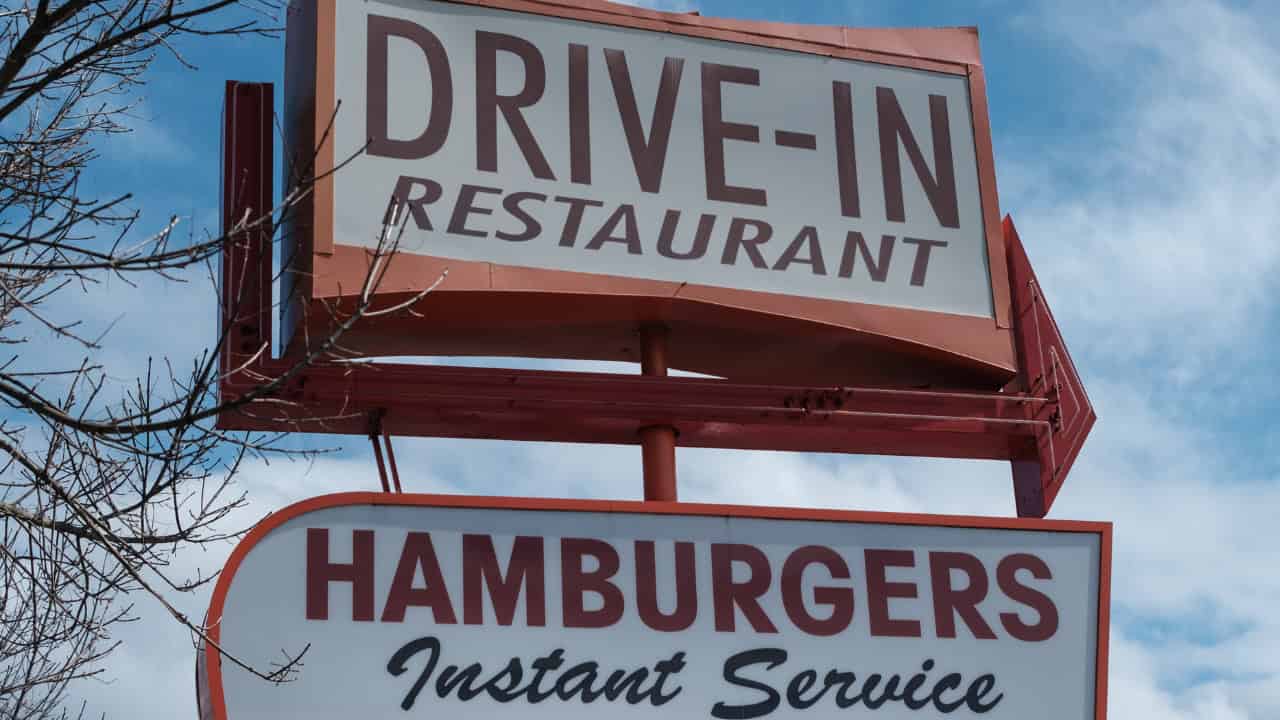
Drive-in fast food joints like Sonic once defined roadside dining. But now, more chains are favoring digital drive-thrus and app-based ordering. A 2023 QSR Magazine report shows brands prioritizing speed and efficiency, which don’t always align with in-car dining.
Longer wait times and staffing issues are also affecting these services. If you enjoy a carhop delivering burgers on skates, those moments may soon be history.
Independent Bookstores
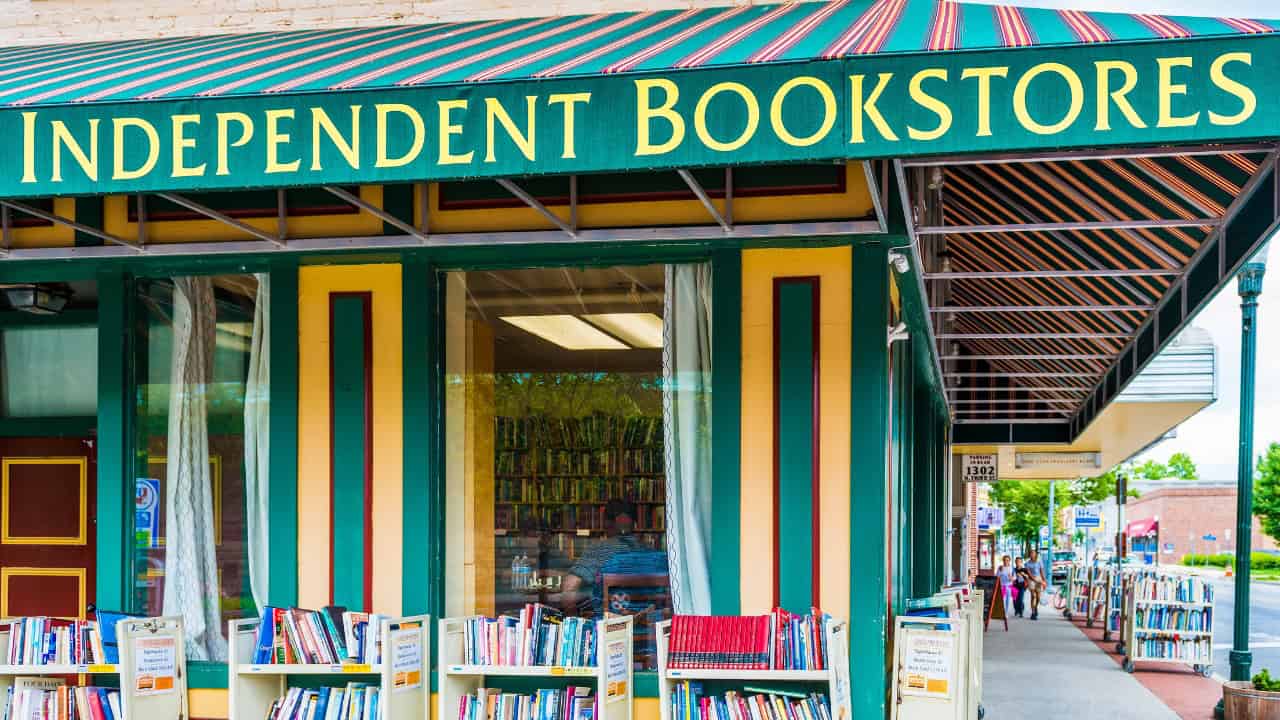
Online retail has squeezed out countless small bookstores. According to the American Booksellers Association, over 1,000 independents closed between 1995 and 2009.
But there’s a resurgence: newer stores are focusing on author events and community ties. If you still love the smell of paper and the feel of browsing real shelves, consider buying from a local store before they vanish again.
Local Radio Stations
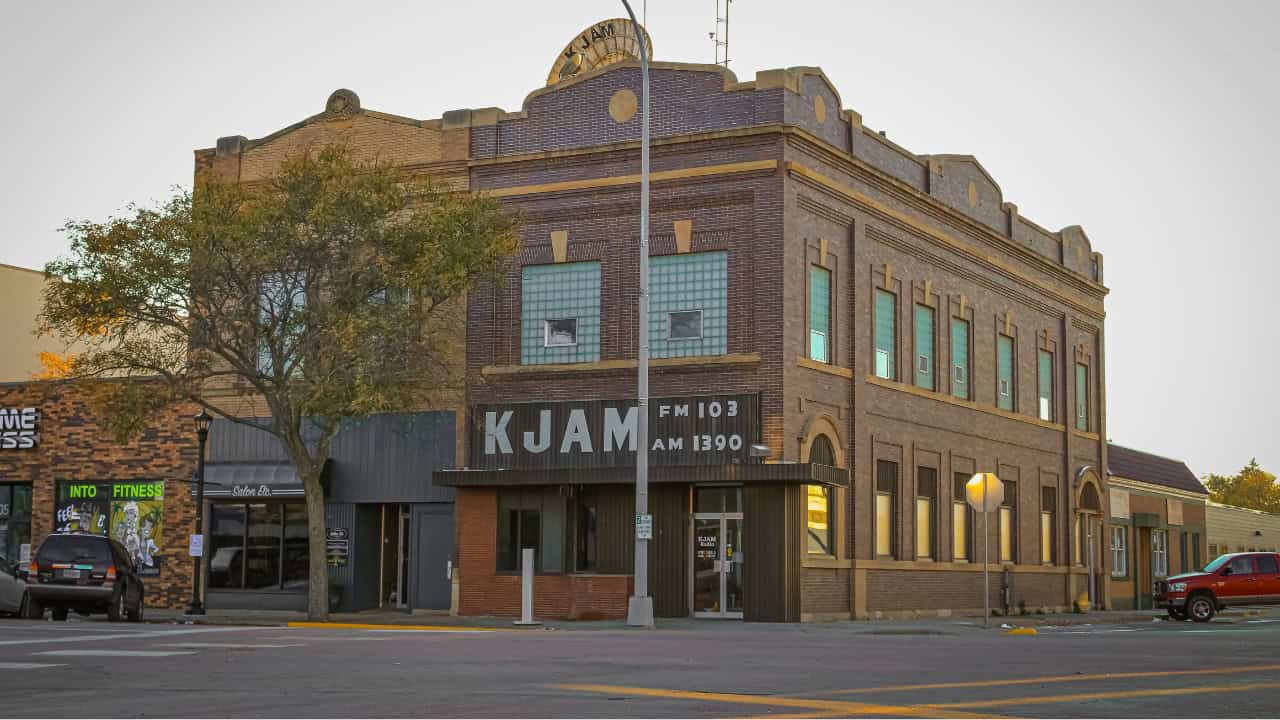
Streaming and podcasts have changed the game for radio. According to Edison Research, AM/FM radio usage among adults under 35 has dropped sharply.
Still, local stations matter in smaller towns where internet access is limited. They bring weather updates, high school sports, and music that’s hard to find elsewhere. Once they’re gone, that local connection might go with them.
Cash Payments Everywhere
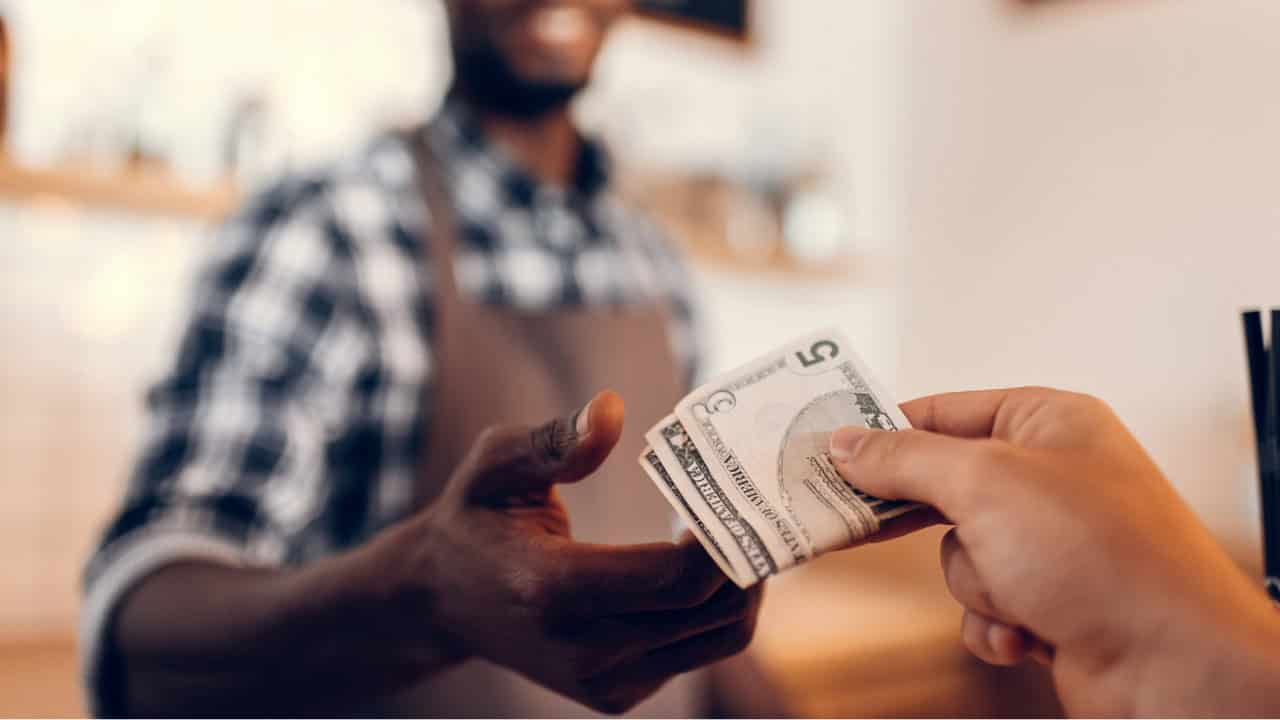
Cash is no longer king. A Pew Research Center study found that nearly 60% of American adults didn’t use cash for purchases in a typical week.
More businesses, especially in urban areas, are going cashless entirely. That leaves some people without banking access in a tough spot. While convenient for many, it’s a growing equity issue.
Public Pay Phones
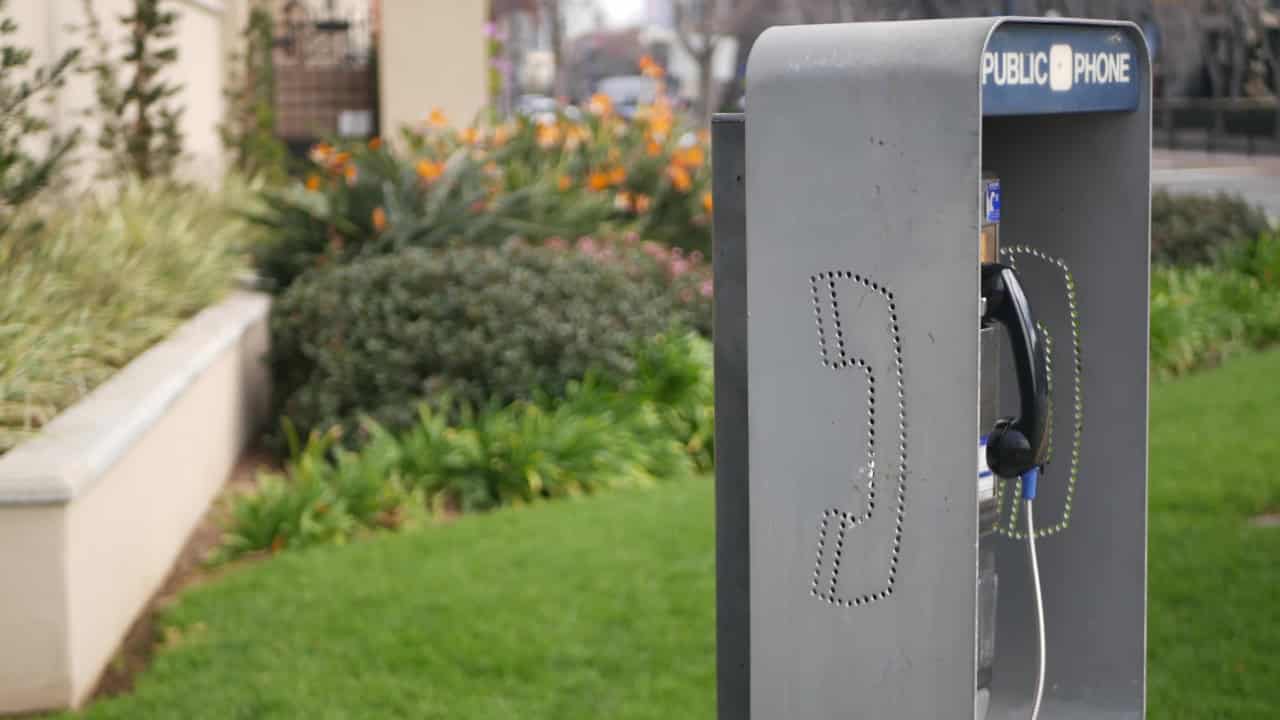
Public pay phones have all but disappeared. New York City removed its last one in 2022. With everyone carrying smartphones, there’s little demand for the old coin-fed booths.
That said, some cities like Philadelphia are reintroducing free public calling booths to support underserved residents. While rare, they’re not entirely gone—yet.
Mom-and-Pop Shops
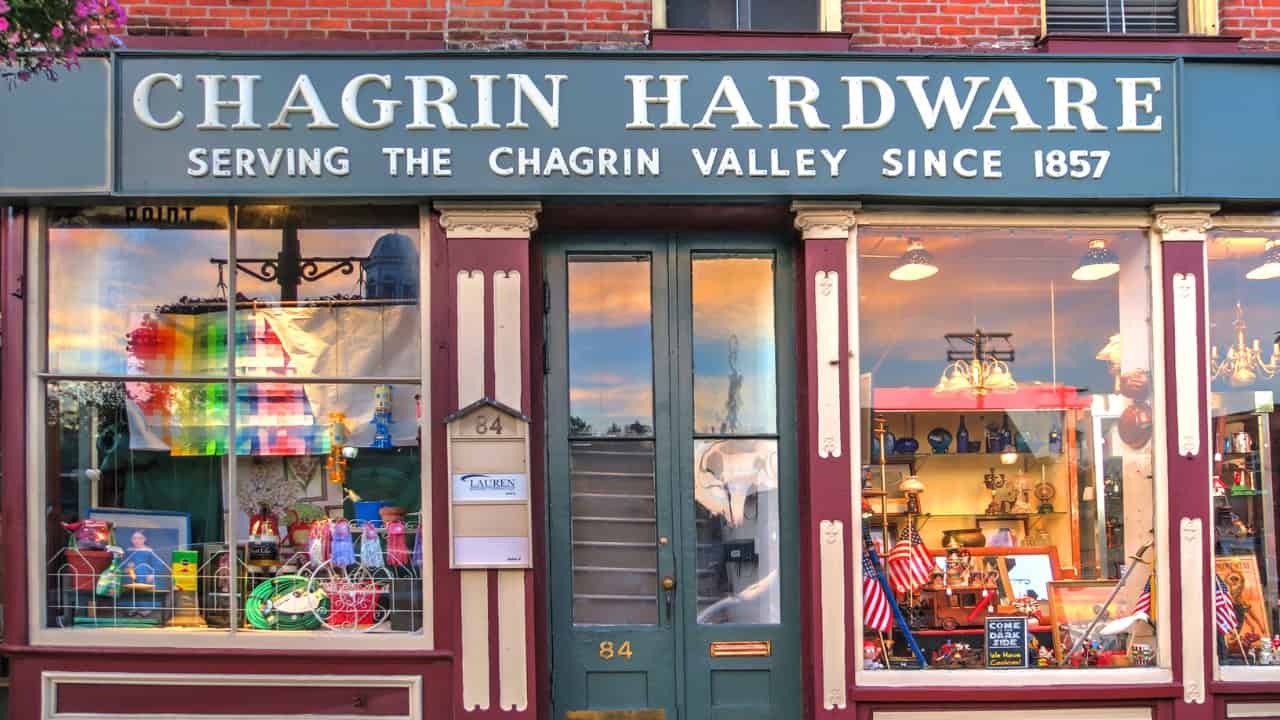
Independent businesses continue to struggle. The Federal Reserve’s Small Business Credit Survey showed that many small shops closed permanently during the pandemic.
Chains and e-commerce have taken over, but shopping local helps keep neighborhoods vibrant. Your support can be the reason that corner bakery or hardware store stays open another year.
Classic Amusement Parks

Traditional amusement parks are declining. According to the International Association of Amusement Parks and Attractions (IAAPA), many small parks have shuttered due to rising maintenance costs and limited seasonal income.
While big theme parks expand with high-tech rides, smaller, nostalgic parks can’t keep up. Their slow fade is a loss for families who love a gentler pace and retro charm.
Garbage Disposals
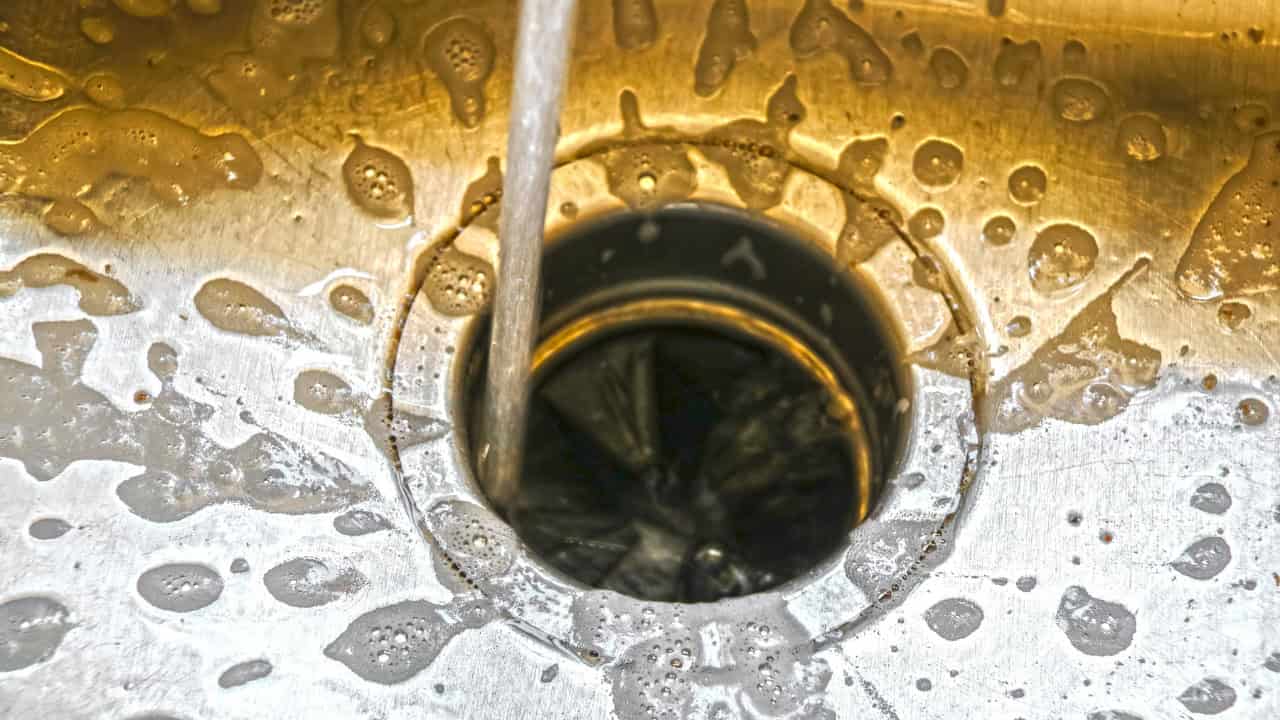
Not every city loves garbage disposals. New York City, for example, has discouraged them for decades and still discourages their use due to plumbing and sewer concerns.
They’re easy to misuse—bones, grease, and peels can clog your system fast. As homebuilders lean into sustainability and composting becomes more common, the once-standard disposal may become an outdated luxury.
This article was written with the help of AI and edited for clarity and accuracy.