Adding rare perennials to your garden can bring unique textures, colors, and resilience that many common plants don’t offer. These plants often require less maintenance and can thrive in various conditions, making them a smart choice for gardeners looking to diversify their outdoor space.
Discovering uncommon perennials gives you the chance to create a garden that stands out while supporting biodiversity. By choosing plants that are not widely grown, you can enjoy a more interesting and rewarding gardening experience.
Advertisement
Baptisia (False Indigo)
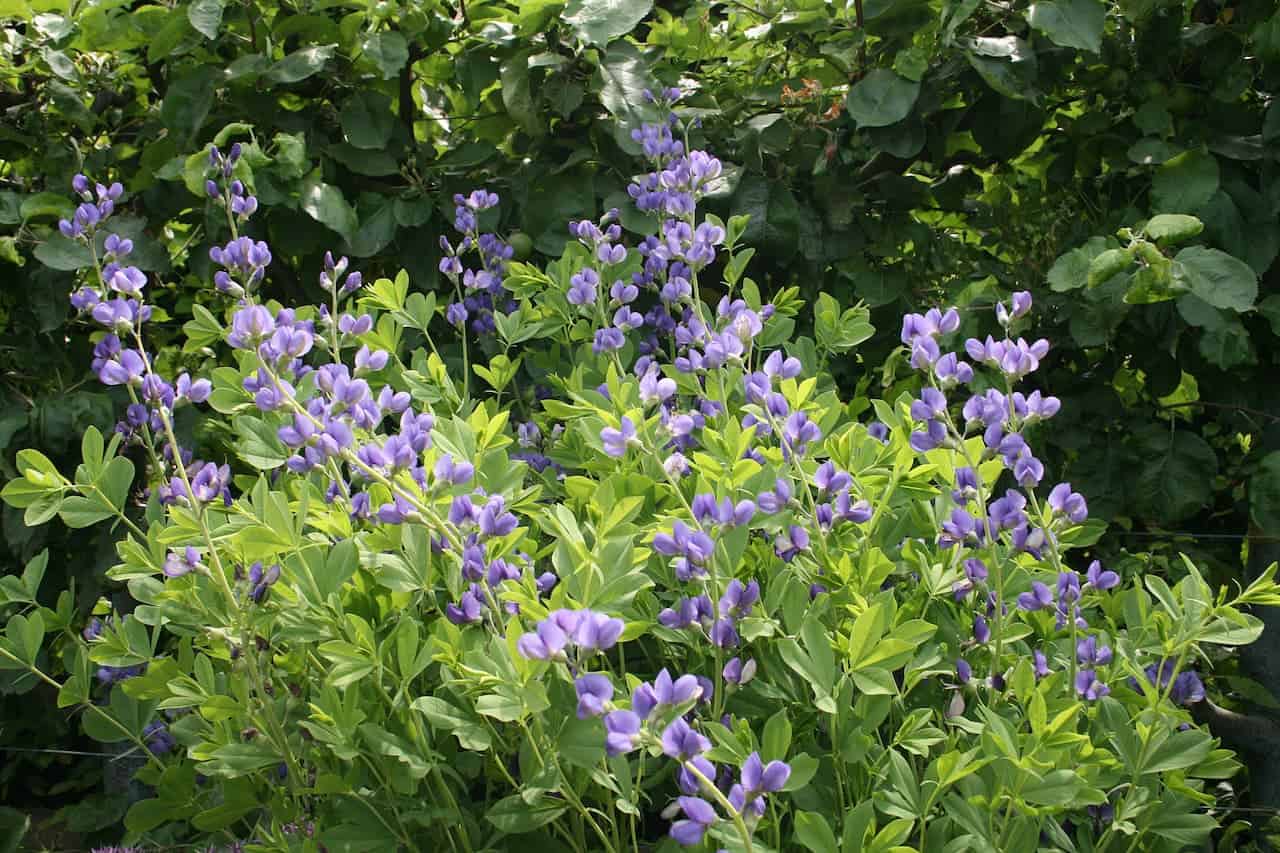
Baptisia, or False Indigo, is a sturdy perennial that fits easily into your garden with little fuss. It blooms in spring with lovely indigo-blue spikes that add a splash of color.
You’ll appreciate its deep roots, which mean it builds energy underground before showing growth. It prefers average moisture and can handle heavy soil. This plant is a dependable, low-maintenance choice.
Gas Plant (Dictamnus albus)
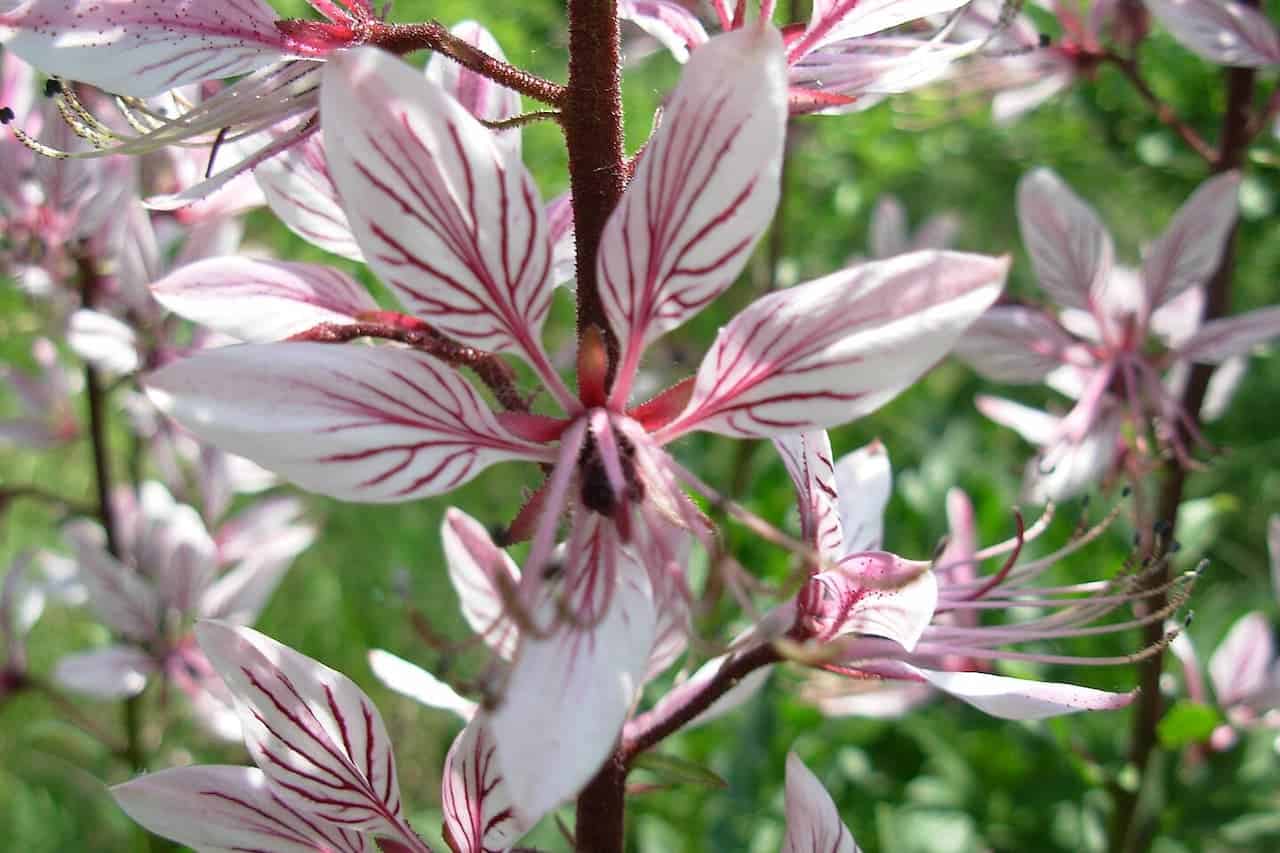
You’ll enjoy the Gas Plant for its long-lasting, fragrant flowers that bloom throughout summer. It grows slowly but adds interest with unique seed heads. This perennial thrives in sunny spots and is hardy in cooler zones, making it a reliable choice if you live in a colder climate. It’s a bit rare, so finding one might be worth the effort.
Sea Holly (Eryngium)
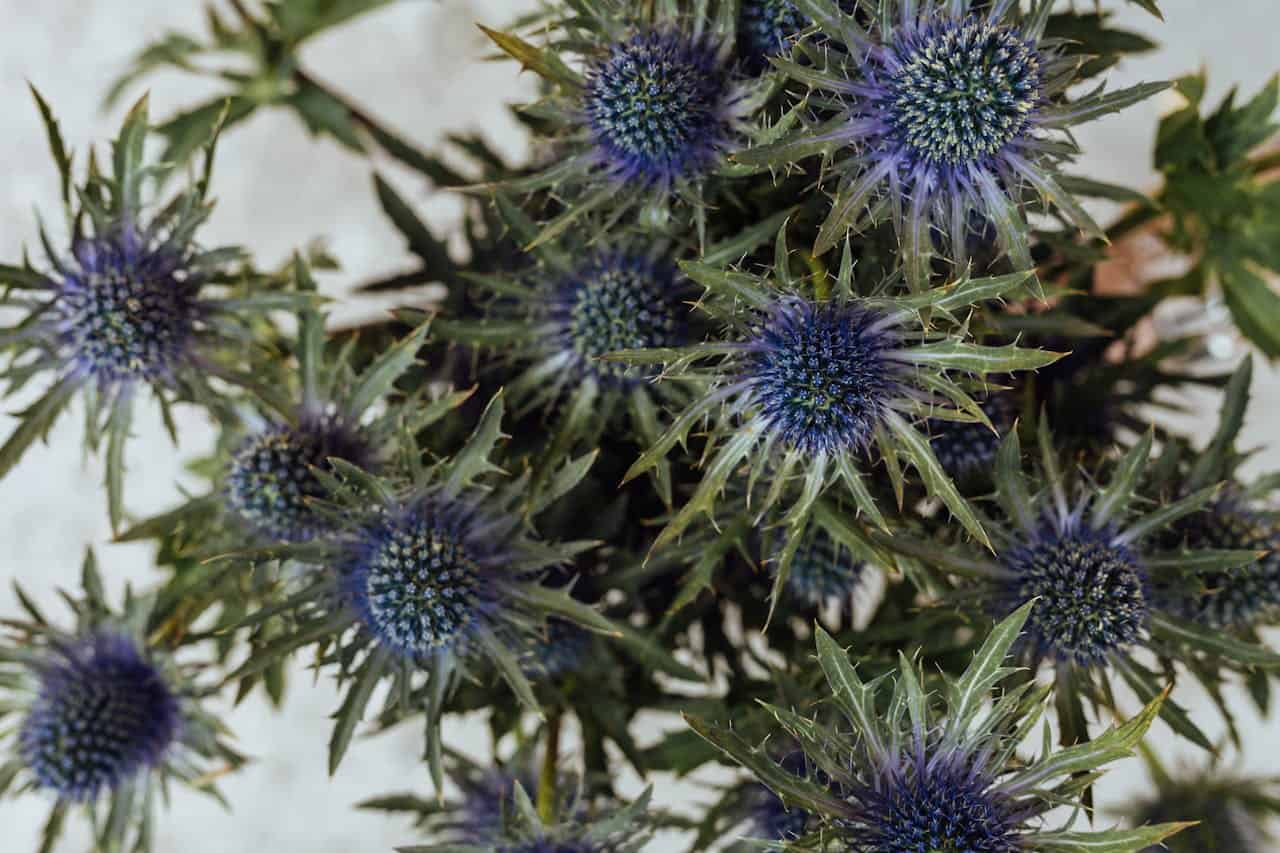
Sea Holly is a striking perennial with steel-blue flowers that add a unique touch to your garden. It prefers full sun and well-drained soil to flourish.
This plant is low maintenance and doesn’t need much feeding, so you can avoid overwatering or fertilizing. Sea Holly also attracts pollinators, making it a helpful choice for a lively outdoor space.
Globe Thistle (Echinops)
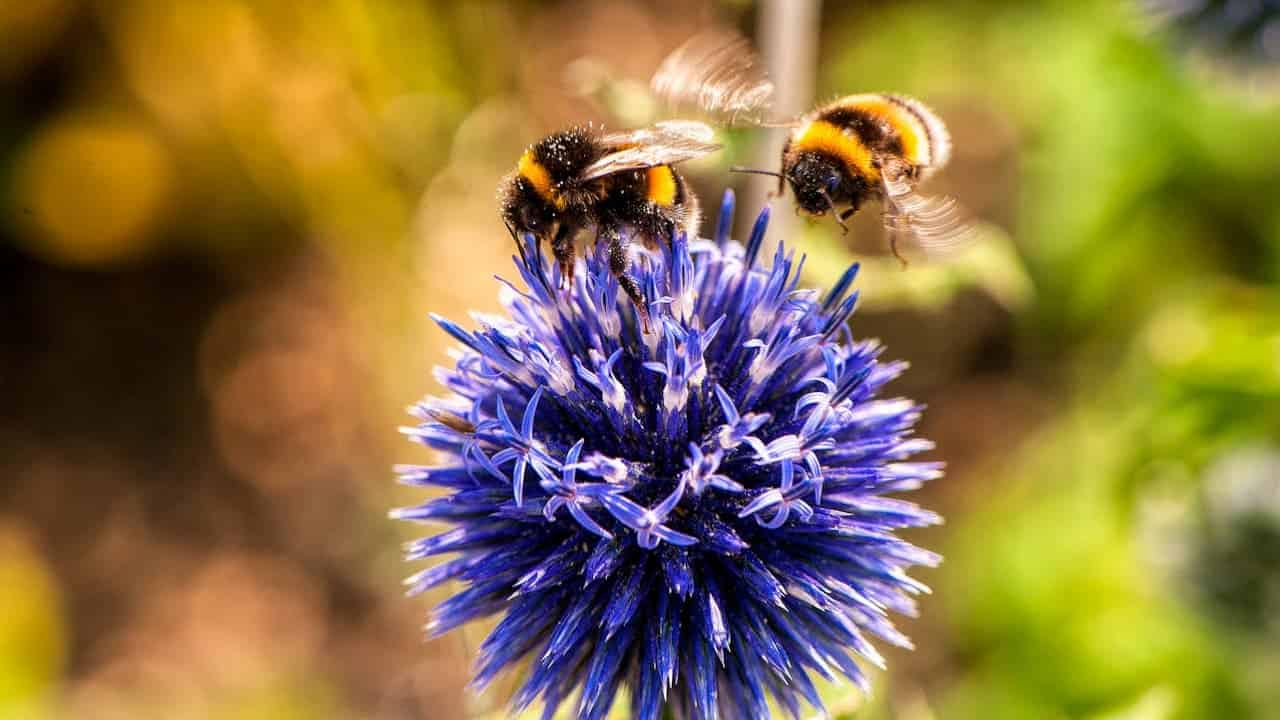
You’ll love adding Globe Thistle to your garden for its unique, globe-shaped blue flowers. It’s a low-maintenance perennial that thrives in dry soil and sunny spots.
This plant attracts bees, adding life to your garden. Just avoid overly moist soil, or the stems may become weak and need support.
Mountain Mint (Pycnanthemum)
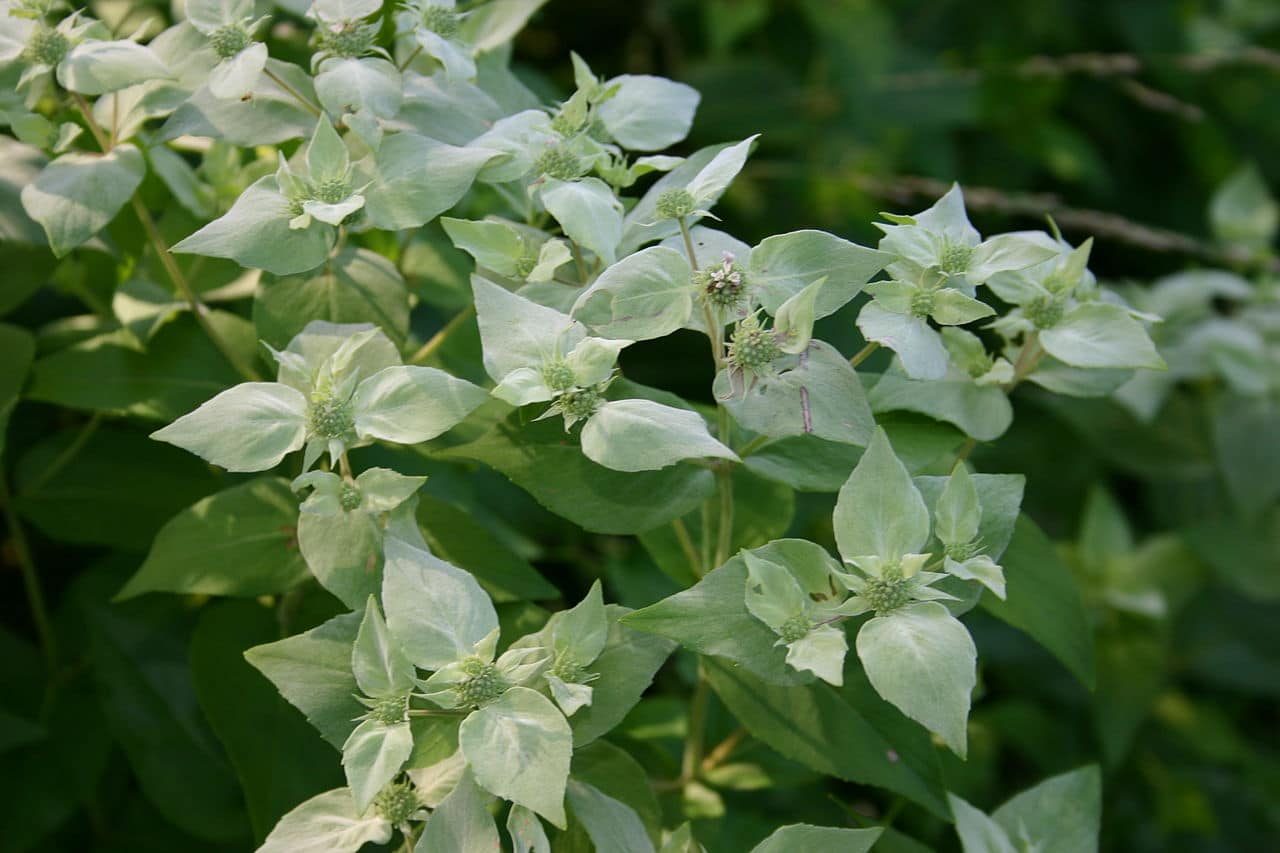
Mountain Mint is a great addition to your garden if you want to attract pollinators. It blooms for two to three months, providing a steady source of nectar.
This perennial is low-maintenance and can help crowd out weeds. You’ll enjoy watching the buzzing insects it draws in. It thrives best in sunny, dry spots.
Rattlesnake Master (Eryngium yuccifolium)

You’ll appreciate Rattlesnake Master for its unique spiky leaves and silvery-blue flowers. It grows 2 to 5 feet tall, adding an interesting texture to your garden.
This plant attracts bees, butterflies, and other pollinators. It’s also deer and rabbit resistant, making it low-maintenance and easy to grow.
Joe Pye Weed (Eutrochium)
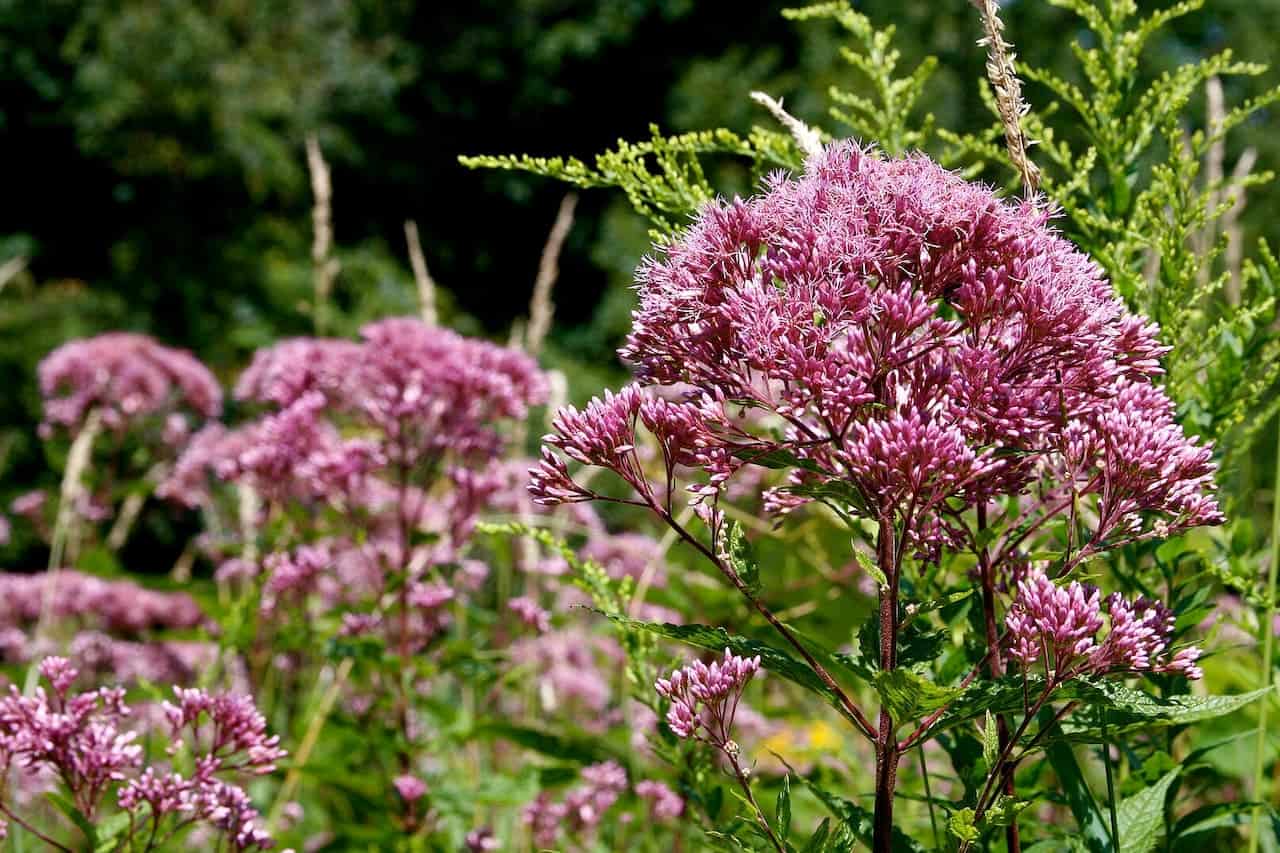
If you have a moist spot in your garden, Joe Pye Weed is a great choice. This tall perennial adds height and structure without much effort.
You’ll enjoy its clusters of soft pink or purple flowers that bloom in early fall.
It’s a magnet for bees and butterflies, making your garden lively and colorful.
Culver’s Root (Veronicastrum virginicum)
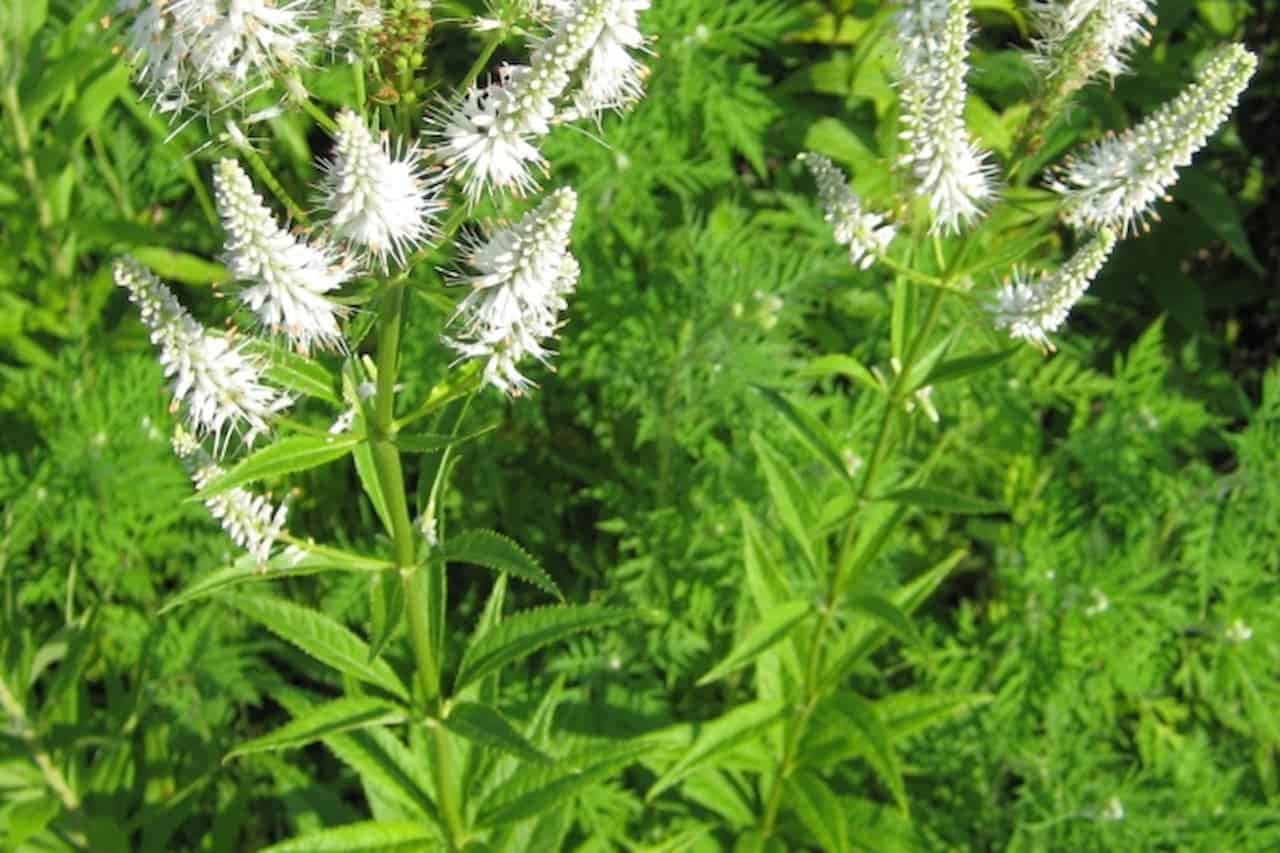
If you want a tall, graceful perennial, Culver’s Root is a great choice. It can grow up to seven feet tall, featuring white flower spikes that bloom throughout summer.
This plant prefers full sun and moist, moderately fertile soil. It’s low maintenance and resists most pests and diseases, making it easy to grow in your garden. Culver’s Root fits well in meadows, open woods, or sunny borders.
Chinese Fairy Bells (Disporum longistylum)
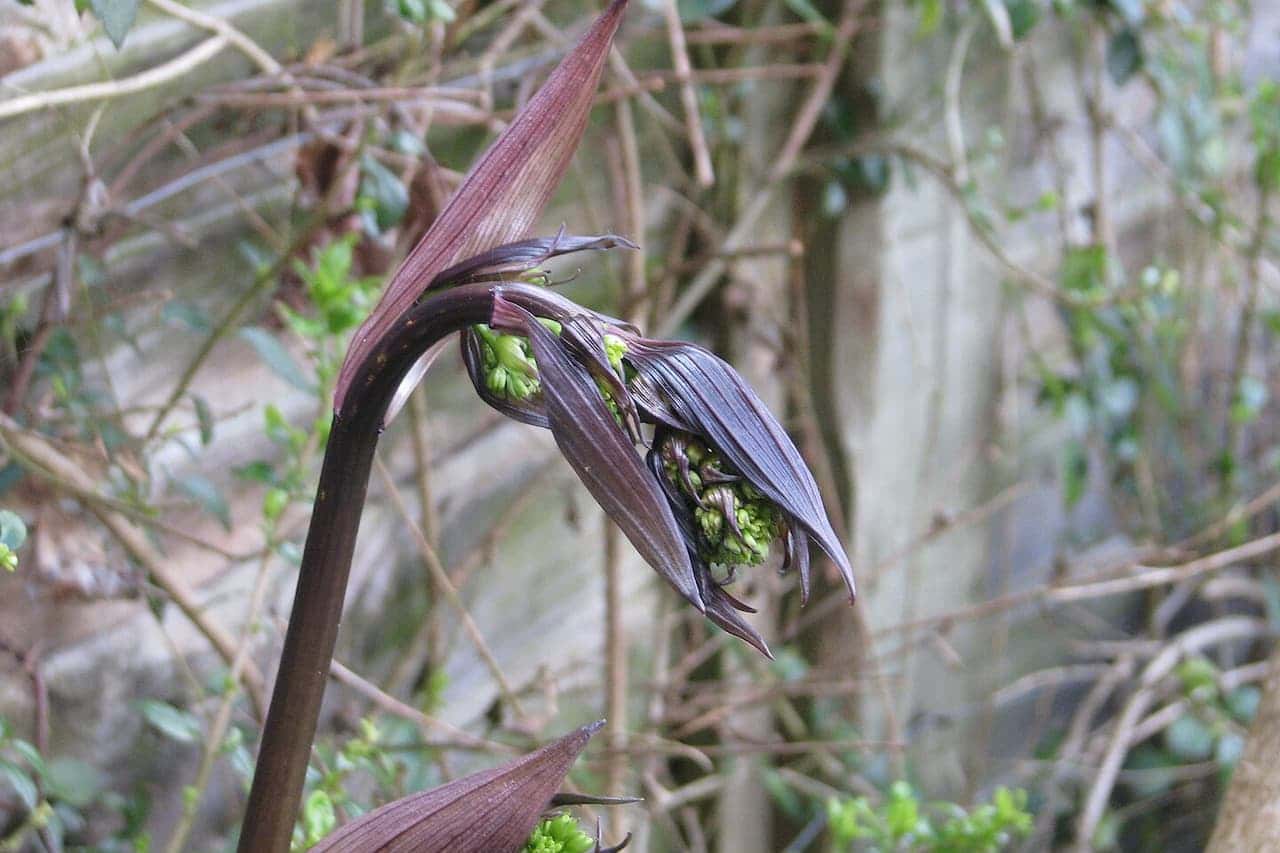
If you want a unique perennial for your shade garden, Chinese Fairy Bells are a great choice. Their graceful, arching stems with small, delicate flowers add charm in spring.
You’ll enjoy the striking purple-stained stems on some varieties, which can grow up to six feet tall. They prefer humus-rich, moist, well-drained soil and perform best in part shade.
Porcelain Berry (Ampelopsis brevipedunculata)
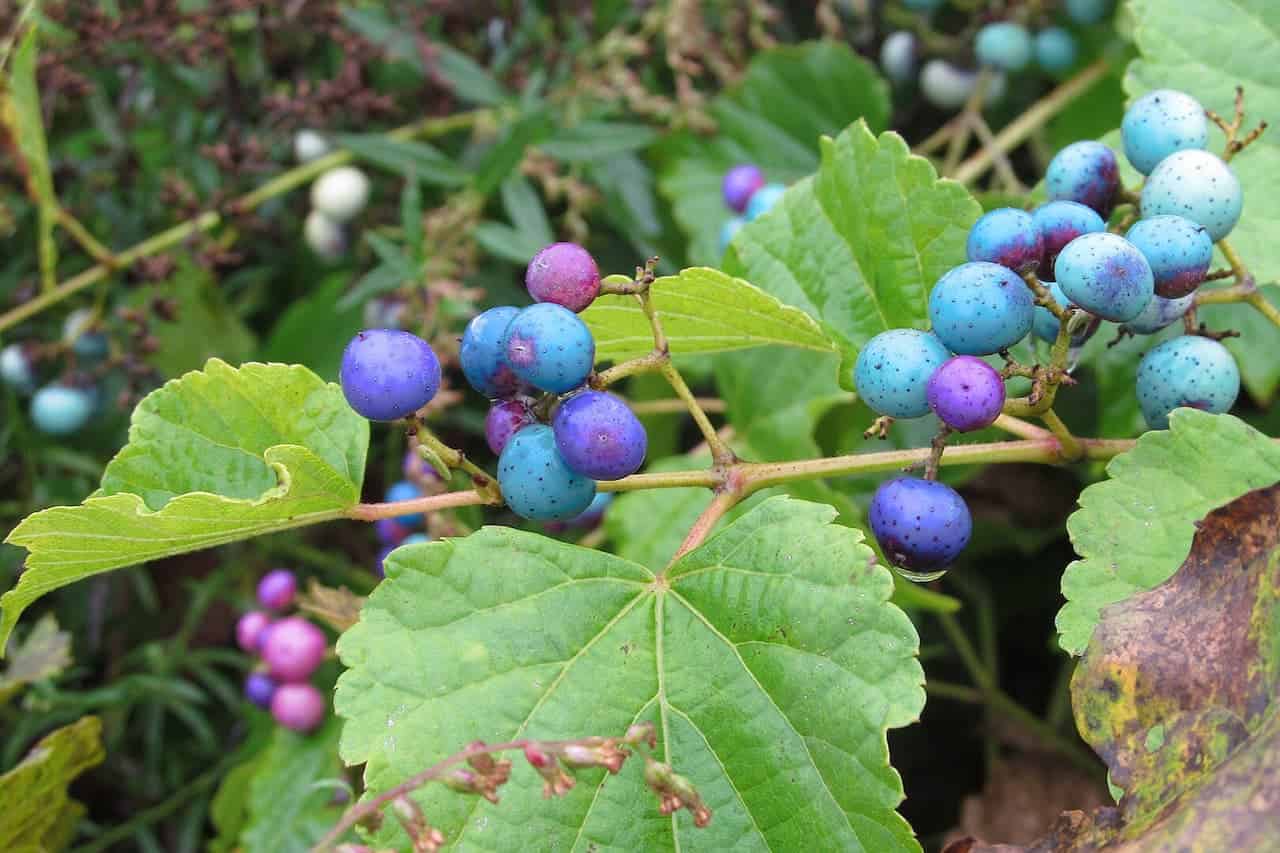
Porcelain berry is a fast-growing vine with colorful fruits that shift in shades of turquoise, lilac, and yellow. You’ll find it thrives in full to partial sun and can reach up to 25 feet long.
It’s hardy in USDA zones 5 to 9, making it a sturdy perennial for many gardens. Keep in mind, this plant can spread quickly and may need regular management.
Sandersonia aurantiaca
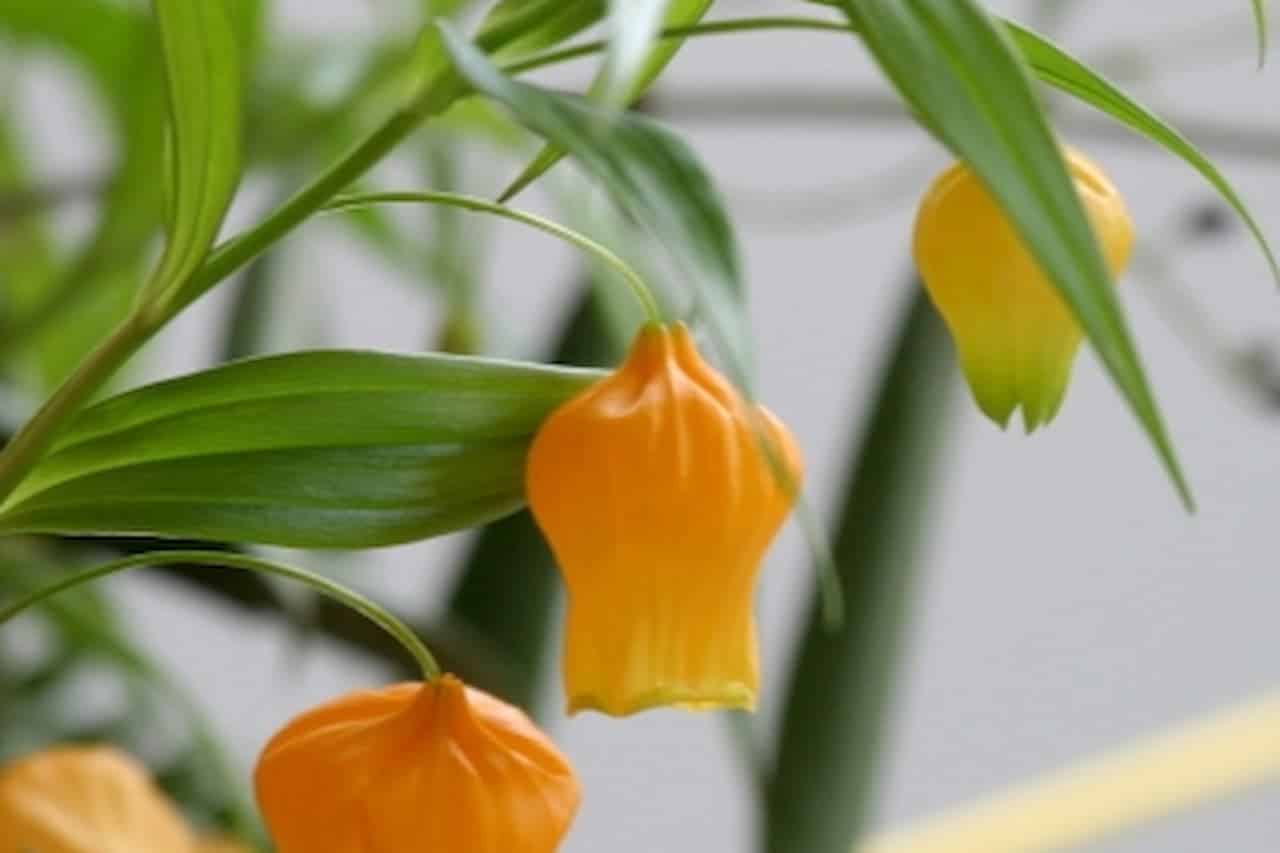
You’ll enjoy the unique charm of Sandersonia aurantiaca, also known as Christmas Bells. Its delicate, bell-shaped orange flowers add a soft touch of color to your garden.
This perennial grows from corms and shows green foliage through spring and summer. It’s a lovely choice if you want something different and eye-catching.
Lungwort (Pulmonaria)
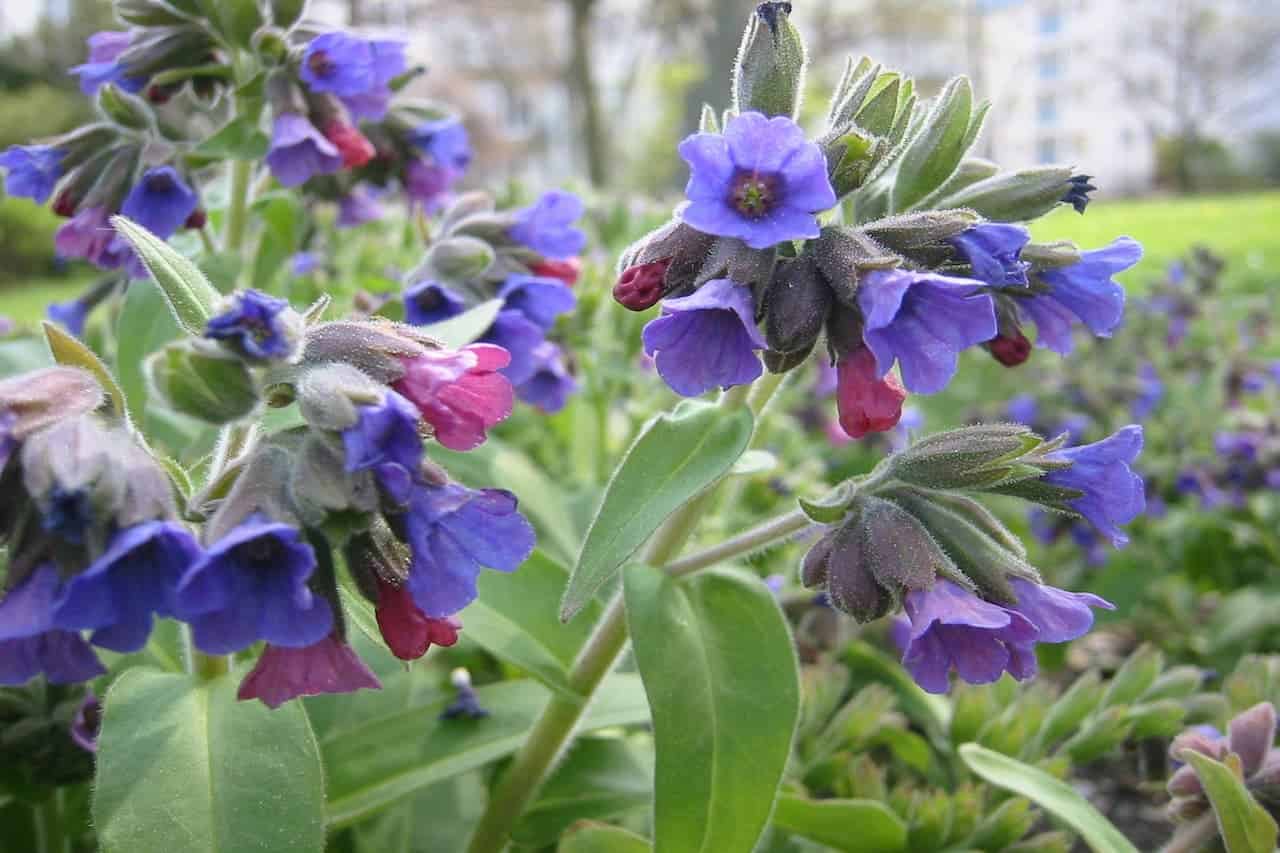
You’ll appreciate Lungwort for its early spring flowers in shades of pink, blue, and violet. It thrives in part shade and prefers humus-rich, moisture-retentive soil.
This plant is great if you want color in a shady spot. Avoid very dry soil, as it can cause leaves to wither, especially in sunnier areas.
Heuchera (Coral Bells)
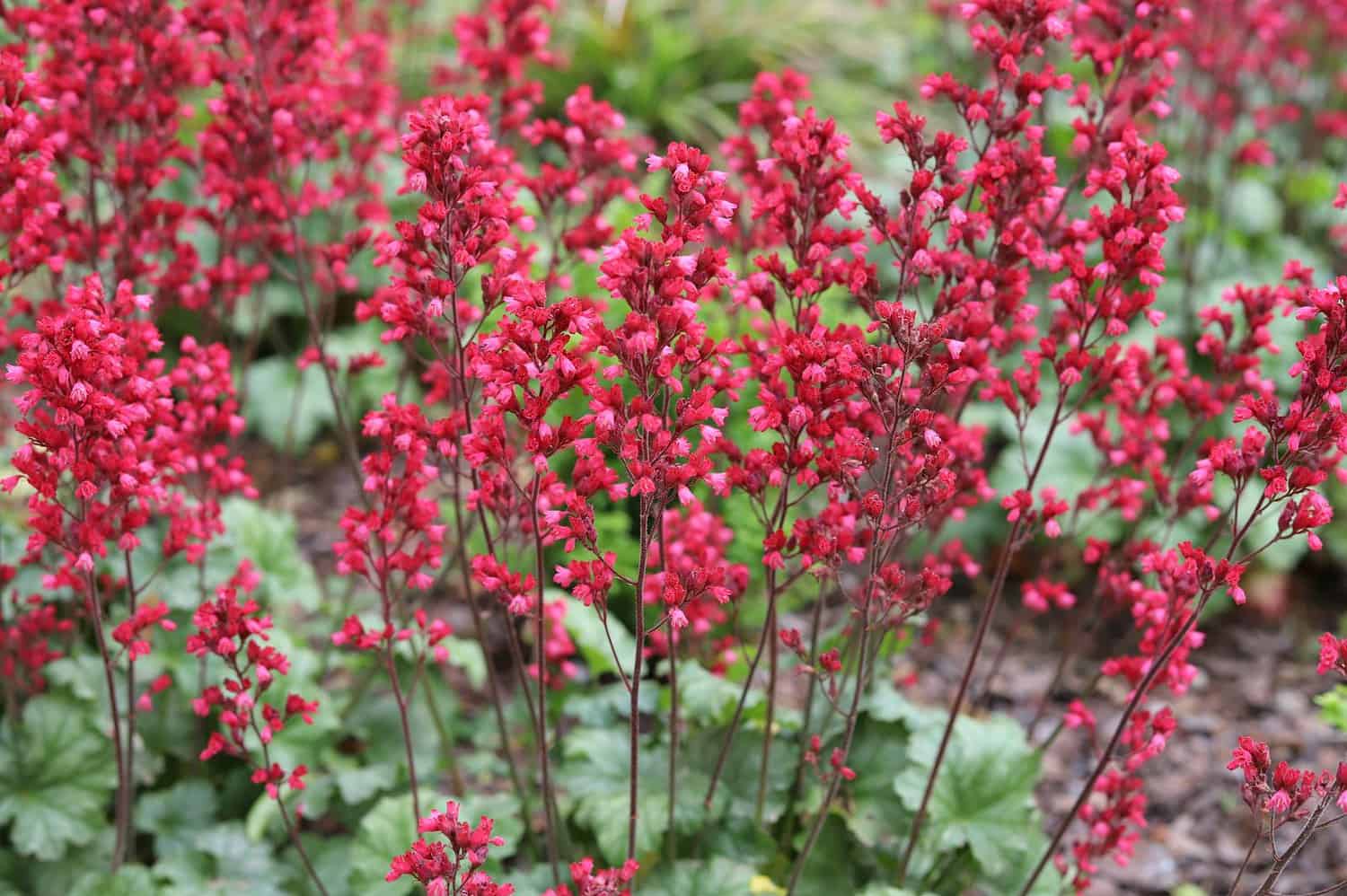
You’ll appreciate Heuchera for its colorful foliage that brightens shady spots in your garden. These perennials come in shades from red to purple and even yellow.
They’re easy to care for and prefer moist, well-drained soil. Plus, their small, bell-shaped flowers attract pollinators, adding life to your garden.