Many gardeners are drawn to plants with bright flowers and unusual foliage because they seem like an easy way to add beauty to your yard. However, not all attractive plants are as harmless as they look. Some can spread aggressively, crowding out other plants and causing more work for you in the long run.
This article will help you identify 13 plants that may seem pretty but can quickly turn into difficult garden invaders you want to avoid. Knowing which plants have this potential can save you effort and protect the health of your garden.
Advertisement
English Ivy

English ivy looks charming but can quickly take over your garden. It spreads fast and clings to walls, trees, and fences.
You might find it nearly impossible to remove once it’s established. Even when you cut it back, it tends to grow back aggressively.
If you want to keep it under control, regular maintenance is key. Otherwise, it might end up smothering other plants you care about.
Japanese Honeysuckle

Japanese honeysuckle looks charming with its sweet-smelling flowers. You might be drawn to plant it for its quick growth and beautiful blooms.
However, once it starts spreading, it can take over your garden. It climbs over other plants and smothers them, making it hard to control.
If you want to keep a tidy yard, be cautious. Removing it early prevents a bigger problem later on.
Privet

Privet looks nice with its dense, glossy leaves and fragrant white flowers. You might be drawn to it for hedges or privacy screens.
However, privet can quickly spread beyond its intended area. It grows fast and can become invasive if not regularly trimmed.
If you don’t stay on top of pruning, privet may take over your garden and crowd out other plants. Regular maintenance is key to keeping it in check.
Buttercup
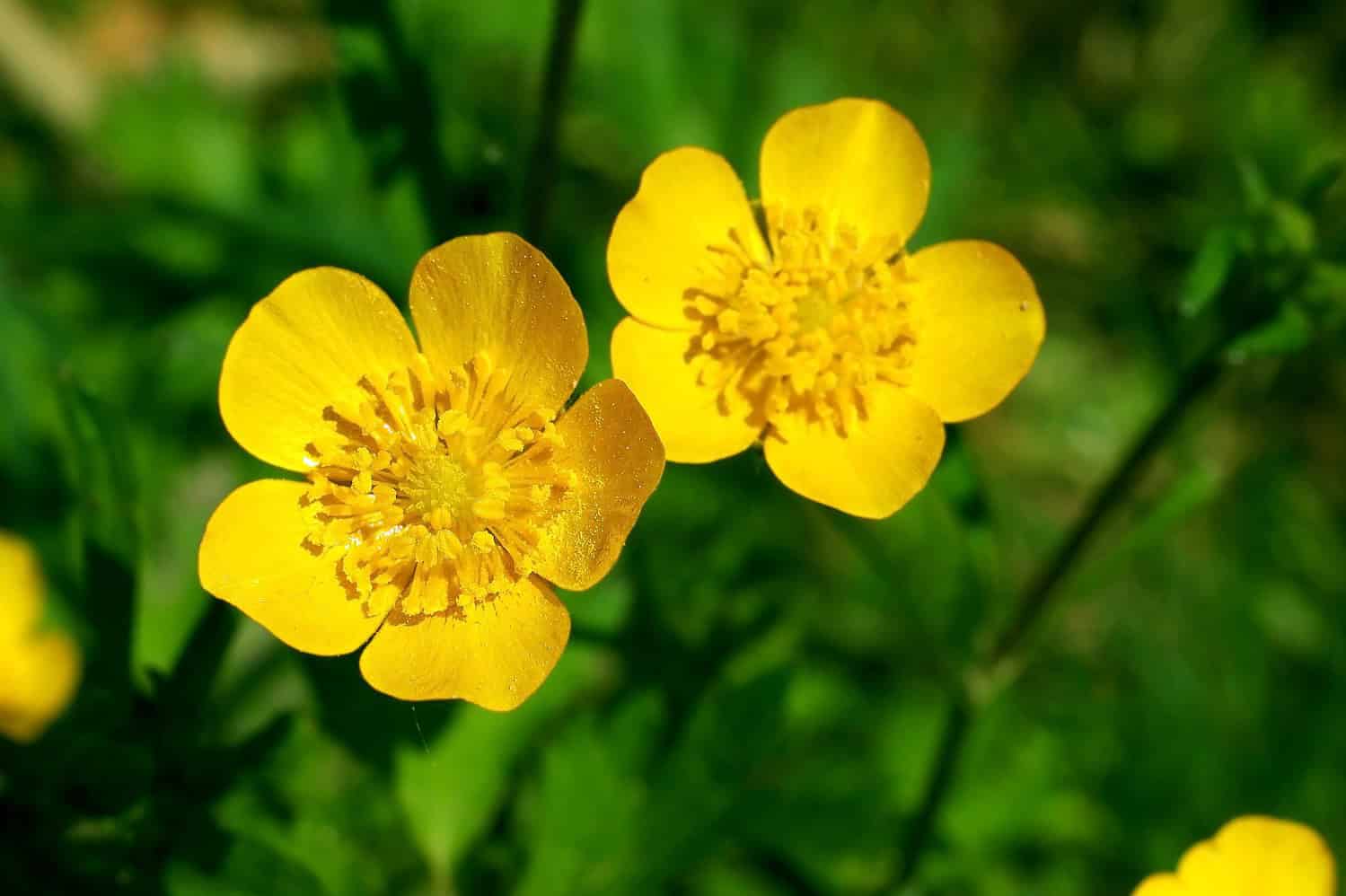
Buttercups are bright and cheerful, with their shiny yellow flowers that can brighten any garden. However, if you let them spread unchecked, they may take over grassy areas quickly.
You can pull them from garden beds to keep them under control. In lawns, treating them like grass sometimes works, but watch for their tendency to persist.
Bishop’s Weed (Aegopodium)

If you spot a plant with green leaves edged in white, you might be looking at Bishop’s Weed. It starts off looking quite pretty in your garden.
However, this plant spreads quickly and can take over shady areas where little else grows.
You’ll find it tough to control once it’s established, as it seeds easily and roots aggressively. Be careful where you plant it if you want to keep it contained.
Obedient Plant (Physostegia virginiana)
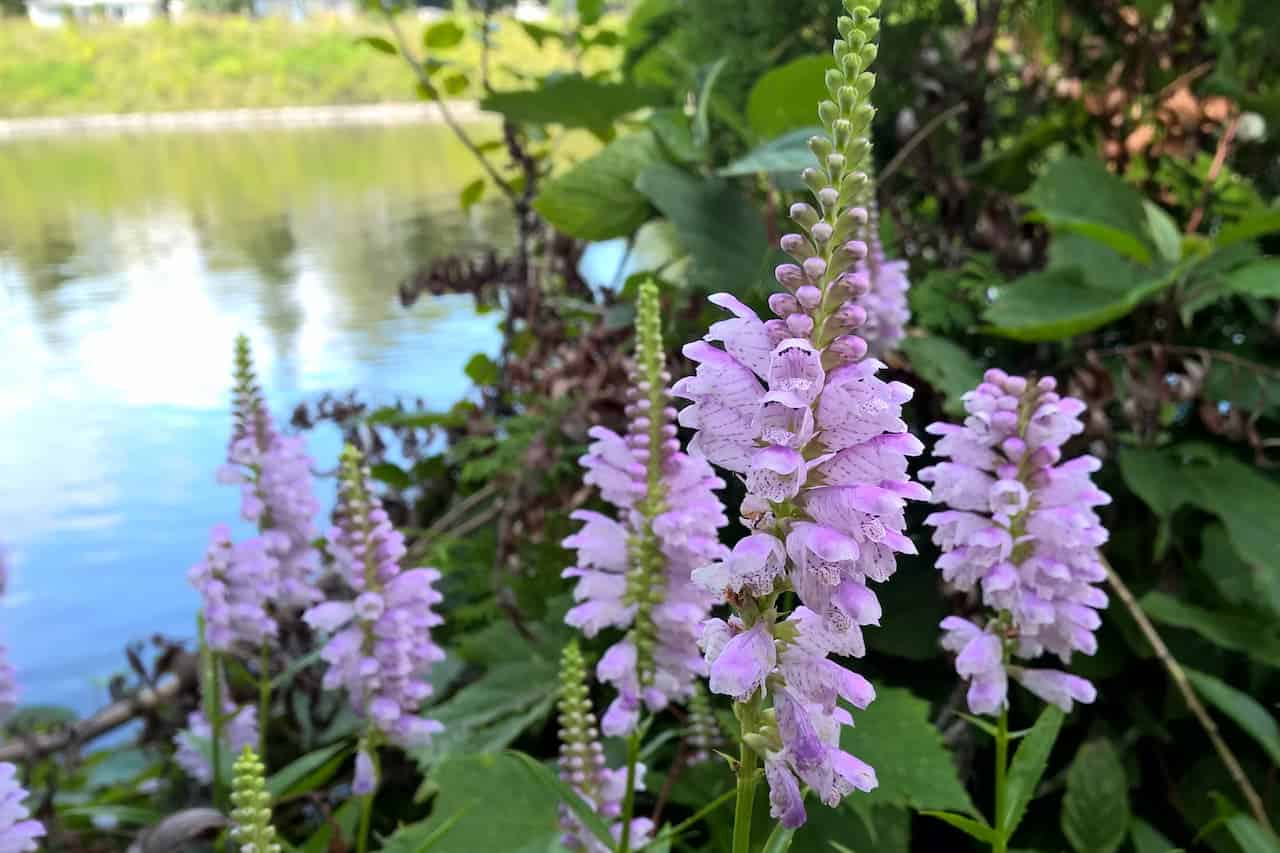
You might find the obedient plant attractive with its tall spikes of pink or purple flowers. It’s a favorite of pollinators, which adds to its charm in your garden.
However, this plant spreads aggressively through underground runners. If not managed, it can take over your garden beds quickly.
Make sure to give it space or plant it where you can control its growth. Otherwise, it may become more work than it’s worth.
Blackberry Brambles
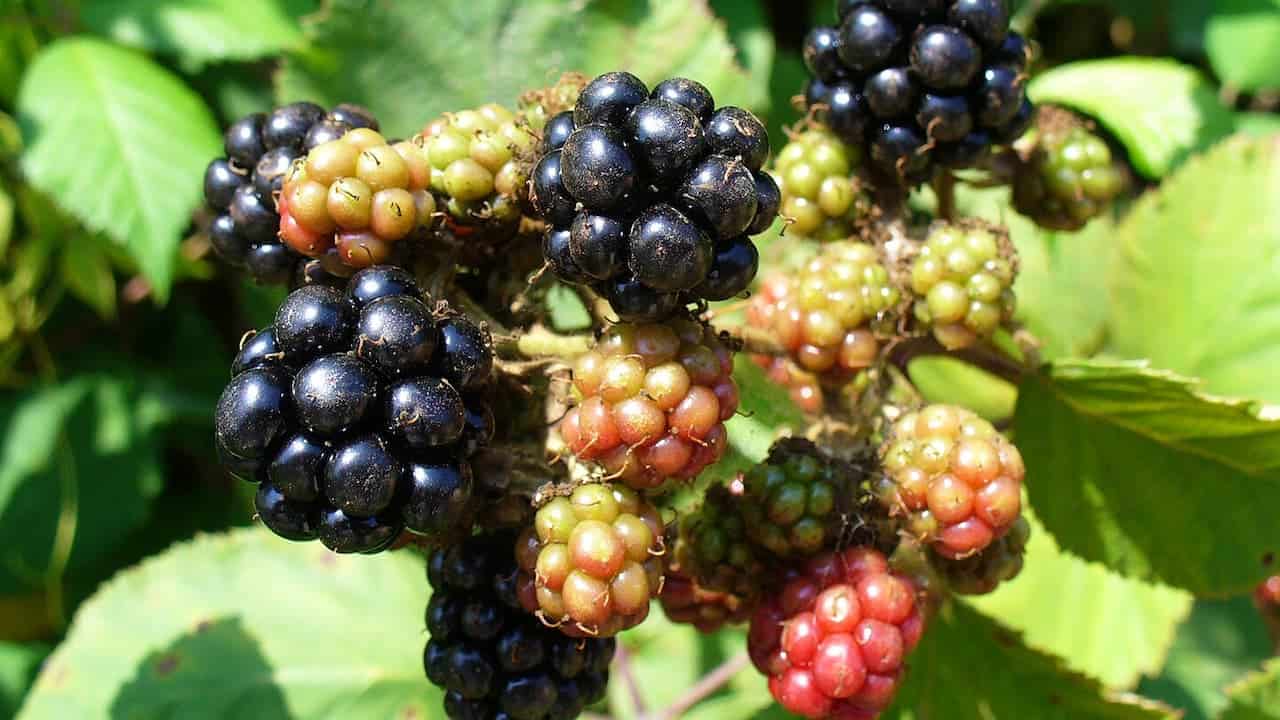
Blackberry brambles can look charming with their dark, glossy berries. However, they spread quickly and take over your garden if you don’t keep them in check.
You’ll find their thorny stems hard to manage, making pruning a challenge. Regular trimming helps, but be prepared for a persistent grower that demands attention.
Climbing Nightshade
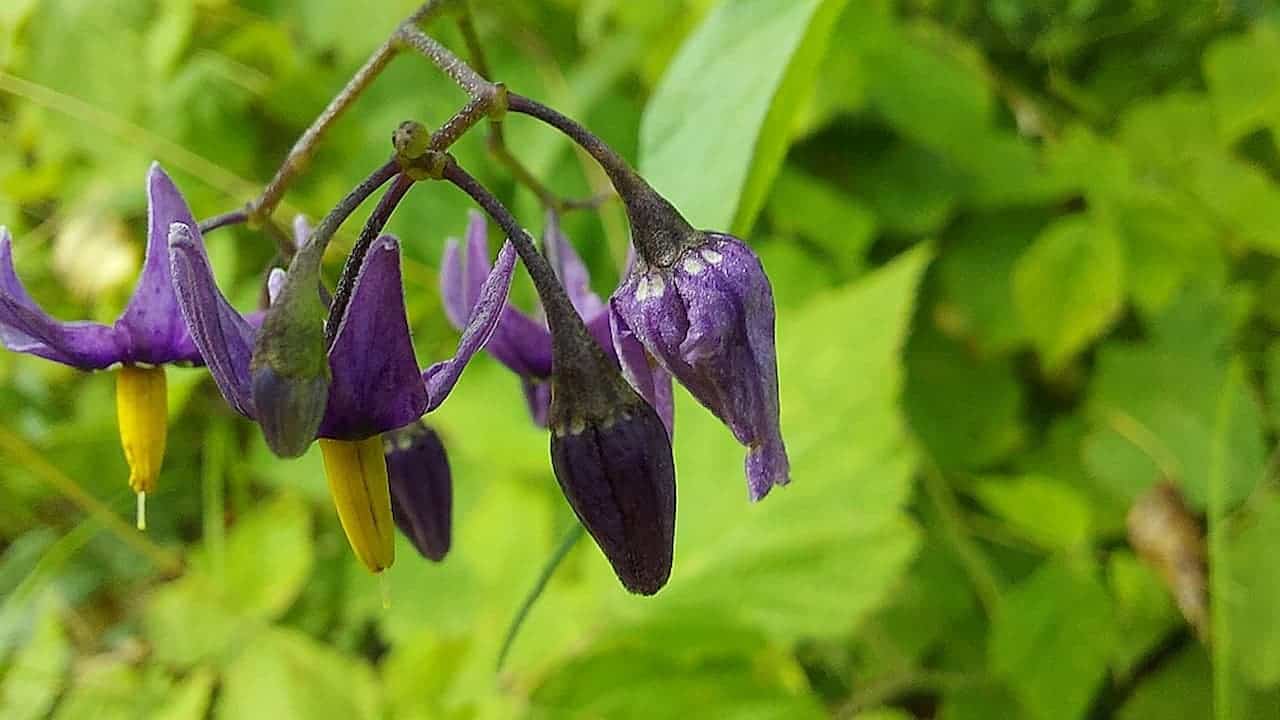
You might be drawn to climbing nightshade for its attractive flowers and quick growth. However, it can spread aggressively and take over other plants.
This vine produces berries that are toxic to pets and children, so be cautious where you plant it. Regular pruning helps keep it under control, but it does require attention.
Ribbon Grass (Phalaris arundinacea)

Ribbon grass looks attractive with its variegated leaves, adding color and texture to your garden. It is very tough and can handle drought, shade, intense sunlight, and even freezing temperatures.
However, this hardiness can work against you. Ribbon grass spreads aggressively through underground rhizomes, which means it can quickly take over your garden if left unchecked. Be prepared to manage it regularly to keep it in control.
Holly
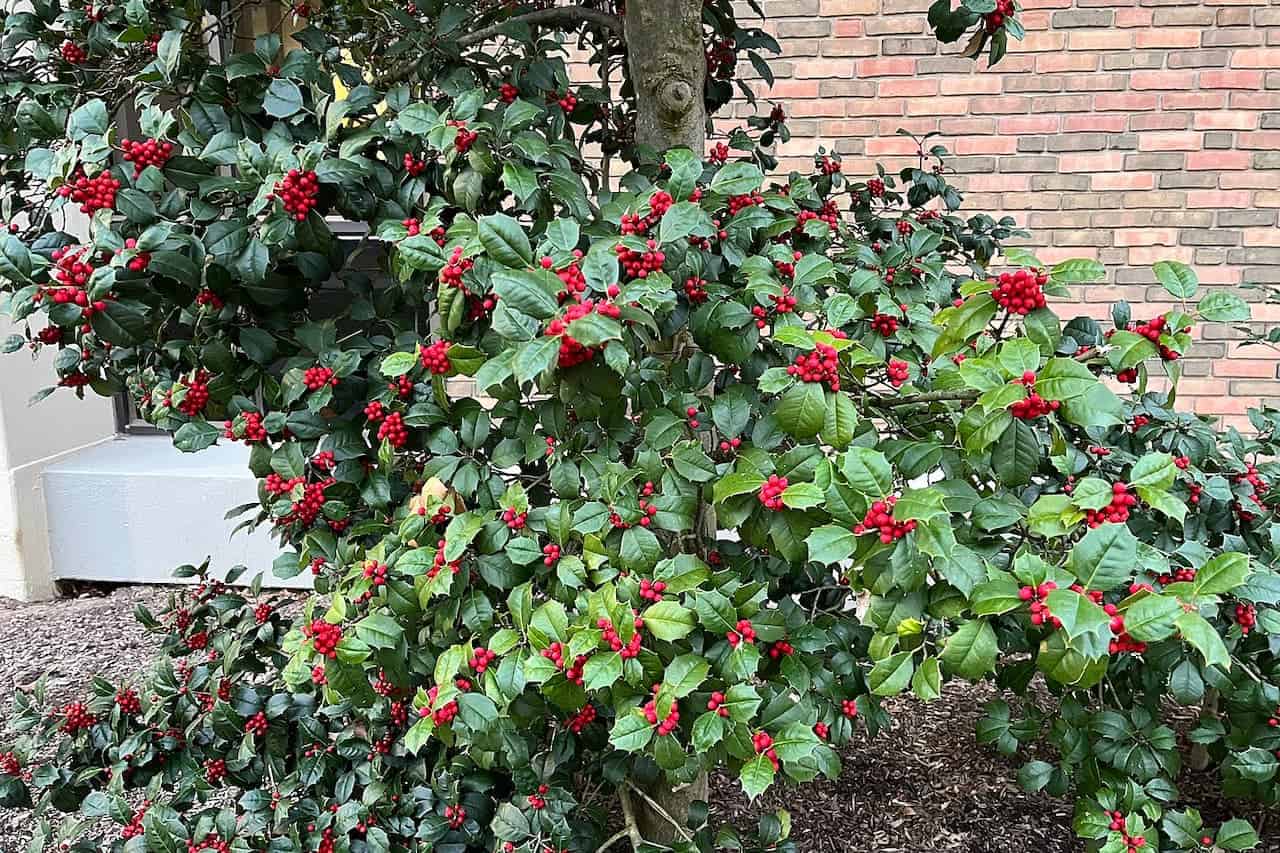
You might plant holly expecting bright berries and attractive foliage. However, it can be tricky to grow, often not flowering or fruiting as you hoped.
Its dense, spiky leaves can become a hassle, making pruning difficult. Be ready for slow growth and possible disappointment if blooms never appear in your garden.
Morning Glory
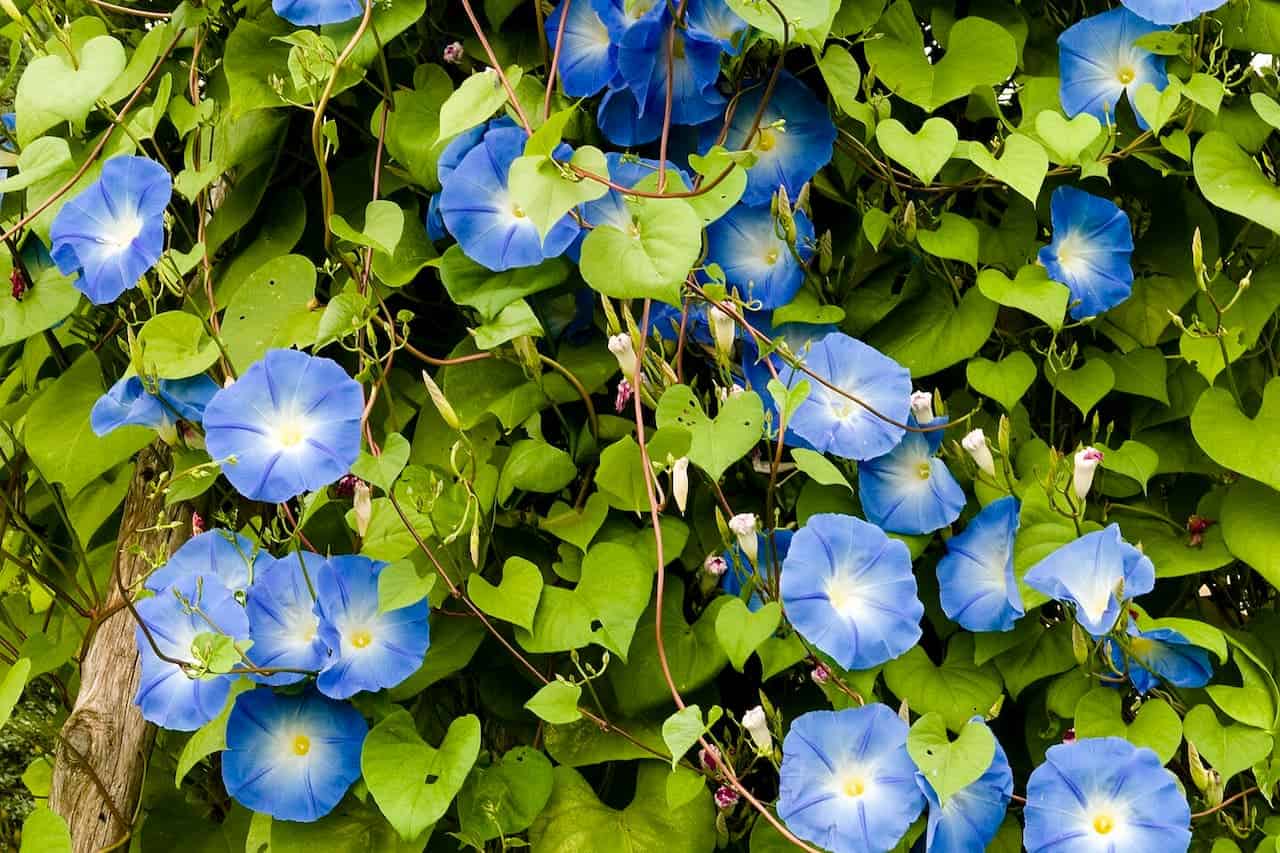
You might be drawn to morning glories for their bright, cheerful flowers. However, they spread quickly and can take over your garden if you’re not careful.
These vines produce many seeds that easily reseed themselves, turning what was a pretty plant into a persistent weed. Keep an eye on where they grow, or they might crowd out other plants you want to keep.
Purple Loosestrife

Purple Loosestrife looks beautiful with its bright purple flowers, but it can quickly take over your garden. Once established, it spreads aggressively and crowds out native plants.
If you spot it early, removing it by hand can help control its growth. Otherwise, it may require more effort to keep your garden balanced and healthy.
English Laurel
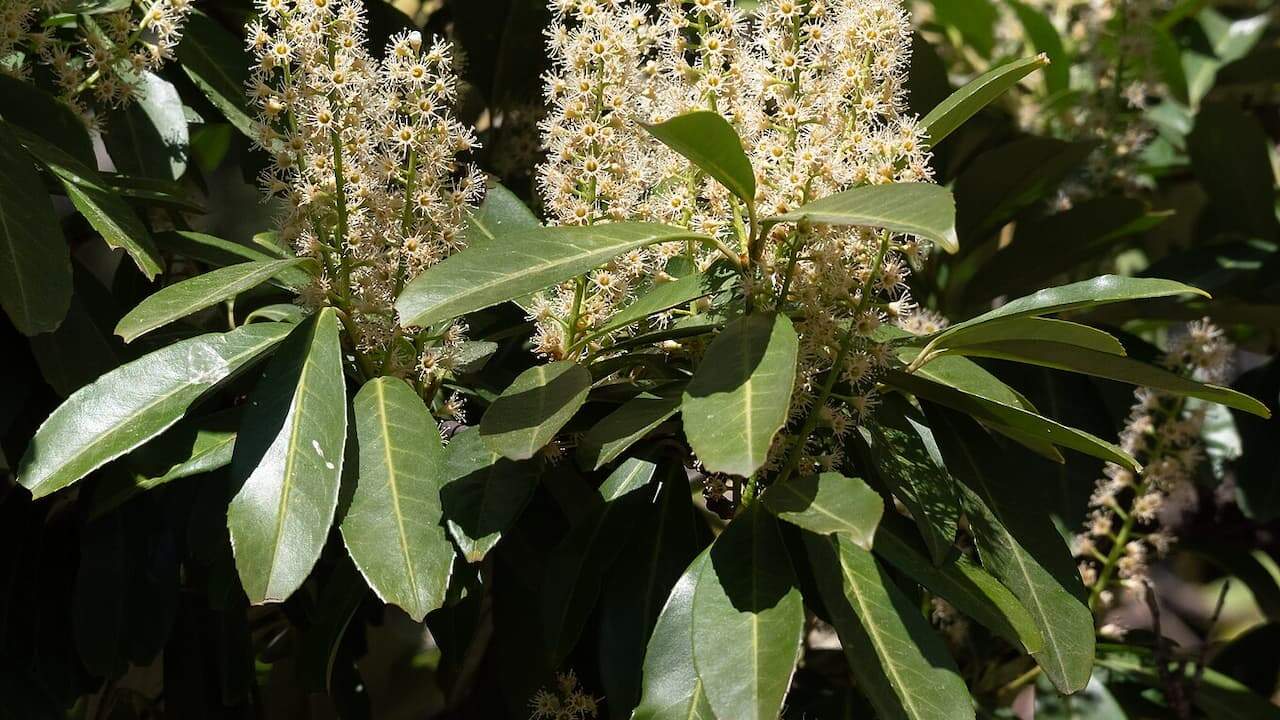
English Laurel looks attractive with its glossy leaves and dense growth. You might be tempted to plant it as a hedge for privacy.
However, it can quickly become invasive and difficult to control. Its thick roots make removal a challenge, especially if not managed properly in the first few years.
If you choose to grow English Laurel, be ready to water it deeply for the first three years to help it establish. After that, it needs regular pruning to keep it from taking over your garden.