If you enjoy planting flowers that attract bees, butterflies, and other pollinators, it’s important to know that some popular choices can also spread invasive species. These plants might seem helpful for pollinators at first but can quickly take over your garden and harm local ecosystems.
You should be aware of which pollinator plants might cause problems before adding them to your yard. Understanding how these plants behave will help you support pollinators without unintentionally encouraging invasive growth.
Advertisement
Garlic Mustard (Alliaria petiolata)

You might see garlic mustard growing in wooded areas or along trails. This plant spreads quickly and can take over spaces where native plants usually grow.
It produces a lot of seeds that travel by water, animals, or even on your shoes. If you spot garlic mustard, pulling it before it goes to seed can help protect your local plants.
Buddleia davidii (Butterfly Bush)

You might find Butterfly Bush very appealing because of its bright flowers and sweet nectar. It attracts many pollinators like butterflies and bees, offering plenty of food for adult butterflies.
However, its caterpillars cannot feed on this plant, so it doesn’t support the full butterfly life cycle. Also, Butterfly Bush can spread aggressively and crowd out native plants you want to protect.
Ailanthus altissima (Tree of Heaven)

If you’re familiar with the Tree of Heaven, you might know it’s a fast-growing tree originally from China. It spreads quickly and can take over areas in North America and Europe.
You’ll see it in many urban areas because it tolerates tough conditions. However, it’s considered invasive and can crowd out native plants around your garden or neighborhood.
Black Swallow-wort (Cynanchum louiseae)
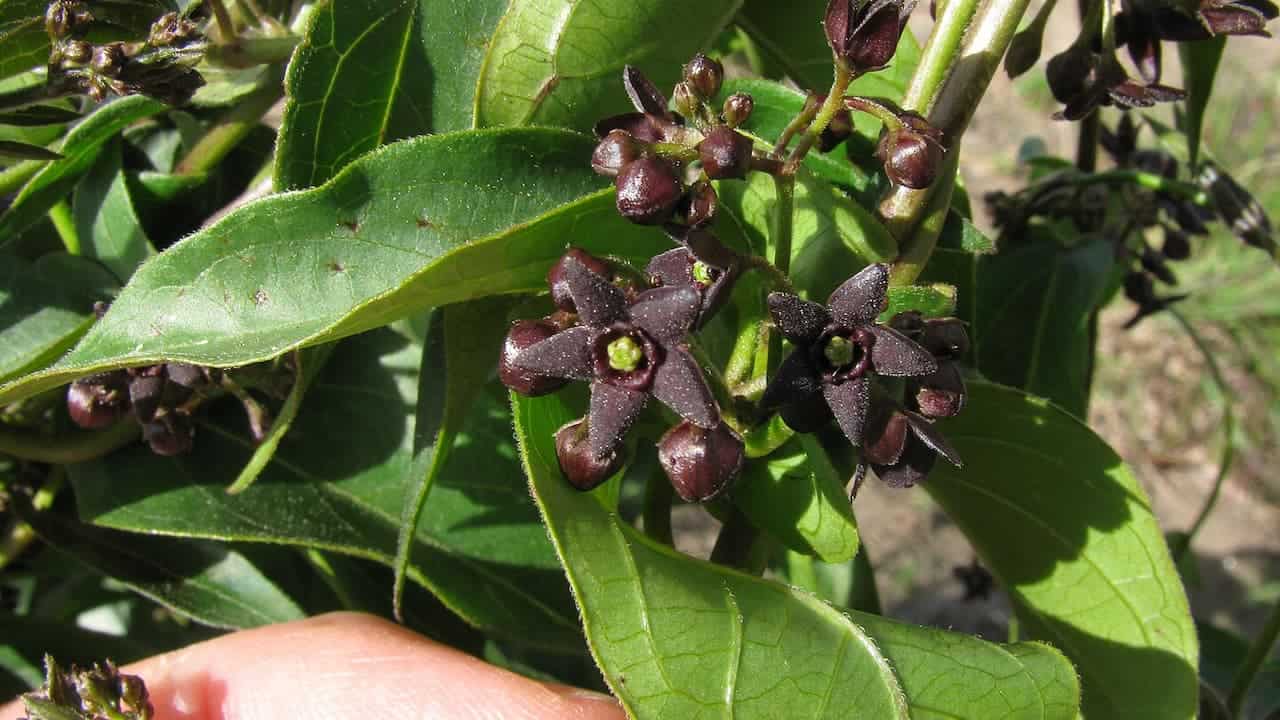
You might notice black swallow-wort popping up in your garden during spring. It flowers from June to July with small purple blooms that attract flies as pollinators.
This plant self-pollinates, so even one seed can start a new patch. Be careful, as it can spread quickly and crowd out native plants you want to protect.
Aegopodium podagraria (Bishop’s Weed)

You might recognize Bishop’s Weed as a fast-spreading ground cover with attractive, lacy leaves. It thrives in shady, moist areas, making it popular in gardens where low maintenance is key.
Pollinators like bees, beetles, and small flies visit its small white flowers. While it supports these insects, it can quickly spread through underground rhizomes, crowding out native plants in your yard.
English Ivy (Hedera helix)

You might notice English ivy in gardens or climbing walls. It has small bisexual flowers that attract many types of insects, helping with pollination.
However, this plant can spread aggressively in your area. It grows along the ground and up trees, which can harm native plants and trees by blocking light.
If you like ivy’s look, consider safe alternatives to keep your space healthy while still supporting pollinators.
Russian Thistle
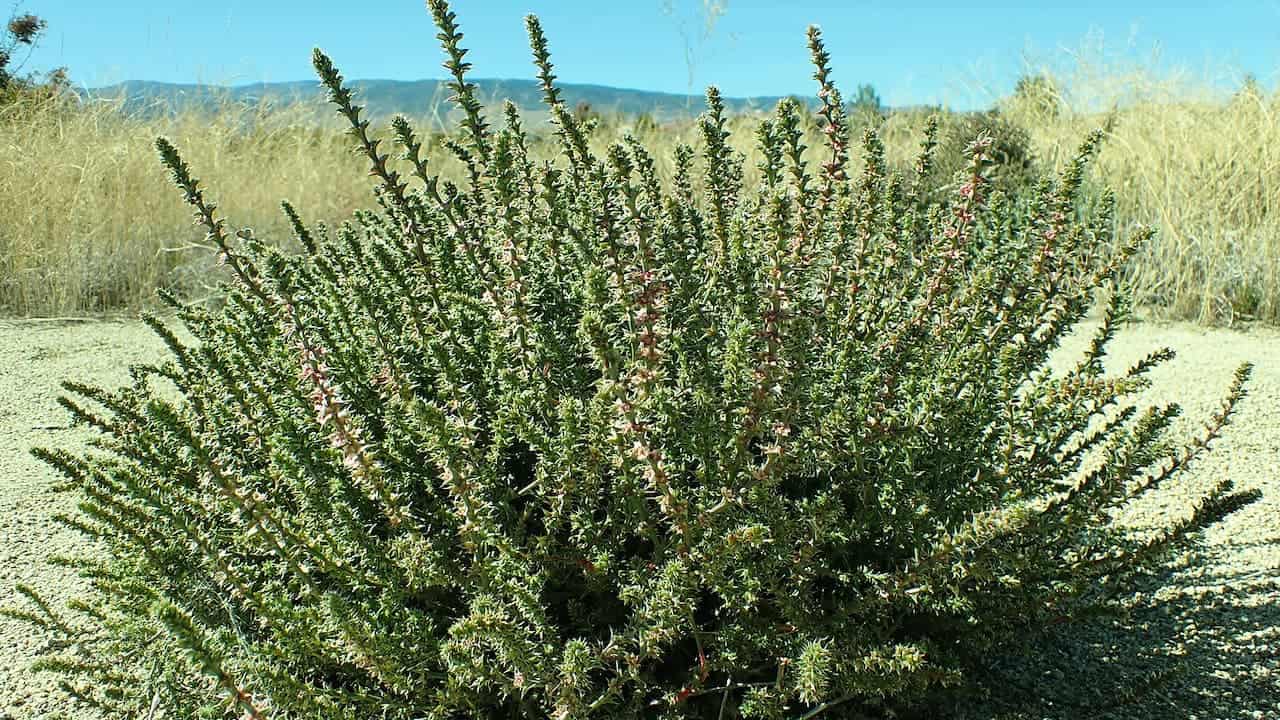
You might recognize Russian thistle as the classic tumbleweed. It produces lots of seeds and spreads easily, which helps it take over new areas.
Even though its flowers are small, Russian thistle provides pollen for many pollinators like bees and flies. However, because it’s invasive, it can outcompete native plants in your area. Managing its spread is important if you want to protect local ecosystems.
Japanese Knotweed
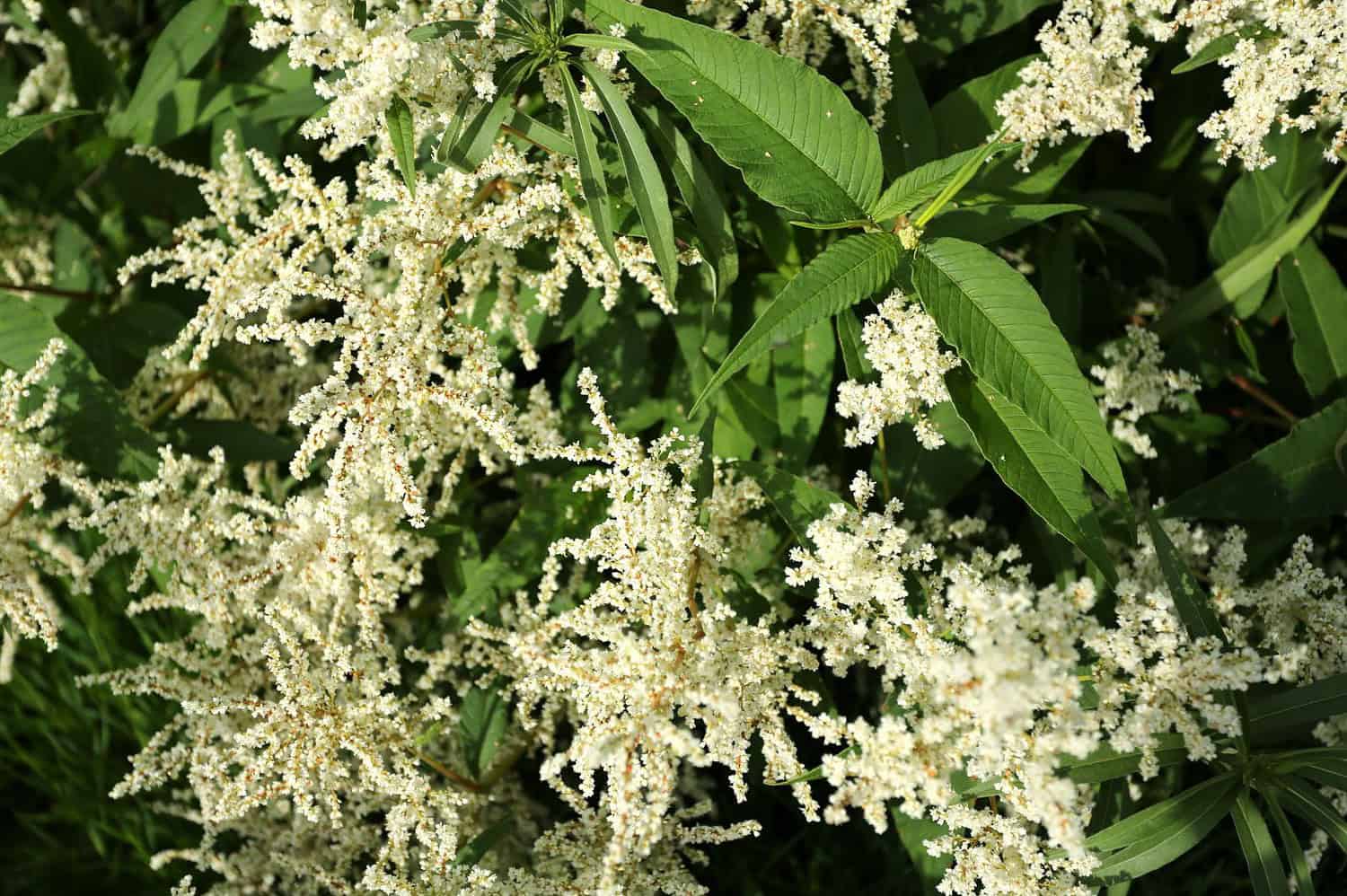
You might notice Japanese Knotweed growing quickly and spreading fast. It forms dense patches that crowd out native plants.
While it blooms and attracts pollinators, it’s also hard to control once it takes hold. You should be careful when managing it to protect local pollinators. If left unchecked, it can change your local ecosystem.
Purple Loosestrife

Purple loosestrife is a beautiful plant with bright magenta flowers, but it can quickly take over wetlands near you. Each plant produces millions of tiny seeds that spread through water, wind, and animals.
If you notice it in your area, it might crowd out native plants that local wildlife depends on. Keeping an eye on this invasive species helps protect your local habitat.
Kudzu
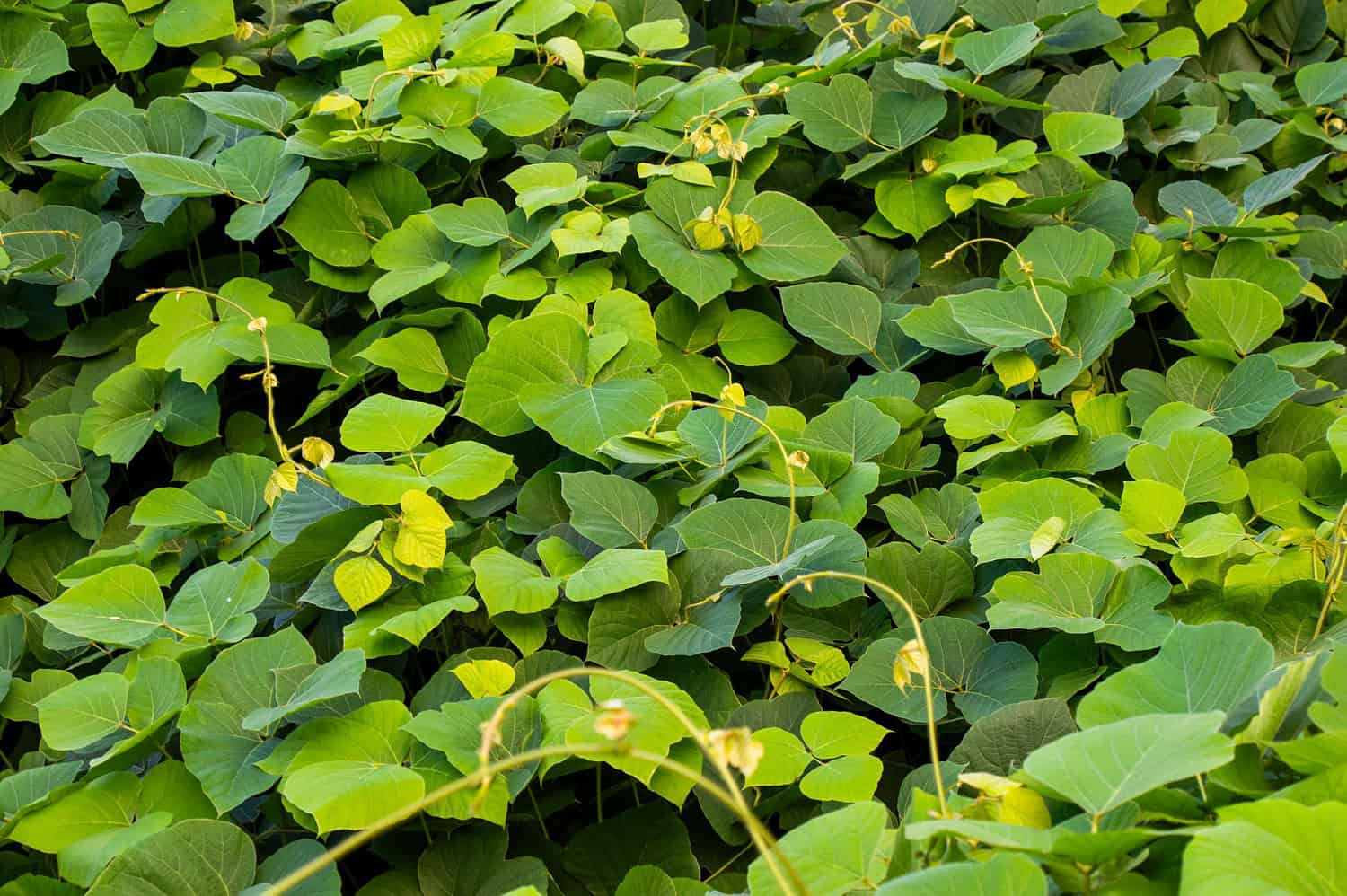
You might notice kudzu’s purple flowers attracting many pollinators. It’s a nitrogen-fixing plant, which adds nutrients to the soil.
However, kudzu spreads very quickly. It grows through runners and underground roots, covering large areas rapidly.
If you see it nearby, be aware it can smother trees and plants by covering them. Managing kudzu is important to protect your local ecosystem.
Multiflora Rose
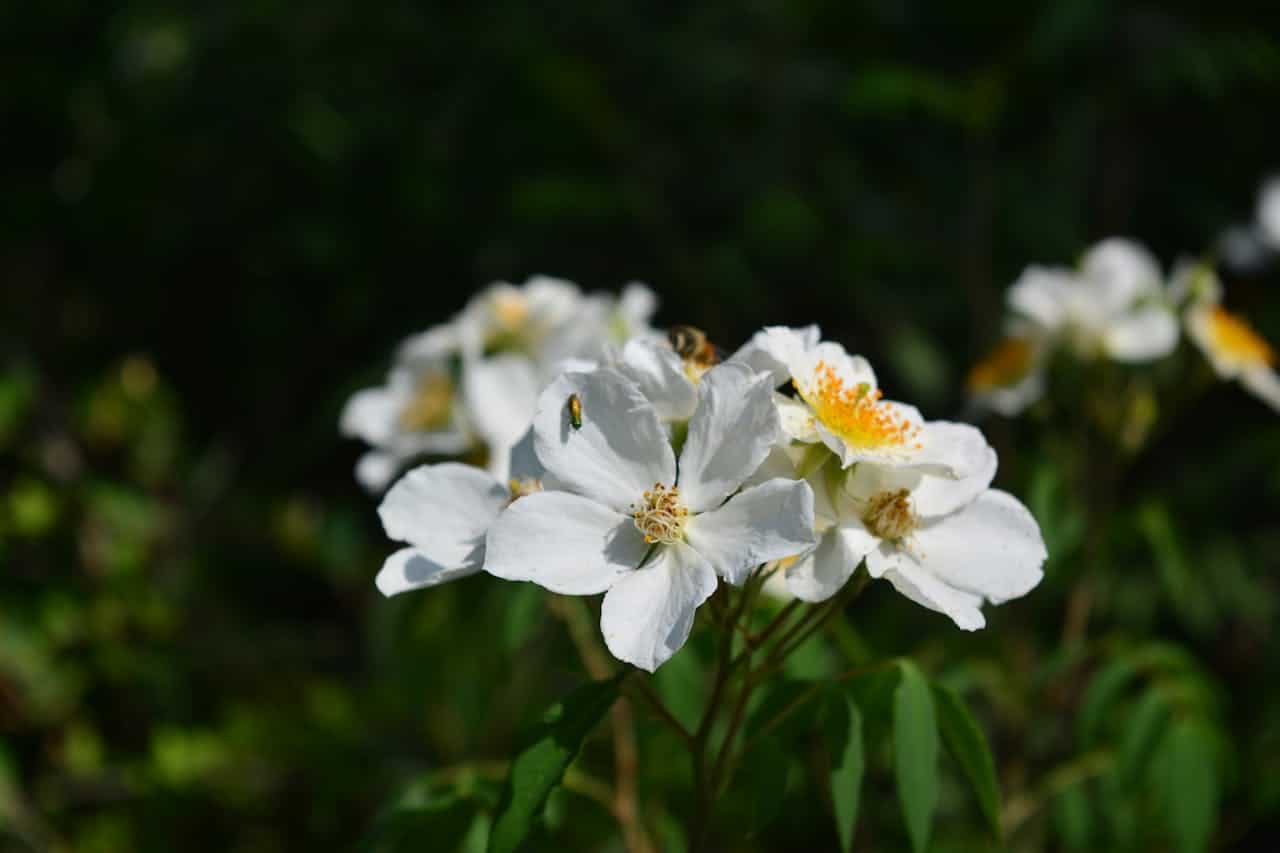
If you spot multiflora rose near your garden, be aware it spreads quickly. This shrub can climb and grow up to 15 feet tall, often taking over pastures and roadsides.
It produces a huge number of seeds—up to 500,000 yearly—that can stay alive in soil for 20 years. Managing this plant early helps protect your native plants and pollinators.
Canada Thistle

You might notice Canada thistle with its wavy, prickly leaves and purple flowers. It’s a perennial plant that attracts many pollinators, which is great for your garden.
However, it spreads quickly and can crowd out native plants. This invasive nature makes it a challenge to manage in your yard or fields. Watching it closely helps protect your other plants.
Cheatgrass
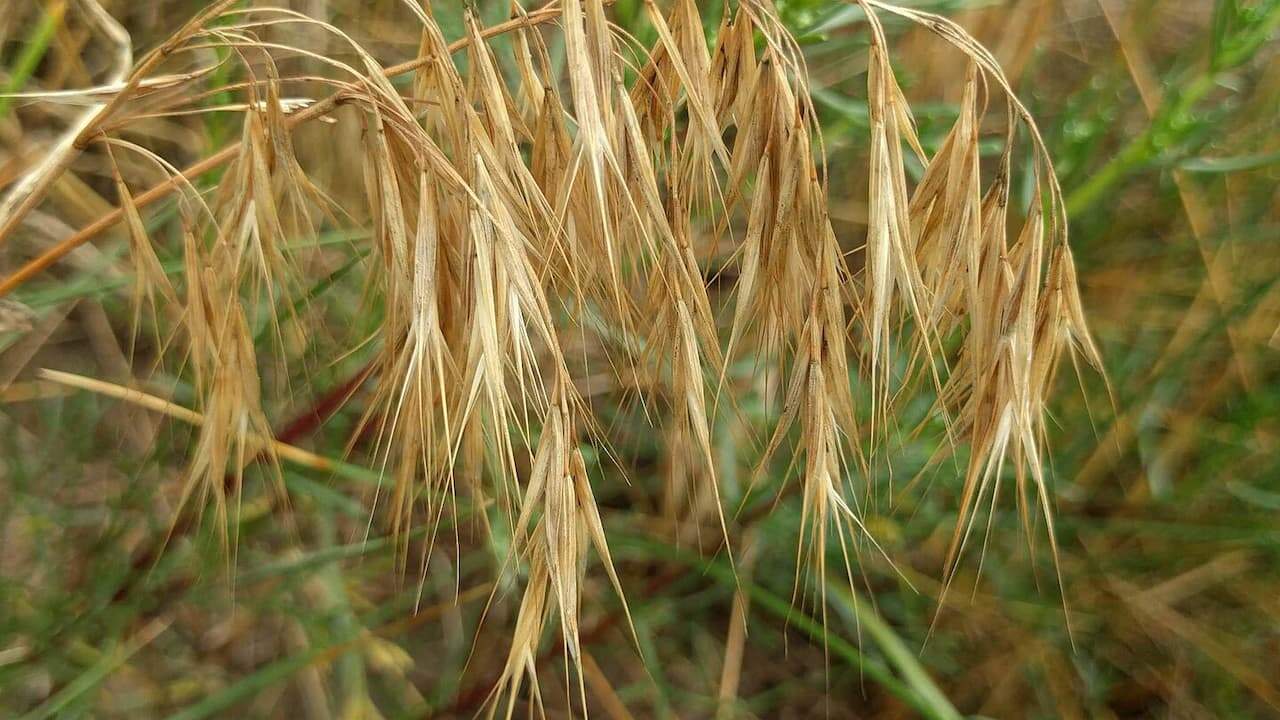
Cheatgrass is an invasive grass that spreads quickly in many areas. You might notice it takes over before native plants can grow.
It produces many seeds that can travel by wind, water, or animals, making it easy to spread.
While it might look harmless, cheatgrass can reduce the variety of plants you see and affect habitats for pollinators you want to support.