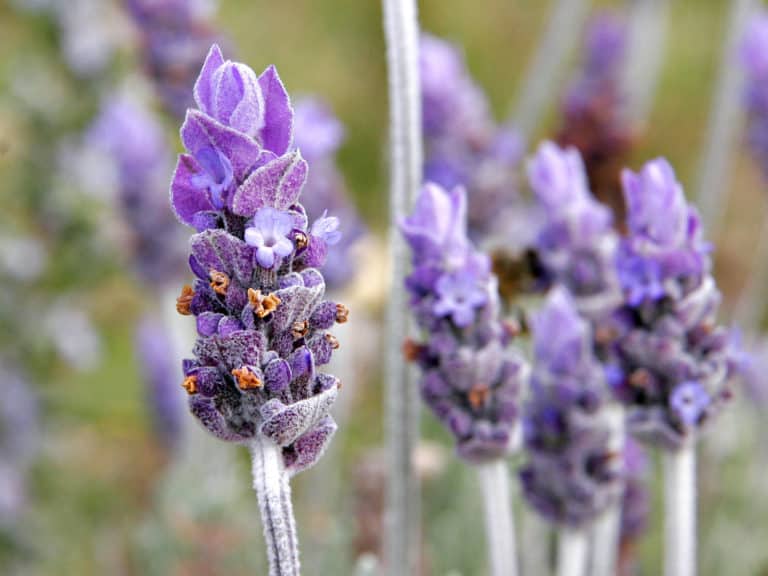
Nothing ruins a beautiful evening in the garden faster than a swarm of mosquitoes, gnats, or other pesky insects. While bug sprays and citronella candles can help, why not take a more natural approach? Many plants have built-in pest-repelling properties, emitting scents that bugs simply can’t stand. By adding these plants to your yard, you’ll create a beautiful, fragrant garden that also works as a natural insect deterrent.
Here are 13 plants that will help keep mosquitoes and other annoying pests away—so you can actually enjoy your time outdoors!
Advertisement
1. Lavender
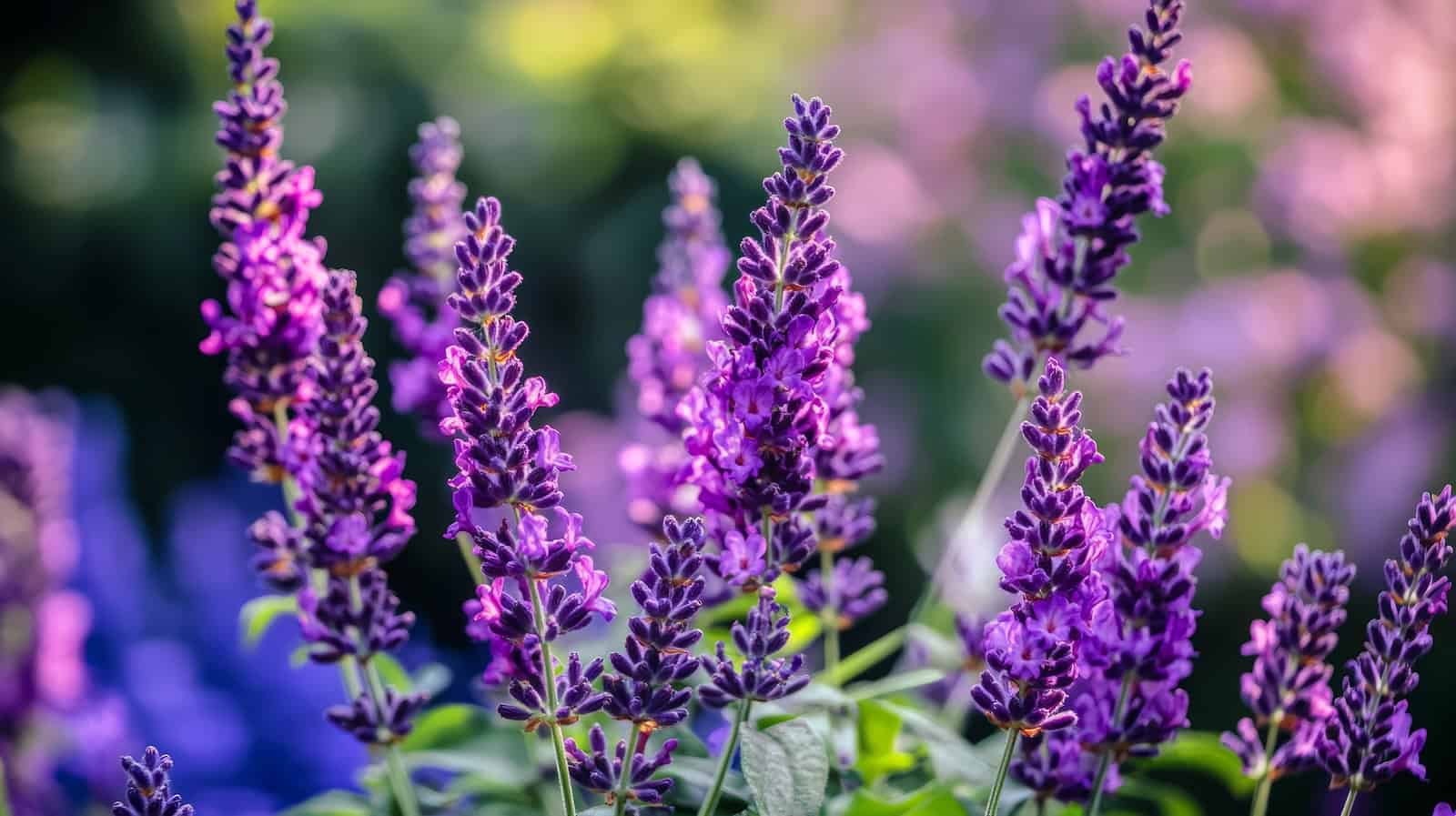
Lavender is more than just a pretty purple flower with a relaxing scent—it’s also one of the best natural mosquito repellents. Its strong floral aroma masks the carbon dioxide and body odors that attract mosquitoes, making it harder for them to find you. Even better, lavender repels moths, flies, and fleas, making it a great all-around pest deterrent.
For best results, plant lavender along pathways, patios, or near windows to keep bugs from sneaking inside. It thrives in dry, sunny locations and requires minimal maintenance. You can also cut and dry the flowers to make homemade sachets or essential oil sprays to keep pests at bay indoors.
2. Citronella Grass
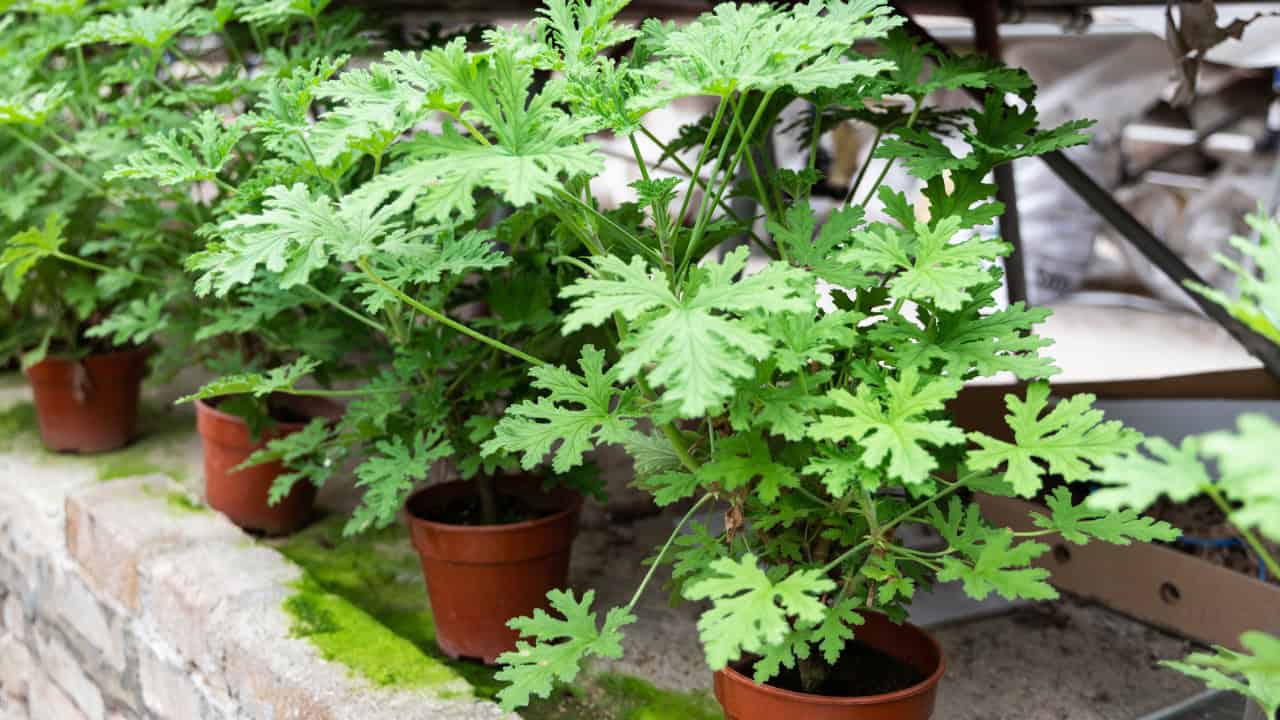
You’ve probably seen citronella candles at outdoor gatherings, but did you know the real power comes from the plant itself? Citronella grass produces an oily compound that naturally repels mosquitoes, and when the leaves are crushed or rubbed on the skin, they release an even stronger protective scent.
Unlike citronella-scented plants like lemongrass or citronella geraniums, true citronella grass is the most effective at keeping bugs away. It grows best in warm, humid climates and can reach up to 6 feet tall, making it a great option for a natural privacy hedge with added insect-repelling benefits.
3. Basil

Basil isn’t just a delicious addition to your pasta dishes—it’s also a powerful mosquito repellent. This fragrant herb releases oils that mosquitoes find highly unpleasant, and it’s also known to deter houseflies. The best part? You don’t have to crush the leaves for it to work—just growing basil in your yard or in pots around your patio will naturally keep bugs away.
For extra effectiveness, plant basil near seating areas or doorways to stop mosquitoes from getting too close. Sweet basil, lemon basil, and cinnamon basil all work, but Thai basil has an especially strong repellent effect. And as a bonus, you’ll have fresh basil on hand for cooking!
4. Marigolds

Marigolds are a gardener’s best friend—not only do they add a burst of bright color to your yard, but they also contain pyrethrum, a natural insecticide that repels mosquitoes, aphids, and even nematodes in the soil. Their strong scent is particularly disliked by mosquitoes, making them a perfect border plant for vegetable gardens and outdoor spaces.
These hardy flowers thrive in full sun and bloom all season long. If you want extra protection, place marigold pots near entryways or patios, where their scent can act as a natural bug barrier.
5. Rosemary
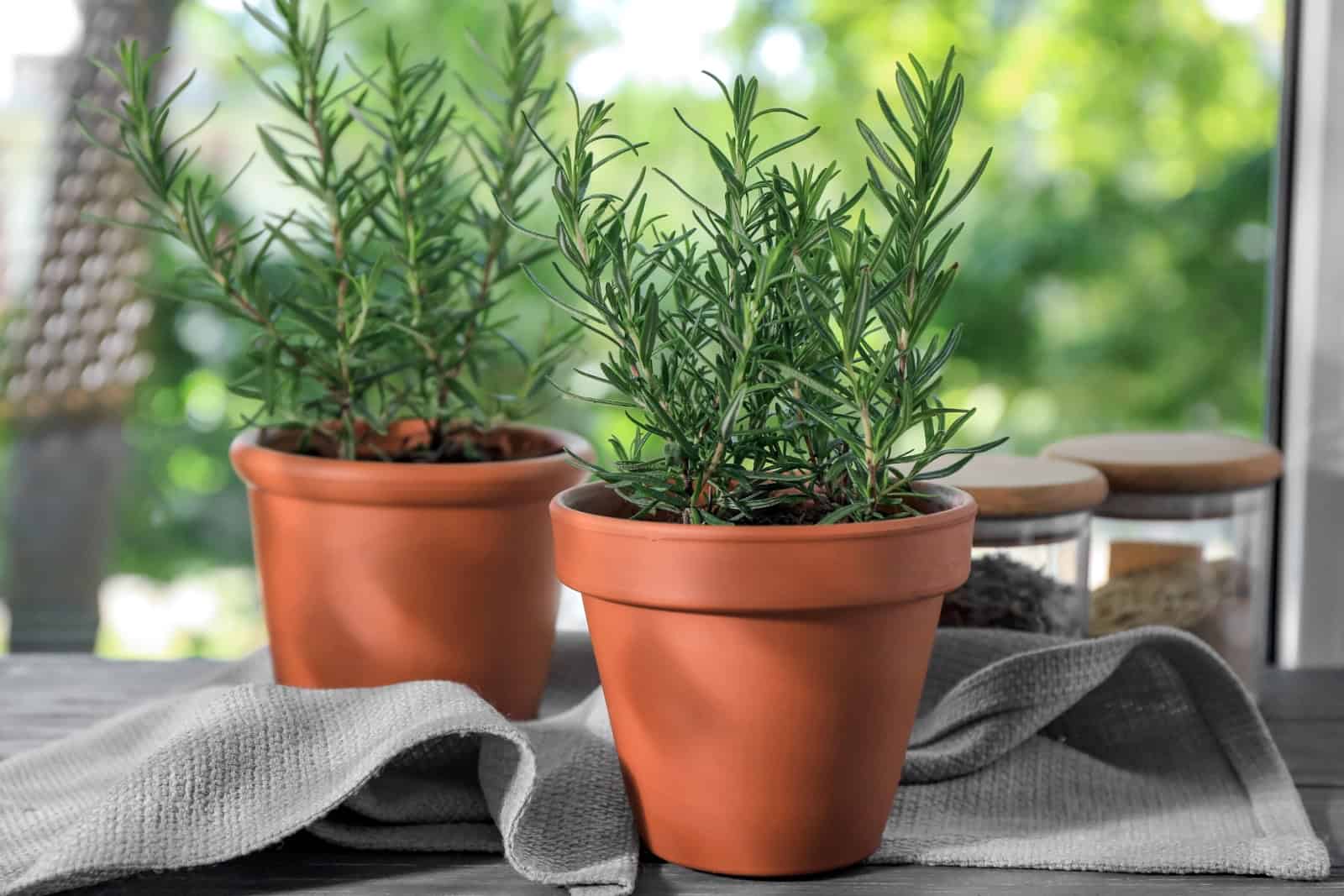
Rosemary’s needle-like leaves and strong, woody scent don’t just enhance your cooking—they also keep mosquitoes, cabbage moths, and carrot flies at bay. This hardy herb thrives in warm, dry conditions and can be grown in the ground or in containers, making it a versatile pest repellent for any garden.
For an extra boost of mosquito protection, toss a few sprigs of rosemary onto the grill when you’re cooking outdoors. The fragrant smoke acts as a natural deterrent, helping keep mosquitoes away from your barbecue.
6. Lemongrass
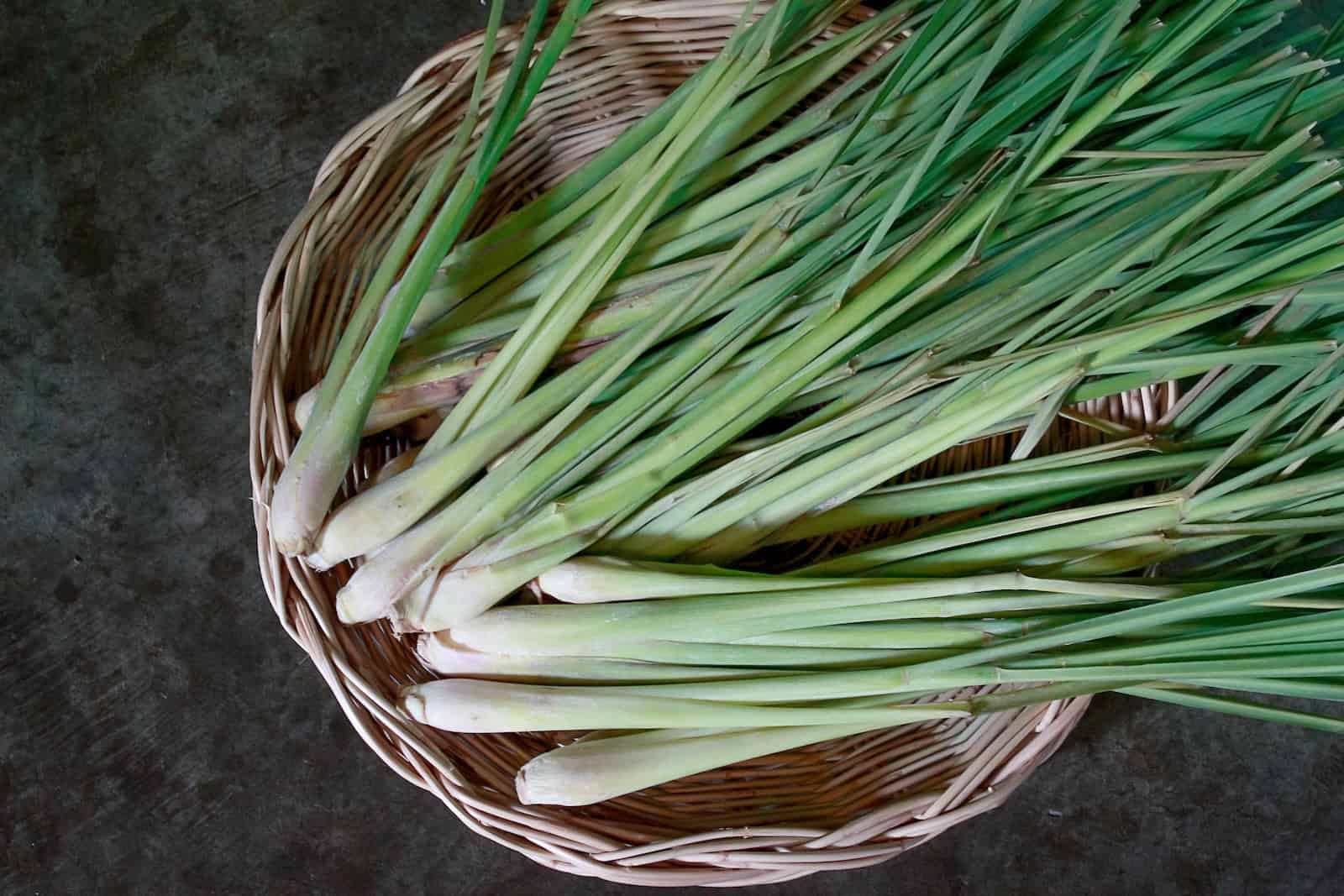
Lemongrass contains high levels of citronella oil, making it one of the most effective mosquito-repelling plants. Unlike citronella grass, which is more ornamental, lemongrass can be used in cooking and tea, giving you a double benefit. It grows in tall, grassy clumps and thrives in warm climates with plenty of sun.
For the best results, plant lemongrass around patios and outdoor seating areas, or crush a few leaves to release the citronella scent when you’re spending time outside. Just be sure to protect it from frost, as lemongrass is highly sensitive to cold weather.
7. Peppermint

Peppermint smells fresh to us, but to mosquitoes, ants, and spiders, it’s downright offensive. This fast-growing herb contains menthol, which disrupts insect nervous systems, making it a great natural repellent.
Peppermint grows aggressively, so it’s best planted in pots to prevent it from spreading uncontrollably. For an added layer of protection, crush a few leaves and rub them on your skin or set fresh sprigs around your outdoor seating areas. You can even make a natural peppermint spray by steeping leaves in water and spritzing it around entry points.
8. Catnip
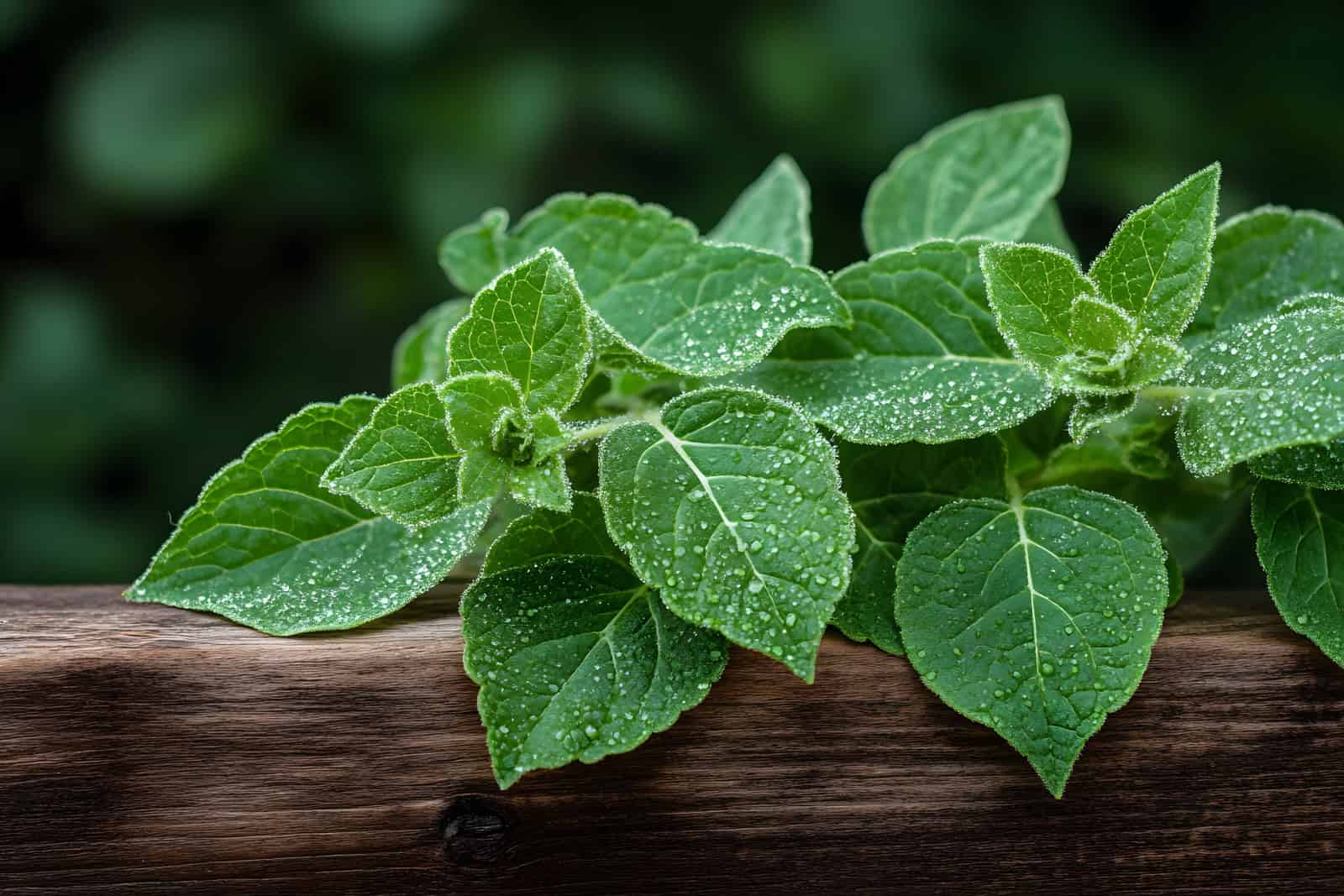
Catnip may drive your feline friends wild, but mosquitoes can’t stand it. Studies have shown that catnip is 10 times more effective than DEET at repelling mosquitoes, thanks to a compound called nepetalactone. It also helps keep cockroaches and flies away.
This fast-growing herb is easy to care for and thrives in various conditions. Just be aware that if you have outdoor cats, they might roll around in your catnip patch, crushing the plants and reducing their effectiveness. To avoid this, plant catnip in hanging baskets or raised beds.
9. Chrysanthemums
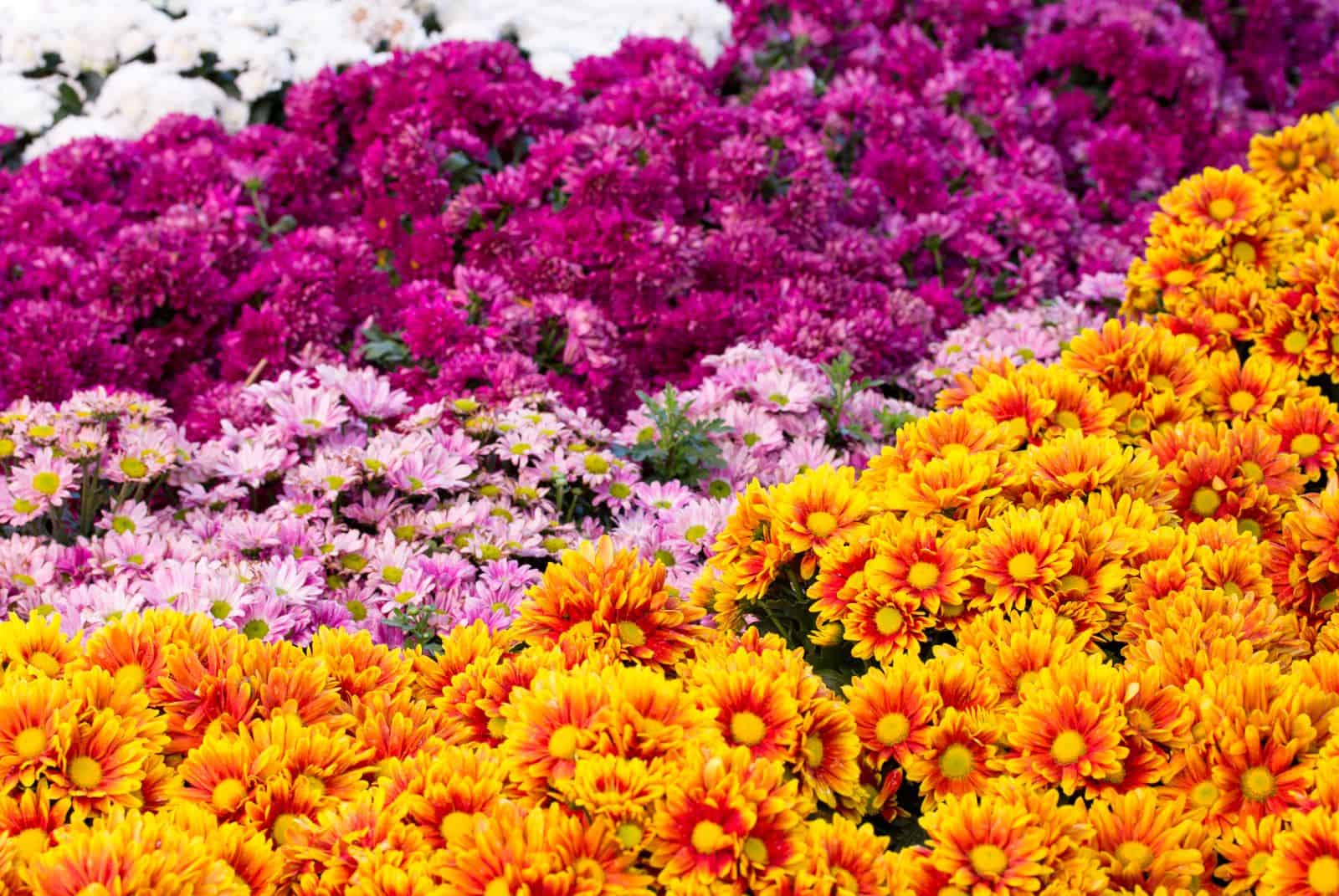
Chrysanthemums, or mums, contain pyrethrins, which are used in many commercial insect repellents. These compounds repel mosquitoes, ants, ticks, fleas, and even roaches.
Planting chrysanthemums around your home, especially near entryways, can help keep pests out. Plus, they come in a variety of colors, making them a beautiful and functional addition to any garden.
10. Sage

Like rosemary, sage has a woody, earthy scent that mosquitoes and other pests dislike. It’s easy to grow in dry, well-drained soil and is an excellent herb for both cooking and pest control.
One of the best ways to use sage for repelling insects is to burn a few dried leaves in a fire pit or on the grill. The fragrant smoke will help keep mosquitoes and flies away from your outdoor space.
11. Bee Balm
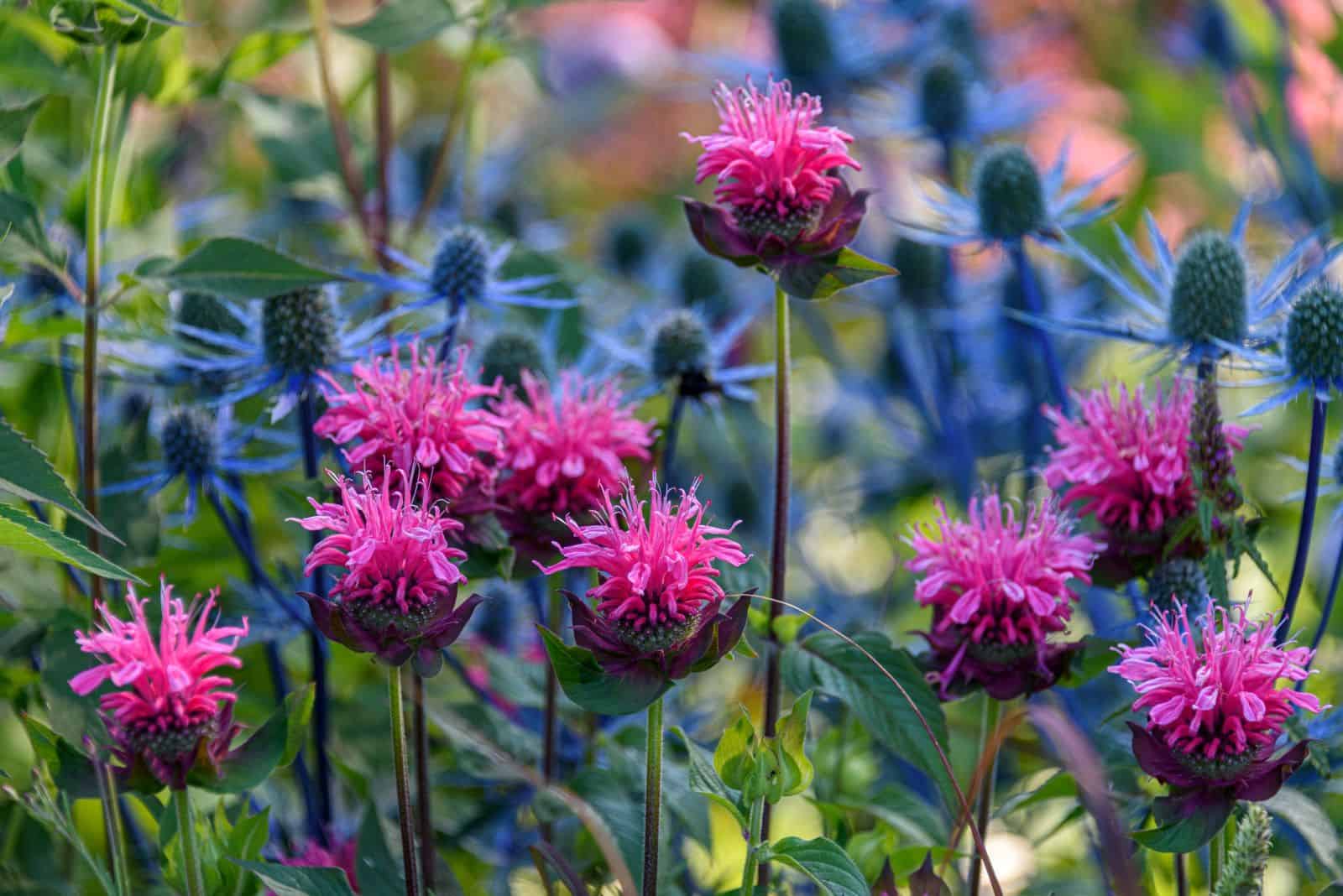
Bee balm is a magnet for butterflies, bees, and hummingbirds, but it has the opposite effect on mosquitoes. Its strong citrus and minty aroma keeps mosquitoes at a distance, making it a great choice for garden borders or patio planters.
Bee balm thrives in sunny locations with well-drained soil, and its bright red, pink, or purple flowers add a beautiful pop of color to any garden.
12. Eucalyptus

Eucalyptus trees and shrubs produce essential oils that repel mosquitoes, fleas, and ticks. The scent is so effective that eucalyptus oil is a common ingredient in many bug sprays.
Eucalyptus grows quickly but can become quite large, so consider planting dwarf varieties in containers for better control. You can also crush fresh leaves to release the repellent scent.
13. Garlic
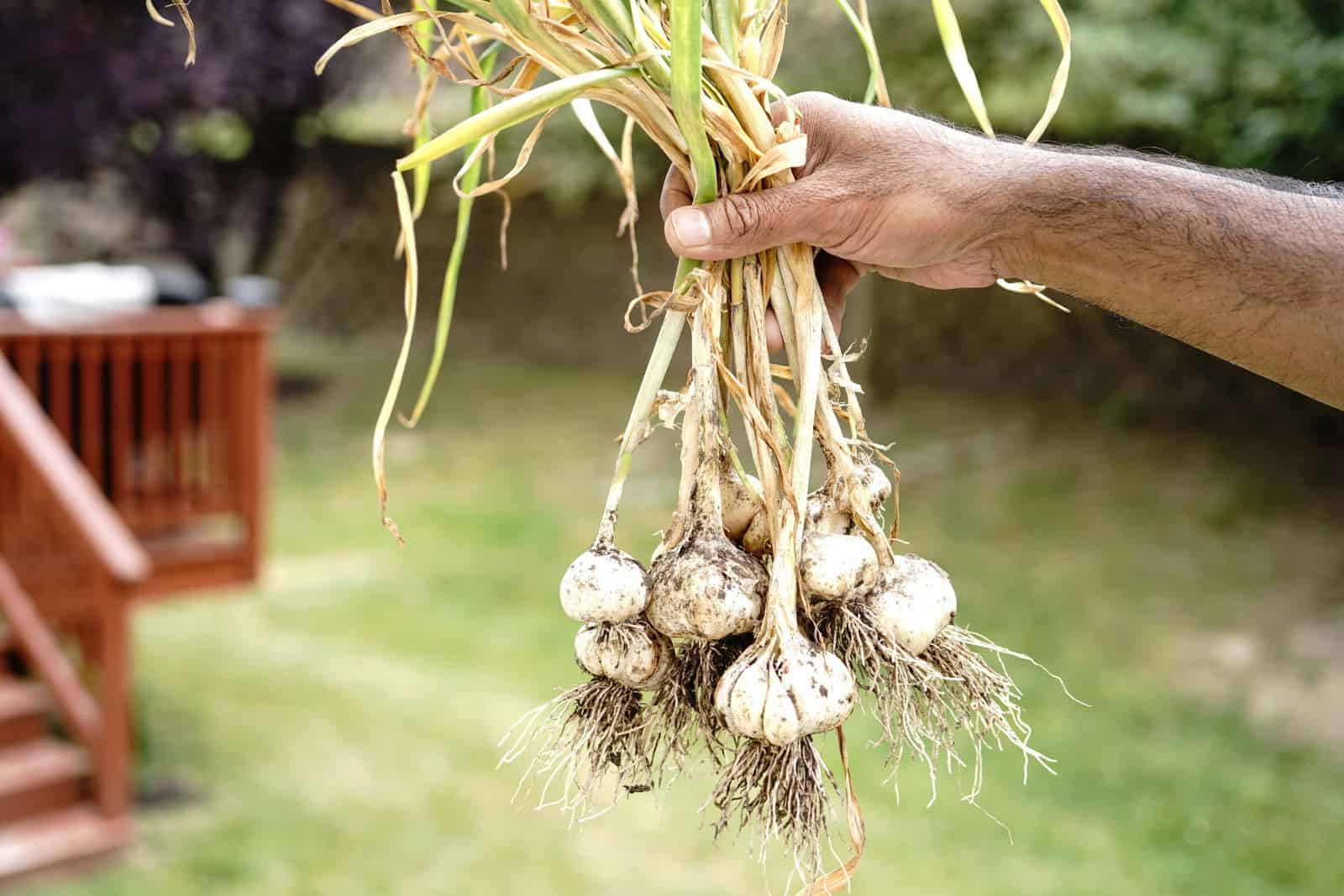
While garlic is famous for repelling vampires, it also works wonders against mosquitoes, aphids, and Japanese beetles. The strong sulfur compounds in garlic mask human scents, making it harder for mosquitoes to find you.
For best results, plant garlic in your vegetable or flower beds and even try rubbing a cut clove on exposed skin for extra protection.
*This article was created with the help of AI.