Finding plants that bloom after most have stopped can bring lasting color and life to your garden. These plants extend your enjoyment of flowers well beyond the usual growing season.
You can discover varieties that fill late summer and fall with vibrant blooms when many others fade away. This collection helps you keep your outdoor space lively even as the seasons change.
Advertisement
Autumn Crocus

If you want a plant that blooms when most others stop, the autumn crocus is a great choice. You’ll notice its flowers appear in late summer or early fall, often without any leaves nearby.
This plant is also called “naked ladies” because of its leafless blooms. It’s easy to grow and adds a lovely pop of color when your garden starts to slow down.
Japanese Anemone
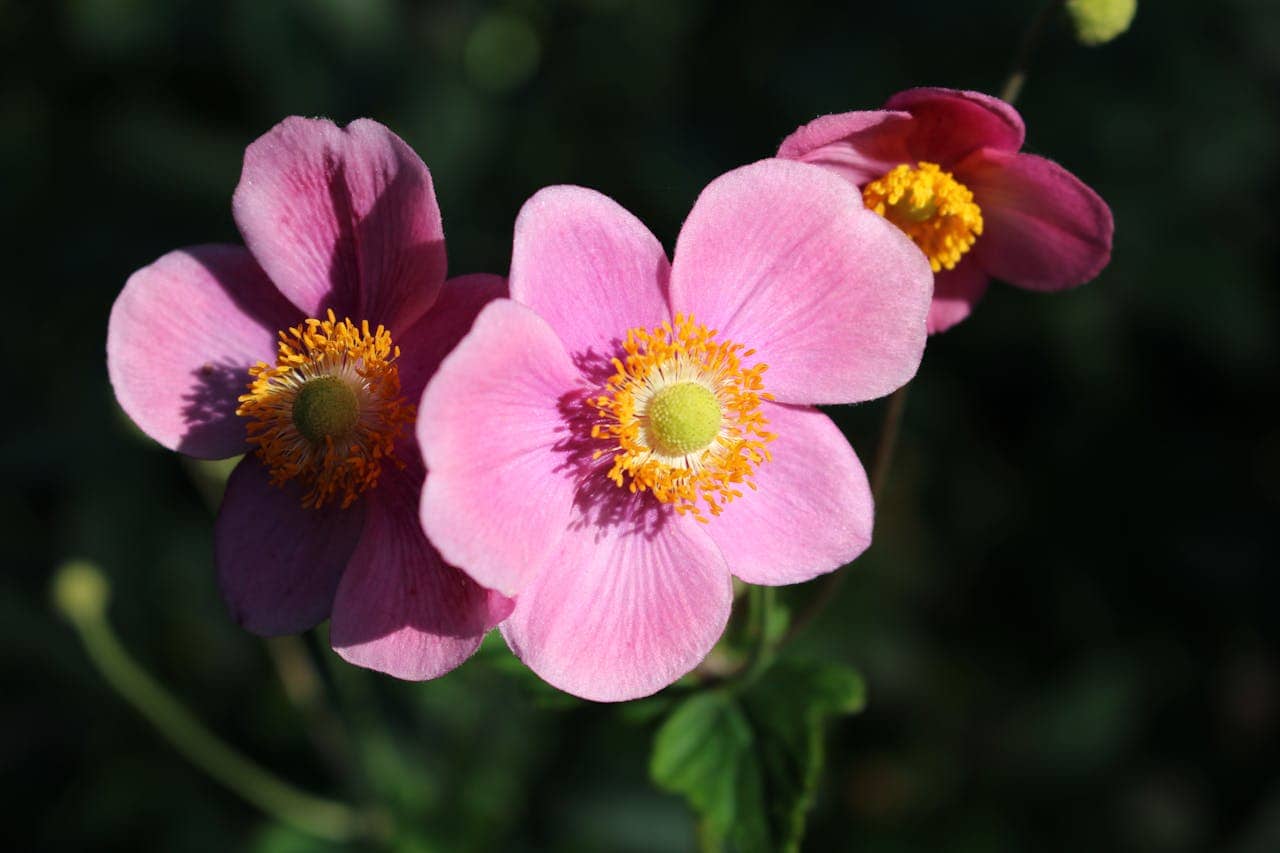
You’ll find Japanese anemones bloom from late summer into fall, bringing color when many others have finished. They are easy to grow and do well in many garden settings.
These perennials work beautifully when planted in groups. Their flowers last for up to eight weeks, so your garden stays lively long into the season.
Sedum ‘Autumn Joy’
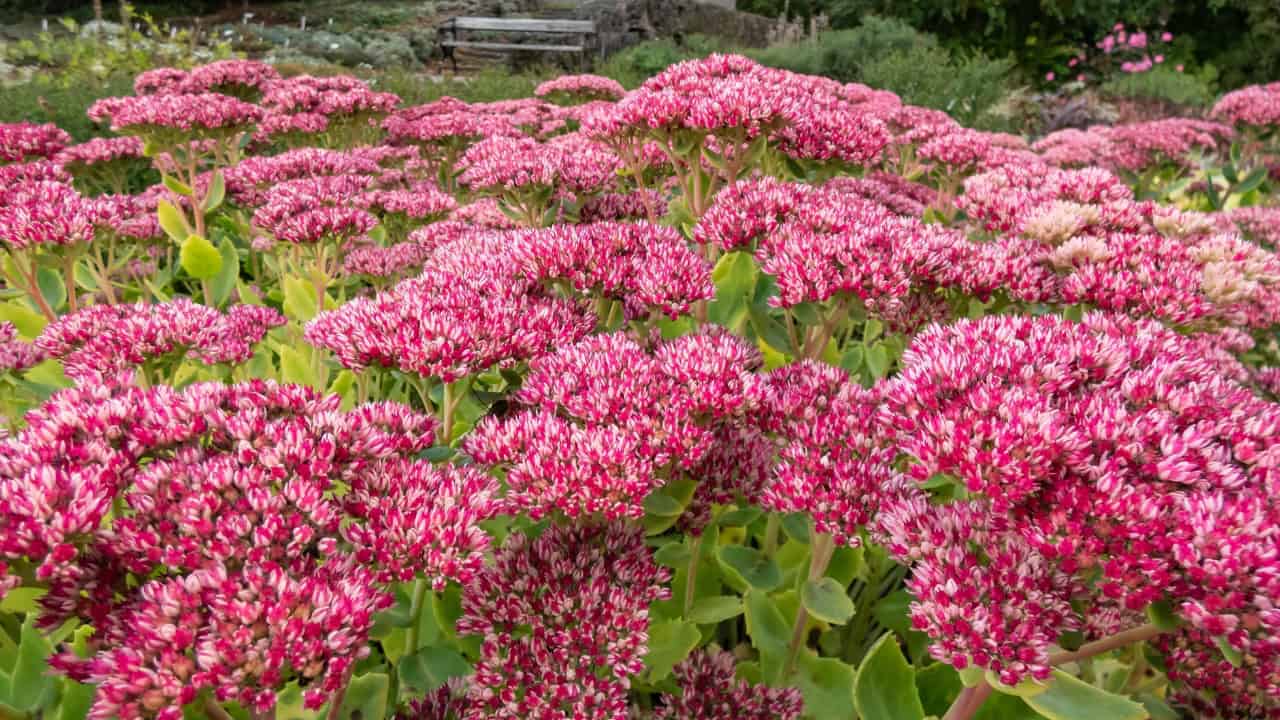
Sedum ‘Autumn Joy’ is a tough, spreading plant with thick, succulent leaves. You’ll love how its pinkish flower clusters brighten your garden late in the season when others have finished blooming.
You can easily divide it if it gets too large. Just dig up the plant and separate the roots to create new plants.
Pinching back your sedum in early summer helps keep it sturdy and encourages more flowers. It’s a simple step for a fuller look.
Chrysanthemum
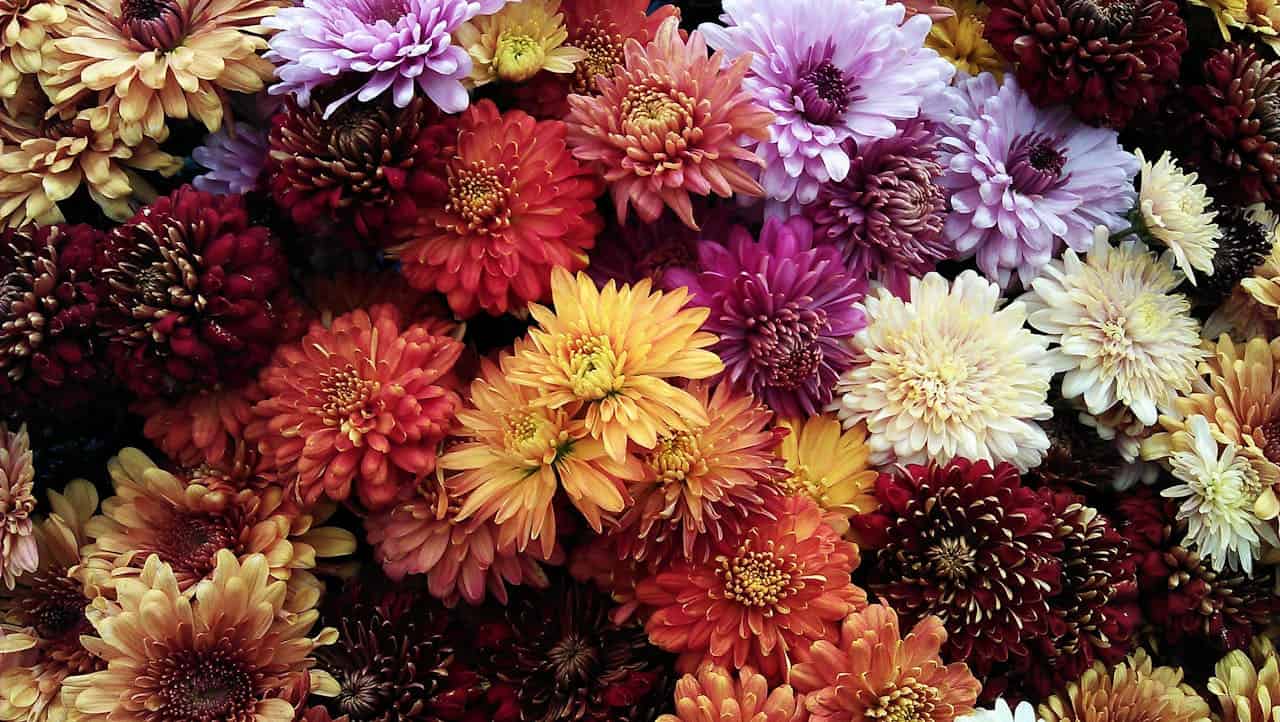
You’ll love chrysanthemums for their late-season blooms when most flowers have faded. They come in 13 distinct types, each with different petal shapes and sizes.
These plants add vibrant color to your garden in fall. You can also divide their roots in the fall to manage growth and share new plants with friends.
Goldenrod

Goldenrod blooms when many other plants have stopped, often from late summer into fall. You’ll notice its bright yellow flowers adding color to your garden during this quieter season.
It spreads easily through windblown seeds, so it can quickly fill empty spaces. If you want to keep it tidy, regular cutting back helps prevent sprawling.
Pair goldenrod with purple ironweed or white valerian for a lovely mix of colors when blooms are sparse elsewhere.
Asters
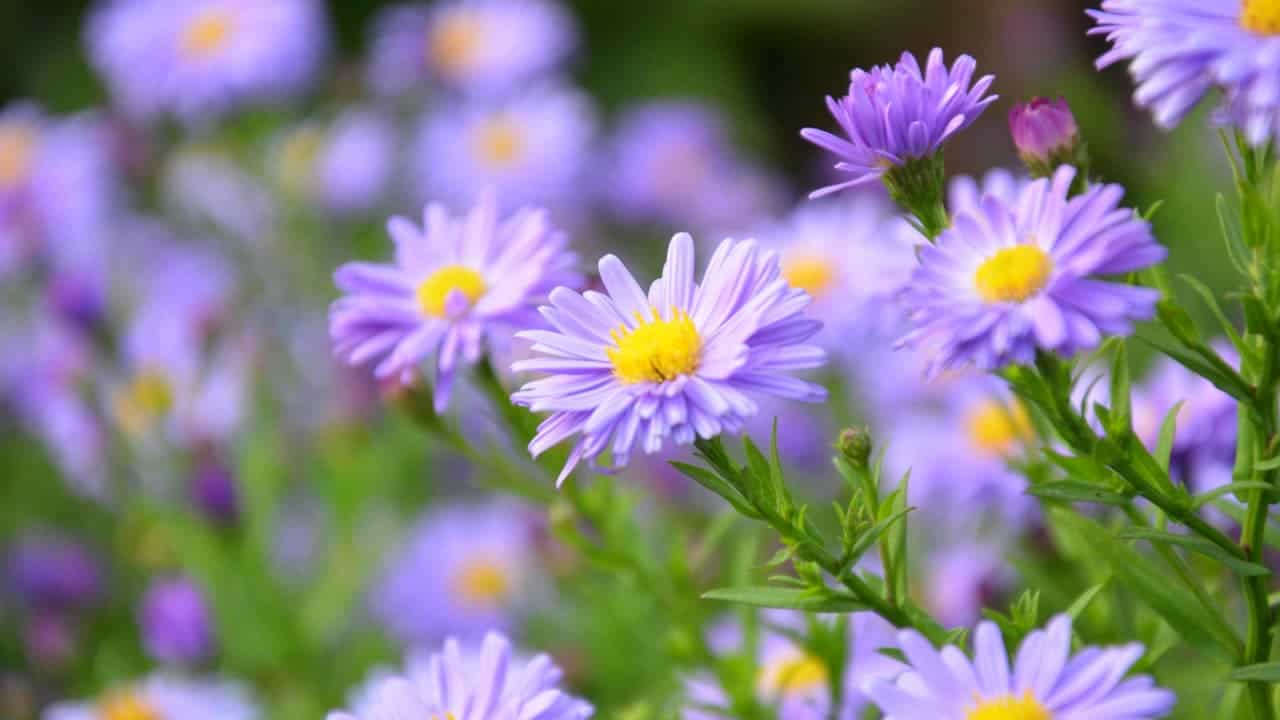
Asters are a great choice when many other flowers have stopped blooming. You’ll find them brightening your garden in late summer and fall.
These plants come in colors like purple, blue, and white. Some popular types include New England Asters, which are easy to grow and widely available.
Asters attract pollinators and add color just when you need it most. They thrive in both sun and partial shade, making them versatile for your garden.
Joe Pye Weed
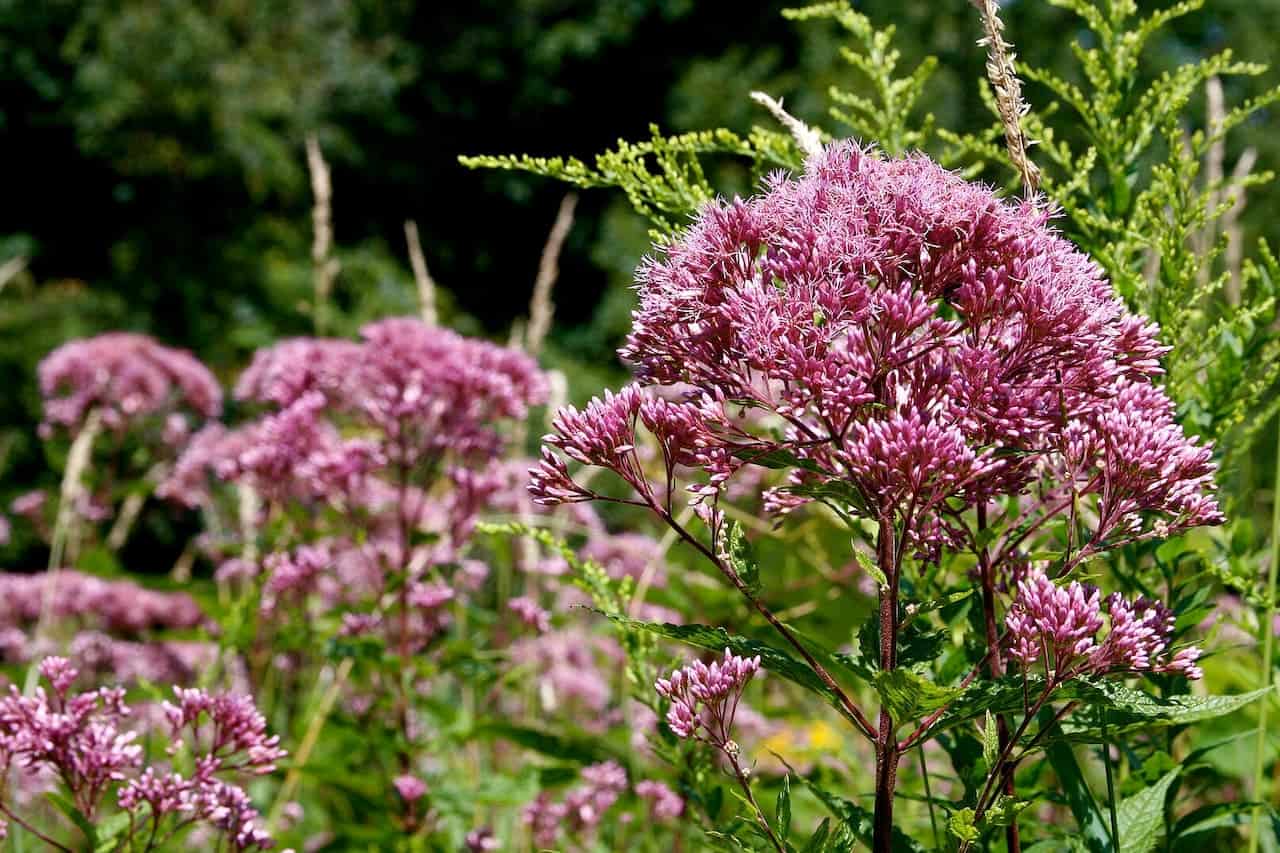
Joe Pye Weed blooms in late summer through early fall, a time when many other plants have finished flowering. You’ll notice its tall stems with clusters of pink or purplish flowers.
This plant attracts pollinators, making it a great addition to your garden. It grows well in moist soil and usually seeds itself, so you might see new plants appear nearby each year.
Russian Sage
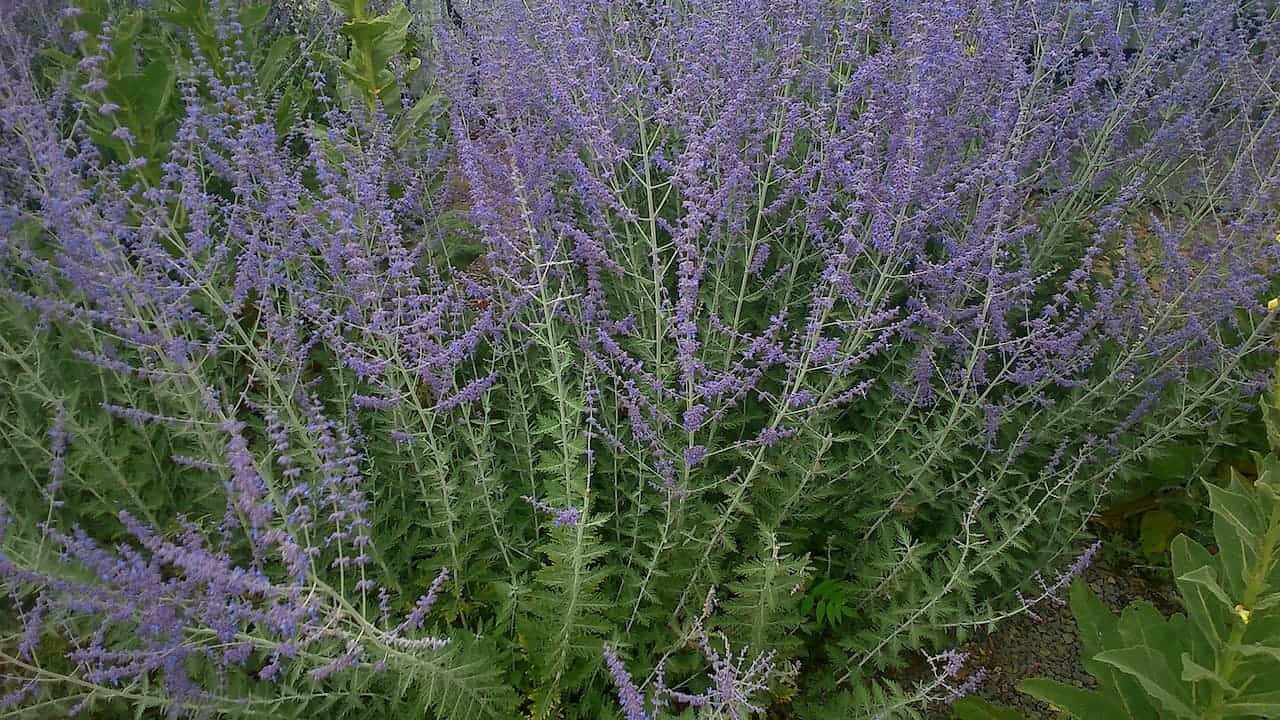
You’ll love Russian sage for its long blooming period that stretches from early summer into fall. It produces delicate blue flowers that add color when many other plants have stopped blooming.
It’s easy to care for and drought resistant, making it a good choice for low-maintenance gardens. If your Russian sage looks tired in early spring, don’t worry—it often bounces back with full blooms as the weather warms.
Hellebore
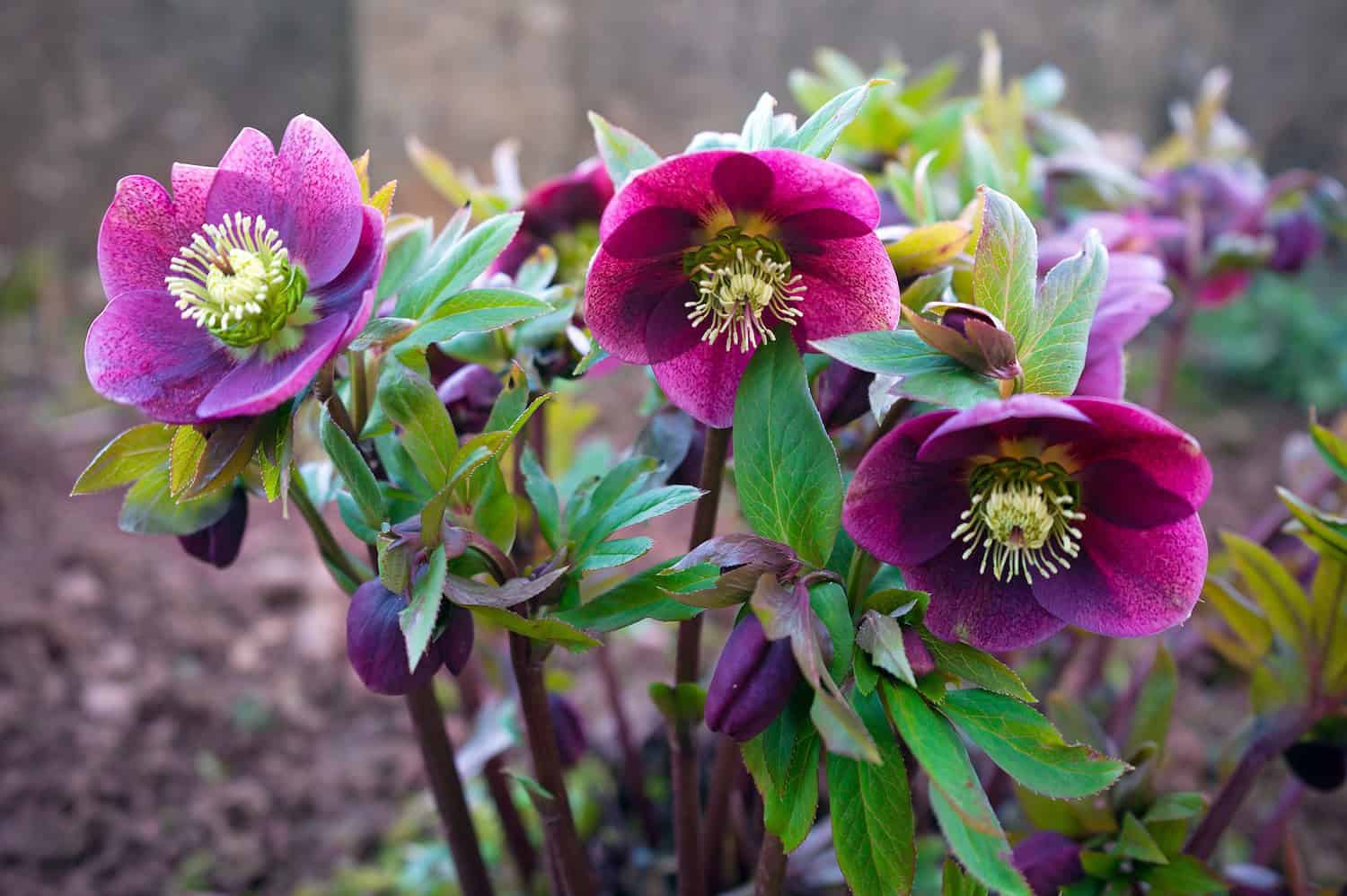
You’ll appreciate hellebores for their early blooms when many plants have stopped flowering. They often bloom in late winter or early spring, adding color to quiet gardens.
These plants thrive in shaded areas, like under trees or near buildings. They are evergreen, so their leaves stay attractive even after the flowers fade.
If you cut back old leaves and feed your hellebore, it encourages healthy new growth. Treating them with a fungicide can help prevent disease as new flowers emerge.
Witch Hazel
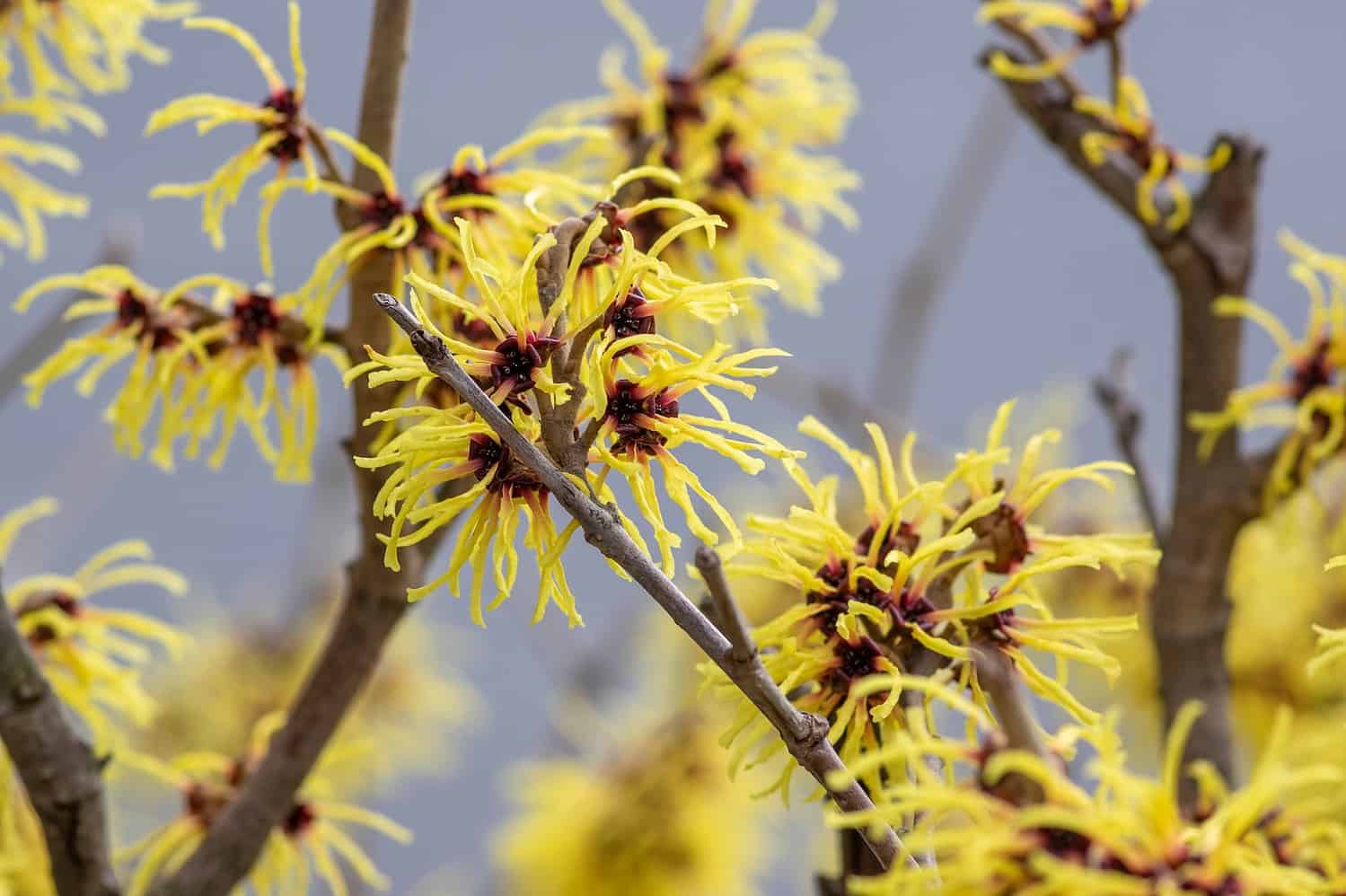
You’ll notice witch hazel blooming when most plants have already stopped. Its bright yellow flowers often appear on bare branches in late fall or winter.
This plant is unique because it flowers during colder months, sometimes even after its leaves have fallen. If you want late-season color that stands out, witch hazel is a great choice for your garden.
Sneezeweed
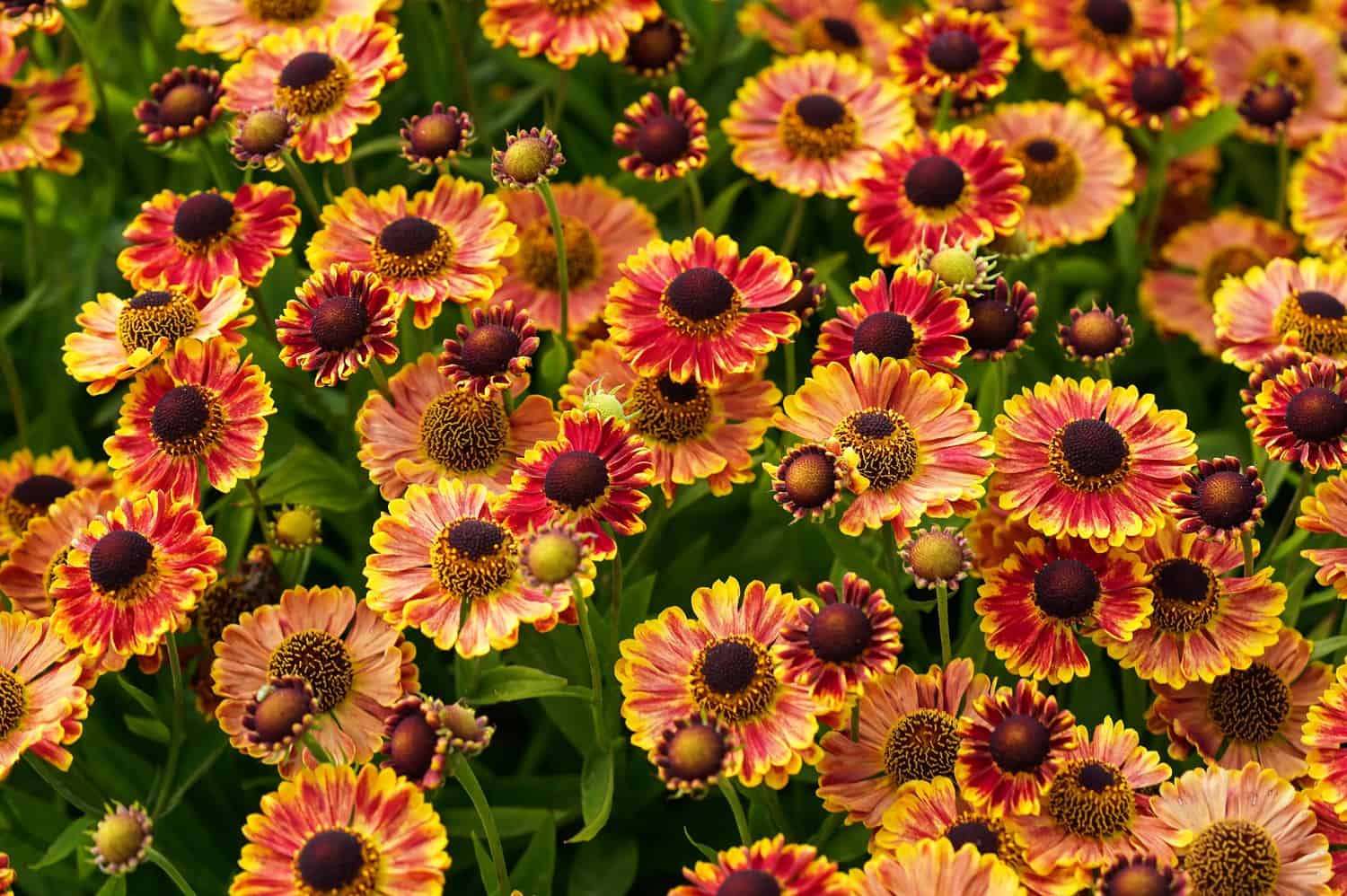
You’ll appreciate sneezeweed for its bright, daisylike yellow flowers that bloom in late summer and early autumn. It offers a long blooming period, often lasting two to three months.
This plant prefers medium to slightly moist soil and works well in rain or pollinator gardens. Deadheading spent flowers can help extend the bloom time, and cutting back the stems after flowering keeps it tidy.
Butterfly Weed

You’ll love Butterfly Weed for its bright orange flowers that bloom late in the season. This plant attracts butterflies and adds color when many others have stopped flowering.
If your Butterfly Weed flowers briefly, don’t worry. It’s likely focusing on growing strong roots to come back healthy next year. This tough plant fits well in gardens that support pollinators.
Heliotrope

Heliotrope blooms from late spring through early fall, giving you color when many other plants have faded. You can start it indoors from seed and move it outside after frost risks pass.
It prefers rich, well-drained soil and a sunny spot. You’ll enjoy its sweet, pleasant fragrance that adds charm to your garden or patio.