If you’ve ever found yourself frustrated with certain plants that just don’t seem to thrive, you’re not alone. Many gardening enthusiasts end up nurturing species that end up taking more time and effort than they’re worth. Identifying which plants are wasting your time can help you focus on those that truly enrich your gardening experience.
You might be wondering which plants to let go and which to invest your energy in. From poor growth to high maintenance needs, certain varieties often prove to be more hassle than they are worth. By reevaluating your plant choices, you can streamline your gardening routine and enjoy a more satisfying experience.
Advertisement
Fiddle Leaf Fig
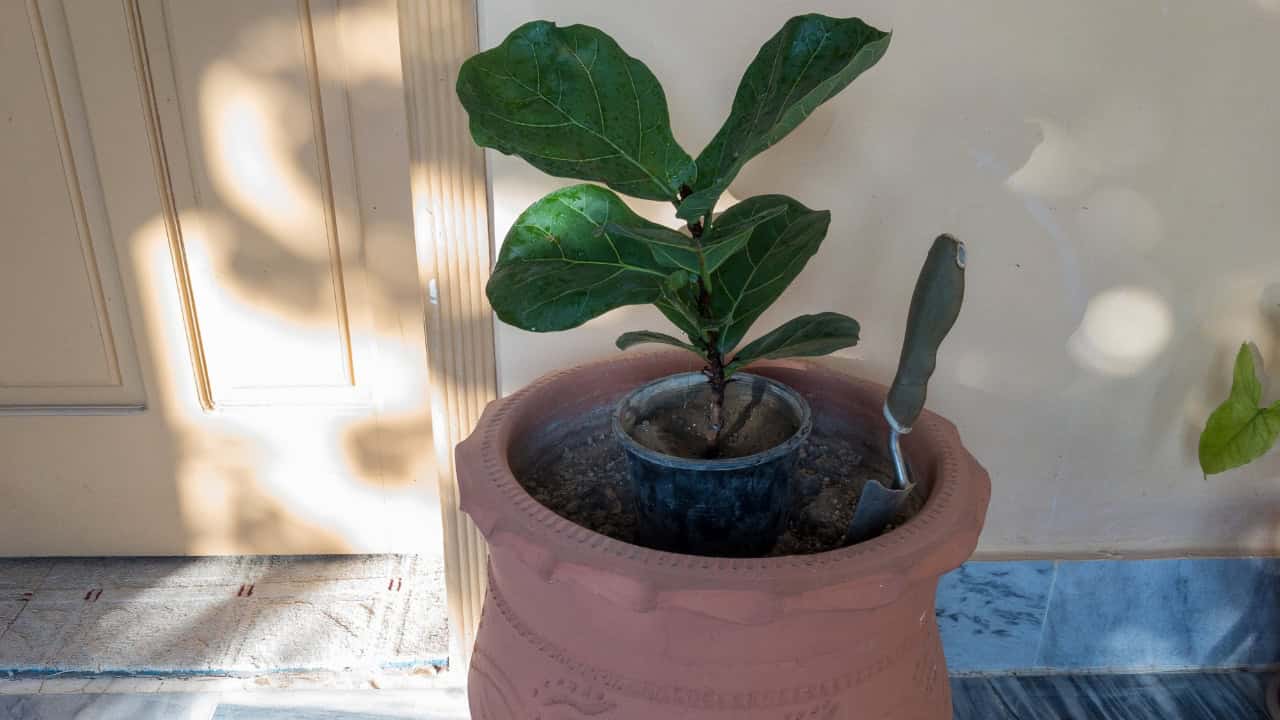
Fiddle Leaf Figs can be beautiful plants, but they can also be quite finicky. If you notice your plant is losing leaves, it might need more moisture or be exposed to a draft.
These plants often outgrow their pots, leading to stunted growth. If the roots are tightly wrapped, it’s time to repot.
These little quirks make them a challenge for many. If you’re not ready to give them the attention they require, it might be time to consider other options.
Boston Fern

Boston ferns can be tricky for many people. They love high humidity, so if your home is dry, it might not be the best match for you.
You need to keep the soil moist but not soggy. Too much water can lead to root rot.
It also prefers bright, indirect light. Place it in a spot that gets good, filtered sunlight for the best results.
If you’re not ready for the extra care, it might feel like a waste of time. Consider choosing a more forgiving plant instead.
Peace Lily
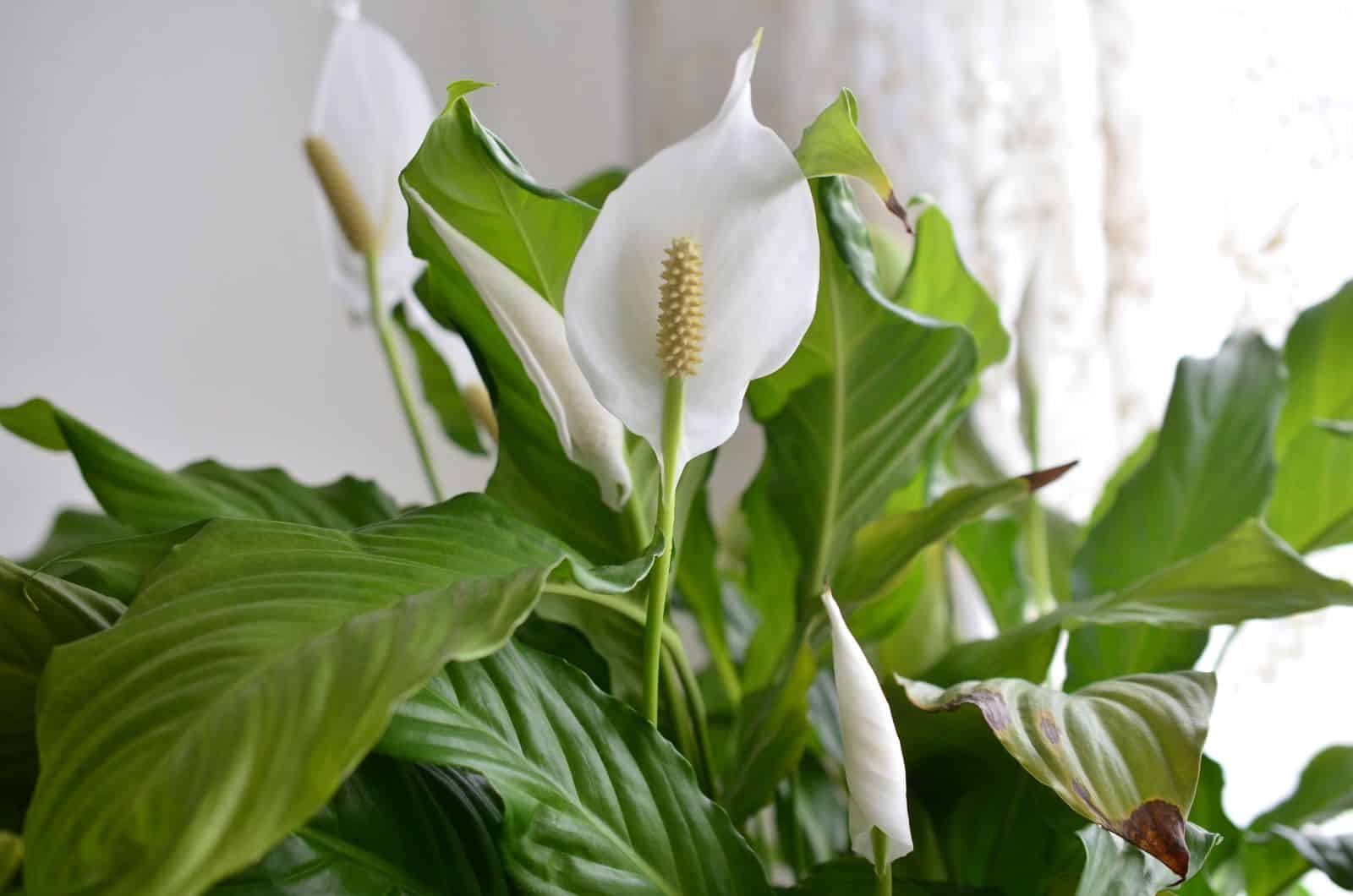
Peace lilies are popular houseplants, but they can be tricky. They thrive in consistently moist soil, so if you let them dry out, you might see wilting leaves.
They look amazing when they bloom, but getting them to flower again can be challenging. If you want to rejuvenate your peace lily, consider watering when the top layer of soil feels dry.
Some folks grow them in water, and while that’s possible, good air circulation is essential to keep them happy. If they’re not thriving, it might be time to consider other plants.
Orchid

If you’re growing orchids, you might find them a bit frustrating. They often stop growing leaves or flowers for long periods. Sometimes, they just need a rest phase, especially during cooler months with less light.
You may worry if your orchid isn’t blooming. It’s common for them to focus on root and leaf growth instead. Pay attention to their environment to help them thrive.
Jade Plant

Jade plants are popular for their thick, fleshy leaves and easy care. However, if you notice that your jade plant has slowed down significantly or stopped growing, it can be frustrating.
This could be due to several reasons. Your plant might be underwatered if the leaves begin to wrinkle. Cooler temperatures can also slow growth, especially in shorter days.
Jade plants usually grow slowly, so a few months without noticeable change isn’t unusual. If you want it to grow faster, ensure it gets plenty of bright, direct sunlight.
English Ivy

English Ivy can be a bit tricky. While it looks great climbing up walls or hanging in pots, it often stops growing if it doesn’t get enough light. You might notice less variegation in the leaves when this happens.
If you’ve neglected to water it, you can cut back the green vines to encourage new growth. Just remember that it prefers bright, indirect light to thrive. If you’ve noticed issues, consider adjusting its location for better sunlight.
Rosemary in Containers
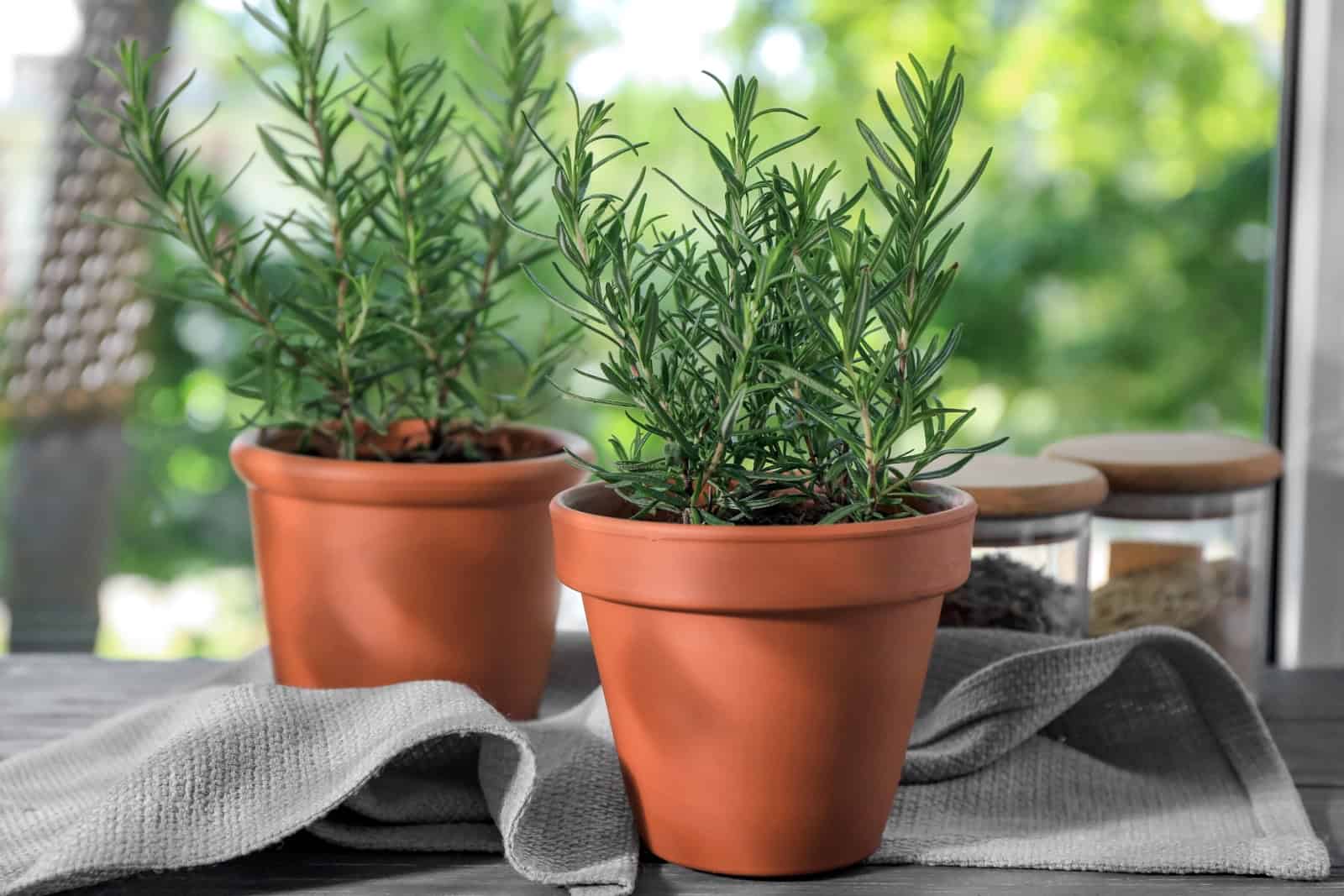
Growing rosemary in containers can be fun and rewarding. It allows you to control the conditions better than in the ground. Make sure your pot has good drainage to prevent root rot.
Use a well-draining soil mix, as rosemary hates soggy roots. Water when the top inch of soil feels dry. If you notice the plant struggling, check for mushy roots and prune them out.
Keep your rosemary in a sunny spot, ideally with at least six hours of light each day. With proper care, you can enjoy fresh rosemary right from your balcony or patio.
Gardenia

Growing gardenias can be a bit of a hassle. They love full sun, but can’t handle extreme heat well. If you live in a hotter climate, finding the right spot with some midday shade is essential.
Even if you care for your gardenia, it might not bloom due to temperature issues. They’re notoriously picky about the conditions they need to flower.
You might also face bud drop or bloom failure, especially in hot, dry weather. Plus, they can be targets for pests, adding another layer of frustration to your gardening experience.
Roses in Poor Sunlight
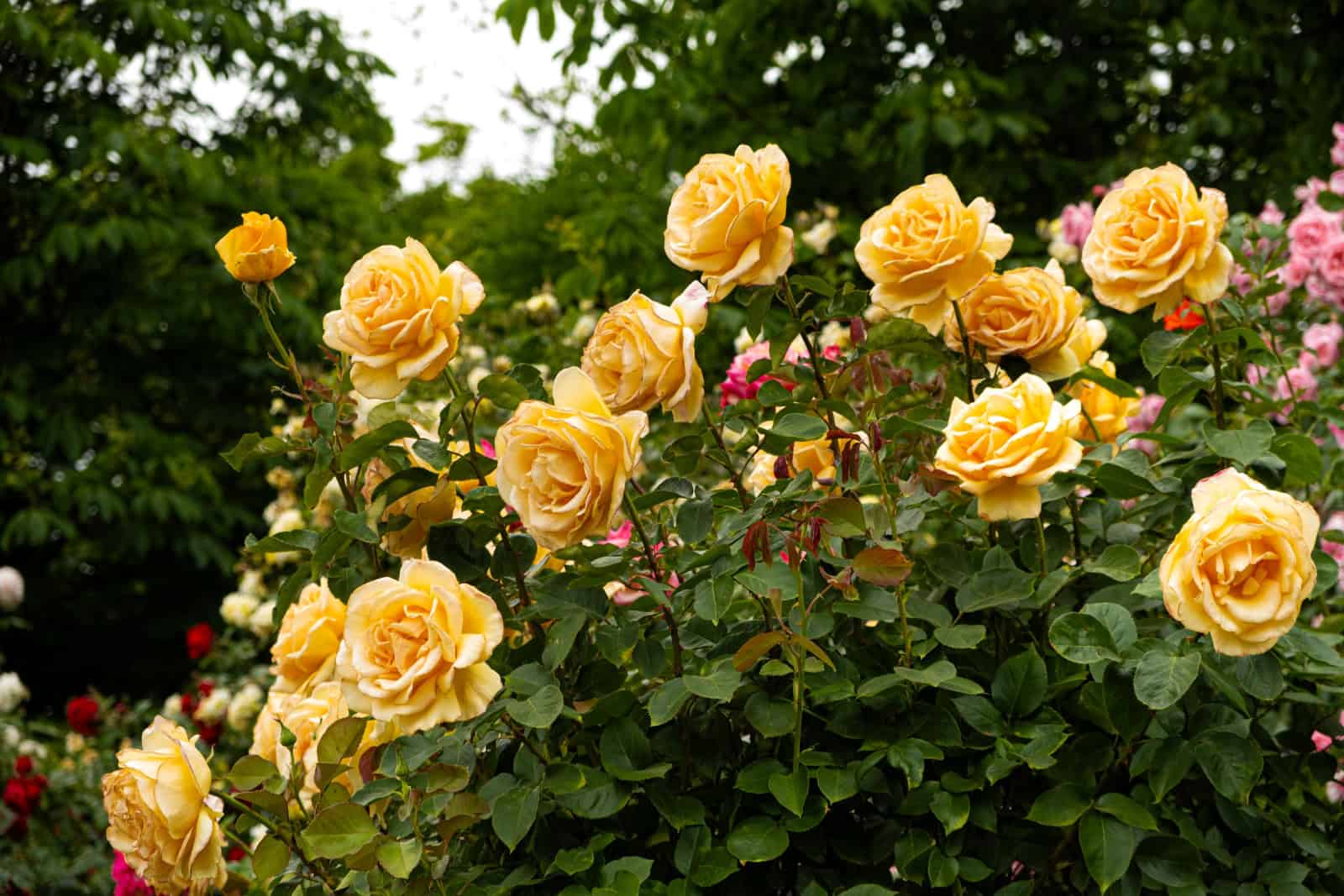
If your roses aren’t getting enough sunlight, they may struggle to thrive. Roses typically need at least six hours of direct sunlight each day. Without this, they can become stunted and may not bloom as expected.
In shady areas, roses might suffer from poor growth or even invite pests and diseases. You could consider relocating your rose bushes to a sunnier spot for better results.
Keep an eye on them, and if they seem leggy or sparse, more light could be what they need.
Bamboo Indoor
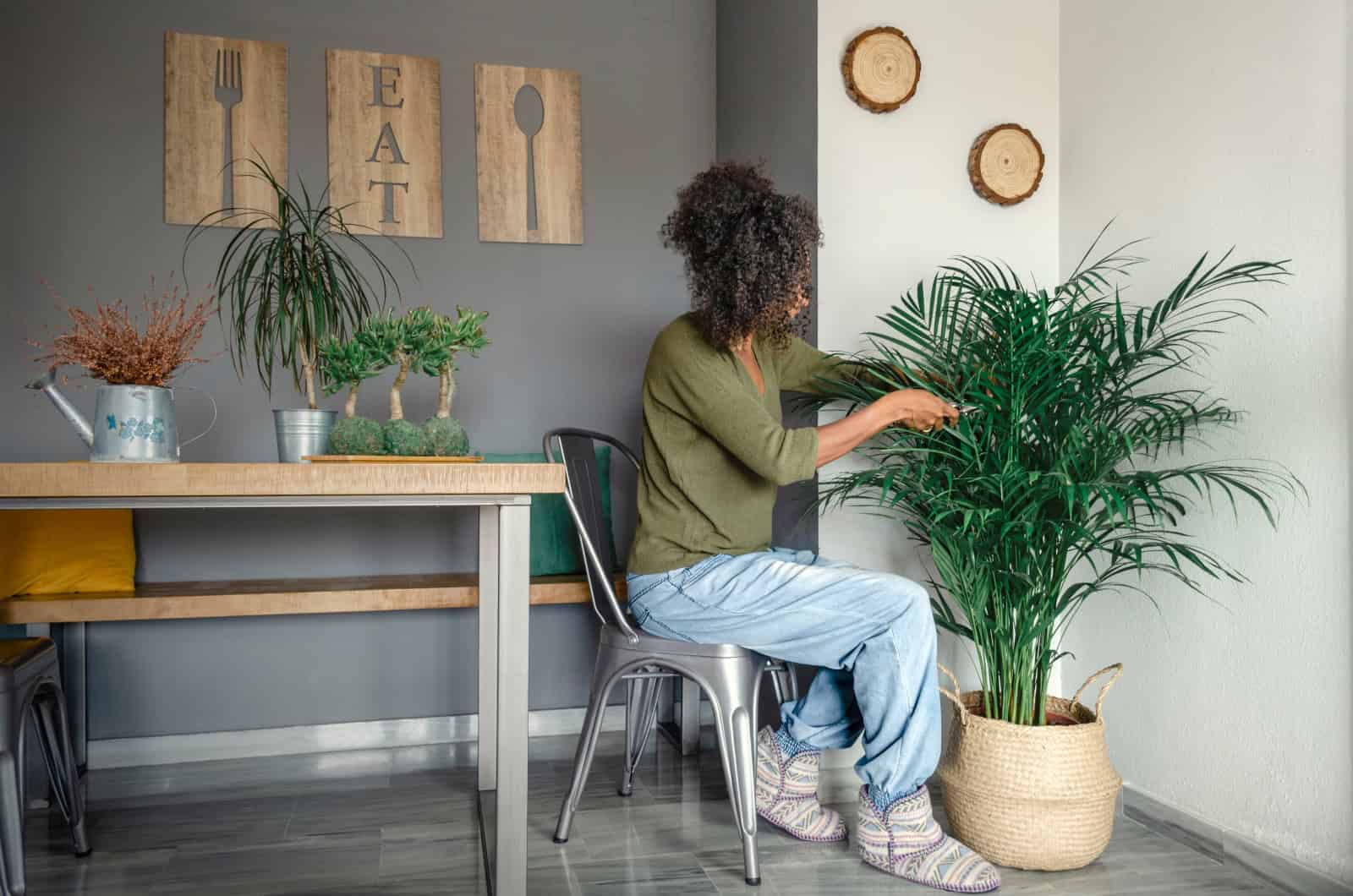
Growing bamboo indoors can be a bit tricky. These plants need plenty of light, ideally six to eight hours of indirect sunlight each day.
Water is crucial for bamboo. If it starts to look droopy or stops growing, check the moisture levels. Keeping the soil consistently moist is key to maintaining your plant’s health.
Bamboo can also thrive in water. Just make sure you change the water regularly to avoid any stagnation. With the right care, you can enjoy a lush bamboo plant right in your living space.
Petunias Indoors

Growing petunias indoors can be a rewarding choice, but it comes with challenges. These plants thrive with direct sunlight for 5 to 6 hours a day. Position them near a sunny window to maximize their bloom potential.
Water them regularly, but let the soil dry out between waterings to prevent root rot. Fertilizing every couple of weeks with a balanced formula helps keep them healthy.
Be mindful of temperature, as petunias prefer cooler environments. If they become “stemmy” or stop flowering, consider trimming them back. With a little care, you can enjoy vibrant blooms indoors.
Lavender in Humid Areas
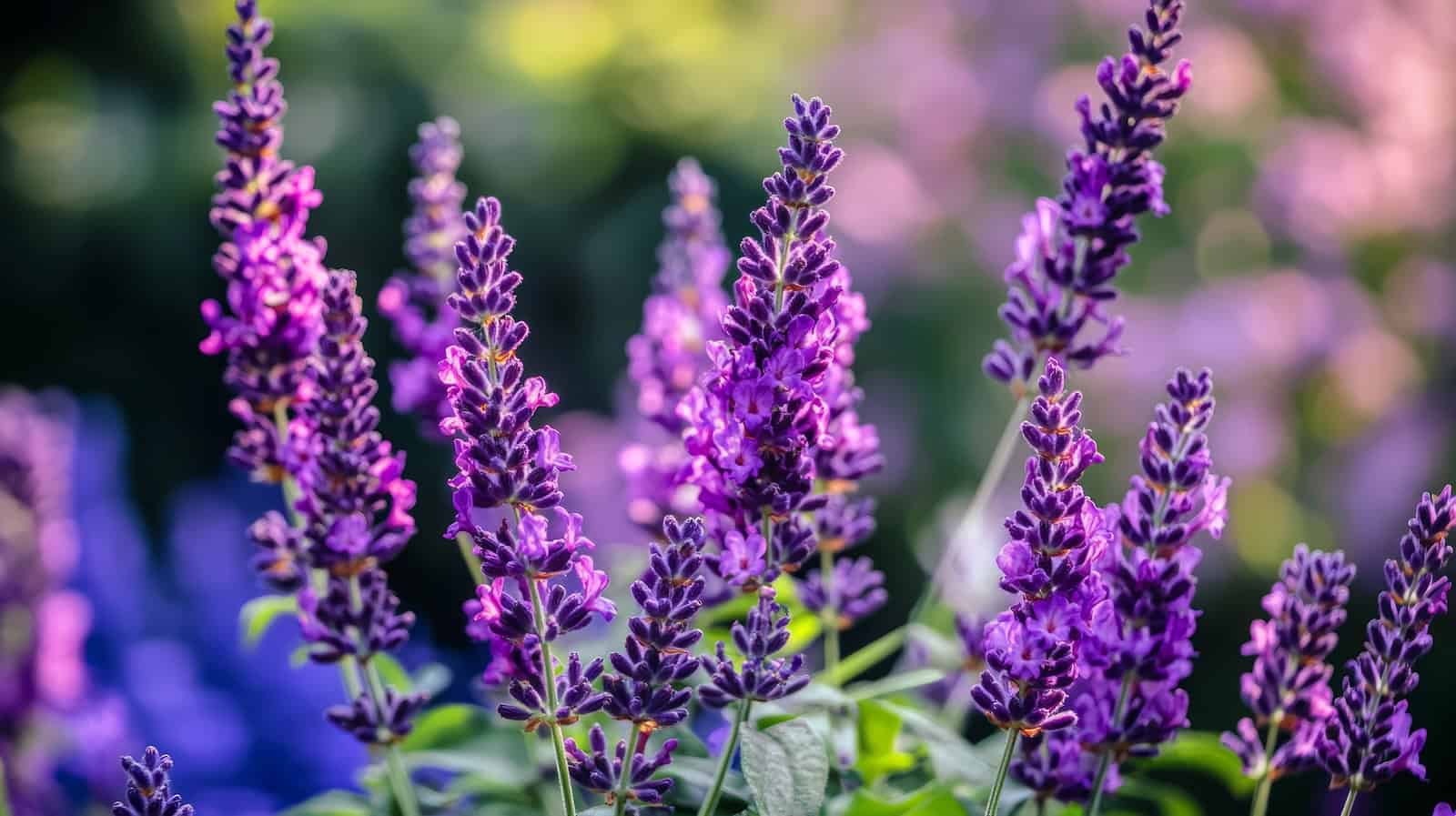
Growing lavender in humid areas can be a real challenge. These plants thrive in dry conditions and struggle when there’s too much moisture in the air or the soil.
If you live in a humid region, you might notice your lavender either struggling to bloom or developing root rot. It’s essential to plant them in well-draining soil and ensure they get plenty of sunlight.
Consider choosing lavender varieties that are more tolerant of humidity. This can help improve your chances of success without all the frustration.
Bonsai Indoors
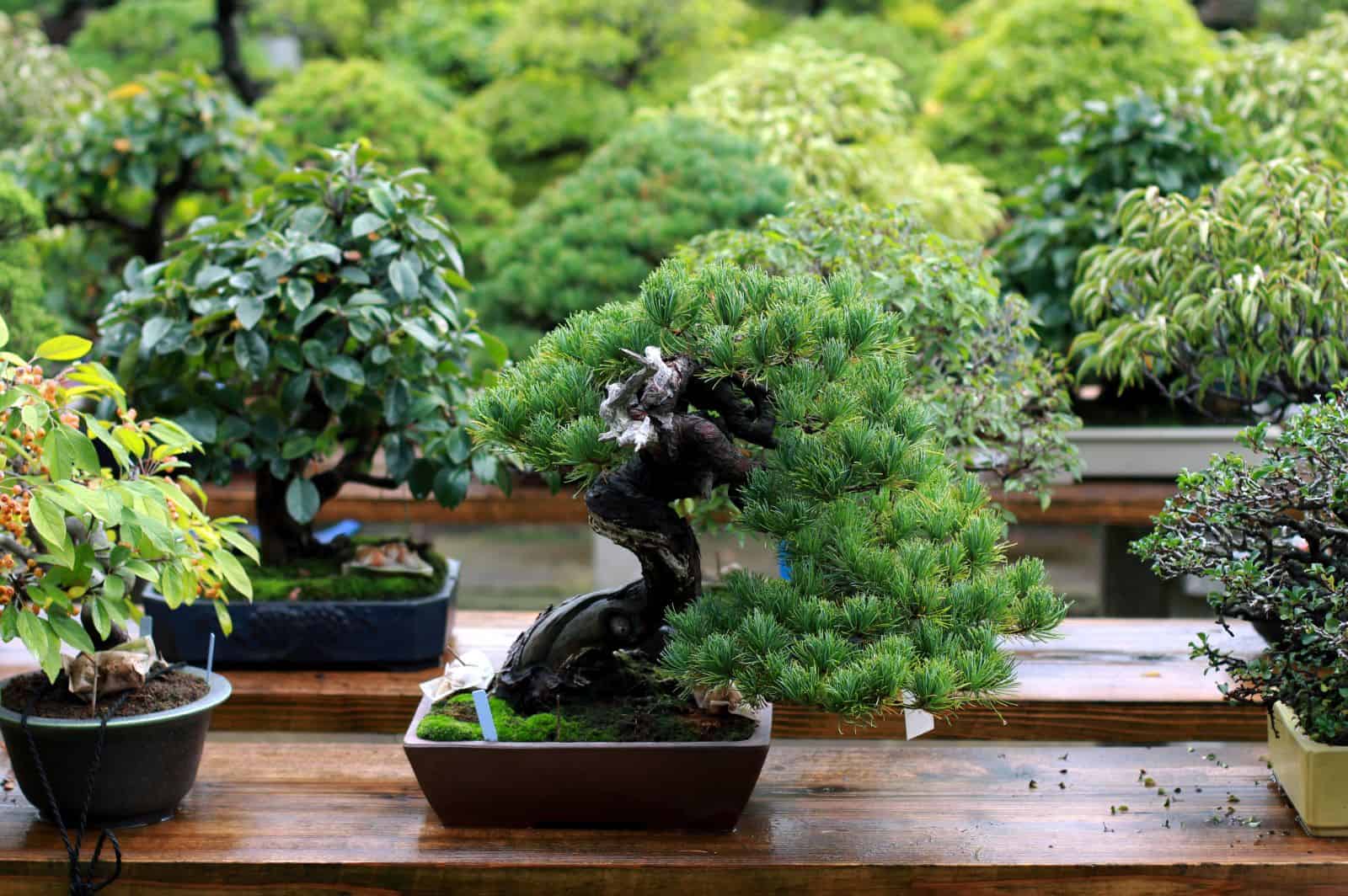
Growing bonsai indoors can be a fun challenge. These trees need specific conditions to thrive.
Make sure to maintain humidity levels between 40-50%. Most indoor species really appreciate this.
Light is crucial too. Position your bonsai where it gets enough natural sunlight, ideally near a window.
Be careful with watering. Overwatering can lead to root rot, which is a common issue with indoor bonsai. Regularly check your soil moisture before adding more water.
With the right care, your indoor bonsai can flourish and bring a bit of nature into your space.
*This article was created with the help of AI.