Planting perennials is a smart way to create a garden that keeps giving year after year without constant replanting. These plants can save you time and effort while providing reliable produce or beautiful blooms with minimal upkeep.
By choosing the right perennials, you can enjoy fresh food and vibrant plants for many seasons from a single planting. This approach helps you build a sustainable garden that fits well with busy lifestyles and long-term planning.
Advertisement
Asparagus
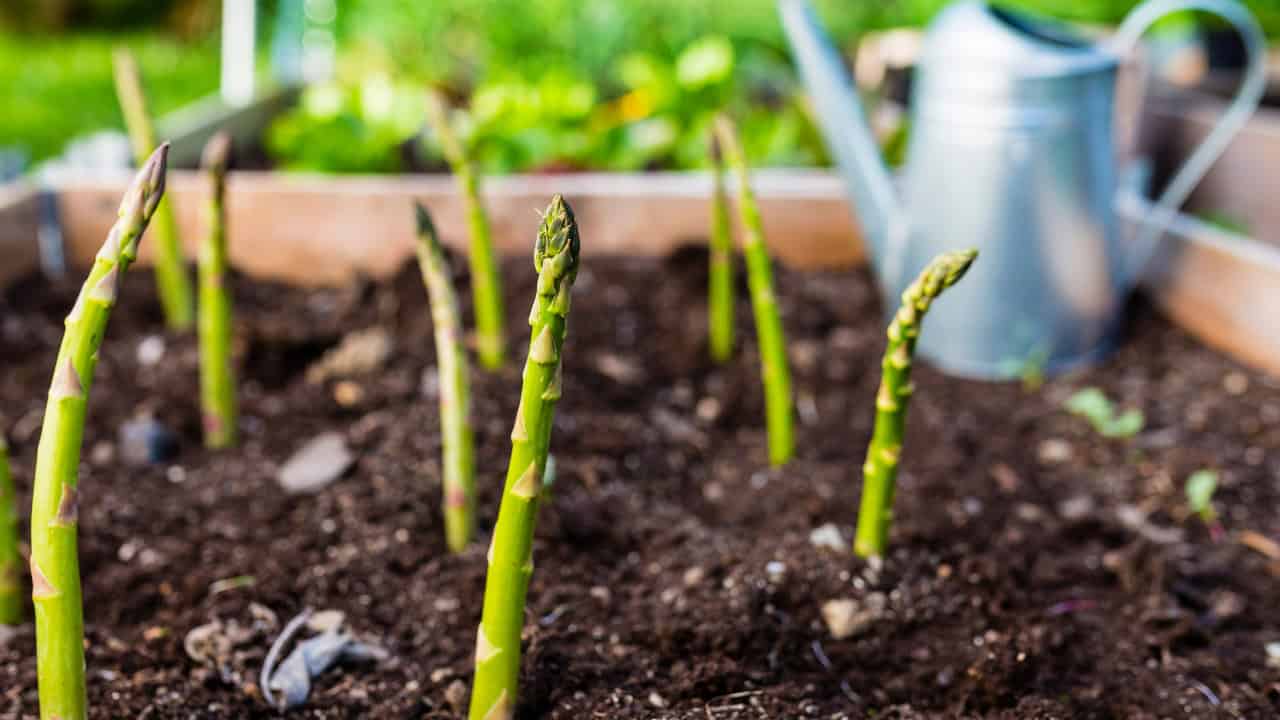
Asparagus is a great perennial to plant once and enjoy for many years. Once established, it can produce fresh spears every spring for 15 to 30 years with minimal care.
You’ll start to see tiny spears emerge in early spring, which grow into tall, fern-like plants by summer. Growing asparagus takes patience, but it’s worth the wait!
Strawberries
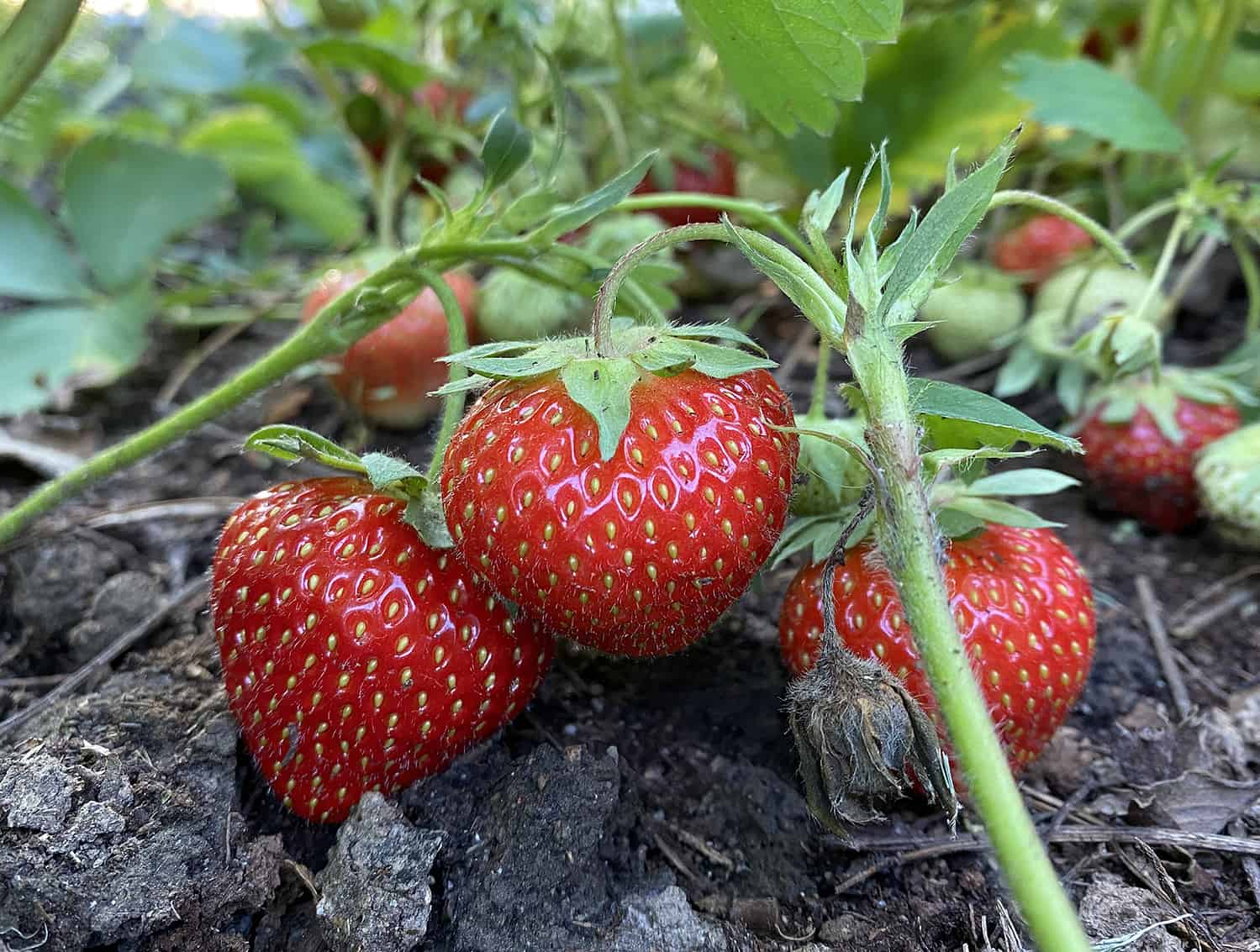
Strawberries are perennial plants, meaning once you plant them, they can come back year after year. You’ll find many varieties that are hardy enough for cooler climates, especially if you prepare them well for winter.
If you live in warmer areas, you might treat strawberries like annuals because the heat can be tough on them. Everbearing strawberries are a great choice if you want fresh fruit over a longer season with multiple harvests.
Rhubarb
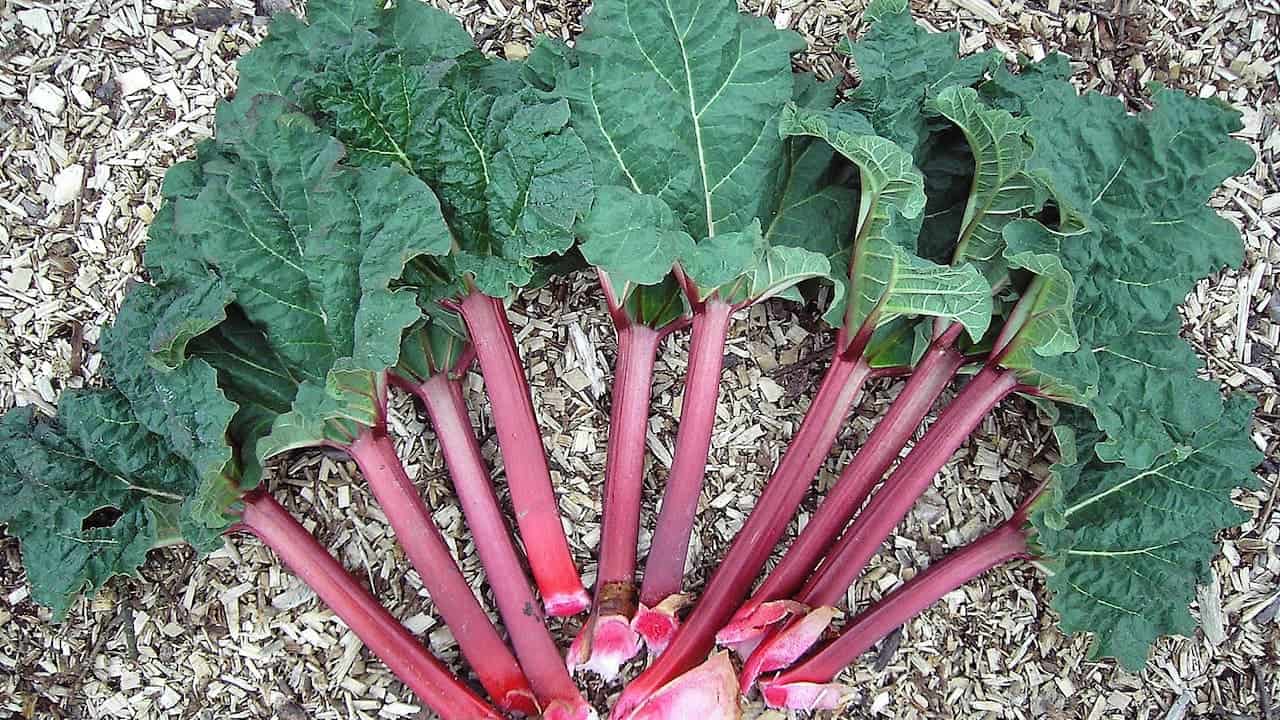
Rhubarb is a great perennial to add to your garden, especially if you enjoy tangy flavors. It grows well in cooler climates but can adapt to milder regions with low-chill varieties.
When planting, start with a crown in spring. In the first year, let it establish. You can begin harvesting stalks in the second year, but remember to leave some so the plant stays healthy.
Only eat the stalks; the leaves are toxic and should be discarded.
Globe Artichoke
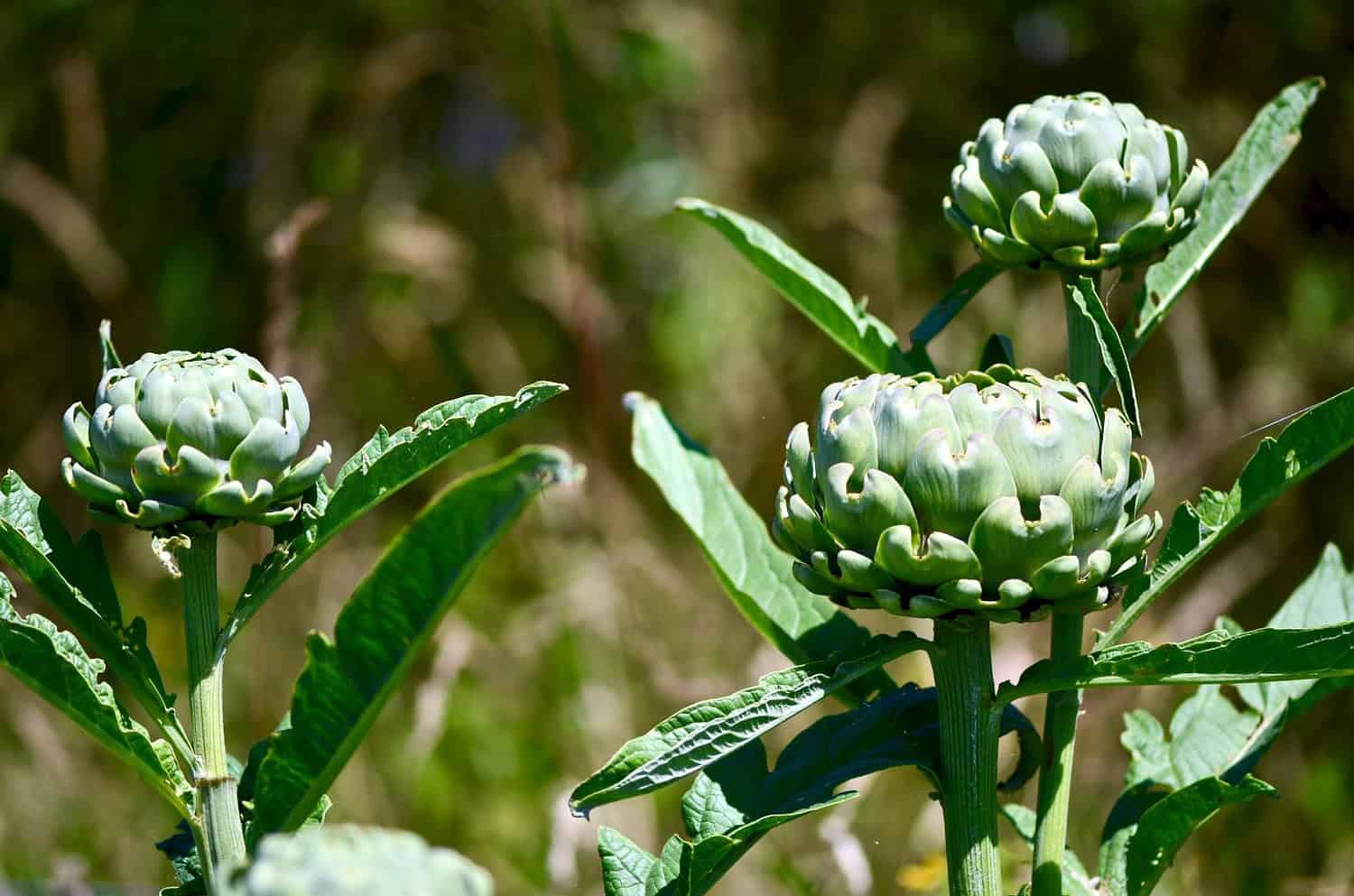
You can grow globe artichokes as perennials in mild climates with winters not much colder than 50°F. Plant them in full sun with rich, well-draining soil for the best growth.
These plants can reach about 4 feet tall and produce several edible flower buds each season. If you protect them in colder areas, they may come back year after year for you to enjoy.
Ramps (Wild Leeks)
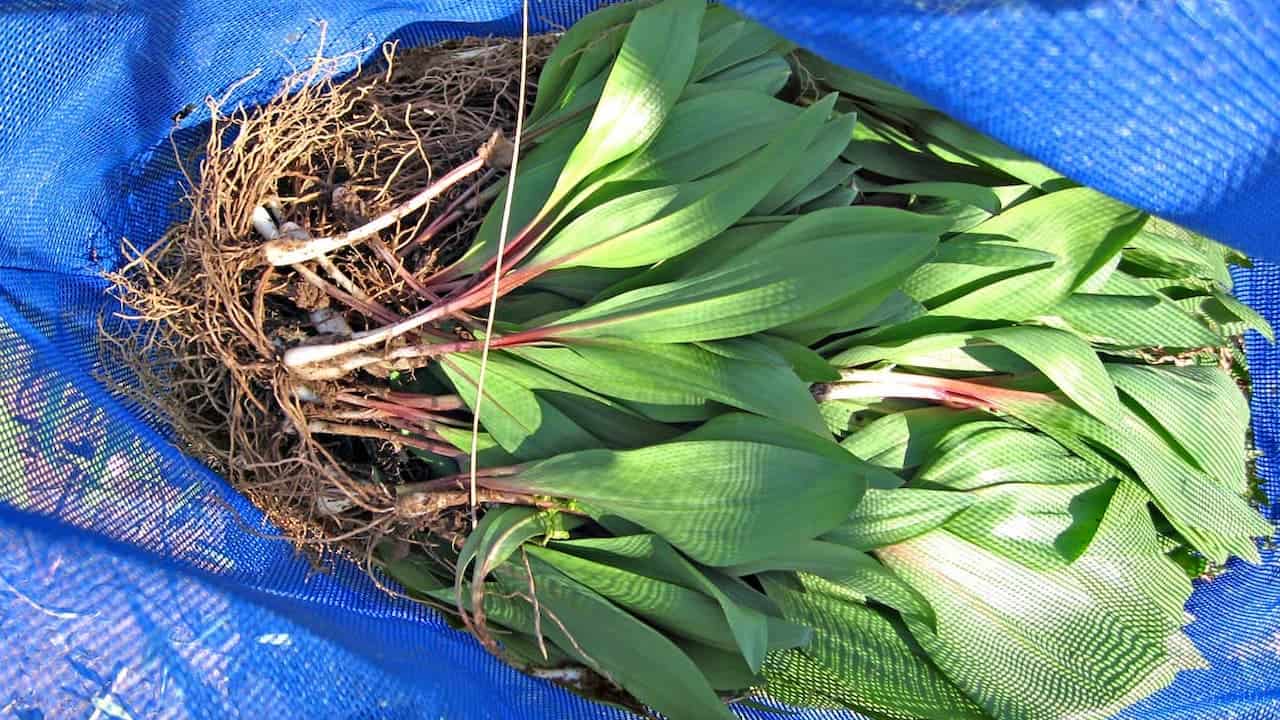
If you want a unique addition to your garden, ramps are a great choice. These wild leeks grow best in shady, moist areas that mimic their natural woodland home.
Ramps take several years to mature, usually around seven, so patience is key. Once established, you can enjoy their flavorful leaves and bulbs every spring.
They spread slowly over time, forming a small colony. Harvest young leaves in spring to enjoy their mild onion-garlic taste in your cooking.
Jerusalem Artichoke (Sunchoke)
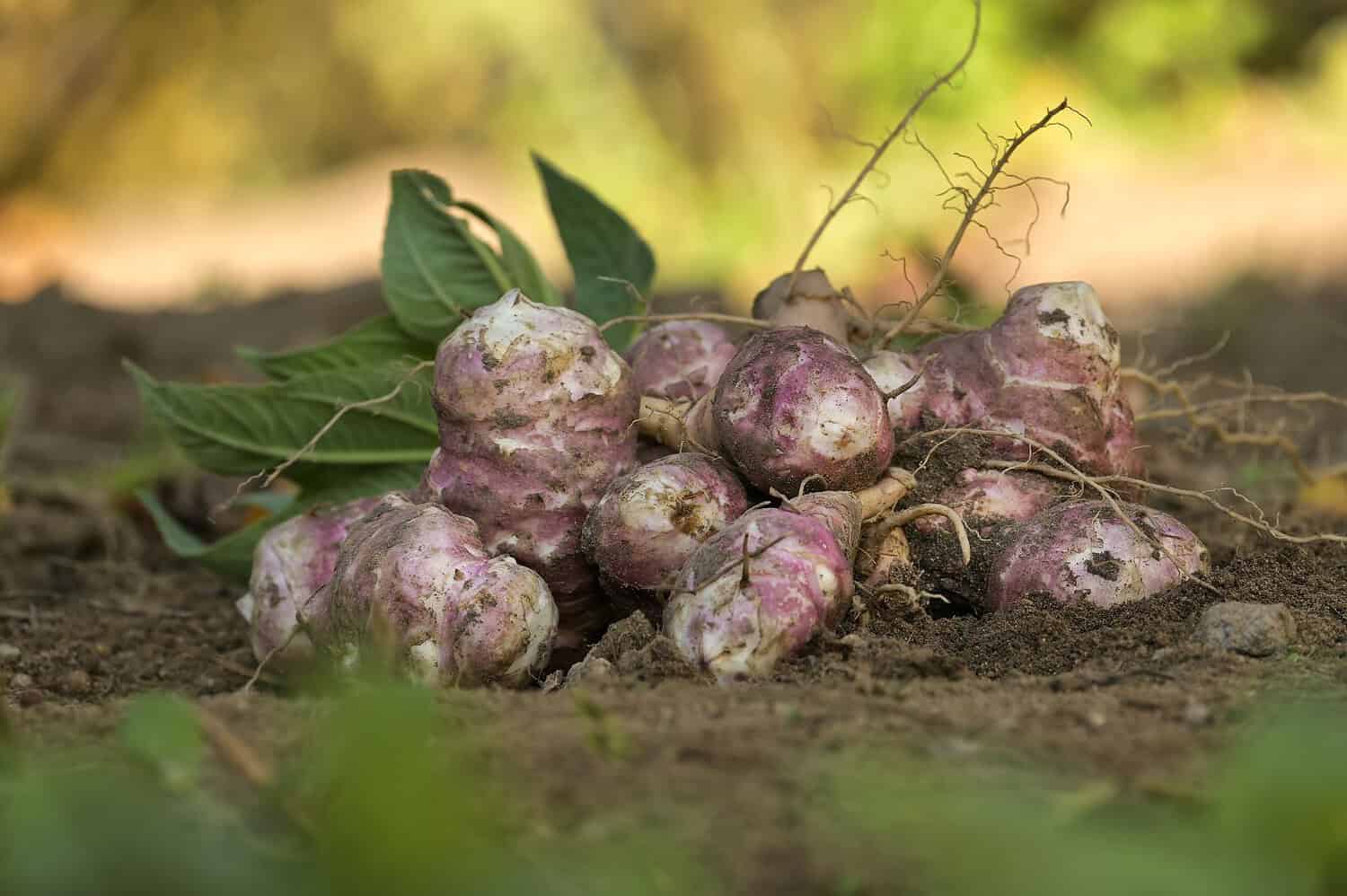
Jerusalem artichokes are easy to grow perennials that produce tasty, knobby tubers. You can harvest them in late autumn or winter, especially after a couple of frosts, which make them sweeter.
Once established, these plants need little care besides occasional watering during dry spells. After the tops die back, cut the stems and dig up the tubers carefully. Their sweet, nutty flavor works great raw or cooked in many dishes.
Horseradish
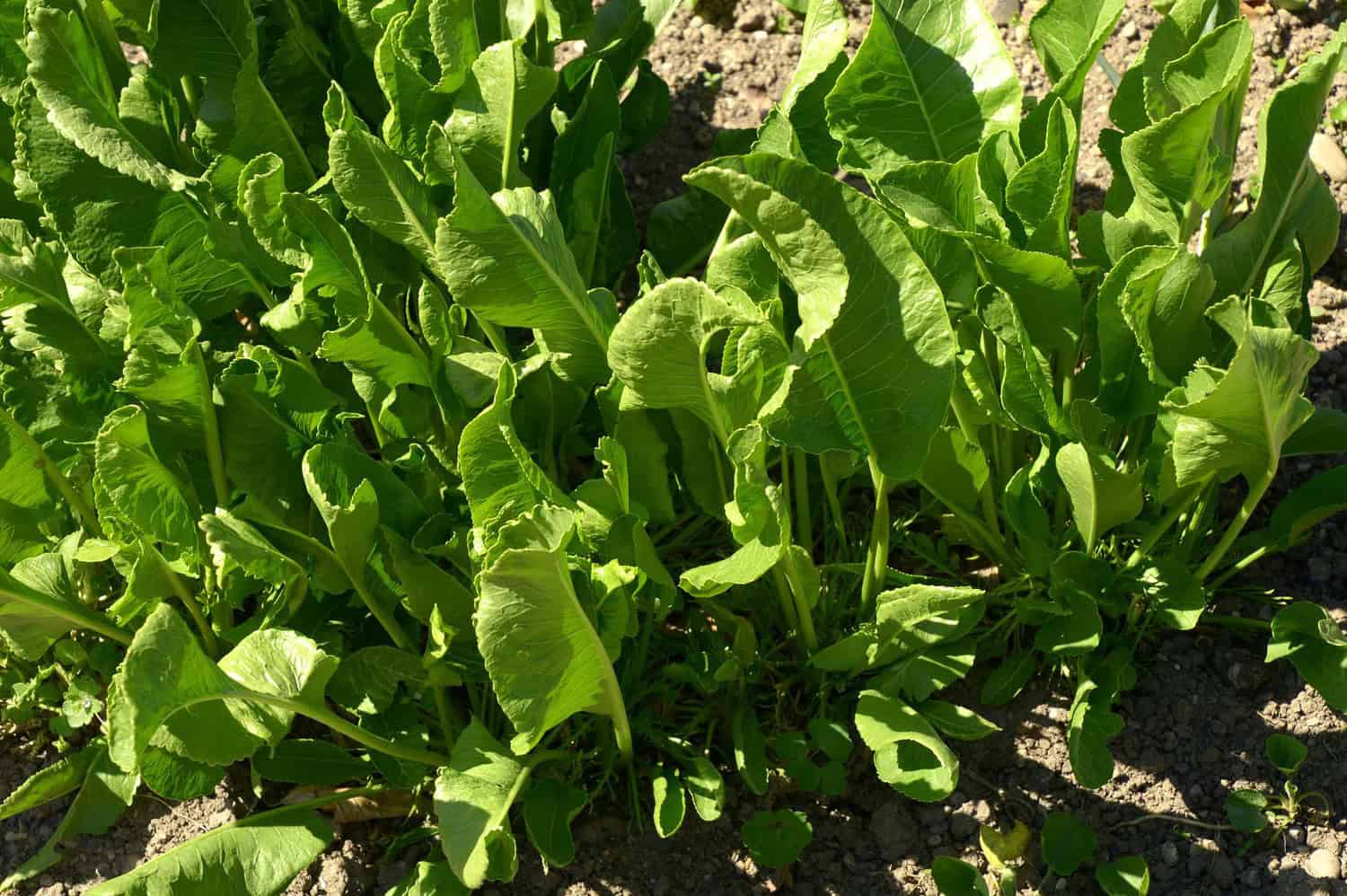
Horseradish is a hardy perennial that adds a spicy kick to your meals year after year. Once you plant it, it needs very little care and adapts well to different soil types.
You’ll find it grows best in cooler climates but can thrive in many conditions. Just give it some space, and it will keep producing flavorful roots for many seasons.
Blueberries
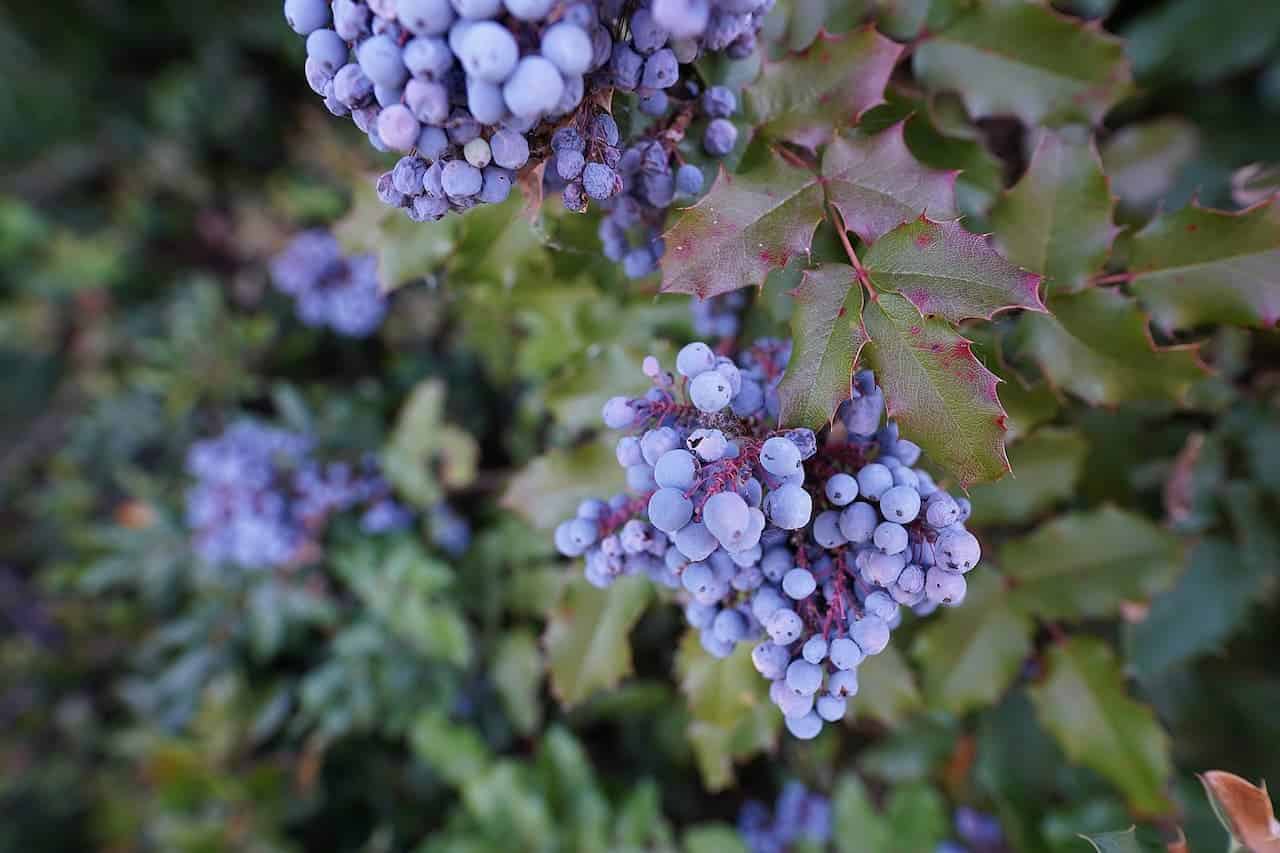
Blueberries are a great perennial choice for your garden. Once established, they produce fruit year after year without needing to replant.
They prefer full sun and well-drained, acidic soil to grow healthy and yield better crops.
With a strong root system, your blueberry plants can absorb water and nutrients efficiently, helping them thrive through the seasons.
Chives

You’ll find chives easy to grow and perfect for small gardens. Plant them in a sunny spot, and watch them come back year after year with little effort.
When harvesting, cut the stalks about 1 to 2 inches above the soil. This helps the plant regrow quickly.
Dividing the clumps every few years keeps your chives healthy and productive. They add a mild onion flavor to many dishes.
Lovage
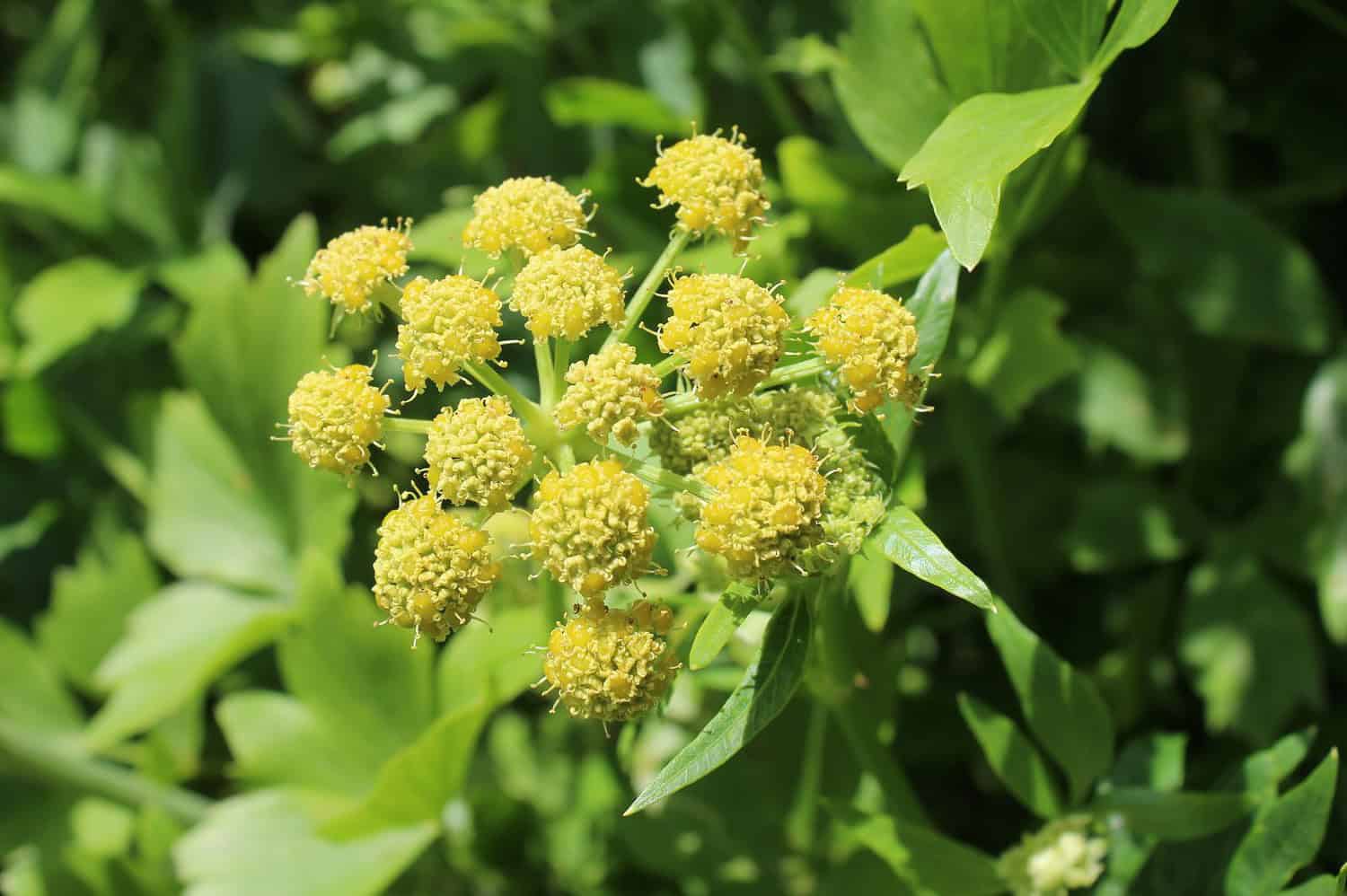
Lovage is a hardy perennial herb you can plant once and enjoy for years. Its tall, leafy stems add height and texture to your garden.
You can use the leaves and stems in cooking, much like celery, and the roots also have culinary uses.
To keep lovage productive, harvest regularly and give it a trim when it starts spreading too much. This helps maintain a healthy balance in your garden.
Sorrel
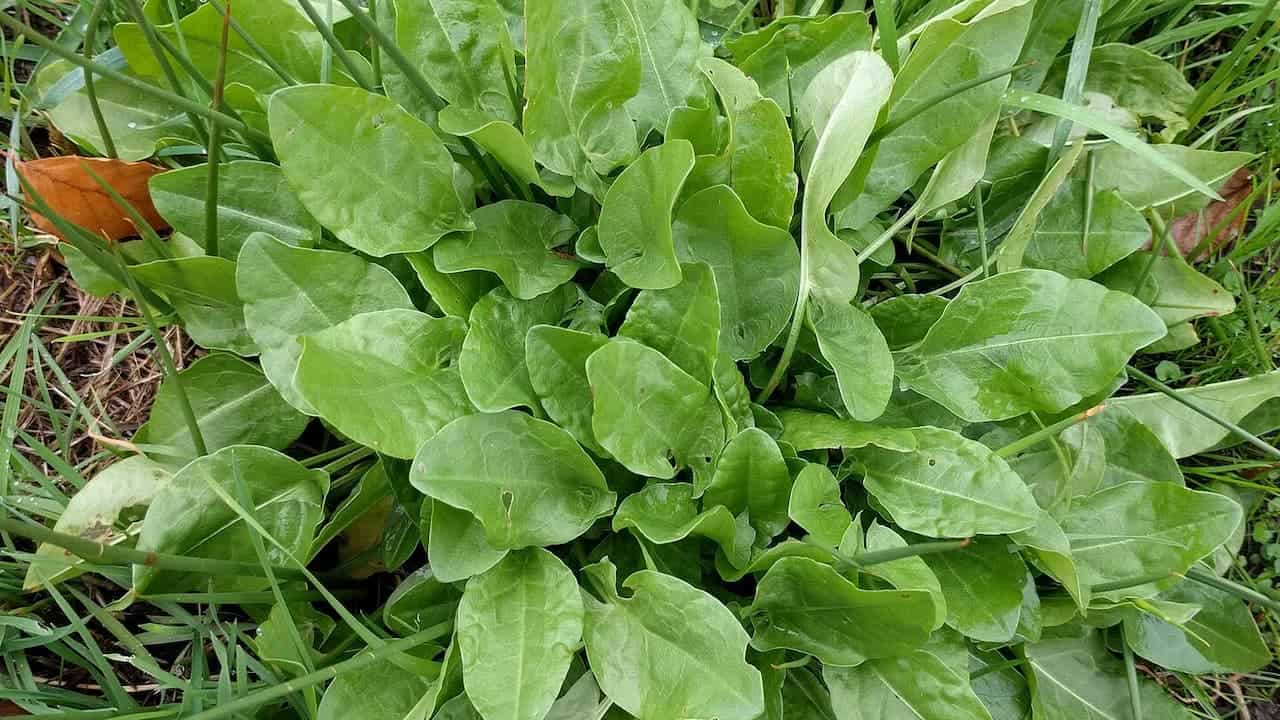
Sorrel is a leafy green with a fresh, lemony flavor that brightens up salads and soups. You only need to plant it once because it’s a hardy perennial that will come back year after year.
It grows well in full sun or partial shade and prefers well-drained soil. To keep it growing compact and healthy, harvest regularly. Sorrel is easy to maintain and a great addition to your perennial garden.
Egyptian Walking Onion
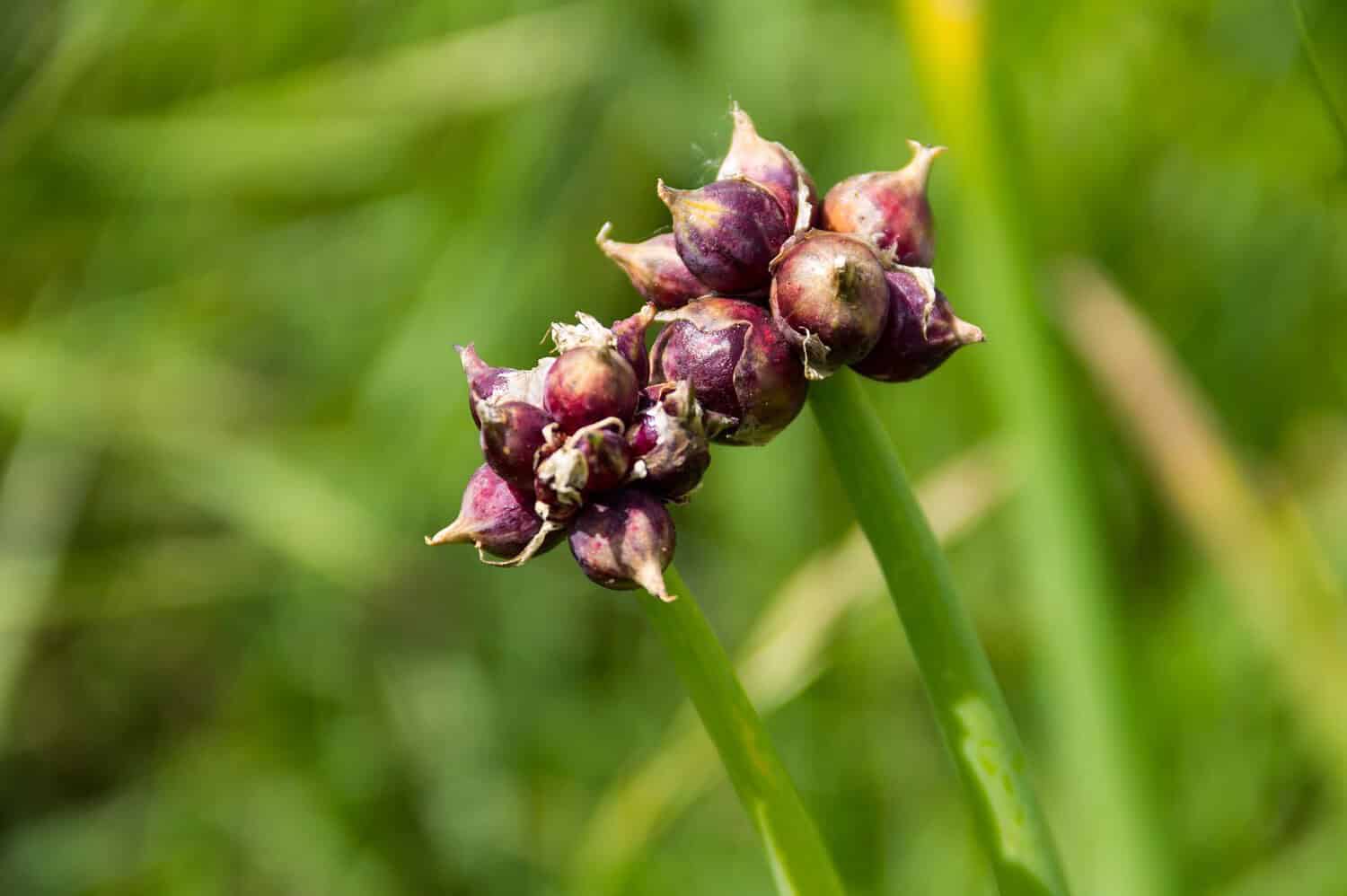
You’ll love growing Egyptian walking onions because they are low-maintenance and reliable. These onions produce small bulbils at the top of their stalks that eventually fall to the ground and start new plants.
They’re called “walking” onions because the new bulbs seem to move across your garden as they grow. You can plant them once and enjoy fresh onions for years with very little effort.
Kale (biennial)
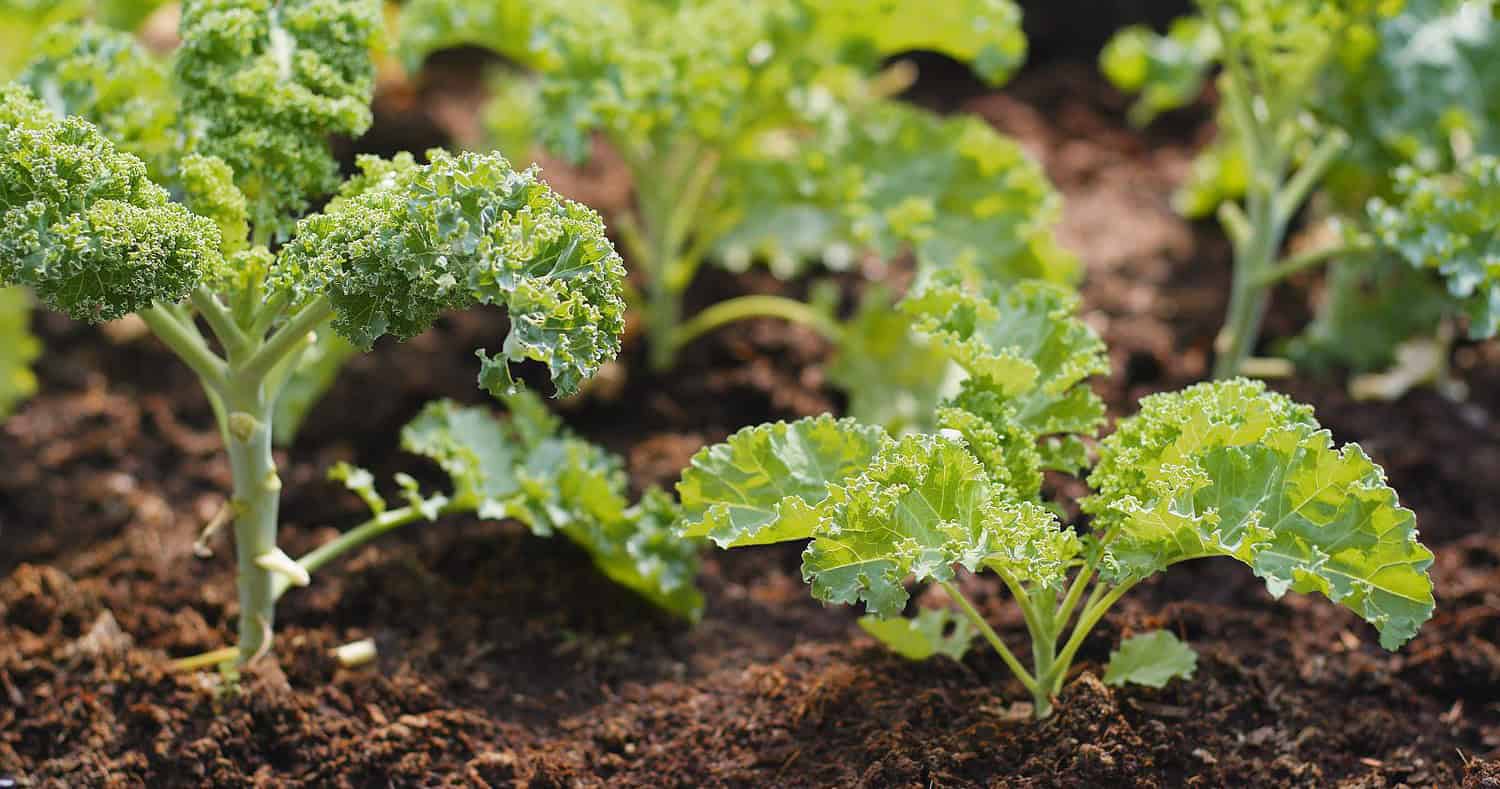
Kale is technically a biennial plant, meaning it has a two-year life cycle. In the first year, your kale will grow leaves and roots.
During the second year, it flowers, produces seeds, and then dies. You can enjoy fresh leaves throughout the first season.
If you want kale to come back each year, you’ll need to replant or try perennial varieties like Daubenton kale. Regular harvesting helps keep your plant productive and healthy.