Starting your first vegetable garden can be exciting but also a bit overwhelming. There are many small choices that can impact how well your garden grows, often in ways you might not expect.
Knowing the common mistakes people make helps you avoid frustration and increases your chances of a successful and enjoyable gardening experience. With some guidance, you can grow healthy veggies without wasting time or effort.
Planting seeds too close together
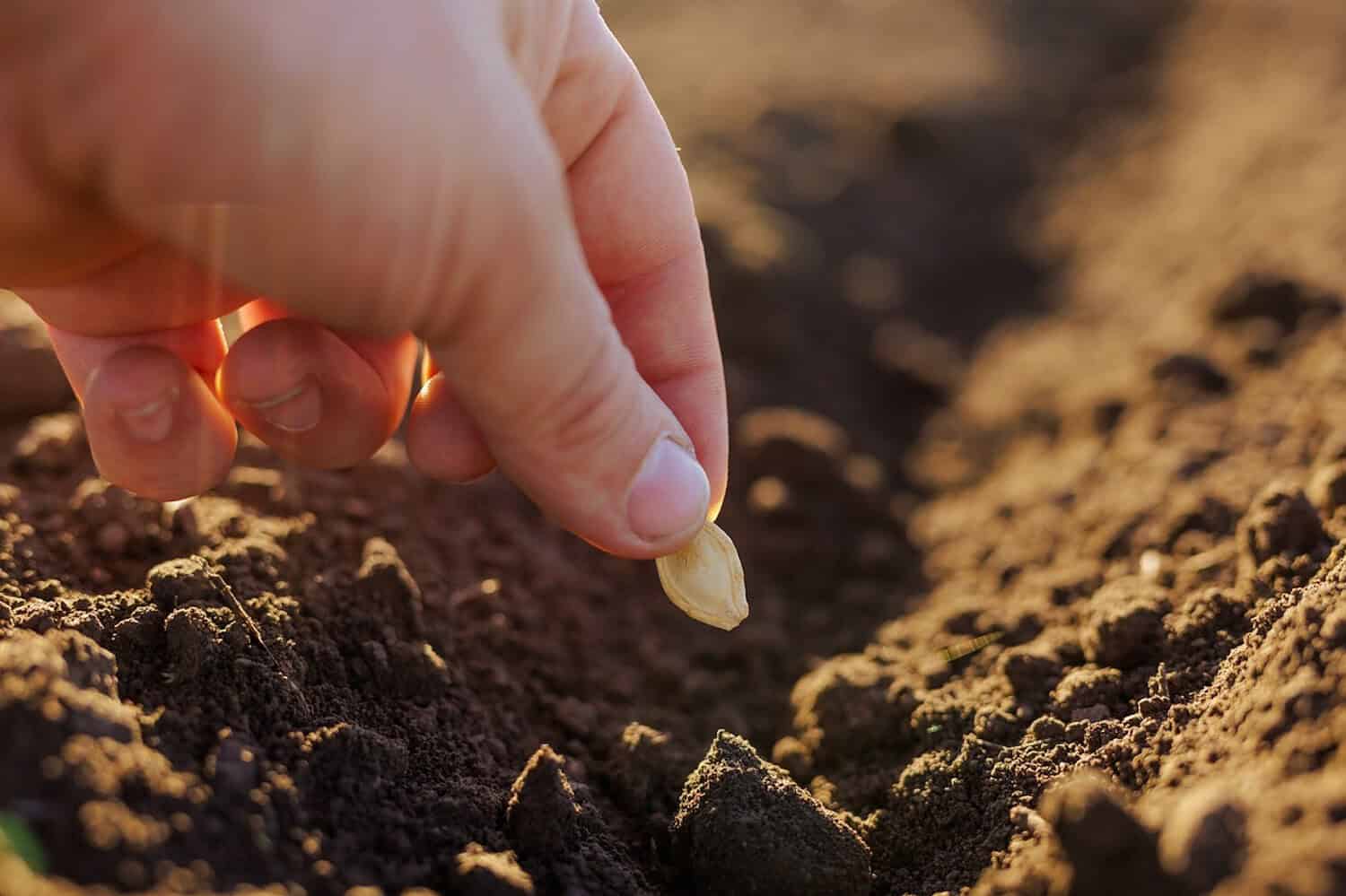
When you plant seeds too close, they end up competing for light, water, and nutrients. This can stunt their growth and lead to weak plants.
If you notice overcrowding, you can gently thin the seedlings by pulling some out or transplanting them carefully. Keeping enough space helps your veggies grow stronger and healthier.
Ignoring soil testing before planting

If you skip testing your soil, you might not know if it has the right nutrients or pH for your veggies. This can lead to poor plant growth or even failure.
A simple soil test gives you a clear idea of what your garden needs. Taking this step helps you avoid wasting time and effort.
Using too much synthetic fertilizer

You might think more fertilizer means better growth, but too much can actually harm your plants. Excess synthetic fertilizer can burn roots and reduce soil health.
It also causes runoff, which can pollute nearby water. Follow the instructions carefully to avoid overdoing it.
Choosing a shady garden spot

You might think any spot works, but vegetables usually need 6-8 hours of sunlight to thrive. Choosing a shady area limits what you can grow.
Some veggies can manage in partial shade, but most won’t produce well without enough sun. Avoid spots that stay damp or block light for long stretches.
Picking the right location means better growth and less frustration later.
Overestimating how much you can handle
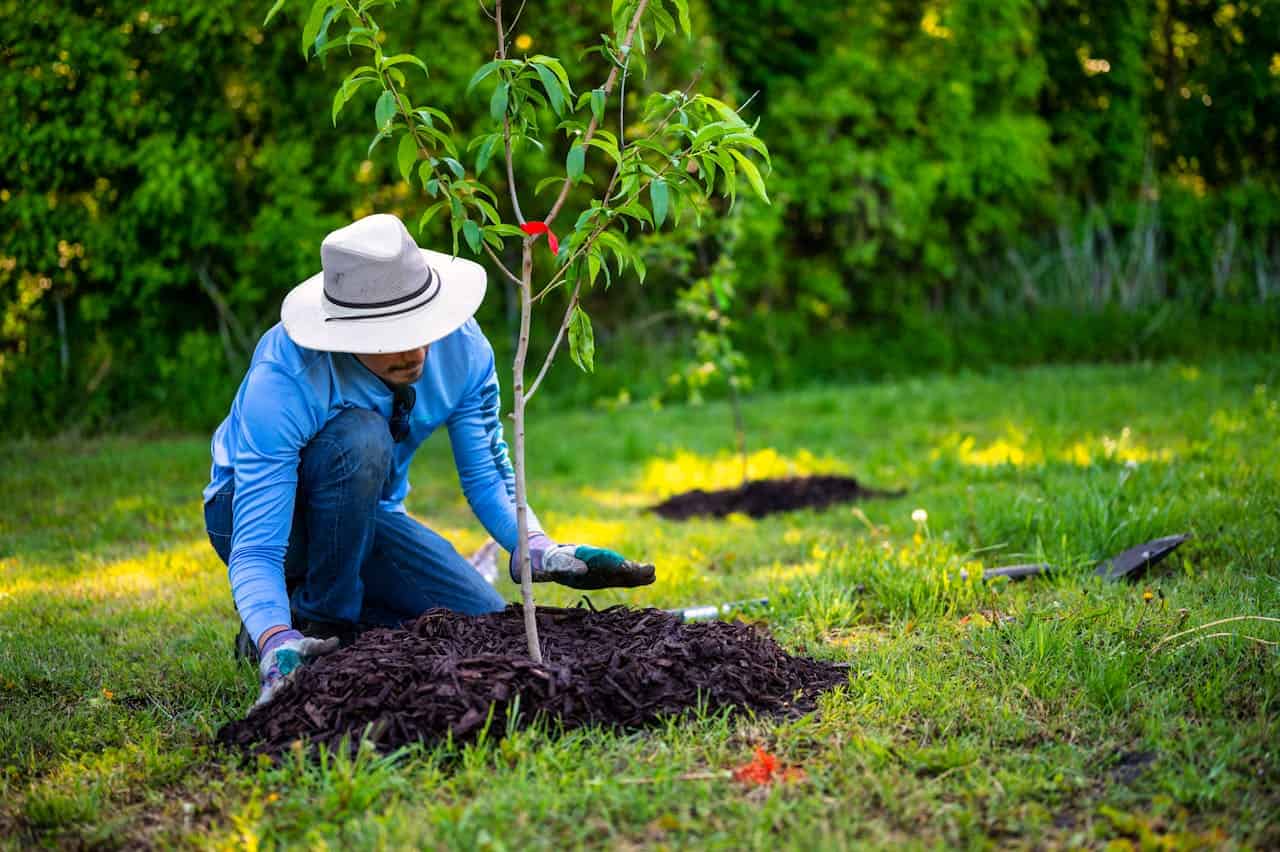
You might be excited and start with a huge garden, but it can quickly become overwhelming. Managing too many plants at once often leads to neglected care and disappointing results.
It’s better to start small. Focus on a few easy-to-grow veggies and expand as you gain experience. This helps you avoid common mistakes like overcrowding and poor maintenance, saving you time and stress.
Not preparing for weather changes

You might plant your veggies when the weather looks good but then get hit by a cold snap or heavy rain. This can shock young plants and stunt their growth.
Keep an eye on the forecast and be ready to protect your garden with covers or moveable containers. Planning for sudden weather changes helps keep your plants healthy and growing strong, avoiding common newbie pitfalls like planting too early or ignoring conditions.
Skipping proper watering routines

If you skip a regular watering schedule, your plants can quickly suffer. Both underwatering and overwatering cause stress to your garden.
Avoid watering leaves directly since it can lead to disease. Instead, focus on moistening the soil around the roots.
Use tools like a rain gauge and check soil moisture often. This helps you know exactly when and how much to water your vegetables, avoiding common watering mistakes in gardening.
Neglecting good drainage

If your garden soil doesn’t drain well, your plants’ roots can get waterlogged and start to rot. This can stunt growth or kill your veggies.
Make sure your soil drains properly by testing it after watering. Adding compost or sand can improve drainage and help keep your garden healthy. Avoid planting in low spots where water tends to pool after rain. This simple step saves a lot of trouble later.
Not rotating crops yearly

If you don’t rotate your crops each year, certain pests and diseases can build up in the soil. This makes your plants more vulnerable over time.
Rotating helps keep the soil healthy and breaks pest cycles. Even though some gardeners skip this step without problems, it’s usually a smart move to avoid trouble later. You’ll thank yourself next season.
Planting vegetables that don’t fit your climate
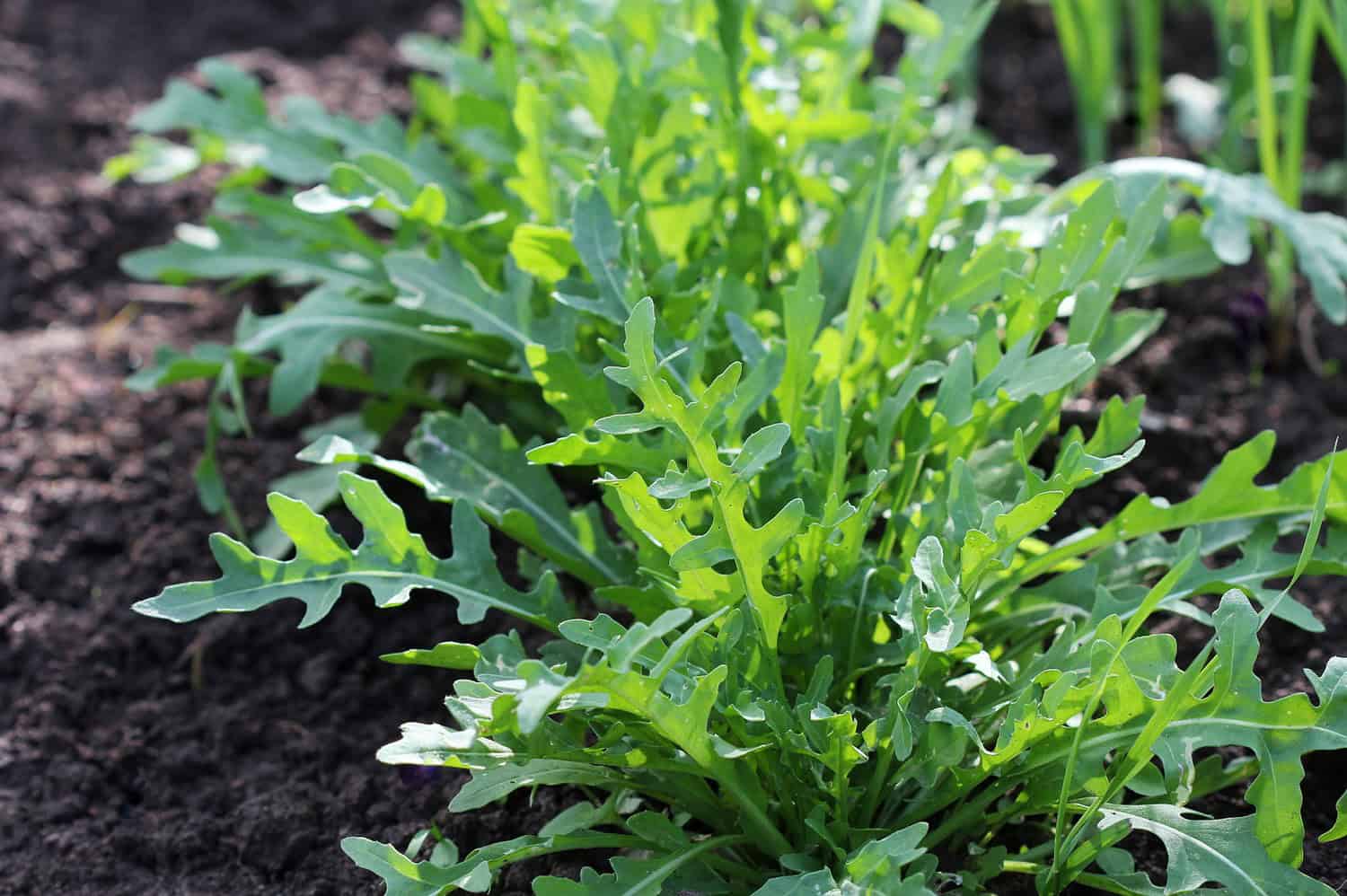
You might be excited to grow everything you love, but not all vegetables thrive in every climate. Picking plants that don’t match your local weather can lead to slow growth or crop failure.
Check your region’s growing season and temperature range before planting.
Overcrowding plants causing competition

When you plant too close, your veggies start fighting for sunlight, water, and nutrients. This competition can stunt their growth and lower your harvest.
Giving each plant enough space means they grow healthier and stronger. Avoid crowding to keep your garden thriving without unnecessary stress on your plants.
Starting with only basic vegetable varieties

Sticking to basic veggies like tomatoes, lettuce, or carrots can help you get comfortable with gardening. These plants are usually easier to grow and require less special care.
Once you feel confident, you can experiment with more unusual varieties. Choosing common veggies also means you’ll find plenty of growing tips and advice online to help you succeed.
Ignoring plant spacing guidelines

When you skip plant spacing rules, your veggies end up crowded and stressed. Each plant needs room to grow roots and leaves properly.
If plants are too close, they compete for water and nutrients. This can stunt growth and lower your harvest.
Following recommended spacing on seed packets helps your garden stay healthy and productive. It’s a simple step often overlooked by beginners.