Your living room is one of the most used spaces in your home, so getting the layout right is important for comfort and flow. It can be tricky to arrange furniture and decor in a way that feels both functional and inviting.
Avoiding common mistakes in your living room layout can make your space feel more open, balanced, and easier to navigate. This article will help you recognize these pitfalls so you can create a room that works well for your lifestyle.
Advertisement
Pushing furniture against walls
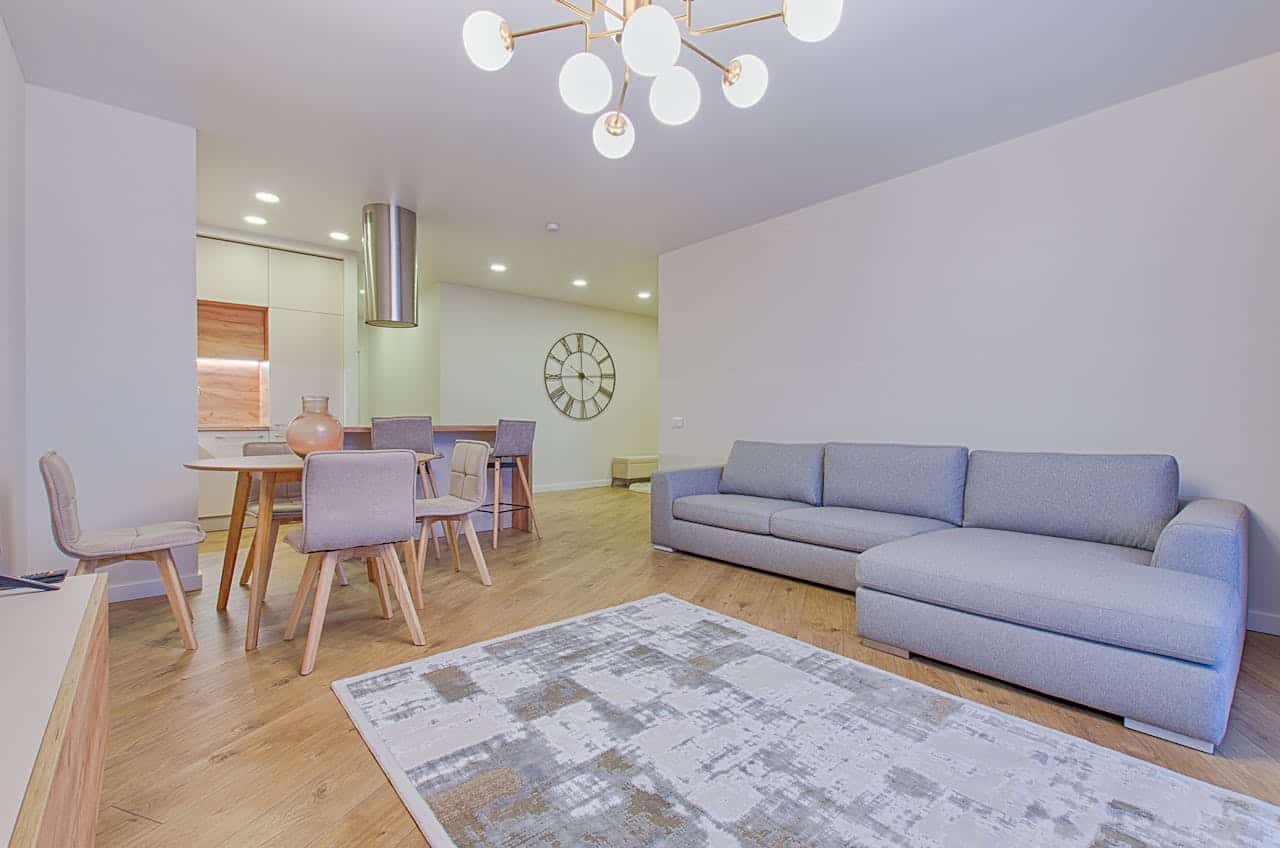
You might think pushing your furniture against the walls creates more space. But it can actually make the room feel less inviting and empty in the center.
Pulling your sofa or chairs a few inches away from the walls helps create a more balanced and cozy seating area. This small change encourages better flow and conversation in your living room.
Using a rug that’s too small

If your rug is too small for your living room, it can make the space feel disjointed. Your furniture should either sit completely on the rug or completely off it for a balanced look.
Make sure your rug is proportionate to your sofa and seating area. A rug that fits well ties the room together and defines the space clearly.
Overcrowding with oversized furniture
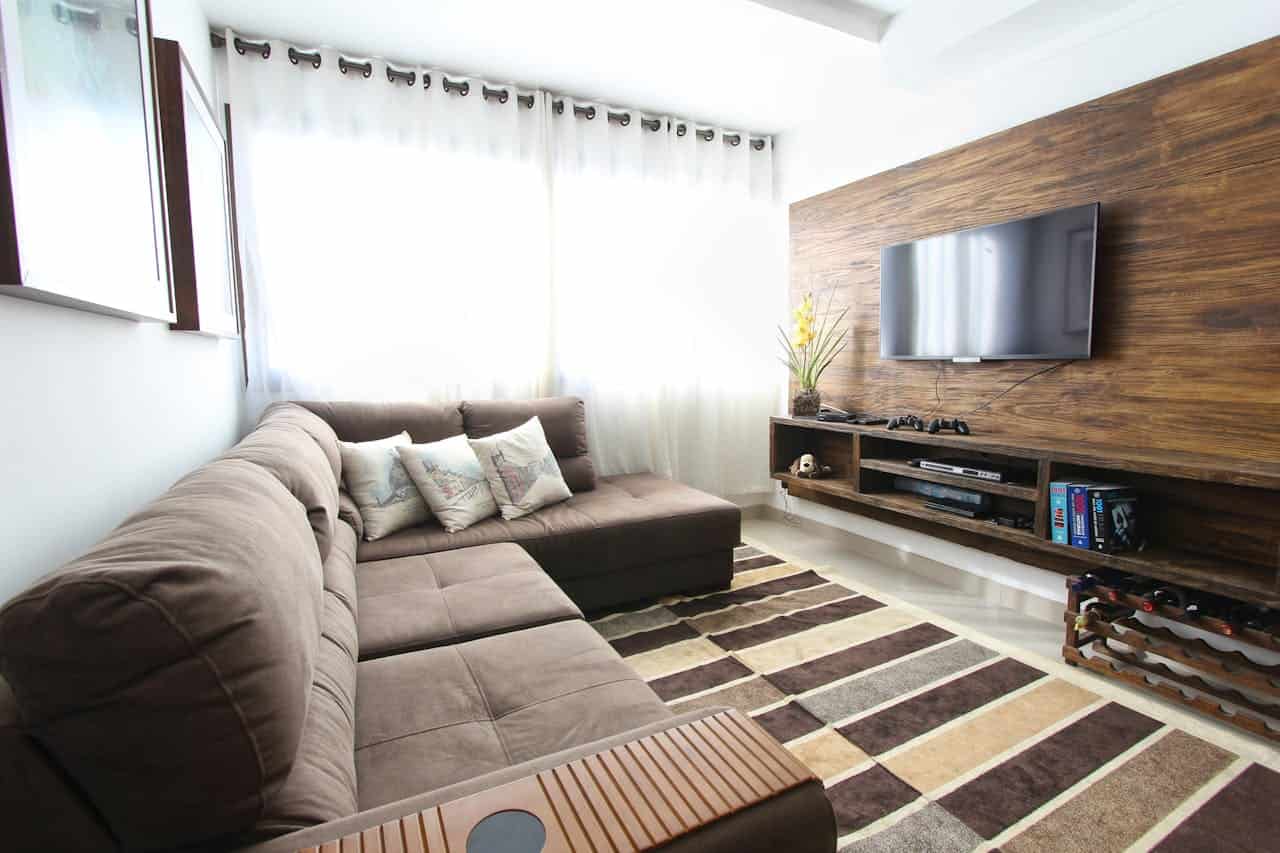
You might feel tempted to fill your living room with large, comfortable pieces. But oversized furniture can quickly make the space feel cramped.
When furniture is too big, it limits walking areas and can block natural light. Aim for balance by choosing pieces that fit the room’s scale without overwhelming it. This will keep your living room inviting and easy to move around in.
Ignoring traffic flow paths

When you arrange your furniture, think about how people will move through the room. Blocking natural walkways can make the space feel cramped and frustrating to navigate.
Make sure to leave clear paths, ideally 30 to 40 inches wide, so everyone can move comfortably. This keeps your living room functional and inviting.
Not providing enough table surfaces
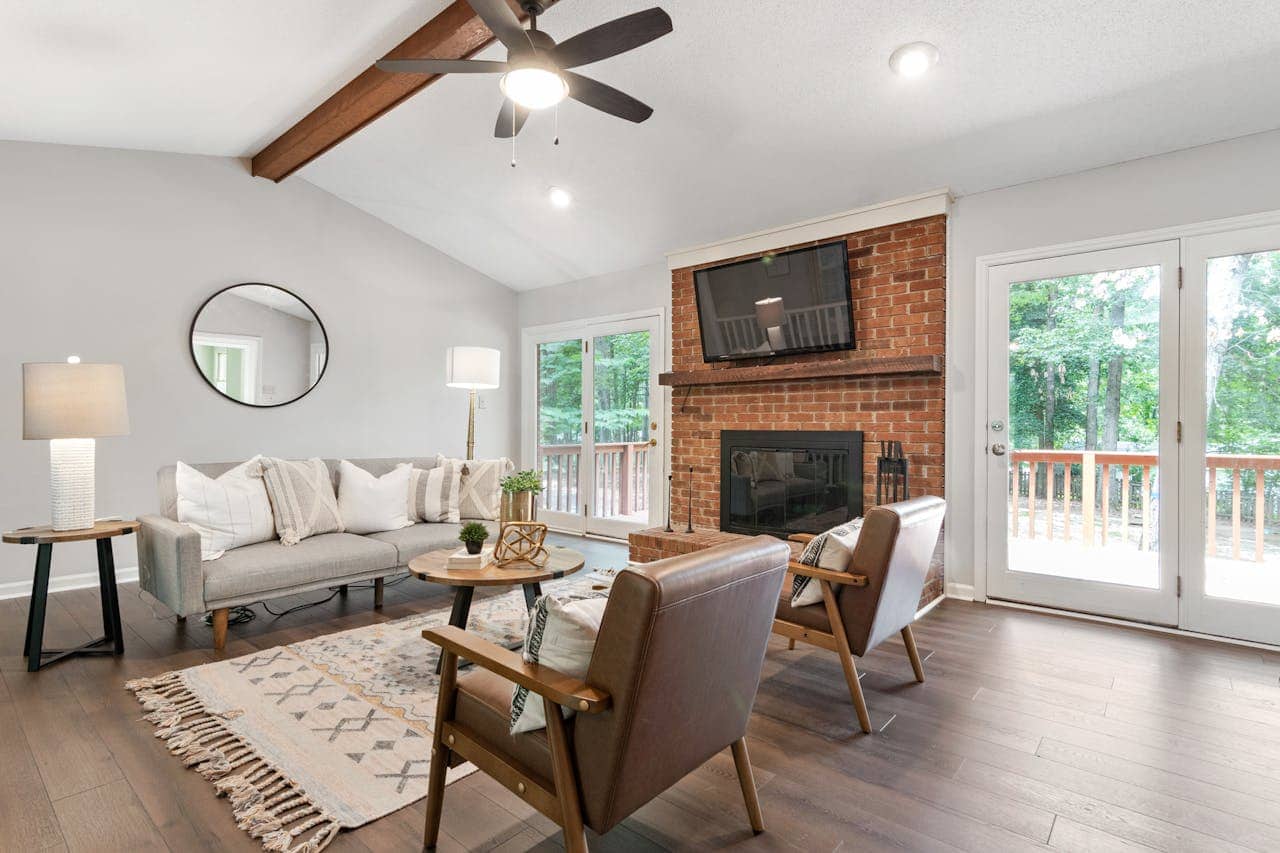
You need more than just a coffee table in your living room. Adding side tables or small surfaces helps keep drinks, remotes, and books within easy reach.
Without enough tables, guests may have nowhere to place items, which can make your space less comfortable. Think about your daily habits and add surfaces where they fit naturally.
Placing sofa in the traffic walkway
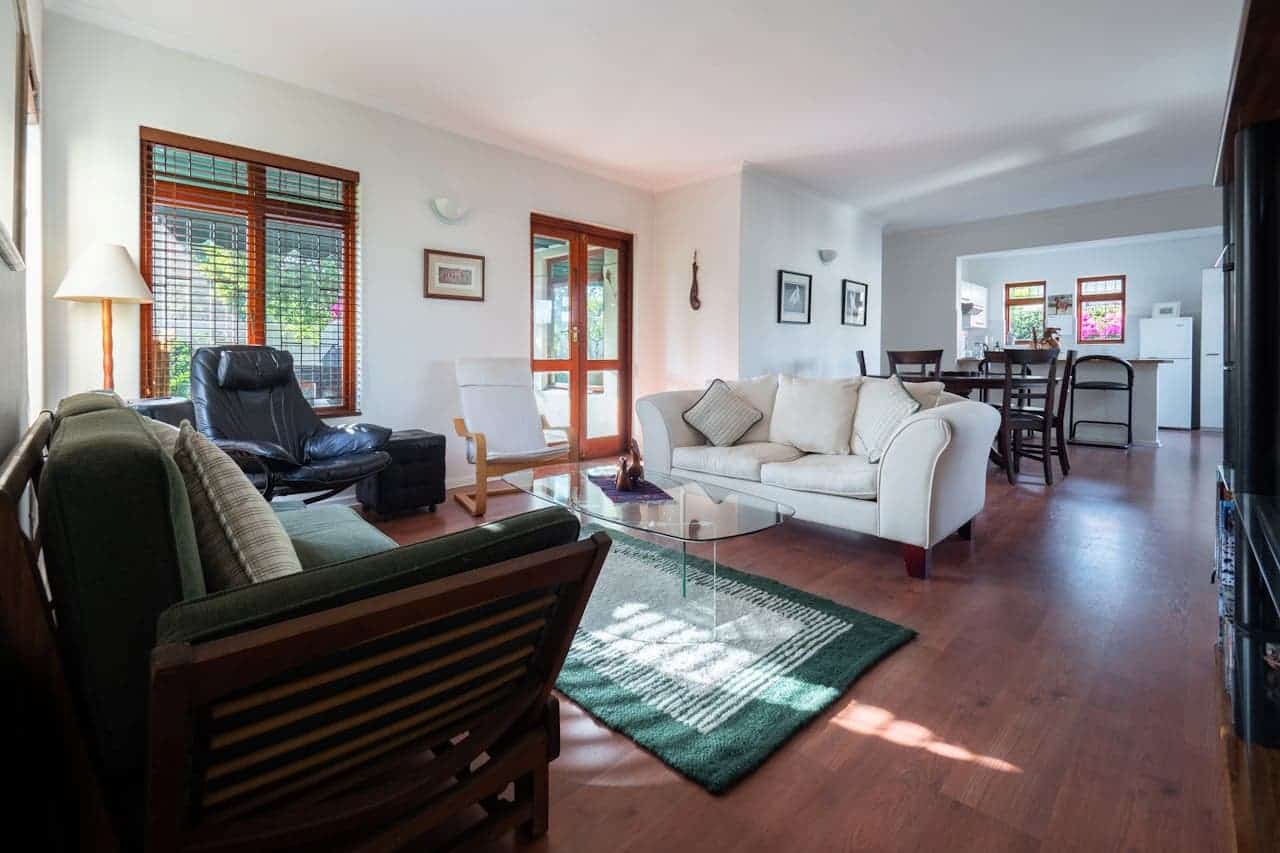
You want to avoid putting your sofa directly in a main walkway. This can block movement and make your room feel cramped.
Leaving clear paths around furniture helps your space flow better. It also makes sitting and walking around more comfortable for everyone.
Try to position your sofa where it creates a cozy zone without interfering with where people naturally walk.
Lack of a clear focal point
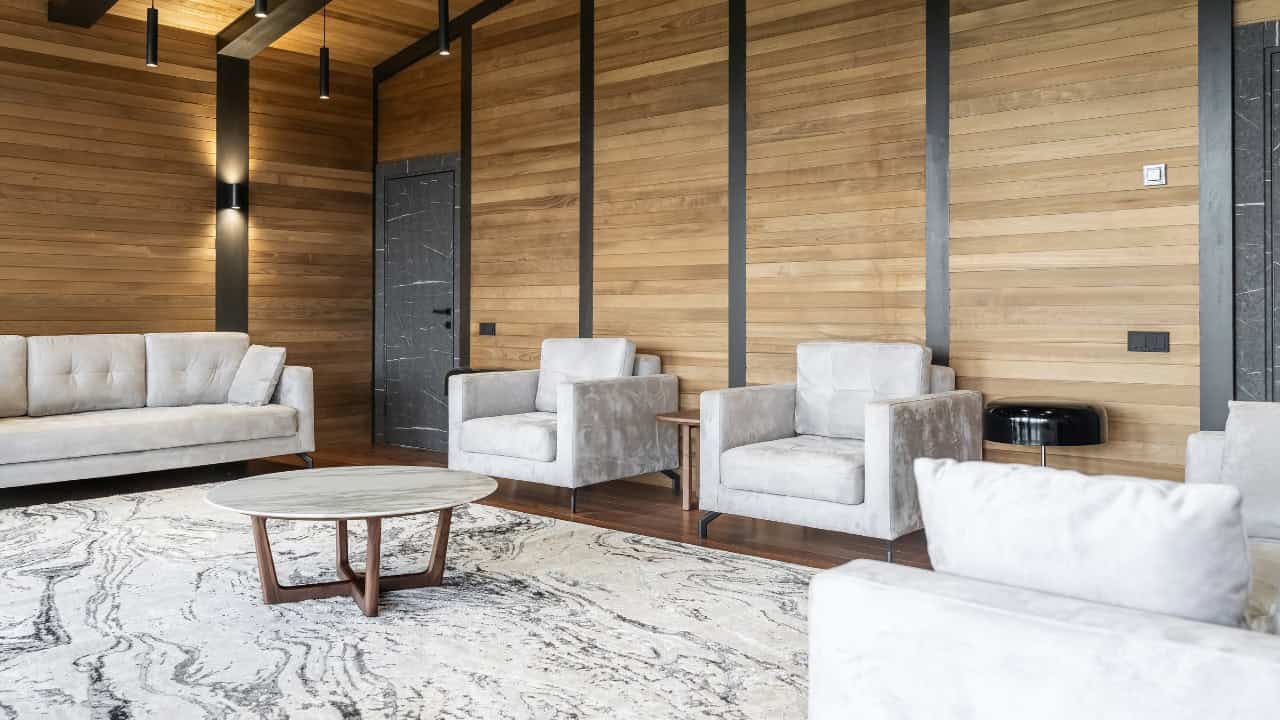
If your living room doesn’t have a clear focal point, the space can feel unbalanced and confusing. You want something that naturally draws the eye, like a fireplace, a piece of art, or a statement piece of furniture.
Without this, your room might feel disjointed and harder to arrange. Choose one main feature to anchor the room and build your layout around it.
Choosing matching furniture sets
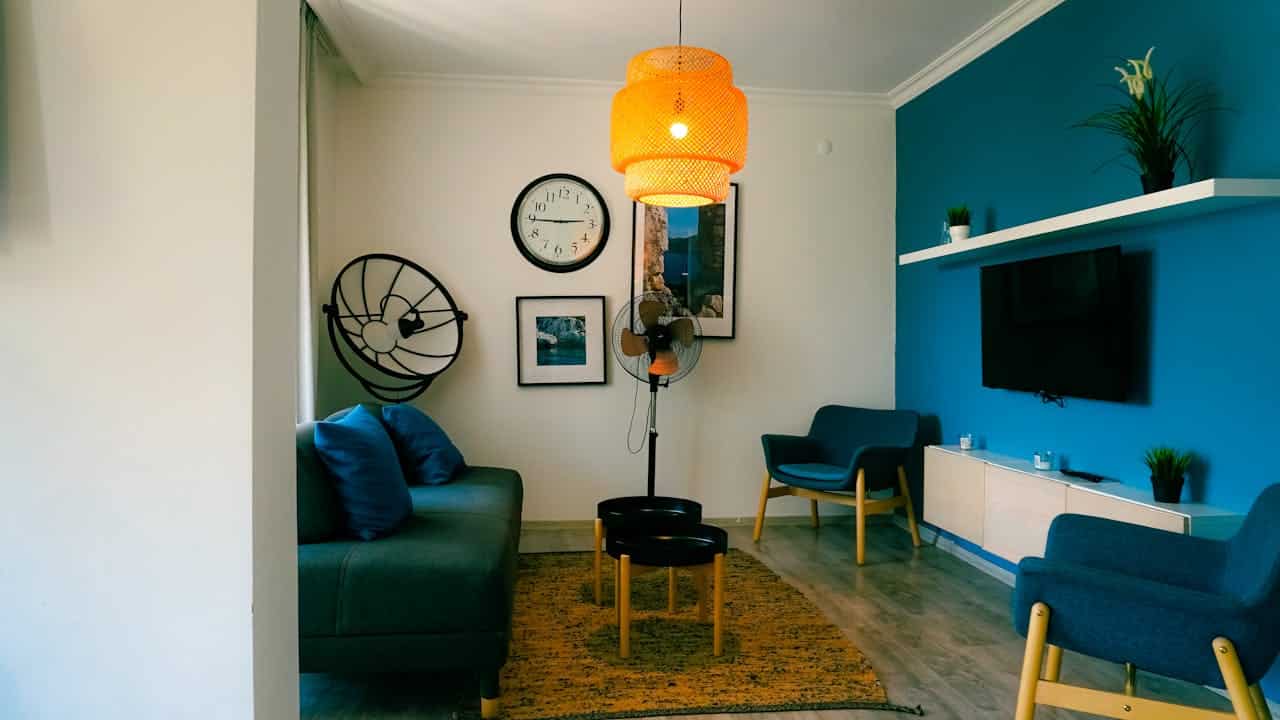
You might think matching furniture sets make your living room look put together. But relying only on matching pieces can make the space feel flat and less interesting.
Mixing different styles or colors adds character and makes your room feel more personal. Try combining a sofa with chairs that complement but don’t exactly match. This creates a balanced, inviting space.
Failing to include armchairs
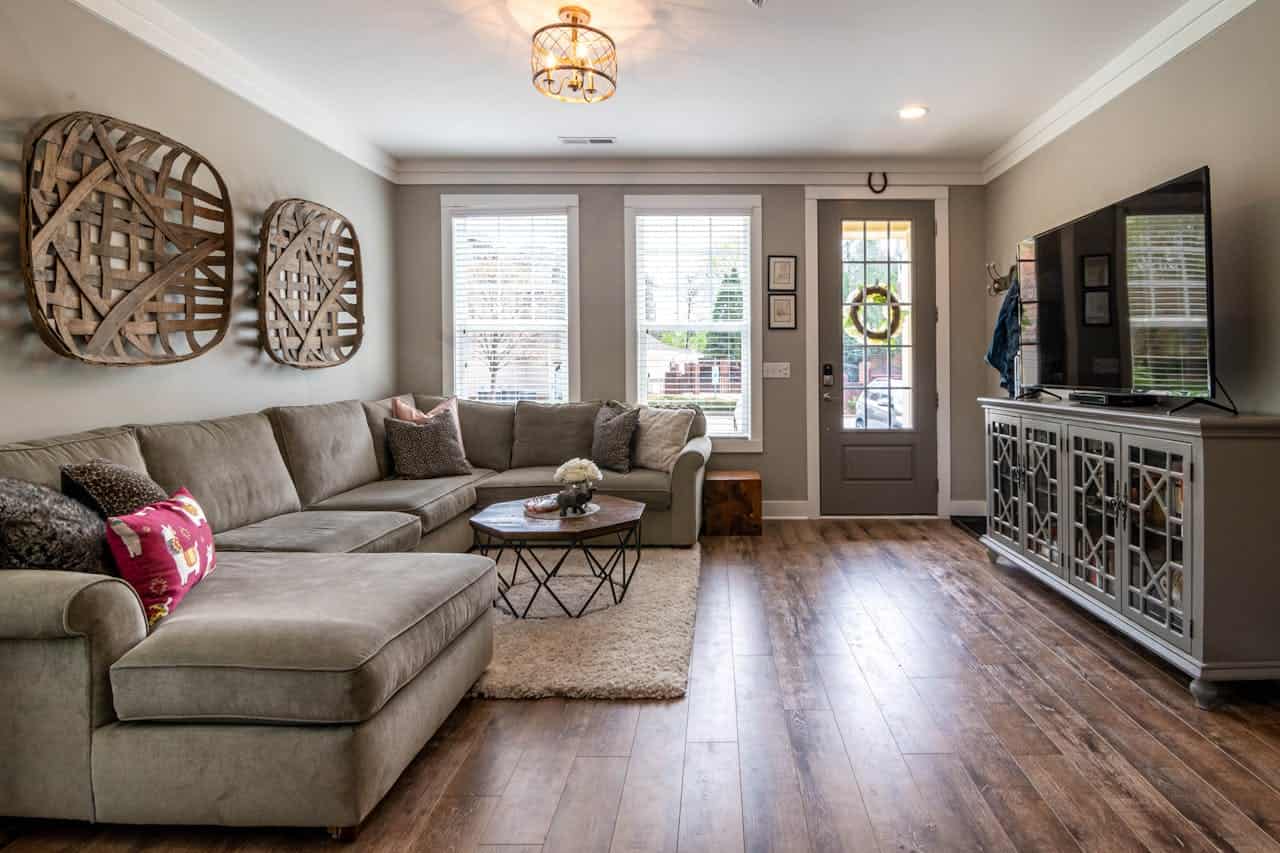
If your living room only has sofas, you might miss out on creating a balanced seating arrangement. Adding armchairs gives more seating options and makes the space feel inviting.
Armchairs also create visual interest and help define conversation areas. They offer flexibility, so you can rearrange easily for different occasions.
Not hanging art or decor
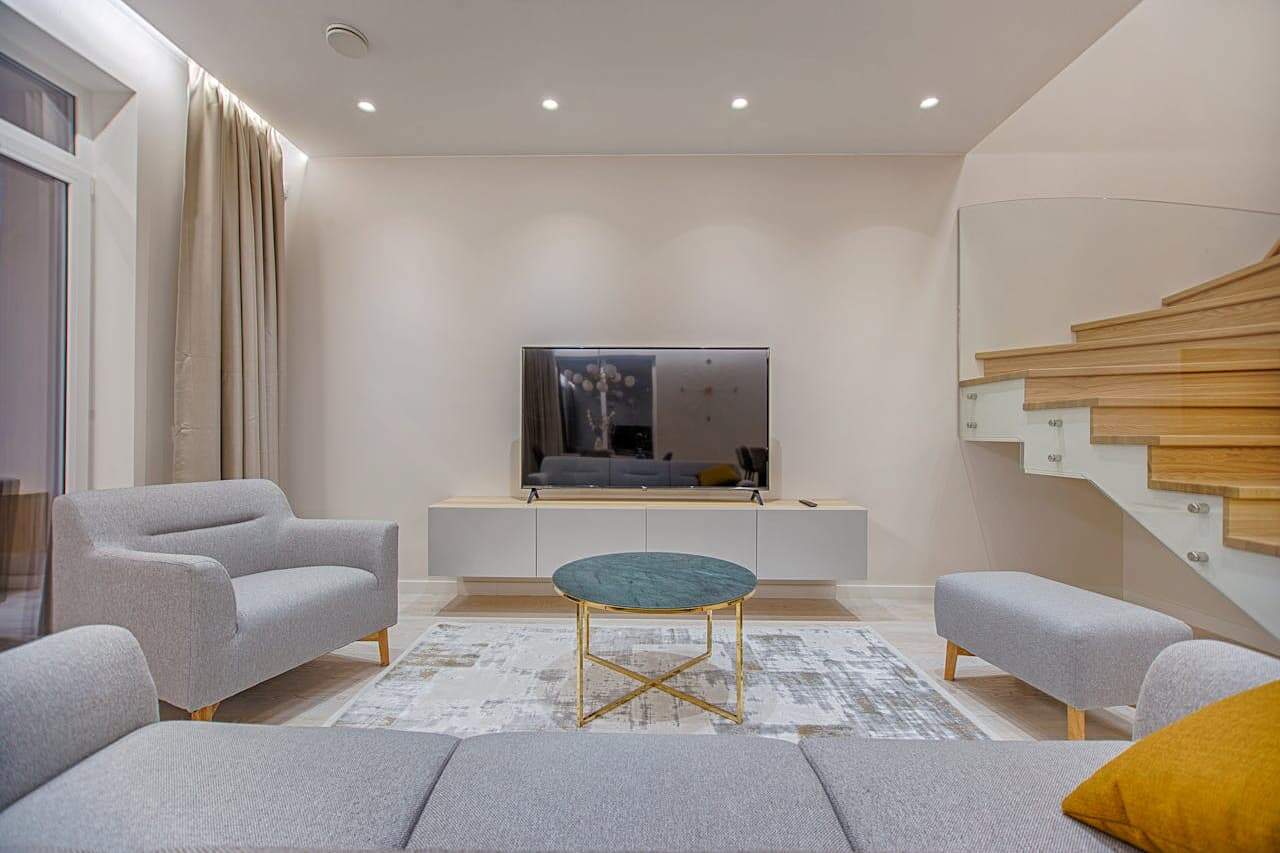
When you skip hanging art or decor, your living room can feel unfinished or bland. Adding pieces that fit your space helps create character and warmth.
Choose art that matches the size of your walls. Too small artwork often looks lost and doesn’t add much to the room’s feel.
Don’t be afraid to personalize your space. Your decor should reflect your style and make the room inviting.
Too many large furniture pieces
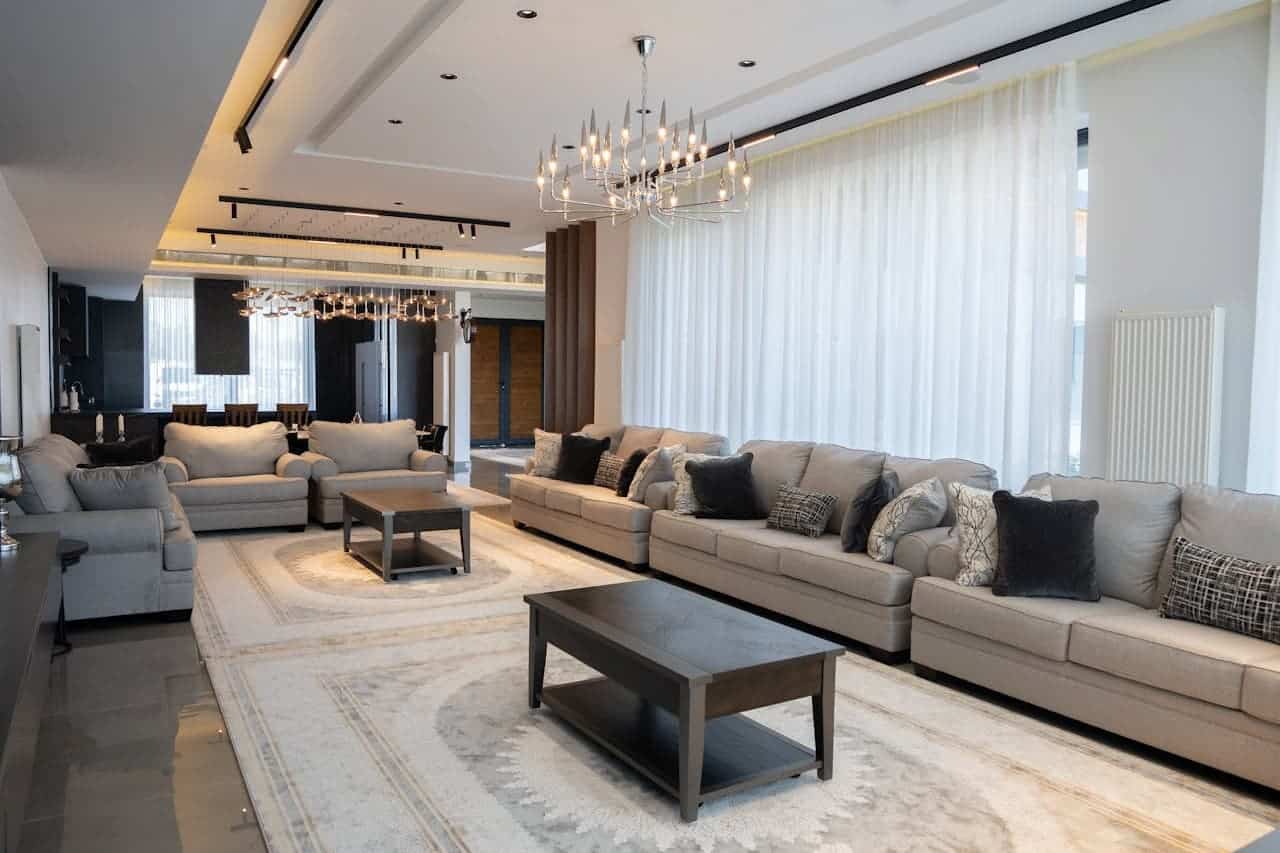
If you fill your living room with too many large furniture pieces, the space can feel crowded and overwhelming. This makes it hard to move around freely and enjoy the room.
Instead, choose a few well-sized pieces that fit the room’s scale. Balancing size helps create a more open, comfortable atmosphere for you and your guests.
Having awkward seating arrangements
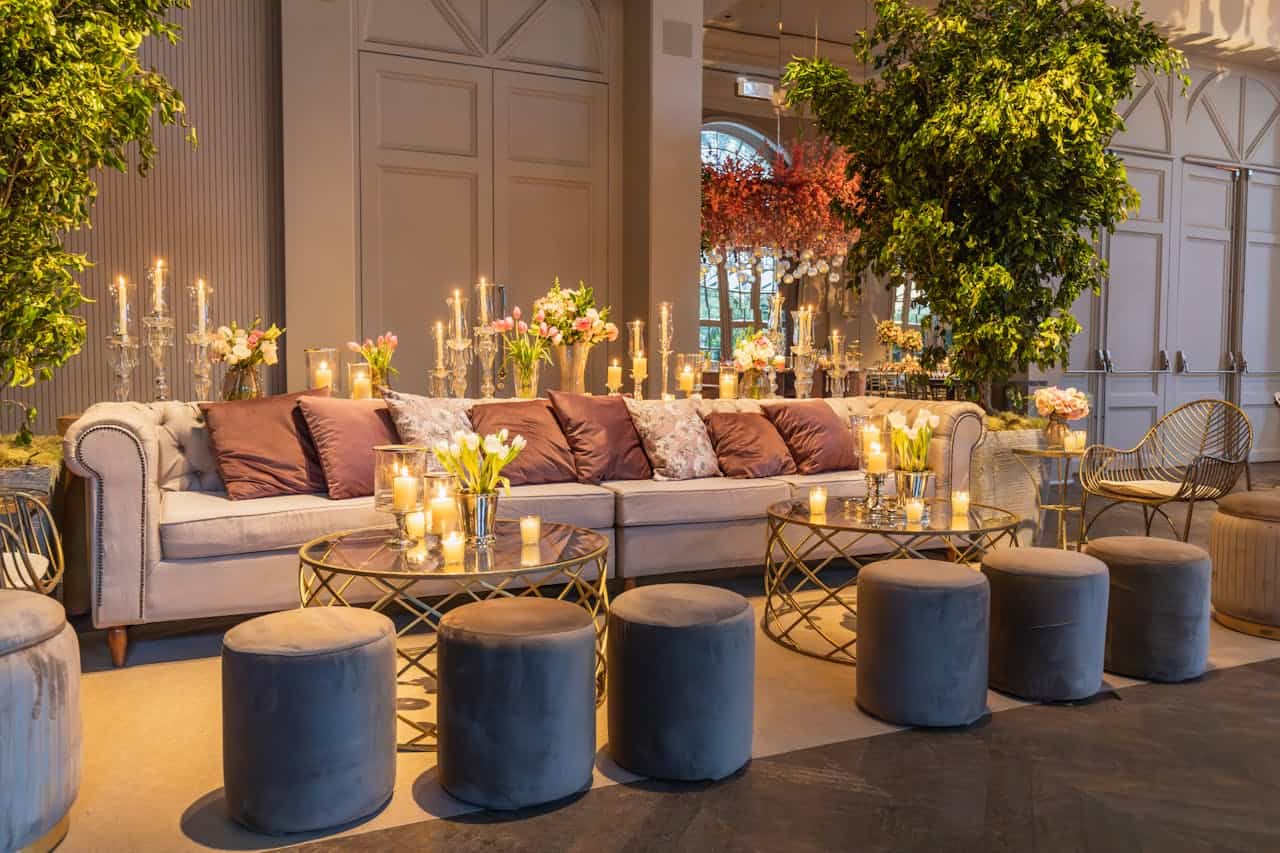
You want your seating to invite conversation, not confusion. Avoid placing chairs and sofas too far apart or blocking pathways.
Try arranging furniture so people face each other comfortably. If your space feels cramped or off-balance, consider swapping furniture pieces or using smaller items.
Think about where the natural flow of the room goes and don’t force seats where they don’t fit well.
Two opposite doors with empty space between
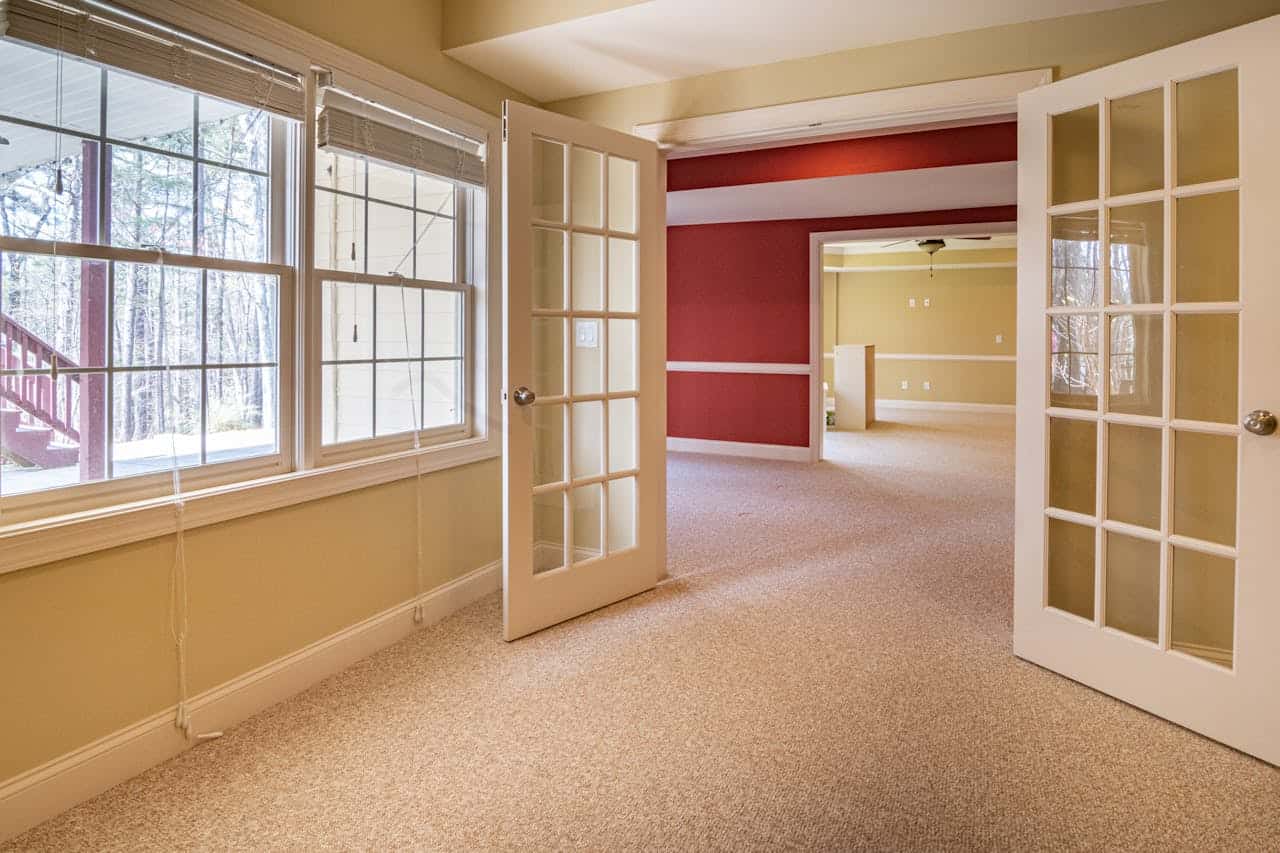
If your living room has two doors facing each other, avoid leaving the space between them empty. This can make the room feel disconnected and awkward.
You can use a narrow console table, a bench, or a rug to fill that area. It helps create a visual link and adds function without blocking the flow between doors.