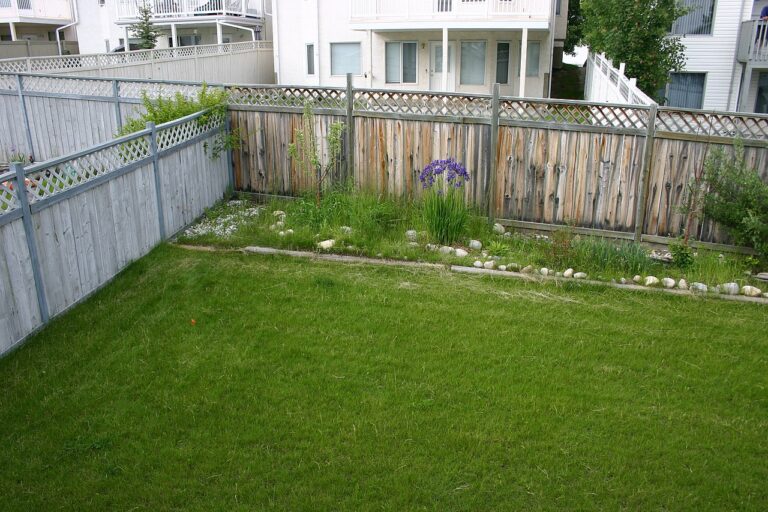
Whether you’re a seasoned green thumb or a novice gardener, we all know that a beautiful lawn doesn’t happen by chance. It’s the result of regular maintenance, smart habits, and a whole lot of love.
But don’t think of it as a chore, rather, consider it a labor of love that not only enhances your home’s curb appeal but also benefits the environment. In this post, I’ll share my 13 lawn care habits that have transformed my yard and can do the same for yours.
Advertisement
1. Regular Mowing

Mowing is more than just keeping your lawn at an attractive and manageable height. It also helps your grass stay healthy and lush. I always ensure to mow my lawn regularly, usually once a week, but more during the growing season.
However, remember not to cut your grass too short as it can stress the grass and make it more susceptible to pests and diseases. A general rule of thumb is to never cut more than one-third of the grass blade at a time. This helps keep your lawn looking neat and green, without causing any damage.
2. Watering Deeply but Infrequently

When it comes to watering, I’ve found that less is often more. Instead of watering a little bit every day, I water my lawn deeply but infrequently, usually once or twice a week, depending on the weather.
This habit encourages the grass roots to grow deeper into the soil, making your lawn more drought-tolerant. It’s best to water early in the morning before the sun gets too hot and causes evaporation. If you’re using a sprinkler, make sure it’s evenly distributing the water across your lawn.
3. Regular Aeration

Aeration is a lawn care habit that I swear by. It involves puncturing the soil with small holes to allow air, water, and nutrients to penetrate the grass roots. This helps the roots grow deeply and produce a stronger, more vigorous lawn.
I usually aerate my lawn once a year, typically in the spring or fall. It’s best to do it when the soil is moist but not soaked. You can rent a lawn aerator or hire a lawn care service for this task. After aeration, water your lawn thoroughly to ensure the water reaches the newly exposed roots.
4. Proper Fertilization

Fertilizing is an essential part of lawn care that helps replenish lost nutrients and ensure your grass stays healthy and vibrant. However, it’s important to use the right type and amount of fertilizer for your specific type of grass.
I typically fertilize my lawn in the early spring and late fall when the grass is actively growing. It’s best to do it after mowing and watering your lawn. Always follow the manufacturer’s instructions on the fertilizer package to avoid burning your grass.
5. Reseeding Bare Spots

No matter how well you take care of your lawn, you’ll likely encounter bare spots at some point. Reseeding these areas is a habit I stick to, ensuring my lawn stays thick and lush.
I usually reseed in the spring or fall when the soil temperature is about 55°F. After sowing the seeds, I water the area lightly but frequently until the new grass is established. Remember to mow the new grass carefully, cutting no more than one-third of the grass blade at a time.
6. Controlling Weeds

Weeds are not just unsightly; they can also compete with your grass for nutrients, water, and sunlight. That’s why I make a habit of controlling weeds before they get out of hand.
I usually hand-pull weeds or use a hoe for larger infestations. For stubborn or widespread weeds, I use a selective herbicide that targets weeds without harming the grass. It’s best to deal with weeds when they’re young and easier to control.
7. Regular Inspection for Pests and Diseases

Regular inspection of your lawn is a habit that can save you a lot of trouble down the line. It allows you to spot signs of pests or diseases early and take appropriate action.
I usually inspect my lawn while mowing or watering. I look for discolored or dying patches, signs of insect activity, and other abnormalities. If you notice anything unusual, it’s best to consult a lawn care expert or your local extension service for advice.
8. Proper Use of Lawnmower

The way you use your lawnmower can significantly impact the health and appearance of your lawn. I always make sure my mower blades are sharp, as dull blades can tear the grass and leave it susceptible to pests and diseases.
I also mow in different directions each time to prevent the grass from leaning in one direction. In addition, I leave the grass clippings on the lawn after mowing, as they can decompose and return valuable nutrients back to the soil.
9. Regular Edging

Edging is a habit that gives your lawn a clean, manicured look. It involves defining the borders of your lawn, usually where it meets the driveway, sidewalk, or garden beds.
I use a lawn edger or a string trimmer for this task, and I edge my lawn after mowing, usually once a week. It’s a simple step that can make a big difference in your lawn’s appearance.
10. Cleaning Up After Pets

If you have pets, cleaning up after them is a critical lawn care habit. Pet waste can damage your grass and introduce harmful bacteria into your lawn.
I always pick up after my dog and dispose of the waste properly. If your pet urinates on your lawn, water the area thoroughly to dilute the urine and prevent it from burning the grass.
11. Avoiding Heavy Traffic

Heavy foot traffic can compact the soil and damage your grass. That’s why I make a habit of directing traffic away from my lawn, especially in high-use areas.
I use stepping stones, walkways, or fences to guide people and pets. If certain areas become worn down, I reseed them and avoid walking on them until the grass is established.
12. Seasonal Care

Different seasons require different lawn care habits. I adjust my mowing, watering, fertilizing, and other practices according to the season.
In spring, I focus on mowing, fertilizing, and controlling weeds. In summer, I water deeply but infrequently and mow at a higher setting to help the grass retain moisture. In fall, I aerate, reseed if necessary, and apply a winterizer fertilizer. In winter, I let my lawn rest and avoid walking on it when it’s frosty.
13. Patience and Persistence

Last but not least, patience and persistence are crucial when it comes to lawn care. A beautiful lawn doesn’t happen overnight; it’s the result of consistent care and attention.
Even when things don’t go as planned, I don’t get discouraged. I learn from my mistakes, adjust my practices, and keep trying. After all, lawn care is as much about the journey as it is about the destination.