Even the most seasoned gardener can attest to the fact that maintaining a vibrant, lush lawn requires a fair amount of effort. From watering to fertilizing, mowing to weeding, there’s a lot to consider.
But, there’s a fine line between taking good care of your lawn and indulging in practices that can do more harm than good. To help you navigate this tricky terrain, we’ve compiled a list of 13 lawn care blunders you should steer clear of.
Advertisement
1. Overwatering Your Lawn

One of the most common mistakes homeowners make is overwatering their lawns. While it’s true that grass needs water to thrive, too much of it can cause root disease and encourage the growth of weeds. A good rule of thumb is to water deeply but infrequently, allowing the lawn to dry out between waterings. This not only conserves water but also encourages deeper root growth, resulting in a more drought-resistant lawn.
2. Cutting Grass Too Short
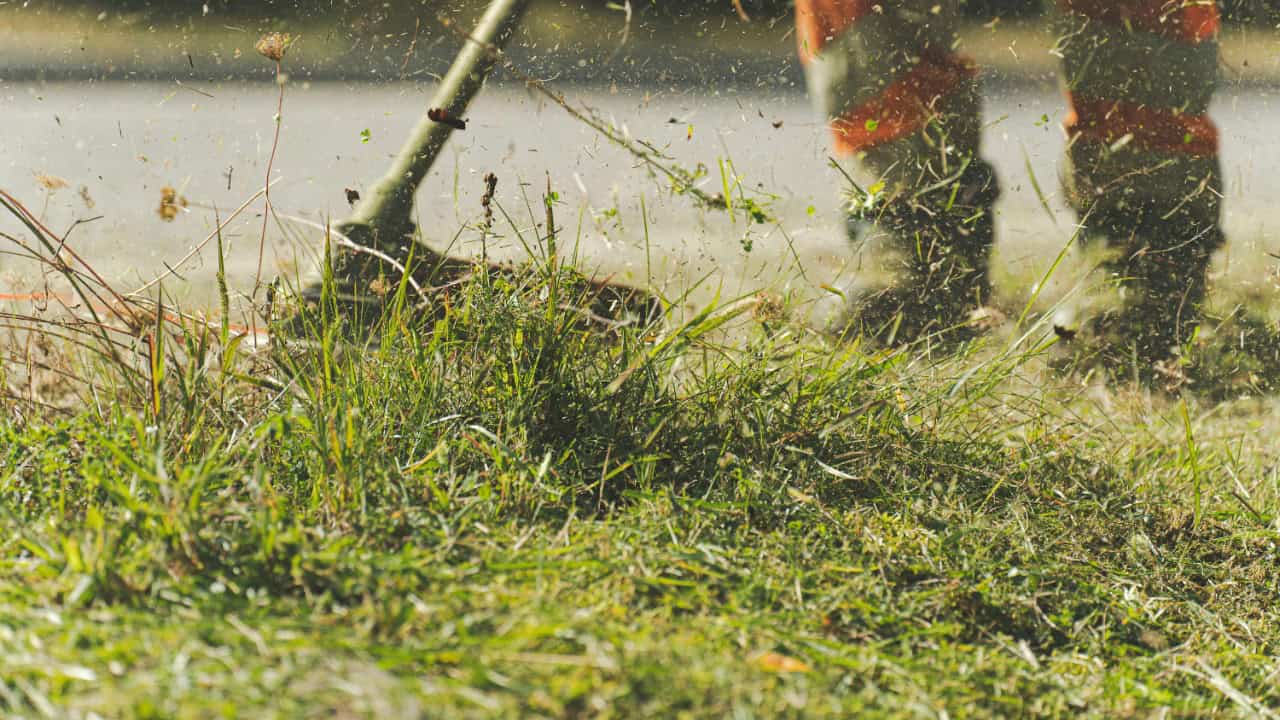
Another common blunder is cutting the grass too short. Mowing your lawn too close to the ground can stress the grass and expose the roots to the sun, leading to brown or bare patches. As a general rule, you should never cut more than one-third of the grass blade at a time. This leaves enough leaf surface for photosynthesis, which in turn promotes healthier growth.
3. Ignoring Soil pH
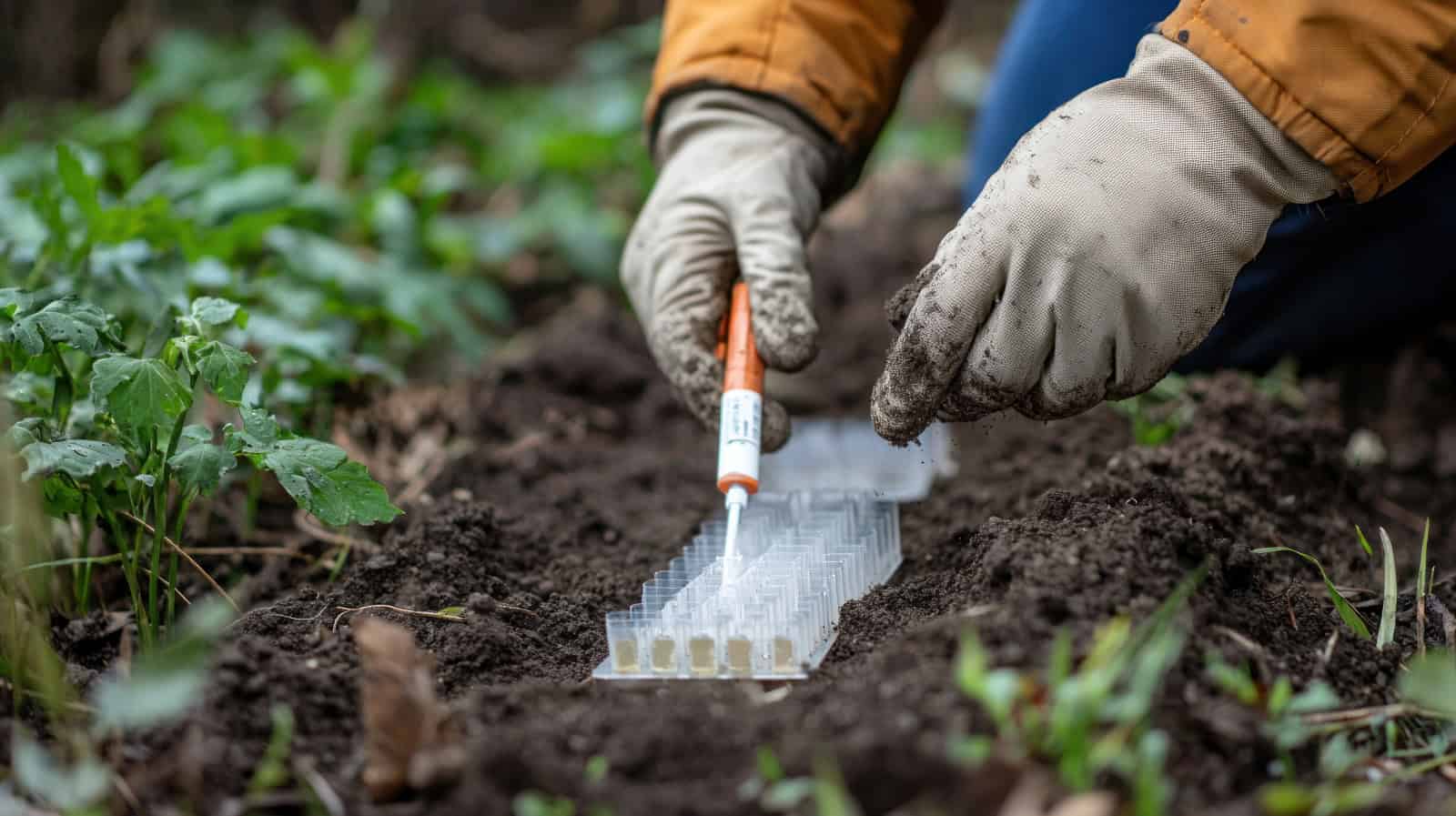
Soil pH, or the measure of how acidic or alkaline your soil is, plays a crucial role in the health of your lawn. Grass prefers slightly acidic soil, with a pH between 6 and 7. If the pH is too high or low, it can limit the grass’s ability to absorb nutrients from the soil. You can test your soil’s pH with a home testing kit, and then adjust it as necessary with lime (to raise pH) or sulfur (to lower pH).
4. Neglecting Aeration

Aeration involves making small holes in the lawn to allow air, water, and nutrients to penetrate the grass roots. This helps the roots grow deeply and produce a stronger, more vigorous lawn. Neglecting aeration can lead to compacted soil, which limits root growth and can make your lawn more susceptible to pests and diseases.
5. Using Dull Mower Blades

Dull mower blades tear the grass instead of cutting it cleanly, which can stress the grass and leave it vulnerable to disease. A sharp blade, on the other hand, cuts grass evenly and cleanly, promoting healthier growth. Make a habit of checking and sharpening your mower blades regularly.
6. Applying Fertilizer Incorrectly
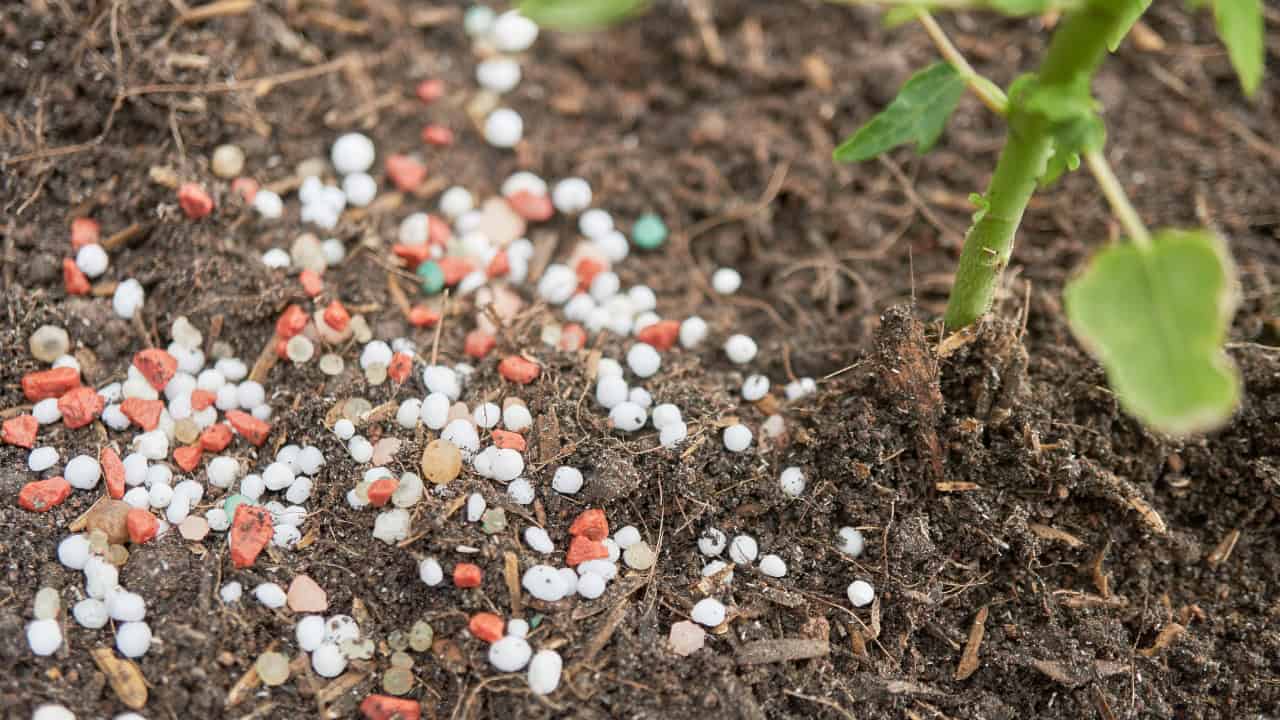
Fertilizer can work wonders for your lawn, but only if applied correctly. Too much fertilizer can burn your lawn, while too little won’t provide the necessary nutrients for growth. It’s also important to apply fertilizer at the right time. For most lawns, the best time to fertilize is in the spring and fall when the grass is actively growing.
7. Ignoring Weeds
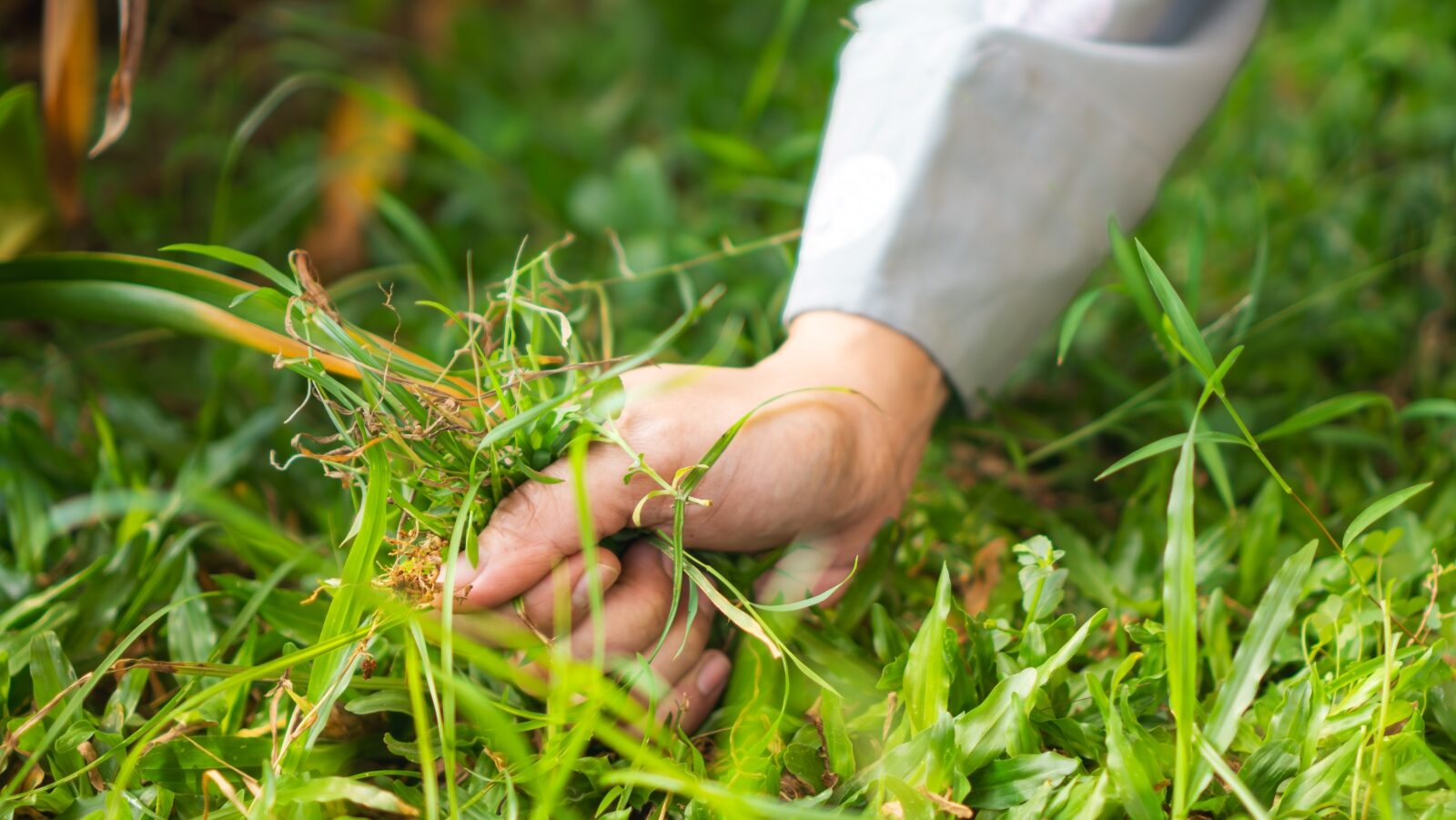
Weeds aren’t just unsightly – they also compete with your grass for nutrients and water. Ignoring weeds can lead to a less healthy and less attractive lawn. Regularly inspect your lawn for weeds and deal with them promptly. Hand-pulling is often the most effective method, but for larger infestations, a selective weed killer may be necessary.
8. Watering at the Wrong Time
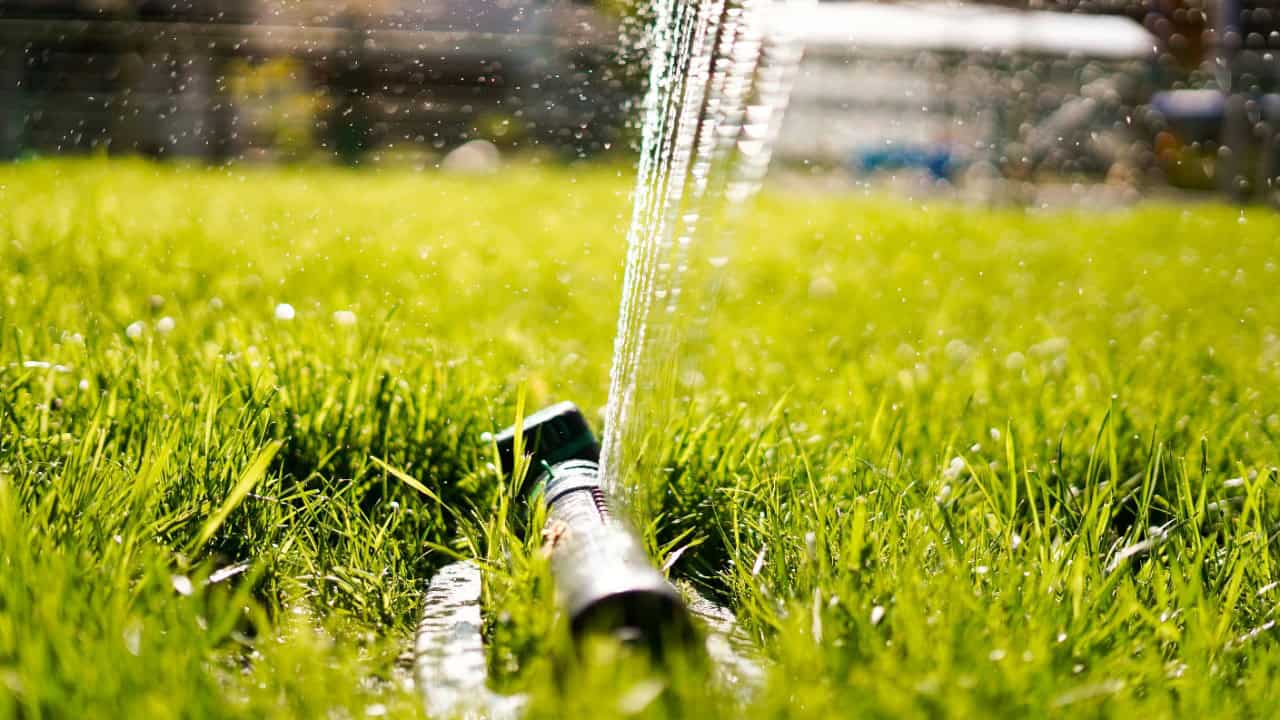
The best time to water your lawn is in the early morning, when the sun is low and the air is cooler. This allows the water to soak into the soil before it can evaporate. Watering in the evening can encourage the growth of mold and other diseases.
9. Leaving Grass Clippings on the Lawn
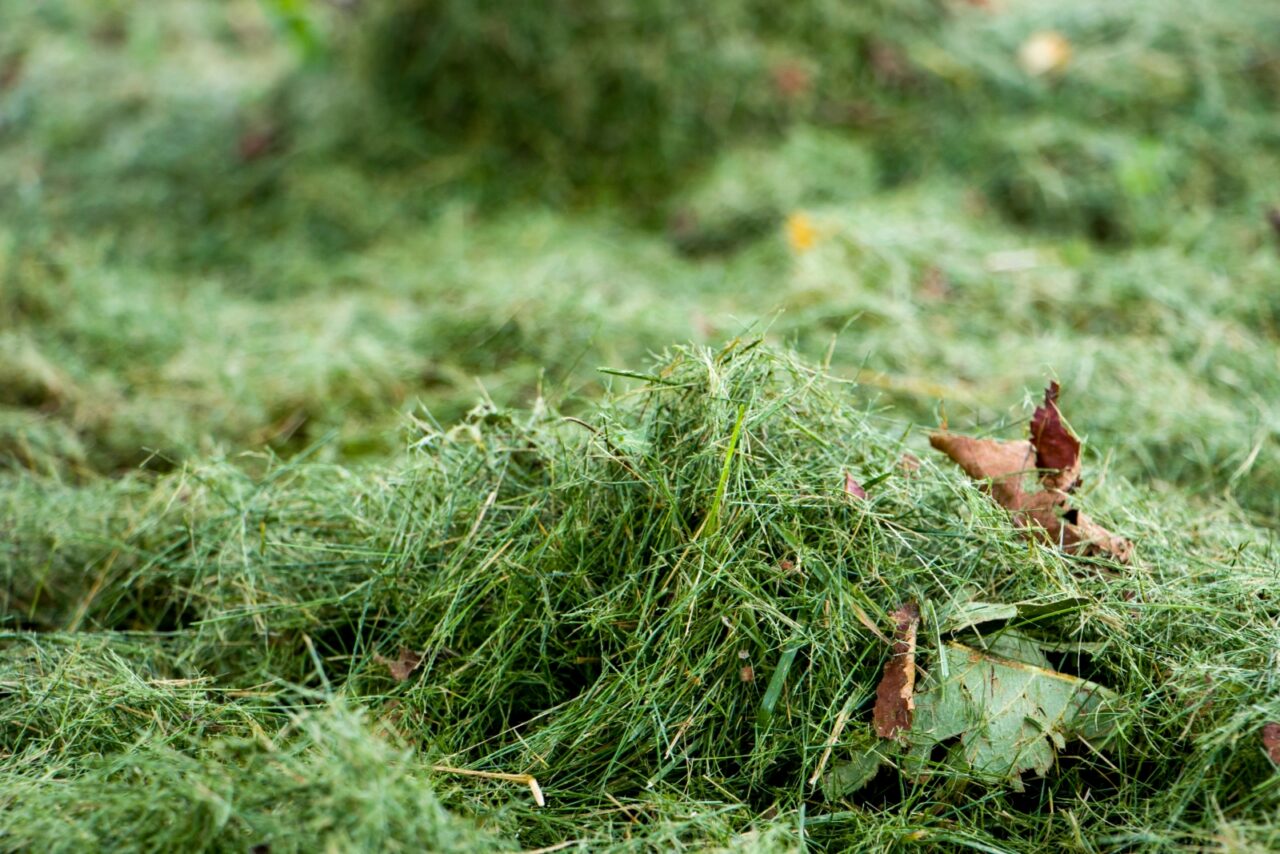
Leaving grass clippings on the lawn after mowing can smother the grass and prevent sunlight from reaching the underlying blades. However, if you mow regularly and the clippings are small, they can actually return valuable nutrients to the soil. The key is to never let the clippings accumulate to the point where they form a mat on the lawn.
10. Mowing Wet Grass
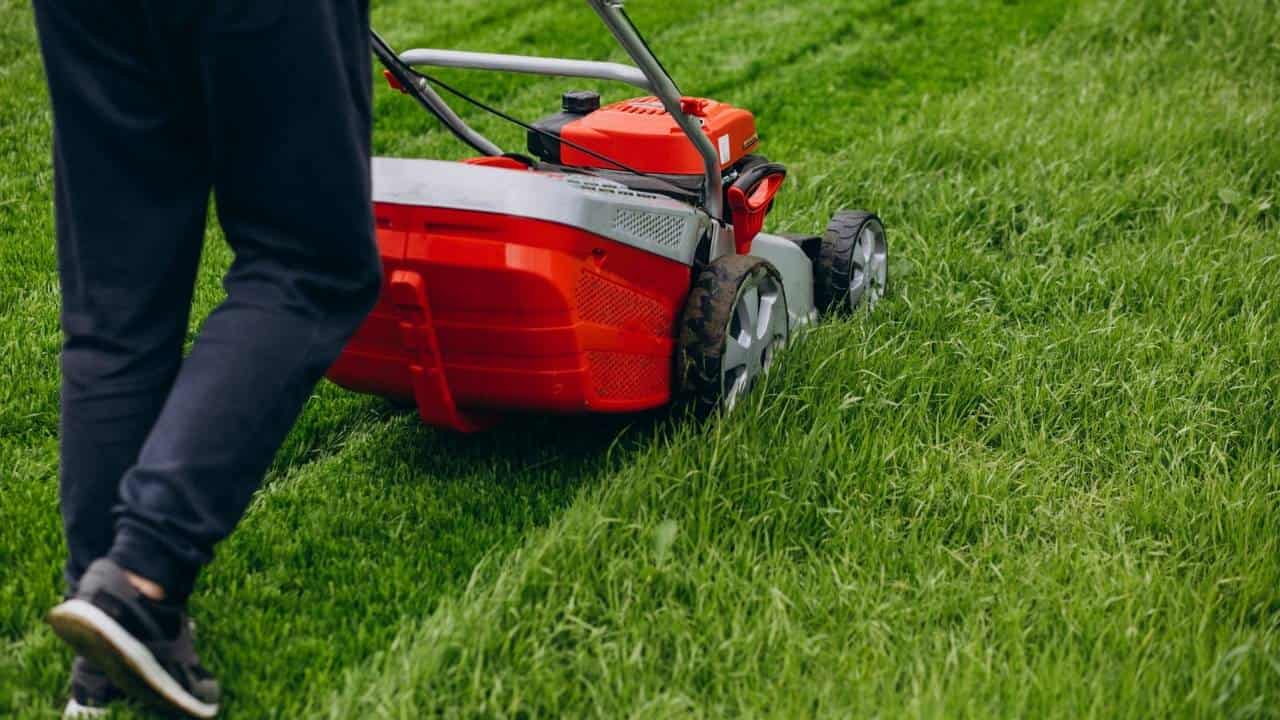
Mowing wet grass can cause a host of problems, from clumped clippings that smother the grass to a slippery surface that can cause accidents. Plus, wet grass is more likely to cause disease. Wait until the grass is dry before you mow.
11. Overlooking Pest Problems
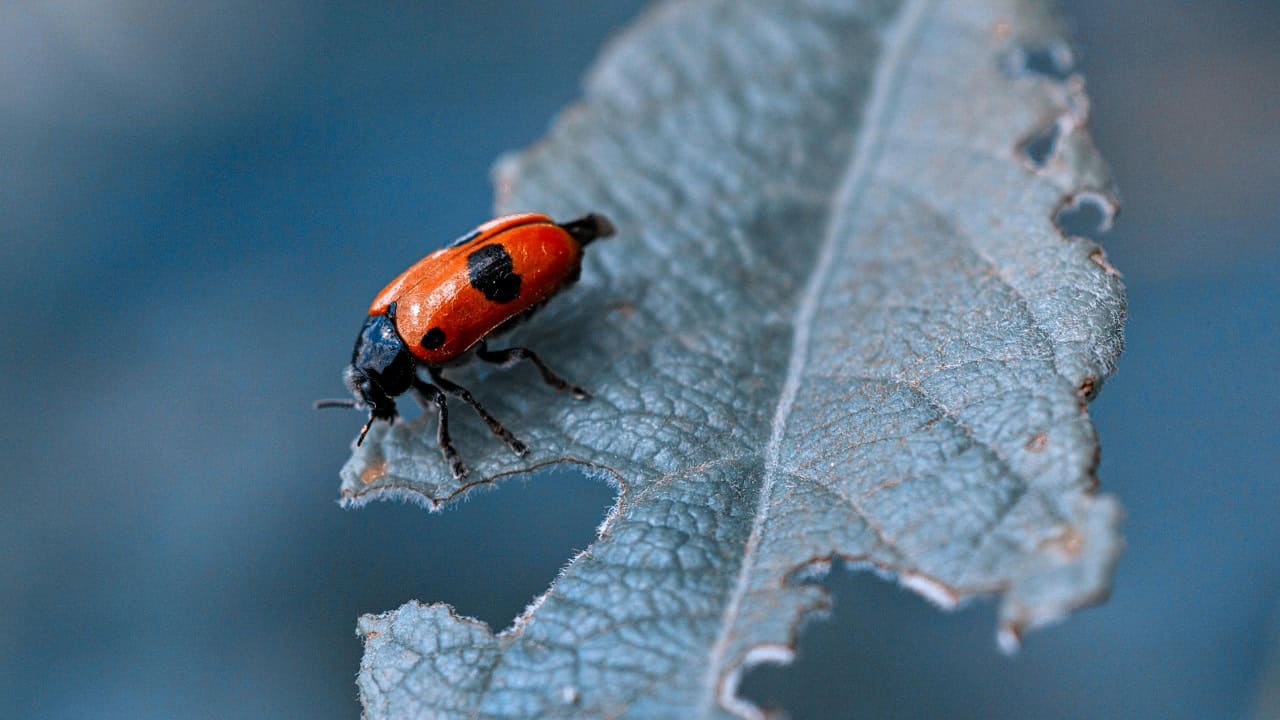
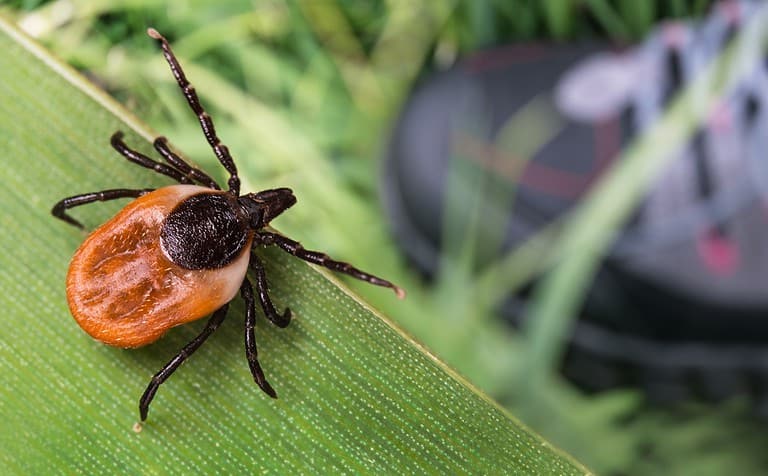
Insects and other pests can cause significant damage to your lawn if left unchecked. Regularly inspect your lawn for signs of damage, such as brown patches or chewed grass. If you suspect a pest problem, seek professional help to identify and treat it.
12. Ignoring Shade Conditions
Different grass types have different sunlight needs. Trying to grow a sun-loving grass in a shady area will result in a thin, weak lawn. Be sure to choose a grass type that is suitable for the amount of sun your lawn receives.
13. Unnecessary Chemical Use

While certain chemicals can be useful for controlling weeds and pests, unnecessary or excessive use can harm your lawn and the environment. Always try to use organic or natural solutions first, and only resort to chemicals as a last resort.