Laundry might seem like a simple task—just toss in some detergent, press a button, and wait, right? Wrong. Small mistakes in your routine could be fading colors, stretching fabrics, and wearing out your favorite clothes much faster than they should. If you’ve ever wondered why your shirts shrink, your towels feel rough, or your whites turn gray, chances are you’re making one of these common laundry mistakes.
Here are 13 laundry mistakes that could be ruining your clothes—and how to fix them.
Advertisement
1. Overloading the Washing Machine

Stuffing your washer to the brim might seem like a time-saving trick, but it’s actually one of the worst things you can do for your clothes. When a machine is overloaded, there isn’t enough room for water and detergent to circulate, meaning dirt, oils, and detergent residue get trapped in the fabric instead of being washed away.
The fix? Follow your washer’s load recommendations and leave enough space for clothes to move freely. A good rule of thumb is to fill the drum about two-thirds full for the best results.
2. Using Too Much Detergent
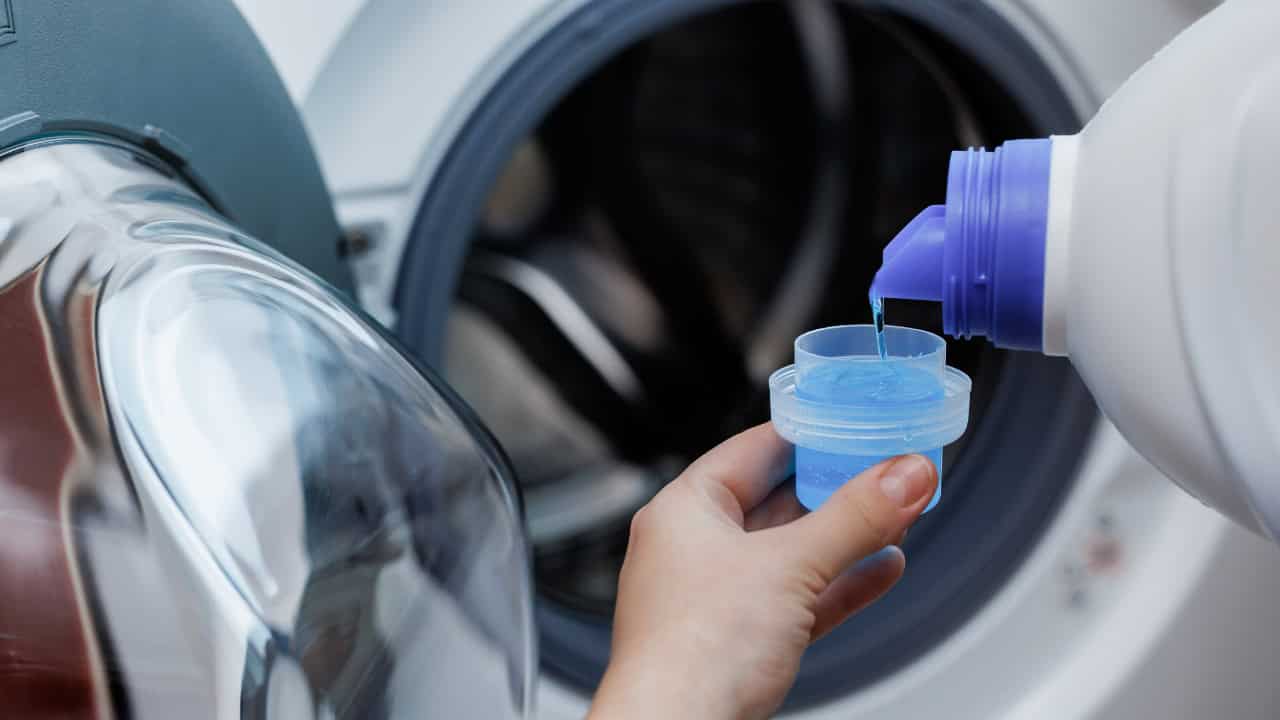
More detergent doesn’t equal cleaner clothes. In fact, using too much soap can leave residue on fabric, making clothes feel stiff, attract more dirt, and cause skin irritation. Excess suds can also build up inside your washer, leading to mold and musty smells.
Stick to the recommended amount on the detergent label, or even slightly less for HE (high-efficiency) washers, which use less water. If your clothes still feel sticky or stiff after washing, try running them through an extra rinse cycle.
3. Ignoring the Care Labels
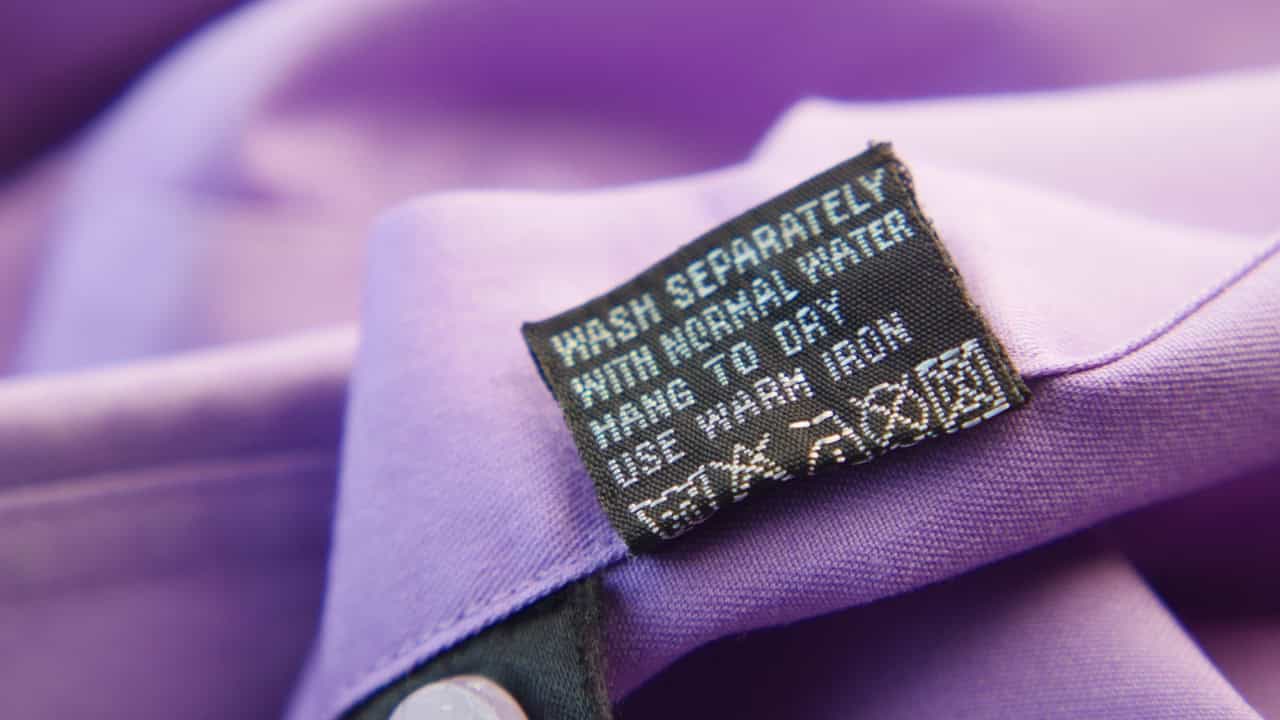
We’ve all been guilty of throwing everything into one load and hoping for the best, but ignoring fabric care labels is a surefire way to ruin your clothes. Certain fabrics require cold water, air drying, or special washing cycles, and failing to follow these instructions can cause shrinkage, fading, and fabric damage.
Before washing new clothes, check the care tag and sort accordingly. It only takes a minute and can save your favorite outfits from disaster.
4. Washing Everything in Hot Water
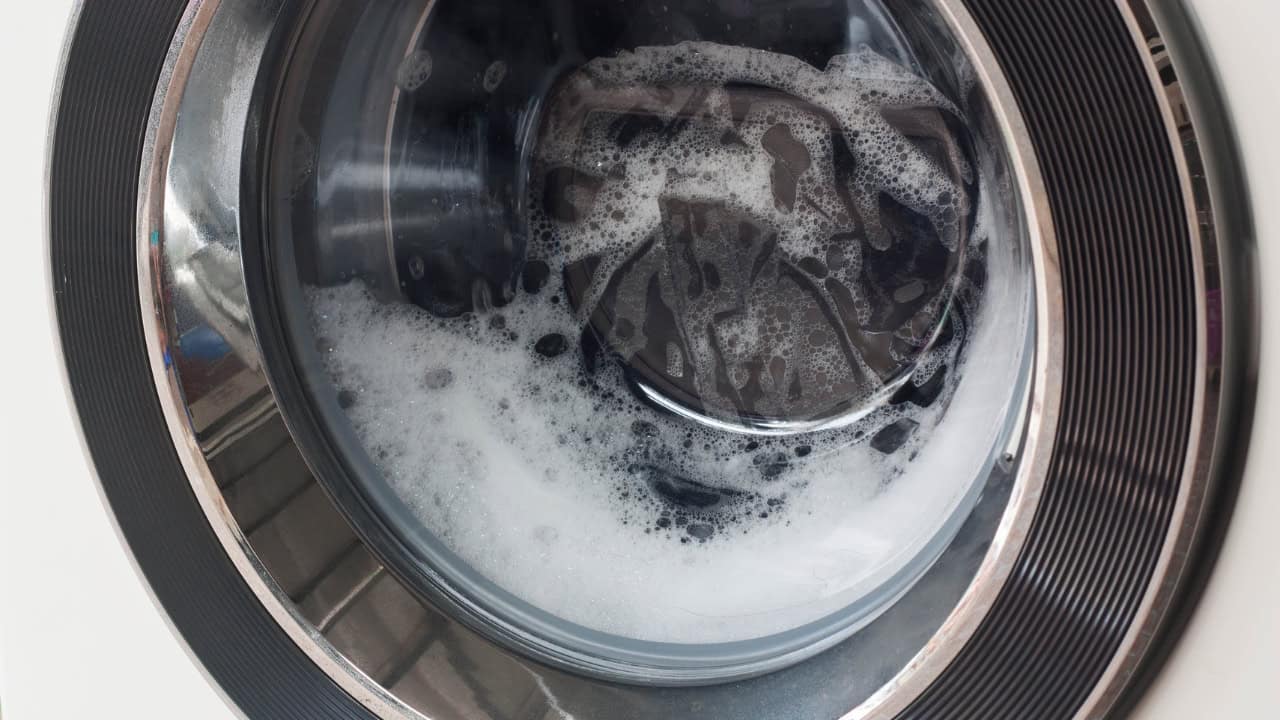
Hot water kills germs and dissolves stains, but using it on everything can fade colors, shrink fabrics, and wear out elastic fibers faster. Most everyday clothing—especially jeans, t-shirts, and delicates—should be washed in cold or warm water to maintain their shape and color.
Reserve hot water for towels, bedding, and heavily soiled items that need a deep clean. Otherwise, stick with cold water to preserve your clothes and save energy on your utility bill.
5. Skipping the Sorting Process

3DMI/ Shutterstock.
Throwing whites, colors, and darks together might seem harmless, but this is how you end up with dull whites, faded colors, and unwanted stains. Dark clothes can bleed onto lighter fabrics, and rougher materials (like denim) can wear down delicate fabrics over time.
Take an extra minute to separate laundry into whites, lights, darks, and delicates before washing. If you’re short on time, use color-catching sheets to help prevent dye transfer.
6. Forgetting to Zip Up Zippers and Close Buttons
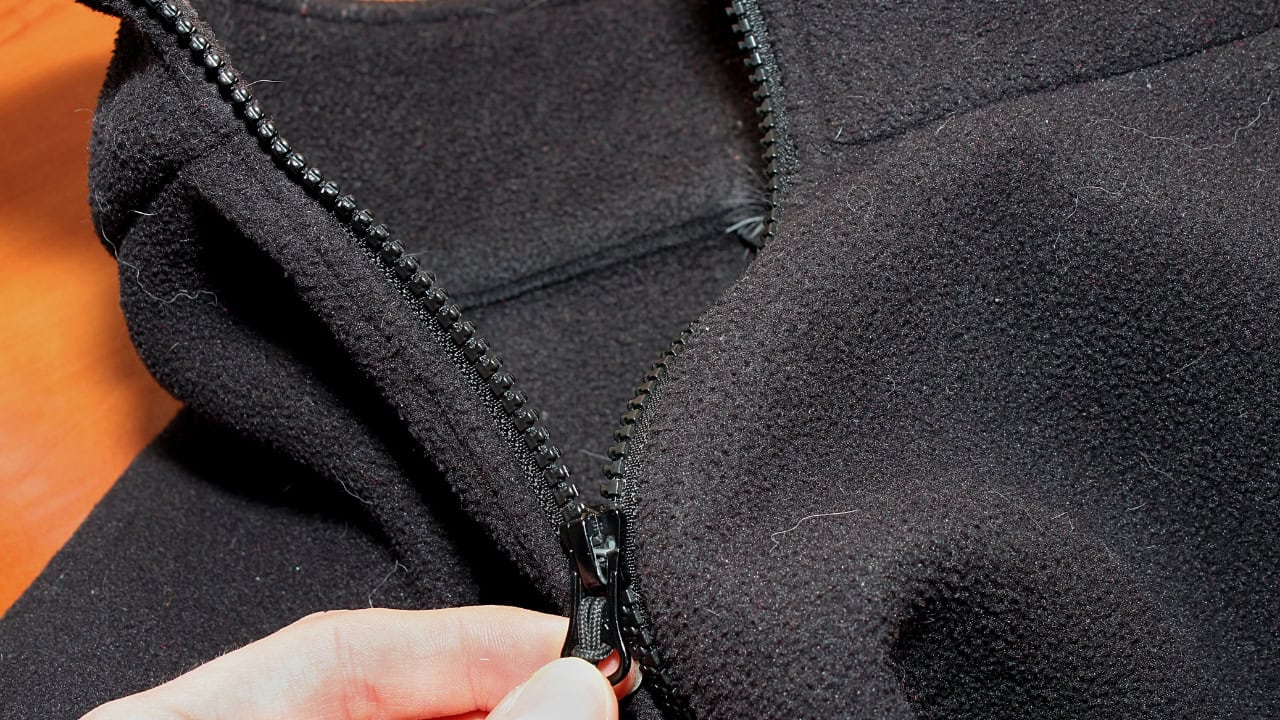
Leaving zippers open in the wash can cause snags and tears in other fabrics, while unbuttoned shirts can lead to stretched-out buttonholes and misshapen collars.
Before tossing clothes in the machine, zip up all zippers to protect delicate fabrics and unbutton shirts so the buttons don’t pull too hard on the fabric while tumbling.
7. Using Fabric Softener on Everything
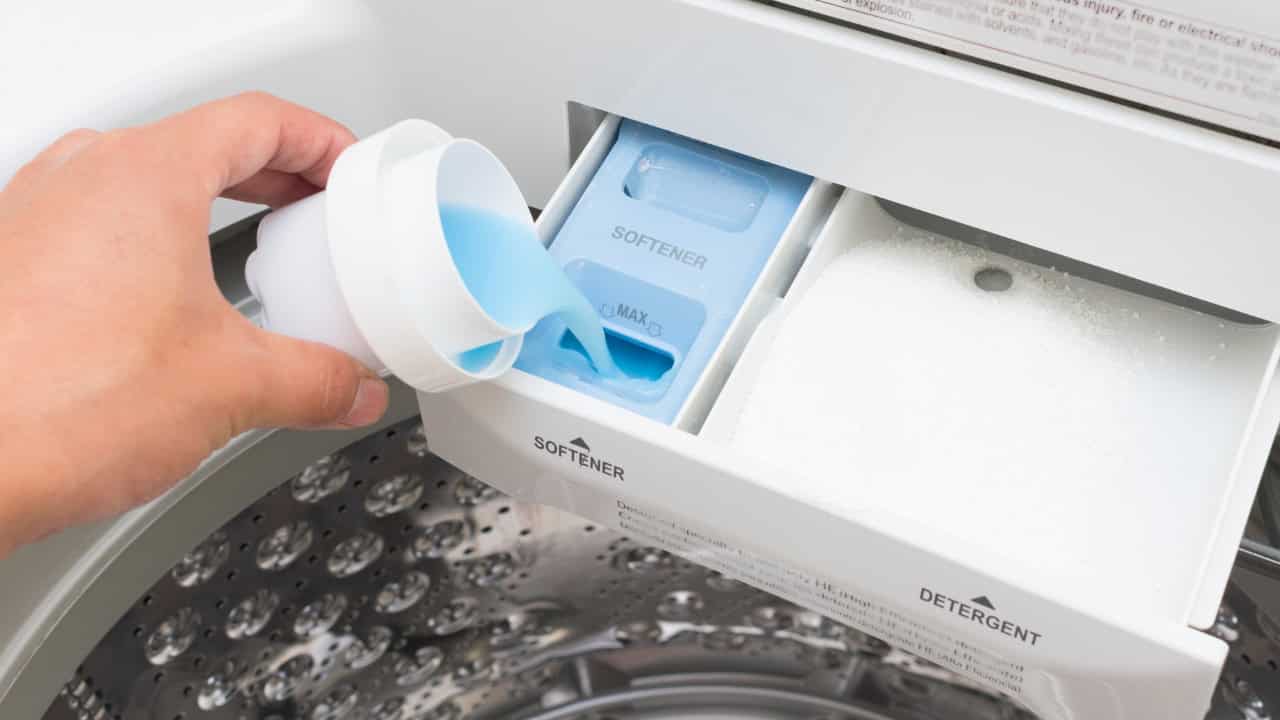
Fabric softener might make your clothes feel silky smooth, but overusing it can build up residue, making towels less absorbent and activewear less breathable. The chemicals in softeners can coat fabrics, reducing their moisture-wicking abilities and causing them to break down faster.
Instead of using fabric softener on every load, limit it to non-absorbent fabrics like sheets and certain clothing. For towels and workout clothes, try white vinegar as a natural alternative—it softens fabric without leaving behind residue.
8. Leaving Wet Clothes in the Washer

It happens—you throw a load in, get distracted, and forget to switch it to the dryer. But leaving wet clothes sitting in the washer for too long creates the perfect environment for mold, mildew, and musty odors.
To avoid this, set a reminder on your phone or use a washing machine with a built-in alert system. If you do forget and your clothes smell musty, run another cycle with white vinegar or baking soda to eliminate the odor.
9. Drying Clothes on High Heat
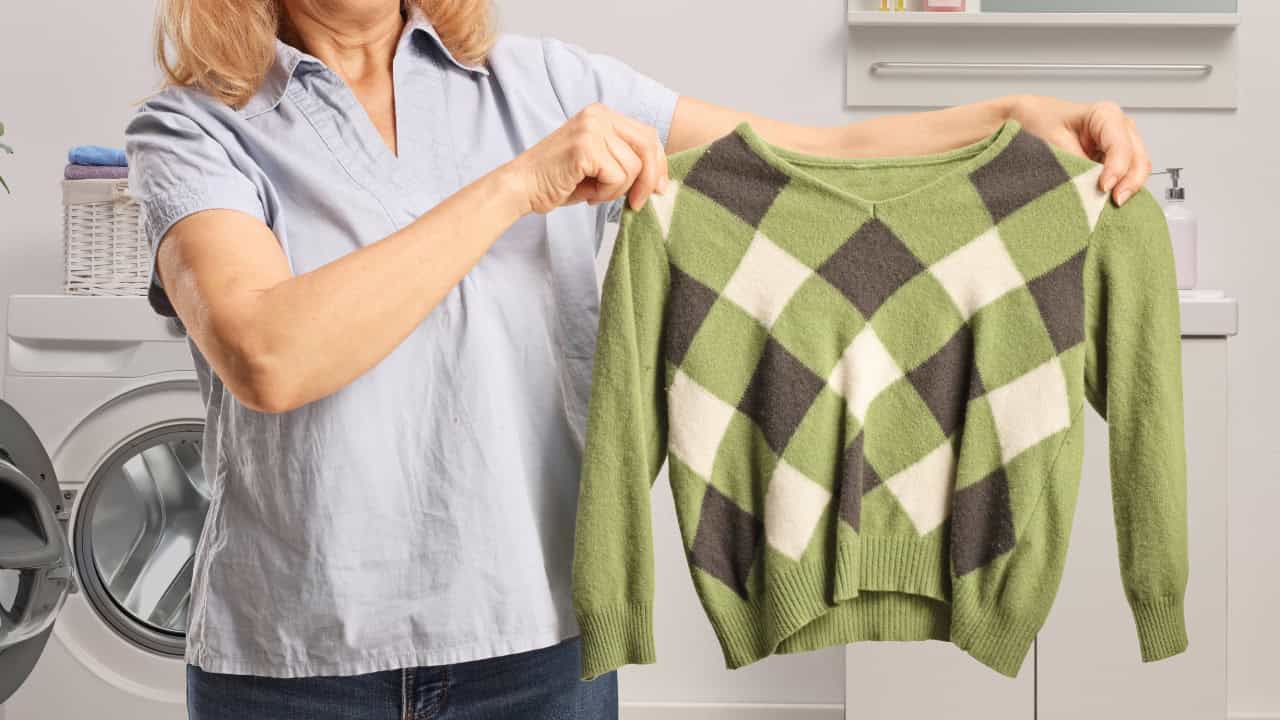
High heat might dry clothes faster, but it’s also one of the quickest ways to ruin them. Excessive heat weakens fabric fibers, shrinks clothes, fades colors, and destroys elastic in socks, leggings, and underwear.
To extend the life of your clothes, use a lower heat setting or air dry delicate items. Hanging clothes on a drying rack or clothesline prevents shrinkage and saves energy at the same time.
10. Not Cleaning the Lint Trap
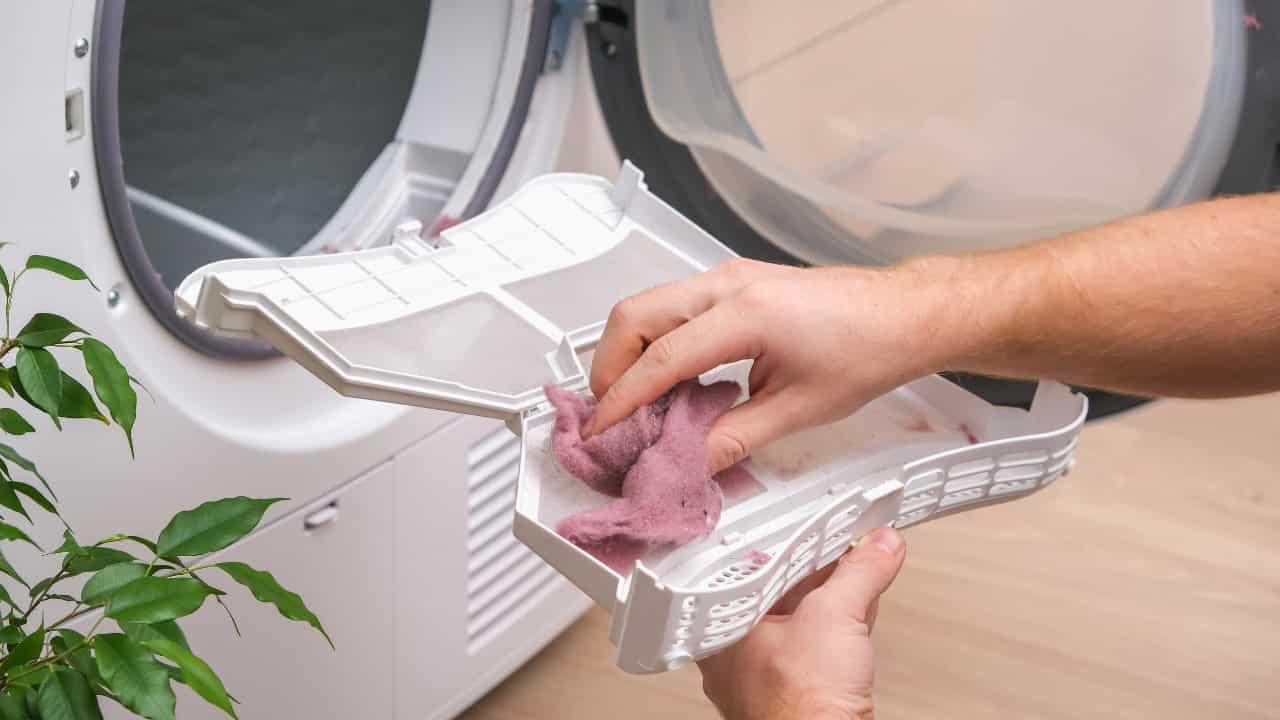
A full lint trap isn’t just bad for your clothes—it’s a fire hazard. Lint buildup reduces your dryer’s efficiency, making it take longer to dry clothes and potentially overheating the machine.
Make it a habit to clean the lint trap after every load and check the dryer vent at least once a month to prevent dangerous buildup. If your clothes are taking longer than usual to dry, your vent may need a deep clean.
11. Using Too Much Bleach
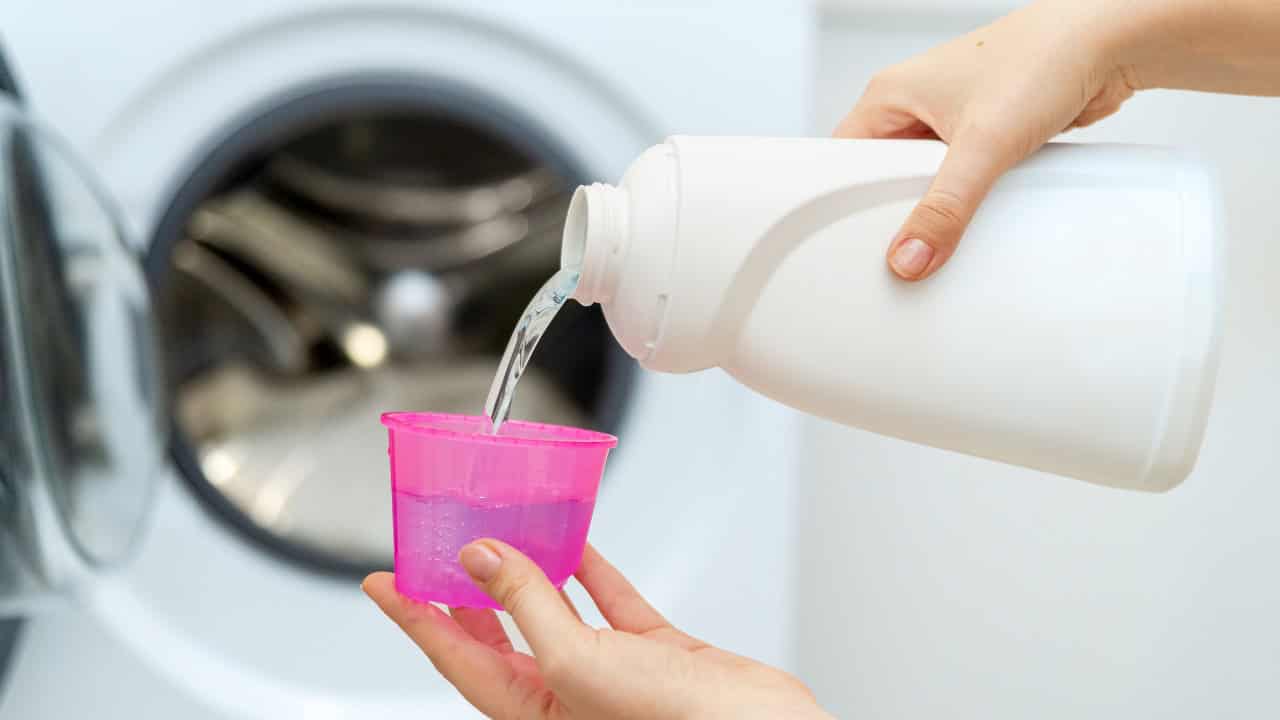
Bleach is great for keeping whites bright, but too much of it weakens fabric fibers and can turn whites yellow over time. It’s also harsh on the skin and can create toxic fumes if mixed with other cleaning agents.
If you need to whiten clothes, try oxygen-based bleach or baking soda as gentler alternatives. If you do use bleach, dilute it properly and avoid pouring it directly onto fabric.
12. Washing Delicates in the Regular Cycle
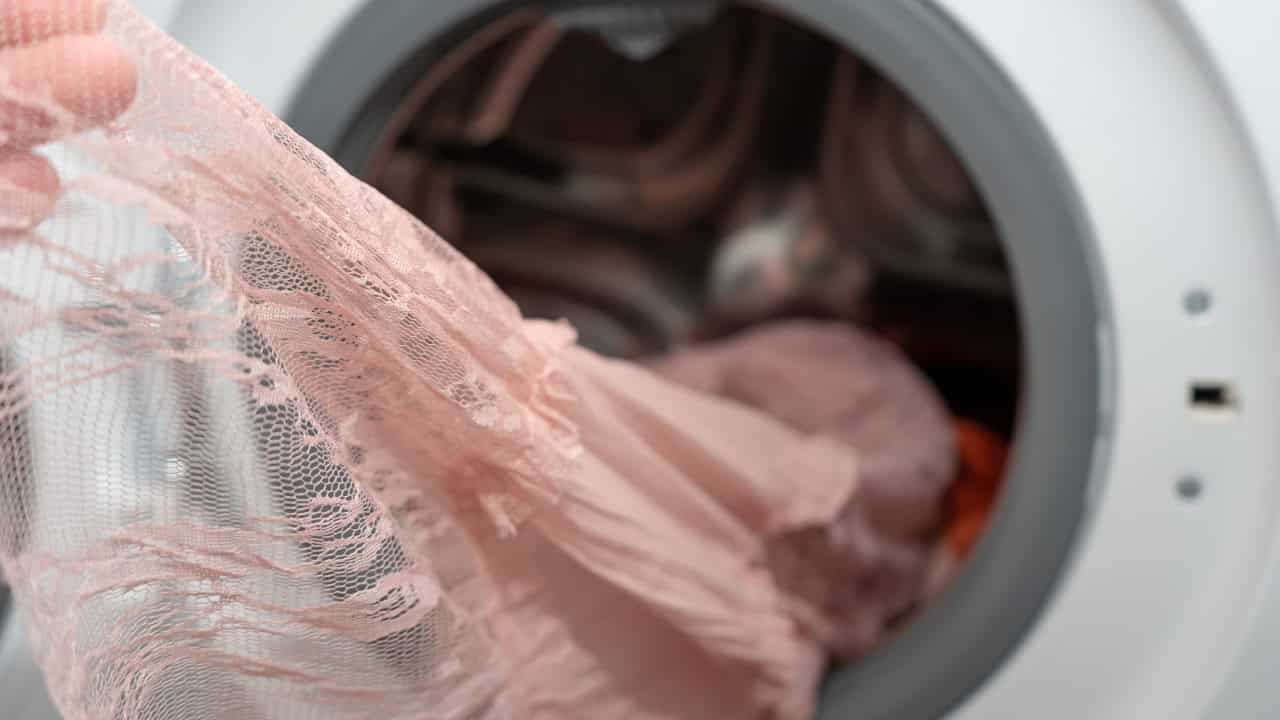
Lingerie, lace, and delicate fabrics don’t belong in the harsh agitation of a regular wash cycle. Throwing these items in with jeans and towels can cause snags, stretching, and premature wear.
Instead, use a gentle cycle with cold water, and place delicate items in a mesh laundry bag to protect them. For extra care, hand wash items like bras and silk garments.
13. Using the Wrong Detergent
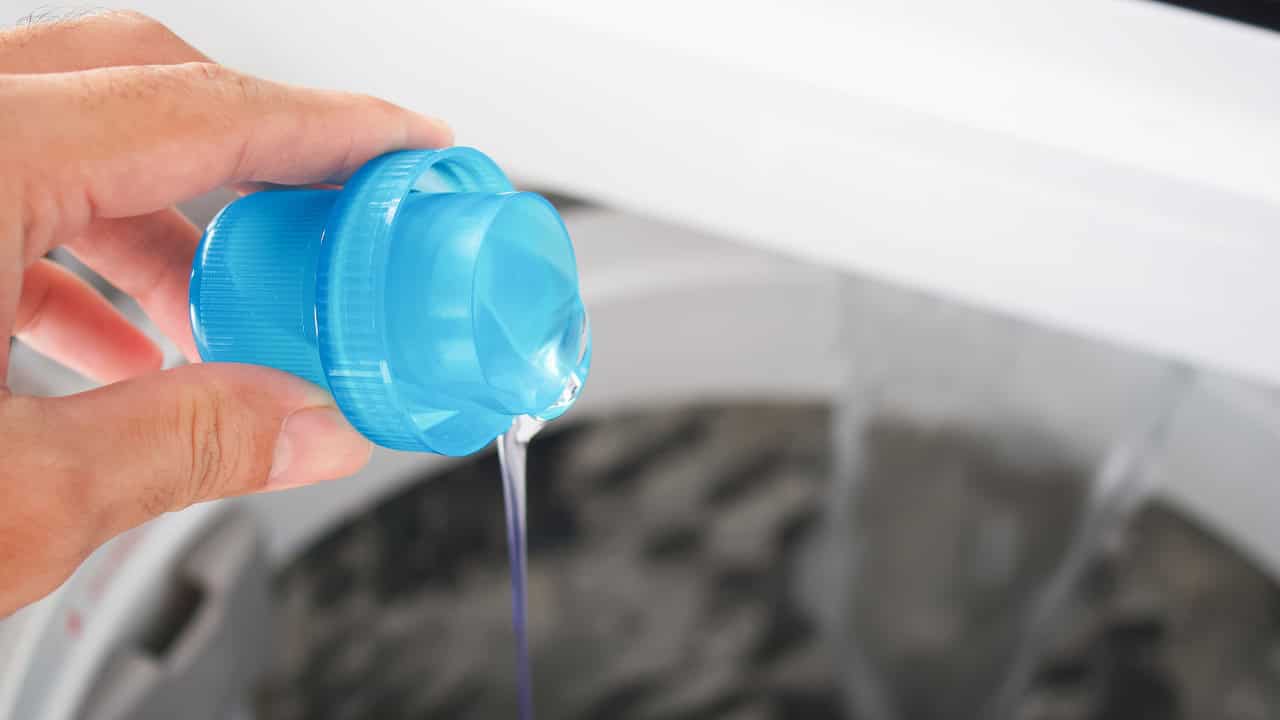
Not all detergents are created equal. Using harsh detergents on delicate fabrics can cause fading and wear, while using a gentle detergent on heavily soiled clothes may not get them clean enough.
Choose a detergent that matches your fabric type and washing needs. For everyday laundry, a mild detergent works fine, but for stains or workout clothes, opt for a stronger, enzyme-based detergent to break down dirt and sweat.
*This article was created with the help of AI.