Late summer is a crucial time to prepare your garden for a successful fall harvest. As the growing season begins to wind down, your efforts during this period can extend the life of your plants and improve the quality of your crops.
By focusing on specific tasks now, you can ensure a steady supply of fresh produce as the cooler weather approaches. Paying attention to garden maintenance and planning ahead helps you get the most out of your garden before autumn fully sets in.
Advertisement
Plant quick-maturing fall crops like baby pak choi

You can plant baby pak choi in late summer for a fast fall harvest. These crops mature in about 30 days, making them perfect if you want quick results.
Space your seeds 6-12 inches apart to give each plant room to grow. Baby pak choi adds a fresh, crunchy texture to salads and stir-fries.
Keep your plants protected from early frost with a cold frame if needed. This helps extend the harvest season and keeps your greens tasty.
Direct sow spinach for a cool-weather harvest

You can plant spinach seeds directly in your garden in late summer for a fresh fall harvest. Wait until the soil cools to between 45 and 70 degrees Fahrenheit to ensure good germination.
Keep the soil moist to help the seeds sprout. Plant seeds about half an inch deep and thin seedlings to a few inches apart once they grow.
Sowing spinach every couple of weeks can give you a steady supply as the weather cools. This way, you’ll enjoy tender, fresh leaves well into fall.
Succession plant radishes every week for longer yield

You can plant radishes every week to enjoy fresh harvests continuously. Radishes grow quickly, often ready in about four weeks, so staggering your planting keeps them coming.
This method spreads out your harvest instead of having all radishes mature at once. Since radishes prefer cooler weather, late summer is a great time to start weekly planting for a fall crop.
You’ll find the younger radishes have the best texture and flavor. So, keep planting small batches regularly to always have tender radishes on hand.
Mulch beds to regulate soil temperature and moisture
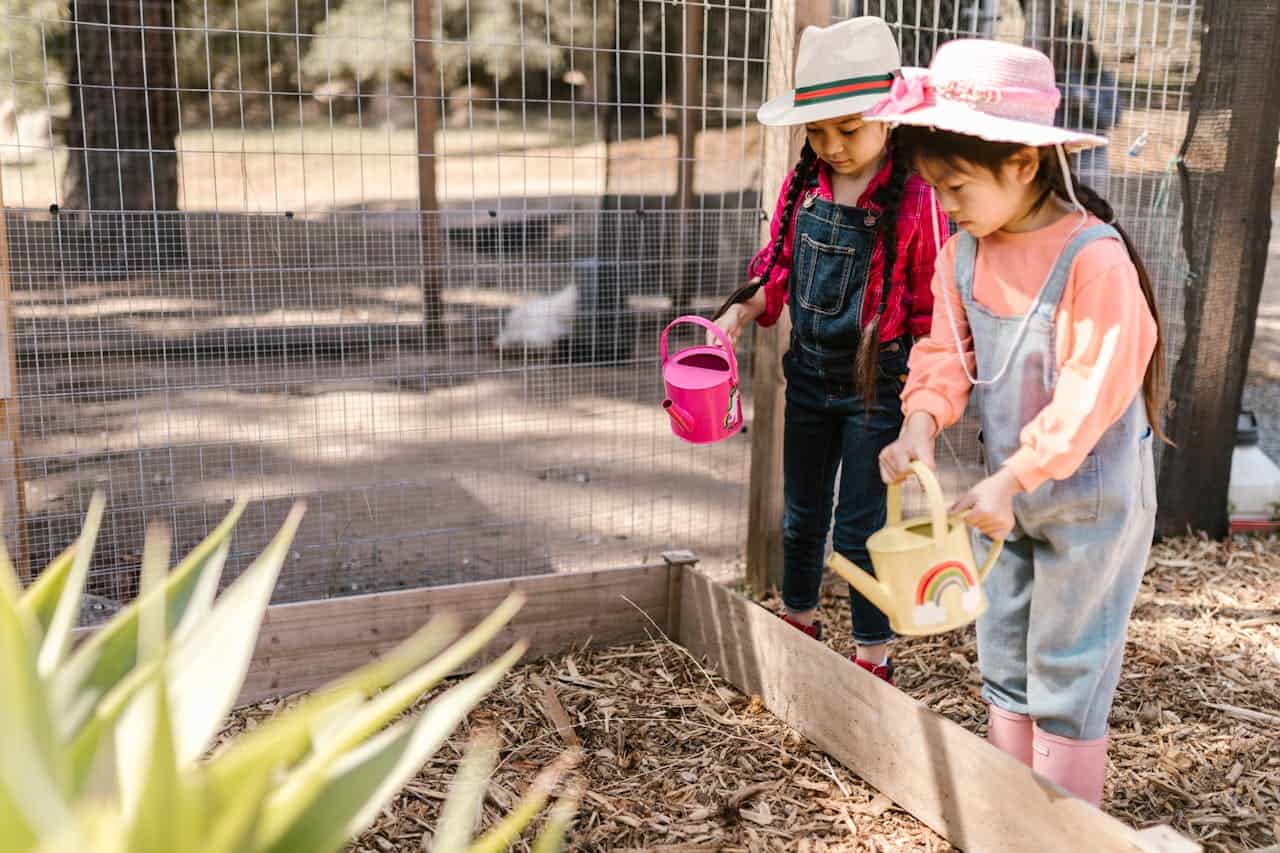
Mulching your beds in late summer helps keep soil temperatures steady. This protects plant roots from heat fluctuations.
It also locks in moisture, reducing the need for frequent watering. Mulch prevents water from evaporating quickly, helping your plants stay hydrated.
Using organic materials like bark or straw is a great choice. They break down naturally, adding nutrients to the soil as they decompose. This supports healthy plants for your fall harvest.
Start peas now for a late fall harvest
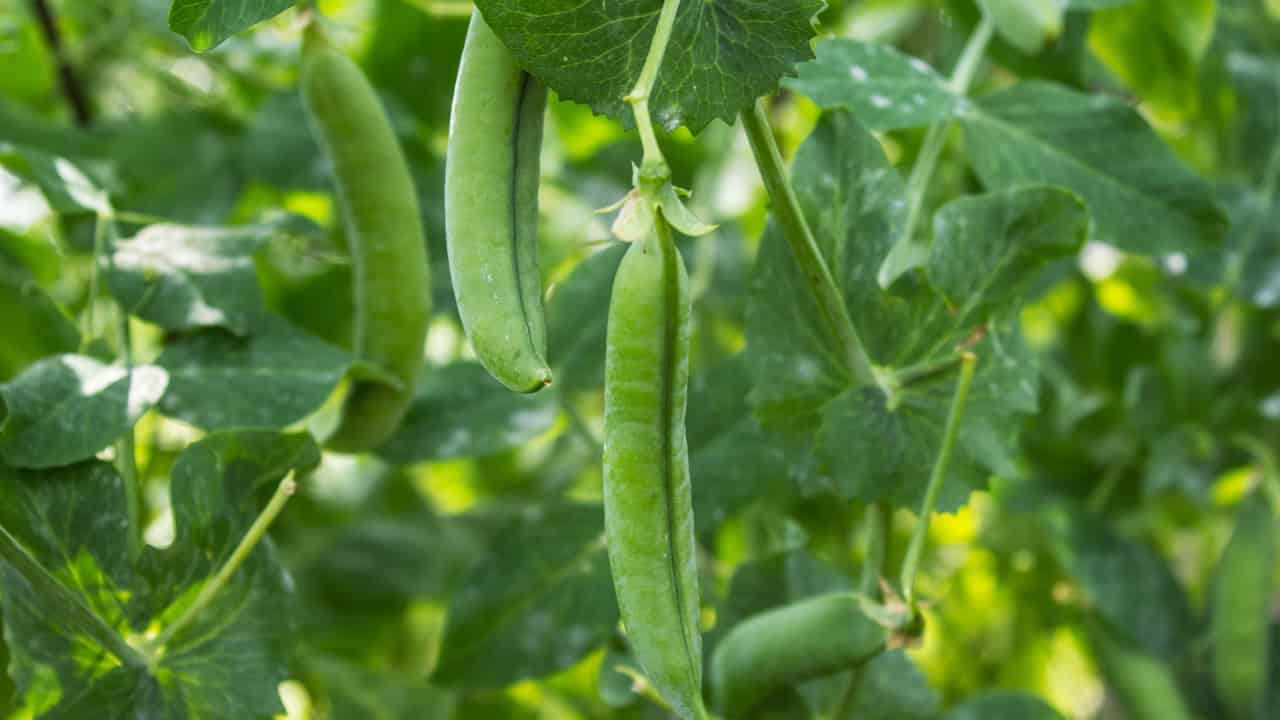
You can plant peas in late summer to enjoy fresh pods in the fall. Aim to sow seeds about 8 to 10 weeks before the first frost in your area.
Peas prefer cooler weather, so starting them now helps them avoid the heat. Add compost to your soil to keep it moist and cool, which supports healthy growth.
Choose pea varieties that mature quickly to ensure you get a harvest before frost arrives. Keep an eye on soil moisture as your peas grow.
Divide and transplant perennials for garden health
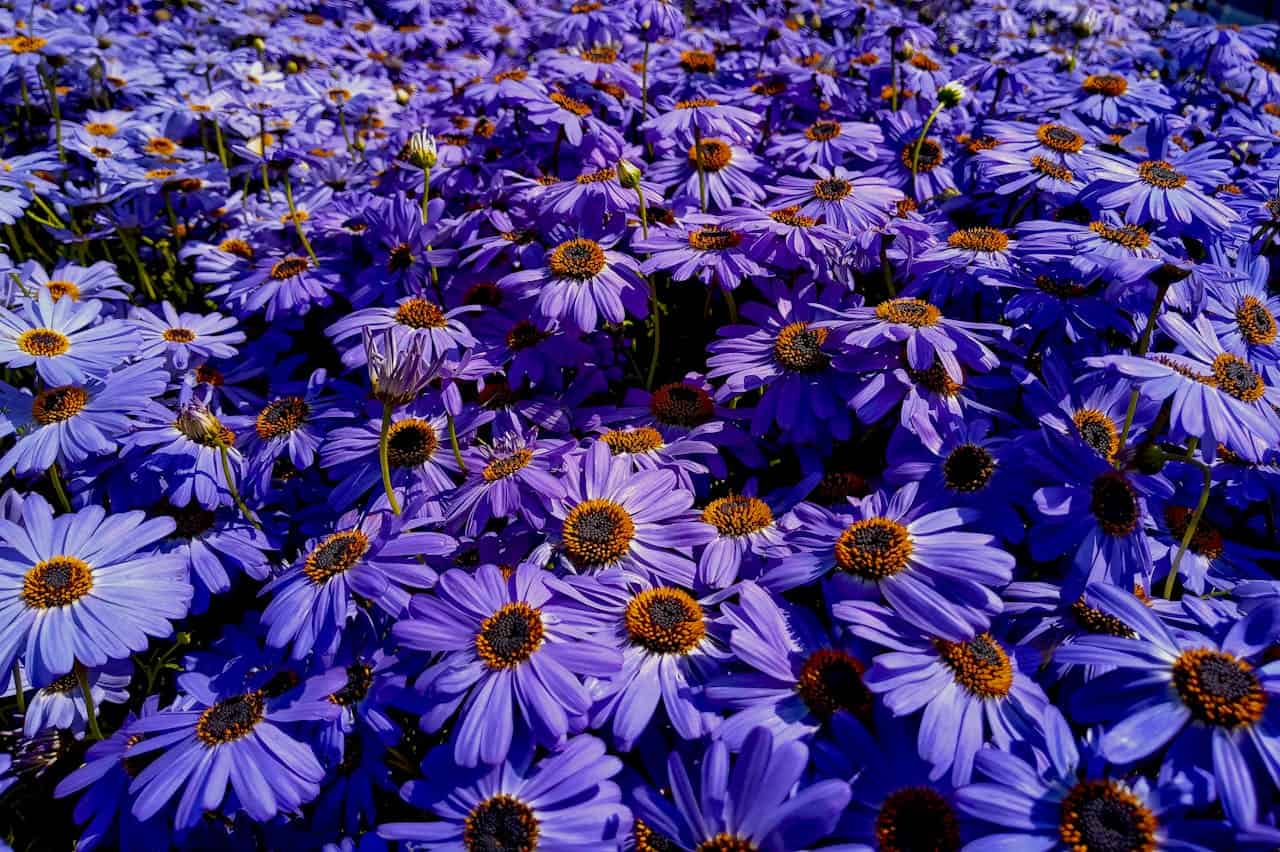
Late summer and early fall are great times to divide your perennials. This helps them stay healthy by preventing overcrowding and encouraging better blooms.
You can dig up and separate plants like spiderwort, veronica, and peonies during this time. Give the new divisions space to settle before winter arrives.
Avoid dividing fall-blooming perennials while they are flowering. Instead, wait until after blooms fade to transplant. This keeps your plants strong for next season.
Harvest and preserve summer crops like tomatoes

You can harvest tomatoes once they reach a desirable size. If you want firmer fruit, leave them to ripen fully on the vine.
Tomatoes keep ripening after picking, so store them at room temperature for the best flavor.
Preserve your harvest by canning, drying, or freezing to enjoy tomatoes beyond summer. This way, you make the most of your garden’s bounty.
Deadhead flowers to encourage blooming

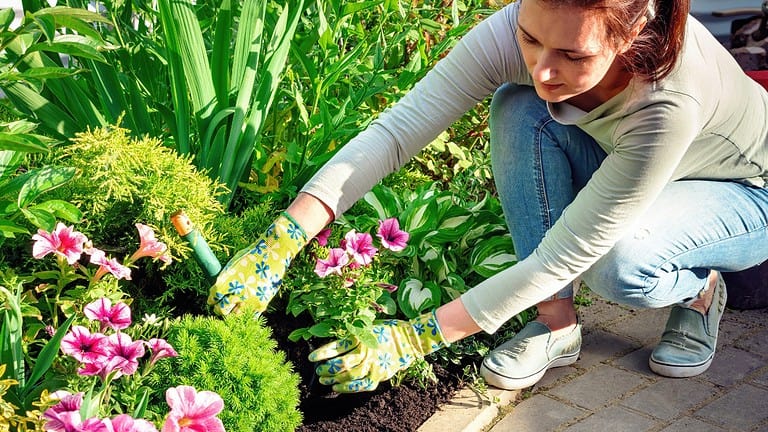
You can extend your garden’s color by regularly deadheading. Simply snip off faded blooms to stop the plant from putting energy into seed production.
This helps encourage more buds and keeps flowers coming throughout late summer. Plants like coneflowers, petunias, and zinnias respond well to this simple care.
Deadheading also keeps your garden looking fresh and tidy. It’s a small task that makes a noticeable difference in bloom quality and longevity.
Pull up waning annuals and clear beds
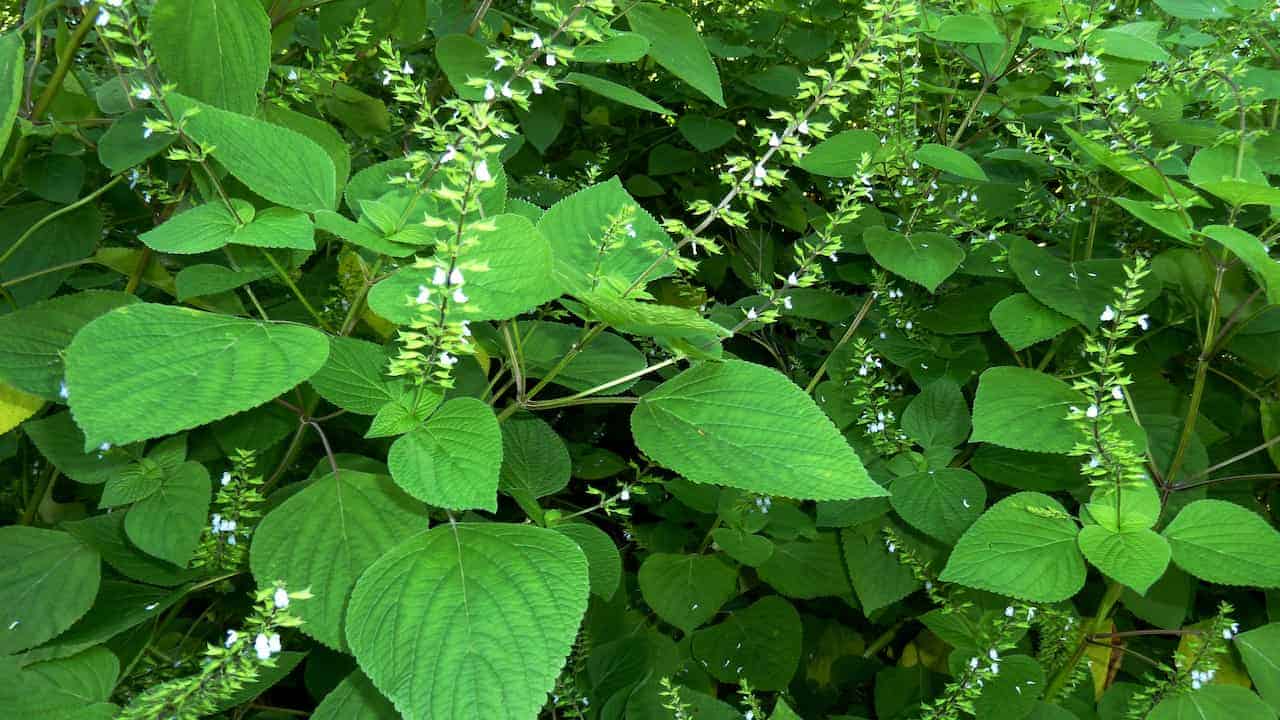
As late summer fades, you’ll notice many annuals starting to decline. Pull them out gently to clear space for new fall plants.
Be sure to shake off excess soil and check for any signs of disease before adding them to your compost.
Clearing these beds gives your garden a fresh start and helps prevent pests and diseases from lingering into the cooler months.
Add compost to enrich soil for fall planting

You should add compost to your garden beds in late summer or early fall. This helps replenish nutrients that your plants used during the summer.
By mixing compost into the soil now, you create a rich environment for your fall and spring plants to grow strong. Compost also improves soil texture and moisture retention, making it easier to work with.
Adding compost before the first frost gives the beneficial microbes time to settle in, preparing your soil for healthier growth next season.
Plant late summer bulbs for fall color
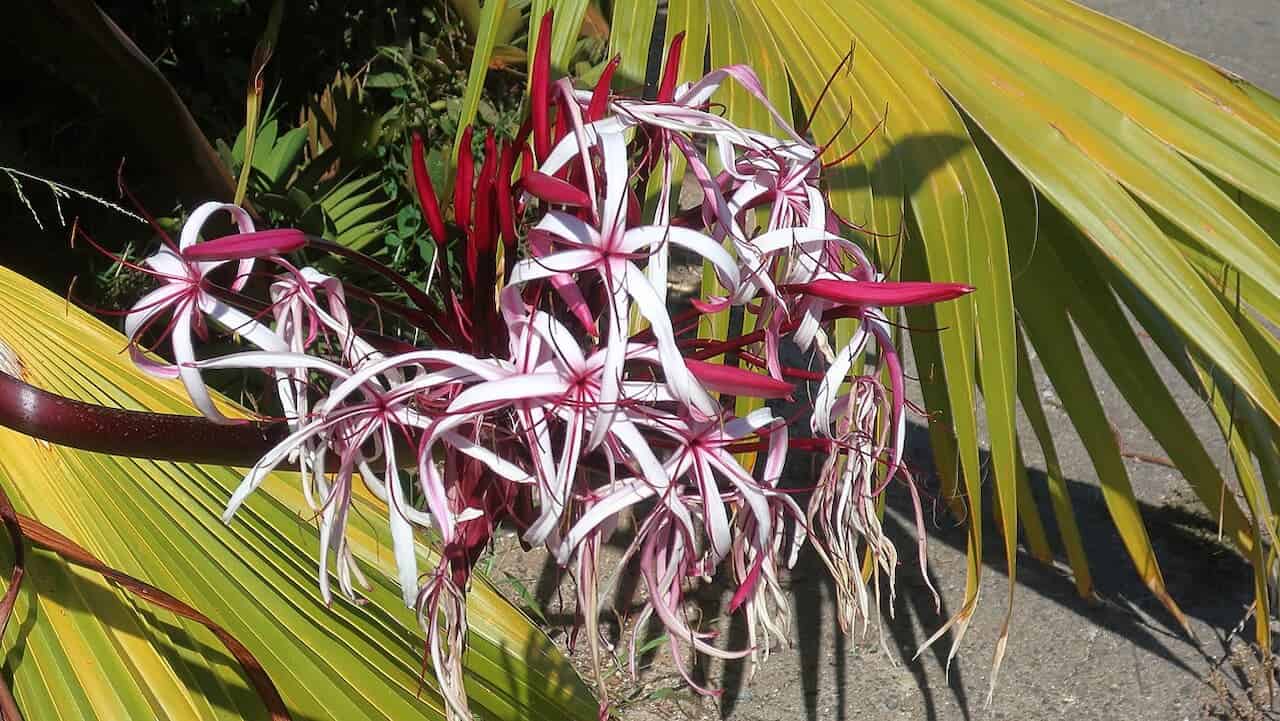
You can add vibrant colors to your garden by planting late summer bulbs now. Choose bulbs like Acidanthera, Crinum, or forced hyacinths for blooms that appear in late summer or early fall.
Plant these bulbs in well-draining soil and in spots that get enough sunlight. They will brighten your garden right when many other flowers start to fade.
Bulbs like these also work well in containers, making them perfect if your space is limited. This simple step ensures you enjoy fresh flowers into the cooler months.
Water consistently to combat late summer heat
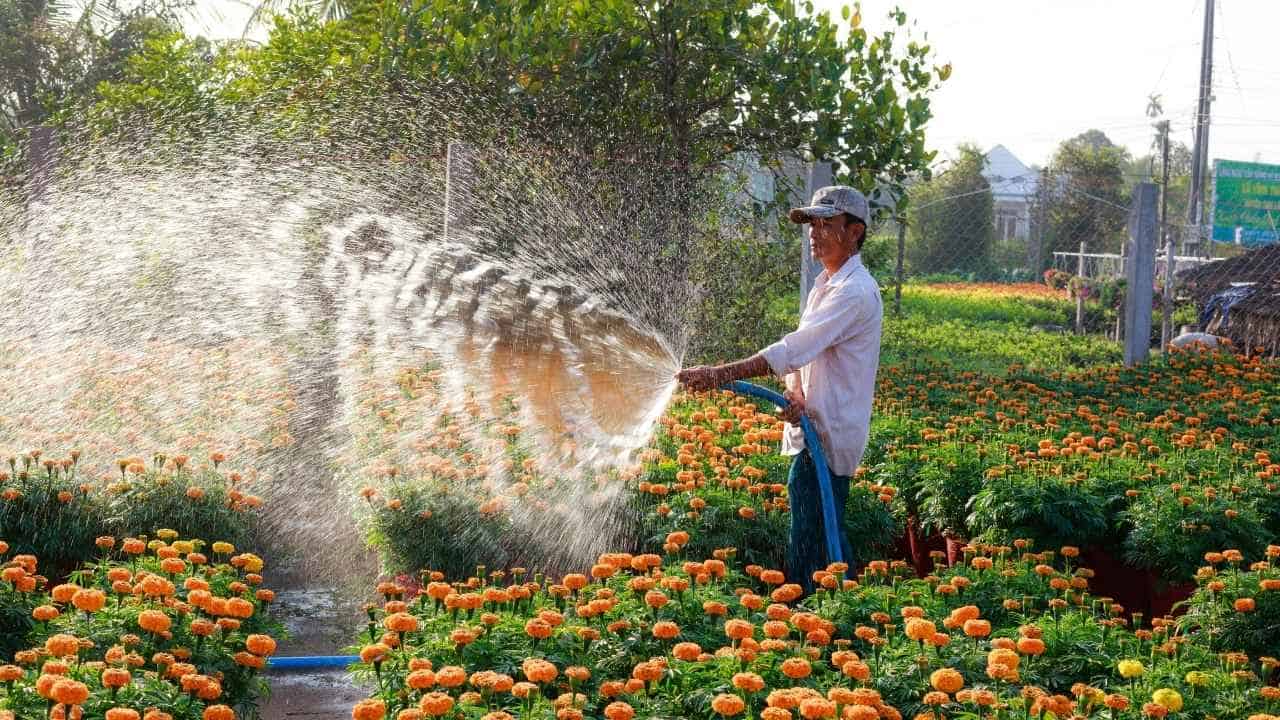
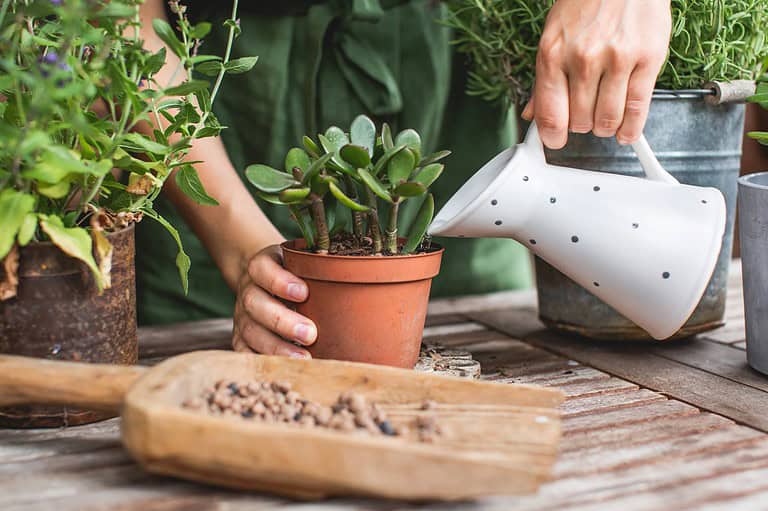
You should water your garden regularly during late summer to help plants cope with high temperatures. Consistent moisture supports healthy growth and prevents stress.
Focus on deep watering to reach roots instead of frequent shallow watering. Early morning or late evening are the best times to avoid evaporation.
Using mulch can help retain soil moisture and keep roots cool. Keep an eye on your soil and adjust watering as needed to maintain balanced moisture.
Screen soil to prevent drying and cooler germination
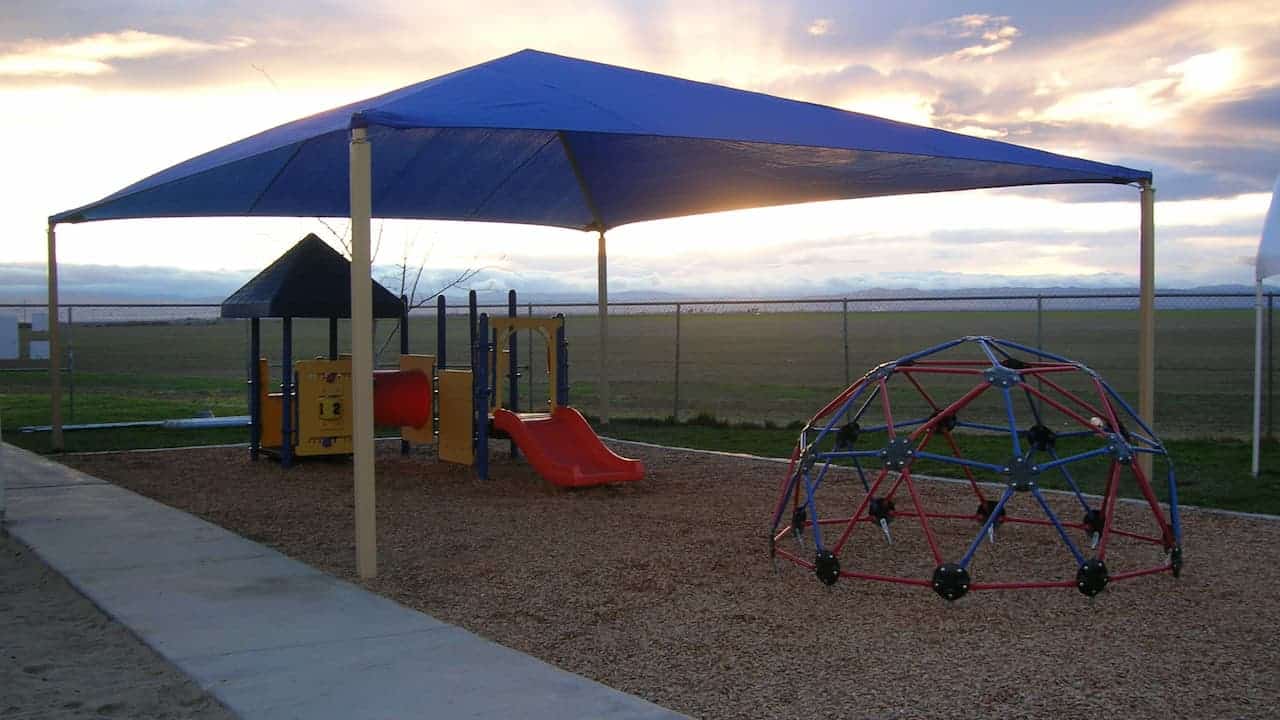
You want to keep your soil surface moist for good late-summer germination. Dry soil can stop seeds from sprouting properly.
Using wire hoops and shade fabric helps screen your soil from harsh sun. This keeps the temperature below 80°F, which supports steady growth.
Remember to water regularly to maintain moisture. This combo of shade and watering sets your seeds up for a stronger fall harvest.
Best Practices for Transitioning From Summer to Fall

As you prepare your garden and routines for the coming season, timing and plant care are key. Knowing when to act and how plants respond to changing conditions will help you make the most of your late summer tasks.
Timing Your Late Summer Chores
Start planning your chores around mid to late August when daylight hours begin to shorten. This is when many plants start slowing their growth and energy shifts toward fruiting or root development.
Focus on harvesting summer crops before frost hits, but keep an eye on weather forecasts to avoid missing the ideal window. Prune or remove spent plants to reduce disease risk and free up space.
If you use containers, begin filling them with fall crops like lettuce or spinach as temperatures cool. This gradual shift helps your garden stay productive longer without stress.
Understanding Plant Needs as Seasons Change
As days get shorter and cooler, your plants adjust their growth patterns. Most summer plants require less water and fertilizer now since they’re preparing to slow down or go dormant.
Pay attention to temperature fluctuations. Some crops, including greens and root vegetables, thrive in cooler weather, while heat-loving plants may need to be cleared out.
Adjust watering schedules to prevent overwatering since cooler soils retain moisture longer. Using mulch can help regulate soil temperature and moisture through this transition.
By tuning into these plant signals, you’ll keep your fall garden healthy and productive.
Soil Health and Preparation for Fall Harvest
Maintaining healthy soil sets the stage for a strong fall harvest and prepares your garden for next year. Adding organic matter and controlling weeds early will improve moisture retention and nutrient availability.
Enriching Soil After Summer Crops
After you’ve harvested summer vegetables, it’s important to replenish your soil. Remove any dead plant material and add compost or well-rotted manure to replace nutrients used up by summer crops.
You can also till in cover crops like oats or daikon radish to break up compacted soil and add organic matter. These cover crops reduce soil compaction caused by summer activity, improving root growth for fall plants.
Apply amendments evenly, then lightly cultivate the soil to mix them in. Healthy soil will retain moisture better and support the nutrient needs of your fall vegetables.
Mulching and Weed Control for Autumn Gardens
Applying mulch around your fall crops helps conserve soil moisture and suppress weeds, which compete for nutrients and water. Organic mulches like shredded leaves, straw, or grass clippings work well.
Spread mulch about 2-3 inches thick to shade soil and prevent weed seeds from germinating. This also helps moderate soil temperature as weather cools.
Keep an eye on any persistent weeds and remove them promptly. A weed-free garden reduces stress on your fall vegetables and improves overall soil health.