A cluttered kitchen can make cooking and cleaning more difficult than it needs to be. You might be holding onto items that no longer serve a purpose or take up valuable space. Getting rid of these things can create a more organized and efficient environment.
Knowing which kitchen items belong in the trash helps you clear out unnecessary clutter and frees up room for the things you actually use. This not only makes your kitchen look better but can also save you time during meal preparation and cleanup.
Advertisement
Expired spices and herbs
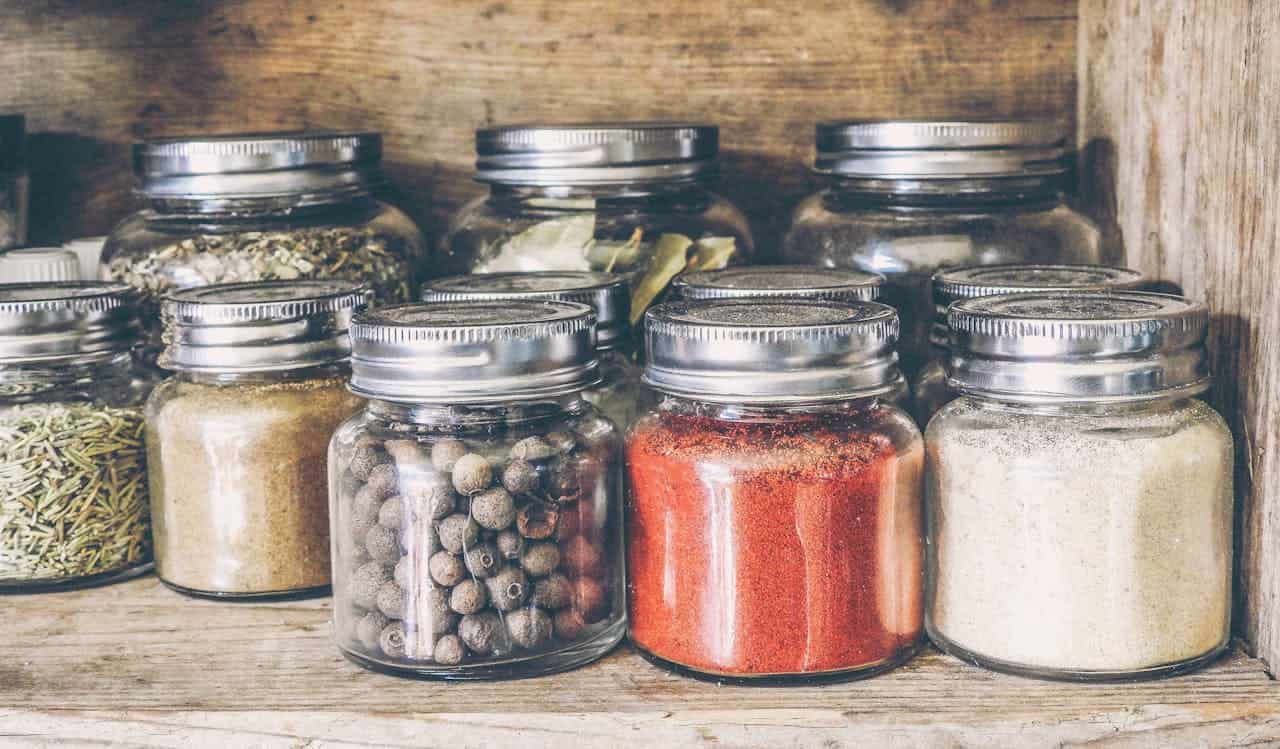
You might not notice when your spices and herbs lose their freshness, but over time they do fade in flavor and aroma. Once they’re past their “best by” date, they won’t ruin your food, but your dishes won’t taste as vibrant.
If your spices smell weak or taste dull, it’s time to toss them. Keeping old herbs and spices can lead to bland meals and wasted ingredients. For whole spices, you can repurpose them in potpourri before discarding if you like.
Chipped ceramic mugs

If you have ceramic mugs with chips, it’s best to toss them. Chipped areas can harbor bacteria and may cause small cuts when you drink.
Keeping broken mugs can also lead to stains or odors that are hard to clean. If you like the mug’s design, consider using it for decoration instead of daily use.
Always check your mugs regularly to avoid using damaged ones that could be unsafe.
Single-use plastic utensils
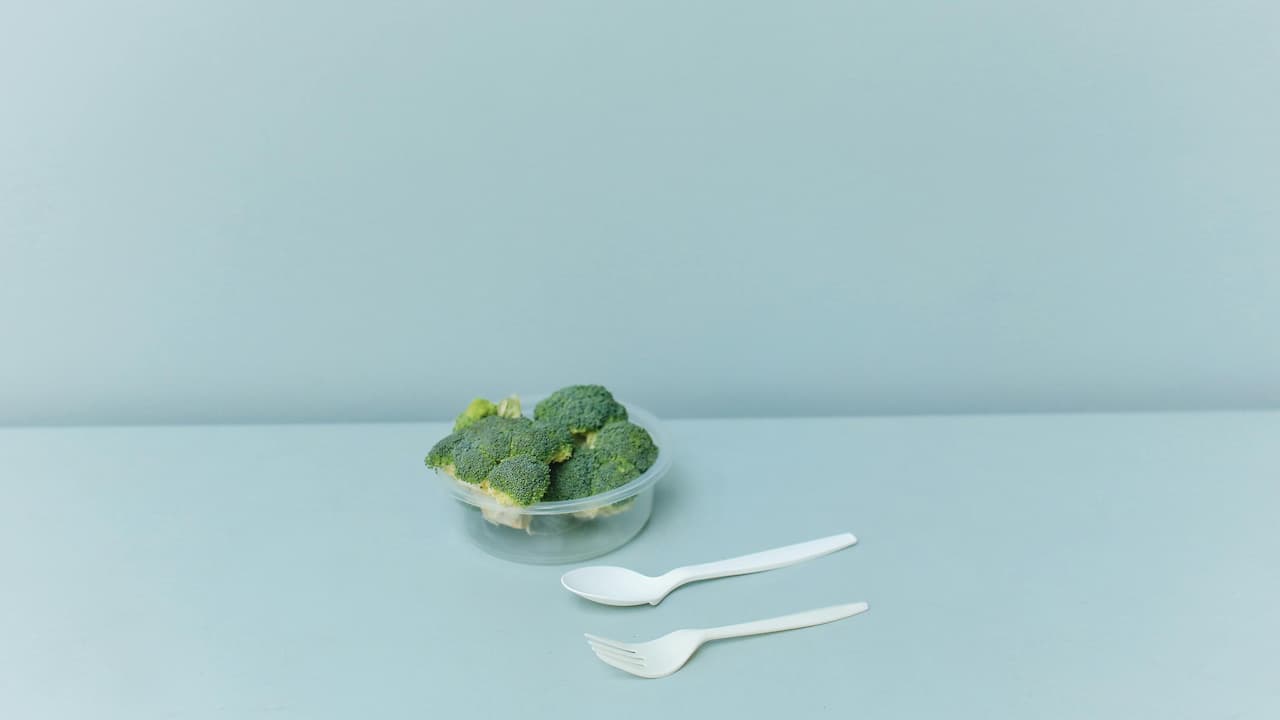
You might have plenty of plastic forks, spoons, and knives tucked away from takeout meals. These single-use utensils aren’t usually recyclable because they are small and often made of mixed plastics.
Since they can’t be easily sorted in recycling facilities, it’s better to toss them in the trash or find creative ways to repurpose them at home. Switching to reusable utensils is a simple way to reduce waste in your kitchen.
Old ketchup and condiment packets

If you have a stash of ketchup or other condiment packets, check the dates. Expired or leaking packets should go straight in the trash.
These little packets are convenient but can become sticky and messy over time. Holding onto them rarely helps since they often dry out or spoil.
Throwing them away frees up space and keeps your kitchen clutter-free. Plus, leftover condiment packets don’t belong in the compost bin—they’re best discarded with regular trash.
Torn or stained kitchen towels
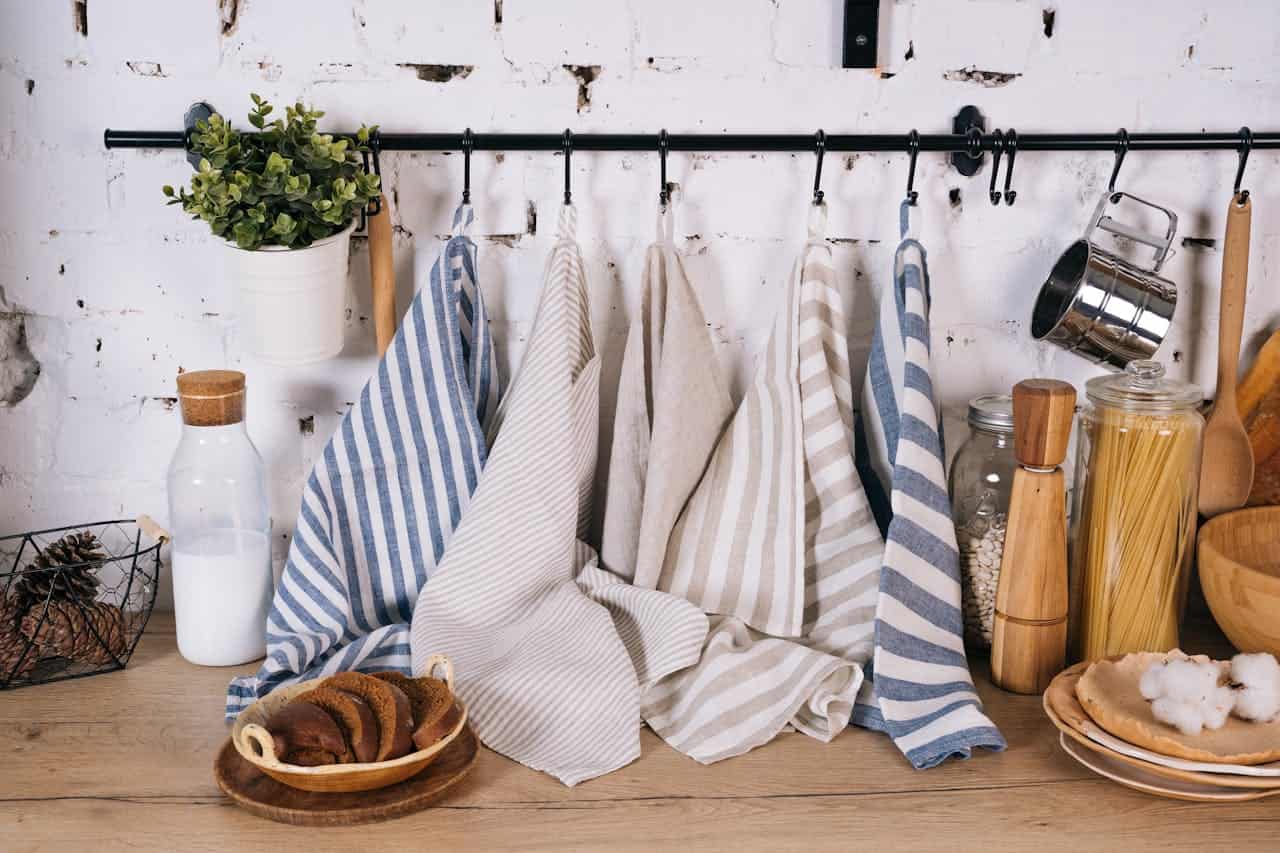
You should toss torn or heavily stained kitchen towels. They don’t dry well and can harbor bacteria.
Keeping clean towels helps maintain a hygienic kitchen.
If your towels have holes or persistent stains, replacing them is the easiest option.
Fresh towels also make your kitchen look tidier and more inviting.
Broken metal pots and pans

If your metal pots and pans are broken, you might wonder if they can be recycled. Many modern pots have coatings or mixed materials that complicate recycling at home.
You should avoid tossing them in regular recycling bins since they can damage equipment. Instead, check with local scrapyards or special recycling programs for metal cookware.
If those options aren’t available, throwing broken metal pots and pans in the trash is often the safest choice.
Cracked glassware

If you have cracked glassware, it’s best to toss it in the trash. Cracks make these items unsafe to use and hard to clean properly.
Recycling programs usually don’t accept cracked glass because it can contaminate other recyclables.
To keep everyone safe, including sanitation workers, avoid putting cracked glass in your recycling bin. Instead, wrap it carefully before disposal to prevent injury.
Used paper plates and cups

You might think used paper plates and cups go in the recycling bin, but they usually don’t. Most are coated with a thin plastic lining to prevent leaks, which makes them hard to recycle.
When you toss these items, it’s best to put them in the trash. Even if they look clean, the lining prevents proper processing at recycling facilities. Keeping them out of recycling helps avoid contamination.
Empty or dried-out glue sticks
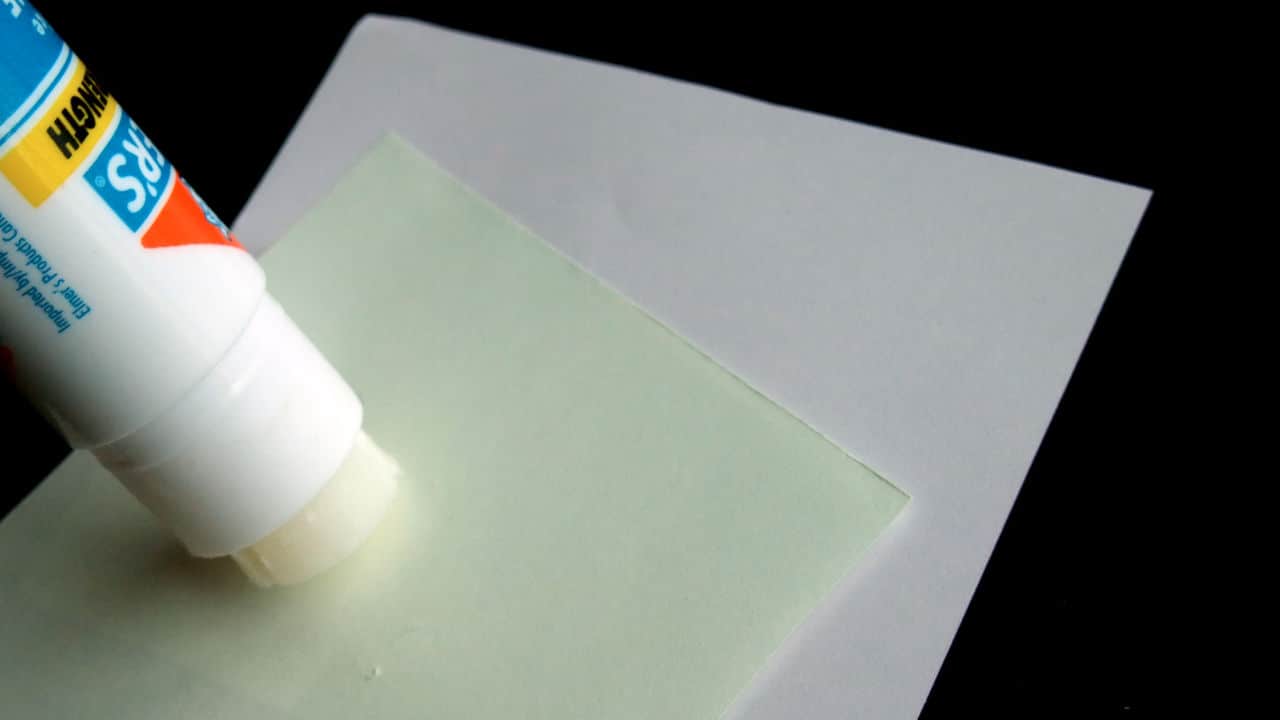
If you find glue sticks in your kitchen junk drawer that are empty or no longer sticky, it’s time to toss them. Dried-out glue sticks won’t work and just take up space.
Since they can’t be recycled, putting them in the trash is the best option. Clearing out old glue sticks helps keep your kitchen clutter-free and makes room for useful items.
Worn-out cutting boards
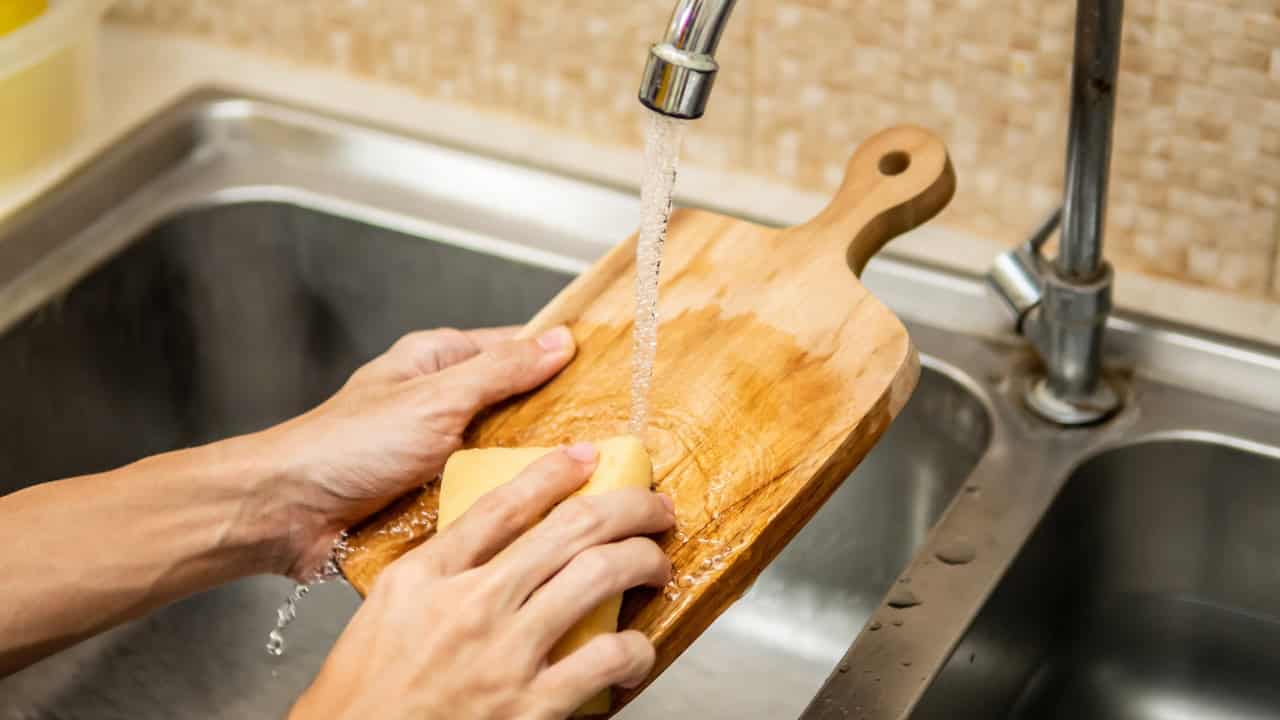
If your cutting board has deep grooves or cracks, it’s time to replace it. Those scratches can trap bacteria and increase the risk of foodborne illness.
You should also avoid using boards that are warped or heavily stained. Keeping separate boards for meat and vegetables helps, but worn-out boards don’t protect well.
Replacing your cutting board regularly is a simple way to keep your kitchen safer and cleaner.
Outdated canned goods

If you find canned goods past their expiration date, it’s best to toss them. Over time, cans can swell or leak, which may mean the contents are unsafe to eat.
Even if the can looks fine, the food inside might have lost quality or nutritional value. When in doubt, throw it out to avoid stomach issues.
Always check cans for dents, rust, or bulging before buying or storing. These signs suggest spoilage or contamination.
Stained food storage containers
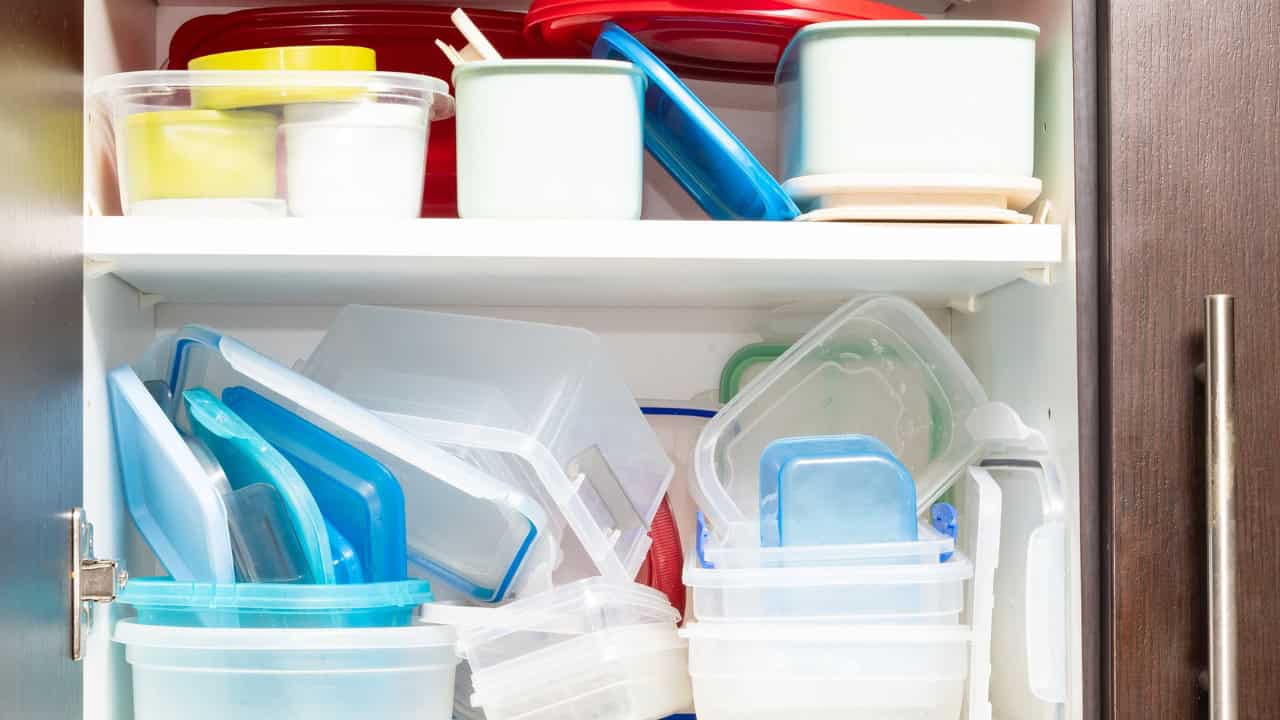
You should toss out any food storage containers that are stained or discolored. These stains can harbor bacteria that are hard to clean, even with regular washing.
If the container smells bad or has a sticky texture, it’s a clear sign it’s time to say goodbye. Keeping only clean, intact containers helps keep your kitchen safe and organized.
Replacing stained containers with a matching set can also make your kitchen look tidier and easier to manage.
Melted plastic kitchen tools

If your plastic utensils or tools have melted, it’s time to say goodbye. Melted plastic can release harmful chemicals when heated, which isn’t safe for your health.
Using melted tools can also ruin your food or cookware. Look for sturdy alternatives, like silicone or stainless steel, that last longer and stay safe even with heat.
Why Decluttering Your Kitchen Matters
Decluttering your kitchen helps improve how you store and handle food while making everyday tasks easier. When you remove unnecessary items, you create a cleaner and more efficient space that supports both safety and convenience.
Impact on Food Safety
Removing expired or broken items from your kitchen reduces the risk of contamination. Expired spices, old plastic containers, or spoiled food can harbor bacteria or mold, which might transfer to fresh ingredients.
A clutter-free kitchen also makes it easier to clean surfaces and appliances properly. When everything has a designated place, you avoid cross-contamination caused by overcrowded counters or drawers.
Regularly checking and discarding items like chipped plates or cracked cutting boards also prevents harmful bacteria buildup. This simple step can improve the overall hygiene of your food preparation areas.
Simplifying Meal Prep
When you clear out unneeded gadgets, expired ingredients, and duplicate kitchen tools, meal prep becomes faster and less stressful. You won’t waste time searching for that elusive measuring cup or the right knife.
Organizing essentials like frequently used utensils and pots within easy reach helps speed up cooking. By reducing clutter, you create a more open space for chopping, mixing, and plating.
Decluttering also gives you a better overview of what ingredients you have on hand. This helps you plan meals more efficiently and reduce food waste.
How to Responsibly Dispose of Unneeded Kitchen Items
Proper disposal helps reduce waste and can even benefit others. You have several options, including recycling, donating, and environmentally safe methods to get rid of old utensils, appliances, and fixtures.
Recycling and Donation Options
If your kitchen items are still functional or repairable, consider donating them to local charities or community centers. Items like utensils, small appliances, and cookware often find new life this way.
For broken or obsolete appliances, check if your local recycling center accepts them, especially for metals and electronics. Many places offer special drop-off points for these items to prevent harmful materials from ending in landfills.
You can also organize a neighborhood sale or use online marketplaces to give your kitchen items a second life. Labeling items clearly and advertising on community boards will increase your chances of a quick, responsible handoff.
Eco-Friendly Disposal Tips
Organic kitchen items like wooden spoons or bamboo cutting boards can be composted if untreated with chemicals. Adding them to your compost bin creates nutrient-rich soil without contributing to landfill waste.
For items containing hazardous components—like refrigerators or certain appliances—never toss them in regular trash. Contact your local waste authority to locate household hazardous waste facilities for safe disposal.
Prioritize durable, low-toxic kitchen products in the future to minimize disposal needs. Choosing quality over quantity helps reduce waste and environmental impact in the long run.