When you think about being prepared for unexpected situations, a bug-out bag is a must-have. This bag should be a collection of essential items designed to help you survive when you need to leave in a hurry. Gathering the right gear can make a crucial difference in case of emergencies, whether you’re dealing with natural disasters or other unforeseen events.
In this article, you’ll discover the 13 essential items that should be in your ultimate bug-out bag. Having the right supplies can not only enhance your chances of survival but also give you peace of mind. Let’s dive into what you need to pack to stay ready for anything that comes your way.
Advertisement
Water Filtration System
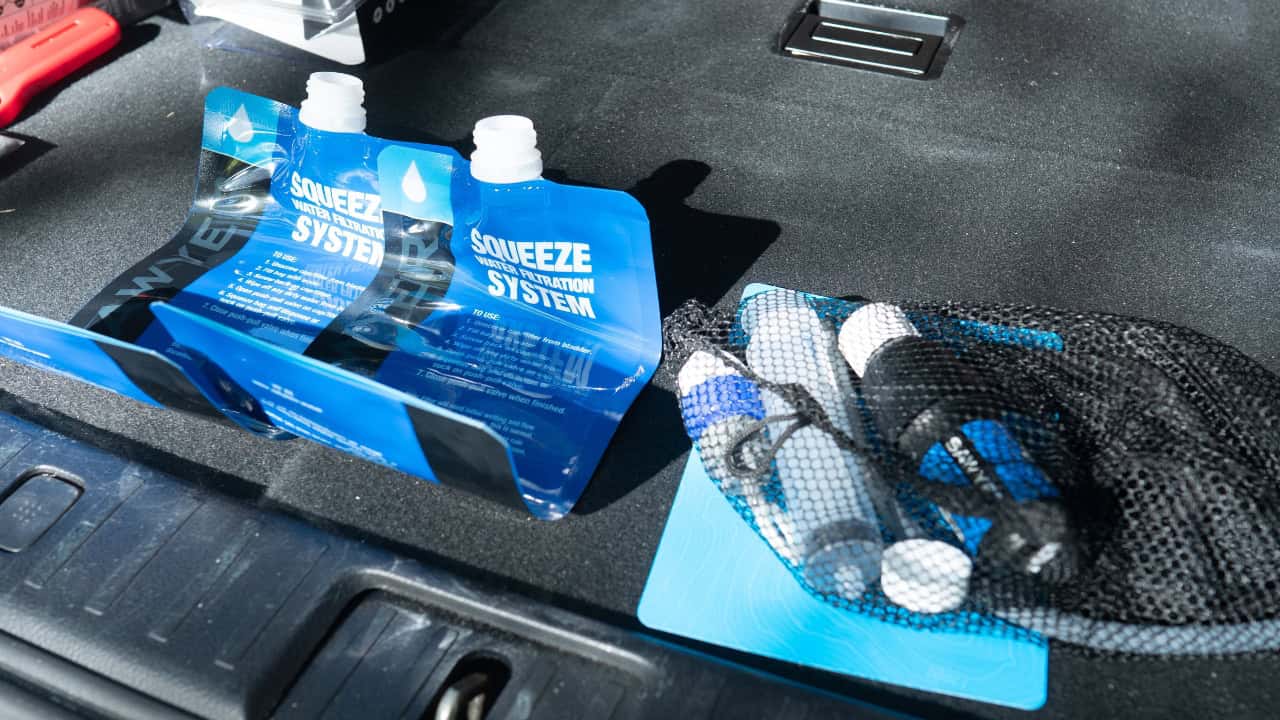
When you’re packing your bug-out bag, a reliable water filtration system is a must. You want to ensure you can drink safely from natural sources. Consider a portable filter like the Sawyer Mini or Hydroblu Versa Flow. These options are lightweight and easy to use.
Water purification tablets, such as Katadyn’s, are also handy for emergency situations. They take up minimal space and offer peace of mind. Make sure to include a good water container, like collapsible bladders or soft bags, to store your clean water. Keeping hydrated is key to staying strong on your journey.
Multi-tool
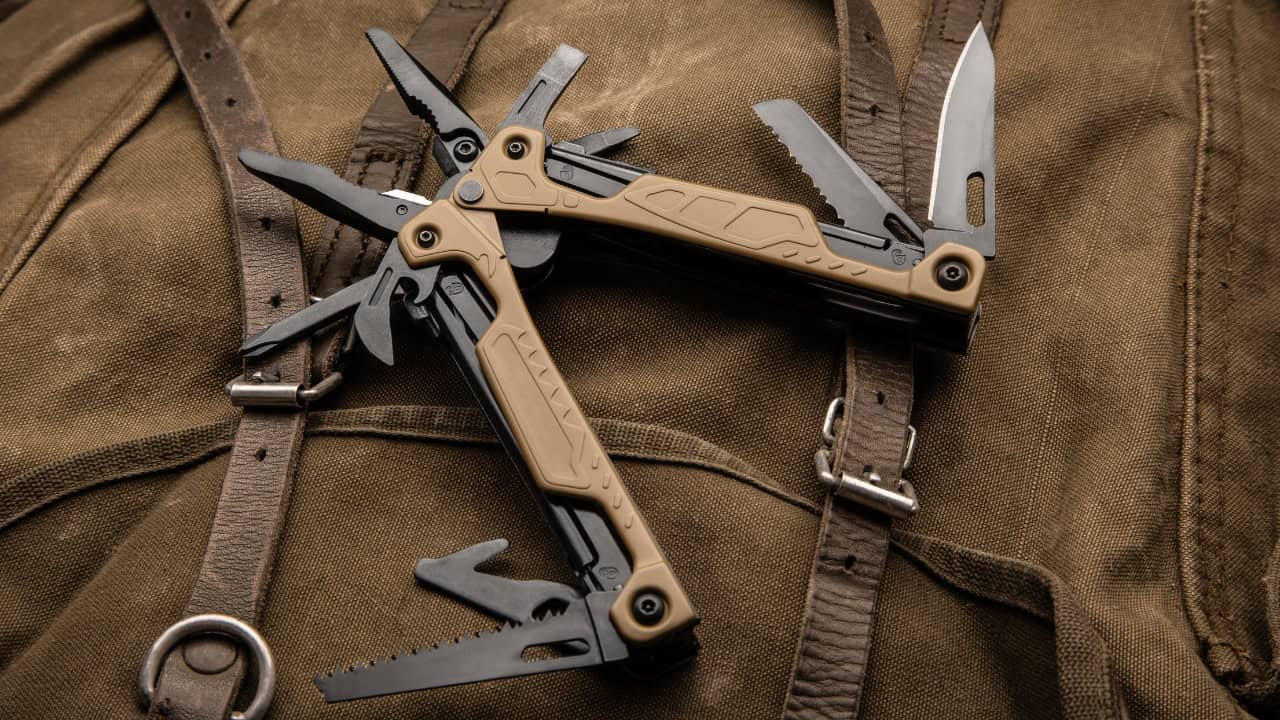
A multi-tool is a must-have for your bug-out bag. It’s compact and combines several functions into one handy device.
You can find options that include pliers, knives, screwdrivers, and scissors. This versatility makes it perfect for various tasks, from gear repairs to food preparation.
When choosing a multi-tool, look for quality and durability. Brands like Leatherman and Victorinox offer great options. A reliable multi-tool can make a big difference when you need it most.
First Aid Kit

A first aid kit is essential for any bug-out bag. It should contain bandages, gauze, antiseptic wipes, and medical tape to handle cuts and scrapes.
Don’t forget to include pain relievers and any personal medications you might need. A pair of medical shears and tweezers can also be lifesavers in emergencies.
Consider a CPR pocket resuscitator and a few basic tools for bigger injuries. Having these essentials can make a significant difference when you need them most.
Lightweight Tent
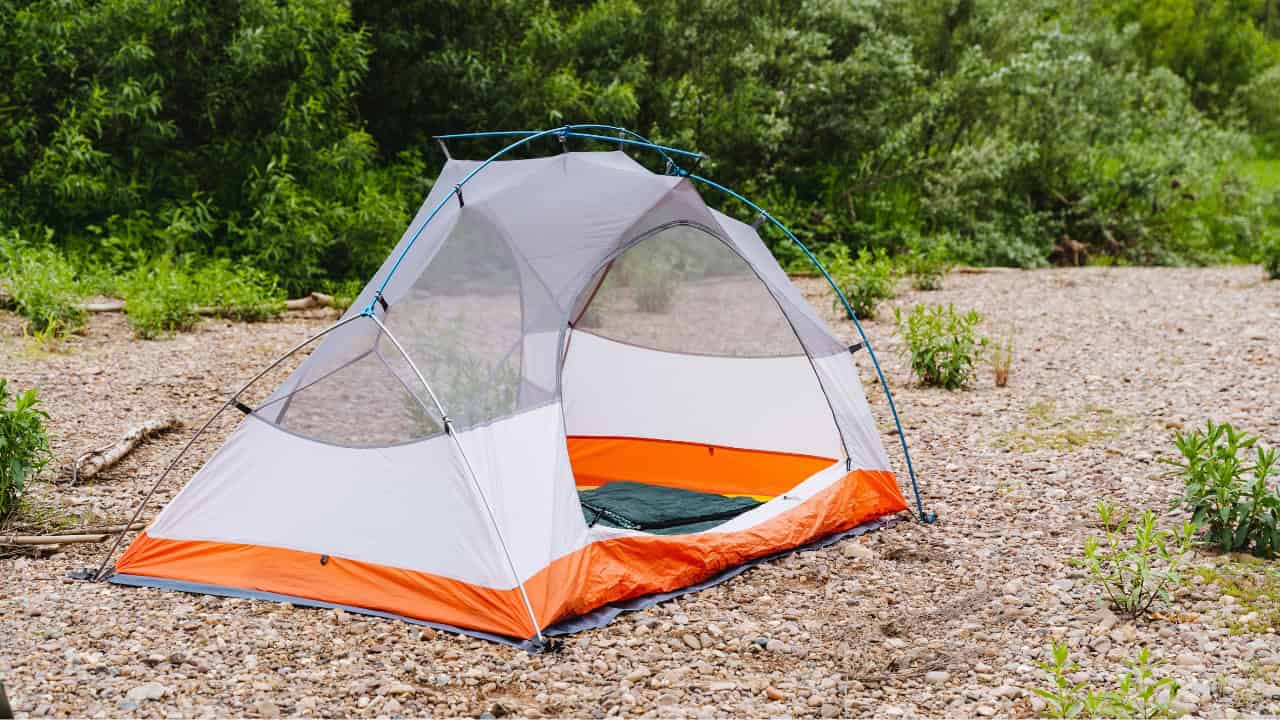
When packing your bug-out bag, a lightweight tent is essential for shelter. It provides protection from the elements while being easy to carry.
Look for a tent that sets up quickly and packs down small. This way, you won’t waste time or space in your bag.
Consider a 2-3 person tent if you’re traveling with others. This gives you enough space without adding too much weight.
Having a lightweight tent can make a big difference in comfort during your journey. You’ll appreciate a good night’s sleep when you’re on the move.
Portable Sleeping Bag

When packing your bug-out bag, don’t forget a portable sleeping bag. It provides essential warmth and comfort during unpredictable nights.
Look for a lightweight, compact design that fits easily in your pack. A good sleeping bag helps regulate your body temperature, keeping you cozy when temperatures drop.
Consider choosing one that’s water-resistant to protect yourself from moisture. It’s not just about sleep; it’s about feeling secure in the outdoors.
Mylar Blanket

A Mylar blanket is a must-have for your bug-out bag. These blankets are lightweight and compact, making them easy to store and carry.
They reflect heat back to your body, helping to keep you warm in cold conditions. Plus, they’re waterproof and windproof, adding extra protection against the elements.
In an emergency, a Mylar blanket can be a lifesaver. You can use it for warmth, as a ground cover, or even as a signaling device in survival situations.
Paracord
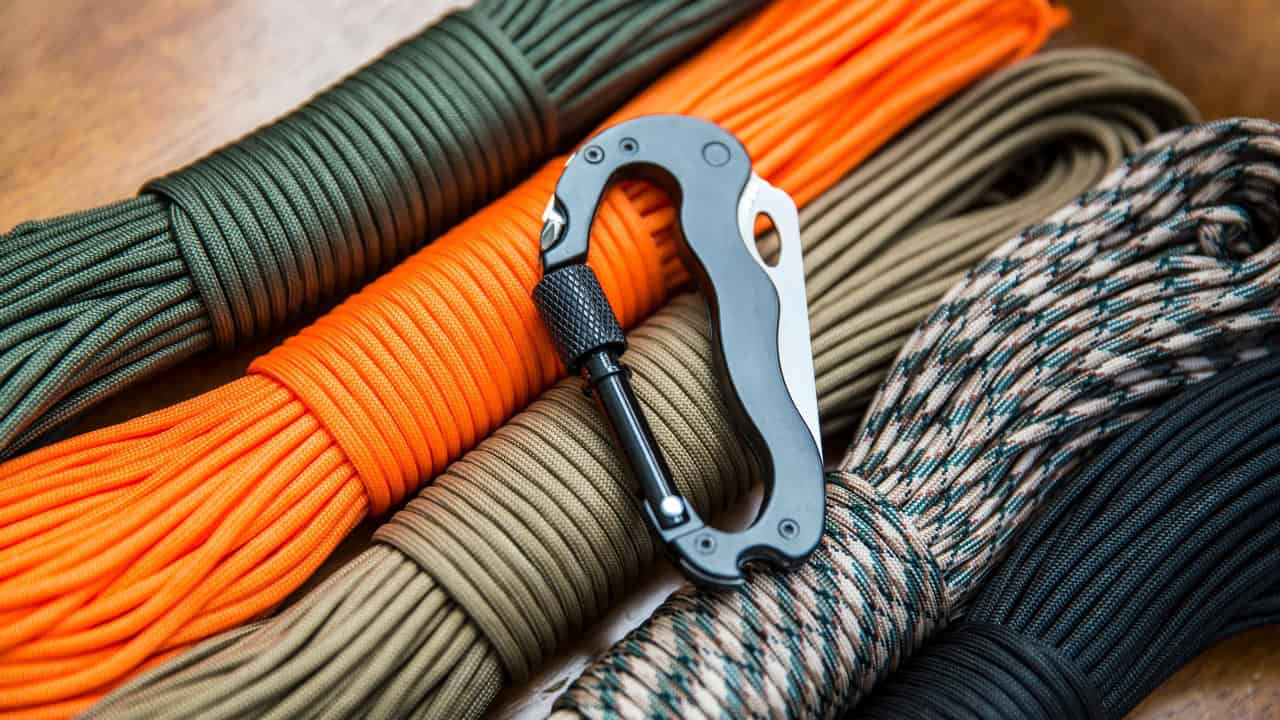
Paracord is a must-have for your bug-out bag. This versatile rope is strong, lightweight, and has many uses.
You can use it for securing gear, making shelter, or even crafting tools. It’s ideal for emergency situations when you need reliable support.
Look for a minimum of 550-pound test paracord for the best strength. Some come with extra features, like inner strands that can be used for fishing lines or sewing thread.
Having paracord handy adds extra options when you’re out there. You’ll appreciate its versatility in any survival scenario.
Fire Starter
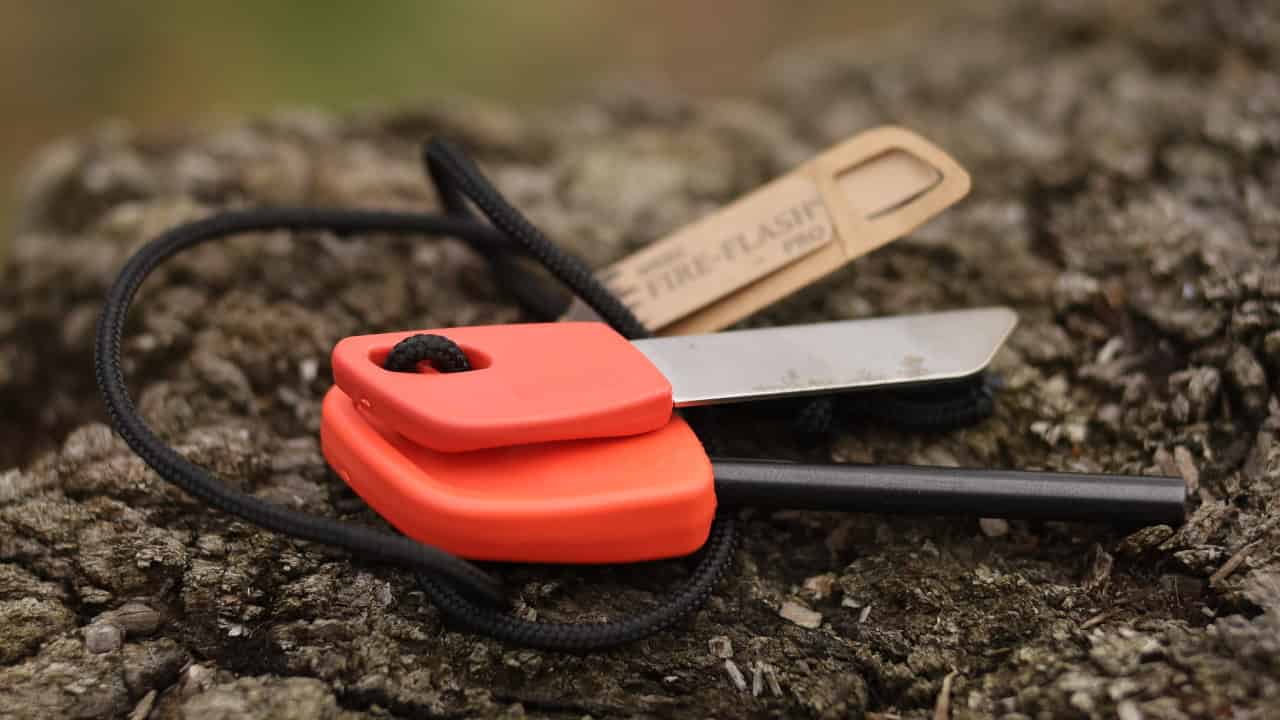
A reliable fire starter is a must-have in your bug-out bag. It can help you create warmth, cook food, and signal for help.
Consider options like waterproof matches, a magnesium fire starter, or a simple lighter.
You can also make homemade fire starters using cotton balls and petroleum jelly, which are compact and effective.
Having multiple ways to start a fire ensures you’re prepared for different conditions. Don’t underestimate the importance of this essential item.
Battery backup with phone charger
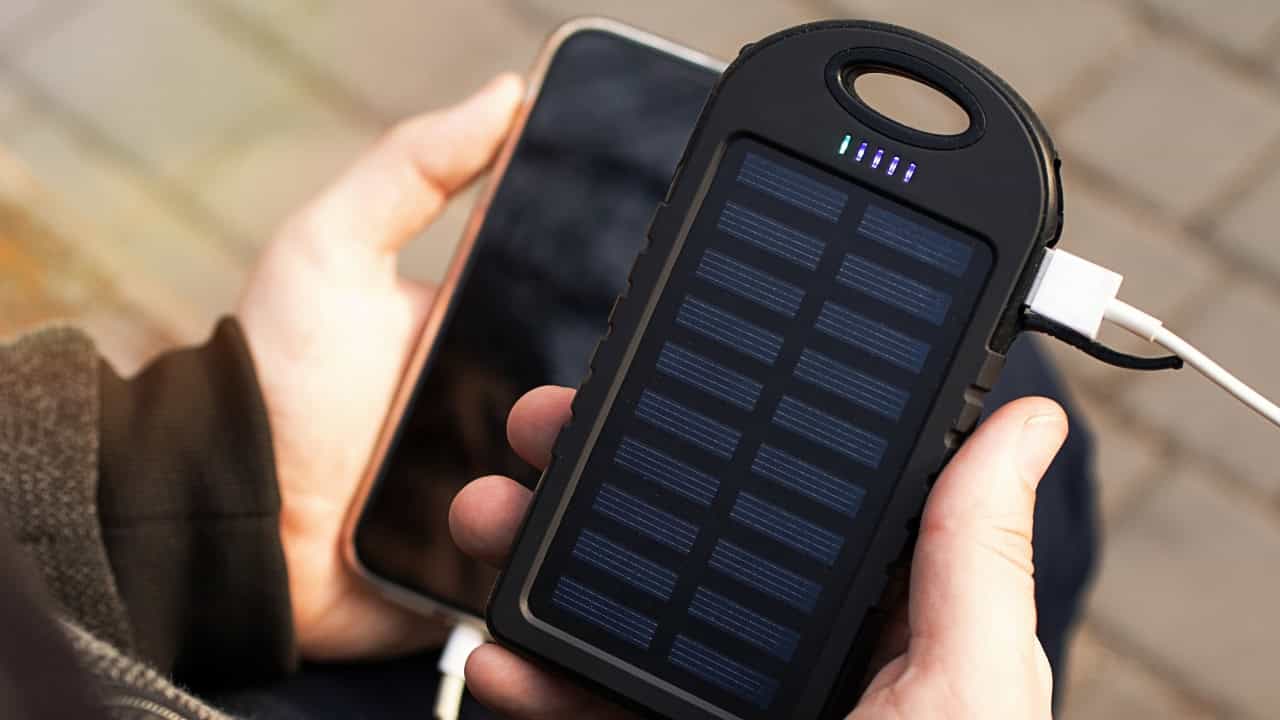
Having a battery backup with a phone charger is essential for your bug-out bag. In an emergency, staying connected can be crucial.
Choose a compact power bank that holds enough charge for multiple devices. Look for options with at least 10,000mAh capacity, so you won’t run out quickly.
Solar chargers are a great backup too, especially if you’re away from outlets. They can keep your devices powered while you’re on the move.
Don’t forget the cables! Keep the right charging cables organized in your bag to ensure you can quickly connect your devices when needed.
Flashlight with Extra Batteries

A good flashlight is essential for your bug-out bag. It helps you navigate in low-light situations and can serve multiple purposes, like signaling for help.
Choose a flashlight that is reliable and easy to use. A model that runs on AA or 18650 batteries is a solid choice.
Don’t forget to pack extra batteries. Two rechargeable batteries will typically be enough for short trips. Always consider how you’ll recharge in the field.
Having a durable flashlight ensures you’re prepared for anything, from power outages to nighttime adventures.
Transistor Radio

A transistor radio is a handy item to have in your bug-out bag. It lets you stay updated on news and weather conditions while you’re on the go.
These radios are portable and usually run on batteries, making them easy to pack. Look for one with good reception and durability.
In an emergency, having access to information can help you make better decisions. A transistor radio can connect you to vital updates that keep you safe. Consider adding one to your essentials.
Copies of important documents

When packing your bug-out bag, don’t forget to include copies of important documents. Think about personal identification, medical records, and insurance policies.
You should also have emergency contact information handy. Make sure these documents are in a waterproof pouch or a sealed bag to keep them safe.
Consider storing them on an encrypted USB flash drive for easy access. This way, you’ll have everything organized and ready when you need it most.
Small-bill cash

Having small-bill cash in your bug-out bag is a smart move. In an emergency, you might find traditional payment methods unavailable. Small denominations like $5, $10, or $20 can help with quick purchases.
Cash also gives you flexibility. You can trade for food, supplies, or services without relying on electronic systems. Plus, some vendors may only accept cash during emergencies.
Make sure to store your cash securely to prevent loss. A waterproof bag or hidden compartment in your pack can keep it safe. Remember, a little cash can go a long way when you need it most.
*This article was created with the help of AI.