Dust in your home isn’t just an annoyance—it can also carry harmful particles that affect your health. While you probably dust the obvious surfaces regularly, there are many hidden spots where dust quietly builds up without you noticing.
Knowing which common items collect dust can help you keep your home cleaner and reduce exposure to allergens and irritants. This article will guide you through 13 surprising items that often gather harmful dust and what you can do about them.
Advertisement
Bookshelves filled with books

Your bookshelves can gather a surprising amount of dust. Each book acts like a small surface where dust, pollen, and even dust mites can settle.
Clutter makes dust control harder, so keeping your bookshelves tidy helps. Storing books upright and removing items you no longer use reduces dust buildup.
If you can, consider adding glass doors to protect your books from dust. Regular cleaning of both shelves and books keeps your space healthier and more comfortable.
Upholstered furniture

Your upholstered furniture can quietly collect dust, allergens, and dust mites. These tiny creatures thrive in fabric, making sofas and chairs a common spot for them to live.
Regular vacuuming with a HEPA filter can help reduce dust and mite buildup. Also, be aware that some furniture releases chemicals that settle in dust, so airing out new pieces before use is a smart idea.
Window curtains and drapes

Your curtains and drapes catch more dust than you might realize. They often hang near windows where air flows, allowing dust, allergens, and even dead skin cells to settle on them.
If you leave them unwashed for long, these fabrics become a hotspot for allergens. Regularly dusting or vacuuming your curtains helps keep your home air fresher and your space more comfortable.
Ceiling fans

Your ceiling fan blades naturally attract dust because of the moving air they create. This airflow circulates dust particles, causing them to land on the blades and motor.
The fan blades often develop a slight static charge, which works like a magnet for dust. This makes dust stick more easily and can be tricky to clean.
Regularly wiping down your fan helps keep dust from building up and flying around your room when it’s on.
Electronic devices like TVs and computers

Your TVs and computers can gather dust in hard-to-reach places. This dust can block vents and cause your devices to overheat.
Cleaning them carefully helps your electronics last longer and work better. Take your time and use the right tools to avoid damage.
Remember, dusty devices can also bring tiny particles into the air you breathe. Regular cleaning keeps your space cleaner and healthier.
Carpets and rugs

Your carpets and rugs can trap a lot of dust, allergens, and even mold. This buildup may affect your indoor air quality and cause mild allergies.
Regular vacuuming helps, but deep cleaning once a year is important too. Make sure your carpets dry fully after cleaning to avoid mildew.
When you get new rugs, airing them out before placing them helps reduce chemical residues and dust buildup. This keeps your space fresher and healthier.
Houseplants with dry soil
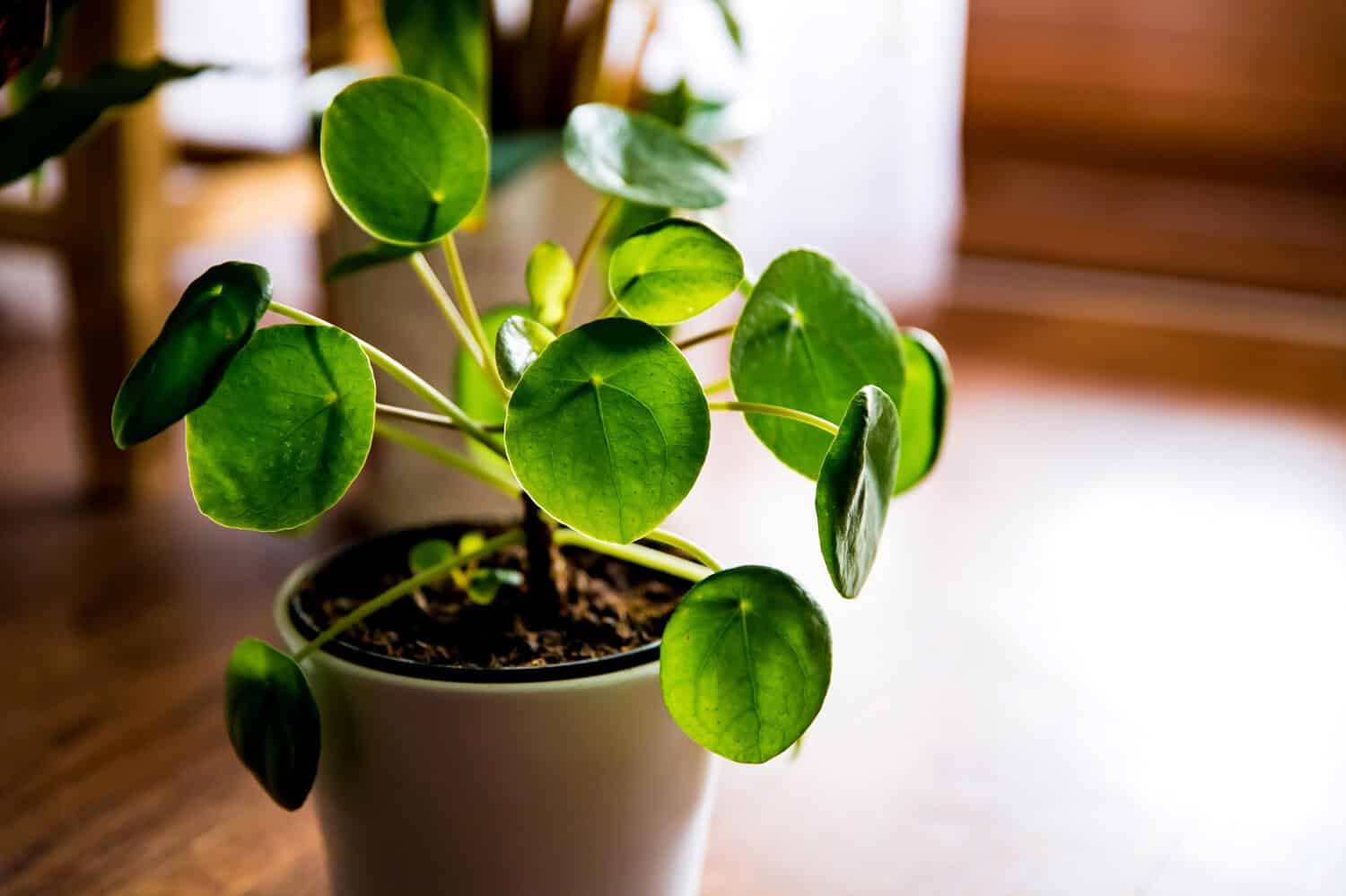
If your houseplants have dry soil, they can attract and hold dust on their leaves more easily. Dust settles on the surface when the soil lacks moisture, making your plants look dull.
You might notice that dry soil also means the plant isn’t getting enough water to stay healthy. Regularly check and water your plants to keep both soil and leaves clean.
Keeping the soil moist helps reduce dust buildup and supports your plant’s growth. You can dust leaves gently or give them a quick rinse to keep them fresh.
Decorative knick-knacks

Your decorative knick-knacks often collect dust in small crevices. These little items can be tricky to clean regularly, allowing dust to build up over time.
Keeping too many can make dusting more difficult and may affect the air quality around you. Try to limit your collection to pieces you truly enjoy.
Use a soft brush or a gentle blower to clean these without damaging them. This keeps your space looking fresh and lowers dust accumulation.
Throw pillows and blankets

Your throw pillows and blankets can quietly collect dust, especially if they’re left untouched for a while. The textured fabrics tend to trap particles, making them easy spots for dust buildup.
You might think washing your bedding is enough, but these cozy items also need regular cleaning. Fluff and wash them often to keep your space fresher and reduce dust around your home.
Clothing stored in open closets

When you store clothes in open closets, they are more exposed to dust settling on fabric. This dust can cause itching or allergic reactions, especially if dust mites are present.
Using boxes or clear tubs to store your clothes can help reduce dust buildup. These containers protect your items and also let you easily find what you need. Keeping your open closet tidy can make a big difference in minimizing dust.
Pet bedding and toys

Your pet’s bedding and toys can trap dust, dirt, and allergens over time. Regular cleaning helps keep them fresh and safe for your furry friend.
Toys, especially plush ones, collect dust mites and bacteria. Washing them often reduces buildup and prevents unpleasant smells.
Cleaning pet bedding frequently is important. This simple step helps maintain a cleaner home environment for both you and your pet.
Toys and stuffed animals

Your child’s toys and stuffed animals can collect dust and allergens over time. Dust mites find these soft surfaces as inviting as pillows or bedding.
Regular washing helps, but some toys are delicate and may lose their softness. You can also reduce dust buildup by storing them in sealed containers when not in use.
Vacuuming stuffed animals gently with a brush attachment can remove dust and mite debris. This keeps your child’s toys cleaner and healthier.
Air conditioning vents

Your air conditioning vents can collect a surprising amount of dust. When the system pulls air in, it also draws in dust, pet hair, and other debris.
If these vents or ducts get dirty, they can blow that dust back into your rooms.
Regularly cleaning or replacing air filters and scheduling professional duct cleaning helps keep the air fresh. Sealing any duct leaks also stops dust from sneaking through.
How Dust Accumulates on Everyday Belongings
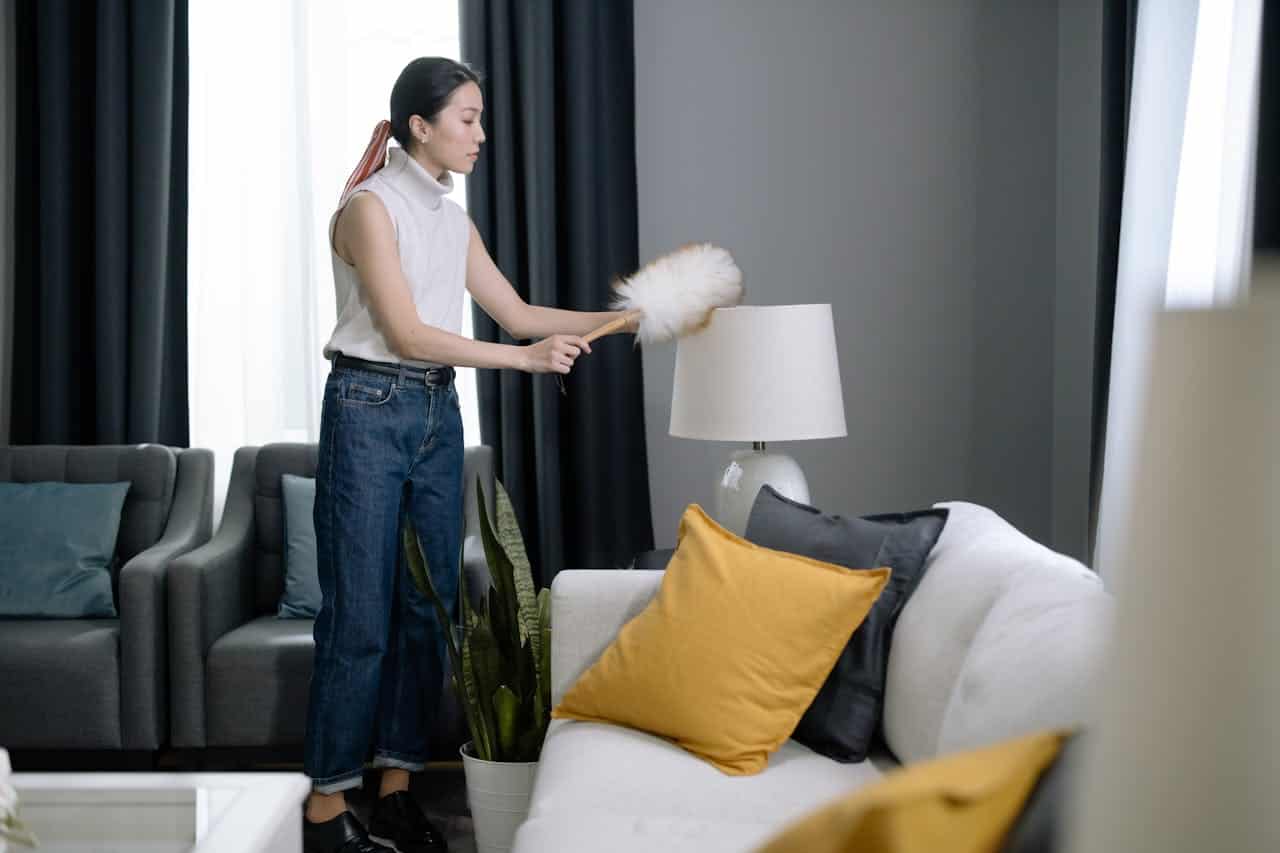
Dust builds up in many places around your home, often in areas you don’t think about. It consists of tiny particles that settle gradually, carried by air currents, human activity, and pets. Understanding where and how this happens can help you target your cleaning more effectively.
Hidden Spots You Might Overlook
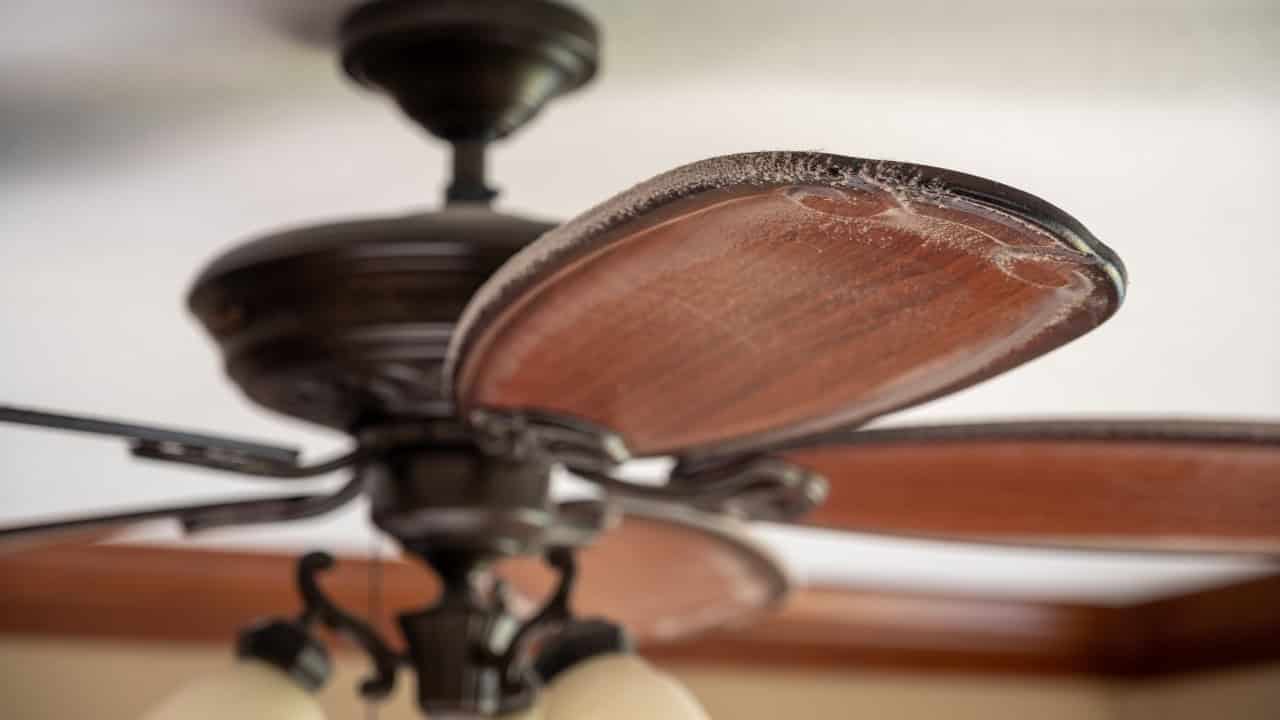
Dust often hides in spots you rarely clean, such as behind appliances, under furniture, and on top of ceiling fans. Curtains, lampshades, and air vents also collect surprising amounts of dust.
Other overlooked places include inside electronics, around window sills, and underneath rugs. These areas trap dust because they’re less disturbed, allowing particles to settle and accumulate over time.
Pay close attention to soft surfaces like upholstered furniture and bedding, which trap dead skin cells and dust mites. These spots need frequent cleaning to keep dust under control.
The Science Behind Indoor Dust
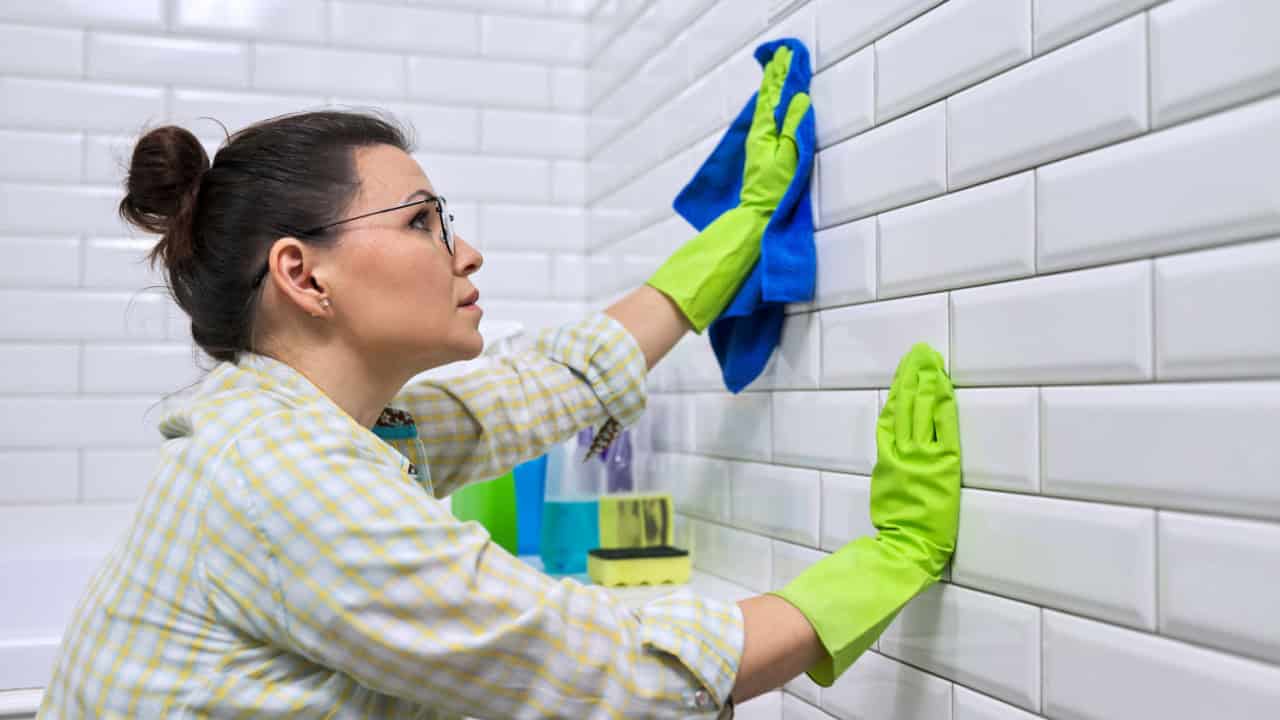
Indoor dust is made up of a mix of natural and human-made particles. It includes skin flakes, fabric fibers, pet dander, and tiny crumbs.
Dust also contains microscopic waste from dust mites and debris from outdoor sources like soil and pollen. Airborne particles move around your home, settling on surfaces with low air flow.
When you clean, dust is easily stirred up and can resettle quickly if not removed properly. Using a top-down cleaning method with microfiber cloths and HEPA-filter vacuums helps reduce how much dust stays in the air and on surfaces.
Health Risks Linked to Dust in the Home
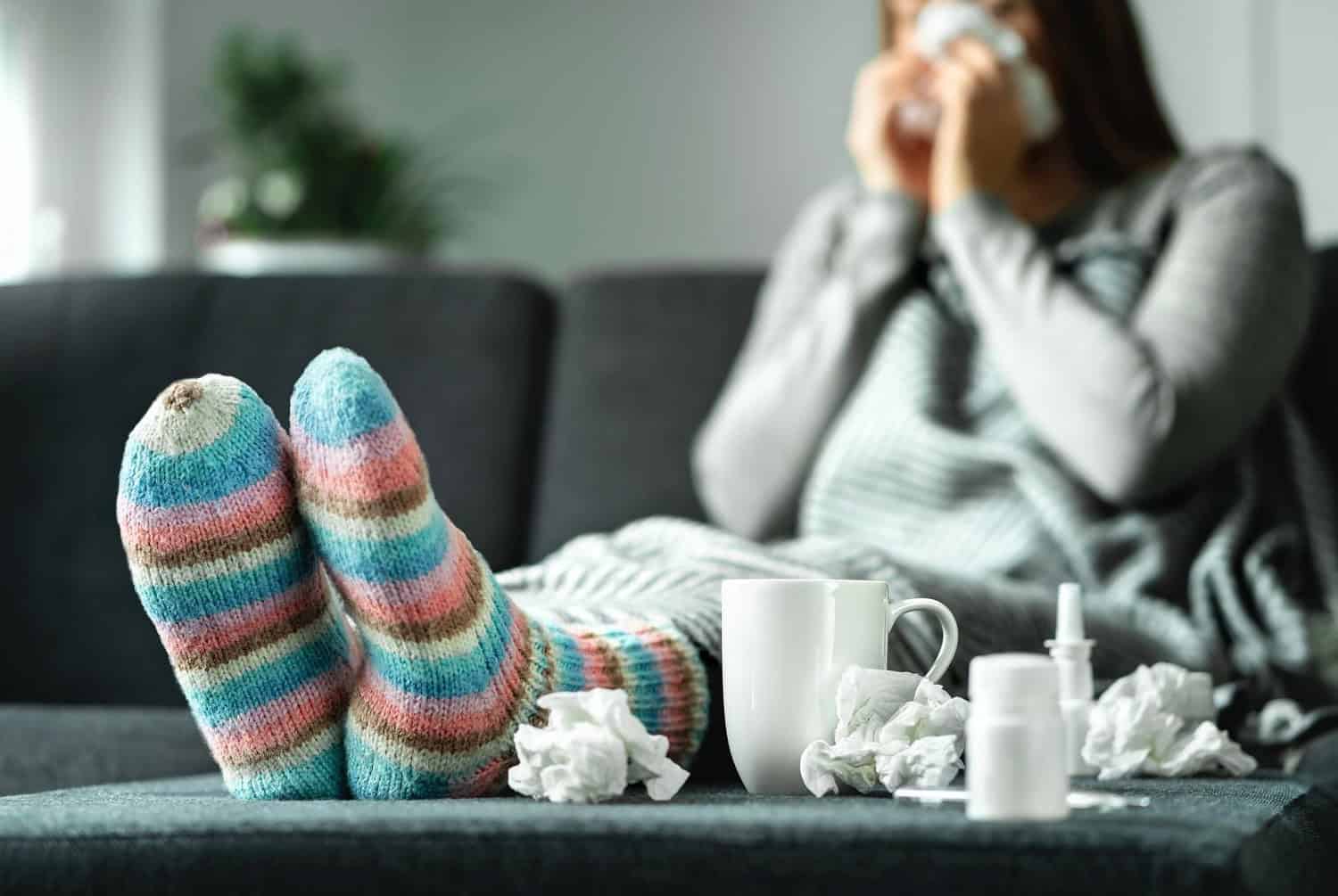
Dust in your home carries more than just dirt; it can contain chemicals and particles that affect breathing and overall health. These hidden substances can trigger reactions and lead to problems, especially if you’re sensitive or have younger family members or pets around.
Allergies and Respiratory Concerns

Your home’s dust often holds allergens like pollen, mold spores, and pet dander, all of which can irritate your lungs and airways. These allergens increase the risk of sneezing, coughing, and other allergy symptoms.
Dust can also contain harmful chemicals such as flame retardants found in furniture and baby products. Breathing in these chemicals regularly may worsen asthma and other respiratory issues.
Regular cleaning and improving ventilation can reduce dust buildup, helping you breathe easier and decrease allergy flare-ups.
Impact on Children and Pets

Children and pets are more vulnerable to the dangers in household dust because they spend more time on the floor and frequently put their hands or objects in their mouths. This increases their exposure to toxic chemicals and germs.
Dust often contains “forever chemicals” that resist breakdown and can accumulate in the body over time. These substances have been linked to immune system problems and developmental issues in kids.
You can protect your family by wiping surfaces, washing hands often, and vacuuming with a HEPA filter to cut down on harmful dust particles in your living space.