Interior design rules can sometimes feel like unbreakable laws, but many of the guidelines once considered essential are no longer relevant. As tastes and lifestyles evolve, what worked years ago may now limit your creativity and the comfort of your space.
You don’t have to stick to outdated design rules to create a stylish and functional home that suits your personality. Understanding which rules to challenge can help you make choices that truly reflect your style and improve the way you live in your home.
Advertisement
Matching all main furniture pieces exactly
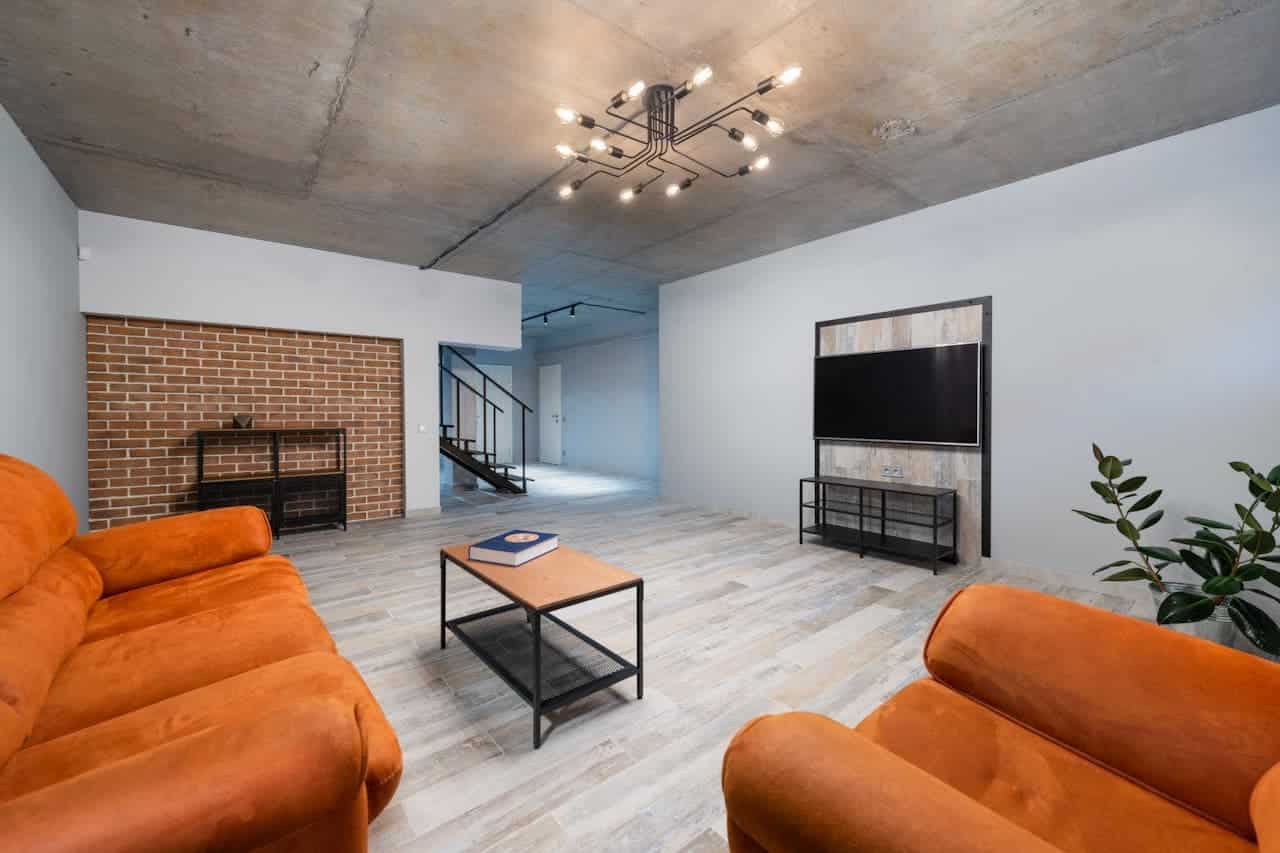
You don’t have to match every main furniture piece exactly. Mixing different wood tones and styles can create a more interesting and personalized space.
Instead of matching everything, try coordinating colors or textures for a balanced look. This approach lets your personality show and keeps your room from feeling too staged or predictable.
Using only neutral colors in small rooms
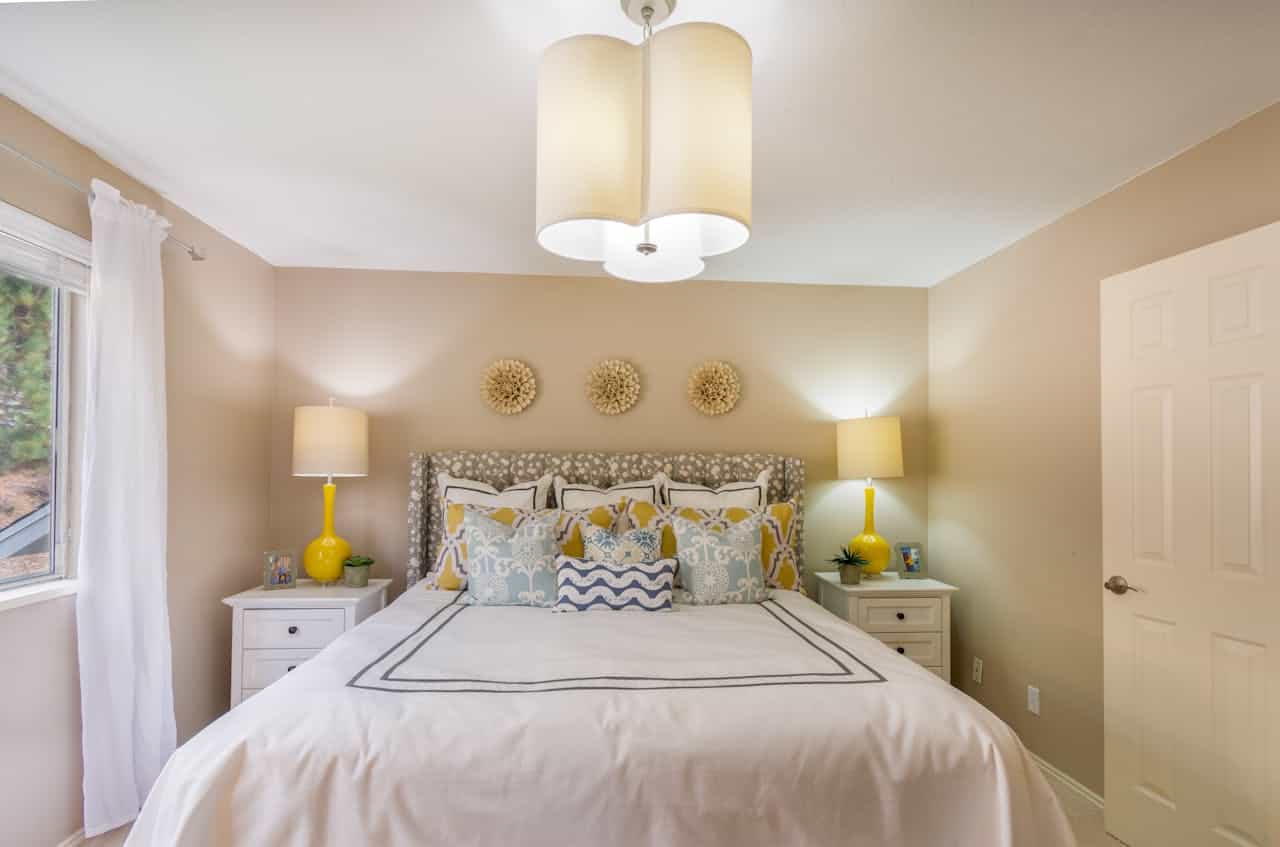
You don’t have to stick to only neutral colors in small rooms. While neutrals can make a space feel open, using varied shades and textures can add depth and interest.
Mixing in a few pops of color or different tones keeps the room from feeling flat or boring. It’s about balance, not limitation.
Keeping ceilings strictly white
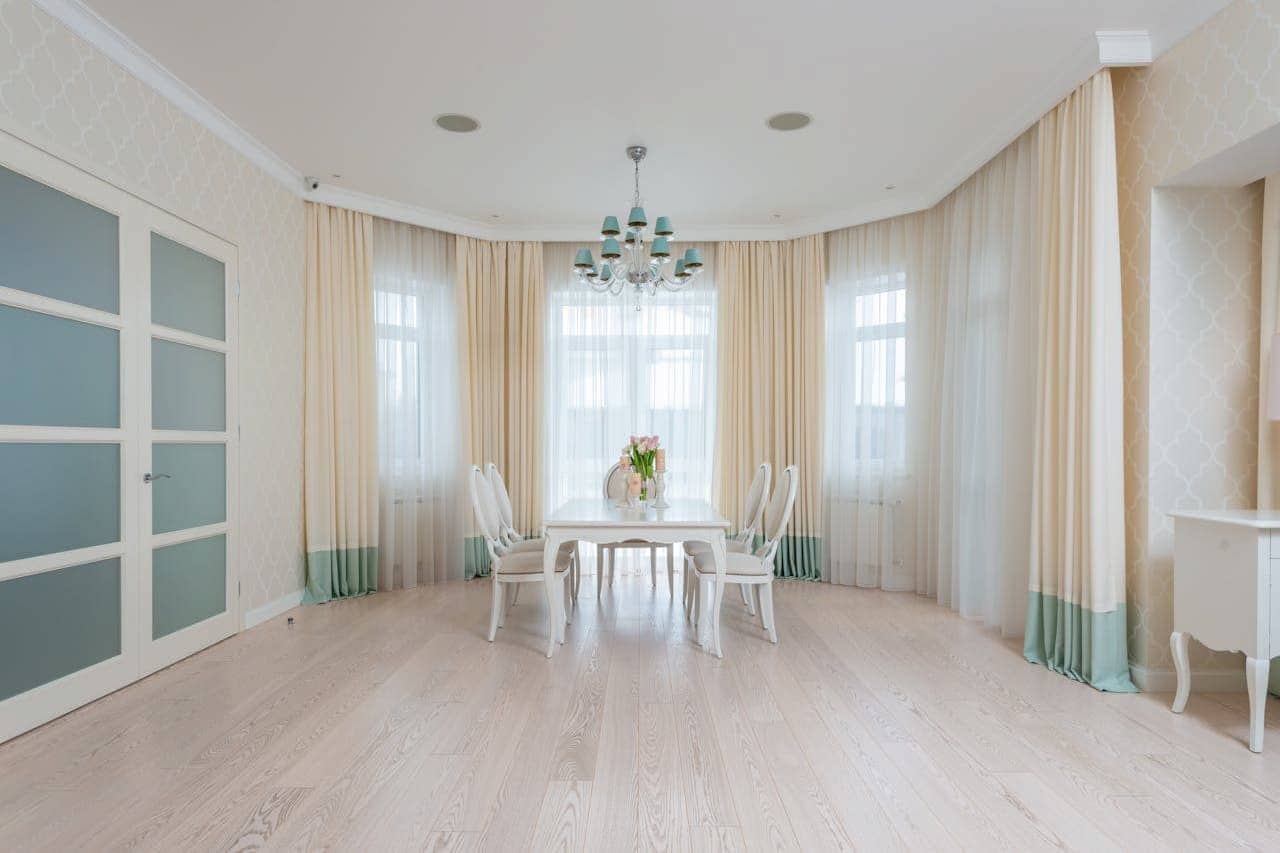
You don’t have to limit your ceiling to just white. Using soft colors or subtle patterns can add depth and personality to your space.
A painted ceiling can highlight architectural details or create a cozy atmosphere. It’s a simple way to make your room feel more unique without overwhelming it.
Painting small rooms only white
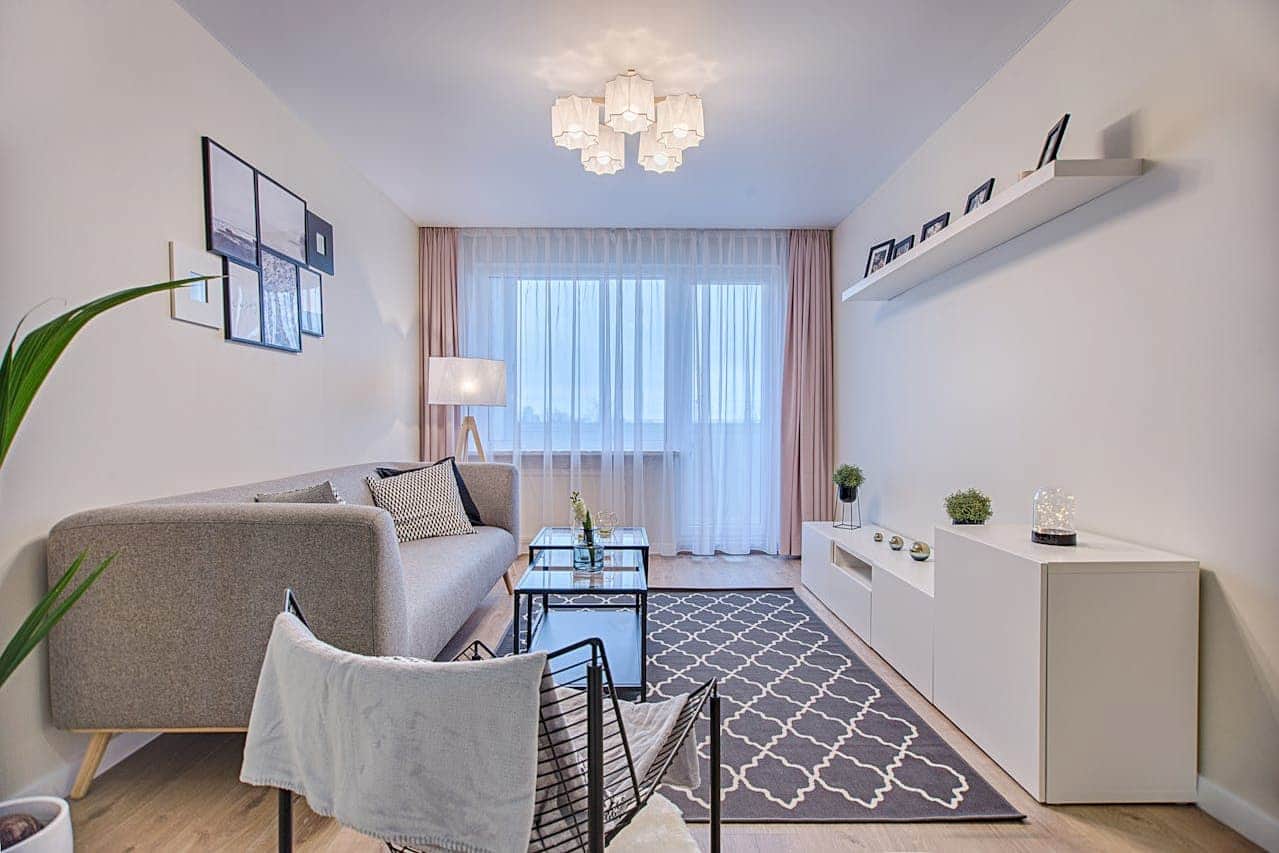
You might think white is the safest choice for small rooms, but it can sometimes make spaces feel cold or dead, especially if there isn’t much natural light.
Instead, consider soft colors or warm tones that reflect light but add personality. White isn’t the only way to open up a small room—you can experiment with shades that suit your style and brighten your space.
Hanging artwork only at eye level
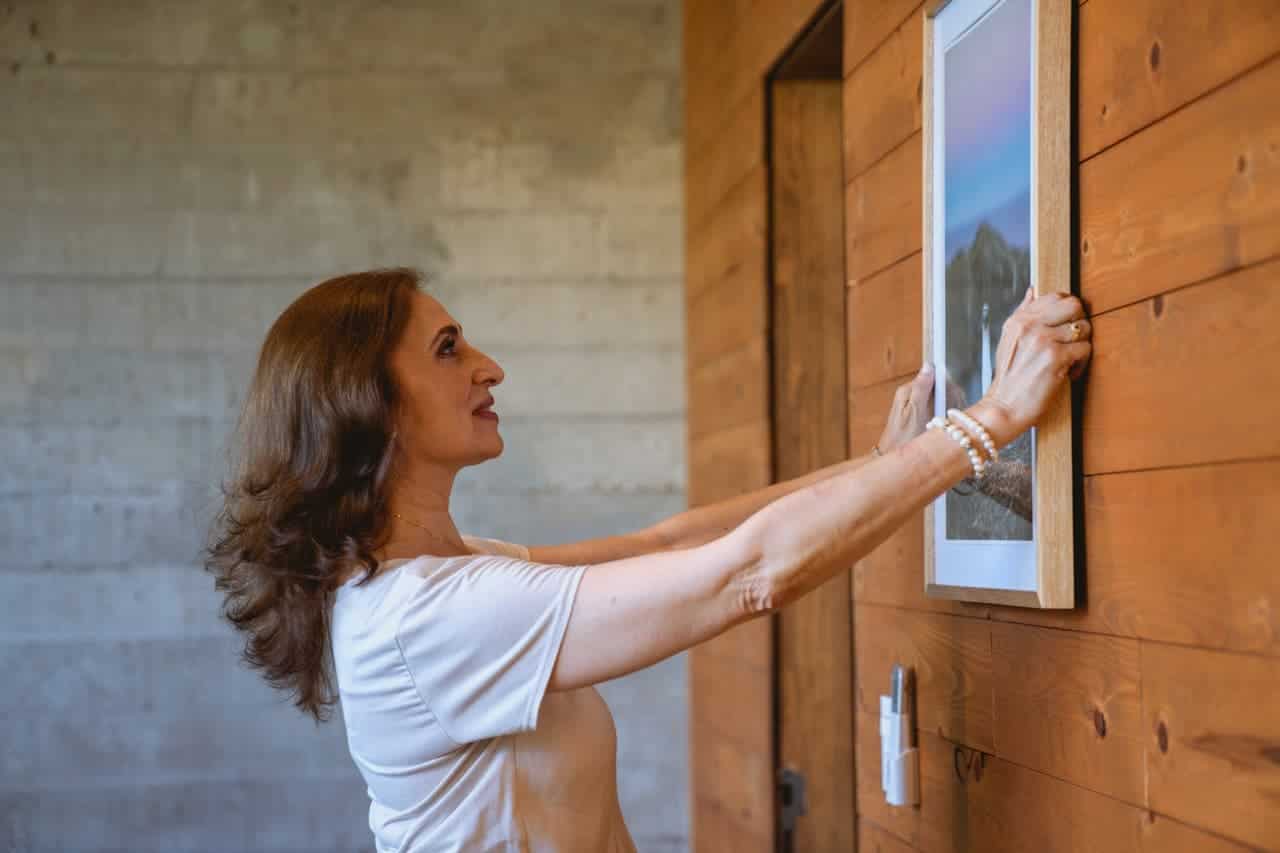
You’ve probably heard that art should always hang at eye level. But the truth is, this rule isn’t one-size-fits-all. Sometimes placing artwork higher or lower suits your space and style better.
Consider the furniture around your art, like couches or beds. Adjusting height based on your room’s function can make your walls feel more balanced and personal.
Avoiding mixing large-scale patterns

You don’t have to avoid mixing large-scale patterns anymore. Pairing bold patterns can actually add energy and personality to your space.
The key is to balance them with smaller patterns or solid colors. This way, your room stays visually interesting without feeling overwhelming.
Limiting statement pieces to one per room
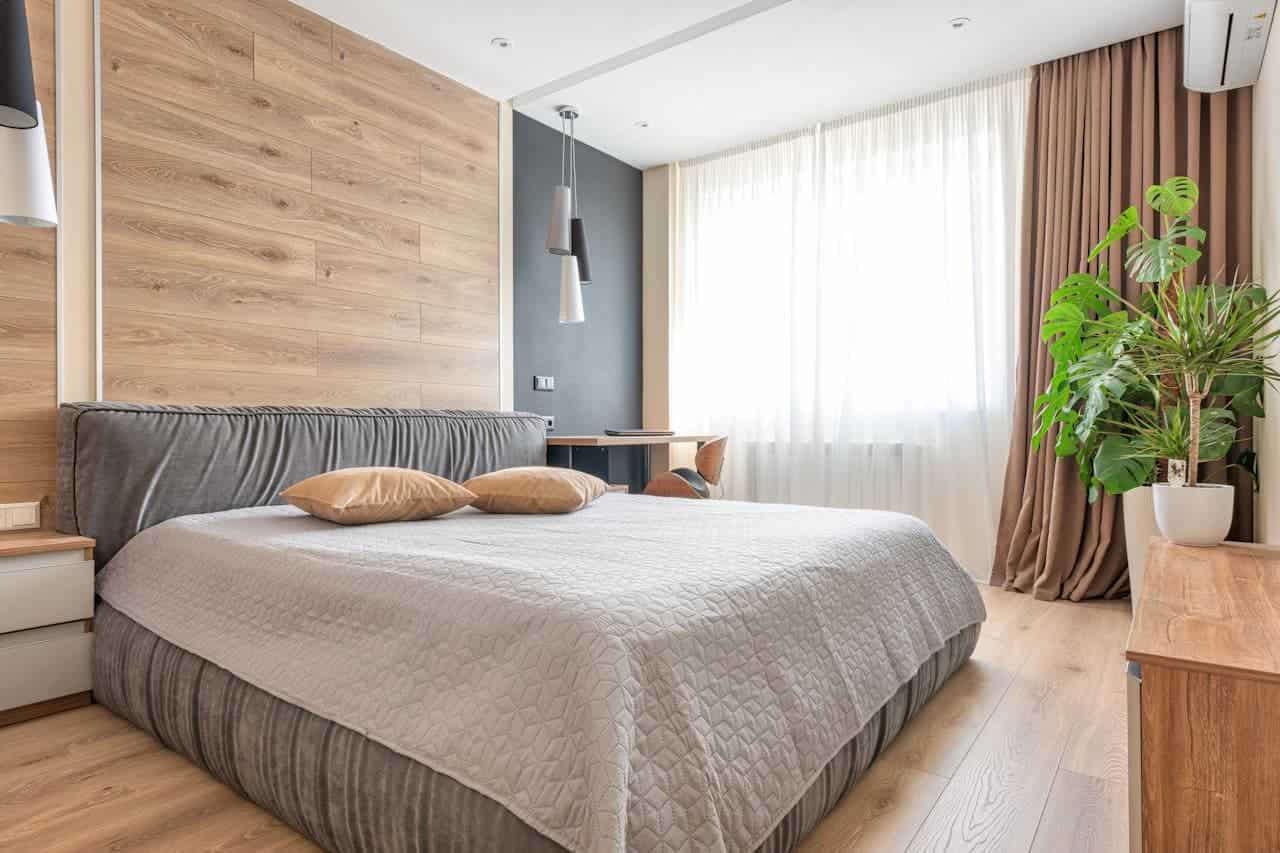
You don’t have to stick to just one statement piece in a room. Mixing a couple of bold items can create more character and interest.
Try balancing multiple accents by varying their size, color, or style. This keeps your space lively without feeling cluttered.
Your room reflects your personality, so feel free to experiment beyond old design rules. Two or three statement pieces can work together nicely.
Never mixing different design styles in one room
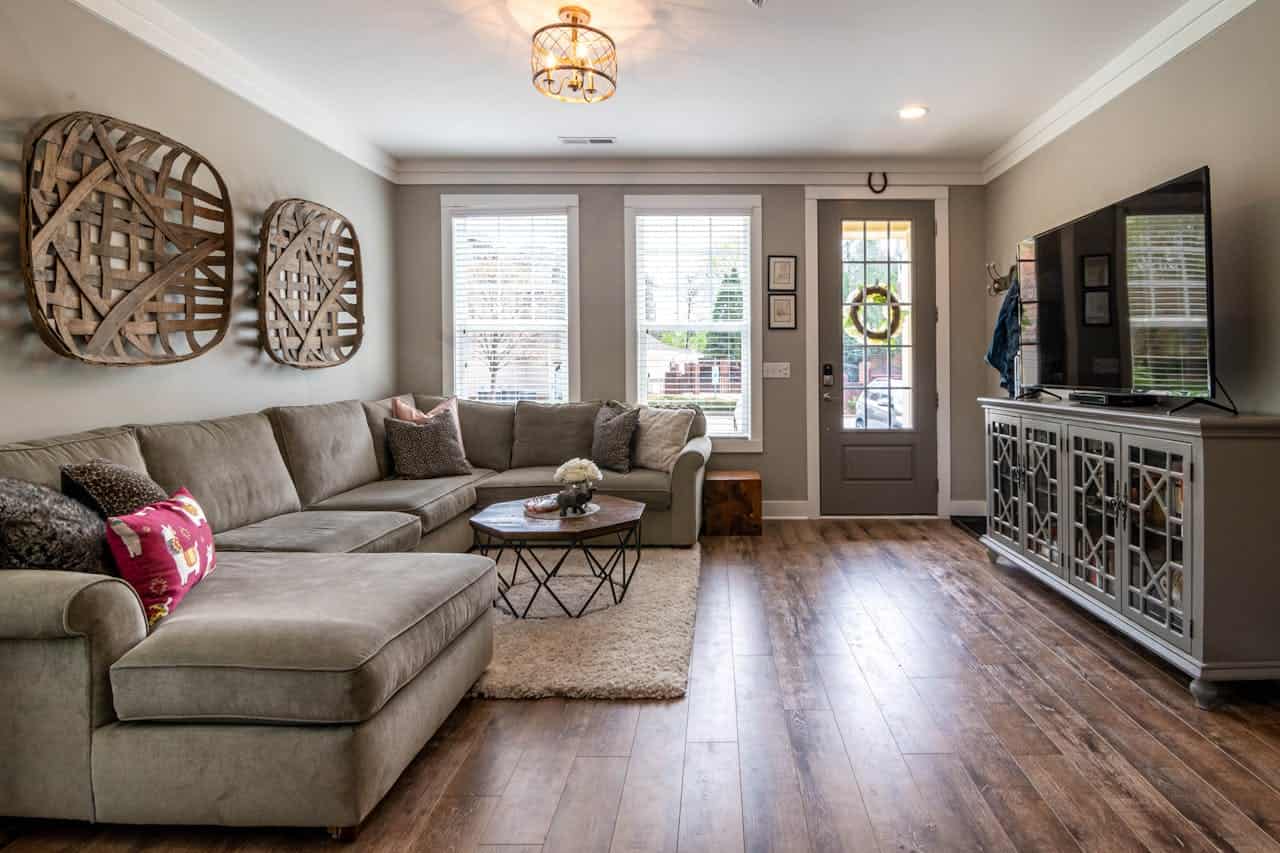
You don’t have to stick to just one design style in a room. Mixing styles can create a unique and personal space that reflects you.
Try blending modern pieces with vintage finds or combining different textures for interest.
Just be intentional about color and scale to keep the look balanced. It’s your room, so let your style evolve!
Using all-white kitchens
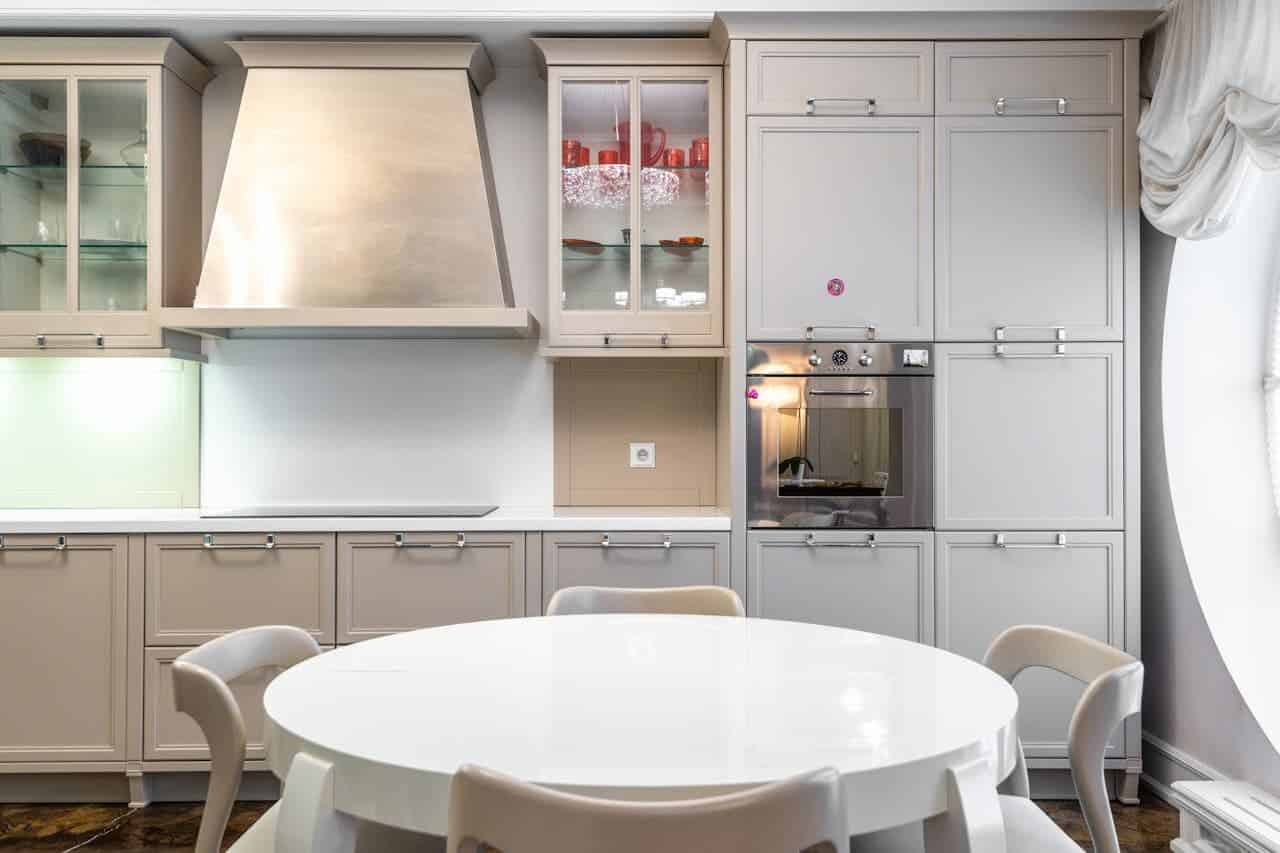
If you always go for an all-white kitchen, you might want to rethink it. White kitchens are still popular, but the pure all-white look is fading.
Warm tones and mixed materials are becoming more popular to add personality and avoid a sterile feel.
You can keep white as a base but adding texture or color will make your kitchen feel more inviting and current.
Choosing distressed furniture unless it’s an antique
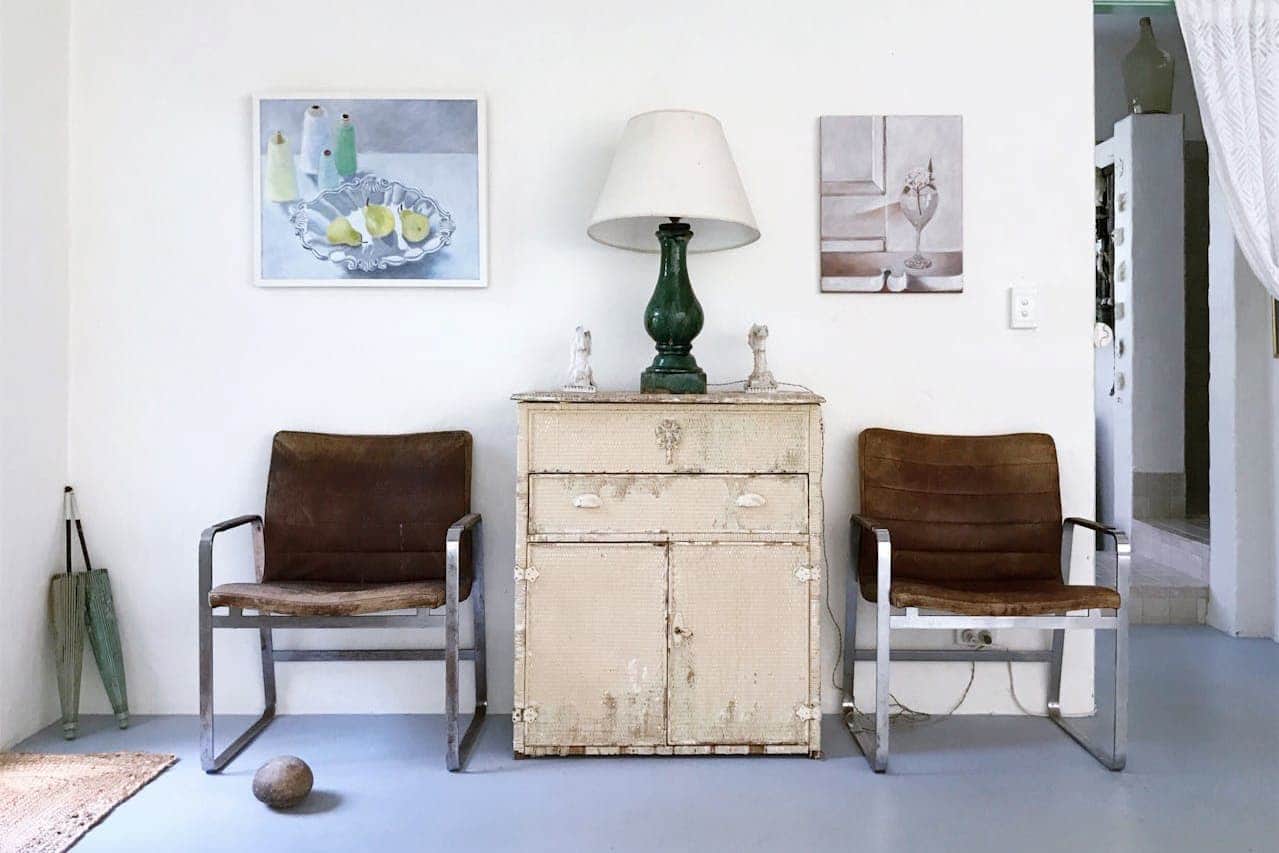
You might think distressed furniture adds charm, but it often looks outdated unless it’s a genuine antique.
Mass-produced distressed pieces can feel forced and may quickly go out of style.
If you love the rustic look, focus on authentic items that show natural aging. Those bring real character and stand the test of time.
Recessed lighting as a must-have
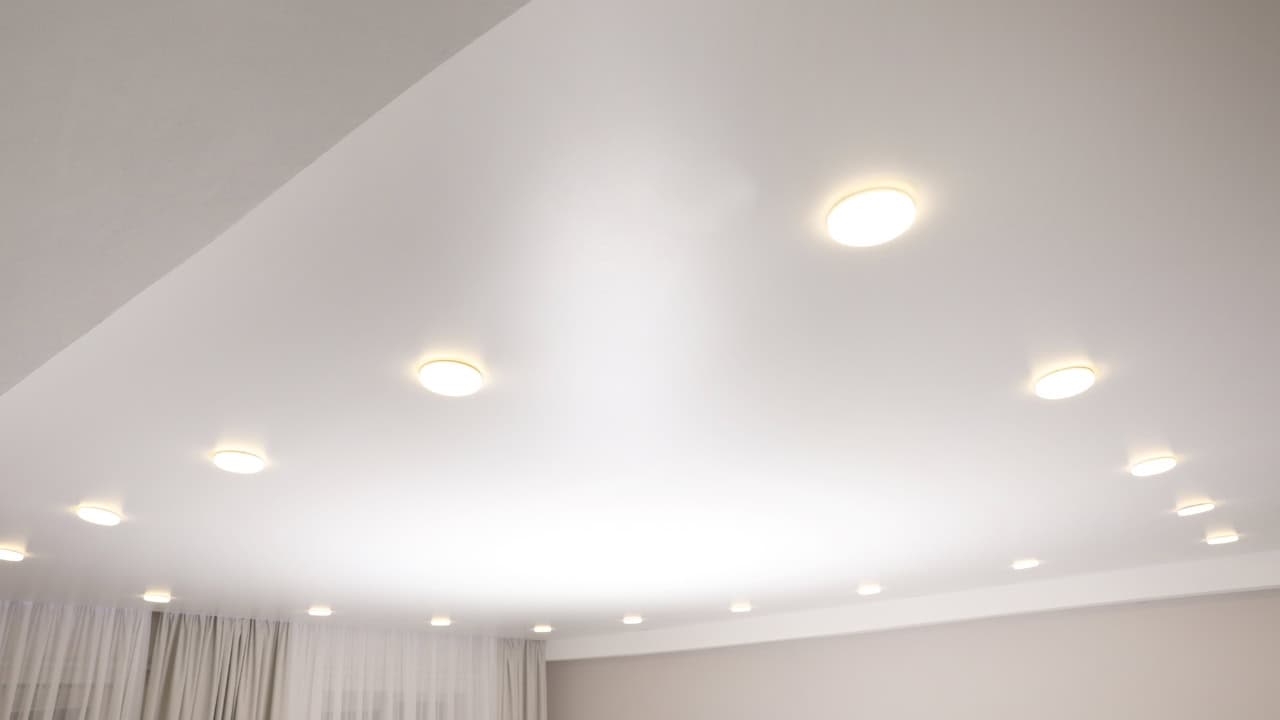
You don’t have to rely on recessed lighting as a default. While it can provide general illumination, using only recessed lights limits how you control the mood in a room.
Consider mixing in other light sources like pendants or lamps. This variety gives your space personality and better adaptability for different activities.
Boucle fabrics as trendy
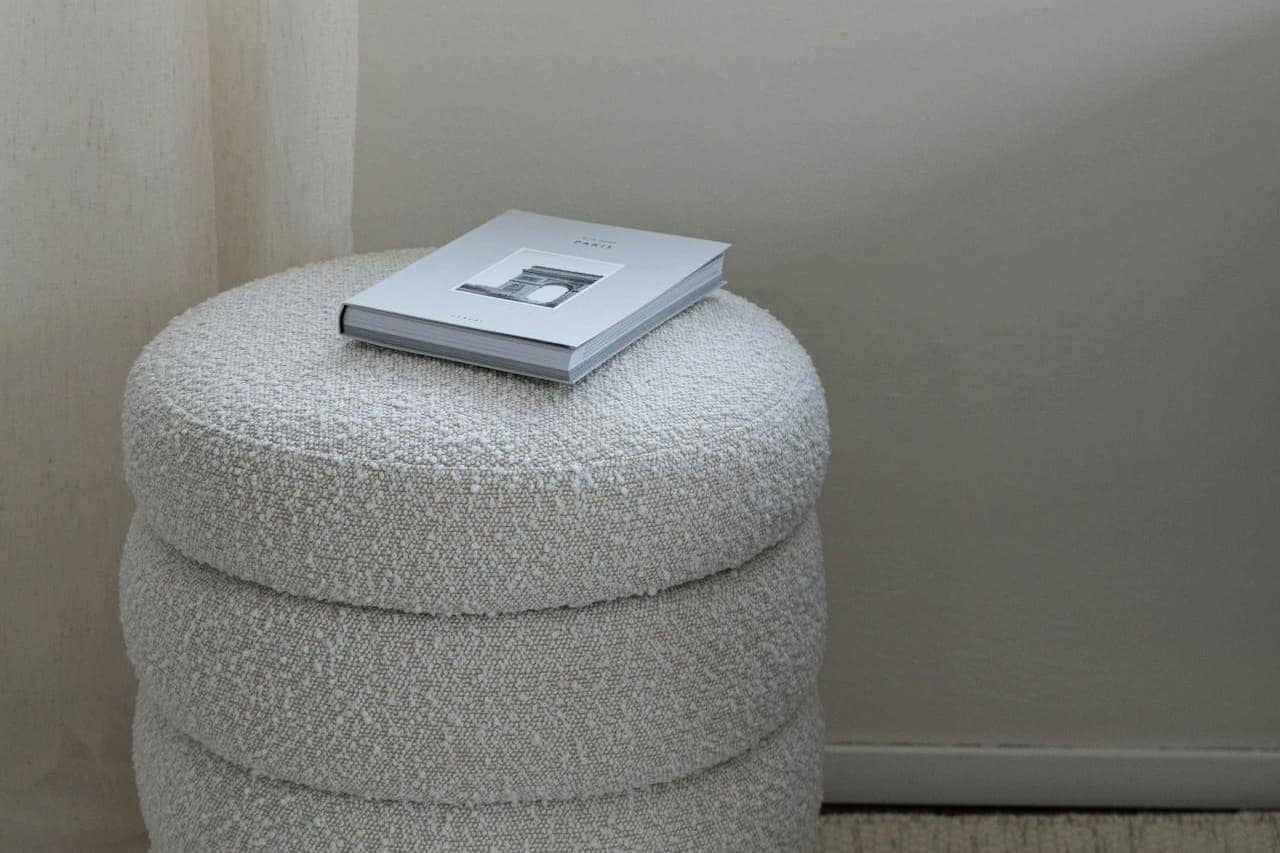
You might have noticed boucle fabrics popping up everywhere recently. While it’s still popular, using it too much or on large furniture pieces can feel outdated.
Try incorporating boucle in smaller accents instead of bold statements. This keeps your space fresh without overdoing the texture.
Relying solely on gray floors and walls
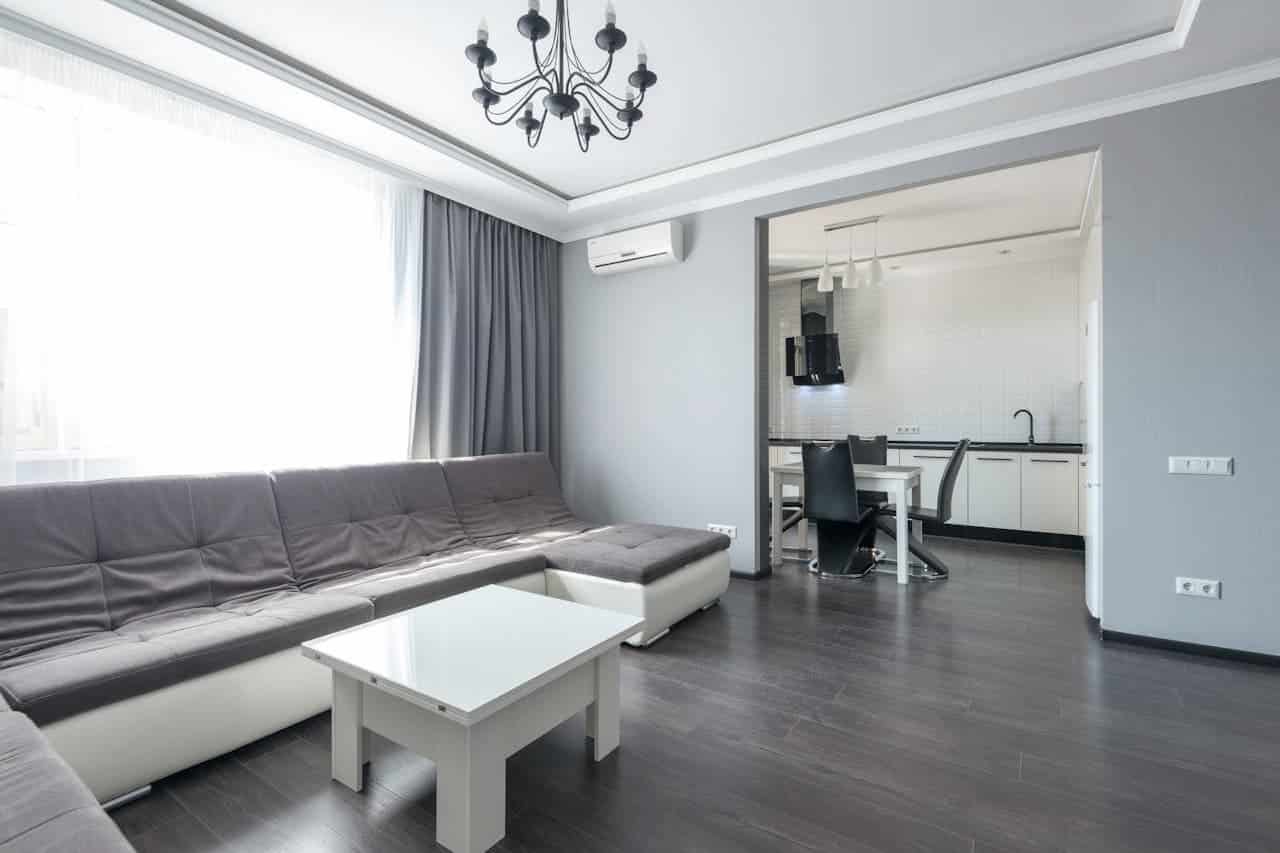
If your space depends only on gray floors and walls, it might feel cold or flat. You can warm it up by adding textures, warm-toned accessories, or plants.
Gray isn’t disappearing, but using it exclusively can make your home feel lifeless. Mixing in other colors or materials will bring balance and personality to your rooms.