When you decide to improve your home, it’s natural to want to increase its value. However, not every renovation will boost what your home is worth. Knowing which projects don’t add value can help you avoid wasting time and money.
Understanding this can help you focus on upgrades that really make a difference when it comes to resale or overall investment. This article looks at common home improvements that, despite their appeal, rarely contribute to your home’s market price.
Advertisement
Swimming Pool
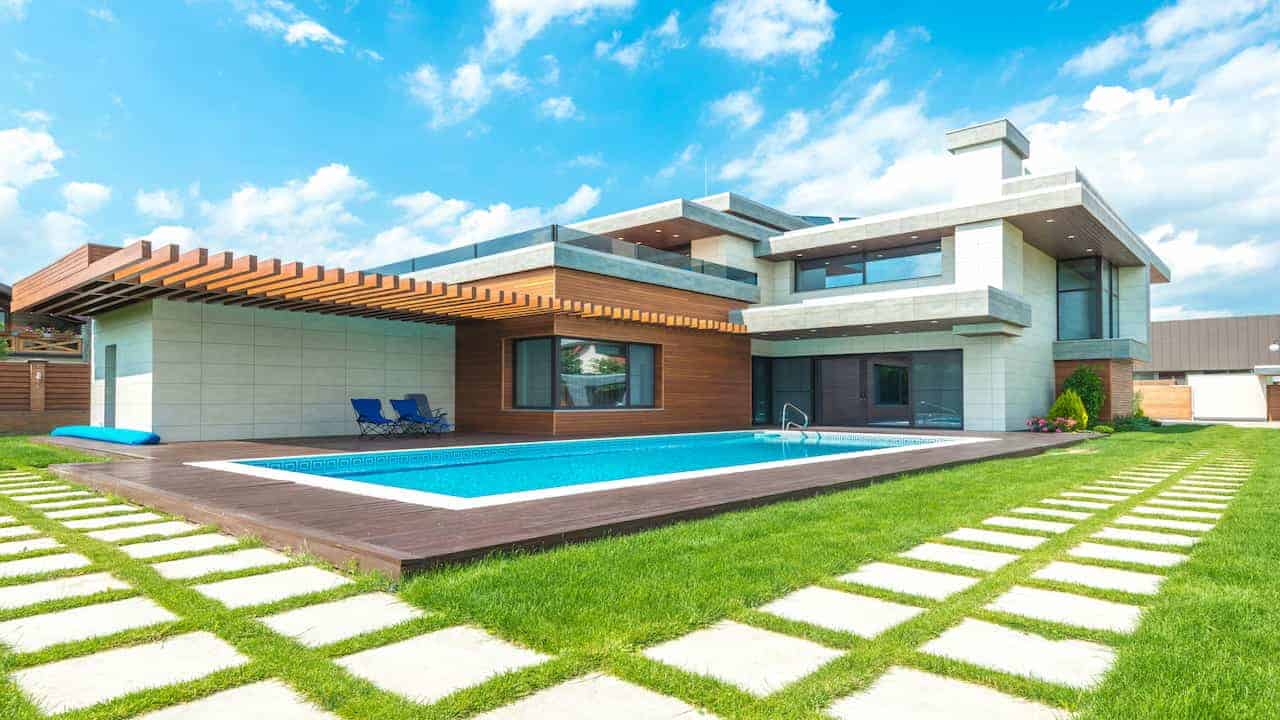
Adding a swimming pool to your home might seem like a fun upgrade. However, it often does not increase your home’s value much.
Pools can be expensive to build, typically costing over $60,000, plus yearly maintenance fees. Many buyers see pools as extra work or a liability.
If you live in a warm climate where pools are common, the value might improve slightly. Otherwise, a pool may not be the best investment for your home’s resale.
Three-Season Porch/Sunroom
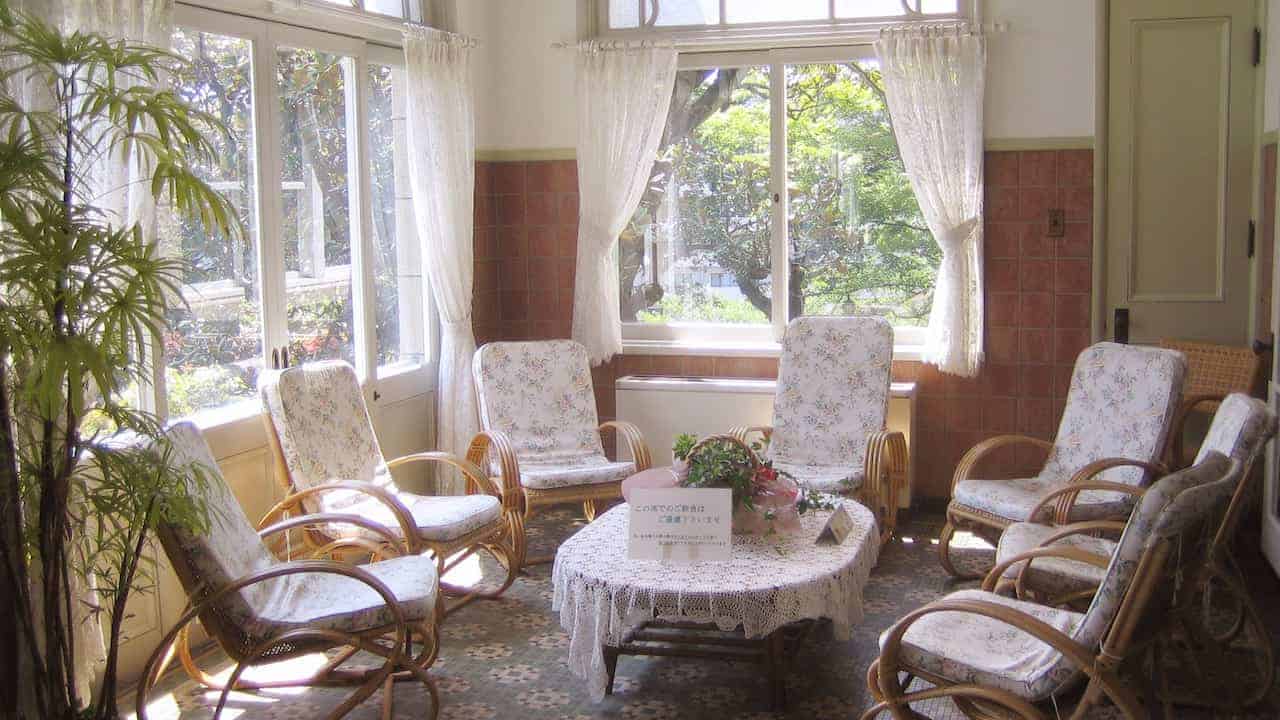
Adding a three-season porch or sunroom can create a nice space for relaxing without full climate control. However, because these rooms usually lack insulation and heating, they don’t add significant value to your home.
You might enjoy the extra light and connection to the outdoors, but potential buyers often see these spaces as less usable year-round. This limits their appeal and impact on resale price. Consider your lifestyle carefully before investing.
Luxury Pizza Oven

Adding a luxury pizza oven might sound like a fun upgrade for your home. However, these ovens often come with high installation and maintenance costs.
Most buyers see them as a luxury rather than a necessity. This means your investment is unlikely to increase your home’s resale value. Think carefully before prioritizing this feature if your goal is to add financial value.
DIY Home Improvement Projects
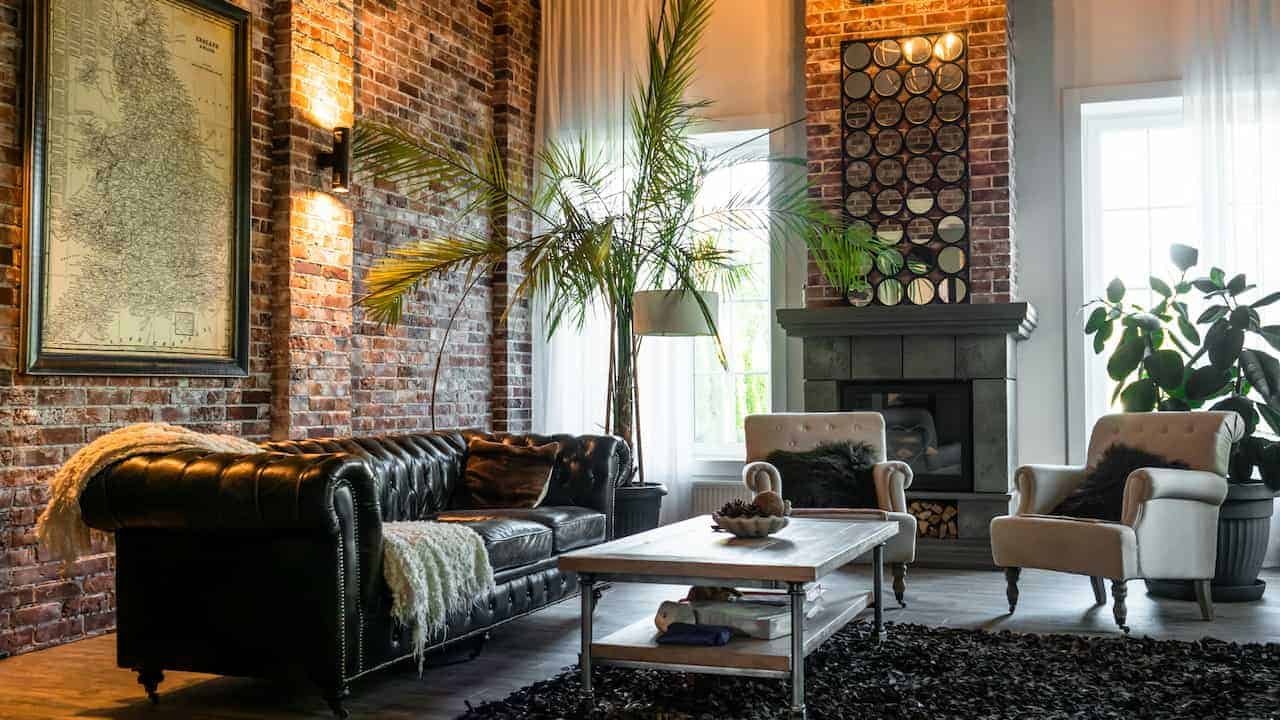
You might enjoy tackling DIY projects around your home, but not all of them add value when it’s time to sell. Buyers often spot DIY work and may see it as less professional or even a potential issue.
Simple fixes like painting or small repairs are fine. However, elaborate DIY upgrades, like a fake fireplace or hand-painted cabinets, typically won’t increase your home’s resale price. It’s best to keep projects manageable and well-done.
High-End Bathroom Remodels
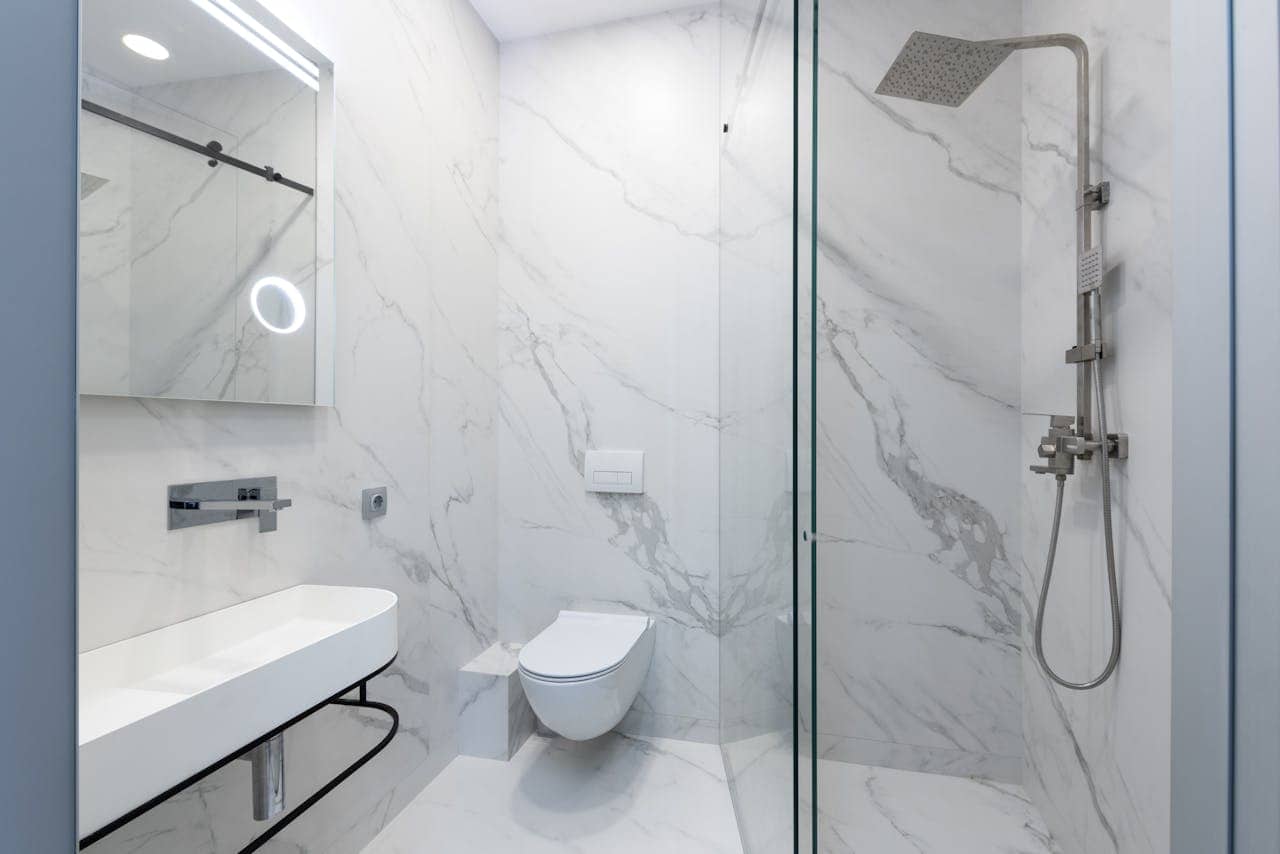
If you’re thinking about a luxury bathroom upgrade, keep in mind it might not add much value. Fancy fixtures and upscale finishes often reflect your personal taste, which not all buyers will share.
A simple update like new flooring or a modern vanity can be a smarter investment. Going overboard with expensive features might not pay off when you sell.
Adding a Front Door Upgrade Alone
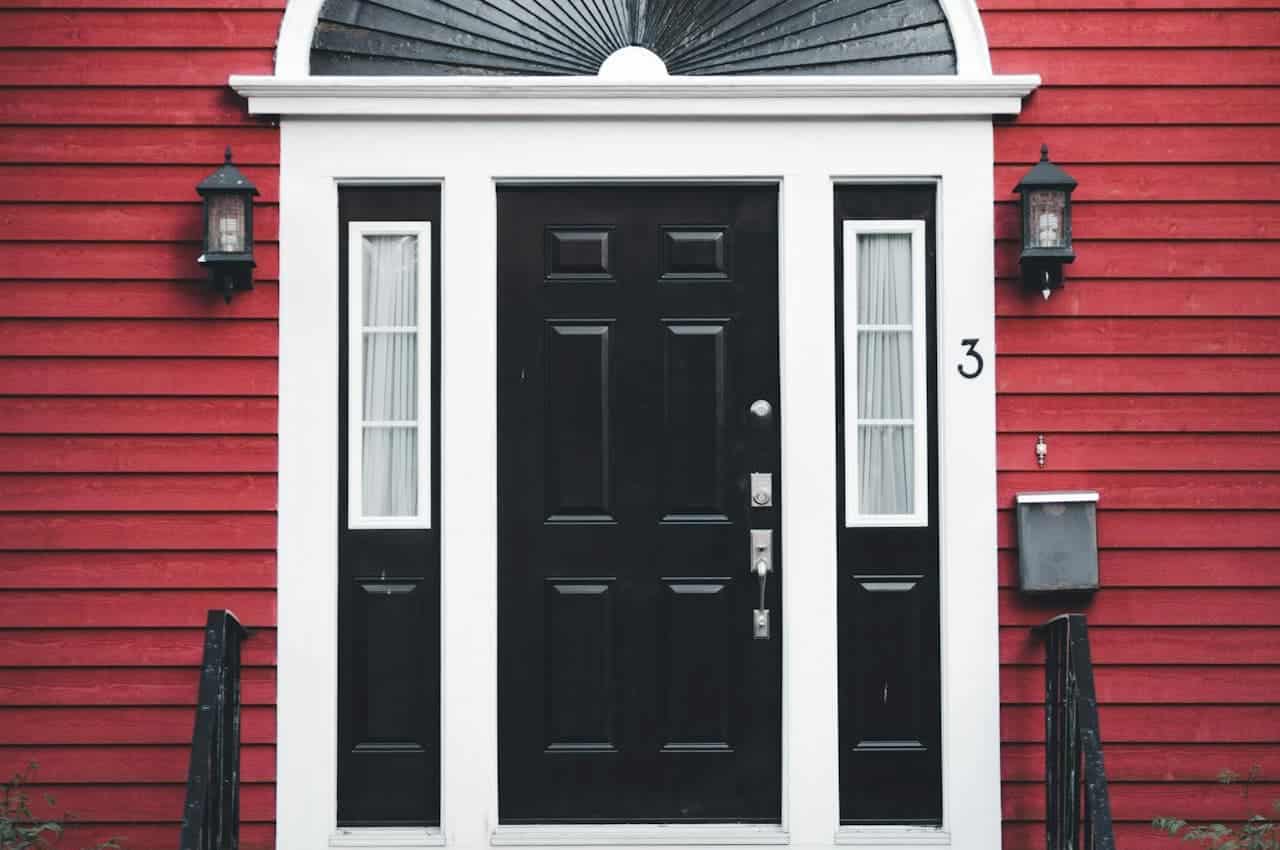
Replacing your front door by itself usually doesn’t boost your home’s value much. It can be a costly change that might not give you the return you expect.
Instead, consider simple updates like repainting your door or adding plants to the porch. These small touches can improve curb appeal without a big expense.
Focusing on the whole entryway often works better than upgrading just one part. This helps create a more inviting first impression for visitors or buyers.
Extensive Landscaping Overhauls

You might think a major landscaping redo will boost your home’s value, but extensive projects often don’t pay off. Large scale changes can be costly, and buyers may not see the full worth of what you spent.
Simple updates like fresh mulch or neat plantings usually offer better returns. Focus on easy-to-maintain improvements that enhance curb appeal without breaking the bank.
Custom Built-in Bookshelves

Custom built-in bookshelves may seem like a great way to personalize your space. However, they don’t always add significant value to your home. If the craftsmanship or materials aren’t top quality, buyers might see them as outdated or too specific to your taste.
Also, built-ins can limit flexibility in future decorating or layouts. If you plan to sell soon, consider whether the investment aligns with what local buyers want. Sometimes, simpler shelving options may be a better choice.
Home Theaters
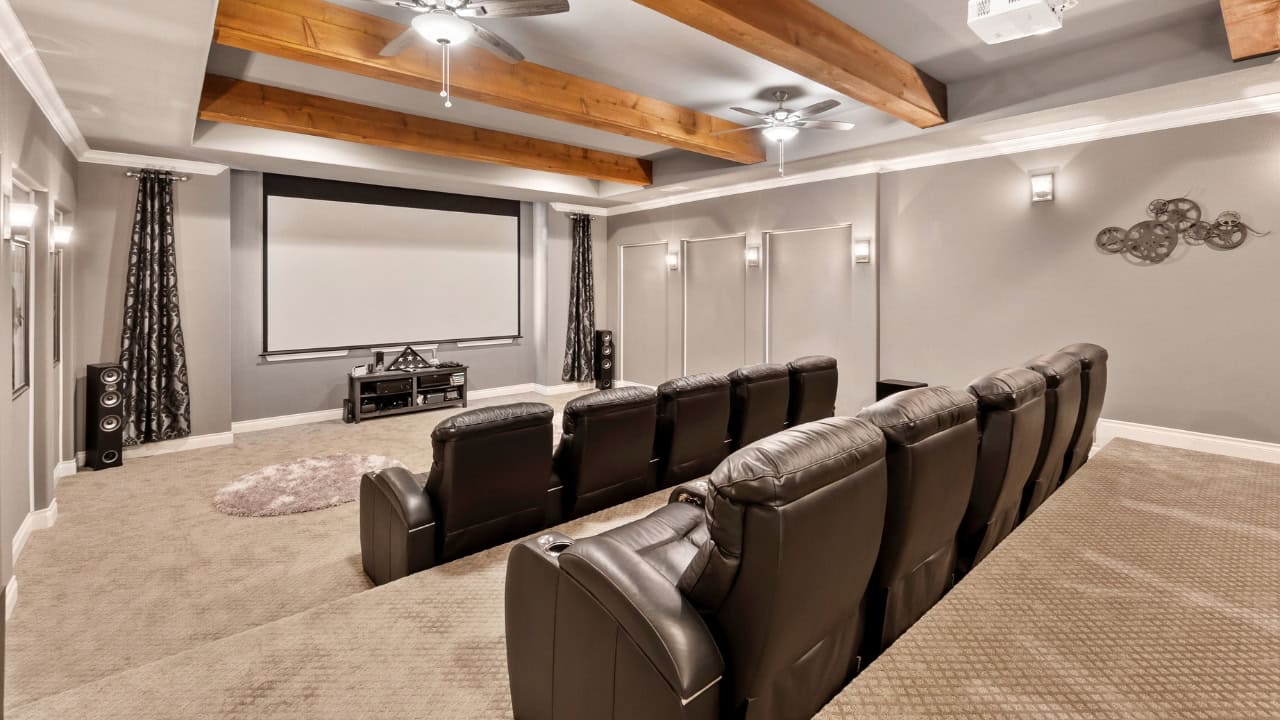
Adding a home theater might sound exciting, but it rarely adds value to your home. Most buyers prefer to use living spaces flexibly rather than having a dedicated theater room.
The cost to create a high-end setup can be high, and it usually doesn’t pay off in the sale price. Instead, focus on improvements that appeal to more people.
In-Ground Hot Tubs
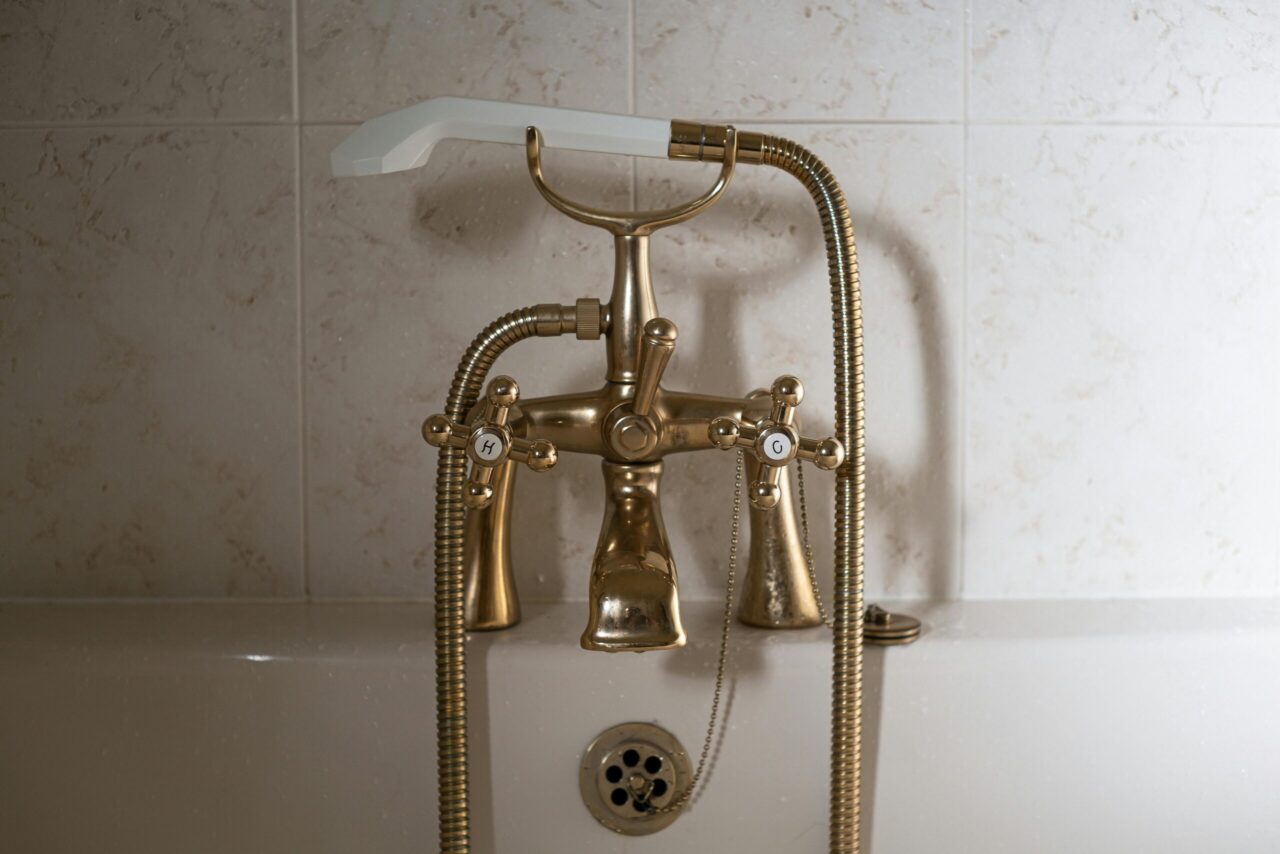
If you install an in-ground hot tub, don’t expect it to boost your home’s value much. These additions are often seen as personal features, making them less appealing to many buyers.
You may enjoy your hot tub, but future buyers might see it as extra maintenance or a removal hassle. It’s a nice luxury for you, but it rarely translates into higher offers.
Overpriced Kitchen Islands
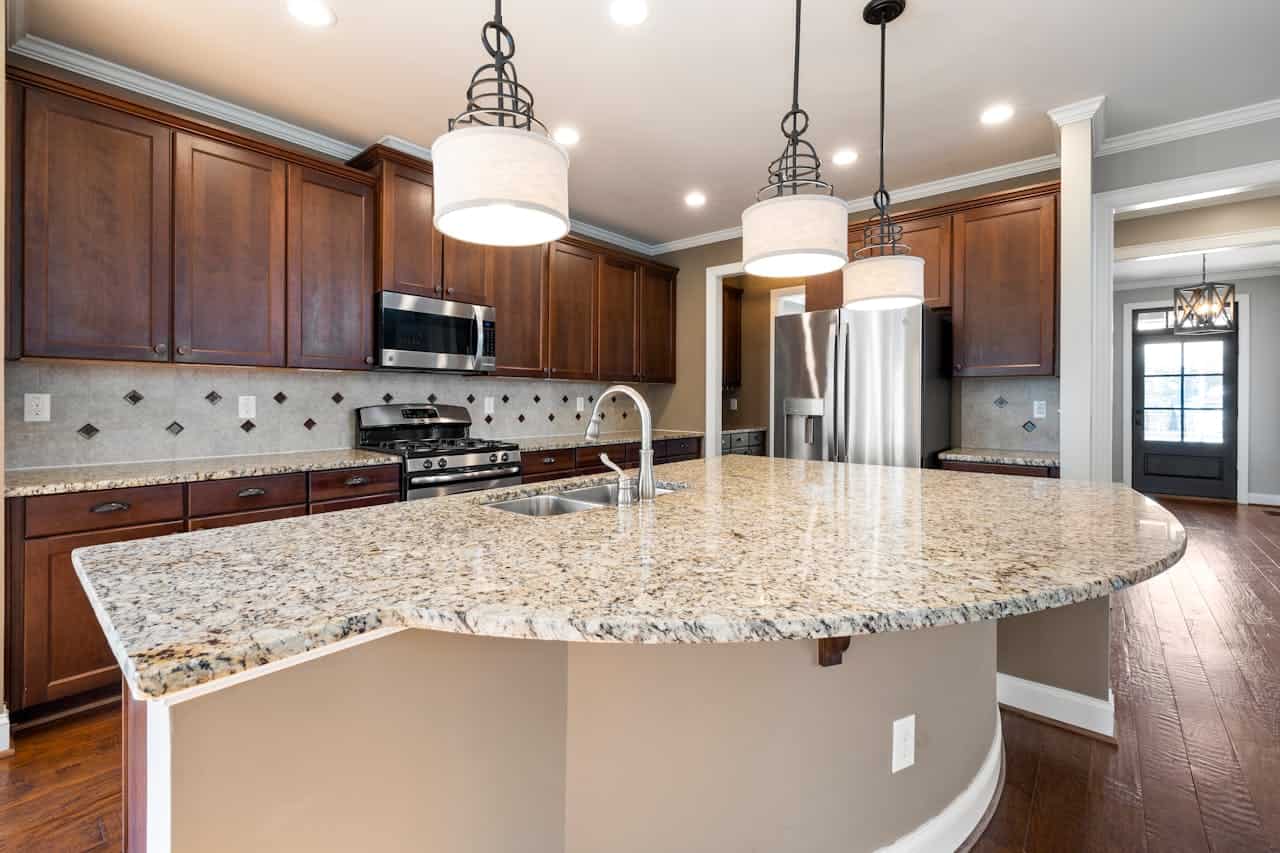
You might think a large, custom kitchen island will boost your home’s value. However, expensive kitchen islands often don’t give you a solid return on your investment.
If you spend a lot on materials or design, it can be hard to recoup those costs later.
Keep your island functional and simple to appeal to a wider range of buyers, rather than focusing on costly features you enjoy but others might not.
Converting Garages to Living Space
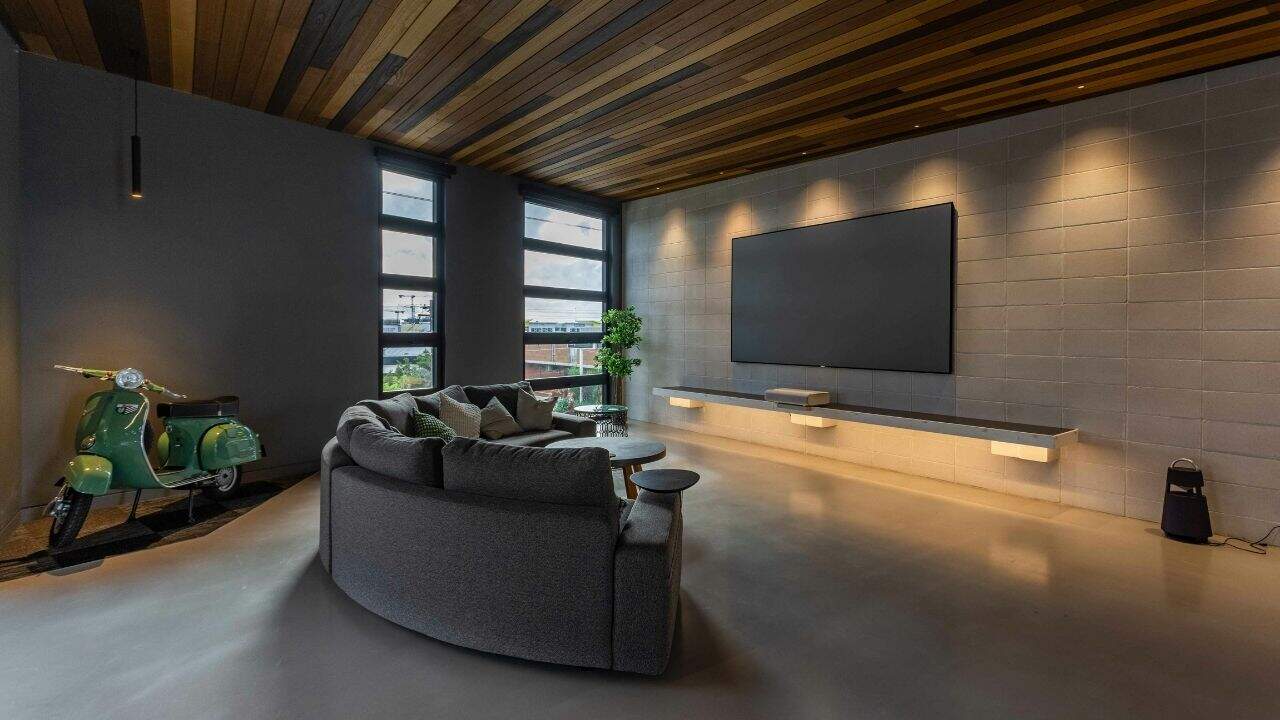
Converting your garage into living space might sound like a great idea, but it doesn’t always add value to your home. If your neighborhood values parking, losing your garage can be a downside.
You’ll also face costs for permits, electrical, and plumbing work that can add up quickly. Consider whether the added space truly fits your needs without hurting your home’s market appeal.
Luxury Bedrooms
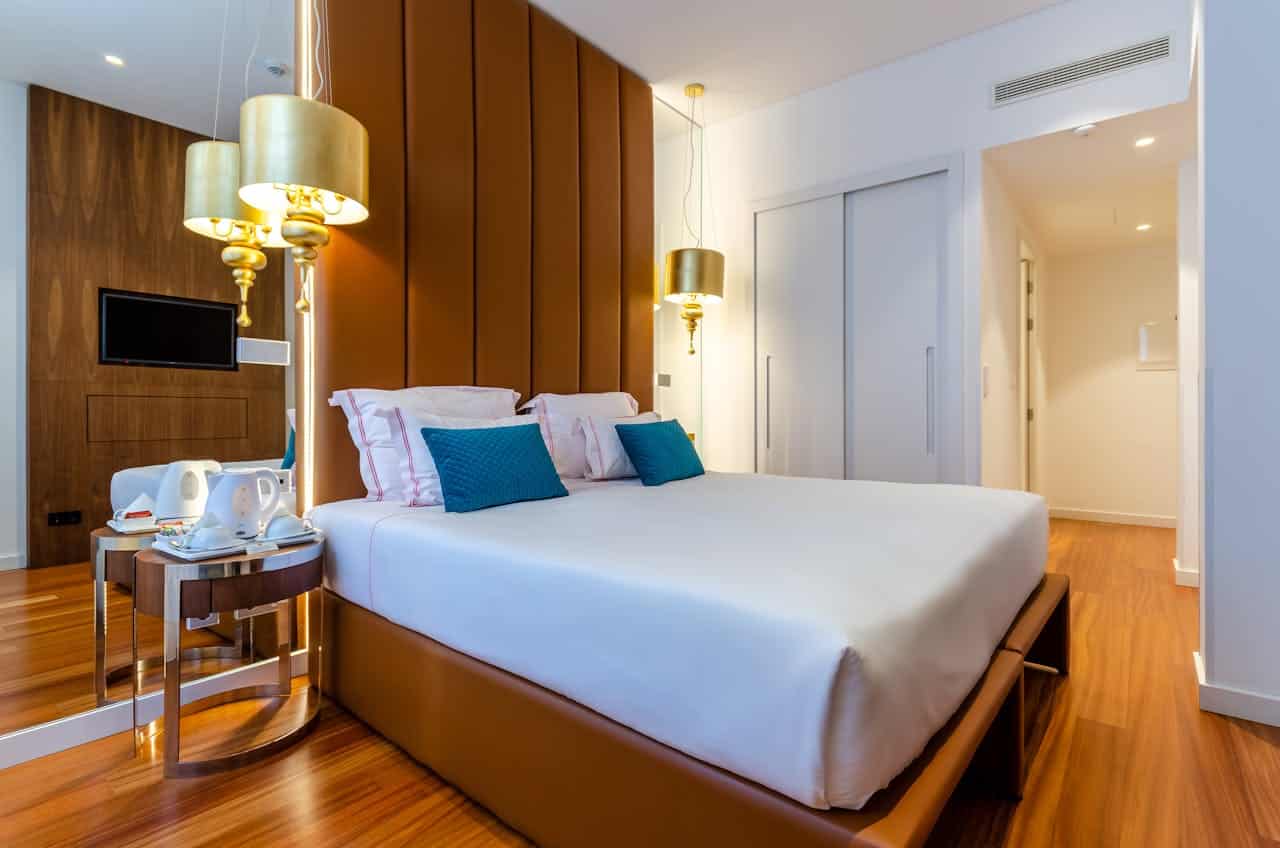
If you’re thinking about upgrading your bedroom to make it ultra-luxurious, keep in mind it might not increase your home’s value. Many buyers prefer more practical spaces over lavish features.
Adding high-end finishes or expanding closet space at the cost of losing bedrooms can actually reduce appeal. Focus on creating comfortable, functional rooms instead of overly extravagant ones.
Why Some Home Improvements Don’t Add Value
Certain upgrades might seem appealing to you but may not translate into higher resale value. This often happens because buyers have specific tastes and preferences, and some renovations reflect your personal style more than broad market appeal. Understanding these factors can help you choose projects that matter.
Understanding Buyer Preferences
Buyers usually look for improvements that enhance functionality, appeal to a wide audience, or update outdated features. Projects like custom-built furniture, overly unique décor, or niche amenities often fail to attract buyers.
For example, installing a high-end, personalized lighting system may delight you, but most buyers won’t see it as valuable. Instead, they might focus on basic updates like fresh paint or modern kitchens.
If a home improvement doesn’t align with what buyers expect in your neighborhood or price range, it can be hard to recover your investment. Stick to improvements that match common buyer demands to boost your home’s marketability.
Over-Personalization Risks
When you make changes based heavily on your preferences, it can alienate potential buyers. Bold color choices, unusual layouts, or themed rooms may reduce the home’s appeal.
Think about how a buyer might react walking through your space. If your customizations are too specific—like a gym with very specialized equipment—it might limit the buyer pool.
Personalized features often mean a buyer must spend additional money or effort to undo the changes. This can lower the perceived value of your home, even if the improvements were costly or time-consuming for you.
How to Prioritize Value-Boosting Projects
When deciding which home improvements to tackle first, focus on projects that directly increase your home’s appeal and fit the expectations of your local market. This helps ensure your investment leads to a better resale value without overspending.
Focusing on Curb Appeal
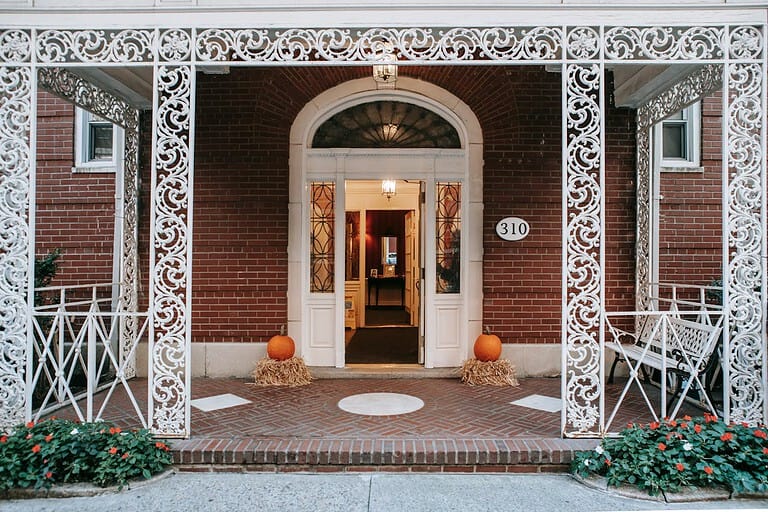
Your home’s exterior is the first thing buyers see, so prioritizing curb appeal is smart. Simple upgrades like painting your front door, adding new house numbers, or refreshing landscaping can add thousands to your home’s value. For example, turning your front porch into a welcoming focal point can increase value by around $5,600.
Maintenance also matters—make sure the lawn is clean, gutters are clear, and exterior paint looks fresh. These quick fixes are often low-cost but have a high impact on first impressions. Avoid elaborate or costly changes here, as they may not pay off proportionally.
Considering Local Market Trends
Not all improvements increase value equally everywhere. Your local market’s preferences significantly affect what buyers want. Research what homes in your area sell for and which features they commonly include.
Pay attention to upgrades popular in your neighborhood, such as energy-efficient windows in colder climates or outdoor living spaces where the weather permits. Avoid spending on trends that don’t match local demand.
You can often find this information through local real estate agents, market reports, or recent sales data. Aligning your projects with local expectations helps you get the best return on investment.