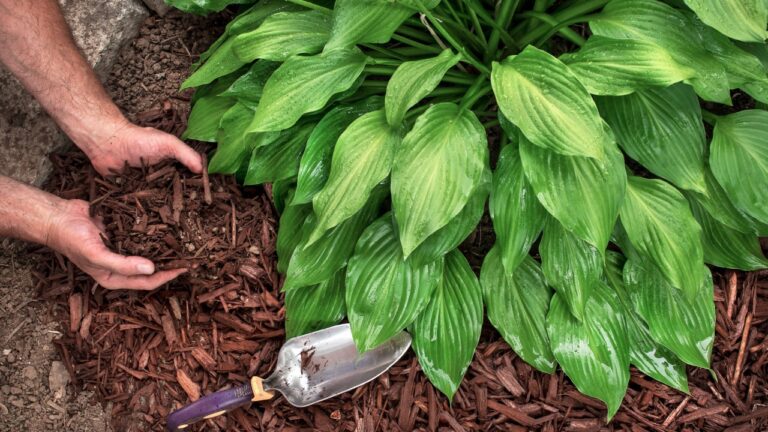
Gardening can be a rewarding and fulfilling hobby, but it often comes with a lot of advice. You might find yourself following practices that are supposed to ensure healthy plant growth, yet they might not always work for you. By examining common gardening practices and deciding to set some aside, you can discover what truly enhances your garden’s health.
As you care for your plants, it’s important to stay open to new ideas and strategies. Sometimes, letting go of outdated or ineffective methods can lead to surprising improvements in your gardening success. Making informed adjustments to your routine can pave the way for healthier plants and a more enjoyable gardening experience.
Advertisement
Overwatering leads to root rot

Overwatering is one of the most common mistakes gardeners make. When you give your plants too much water, the soil can become waterlogged. This condition prevents oxygen from reaching the roots.
Without oxygen, your plant roots can start to decay, leading to root rot. Symptoms include yellowing leaves and stunted growth. If you notice these signs, it might be time to cut back on watering.
To prevent this, make sure your pots have proper drainage. Always check the soil moisture before adding water. Remember, it’s better to underwater than to overwater.
Avoid watering leaves to prevent mold

When you water your plants, focus on the soil rather than the leaves. Keeping foliage dry helps reduce the risk of mold and fungal diseases.
Wet leaves create a perfect environment for pests and diseases to thrive. By watering at the base, you’re ensuring that your plants get the moisture they need without an unnecessary risk.
This simple change can lead to healthier plants and, ultimately, better growth. Plus, it saves you time on dealing with mold issues later on.
Stop pruning boxwoods too late

Pruning your boxwoods too late in the season can harm their growth. It’s best to trim them in early spring while they’re still dormant. This helps reduce stress on the plants and encourages healthy new growth.
If you wait too long, you might disrupt their natural growth cycle. Aim to prune before the sap starts running, as this is when they can handle trimming best. Keeping this in mind will lead to healthier and happier boxwoods in your garden.
Skip Mowing Grass Too Short

You might think that cutting your grass short means less frequent mowing, but that can backfire. If you mow too short, you risk stressing the grass. It has to tap into its energy reserves, which can stunt growth and even lead to root dieback.
Keeping your grass at the proper height helps it stay healthy and resilient. Aim for about 2 to 3 inches for the best results. This length protects the soil and reduces evaporation, making it easier for your lawn to thrive.
No more mismatched plant heights

Ilya Burov from Getty Images/ Canva Pro.
If you want your garden to thrive, pay attention to plant heights. Avoid stacking tall plants behind shorter ones. This can create shading issues where smaller plants don’t get enough light.
Grouping plants by height allows for better air circulation and light distribution. It also makes your garden visually appealing. You can create dynamic layers by placing taller plants at the back and shorter ones in front.
This practice not only helps your plants grow better but also makes your garden look more organized. Embracing this concept will enhance your gardening experience and promote healthier growth.
Deep, infrequent watering encourages roots
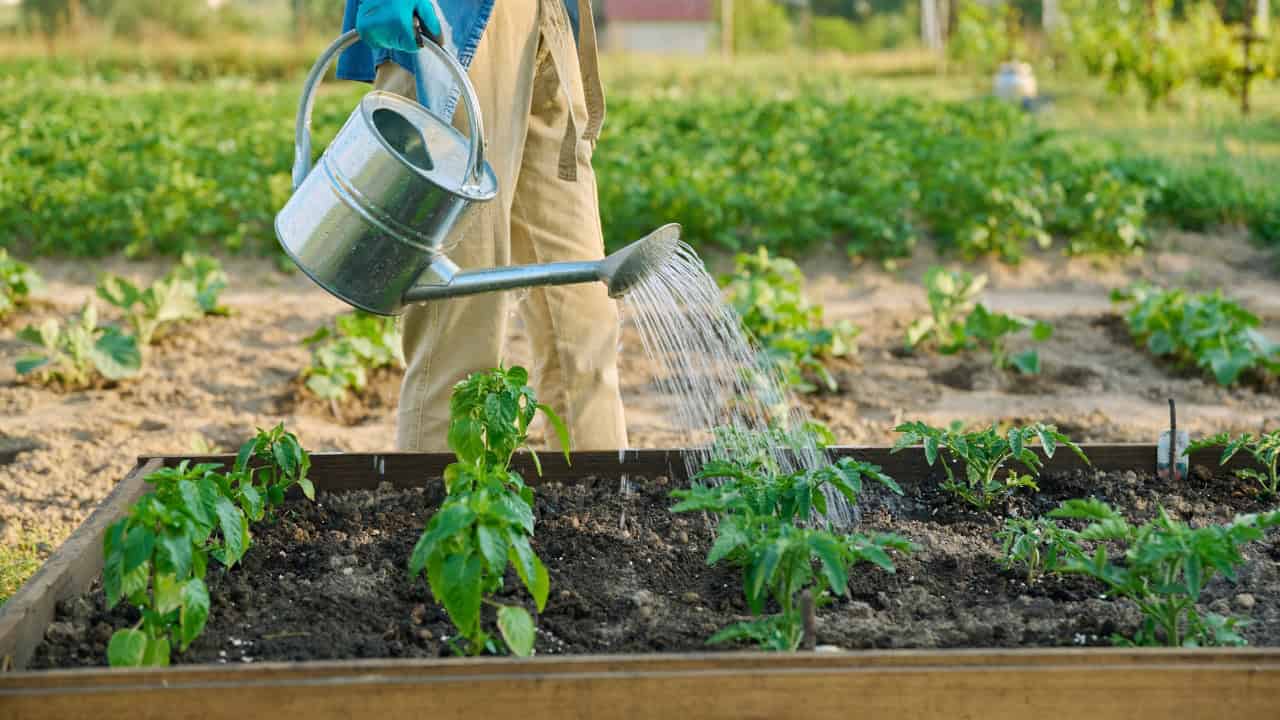
Instead of daily watering, try deep, infrequent watering. This practice helps your plants develop stronger, deeper roots.
When you water deeply, the moisture reaches further down into the soil. This encourages roots to stretch out, seeking water and nutrients.
The result? Healthier plants that can better withstand drought conditions. You will notice that your garden thrives even during dry spells.
Watering early in the morning is ideal, as it reduces evaporation. By allowing the top layer of soil to dry out between watering, you promote better root growth.
Reduce soil disturbance with ‘No Dig’
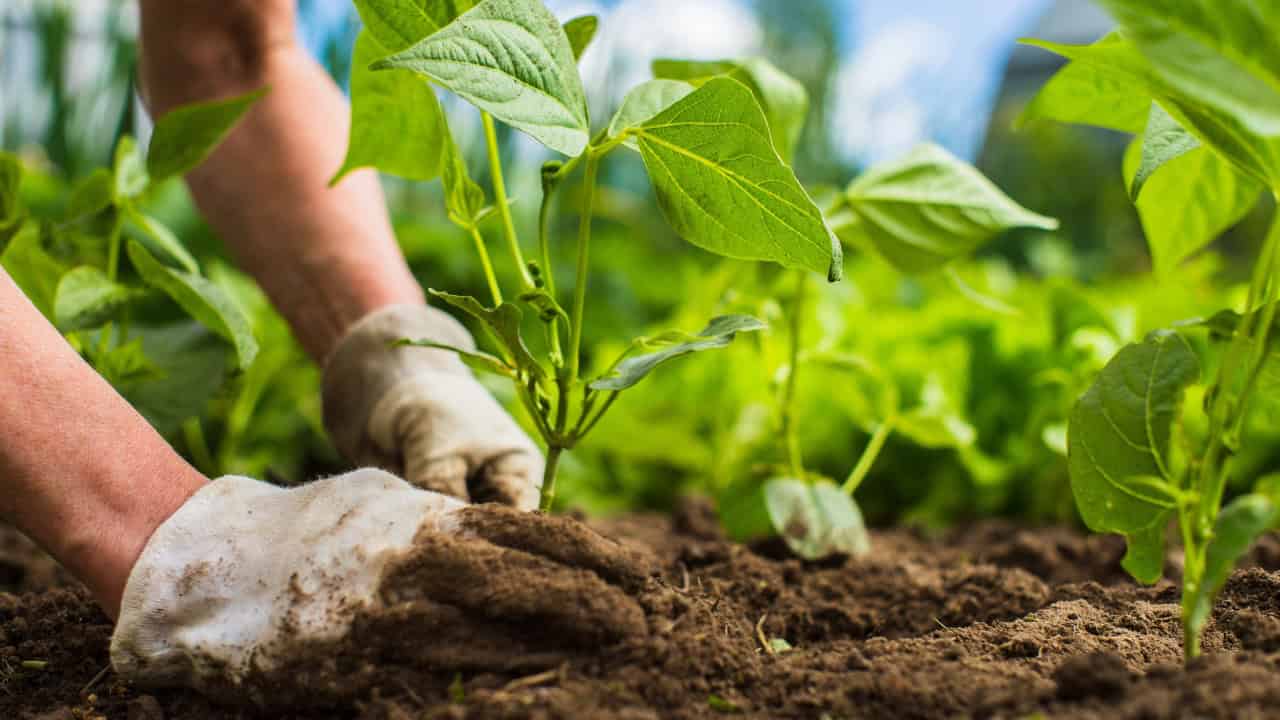
Switching to a no-dig gardening method can really boost your plant growth. By avoiding soil disturbance, you help maintain the natural structure and health of the soil.
With no-dig, you simply layer organic materials on top of existing soil. This builds up your garden beds without causing compaction or disruption.
Less disturbance means better moisture retention and a thriving ecosystem for beneficial microbes. You’ll find that your plants often thrive with less effort on your part.
Skip compost, use balanced fertilizer
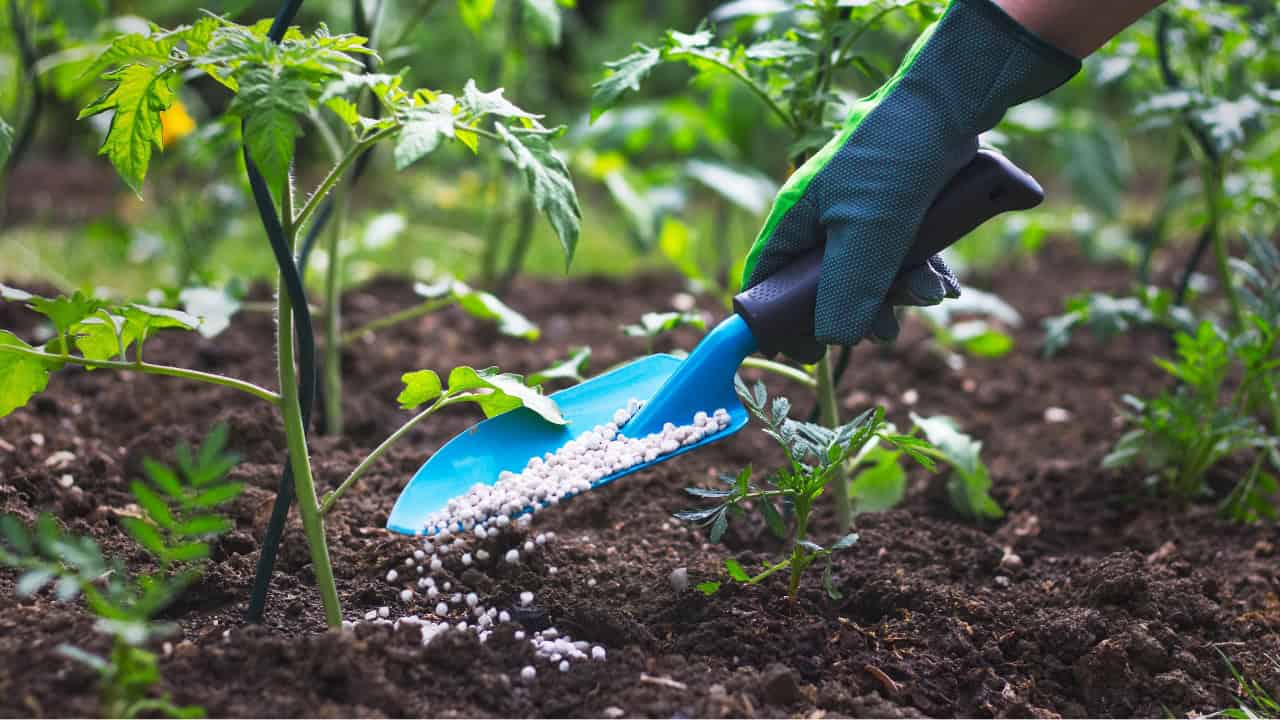
If you’re looking to boost your plants, consider skipping compost for a while. While compost adds nutrients, a balanced fertilizer can provide a quicker nutrient boost.
Balanced fertilizers contain essential nutrients like nitrogen, phosphorus, and potassium in the right ratios for healthy growth. This can be particularly helpful for plants that need extra support during their growing season.
Using a balanced fertilizer allows you to tailor your feeding schedule more precisely. Just be sure to follow the instructions for application to avoid over-fertilizing.
Abandon Outdoor Non-Native Species
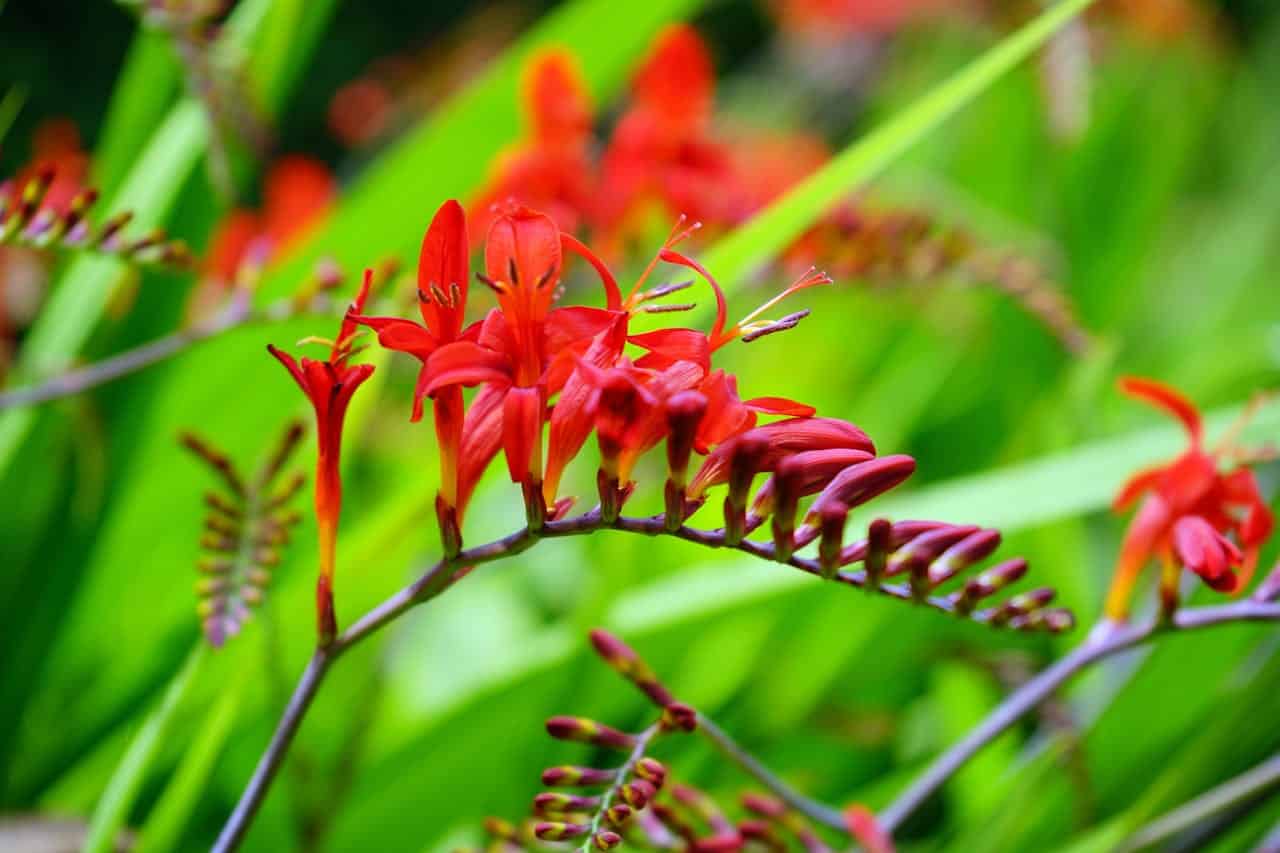
If you’re looking to boost your garden’s health, consider leaving non-native species behind. These plants can compete with local flora and harm native ecosystems. They often struggle to adapt and may not support your local wildlife.
Focusing on native species creates a more balanced garden. These plants are better suited to your local climate and soil conditions. Plus, they typically require less maintenance, since they thrive naturally in your area.
By choosing natives, you’ll attract native pollinators, which can improve your garden’s overall productivity. Embrace the benefits of local plants for a healthier, more sustainable garden!
Ditch watering deeply all the time

You might think that watering deeply is the best way to help your plants thrive. While it’s important to ensure moisture reaches the roots, doing it all the time can lead to problems.
Overwatering can drown roots and promote rot. Instead, vary your watering routine based on your plants’ needs, the type of soil, and the weather. Sometimes, a lighter sprinkle is all that’s needed.
Letting the top layer of soil dry out encourages roots to reach deeper for moisture. This helps strengthen your plants while keeping them healthy and happy. Experiment with different watering depths to see what works best for your garden.
Forget high-maintenance irrigation systems
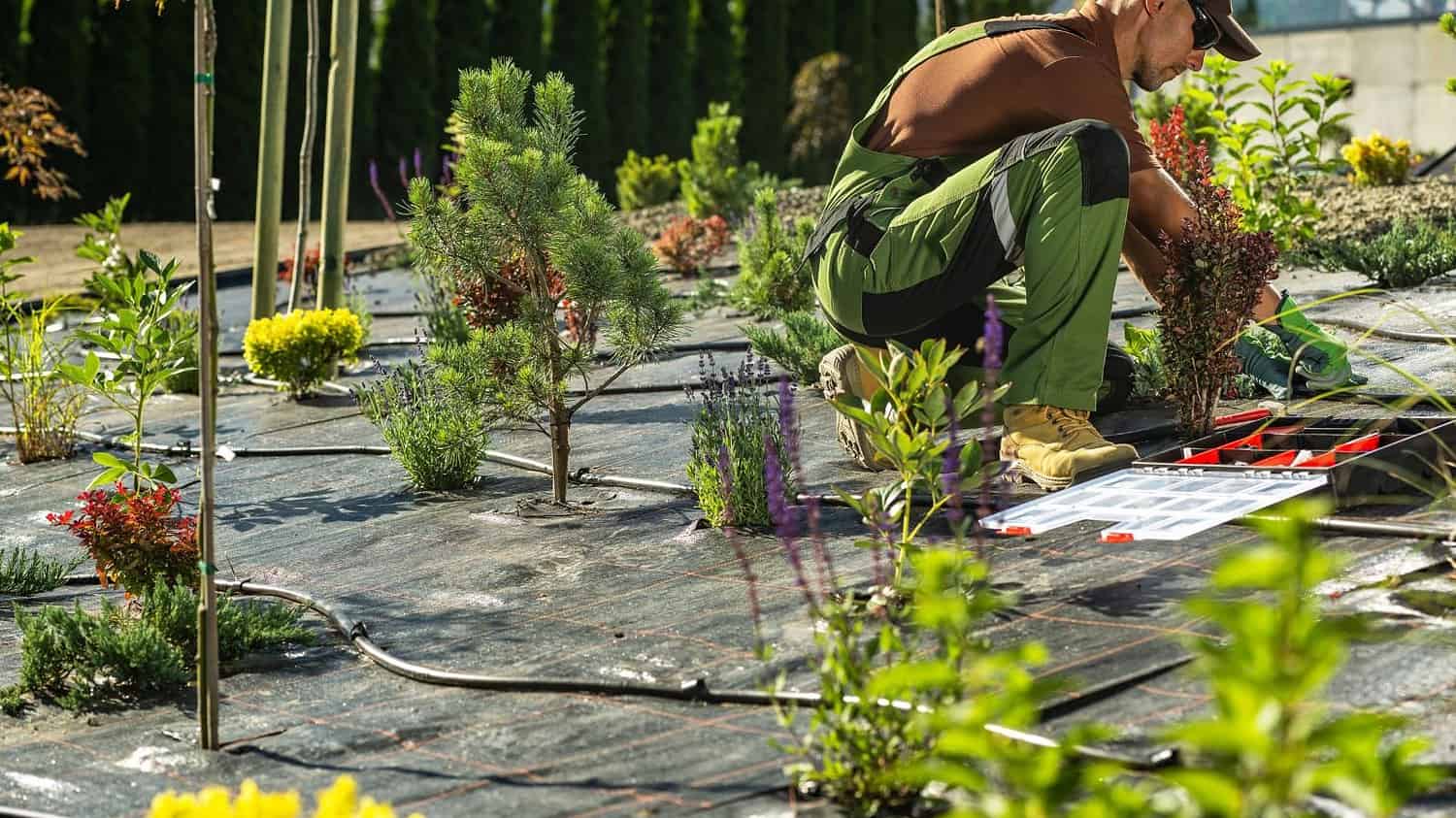
High-maintenance irrigation systems can be a hassle. Instead of complicated setups, consider simpler solutions.
Deep watering works wonders. Just water your plants thoroughly once a week, allowing roots to grow stronger.
Adding mulch can also help retain moisture and prevent weeds, cutting down on your workload.
You might find that a straightforward approach saves time and boosts plant health. Enjoy your garden without the stress of a fancy irrigation setup!
Don’t overcrowd plants in small spaces

When gardening in small spaces, it’s crucial not to overcrowd your plants. Giving each plant enough room to breathe leads to healthier growth and fewer issues like disease.
Follow the spacing recommendations on seed packets. This simple step ensures that your plants have the necessary light and airflow they need to thrive.
Incorporate vertical gardening techniques. Utilizing walls or trellises can provide more growing space without overcrowding your pots or beds.
Avoid planting during heatwaves

Planting during a heatwave can stress your plants. The high temperatures make it harder for them to establish roots.
Instead of planting, focus on keeping your current plants hydrated and healthy. Water them early in the morning or late in the evening when it’s cooler.
Heatwaves can lead to moisture loss in the soil, so consider adding mulch to help retain moisture. If you wait for cooler days, your new plants will have a much better chance of thriving.