Gardening can be a rewarding hobby, but it’s easy to fall for common tips that end up costing you more time and money than necessary. Many myths about planting, soil, and garden care circulate as facts, leading to unnecessary purchases or extra effort that doesn’t improve your garden.
Knowing which gardening beliefs are true and which aren’t helps you avoid wasting money and keeps your garden thriving without frustration. By clearing up these misconceptions, you’ll be able to focus on what really works for your yard and your budget.
Advertisement
Buying expensive Epsom salts for all plants

You might think Epsom salts will boost every plant’s growth, but that’s not usually true. If your soil already has enough magnesium, adding Epsom salts won’t help.
Spending extra money on it for all your plants is often unnecessary. It won’t make more flowers or healthier leaves unless your plants actually need magnesium. Always check your soil first before buying.
Using pine needles in compost piles

You might hear that pine needles are too acidic for compost, but that’s not quite true. When pine needles break down, their acidity lessens and won’t harm your compost.
Adding them to your pile can actually improve airflow because of their shape. Just be sure to mix them well with other materials to keep a balanced compost.
Planting marigolds to repel every pest

You might have heard that planting marigolds will keep all pests away. While marigolds do release some compounds that can deter certain insects like nematodes, they won’t repel every pest in your garden.
In fact, marigolds can attract other pests like mites. So, relying on them alone might not protect your plants fully. They are great for adding color and supporting pollinators but should be part of a broader pest management plan.
Relying on banana peels as magic fertilizer
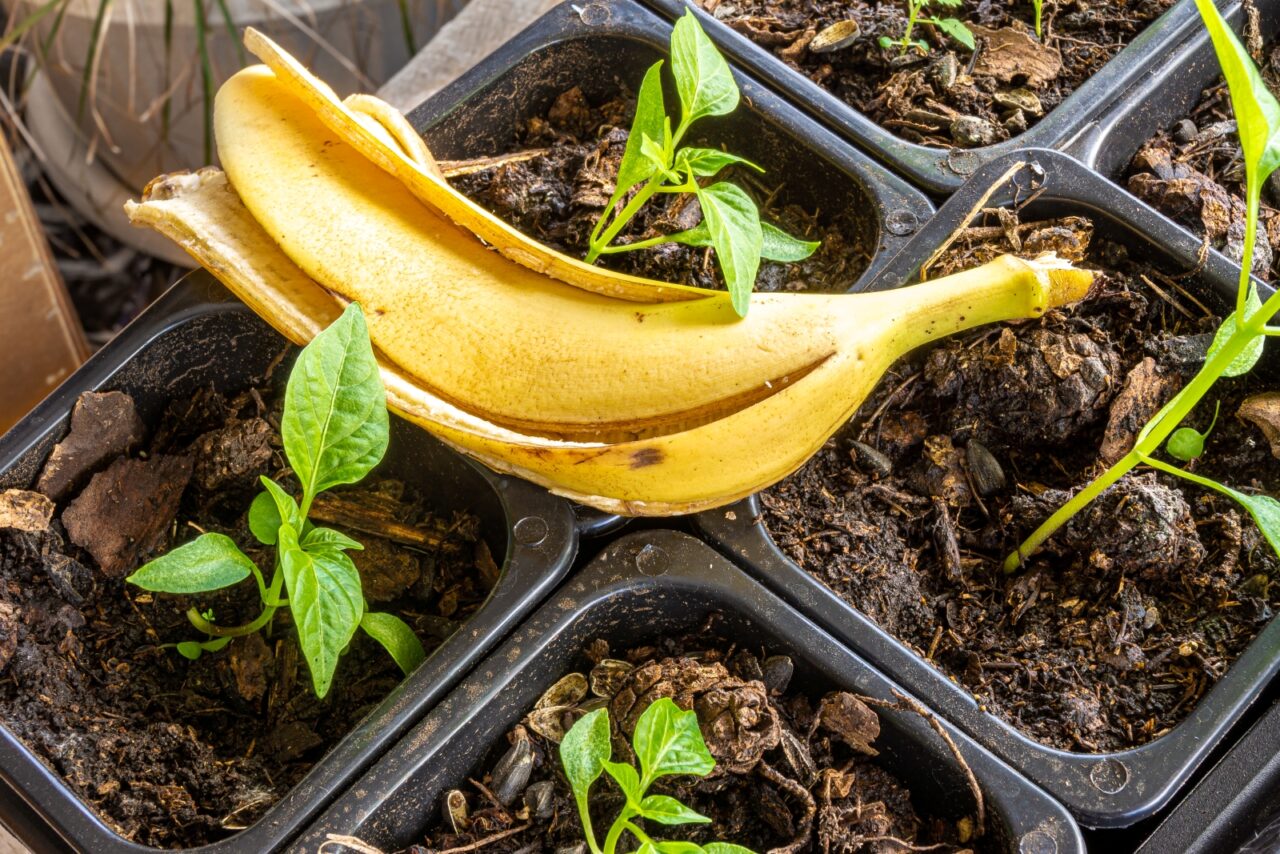
You might think banana peels are a quick fix for your garden because they contain potassium and phosphorus. However, adding them directly to the soil takes a long time to break down, so your plants won’t see benefits right away.
Using banana peels can also attract pests, which can harm your garden more than help it. It’s better to use proven fertilizers and compost properly to give your plants the nutrients they actually need.
Hanging CDs to scare away birds
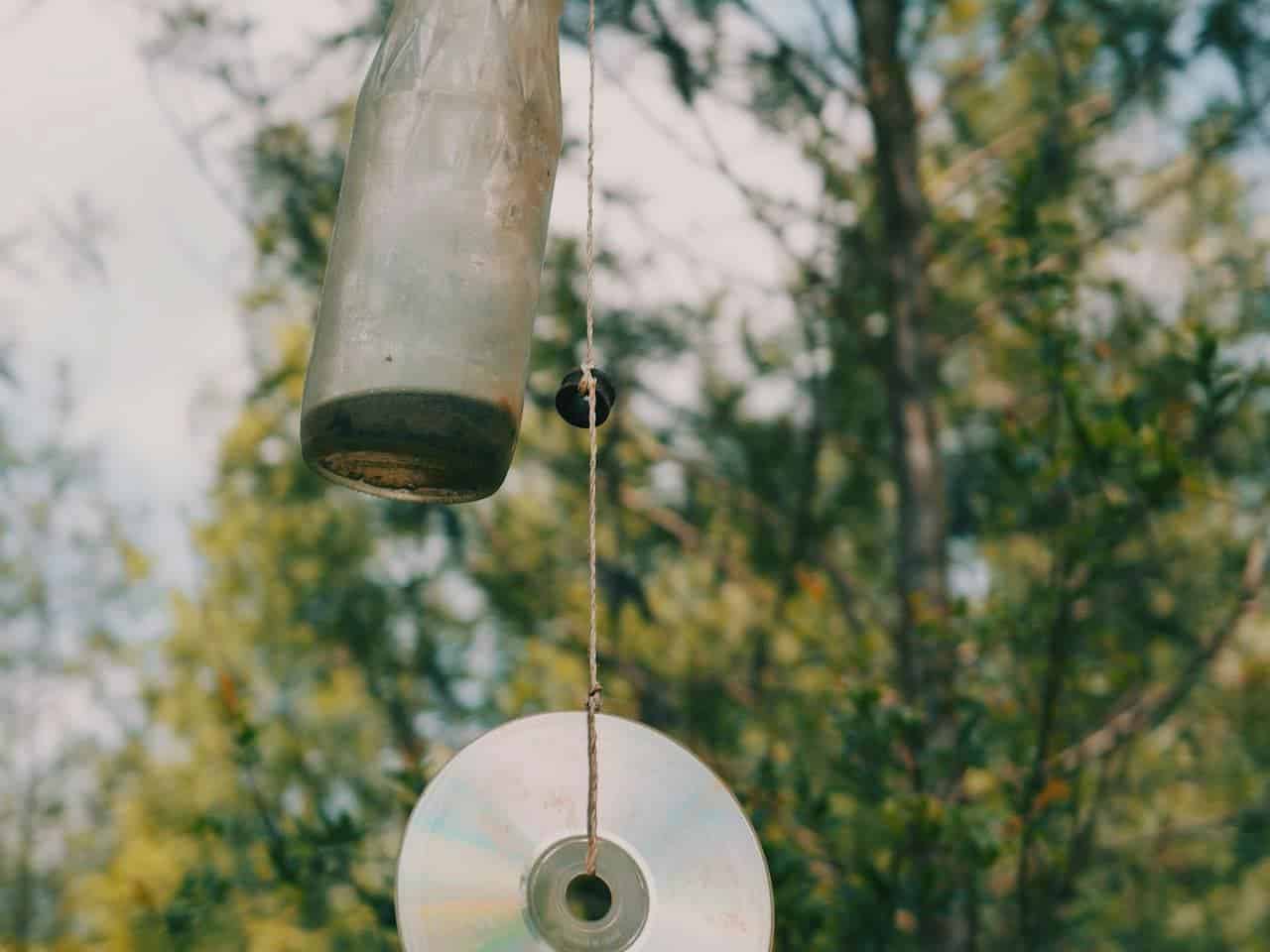
You might have heard that hanging old CDs in your garden can scare birds away. The shiny, reflective surface creates flashes of light that can confuse some birds.
While this method can work to an extent, it’s not always reliable. Birds may get used to the reflections over time and return.
Using CDs alone won’t guarantee your garden is bird-free. Consider combining it with other bird-deterring methods for better results.
Applying wound paint to tree cuts

You might think painting tree wounds helps them heal faster. Actually, applying wound paint can slow down the natural healing process.
Your tree is better off healing on its own without any sealers. Covering cuts can trap moisture and invite decay or pests.
Instead of using paint, focus on making clean cuts with sharp tools. This helps your tree recover more effectively.
Buying lots of plants without proper soil
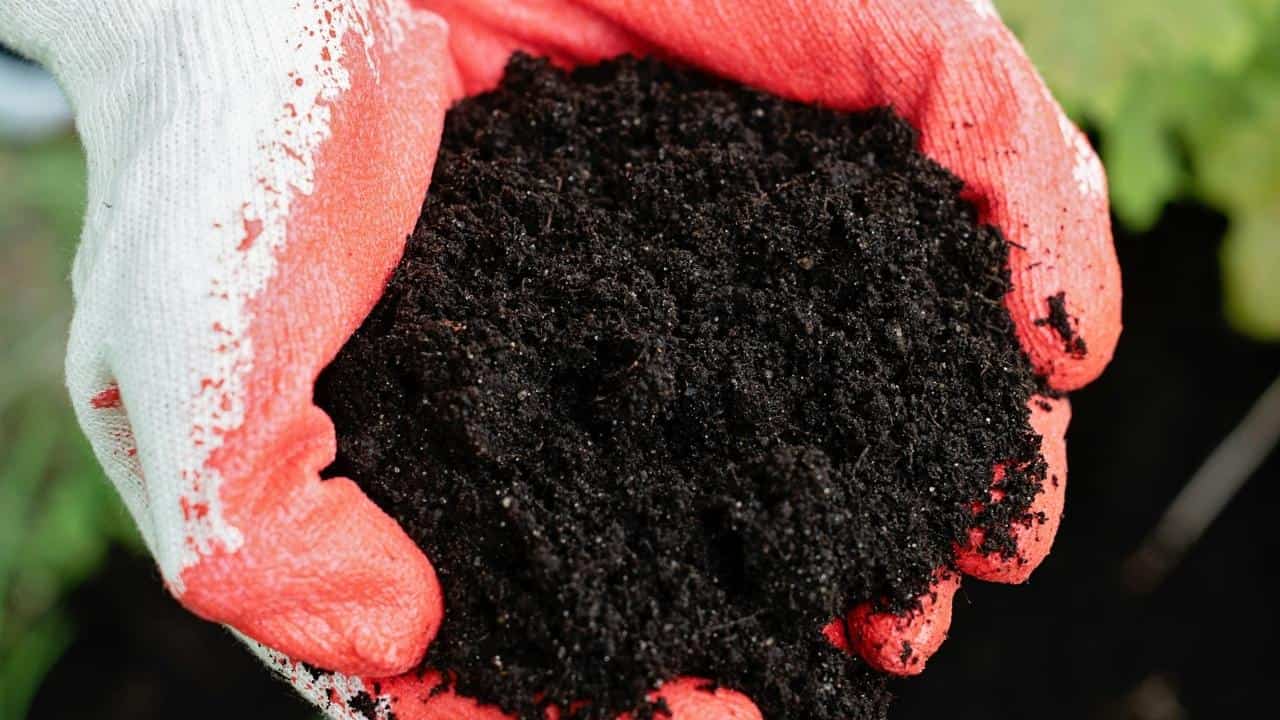
You might be excited to buy many plants at once, but good soil is essential for their health. Without the right soil, your plants may struggle to grow and could eventually die.
Investing in quality soil saves you money by reducing the need for replacements or extra fertilizers. Always check your soil’s condition and amend it if necessary before planting.
Thinking drought-tolerant means no watering
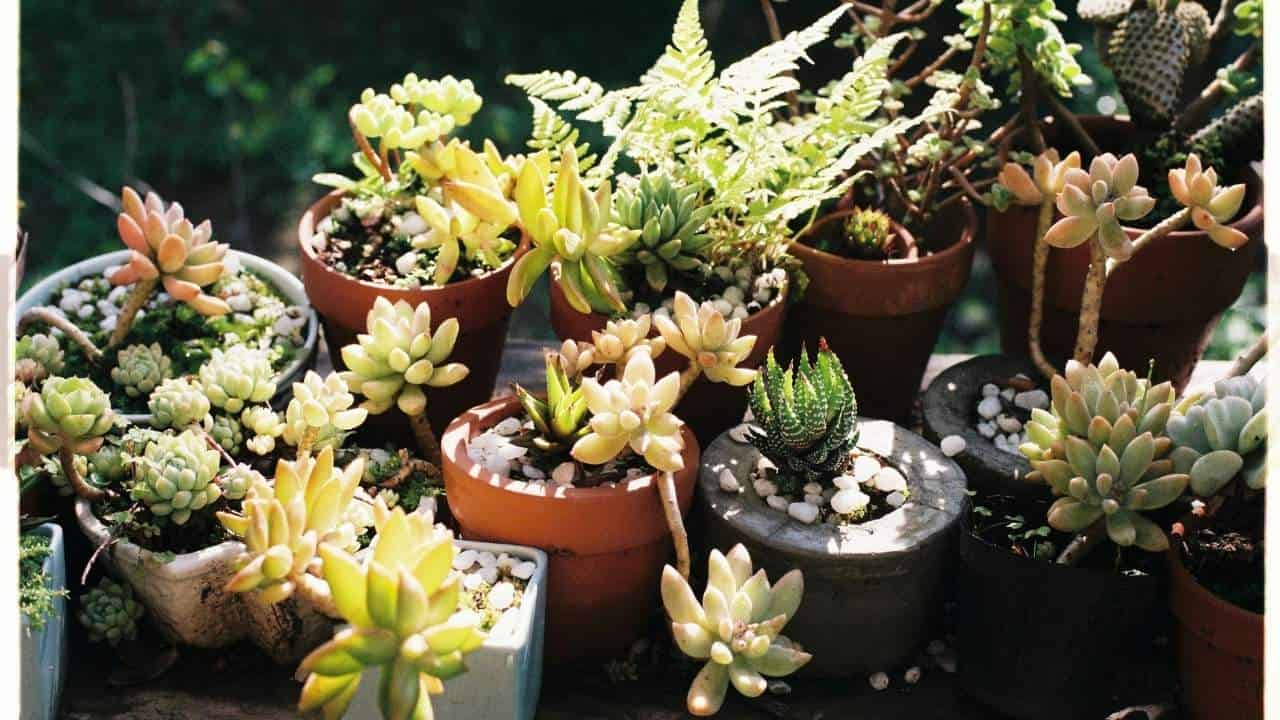
You might believe drought-tolerant plants never need watering. That’s not true. These plants can handle dry conditions better but still need water, especially when young or during extreme heat.
If you skip watering completely, your plants may weaken. Giving them occasional deep watering helps roots grow strong and reach water deeper underground.
Remember, drought-tolerant doesn’t mean no care. Adjust your watering based on weather and plant needs to keep them healthy and thriving.
Assuming all compost is created equal
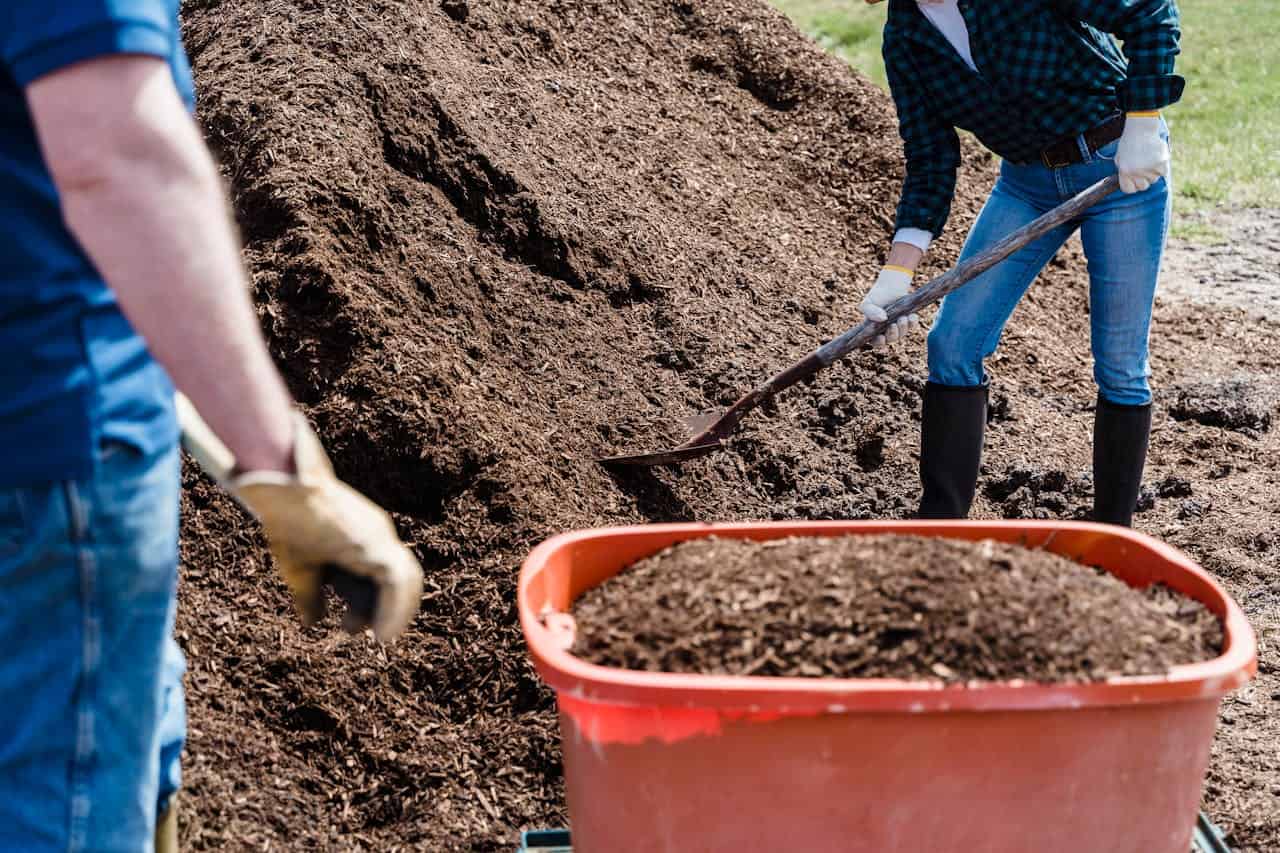
You might think compost is the same no matter where it comes from, but that’s not true. Different compost mixes can vary in quality, nutrient content, and how quickly they break down.
If you buy compost without checking the ingredients, you could waste money on something that won’t help your plants much. Homemade compost also needs proper balance and care to work well.
Remember, good compost should smell fresh and earthy, not rotten or sour. Paying attention to these details will save you time and money.
Believing fertilizer alone fixes poor soil
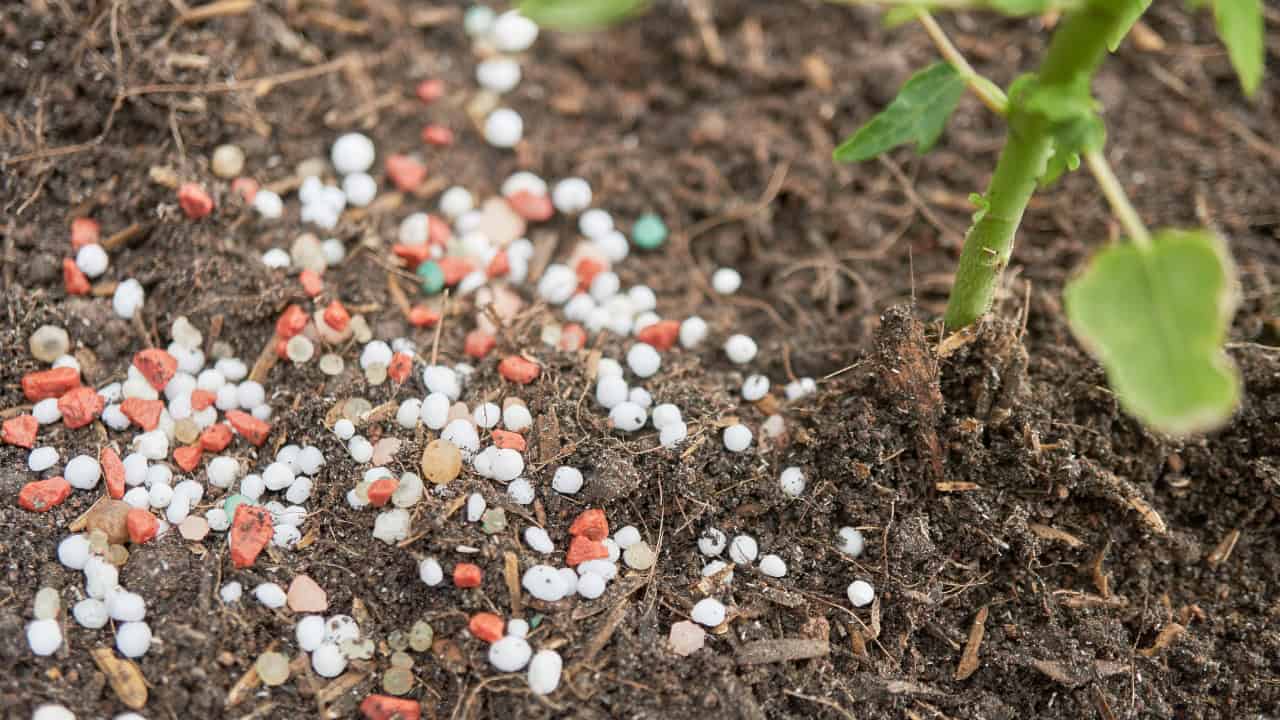
You might think adding more fertilizer will solve all soil problems, but that’s not true. Fertilizer only provides nutrients; it doesn’t improve soil structure or health.
If your soil lacks organic matter or proper drainage, fertilizer won’t fix those issues. Instead, try adding compost or mulch to refresh the soil naturally.
Too much fertilizer can harm your plants by burning roots or creating salt buildup. Use it wisely and focus on overall soil care for the best results.
Paying for surefire miracle plant products

You might be tempted to buy products that promise miraculous results for your garden. Many of these claims are not backed by solid evidence.
Manufacturers can advertise almost anything, but that doesn’t mean these products will work as promised.
Before spending money, it’s best to research and rely on proven methods for plant care. Trusting quick fixes can waste both your time and money.
Using sugared soil to sweeten fruits
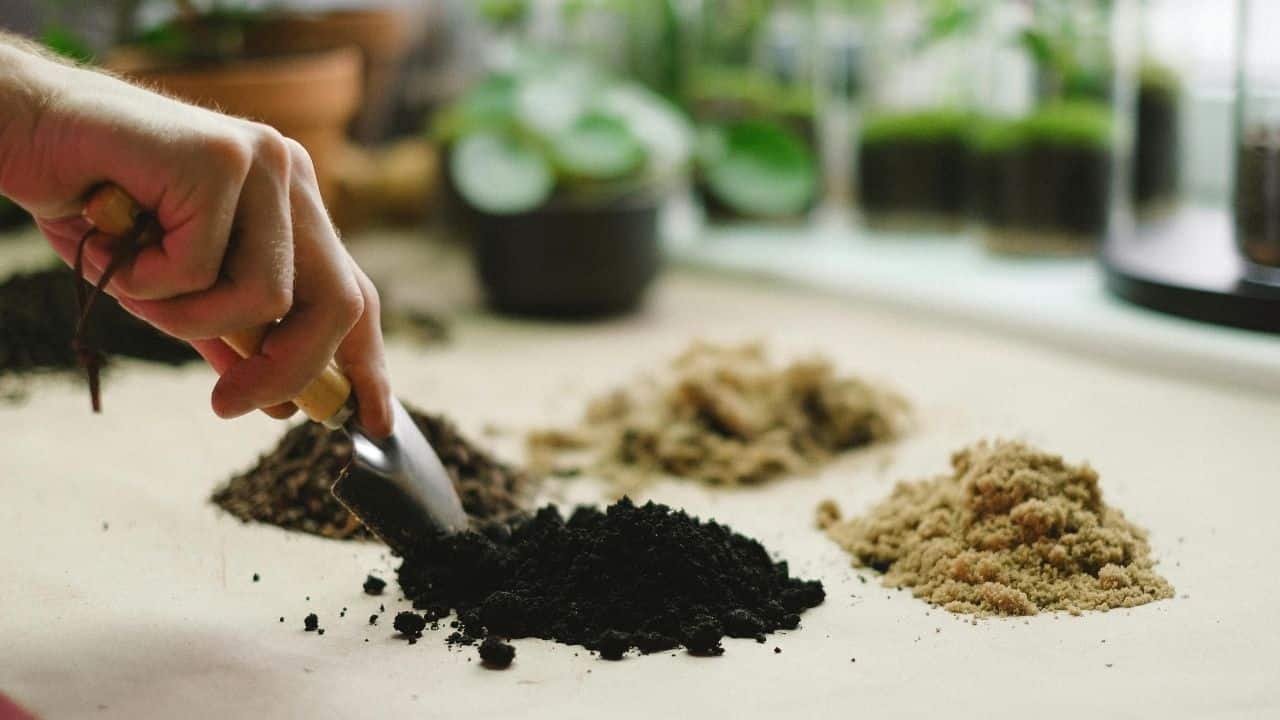
You might have heard that adding sugar to soil makes fruits sweeter. This is actually a myth. Sugar in the soil does not get absorbed by the plant in a way that changes the fruit’s taste.
Instead of sugar, focus on proper sunlight, watering, and nutrients. These factors have a real impact on fruit flavor. Using sugar in soil can waste money and time without benefits.
Treating gardens as instant results projects

You might expect your garden to look perfect right away, but gardening takes time. Plants need weeks or months to grow and settle into the soil.
Trying to rush results by buying expensive fertilizers or tools often wastes money. Instead, focus on consistent care like watering and patience.
Remember, gardening is about gradual progress. Enjoy watching your garden develop day by day rather than expecting instant success.