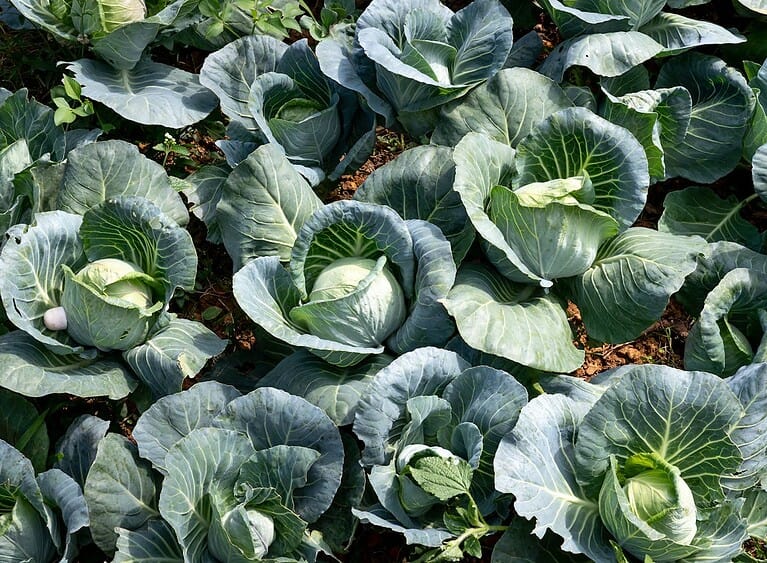
Gardening can be rewarding, but it’s easy to fall for common myths that slow you down and waste resources. These widely believed ideas might sound helpful but often cost you time, money, and effort without real benefits.
Knowing which gardening tips are myths can help you focus on what truly works, making your garden healthier and your work more efficient. This guide will help you spot the misleading advice so you can avoid unnecessary mistakes and keep your garden thriving.
Advertisement
Marigolds repel all garden pests (False)

You might hear that marigolds keep all pests away, but that’s not quite true. While they can deter some pests like nematodes, they also attract others like aphids and mites.
If you rely only on marigolds, you could end up inviting different problems to your garden. It’s better to use a variety of plants and strategies for pest control.
Banana peels are a magic fertilizer
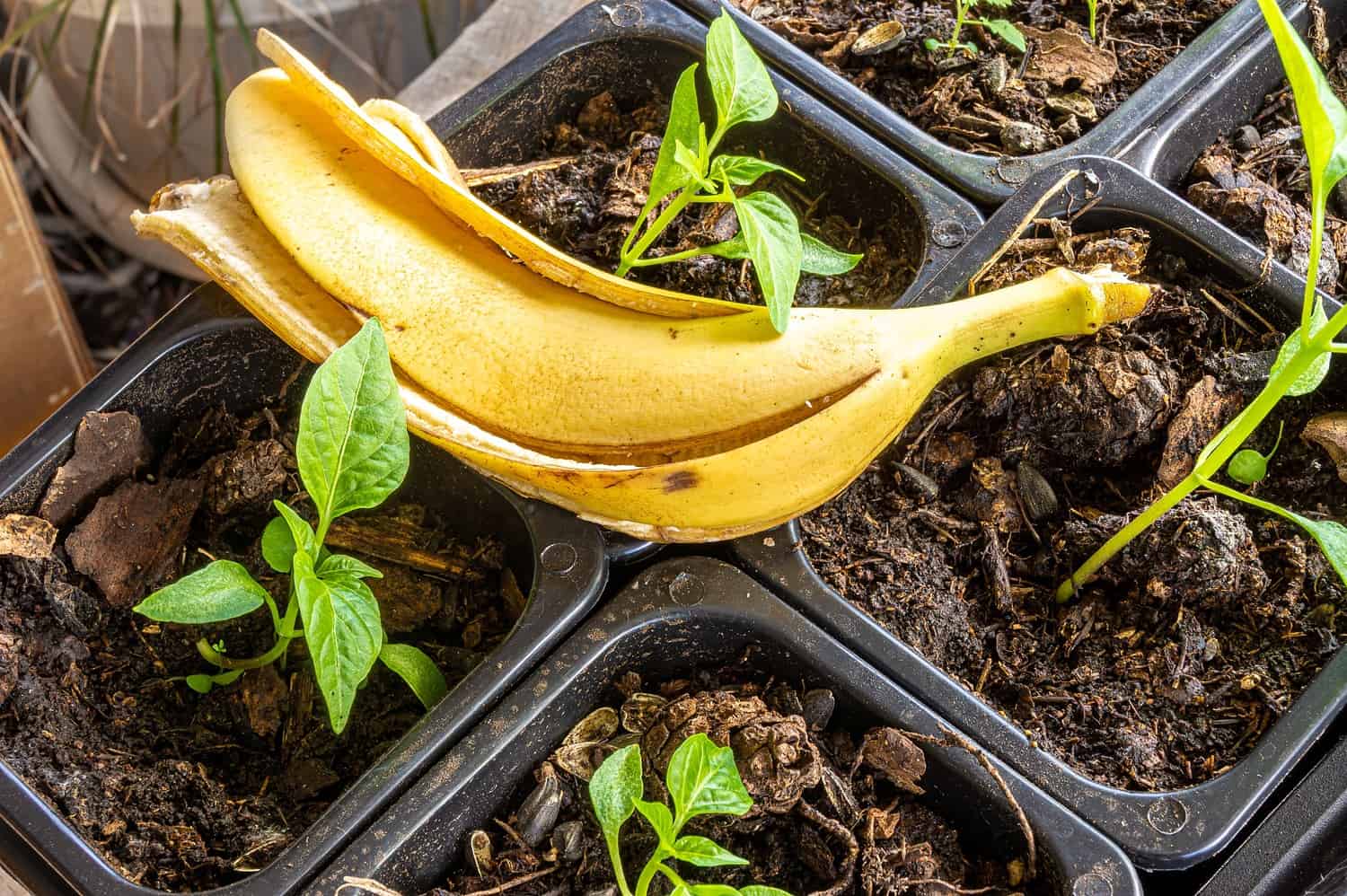
You might have heard that banana peels are a great natural fertilizer because they contain potassium. While banana peels do have nutrients, they don’t release them quickly or in large enough amounts to make a big difference.
If you add banana peels directly to your soil, they take a long time to break down. This means your plants won’t benefit much from the nutrients right away. For faster effects, composting the peels first is a better option.
Drought-tolerant plants never need watering

You might think drought-tolerant plants can survive without any water, but that’s not true. These plants are better at handling dry conditions but still need occasional watering to stay healthy.
If you ignore watering, your plants may struggle or even die during extreme heat or prolonged drought. Giving them supplemental water at the right times helps them thrive and saves you time fixing problems later.
Adding rocks to pot bottoms improves drainage
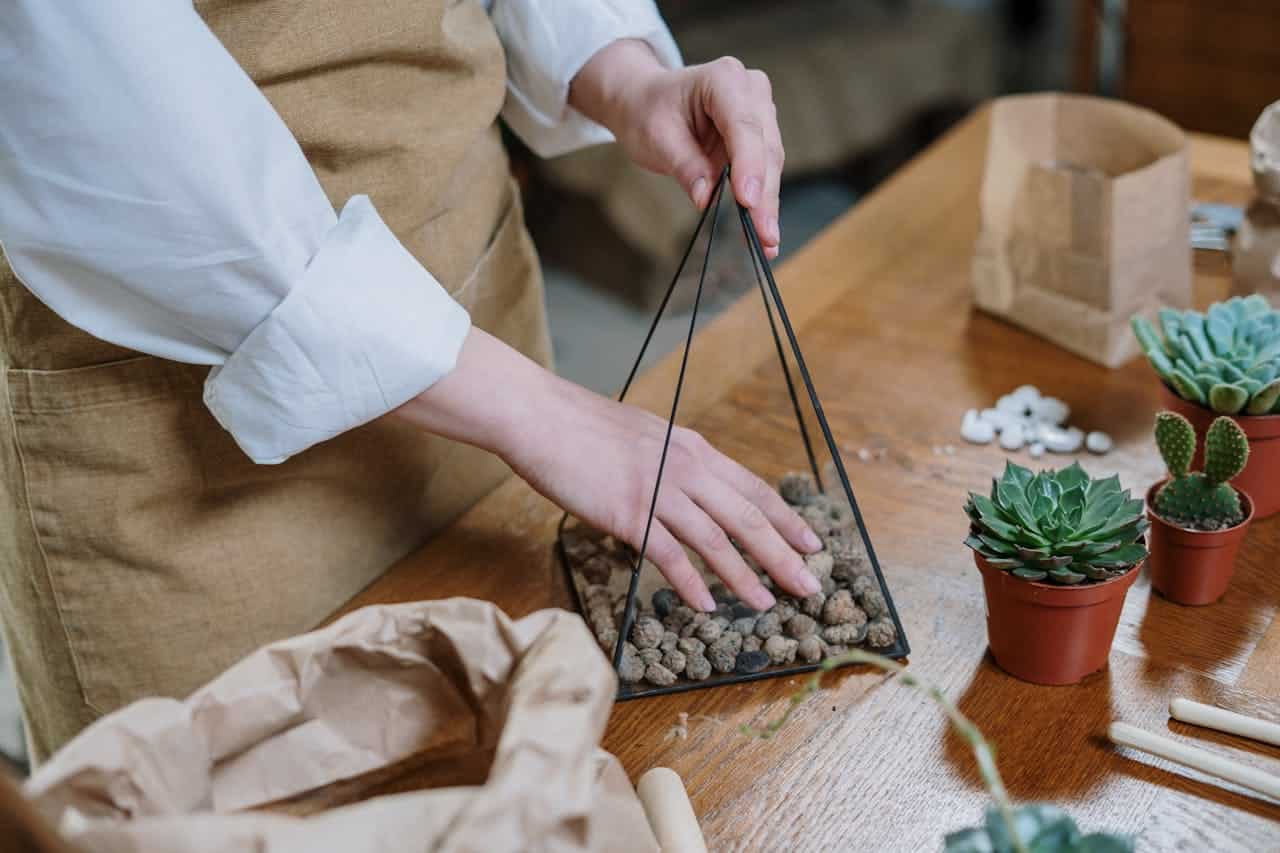
You might think adding rocks to the bottom of pots helps drainage, but it doesn’t. The water tends to sit on top of the rocks instead of flowing through.
This “perched water” can keep roots too wet and harm your plants. Focus on using well-draining soil and pots with holes instead for better results.
Composting always smells terrible
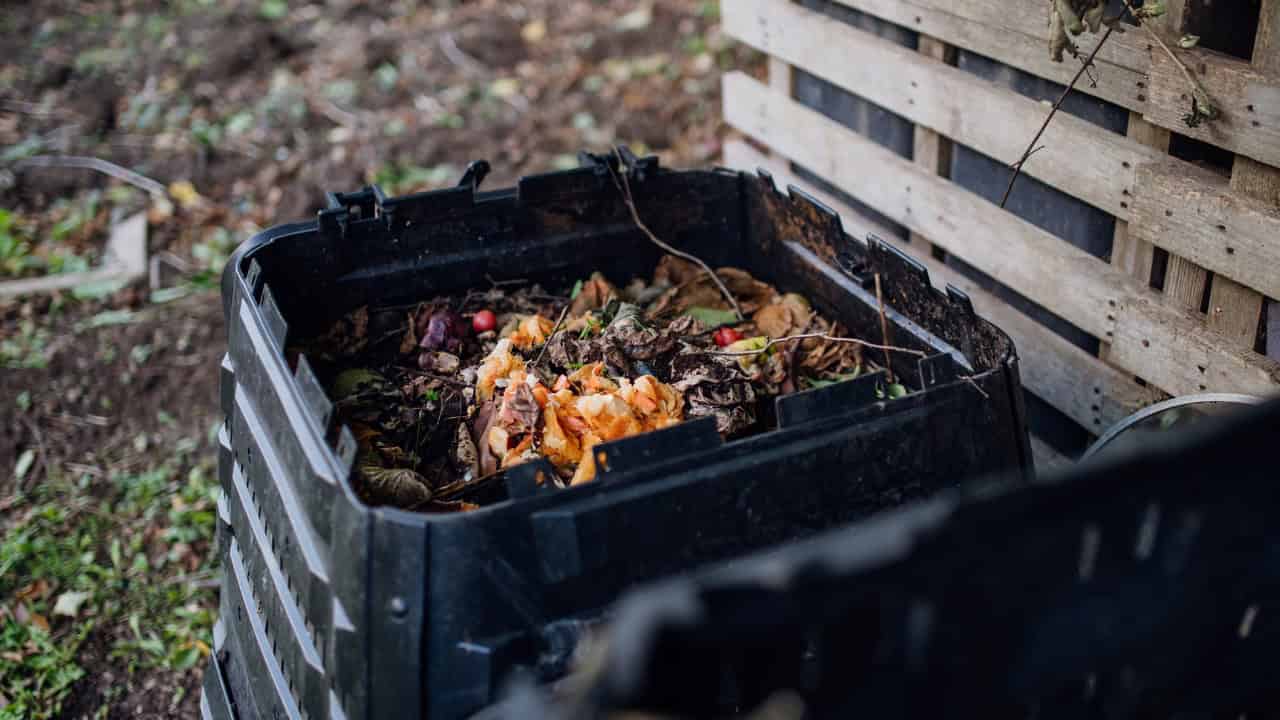
You might think composting always causes bad odors, but that’s not true. A healthy compost pile should smell earthy or fresh, not rotten.
If your compost smells bad, it could mean it’s too wet, packed down, or has too much green material. Turning the pile and balancing greens with browns can help keep it smelling good.
Vegetables must be planted in neat rows
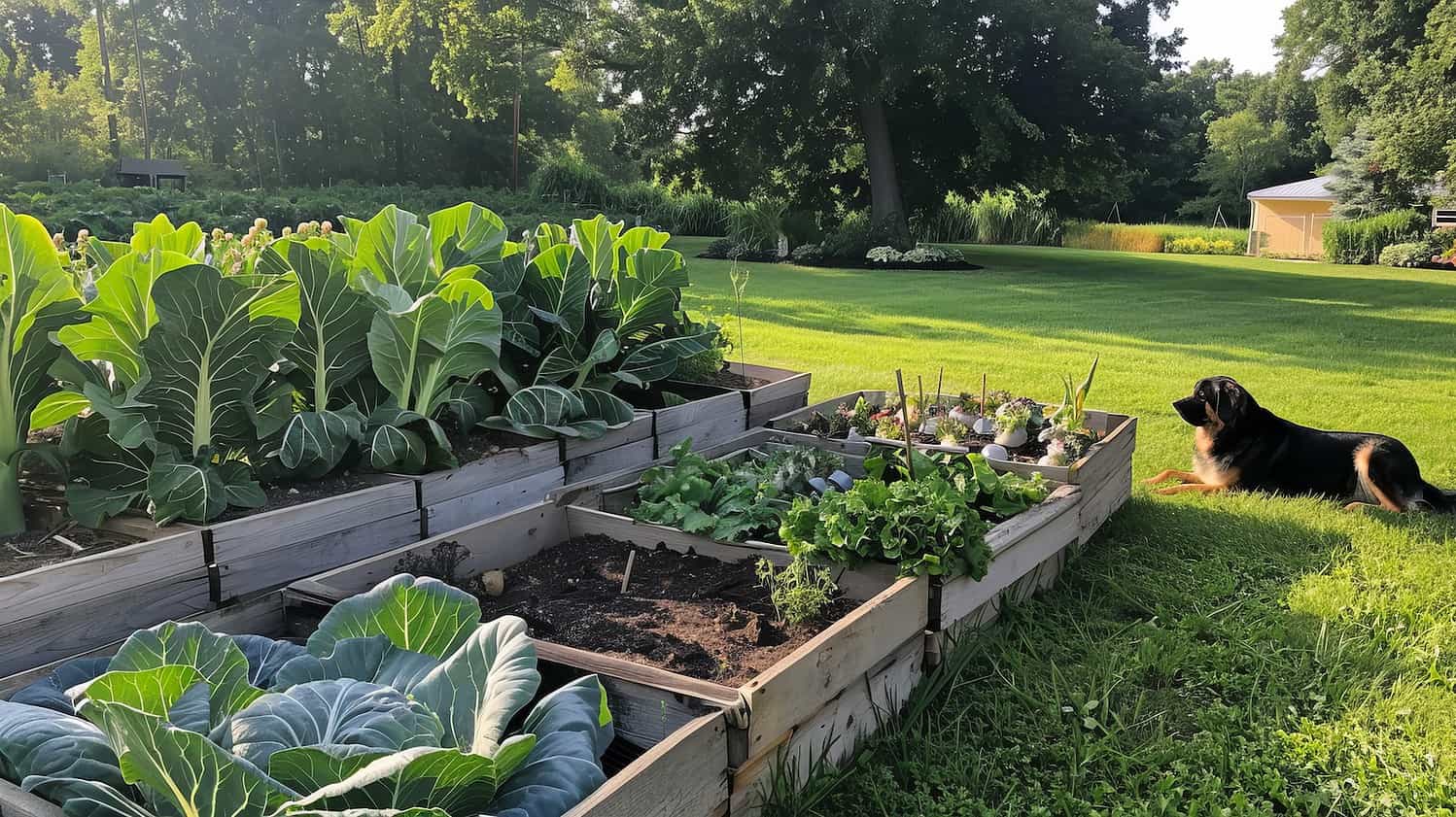
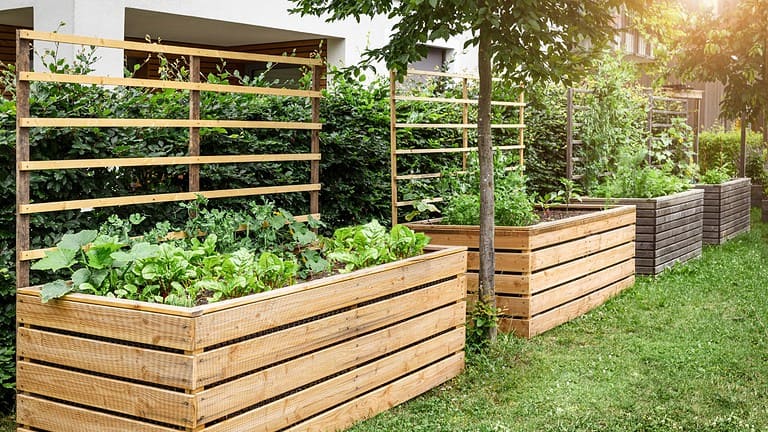
You don’t have to plant your vegetables in perfect, straight rows. While neat rows can make a garden look organized, they aren’t necessary for growing healthy plants.
In fact, planting in blocks or more natural patterns can sometimes reduce pest problems. Your garden can thrive with a bit of flexibility in how you arrange your plants.
Potting soil needs frequent changing
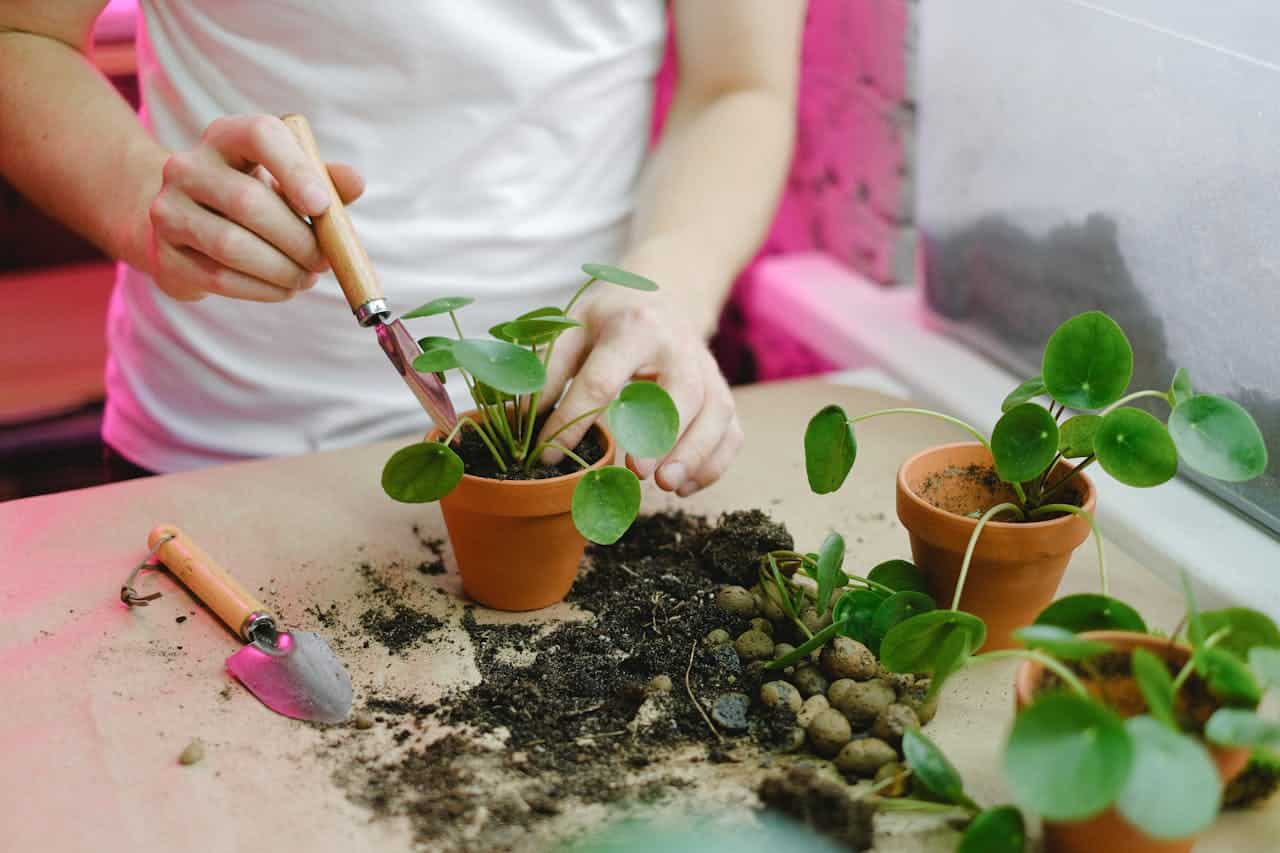
You might think you need to change potting soil often, but that’s not always true. Quality potting mix can last several seasons if properly cared for.
Instead of replacing soil, refresh it by adding nutrients or mixing in fresh compost. Changing soil too often can disturb plant roots and waste resources. Check your plants and soil condition before deciding to replace it.
Water droplets burn plant leaves

You might have heard that watering plants in the sun can burn their leaves because water droplets act like magnifying glasses. This is actually not true.
Water droplets do not concentrate sunlight enough to cause damage. So, you don’t need to worry about watering your plants during sunny times harming their leaves.
Adding sand fixes clay soil
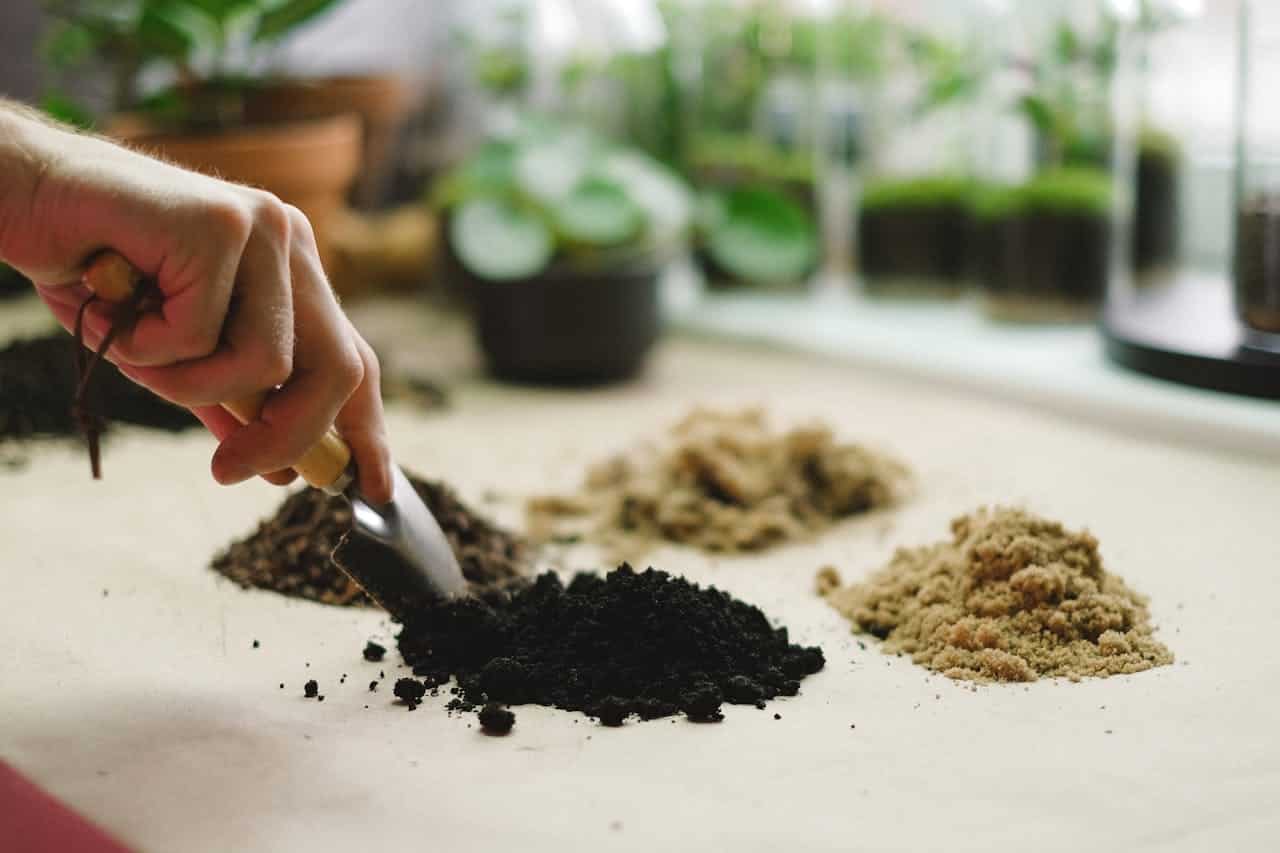
You might think adding sand will improve your heavy clay soil. However, mixing sand with clay often makes the soil harder and more compacted instead of lighter.
To improve clay soil, focus on adding plenty of organic matter like compost. This helps break up the clay and improves drainage more effectively than sand ever will.
Pine needles acidify garden soil
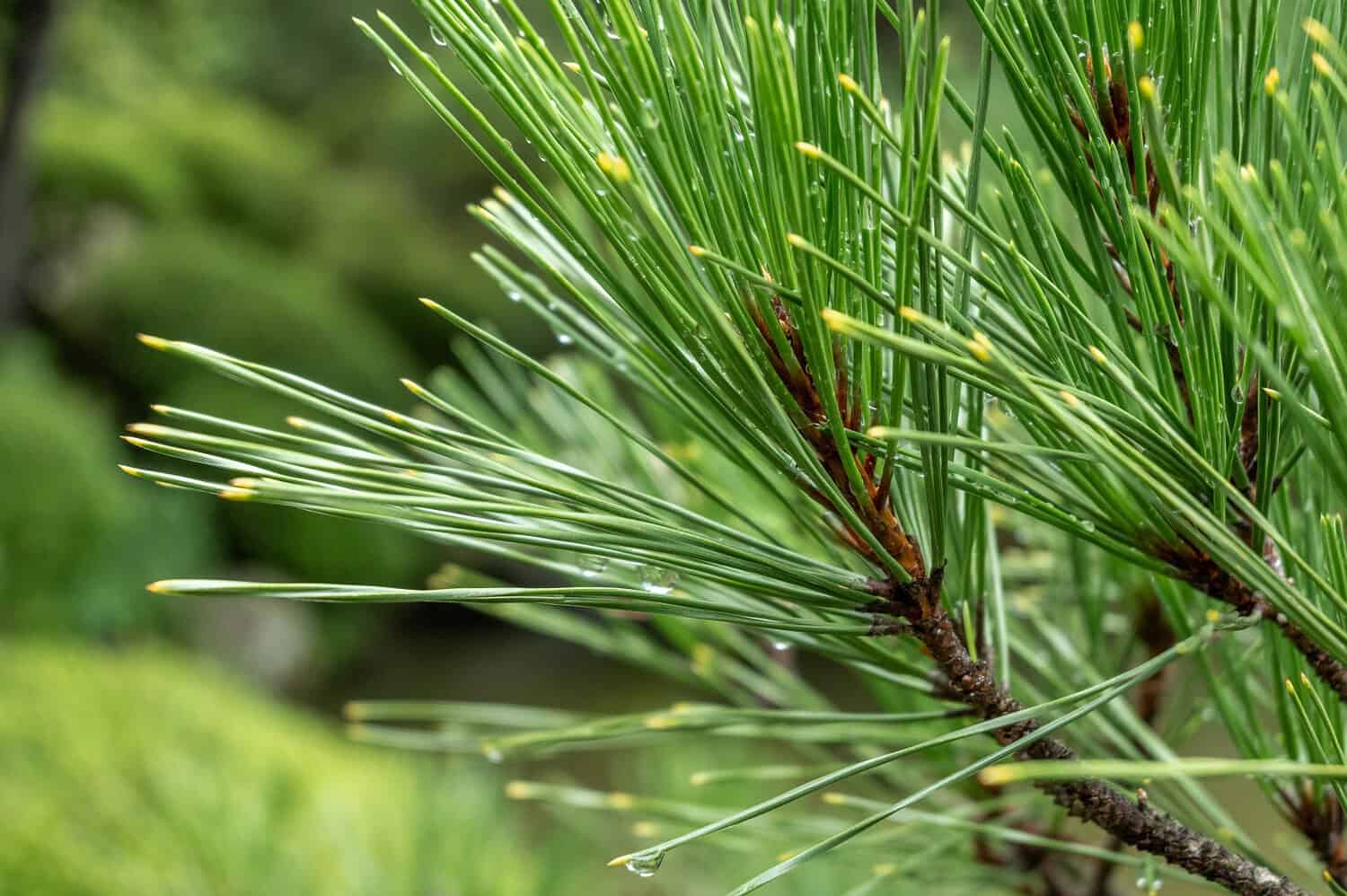
You might have heard that pine needles acidify your garden soil. While pine needles are acidic when fresh, they do not significantly lower soil pH.
As they break down slowly, pine needles become more neutral and don’t make your soil much more acidic. So, using pine needles won’t harm plants that prefer neutral or slightly acidic soil.
Dressing tree wounds helps healing
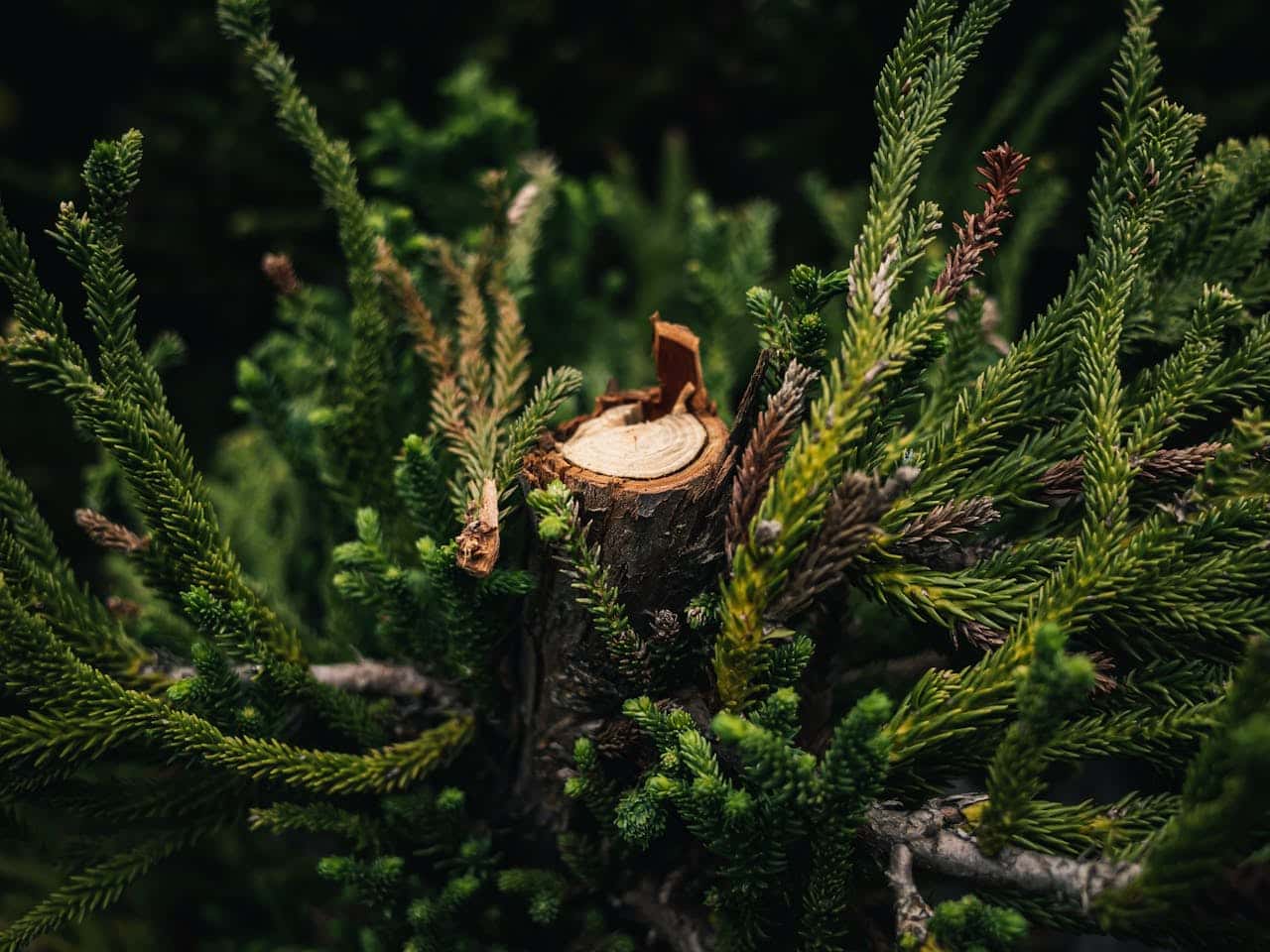
You might think applying a dressing to tree wounds helps them heal faster. However, this practice can actually slow down the healing process.
Tree dressings often trap moisture, which encourages decay instead of preventing it.
It’s usually best to let your tree’s natural defenses close the wound on their own. This keeps your tree healthier in the long run.
All organic fertilizers are slow-acting
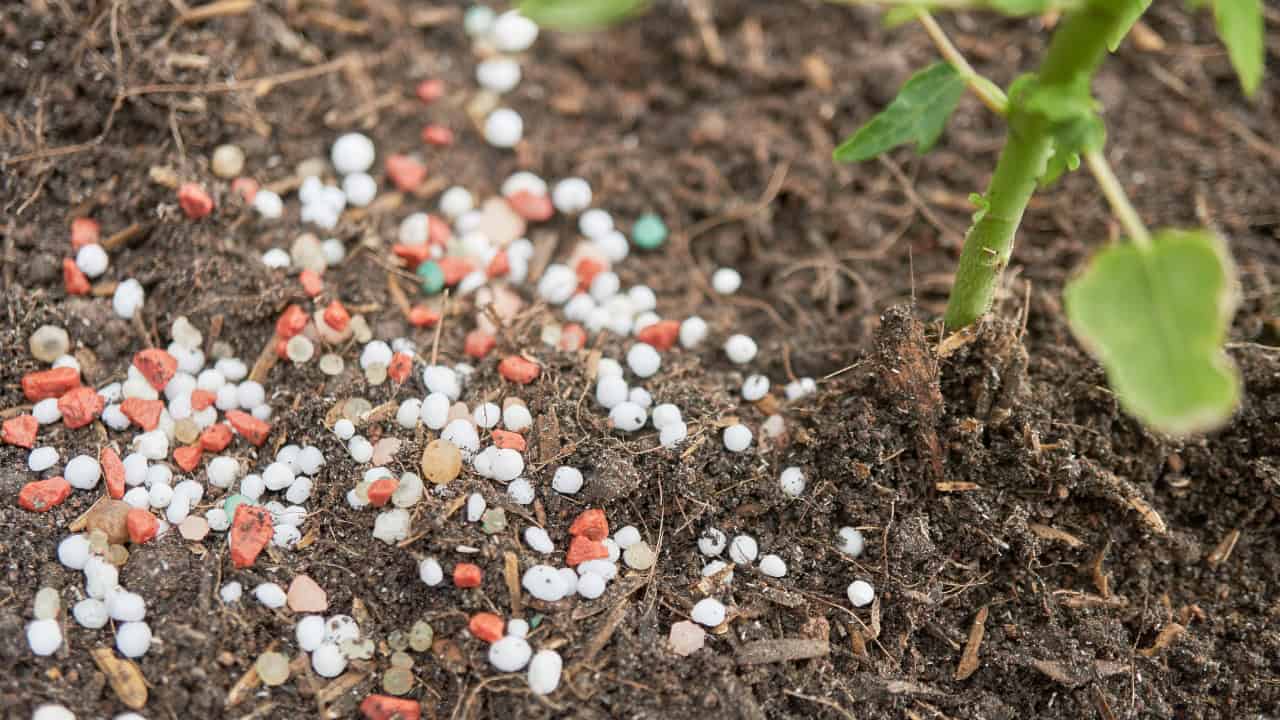
You might think all organic fertilizers take a long time to work, but that’s not always true. Some organic options, like liquid fish emulsion, can feed your plants quickly.
Other organic fertilizers release nutrients more slowly, which is great for steady growth. Knowing the right type helps you match your garden’s needs without waiting too long.
Mulching attracts pests
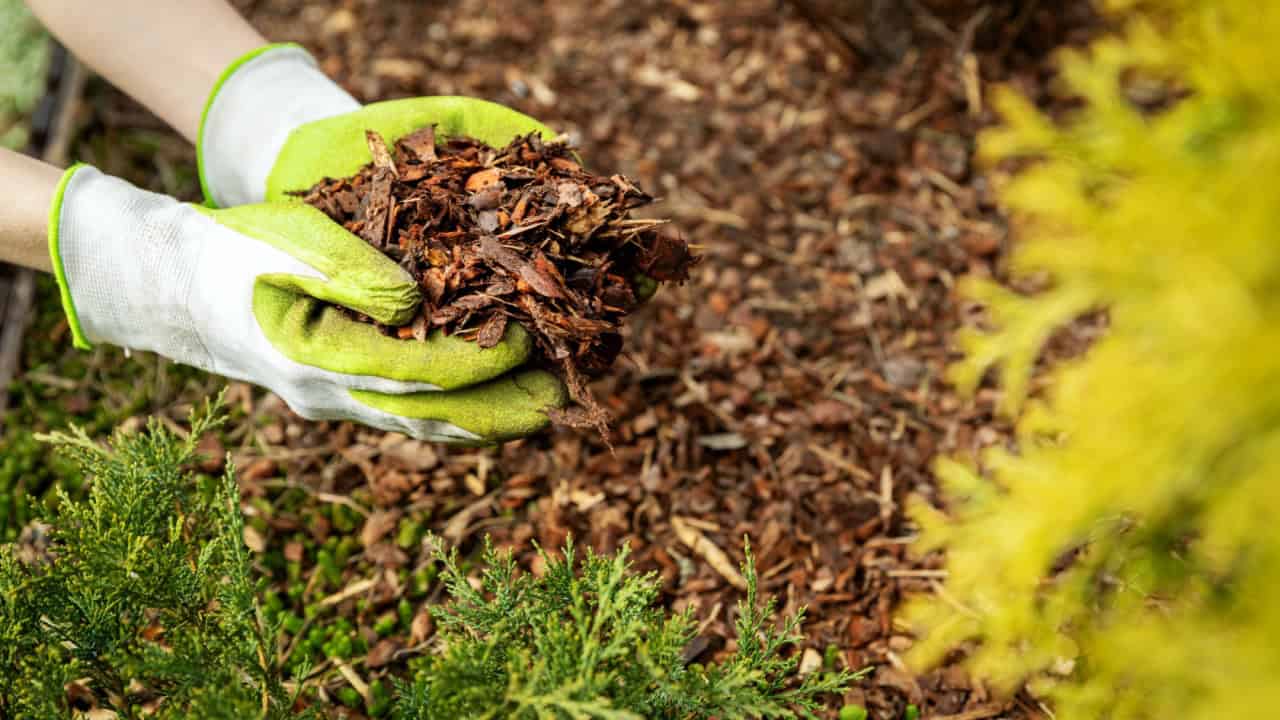
You might think mulch brings pests right to your plants, but that’s not usually the case. Healthy plants can handle the small insects that live in mulch without any problems.
Just keep mulch a little away from wooden siding and foundations to avoid moisture issues. Mulch helps build healthy soil, which actually supports stronger, pest-resistant plants.