Gardening can be incredibly rewarding, but it’s easy to fall into common traps that can hinder your garden’s potential. You might find yourself repeating mistakes that lead to frustration and less-than-ideal results. By recognizing and quitting these missteps, you can cultivate a healthier, more vibrant garden that brings you joy and satisfaction.
Whether you are a beginner or have been tending to your plants for years, it’s important to reassess your gardening habits. Small adjustments can make a significant difference in your garden’s health and aesthetics. Exploring and learning from these mistakes can help you grow not just your plants, but also your gardening skills.
Advertisement
Not Overwatering My Plants

You might think your plants need a lot of water, but overwatering can lead to serious issues. It’s easy to drown them, especially if they’re in pots that don’t drain well.
Root rot can set in quickly, suffocating the roots and preventing them from absorbing nutrients.
Instead, check the soil before watering. It should be dry an inch or two down before you add more. By giving your plants a chance to breathe, you’ll see them thrive!
Giving Each Plant Enough Space

When planting, it’s essential to give each plant enough space to thrive. Crowded plants compete for nutrients, sunlight, and water, which can lead to poor growth.
Follow the recommended spacing on seed packets or plant tags. This helps ensure your plants have room to expand and reach their full potential.
You might be tempted to fill every inch of your garden, but giving plants room actually makes garden management easier. A little space can go a long way in creating a healthier and more vibrant garden.
Understanding My Soil Type

Knowing your soil type is a game changer for your garden. It influences water retention, nutrient availability, and how well your plants grow.
You might have sandy, clay, or loamy soil. Each type has its own quirks.
For instance, sandy soil drains quickly but may not hold nutrients well. Clay soil retains moisture but can get compacted.
A soil test can help you identify your soil’s pH and nutrient levels. This knowledge allows you to make informed decisions about amendments and fertilizers.
Choosing Plants Suited to My Climate

lucentius from Getty Images Signature/ Canva Pro.
When you’re selecting plants, it’s essential to consider your local climate. Different plants thrive in various conditions, so understanding what’s right for your area can make a big difference.
Look for native plants, as they typically adapt well to your local environment. They often require less maintenance and water.
Be mindful of your region’s temperature and rainfall patterns. Choosing plants that are suited to these factors will help your garden flourish.
Before purchasing, check the mature size of the plants. This ensures they won’t outgrow their space.
Planning Before Planting

Before diving into planting, take a moment to map out your garden. Know what you want to grow and where to put it. This avoids overcrowding and ensures plants have the space they need.
Consider sunlight and water needs. Some plants thrive in full sun, while others prefer shade. Understanding these requirements helps create a healthier garden environment.
Don’t forget to plan for companion planting. Certain plants benefit from being grown together, while others might compete for resources. A little forethought goes a long way in creating a vibrant garden.
Ensuring Proper Sunlight Exposure

Finding the right spot for your plants is crucial. They need adequate sunlight, so consider their specific needs. Some thrive in full sun, while others prefer partial shade.
Observe how the sunlight moves across your garden during the day. This can help you identify which areas stay bright and which become shaded.
Check for obstacles like trees or buildings that might block sunlight. Pruning these can improve light access, helping your plants flourish.
Regularly monitor your plants’ growth. If they seem leggy or weak, they may not be getting enough light. Adjust their placement accordingly to ensure they thrive.
Rotating Crops Annually

Rotating crops each year is a simple way to boost your garden’s health. It helps prevent soil depletion and reduces pest and disease issues.
When you change what you plant in each spot, it confuses pests that target specific plants. For example, growing legumes one year can add nitrogen back into the soil.
Try grouping plants with similar needs. This approach can make your garden more resilient and productive, giving you better yields. Plus, it keeps your planting routine fresh and interesting!
Using Mulch to Retain Moisture

Mulch is a fantastic tool for your garden. It helps keep soil moisture locked in, so you can water less often.
Adding a layer of mulch around your plants creates a barrier that prevents evaporation. This is especially helpful during hot summer days.
Organic mulches, like wood chips or straw, also improve soil health as they break down. Plus, they look great, giving your garden a polished finish.
By using mulch, you set your plants up for success, ensuring they stay hydrated and happy.
Testing Soil pH Regularly

Testing your soil pH is crucial for a vibrant garden. It helps you understand whether your soil is too acidic or too alkaline.
By checking pH levels, you can determine what nutrients your plants might be missing. This way, you can add the right amendments to boost their health.
Regular tests allow you to catch any issues early. Soil testing kits are simple to use and can make a big difference in your gardening success.
Make it a habit to test your soil at least once a season. With this knowledge, you can foster a more thriving garden.
Avoiding Pest Control Overuse
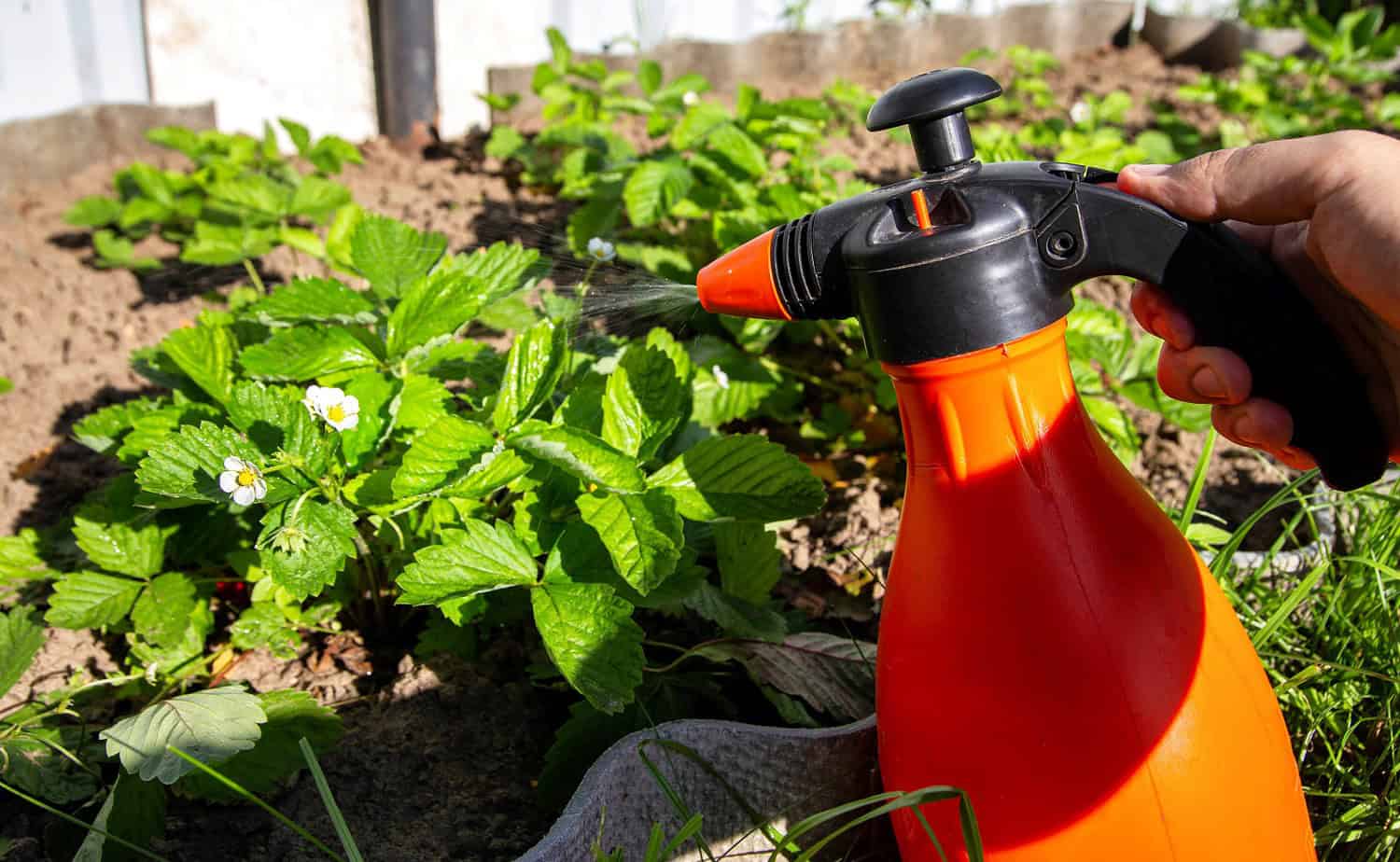
Using pest control products is sometimes necessary, but overdoing it can harm your garden. Too much application can disrupt the balance of beneficial insects that help your plants thrive.
Consider natural alternatives like diatomaceous earth or neem oil. These options can be effective while minimizing harm to the ecosystem in your garden.
Always follow the instructions on any product you use. Adjust your approach based on the specific needs of your plants to maintain a healthy garden environment.
Starting with Quality Seeds

Choosing quality seeds is crucial for a successful garden. It sets the foundation for your plants’ health and vigor.
Always buy from reputable sources. Look for organic or heirloom seeds that are known for their reliability.
Check the expiration dates on seed packets, as old seeds may have lower germination rates. Fresh seeds give you the best chance for strong growth.
Don’t be afraid to ask questions of your seed supplier. They can provide valuable insights about the best options for your climate and soil.
Timing Planting with Seasons
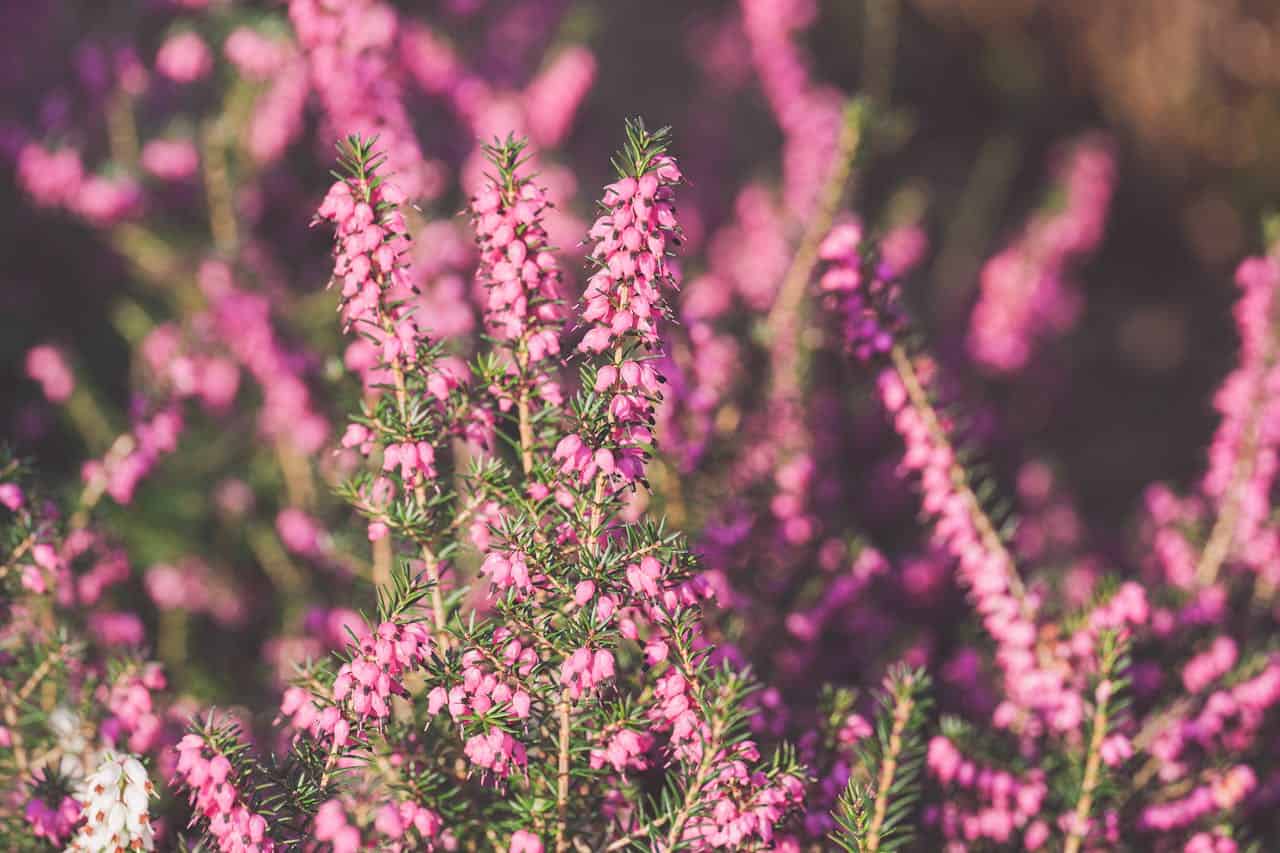
Ylanite Koppens/Pexels.
Getting the timing right for planting is key to a thriving garden. Each season brings its own set of conditions that can impact growth.
In spring, the soil warms up, making it perfect for planting most vegetables and flowers.
Summer is great for heat-loving plants, while fall is ideal for crops that need cooler weather.
You’ll want to pay attention to your local frost dates, too, to avoid surprises. Planting at the right time can make all the difference in your garden’s vibrancy!
Pruning Regularly for Health

Pruning is essential for keeping your garden thriving. By cutting back dead or damaged branches, you help your plants focus their energy on new growth.
Regular pruning encourages healthier flowering and fruiting. You’ll notice improvements in vigor and overall health.
You don’t need to be an expert. Just grab some sharp shears and trim back what isn’t working.
Remember, pruning at the right time boosts your plants’ resilience against diseases. Embrace this simple habit to ensure your garden remains vibrant and lush.
*This article was created with the help of AI.