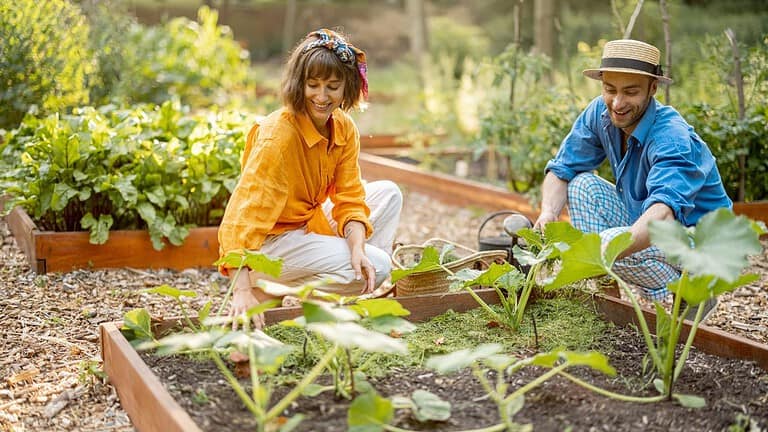
When you put effort into your garden, you want to see results that last beyond a single season. Choosing the right plants and garden elements can save you time, money, and effort year after year.
This article will help you discover 13 garden investments that offer reliable returns every season, making your outdoor space both beautiful and efficient. Knowing what to invest in means you can build a sustainable and enjoyable garden without constantly replanting or replacing.
Advertisement
Swiss chard for continuous harvest and easy care

Swiss chard is a great choice if you want steady, nutritious greens all season. You can harvest leaves regularly by cutting outer leaves, letting the plant regrow without replanting.
It needs about an inch of water per week and benefits from feeding every 4-6 weeks with balanced fertilizer or compost tea. Plant seeds in well-drained soil and space them about 2-4 inches apart for best results. This low-maintenance green fits well in any garden.
Raised garden beds to improve soil and reduce strain
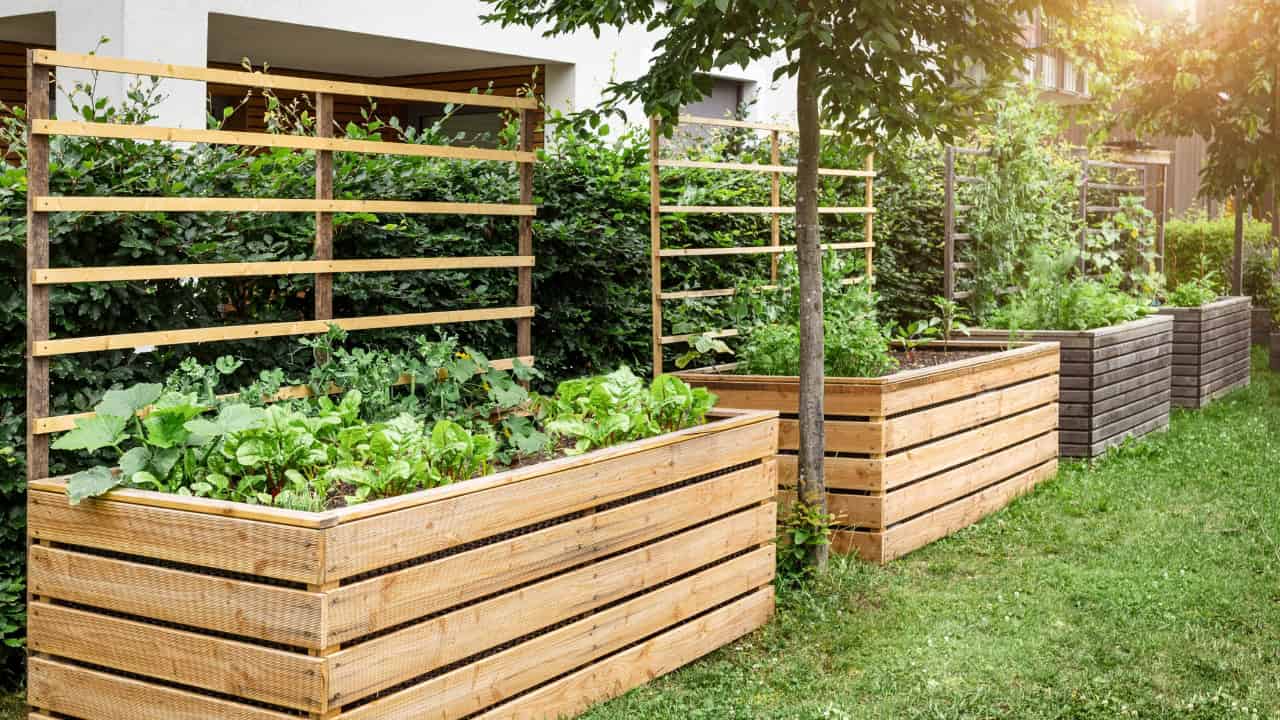
You can improve soil quality by using raised garden beds because they provide better drainage and prevent soil compaction. This helps your plants develop stronger roots and grow more efficiently.
Raised beds also make gardening easier on your body. They reduce the need to bend or kneel deeply, which means less strain on your back and joints.
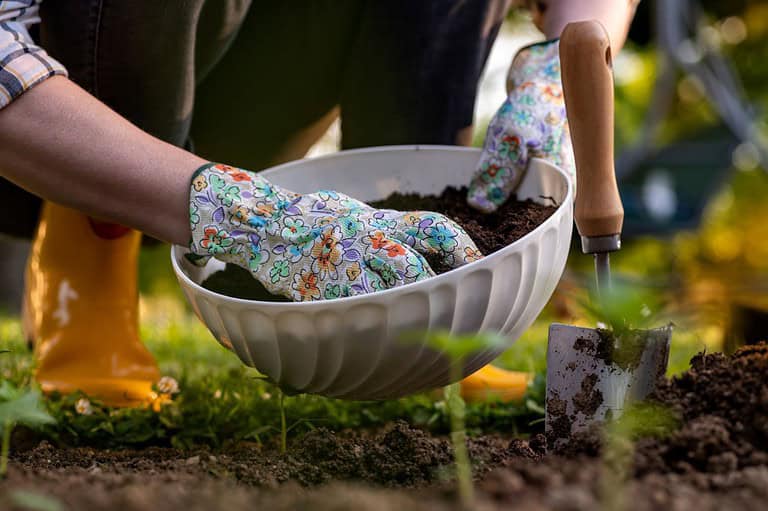
Maintaining your soil in raised beds is simple. You can add mulch or fresh compost regularly to keep the soil rich and healthy for every season.
Drip irrigation system with a timer for water efficiency

A drip irrigation system with a timer helps you water your garden precisely when needed. It delivers water directly to your plants’ roots, reducing waste and keeping your garden healthy.
You can set the timer to water early in the morning or late at night, saving water and time. Many kits come with pumps and sensors to stop watering when the water is low, making your system even smarter.
Compost bins paired with compost worms for nutrient-rich soil
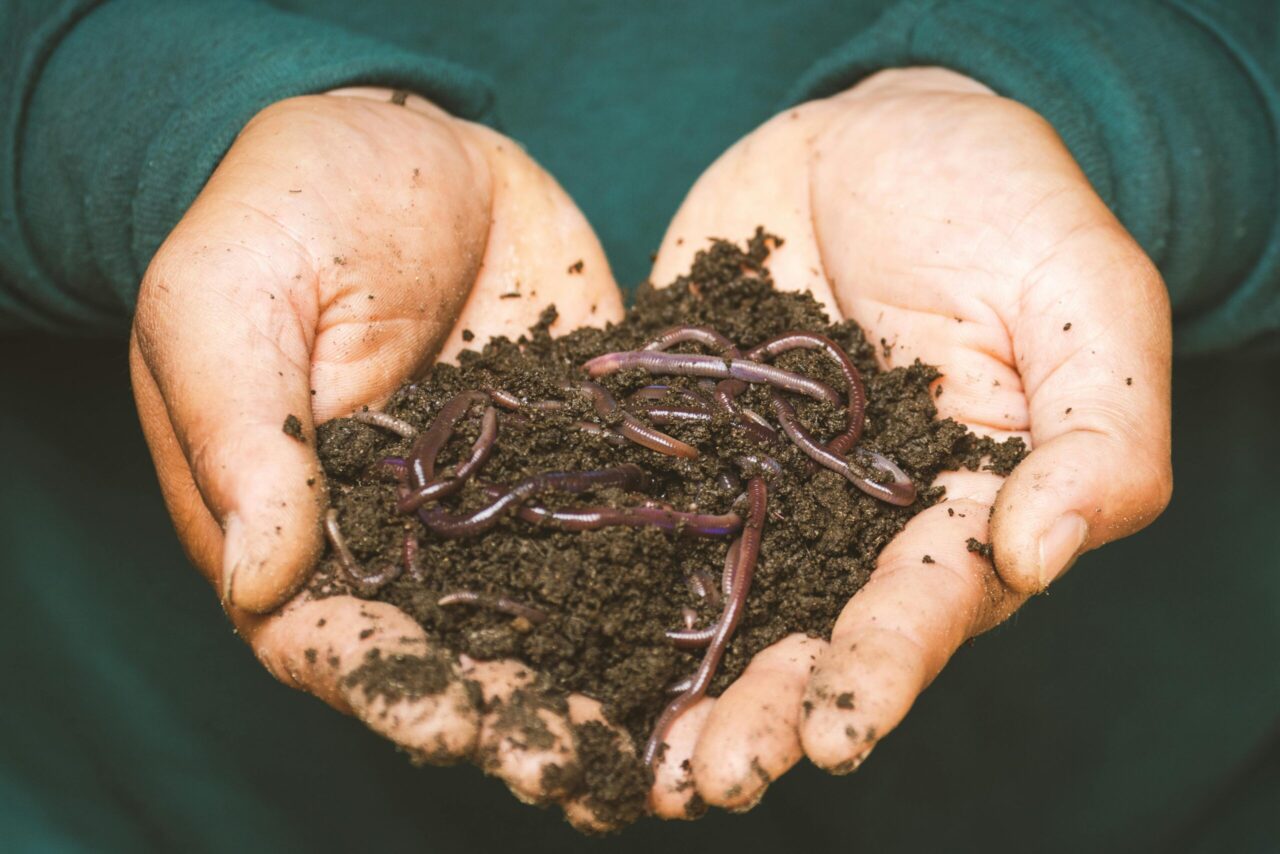
You can turn kitchen scraps into valuable compost with a worm bin. Compost worms break down organic waste, creating nutrient-rich castings that improve your garden soil.
A good worm bin keeps worms healthy by providing proper airflow and moisture. This helps speed up decomposition and produces quality compost for your plants.
Using compost bins with worms reduces waste and supplies your garden with natural fertilizer, supporting growth season after season.
Fruit trees like apple or pear for yearly yield
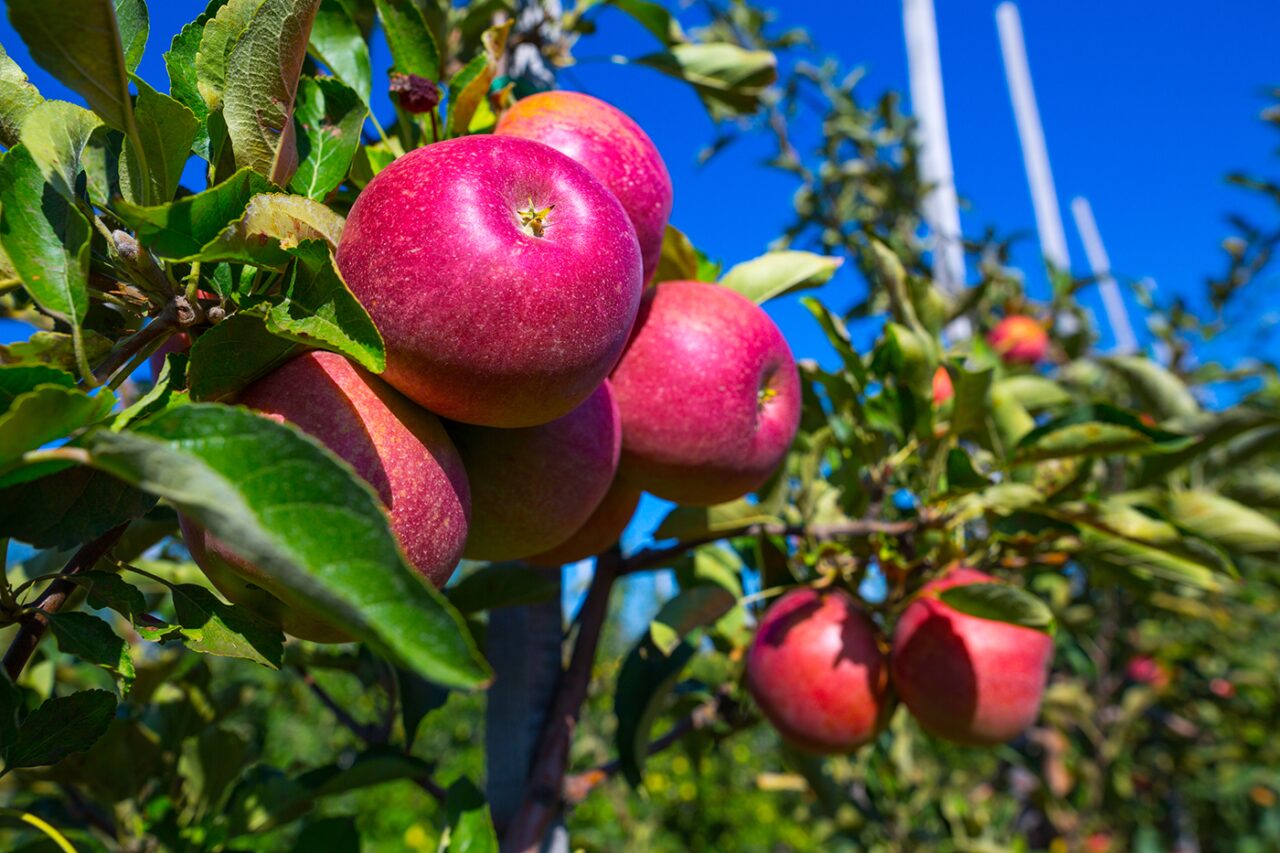
Adding apple or pear trees to your garden offers a reliable, yearly harvest you can enjoy fresh. These trees are relatively low-maintenance, especially varieties resistant to common issues like scab.
You can plant multiple varieties or use multi-graft trees to ensure pollination and get different flavors from one tree. Over time, your garden will offer fresh fruit without extra trips to the store.
Perennial herbs such as rosemary and thyme
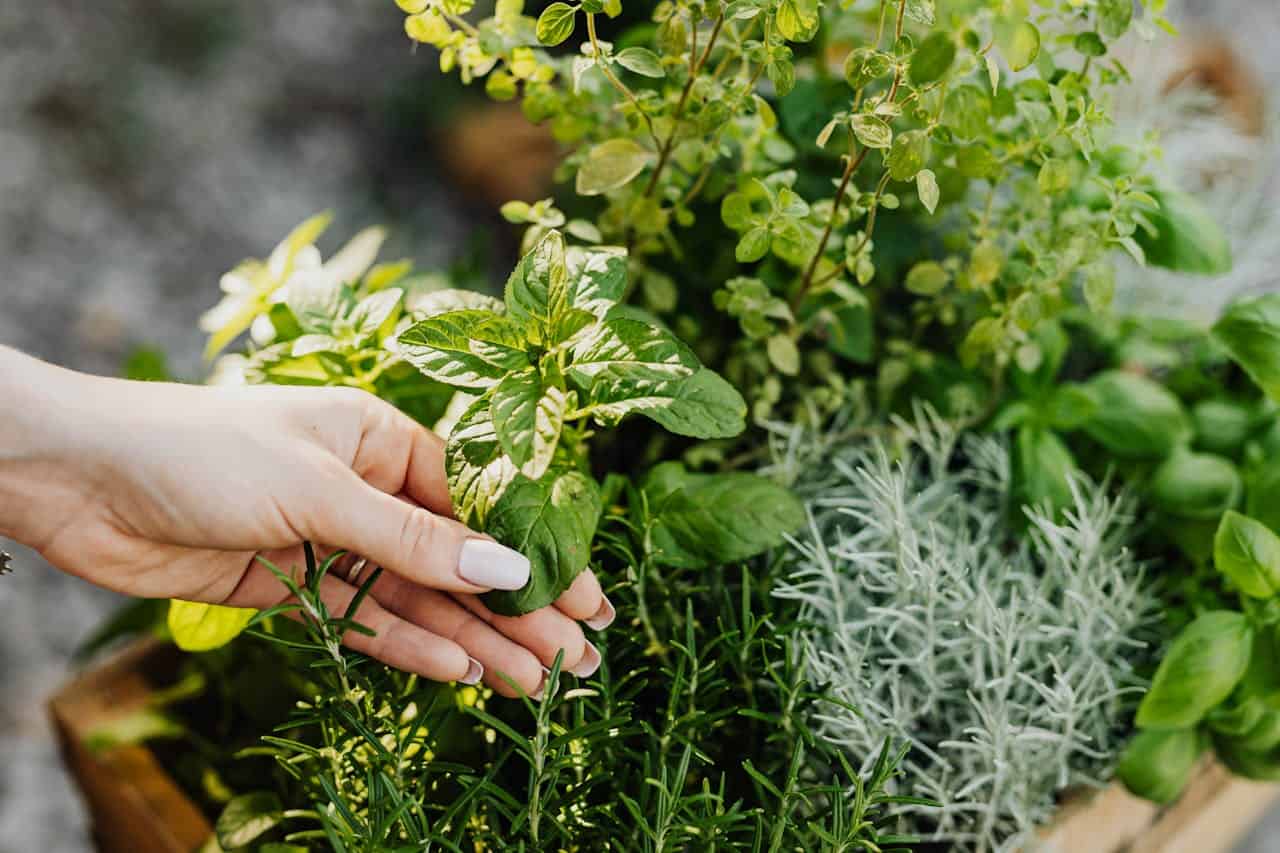
You can rely on perennial herbs like rosemary and thyme to return year after year with minimal effort. These herbs thrive in full sun and well-drained soil, making them low-maintenance additions.
Rosemary is great for hot climates and adds a fragrant, savory touch to many dishes. Thyme offers aromatic leaves and edible flowers that brighten your garden and your meals.
Planting these herbs means you get fresh flavors season after season without replanting. They are practical and enjoyable garden investments.
Evergreen shrubs to maintain garden structure year-round
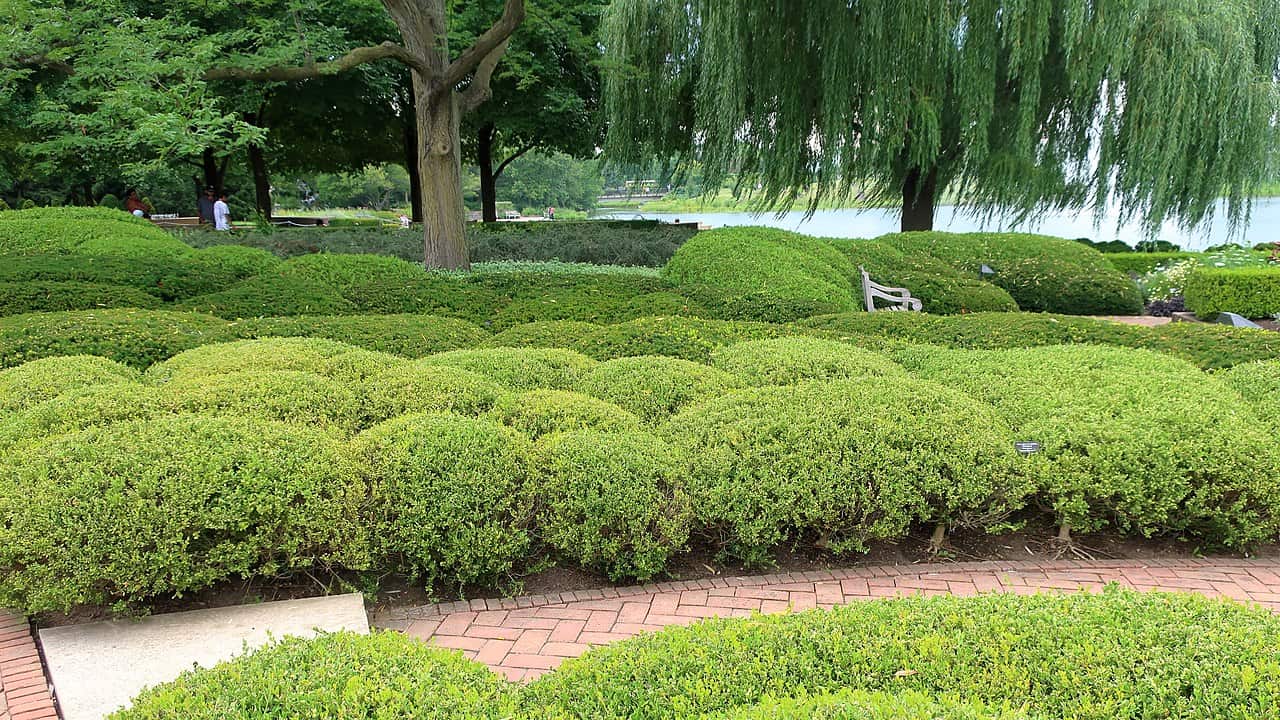
Evergreen shrubs are a smart choice to keep your garden looking neat no matter the season. They hold their leaves all year, giving your outdoor space steady shape and color.
Plants like boxwood and holly provide strong structure. You can use them for hedges, borders, or focal points that stay attractive through winter and summer.
Adding evergreens means your garden won’t feel empty when flowers fade. They create a lasting framework that supports all your seasonal changes.
Soil testing for targeted amendments and healthier plants

You can improve your garden by starting with a simple soil test. It reveals nutrient levels and helps you understand what your soil needs.
With this information, you avoid guesswork and apply only the right fertilizers or amendments.
This targeted approach supports stronger, healthier plants and saves you money over time.
Regular soil testing also helps spot nutrient imbalances before they affect your garden’s growth.
It’s a practical step that keeps your garden thriving every season.
Grafting fruit trees to combine the best traits
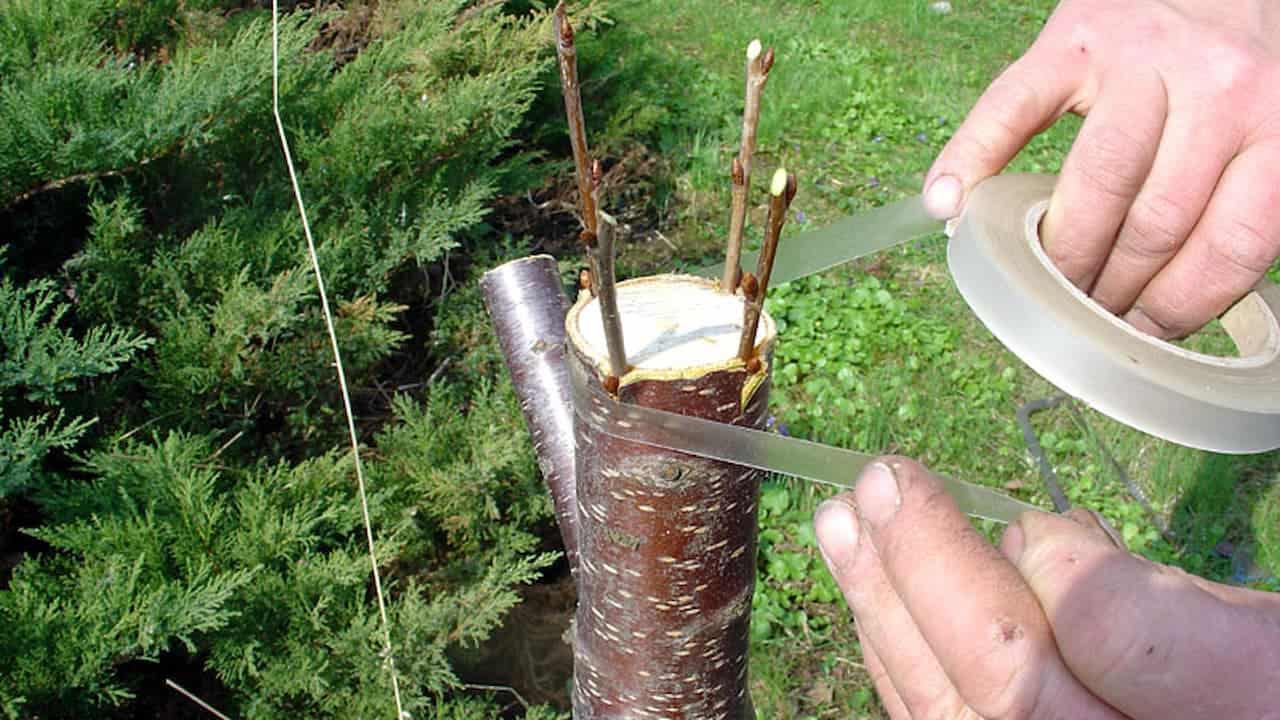
Grafting lets you join two plants so your tree has the strengths of both. You attach a scion (top part) to a rootstock (bottom part) to create one tree with unique qualities.
You can only graft compatible trees, like apple to apple or fig to fig. Timing is key—doing it during the tree’s growth phase, usually spring or fall, improves success.
With patience and care, your grafted tree can bring more variety and resilience to your garden.
Seed saving to reduce costs and preserve favorites

Saving seeds is a smart way to cut down on gardening expenses. You can collect seeds from your favorite plants each season instead of buying new packets.
It also helps you keep the exact varieties you love. When you save seeds properly by drying and storing them in a cool, dry place, they stay viable longer.
Even if you grow hybrids, you can still save seeds, though plants may vary. Seed saving builds independence and helps you grow a garden that’s truly your own.
Nutrient looping with chickens for natural fertilization
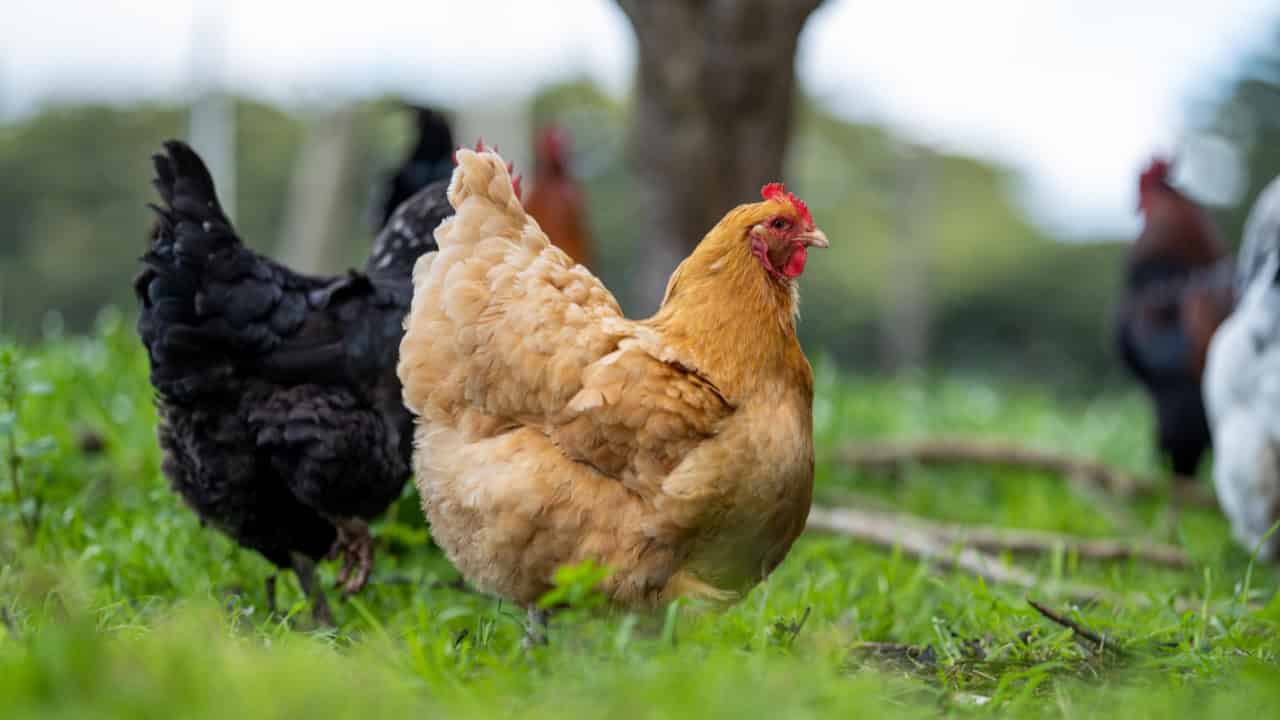
You can create a nutrient loop by integrating chickens into your garden. Their manure is a rich, natural fertilizer that boosts soil health and plant growth.
Chickens also help control pests by eating insects that harm your plants. This reduces the need for chemical pesticides.
By letting chickens roam in garden areas, you recycle waste and improve soil fertility. It’s a simple way to nourish your garden naturally.
Investing in quality organic compost and manure
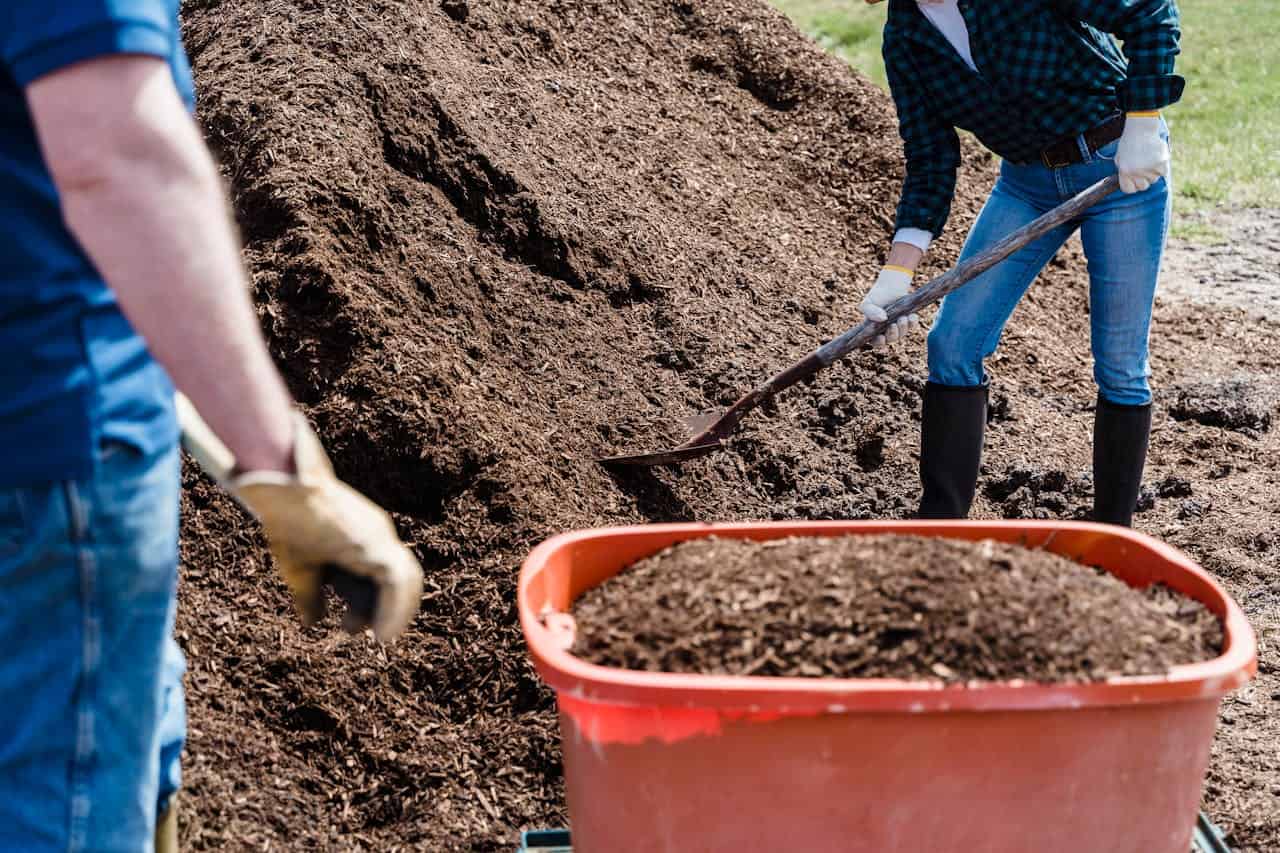
You can boost your garden’s health by using good organic compost and manure. These improve soil structure and add essential nutrients that plants need.
Choosing the right compost, like pelletized poultry manure or mushroom compost, helps feed your plants naturally. Be mindful of how much you apply to avoid overwhelming your soil.
Regularly updating your compost supply ensures your garden benefits from consistent nutrient levels. This simple step brings steady growth and stronger plants season after season.
Installing mulch layers to retain moisture and suppress weeds

You can improve your garden’s health by adding mulch around your plants. A 2-3 inch layer of organic mulch like bark, straw, or wood chips helps keep soil moist.
Mulch blocks sunlight, which reduces weed growth and saves you time on weeding. It also keeps soil temperature steady, protecting roots from extreme changes.
Be sure to leave a small gap around plant stems to prevent rot. Over time, organic mulch breaks down and enriches your soil naturally.
Choosing the Right Garden Investments
To get the best returns from your garden, focus on decisions that suit your space, climate, and long-term goals. Prioritize plants and features that offer ongoing benefits without constant replanting or high maintenance costs.
Factors to Consider Before Spending
Start by assessing your garden’s climate and soil type. Choose plants adapted to your conditions to reduce watering, feeding, and care needs.
Think about the purpose of each investment. Do you want bright flowers, edible plants, or pollinator-friendly options? Selecting versatile plants like fruit bushes or perennials can give you multiple benefits over time.
Durability matters. Look for plants and materials that last several seasons, which saves you from frequent replacement expenses.
Finally, consider your time availability. If you have limited time, pick low-maintenance plants to avoid frustration or extra costs on professional help.
Balancing Budget and Impact
Set a clear budget before purchasing. Some investments require upfront costs but save you money later, like installing a rainwater system or planting hardy perennials.
Balance spending between “must-haves” and “nice-to-haves.” Essential investments ensure your garden thrives, while additional elements improve aesthetics or luxury without compromising your core needs.
Use lists or tables to compare costs and benefits. For example:
| Investment | Cost Level | Long-Term Benefit |
|---|---|---|
| Perennial flowers | Medium | Returns every season |
| Fruit-bearing bushes | High | Food + garden beauty |
| Mulch | Low | Moisture retention |
This helps keep your spending focused on what truly pays off each season.
Maximizing Returns on Your Garden Upgrades
To get the most out of your garden investments, you’ll need to care for your space consistently and adopt smart, sustainable practices. This helps your garden stay attractive and valuable year after year without excessive costs or effort.
Seasonal Maintenance Tips
Regular maintenance is key to keeping your garden healthy and vibrant. Start by adjusting your watering schedule to fit the season; more frequent watering during hot months and less in cooler, wetter seasons prevents both drought stress and root rot.
Prune shrubs and trees in late winter or early spring to encourage new growth. Mulching in spring and fall helps retain moisture and controls weeds, saving you time and water.
Fertilize according to your plants’ needs—usually early spring for most perennials. Check for pests and diseases each season to catch problems early before they spread or damage large areas.
Eco-Friendly Practices for Lifelong Value
Using eco-friendly methods protects your garden and reduces maintenance costs. Compost your kitchen scraps and yard waste to create nutrient-rich soil that feeds your plants naturally. This reduces the need for chemical fertilizers.
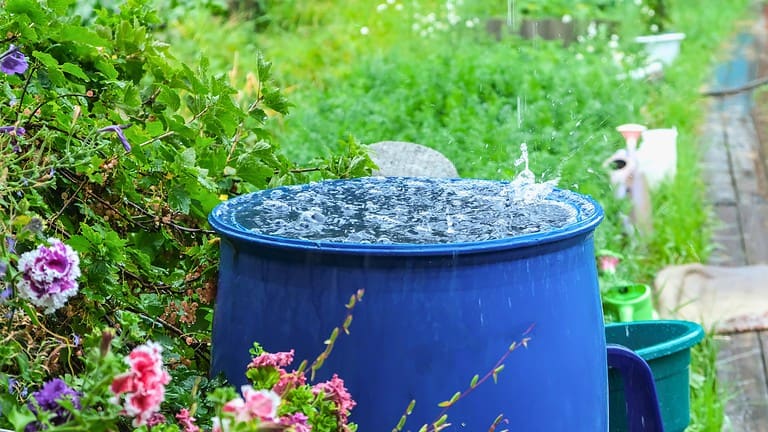
Plant native species, as they require less water and care. Incorporate rain barrels to collect water for irrigation, cutting your water bill and conserving resources.
Avoid harsh pesticides; instead, encourage beneficial insects like ladybugs and bees which naturally control pests and improve pollination. These choices support a healthier garden ecosystem and keep your upgrades productive year-round.