Summer is a great time to enjoy the fruits of your gardening efforts, but it also requires some care to keep everything thriving. By focusing on the right chores now, you can help your plants stay healthy and productive throughout the season.
Taking care of specific garden tasks in summer pays off by boosting the growth and health of your plants, leading to a more rewarding garden experience. Knowing which chores to prioritize helps you make the most of your time and effort in the garden.
Advertisement
Prune indeterminate tomato plants to encourage healthy growth

Pruning indeterminate tomato plants helps them grow strong and produce better fruit. You want to remove the small side shoots, or suckers, to direct energy to main stems and fruits.
Use clean, sharp pruning shears and avoid working on wet plants to prevent disease. Start pruning once your plants are well established, usually a few weeks after planting. Supporting your plants with stakes or trellises makes pruning easier and keeps fruit off the ground.
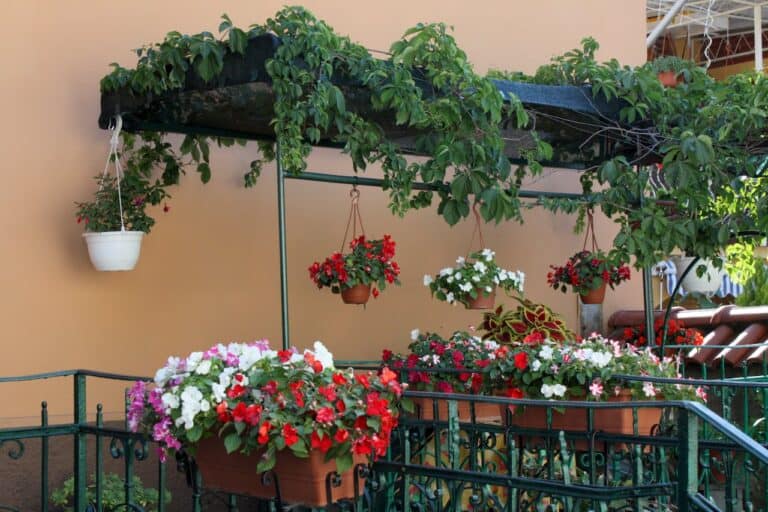
Deadhead flowers to promote continuous blooming

You can keep your garden lively by regularly deadheading flowers. Removing spent blooms helps the plant focus energy on new growth instead of seed production.
This simple task encourages fresh buds to develop, giving you more flowers throughout the summer. Many popular plants like petunias, marigolds, and zinnias respond well to deadheading.
All you need is a pair of sharp scissors or your fingers to pinch off the faded flowers just below the bloom. It’s an easy way to enjoy a longer, healthier flowering season.
Propagate cuttings of coleus, begonia, geranium, and zinnia

You can easily grow new plants by taking cuttings from coleus, begonia, geranium, and zinnia. Use healthy stems with a few leaves and trim just below a leaf node.
Place the cuttings in water or moist soil. Keep them in warm, bright spots but out of direct sun. Roots should appear in days to weeks, depending on the plant.
This simple task lets you multiply your garden without buying more plants. It’s a fun way to see new growth and fill your garden with vibrant color.
Mulch with straw or grass clippings to retain soil moisture
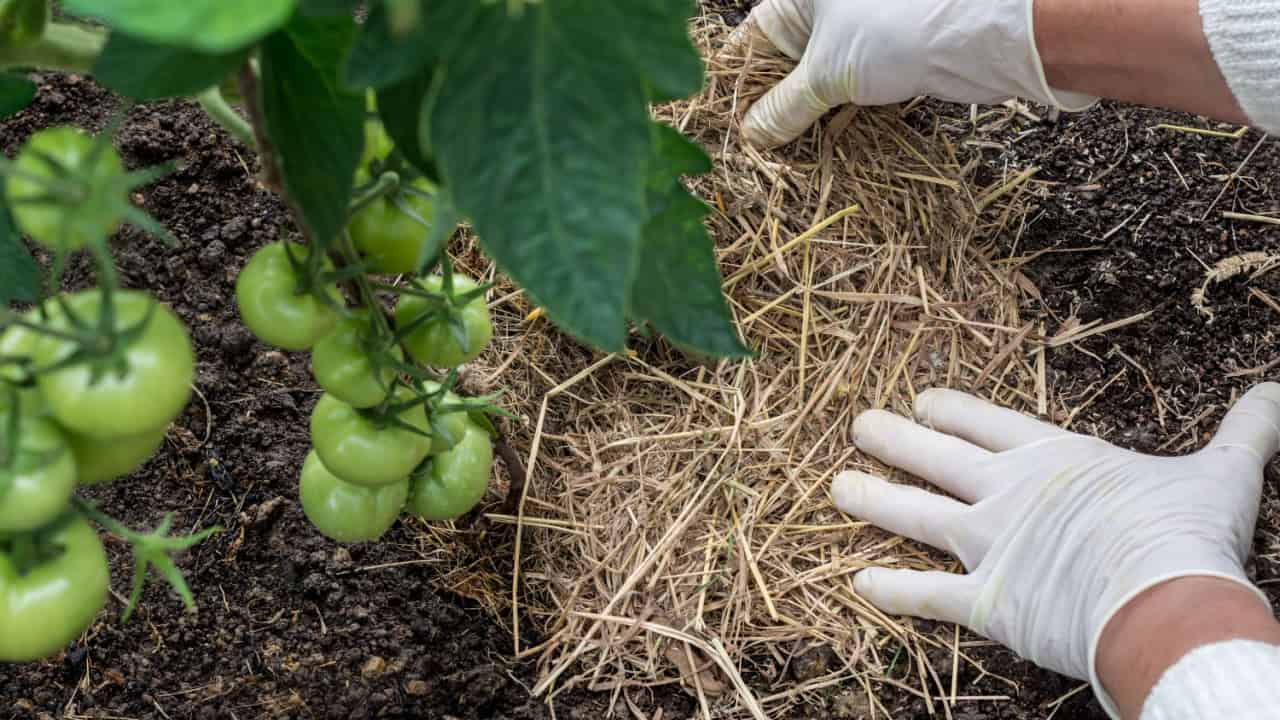
Mulching with straw or grass clippings helps keep your soil moist during hot summer days. Straw is lightweight and lets air flow, while grass clippings add nutrients as they break down.
Mix grass clippings with dry materials like straw to prevent nitrogen loss and keep the mulch balanced. This combination helps your plants stay healthy and reduces the need for frequent watering.
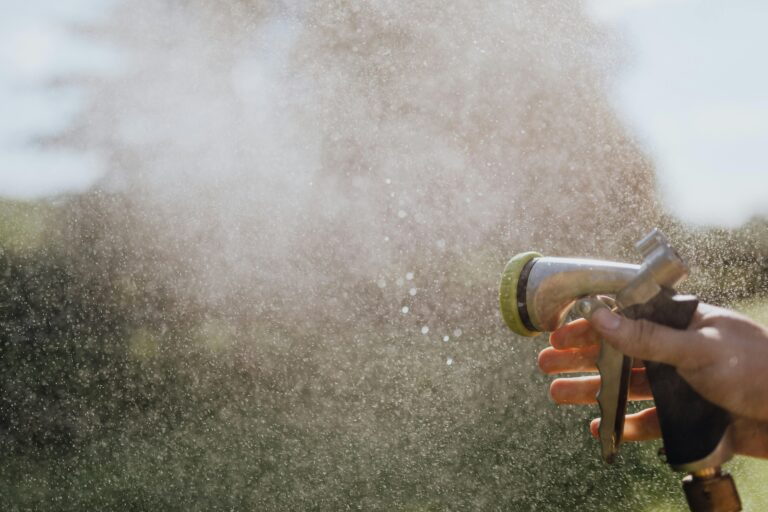
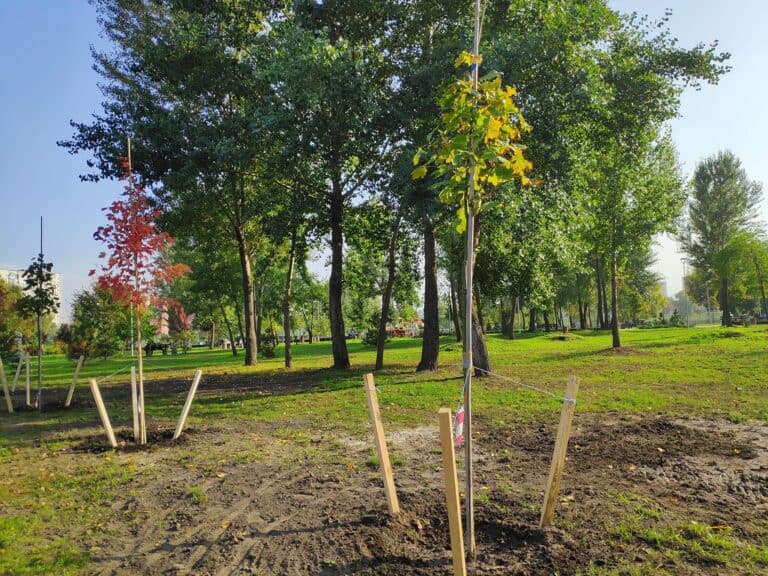
Deep-water mature trees once a month to withstand heat
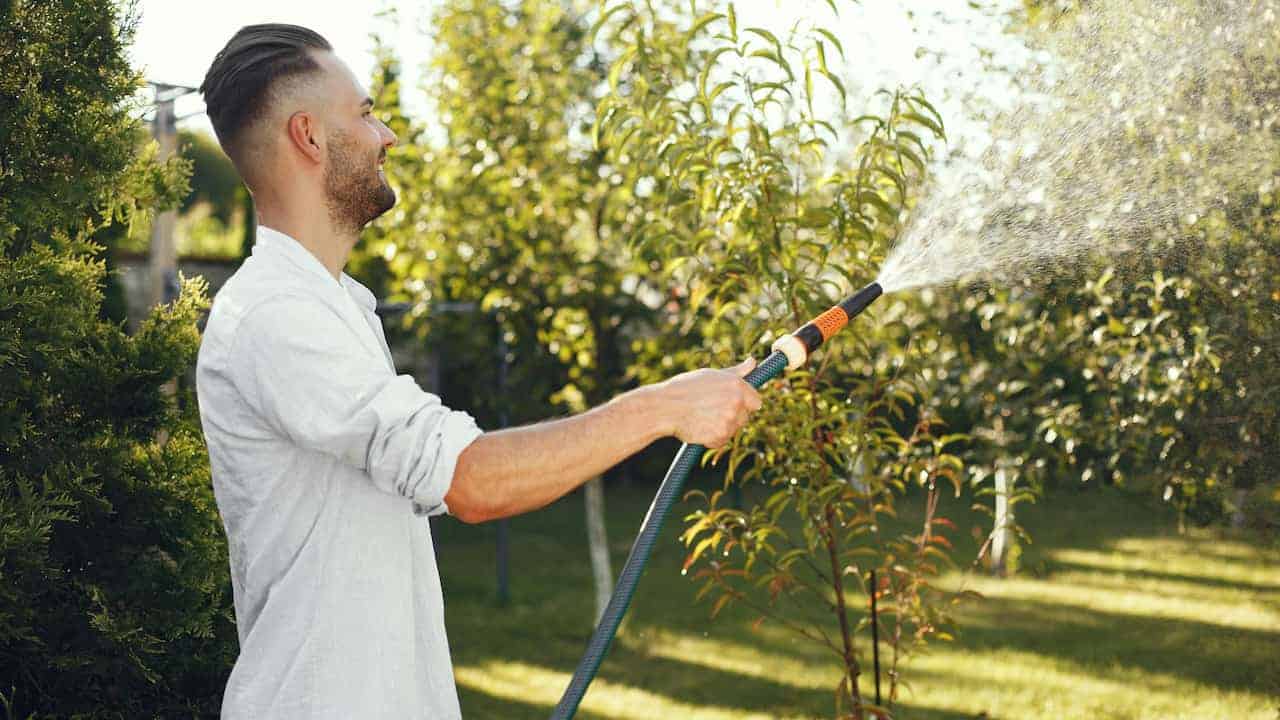
You should water mature trees deeply about once a month during dry summer months. Focus on soaking the soil around the drip line, reaching 12 to 18 inches deep.
Water early in the morning or late at night to reduce evaporation. Avoid light watering, as it only moistens the surface and encourages shallow roots.
During extreme heat or drought, increase watering to once a week. Deep watering helps your trees stay healthy and better resist summer heat stress.
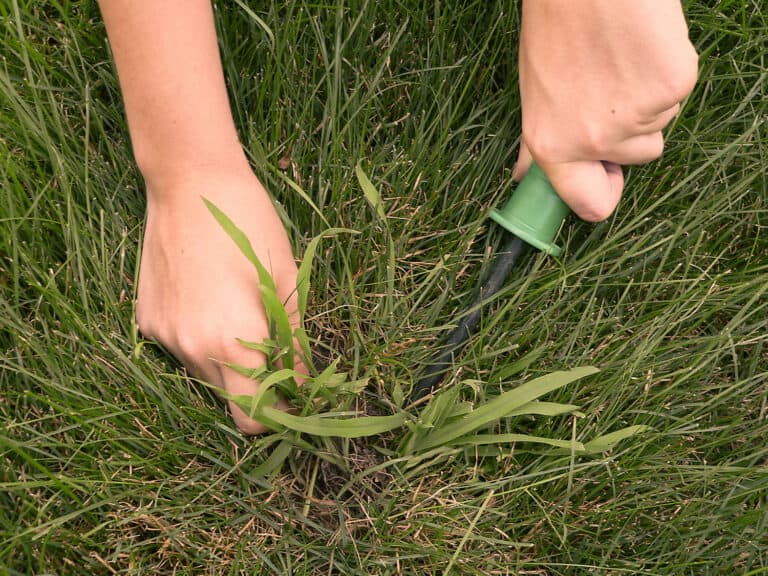
Weed regularly to reduce competition for nutrients and water

You should remove weeds often to keep your garden healthy. Weeds compete with your plants for nutrients, water, and sunlight. This can slow down the growth of your desired plants.
Weeding early in the season helps you stay ahead of fast-growing weeds. Regular removal prevents them from taking over and harboring pests or diseases. Staying consistent will give your garden the best chance to thrive.
Pest-proof your garden by inspecting and treating plants early
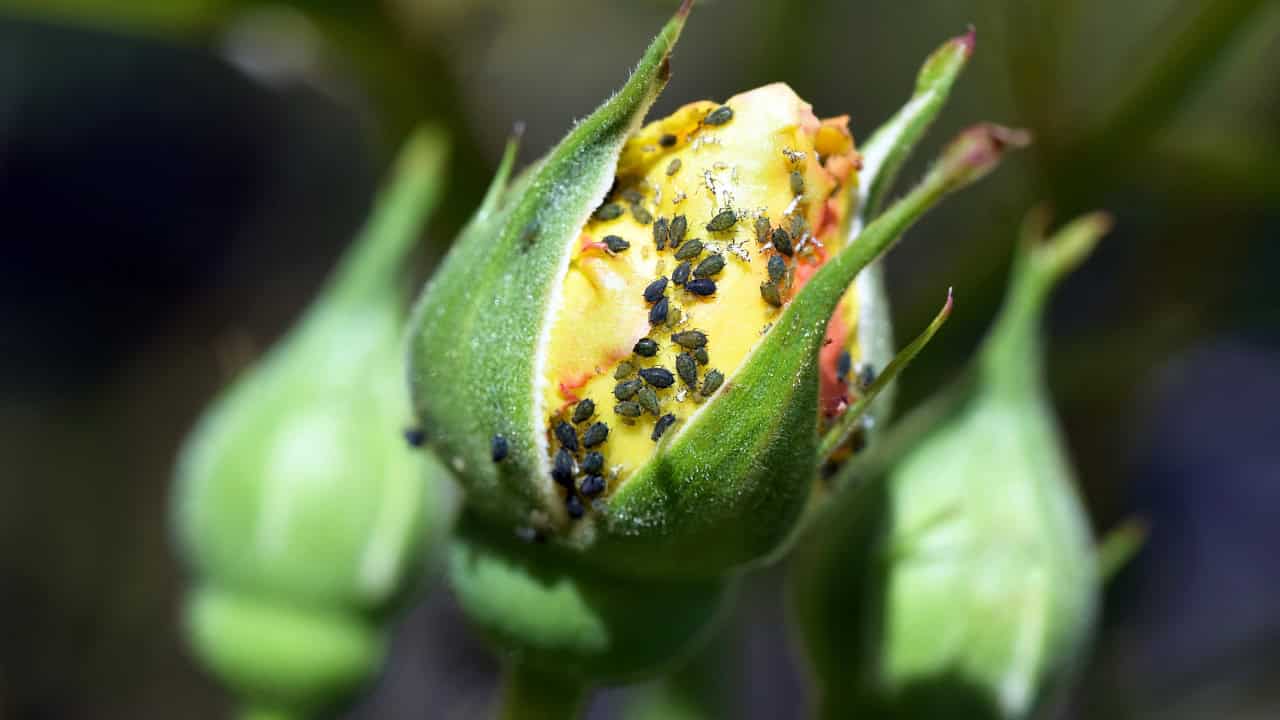
You can protect your garden by checking plants frequently for signs of pests. Look for sticky residue or chewed leaves, which often indicate insects like beetles. Catching problems early lets you act before damage spreads.
Treat affected plants right away using natural methods or pest-resistant plant varieties. Covering young plants with lightweight row covers also keeps many pests out while letting light and water through.
Top off ponds with dechlorinated water to maintain aquatic health

When you add water to your pond, make sure it’s dechlorinated. Tap water usually contains chlorine or chloramines that can harm fish and beneficial bacteria.
You can let water sit in an open container for 24-48 hours to allow chlorine to dissipate naturally. Alternatively, use a dechlorinating agent for faster results.
Keeping your pond water safe helps protect the aquatic life and keeps the ecosystem balanced during summer.
Plant fall-maturing crops in open beds for extended harvest
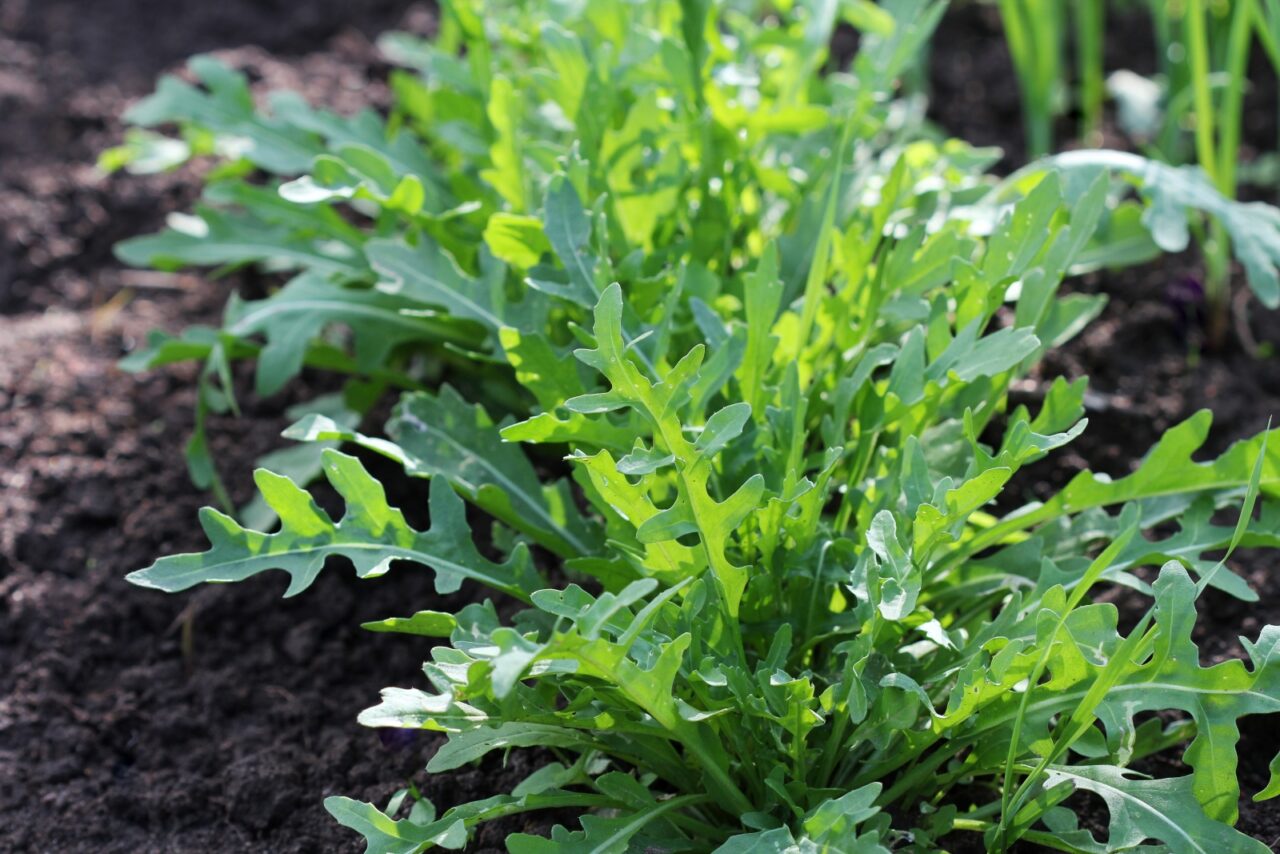
You can keep your garden productive by planting fall-maturing crops in open beds. These vegetables thrive in cooler temperatures and can be harvested well into autumn.
Choose fast-growing greens like arugula or leaf lettuces, which are ready in about a month or two. Planting directly outdoors works best for root vegetables like carrots and radishes.
By timing your planting in late summer, you extend your harvest season and enjoy fresh produce longer.
Feed plants with balanced fertilizer to boost summer growth
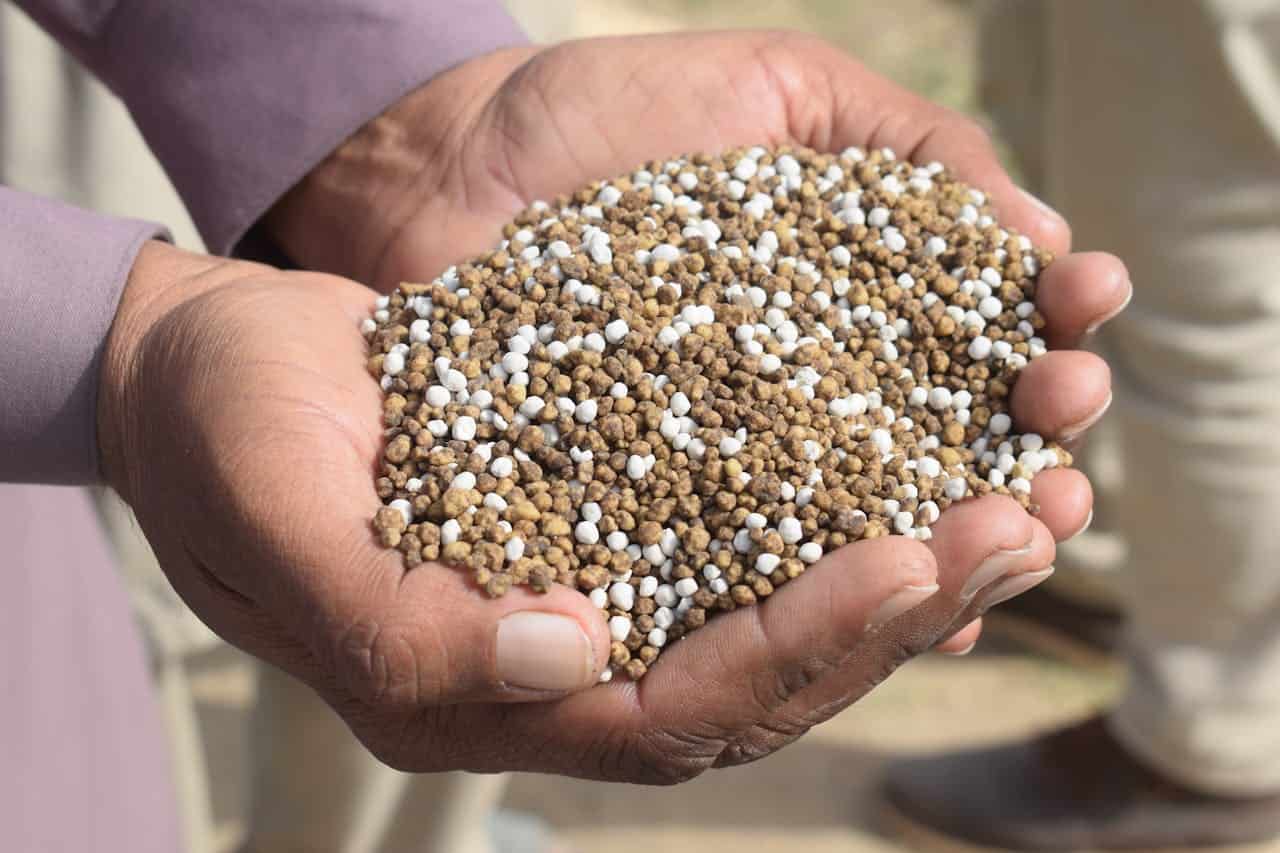
Use a balanced fertilizer with equal parts nitrogen, phosphorus, and potassium to support healthy growth. This helps your plants build strong leaves, flowers, and roots.
Feed your plants regularly but avoid over-fertilizing, which can harm them. Watch for signs like yellowing leaves to adjust your feeding.
If you use granular fertilizer, applying half the recommended amount can provide enough nutrients without overwhelming your plants.
Remove spent blossoms from peonies for better appearance
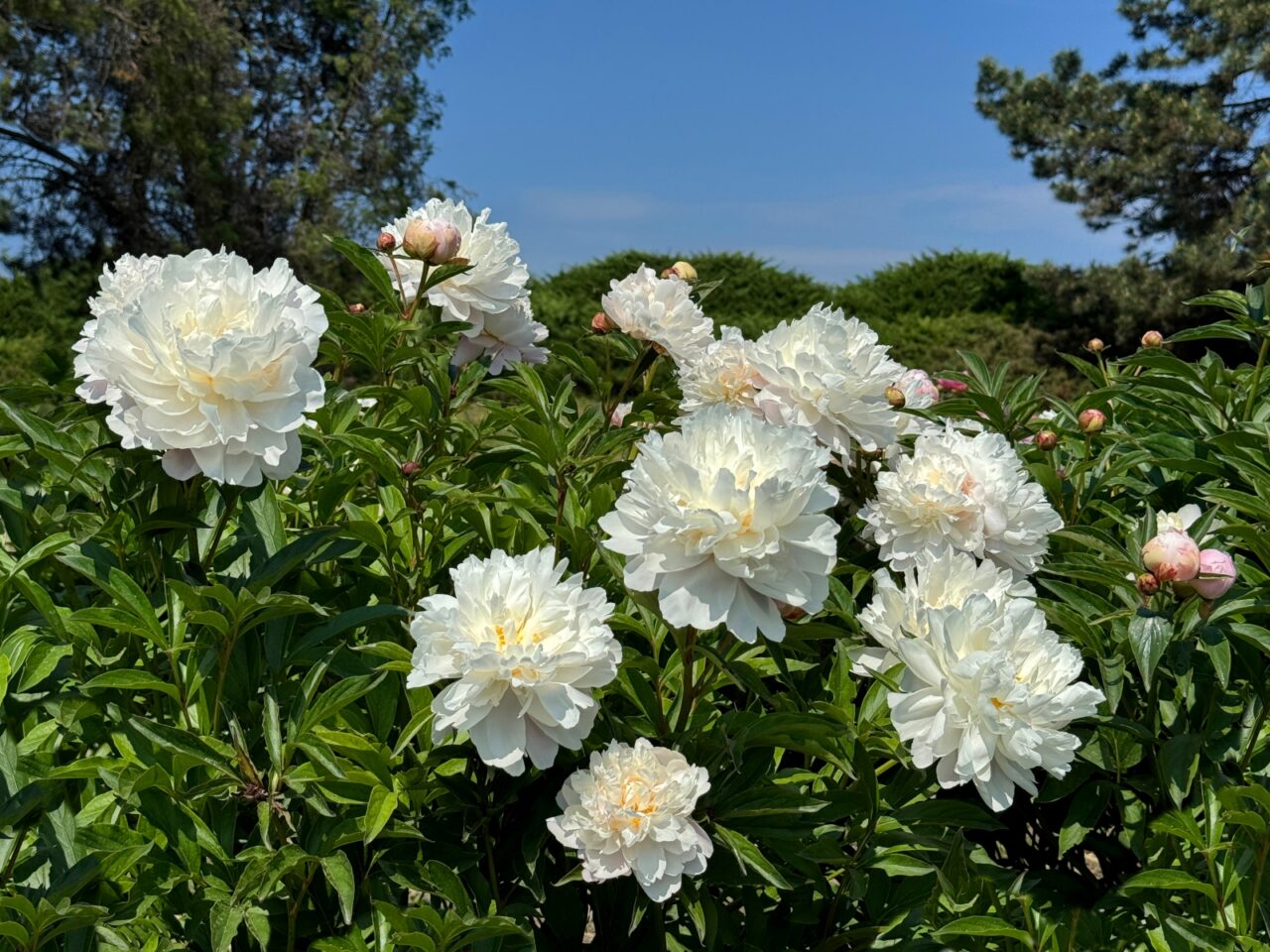
When your peonies finish blooming, cut off the spent flowers to keep your garden tidy and attractive. Use clean, sharp garden shears and trim the stem about 1-2 inches below the faded bloom.
This helps reduce the risk of fungal diseases and encourages stronger growth for next season. Remember to check your peonies regularly and remove dead blossoms as they fade.
Apply mulch to protect vegetable soil from drying out

Mulching helps keep your vegetable soil moist by reducing water evaporation. Lay down three to four inches of organic material like dried leaves, straw, or grass clippings around your plants.
Mulch also lowers soil temperature, shielding roots from heat stress during hot summer days. This keeps your plants healthier and reduces the need to water frequently.
Be sure to wait until the soil warms up before mulching. Applying mulch too early can keep soil cold and slow seedling growth.
Trim unruly branches that don’t flower to keep plants tidy
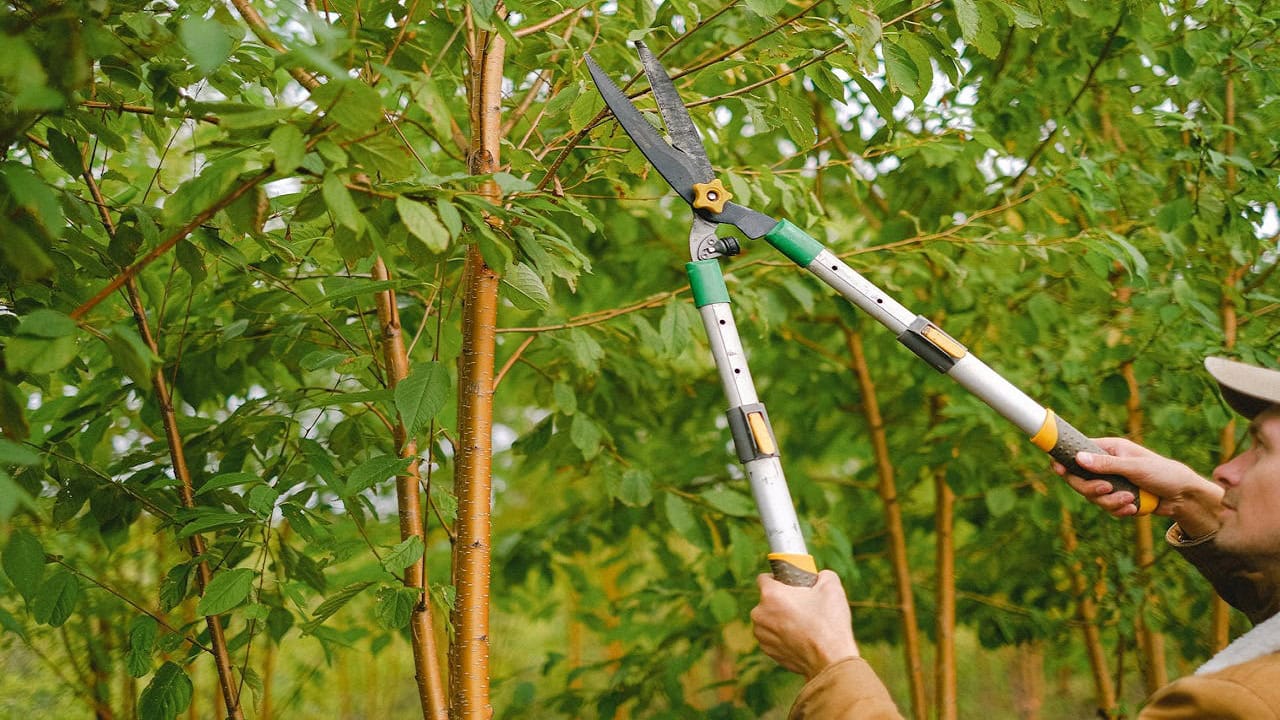
You should regularly remove branches that don’t produce flowers. These can make your plants look messy and take energy away from blooming parts.
Cutting back these unruly branches helps maintain a neat shape and encourages healthier growth. Focus on dead or weak stems first to keep your garden looking its best.
Don’t be afraid to trim plants like forsythia after blooming; this will prevent overgrowth without risking next season’s flowers.
Planning for Garden Success
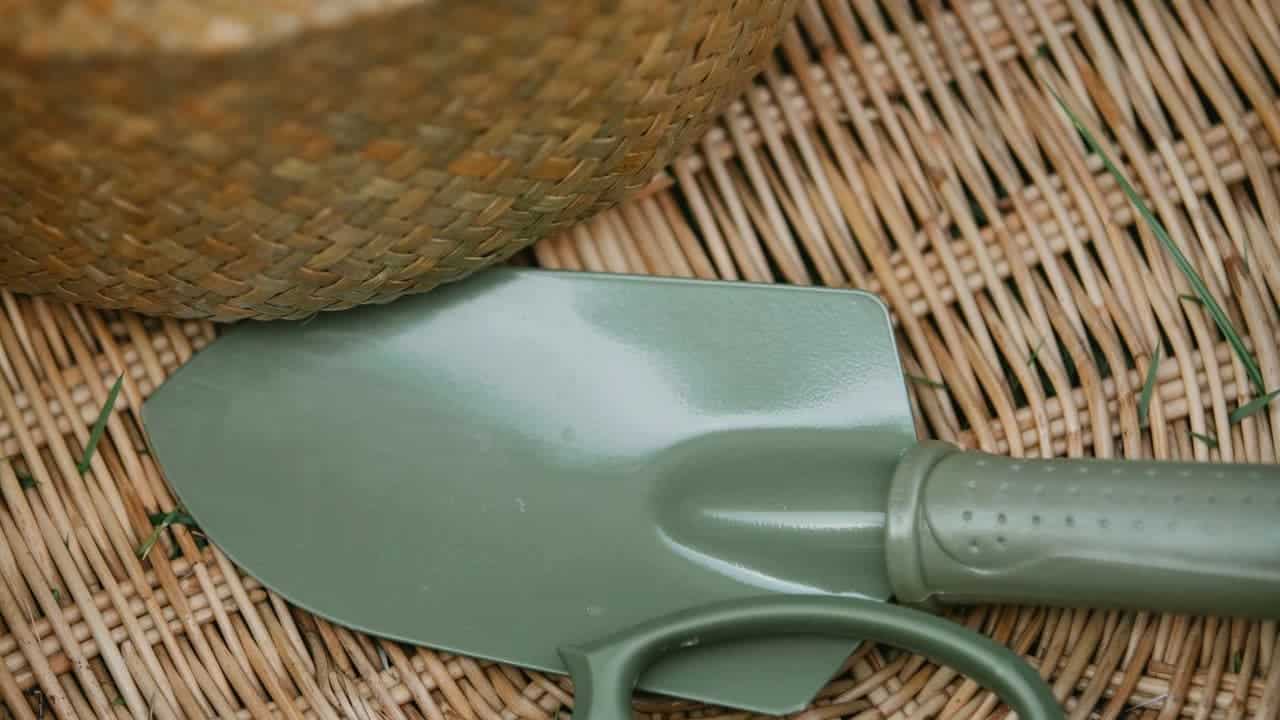
Good timing and well-maintained tools are essential for a thriving summer garden. Knowing when to do specific chores and keeping your tools in top shape helps you avoid setbacks and enjoy a smoother gardening experience.
Timing Chores for Maximum Rewards

You get the best results when you schedule tasks according to your garden’s natural rhythms. Early summer is perfect for watering deeply to help plants establish strong roots before heat waves hit.
Pruning should be done right after spring blooms fade to encourage more growth and prevent stress. Also, plan pest control before insects become widespread—this usually means regular inspections starting in late spring through early summer.
Tracking your garden’s stages on a simple calendar or app helps you act at the right moments. For example:
- Mulching early in summer conserves moisture during heat spikes
- Harvest vegetables as soon as they mature to boost ongoing production
- Rotate crops after harvesting to keep soil healthy
Sticking to a schedule lets you tackle chores efficiently, so your plants stay healthy and productive.
Seasonal Tool Care and Storage

Your tools work harder in summer, so they need extra attention. Clean tools after each use to prevent rust and spread of disease. A stiff brush and soapy water usually do the trick.
Sharpen blades on pruners, shears, and knives regularly. Sharp tools reduce plant damage and make tasks easier. Oil metal parts with a lightweight lubricant to keep them moving smoothly and rust-free.
Store your tools in a dry, sheltered place to protect them from sun and rain. A pegboard or tool rack in a shed or garage works well for easy access and organization.
Create a quick checklist for tool care:
- Clean off soil and debris
- Sharpen cutting edges
- Oil moving parts
- Inspect handles for cracks or splinters
- Store off the ground, in a dry spot
Well-maintained tools save you time and frustration during the busy summer months.
Boosting Long-Term Garden Health

To keep your garden thriving through the summer, focus on creating strong soil and attracting helpful wildlife. These two efforts work hand-in-hand to reduce pests, improve plant growth, and build a sustainable garden ecosystem.
Building Healthy Soil Foundations
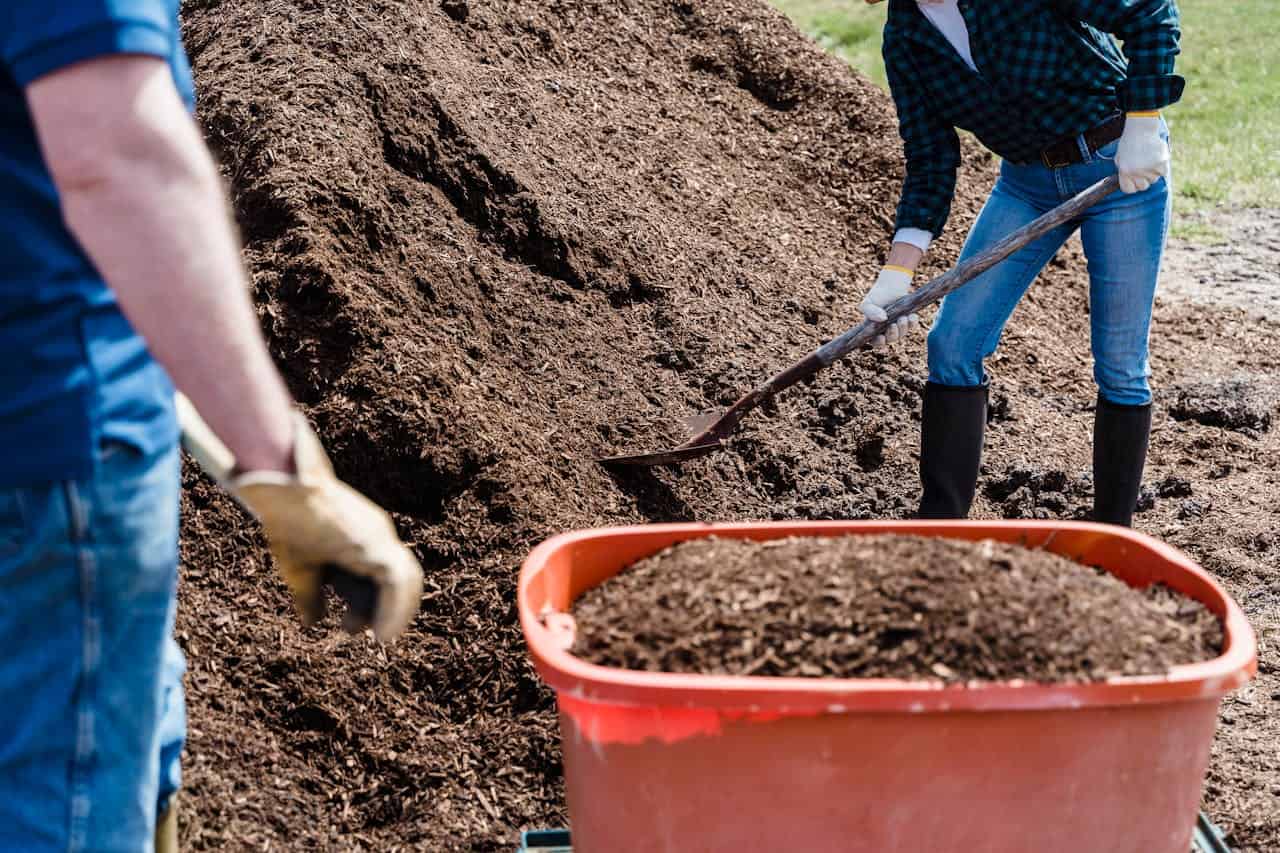
Healthy soil is the backbone of a productive garden. Start by adding organic matter like compost or aged manure to boost nutrients and improve moisture retention. You can spread a 2-3 inch layer of compost over your beds in early spring or late fall.
Regularly mulching around your plants helps control weeds and keeps the soil temperature stable. Avoid compacting the soil by walking on garden beds; use designated paths instead.
Test your soil every few years to check pH and nutrient levels. Adjust with lime or sulfur if needed. Incorporate cover crops such as clover or rye in off-seasons to fix nitrogen and prevent erosion. This groundwork pays off as plants grow stronger and resist disease better.
Encouraging Beneficial Wildlife

Welcoming beneficial insects and animals helps manage pests naturally, reducing the need for chemicals. Plant a variety of flowers like marigolds, dill, or fennel to attract pollinators and predatory insects such as ladybugs and lacewings.
Set up bird feeders or houses to invite insect-eating birds into your garden. They can help control caterpillars and beetles.
Providing water sources like shallow dishes or small ponds supports frogs and toads, which consume many garden pests.
Avoid broad-spectrum pesticides that harm helpful species. Promoting this friendly wildlife keeps your garden balanced and healthier during peak growing months.