Refinishing furniture can be a rewarding way to breathe new life into your home pieces. However, not every item benefits from this process, and some furniture is simply too valuable or well-crafted to alter. Knowing which pieces to leave as they are can save you time and effort while preserving their original charm.
Understanding which furniture pieces are better off untouched helps you make smart decisions that protect their quality and history. This article will guide you through examples of furniture you might want to reconsider before refinishing.
Advertisement
Antique Victorian Sideboard
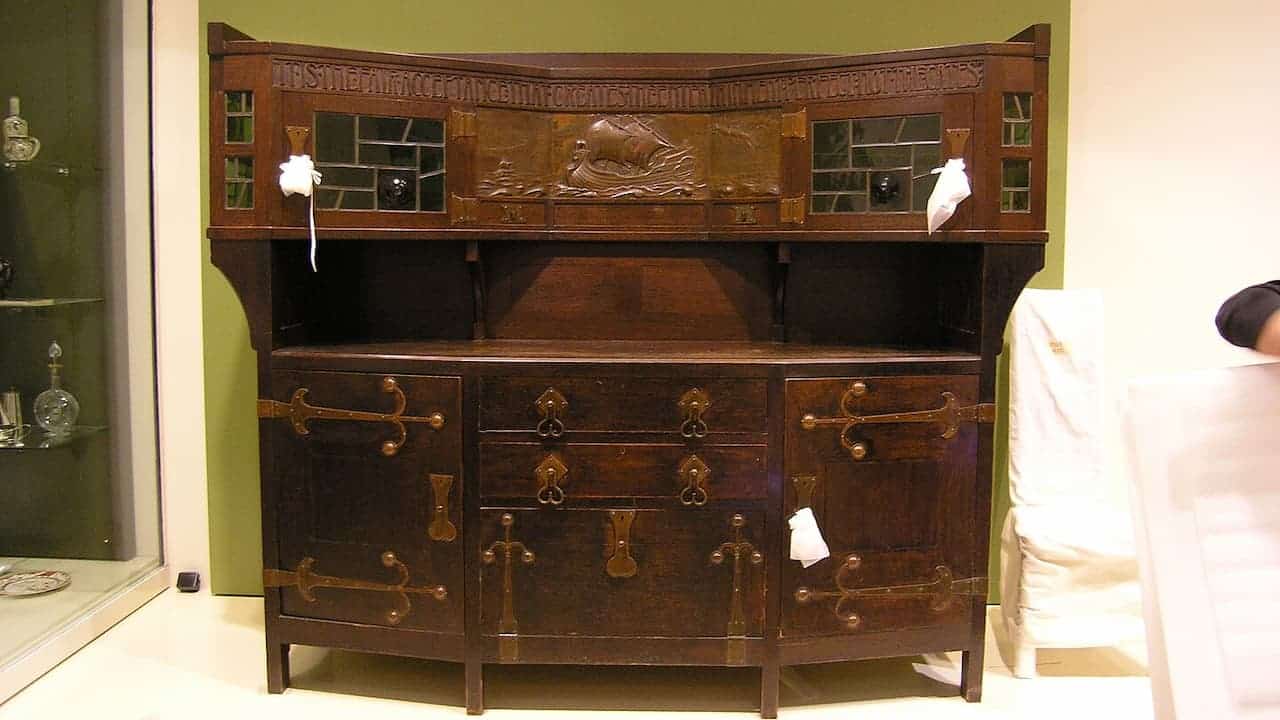
If you own an antique Victorian sideboard, think twice before refinishing it. These pieces often have intricate craftsmanship and original finishes that add to their value.
Refinishing can remove unique details and diminish the character that makes your sideboard special. Instead, focus on gentle cleaning or professional restoration to preserve its beauty.
Your Victorian sideboard is a part of history, so treat it with care to keep its charm intact.
Mid-Century Modern Teak Credenza
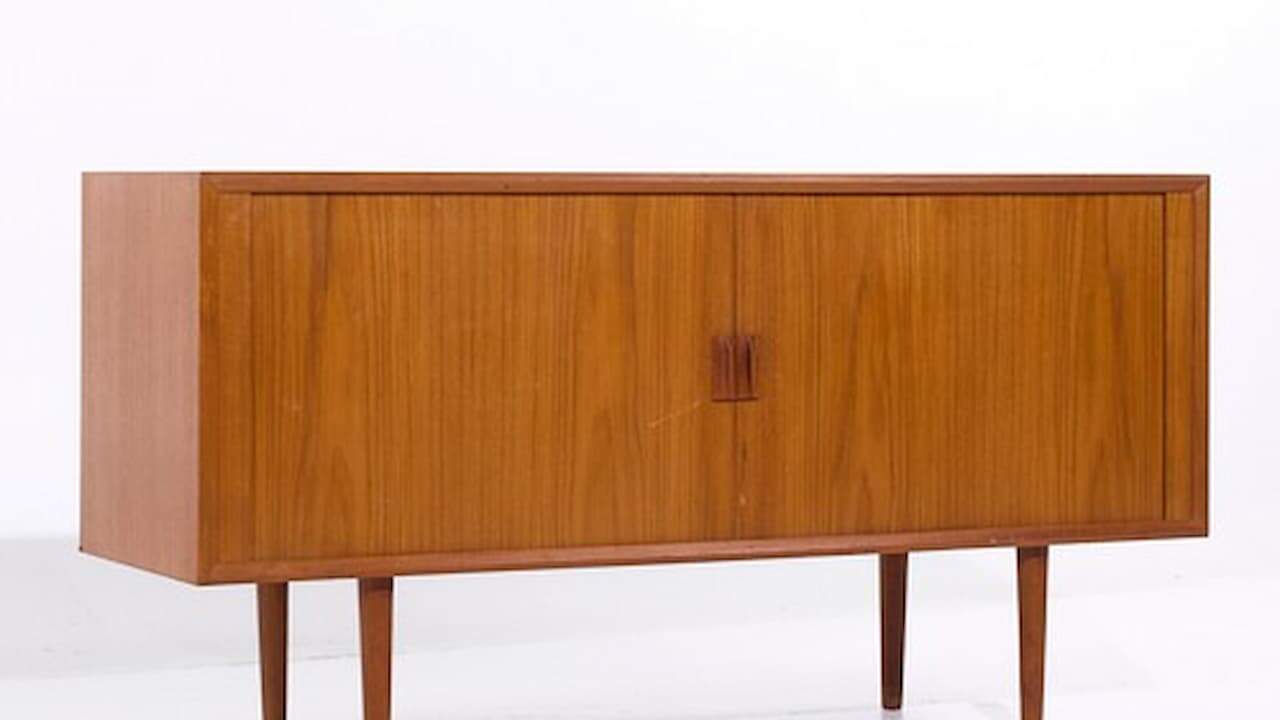
If you have a mid-century modern teak credenza, it’s often best to leave it as is. These pieces are known for their clean lines and warm wood tones that naturally age beautifully.
Teak’s natural oils protect the wood, so refinishing can sometimes do more harm than good. Instead, you might consider gentle cleaning or light polishing to maintain its character.
Your credenza’s original finish tells part of its story. Keeping it intact preserves both value and charm.
Hepplewhite Mahogany Chairs
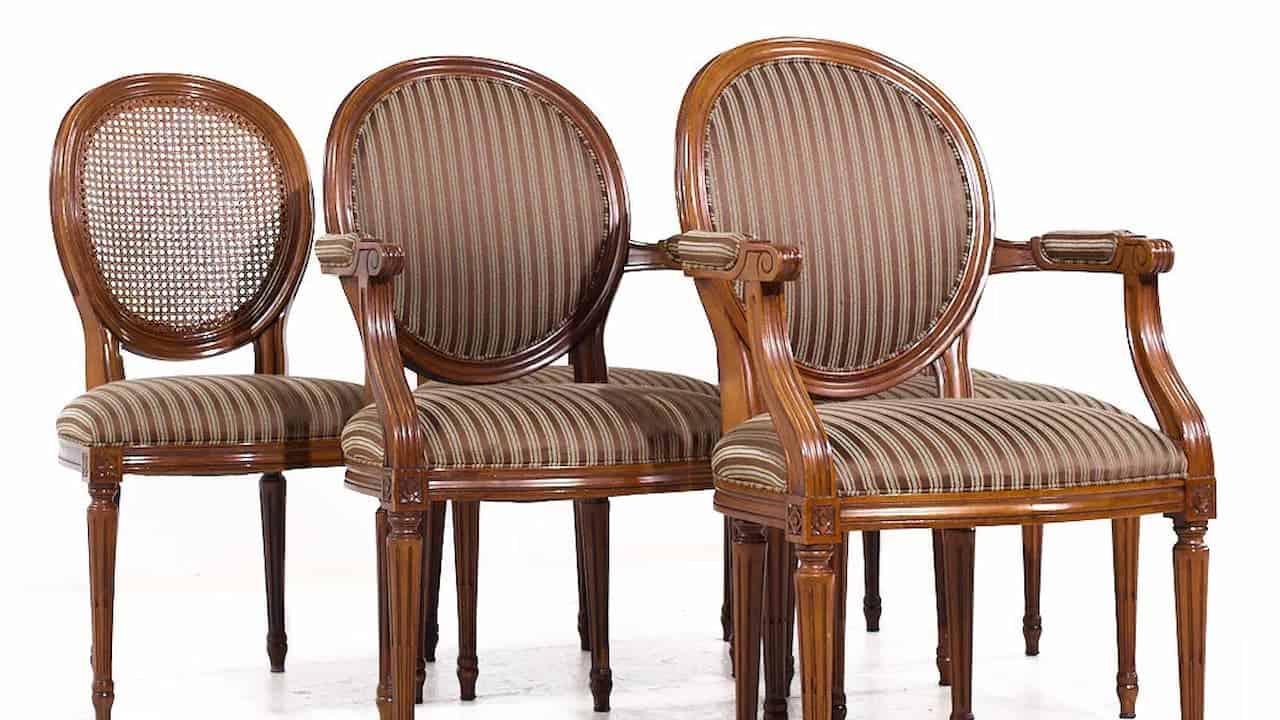
If you own Hepplewhite mahogany chairs, you might want to think twice before refinishing them. These chairs are known for their delicate, slender legs and graceful curves that add charm to any room.
Refinishing can reduce their value, especially if your pieces have original finishes or unique details. Preserving the patina keeps their character intact, which is often more appealing than a fresh coat of stain or paint.
Arts and Crafts Oak Desk
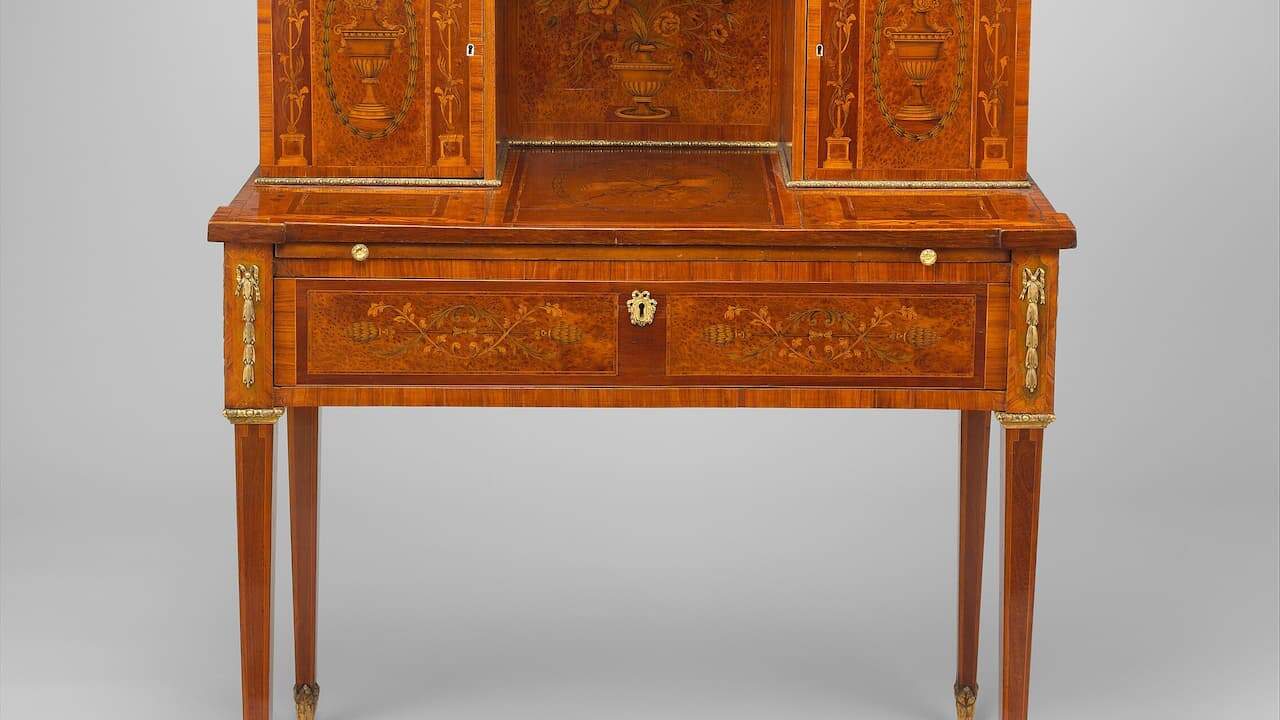
If you have an Arts and Crafts oak desk, it’s usually best to leave its original finish intact. These desks, often made between 1900 and 1920, develop a rich character that can be lost with sanding or stripping.
Instead, applying a quality wax can refresh the surface without harming its value. Remember, refinishing may reduce the desk’s authenticity and appeal to collectors. Preserve the natural wear—it tells the story of your piece.
Queen Anne Walnut Writing Table
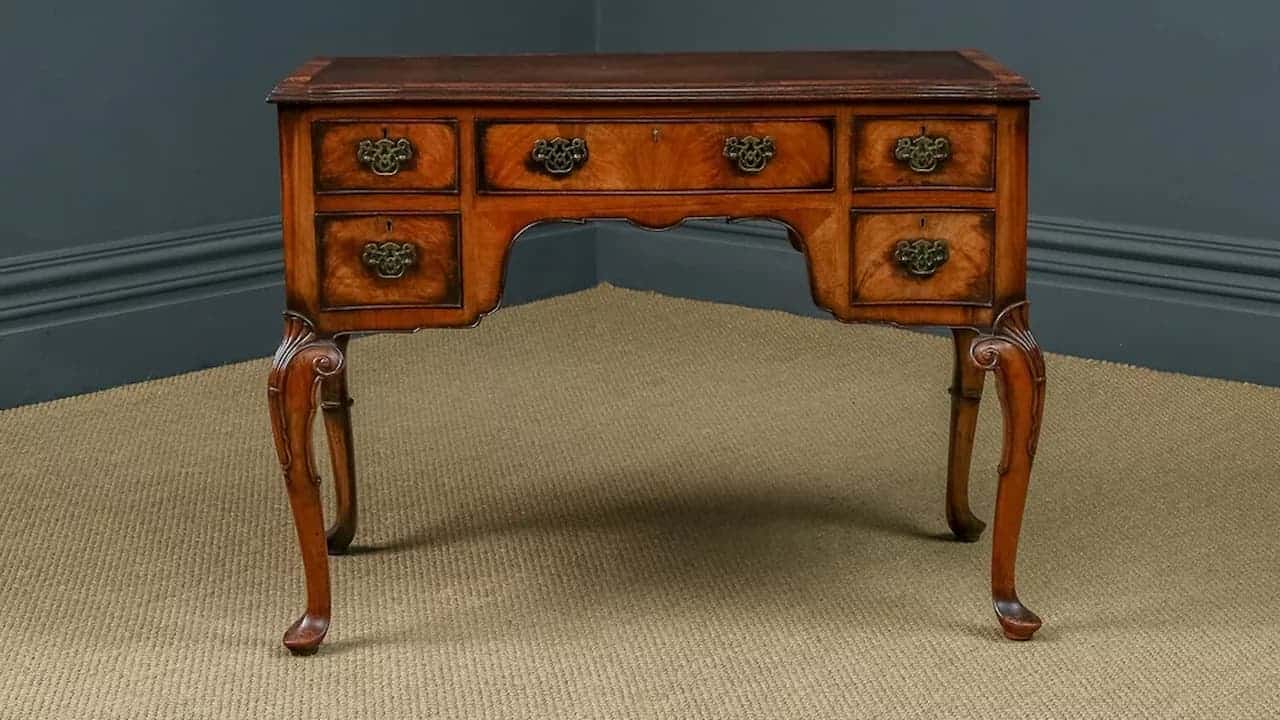
If you have a Queen Anne walnut writing table, it’s best to appreciate its original charm. Its graceful cabriole legs and smooth lines make it a standout piece that doesn’t need heavy refinishing.
The rich walnut finish naturally deepens with age, adding warmth to your space. Trying to refinish it could easily remove the subtle patina that gives it character.
Instead, focus on gentle cleaning and wax to maintain its beauty while preserving its history. Your table will thank you.
Shaker Maple Rocking Chair
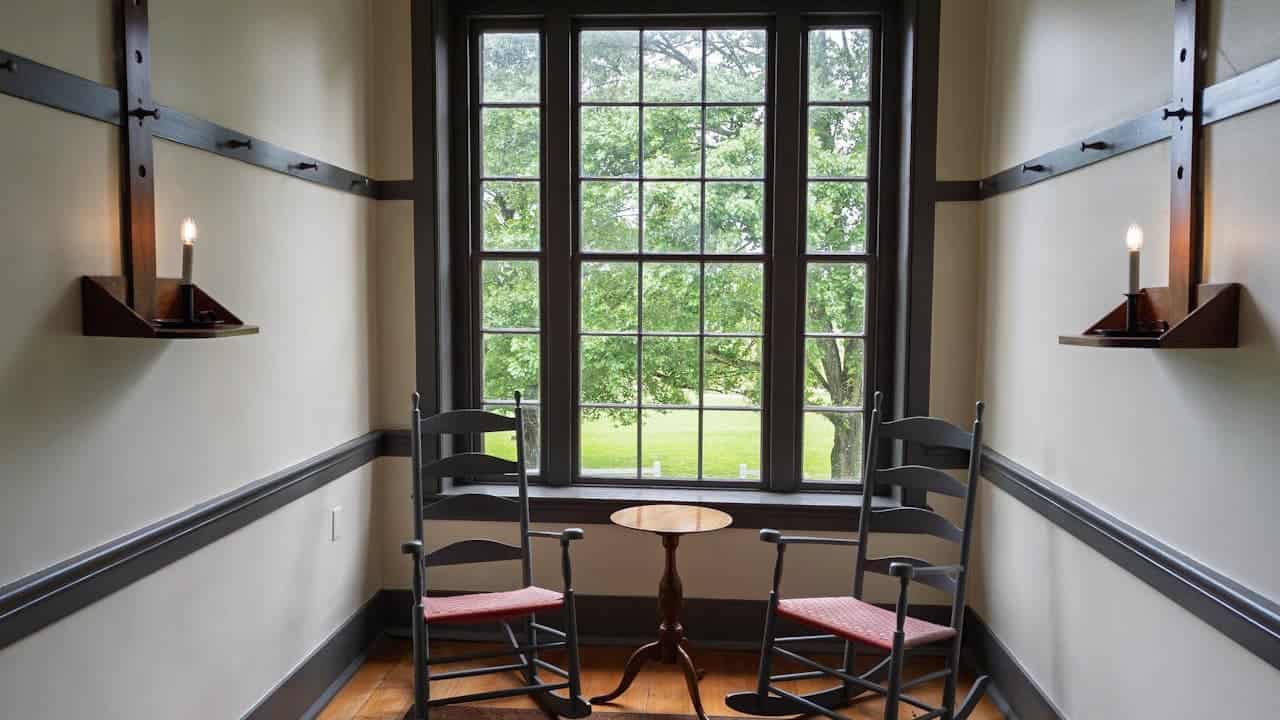
Your Shaker maple rocking chair is a classic piece that shows simple beauty and skilled craftsmanship. The natural finish highlights the wood’s fine grain, so refinishing may hide its character.
These chairs often come with a smooth, worn patina that tells a story. Instead of stripping or sanding, you can gently clean and oil it to preserve its charm.
If you refinish it, you risk losing the subtle signs of age that make your rocking chair unique.
Federal Style Mahogany Chest
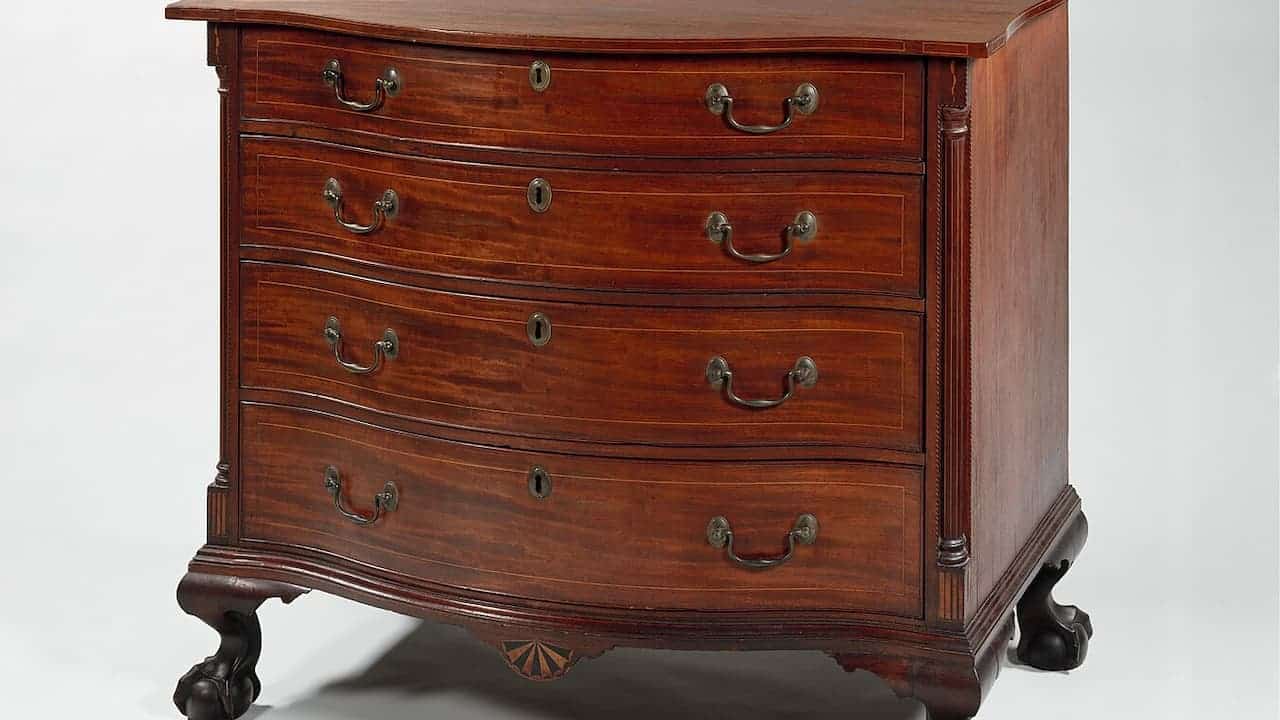
If you own a Federal style mahogany chest, think twice before refinishing it. These pieces often have rich history, detailed craftsmanship, and original finishes that add true character.
Refinishing can easily remove the antique charm and lower its value. Instead, focus on gentle cleaning and polishing to preserve its natural beauty.
If you are concerned about damage or wear, consulting a professional is a safer choice to maintain the chest’s integrity.
Art Deco Walnut Chest of Drawers
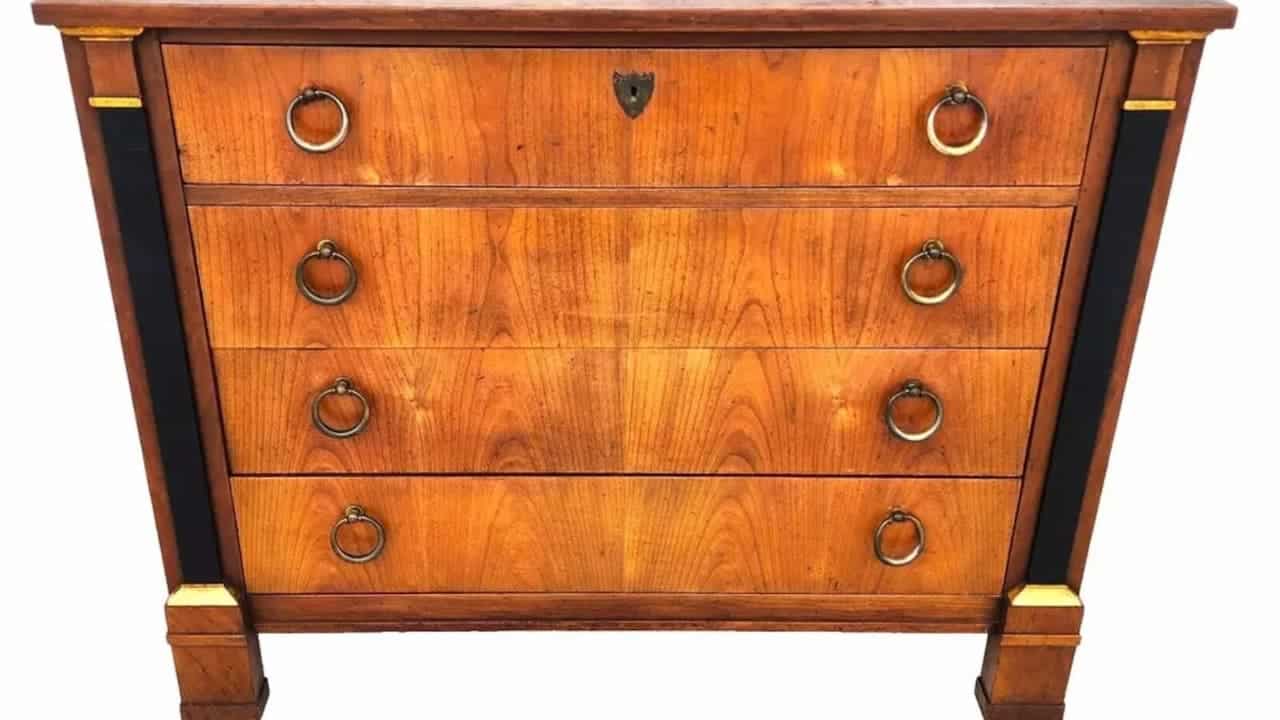
You might be tempted to refinish your Art Deco walnut chest, but it’s often best to preserve its original beauty. The wood and veneer show unique patterns and craftsmanship that can be lost with sanding or painting.
Small chips and scratches can usually be repaired with wax sticks or patching instead of full refinishing. If the veneer is damaged, focus on careful restoration rather than stripping the piece.
Keeping the original finish maintains the character and value of your chest, letting you enjoy its timeless style for years.
Chippendale Cherry Wood Armchair
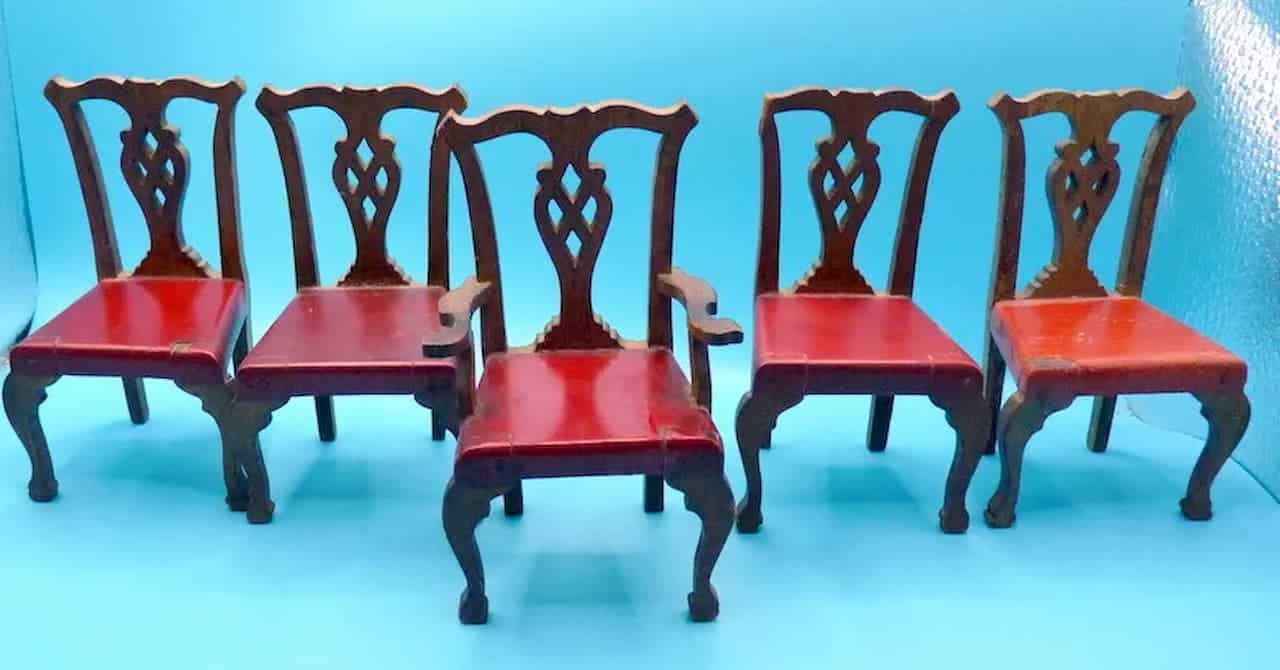
You’ll want to keep the rich color and intricate carving of a Chippendale cherry wood armchair as is. Its classic design and warm tone naturally add charm to any room.
Refinishing may risk losing the delicate details and original finish that give it character. Instead, consider gentle cleaning and polishing to preserve its beauty.
This piece often improves with minimal intervention, letting the natural qualities shine through without drastic changes.
Early American Pine Blanket Chest
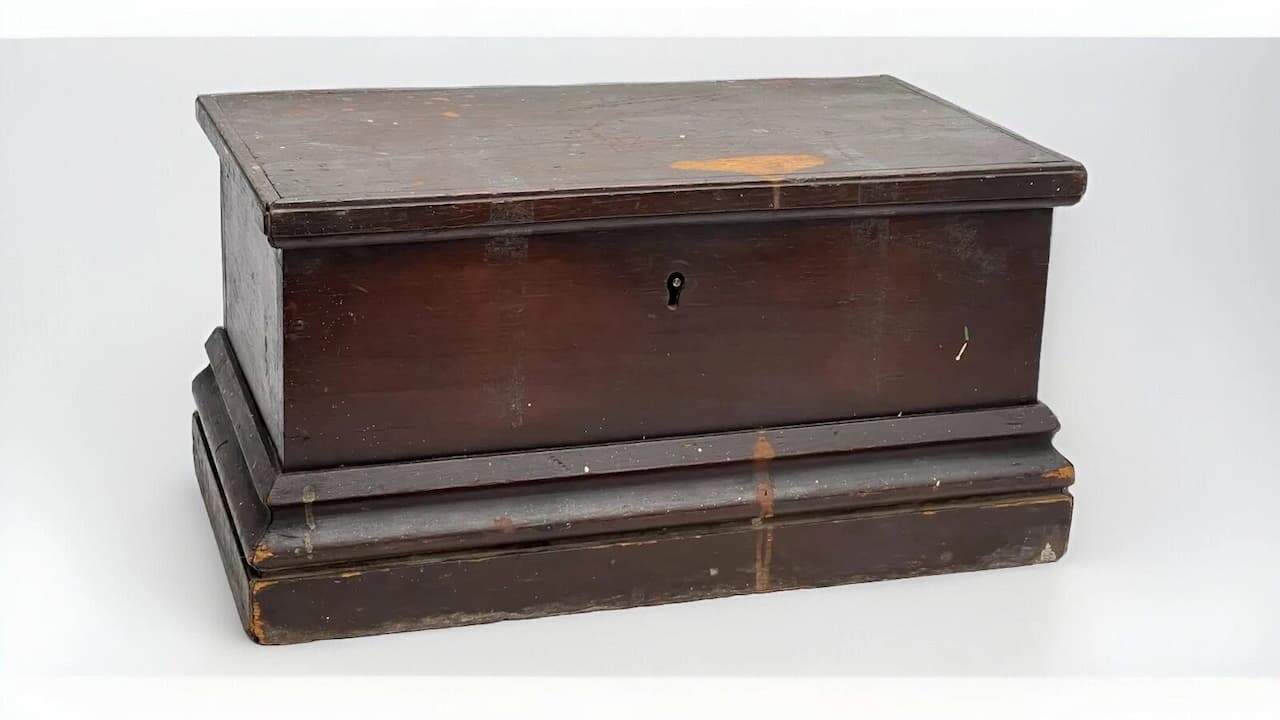
You’ll find Early American pine blanket chests charming because of their simple, sturdy design. These chests often feature six boards joined with dovetails and have a hinged top for easy access.
Their worn paint and natural wood grain tell a story you wouldn’t want to erase by refinishing. They work well as both storage and seating, making them practical and decorative additions to your home.
Vintage Danish Rosewood Buffet
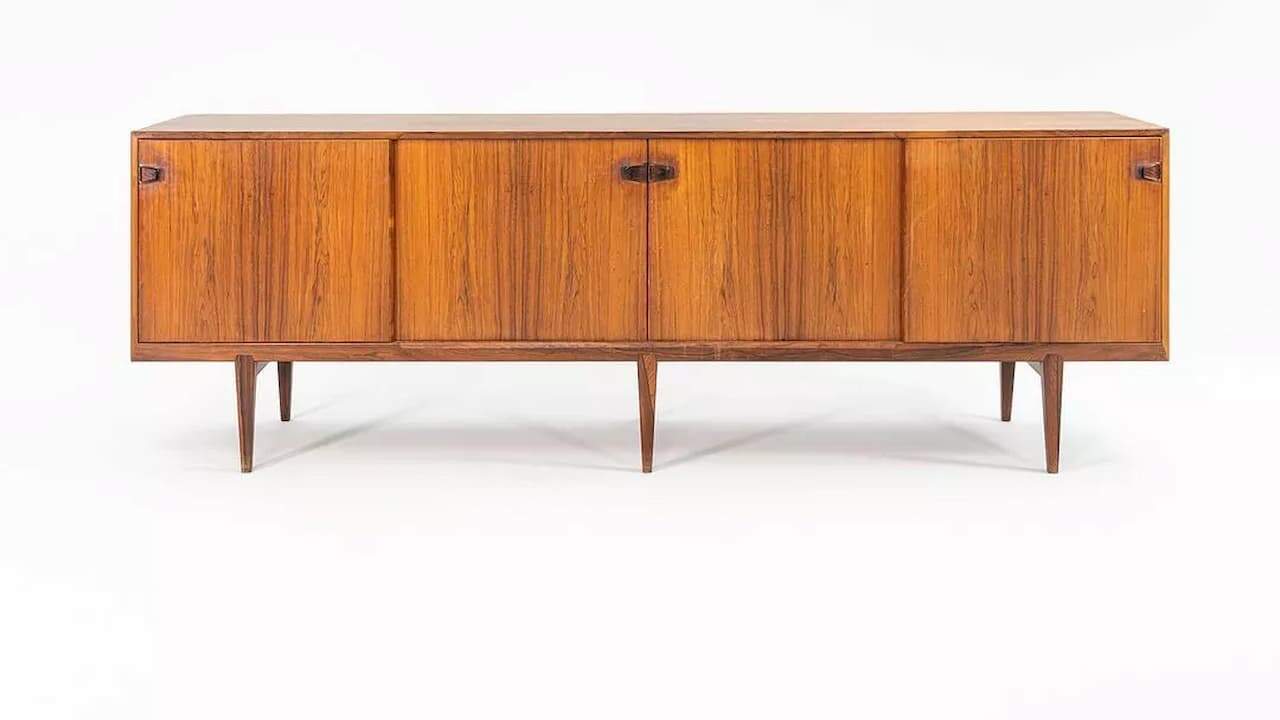
If you own a vintage Danish rosewood buffet, you know its value lies in the rich, natural wood grain. These pieces often have thin veneer, so sanding can be risky.
You should avoid aggressive refinishing because it can quickly damage the delicate surface. Instead, focus on gentle cleaning and light polishing to preserve its character.
Maintaining the original finish keeps its charm and authenticity intact. This way, your buffet retains the warmth and timeless appeal it’s known for.
Empire Style Mahogany Dining Table
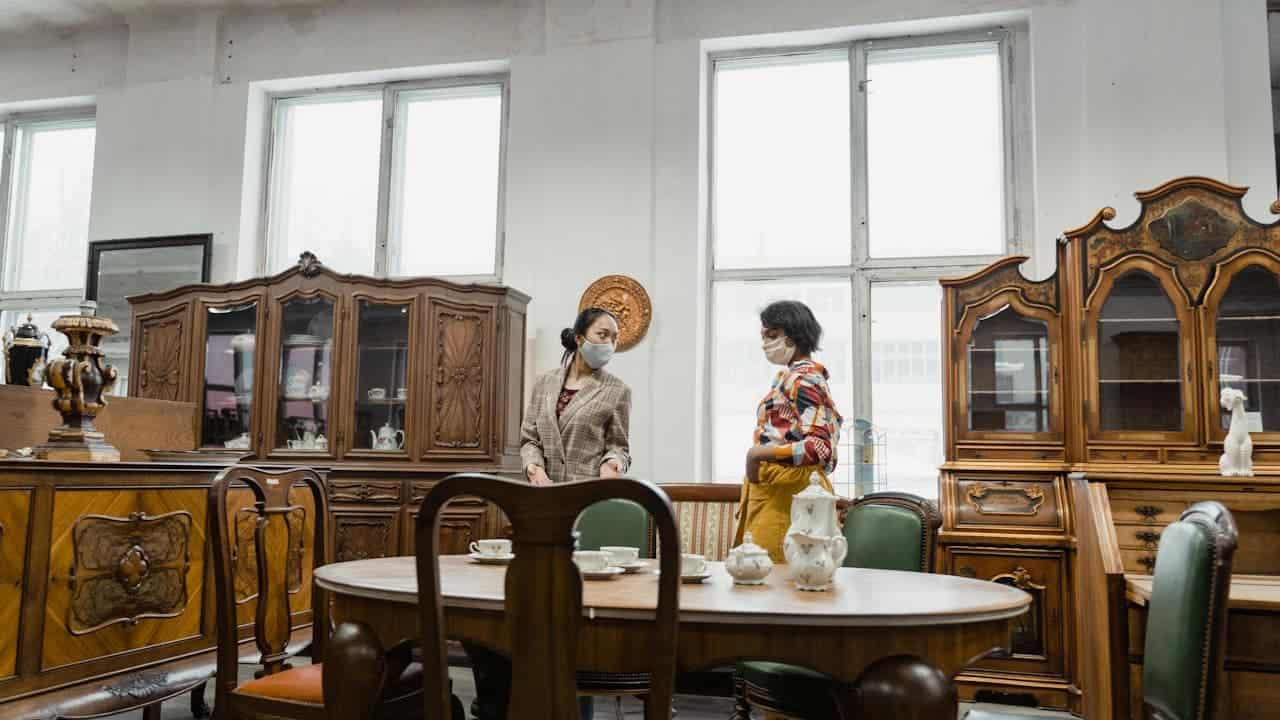
If you own an Empire style mahogany dining table, you might want to think twice before refinishing it. These tables often have a rich, elegant look that can lose character when stripped or heavily altered.
The wood’s deep color and classic design make it a standout piece. Instead of refinishing, consider gentle cleaning or touch-ups to preserve its original charm.
You’ll keep the historical and aesthetic value intact by avoiding refinishing that could damage the veneer or finish.
Colonial Revival Oak Cabinet
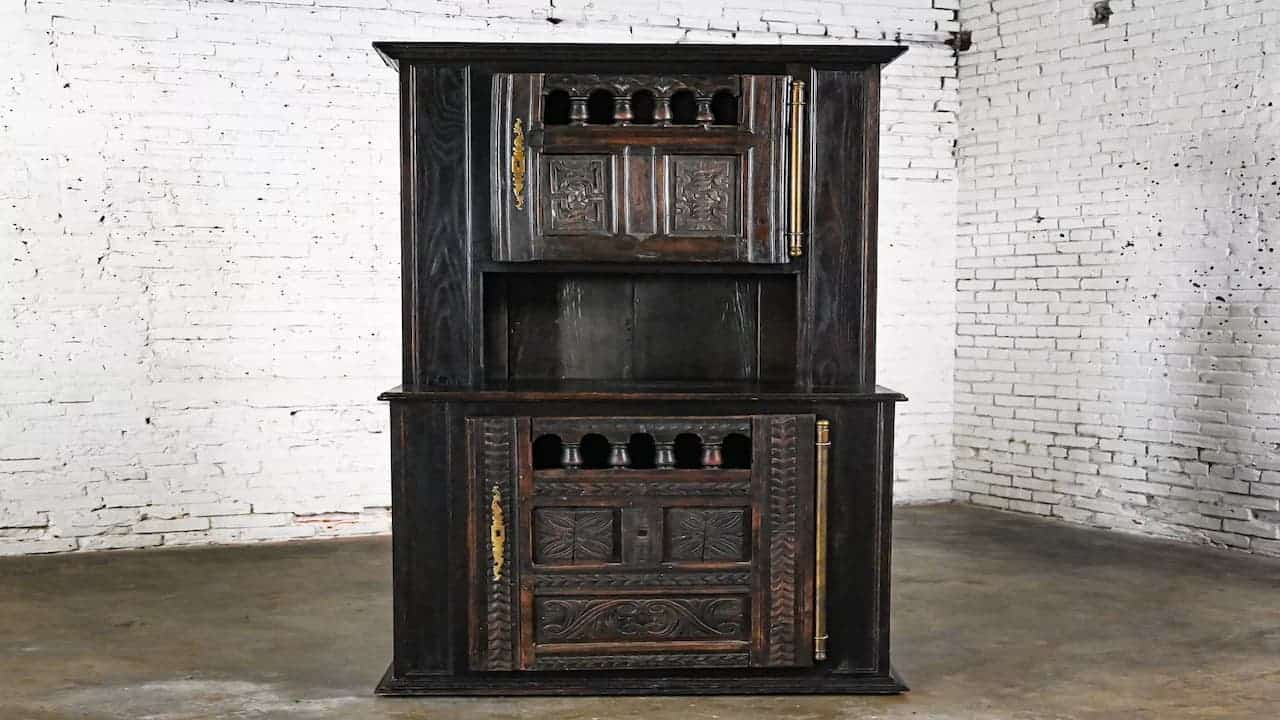
If you own a Colonial Revival oak cabinet, think twice before refinishing it. These pieces often have handcrafted details and rich wood grain that can lose their charm with heavy sanding or staining.
Instead, consider gentle cleaning and light polishing to maintain its original character. Preserving the natural oak finish keeps the cabinet’s historic beauty intact. You’ll appreciate the timeless style it brings to your space without unnecessary work.
Why Some Furniture Pieces Are Better Left Untouched

Certain furniture pieces carry qualities that can lose value or charm if you alter them. These qualities include their story and the natural aging effects on their surfaces. Knowing what to protect can help you decide whether to refinish or preserve.
Historical Significance
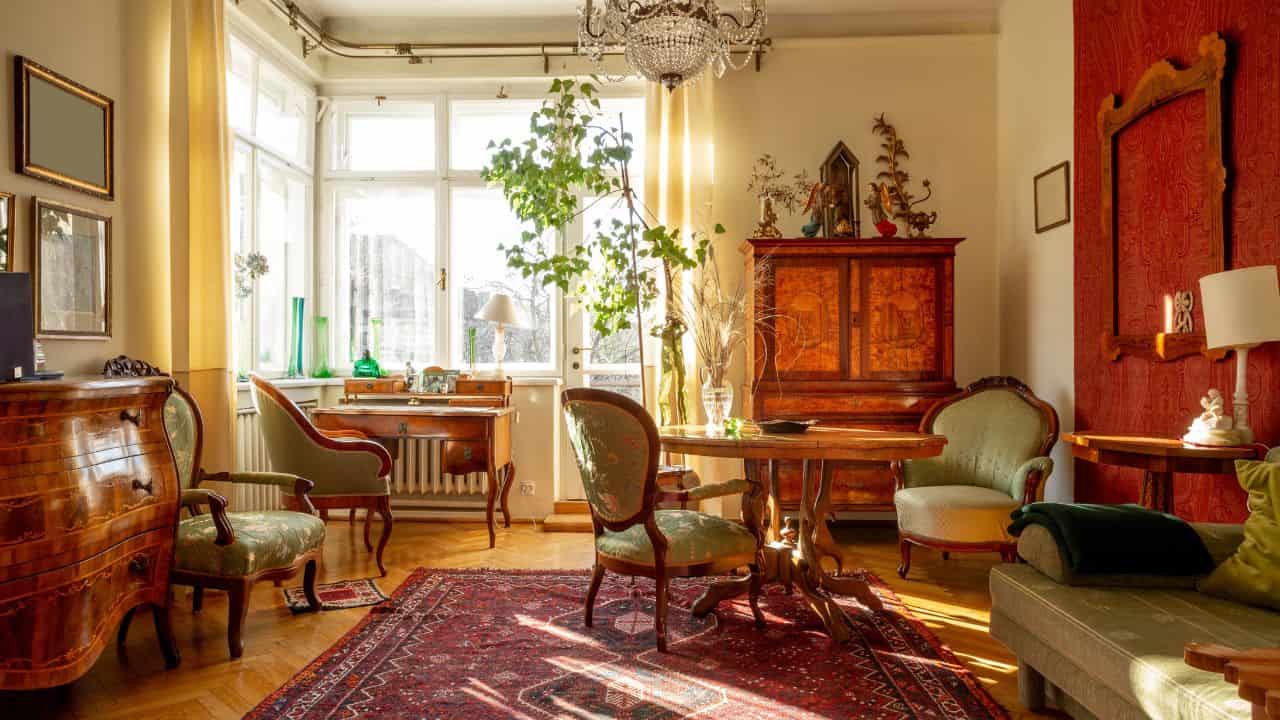
If your furniture has a known history, such as belonging to a particular era, maker, or owner, its story is part of its appeal. Refinishing may erase evidence of its age or craftsmanship that adds to its worth. For example, handmade joints or original hardware tell you about the piece’s construction period and methods.
You should keep in mind that antiques tied to key historical moments or styles usually benefit more from cleaning and gentle care than from stripping or repainting. This preserves authenticity rather than making the piece look new but less genuine.
Unique Patinas and Finishes
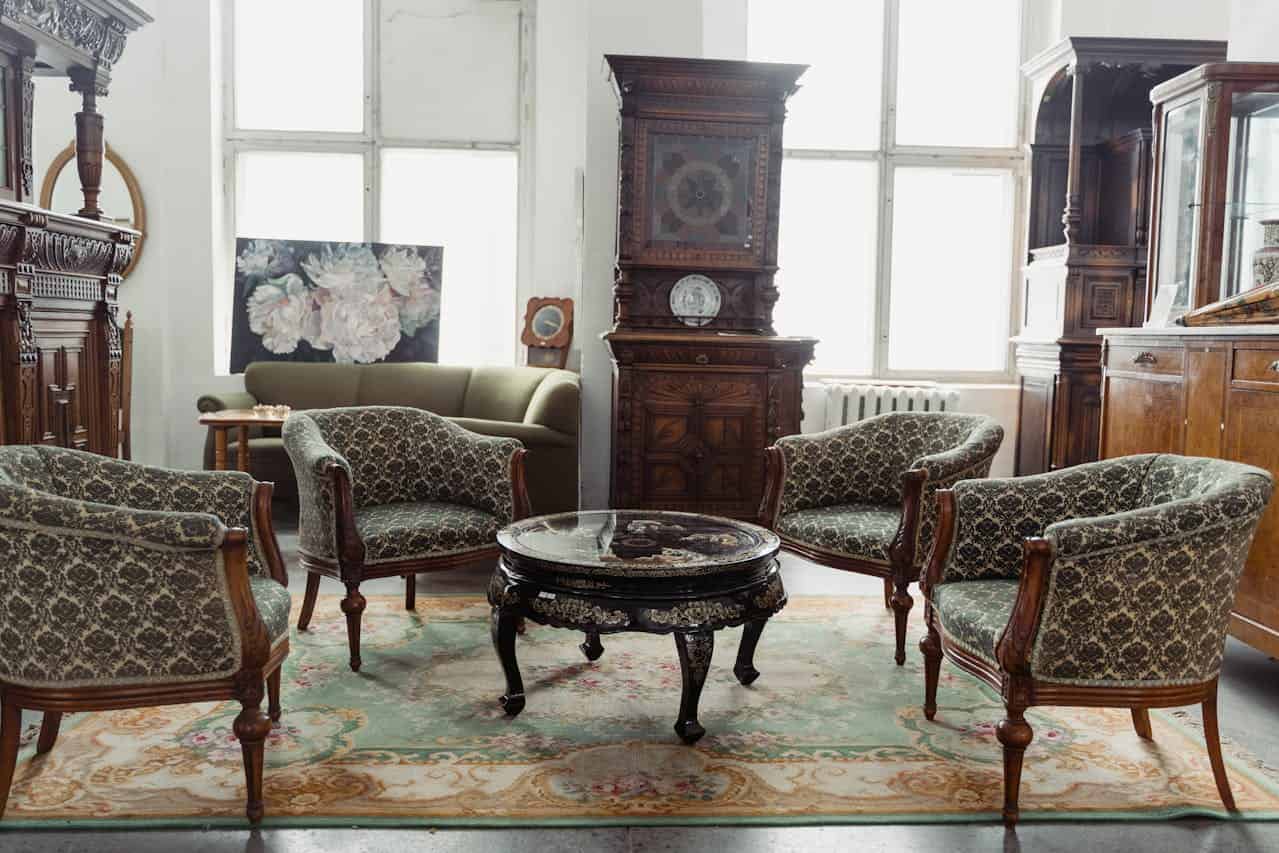
The surface of aging furniture often develops a patina—a natural sheen that forms through years of use and exposure to light. This patina includes subtle color changes, small marks, and texture shifts that create character.
When you refinish, you risk removing this layer, which may reduce the piece’s visual depth and appeal. Some finishes, like original hand-applied varnish or wax, also carry skills and artistry that can’t be replicated. Instead of sanding or overusing products, consider cleaning carefully or applying gentle wax to enhance, rather than replace, the finish.
Caring for Irreplaceable Furniture
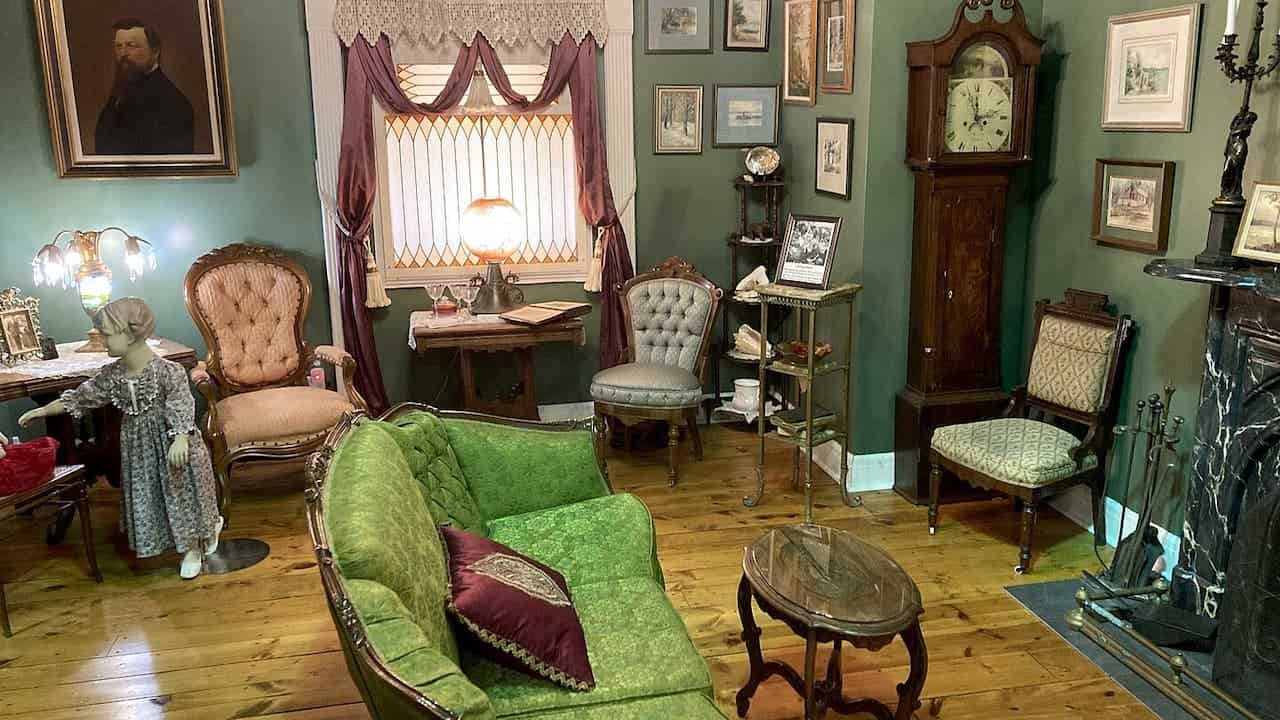
Taking care of valuable furniture means using gentle cleaning methods and preservation techniques that protect its original character. You want to maintain its condition without removing the finish or damaging delicate surfaces.
Proper Cleaning Methods

Start by dusting regularly with a soft, lint-free cloth to prevent buildup. Avoid harsh chemicals or abrasive cleaners that can strip finish or harm wood fibers. Instead, use a vegetable-based oil soap mixed with warm water to gently clean surfaces.
For intricate details or tight spots, a soft toothbrush or microfibre cloth works well. Dab lightly and avoid soaking the wood; excess moisture can cause warping. After cleaning, dry the area immediately with a dry cloth.
If you notice dirt layers or old polish buildup, try buffing gently with a soft cloth rather than stripping. This keeps the original finish intact while improving appearance.
Best Preservation Practices
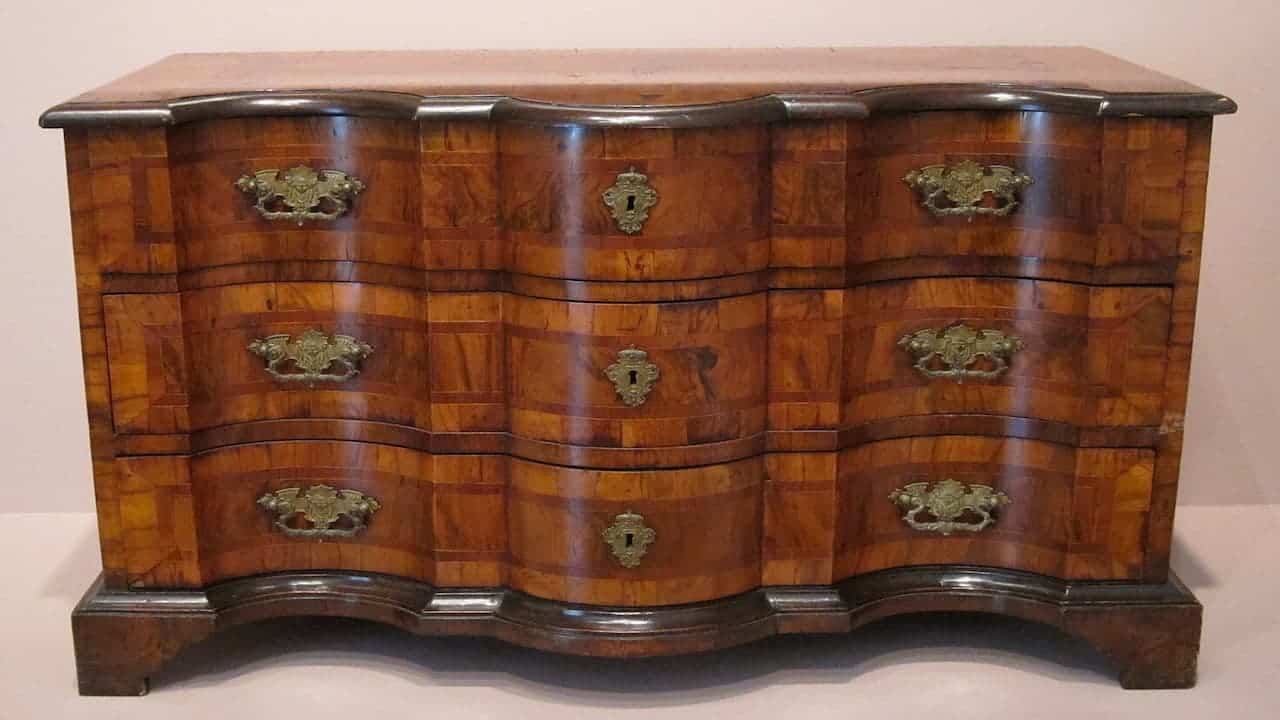
Keep your furniture out of direct sunlight to prevent fading and drying. Sunlight can weaken wood and finishes over time. Using window treatments or UV-filtering films helps shield your pieces.
Maintain stable humidity levels, ideally between 40-55%, to avoid cracking or swelling caused by moisture fluctuations. A humidifier or dehumidifier can assist in controlling the environment.
Use coasters, placemats, and felt pads under objects to protect surfaces from scratches and water rings. Avoid placing hot or wet items directly on the wood.
If possible, rotate your furniture’s position occasionally to distribute light exposure and wear evenly. This helps preserve the wood and finish uniformly over time.