You probably think the fridge is the best place for all your groceries, but that’s not always the case. Certain foods can lose their flavor, texture, and nutritional value when stored in cold temperatures. Knowing which items to keep out of the fridge can help you maintain their quality and make the most of your meals.
In this article, we’ll explore some common mistakes people make when it comes to food storage. You’ll learn about items that are better off at room temperature and how avoiding the fridge for these foods can enhance your culinary experience.
Advertisement
1. Bananas

You might think putting bananas in the fridge keeps them fresh longer, but that’s not the case. Chilling them causes the skin to turn brown and mushy.
Bananas actually ripen better at room temperature. If they’re too ripe, you can refrigerate them, but only if you don’t mind the appearance.
Try storing them in a bowl on the counter. This not only keeps them looking good but also enhances their flavor.
2. Tomatoes
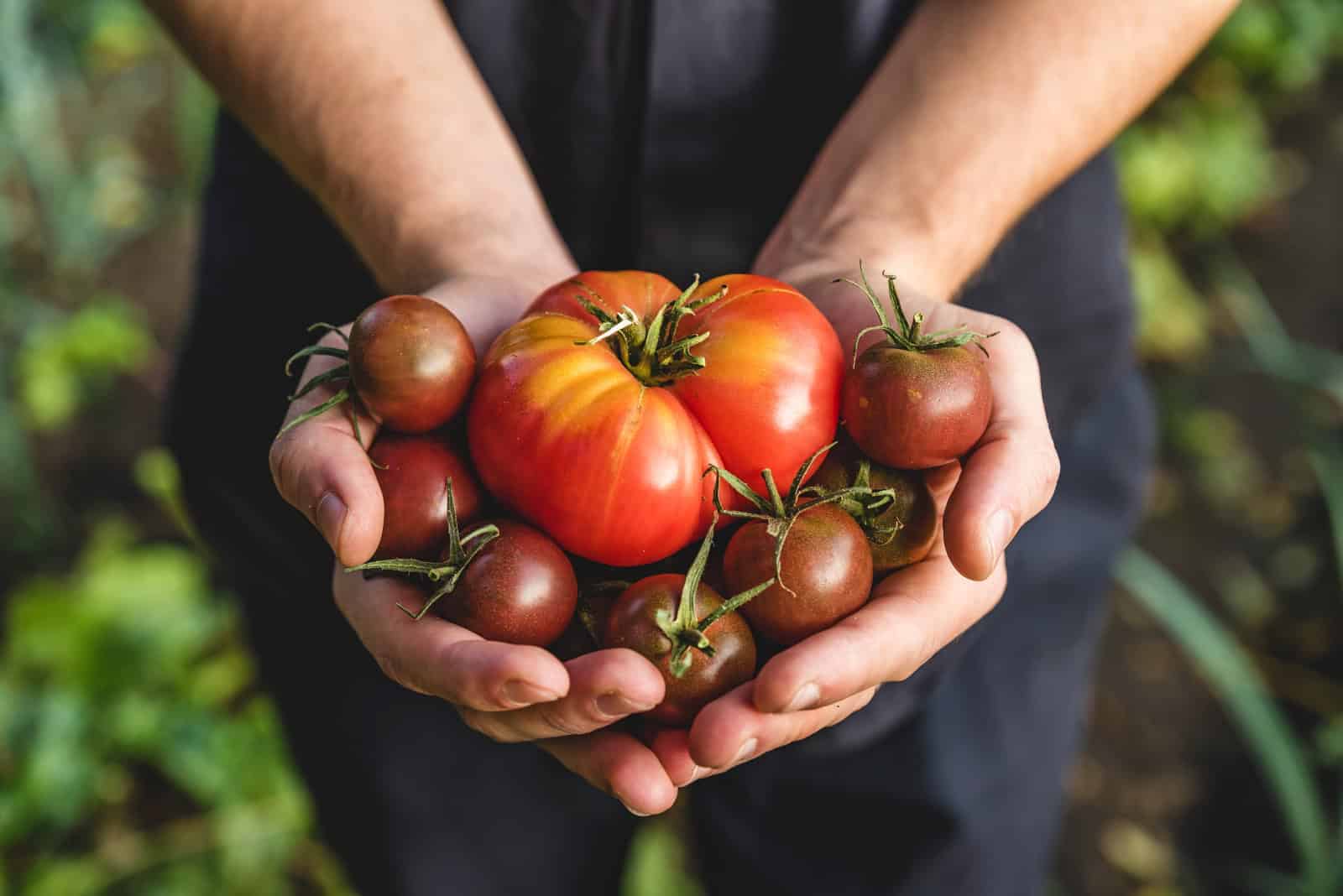
Storing tomatoes in the fridge can dull their flavor and change their texture. Cold temperatures disrupt the natural ripening process.
Instead, keep them at room temperature. A kitchen counter is perfect, away from direct sunlight. They’ll stay juicier and taste better.
If you have cut tomatoes, wrap them loosely and place them in the fridge. Try to use them within a few days for best flavor.
3. Potatoes

Storing potatoes in the fridge can actually ruin their flavor and texture. The cold temperatures can make the starches turn into sugars, leading to a sweet taste.
Instead, keep your potatoes in a cool, dark place. A pantry or a cupboard is ideal. Just make sure they have good ventilation to prevent moisture buildup.
With the right storage, your potatoes will stay fresh and delicious much longer.
4. Bread

Storing bread in the fridge might seem like a smart way to keep it fresh, but it actually does the opposite. The cold air can dry it out and make it stale faster.
Instead, keep bread in a cool, dry place, like a bread box or a pantry. If you want to extend its life, consider freezing it. Just slice it first for easy access.
5. Avocados

Storing avocados in the fridge can actually slow down the ripening process. If you have unripe avocados, keep them on the counter instead.
Once they are ripe, you can store them in the fridge to prolong freshness for a few days. Just remember, chilling them before they’re ripe isn’t the best move.
If you cut an avocado, a splash of lemon juice helps prevent browning. Store the leftover half in the fridge, but it’s better to consume it fresh whenever possible.
6. Onions

You might be tempted to toss onions in the fridge, but that’s not the best choice. Cold and moisture can lead to spoilage and mold.
Instead, keep onions in a cool, dry place with good ventilation. A pantry or a basket works great. This way, they can stay fresh and flavorful longer.
If you’ve cut an onion, you can store the leftover pieces in the fridge. Just make sure to seal them in an airtight container to keep the smell contained.
7. Garlic

You might think storing garlic in the fridge is a good idea, but it’s not. Cold and moisture can actually cause it to sprout and spoil faster.
Keep garlic in a cool, dry place instead. A mesh bag or a basket works great for airflow. This way, you’ll keep it fresh and flavorful for your cooking.
8. Coffee
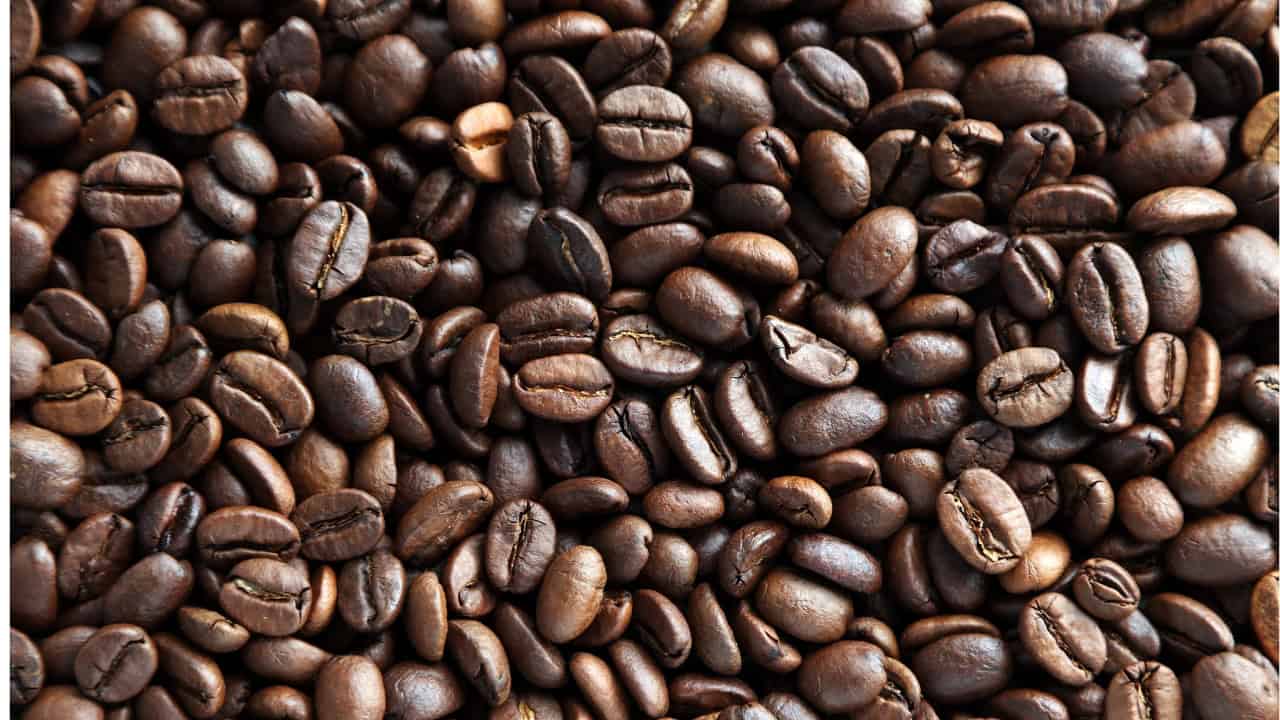
Storing coffee in the fridge might seem like a good idea, but it’s not. The cold and moisture can alter its flavor and aroma.
Instead, keep your coffee beans or grounds in an airtight container, away from light and heat. A dark pantry or cabinet works best.
When coffee gets exposed to cold or fluctuating temperatures, it can lose its freshness quickly. Treat those beans with care to enjoy the best brew possible.
9. Chocolate

You might think refrigerating chocolate keeps it fresh, but that’s not the case. Cold temperatures can alter its texture and flavor.
Instead, store chocolate in a cool, dry place away from direct sunlight. A pantry or cupboard works well.
Keeping it sealed in an airtight container will protect it from moisture and strong odors. Enjoy your chocolate in its best form!
10. Basil
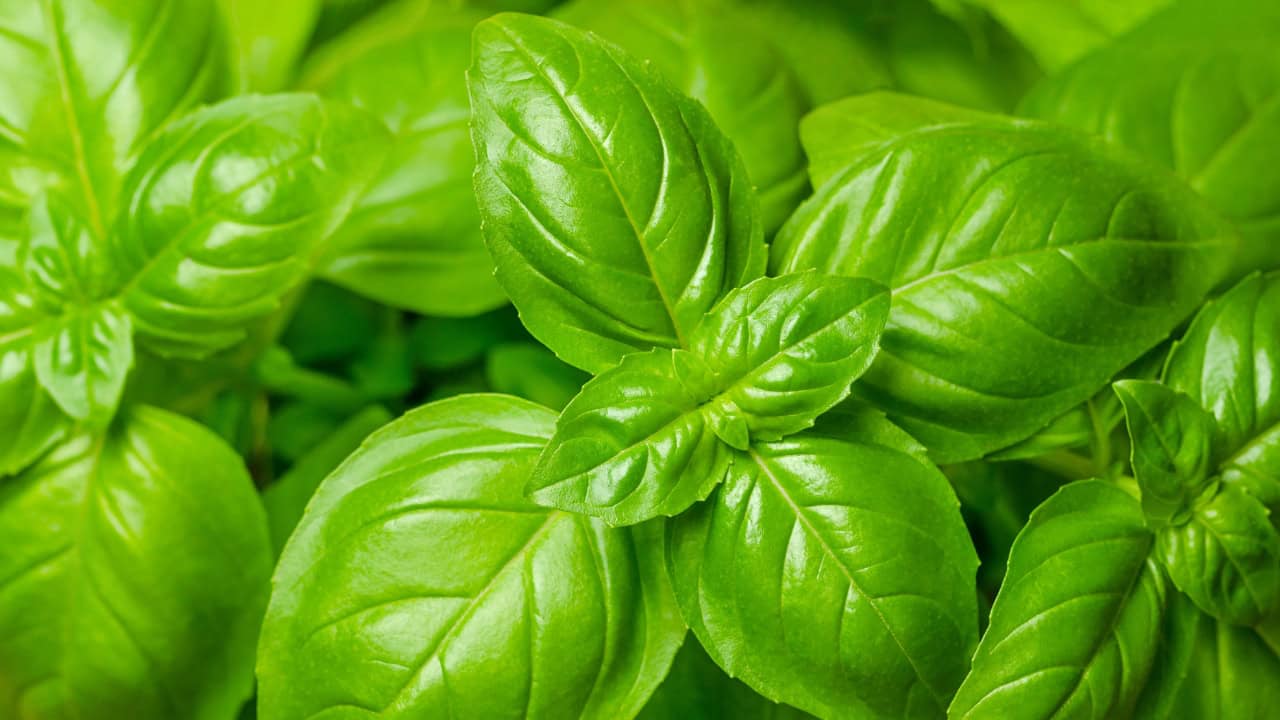
You might think keeping basil in the fridge is a good idea, but it’s not. The cold temperatures can make the leaves turn black and soggy.
Instead, treat basil like a fresh bouquet. Place it in a glass of water, cover the leaves lightly with a plastic bag, and let it sit on your countertop. This keeps it fresh and ready to use.
Storing basil this way preserves its flavor, ensuring it adds that perfect touch to your dishes.
11. Honey

You might think storing honey in the fridge is a good idea, but it’s actually not. Honey is best kept in a cool, dry place at room temperature.
Cold temperatures can cause honey to crystallize. When this happens, it can lose its smooth texture, making it harder to use.
Leave your honey in the pantry or on the countertop. Just make sure it’s in a tightly sealed container to keep out moisture and contaminants.
12. Cucumbers
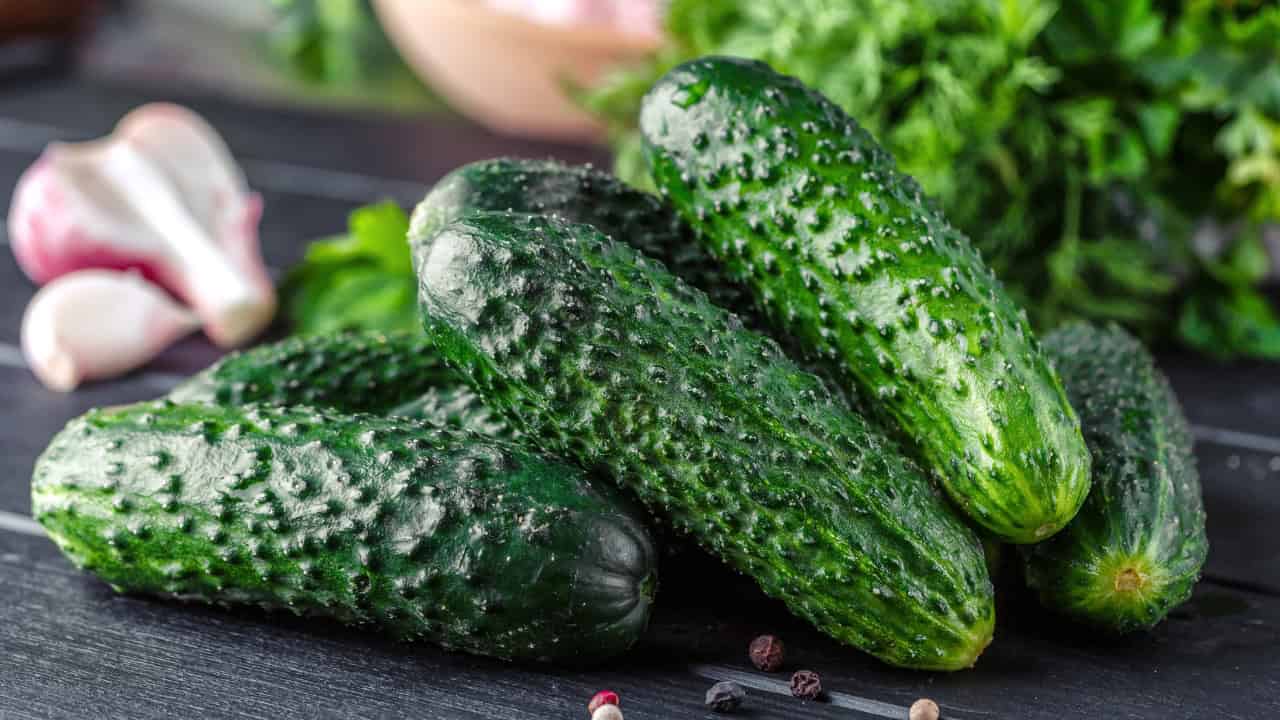
Cucumbers are best kept out of the fridge. Storing them in cold temperatures can lead to water loss and a mushy texture.
Instead, keep them in a cool, dry place. A countertop or pantry works well.
If you’ve sliced them, wrap them in a paper towel to absorb moisture. This simple step will help maintain their crunchiness longer.
13. Melons

You might think putting melons in the fridge is a good idea, but it can actually hurt their flavor and texture. Cold temperatures disrupt their natural ripening process.
Instead, keep your melons at room temperature. They’ll stay sweet and juicy longer that way.
Once you cut them, it’s fine to store the pieces in the fridge. Just remember: whole melons are best left out.
*This article was created with the help of AI.