Choosing the right flowers for your home garden can be tricky, especially with so many options available. Some beautiful blooms might look appealing but cause more trouble than they’re worth.
This article highlights 13 flowers landscapers recommend avoiding in home gardens to help you save time, effort, and frustration. Knowing which plants to skip can make your gardening experience smoother and more enjoyable.
Advertisement
Japanese honeysuckle (Lonicera japonica)
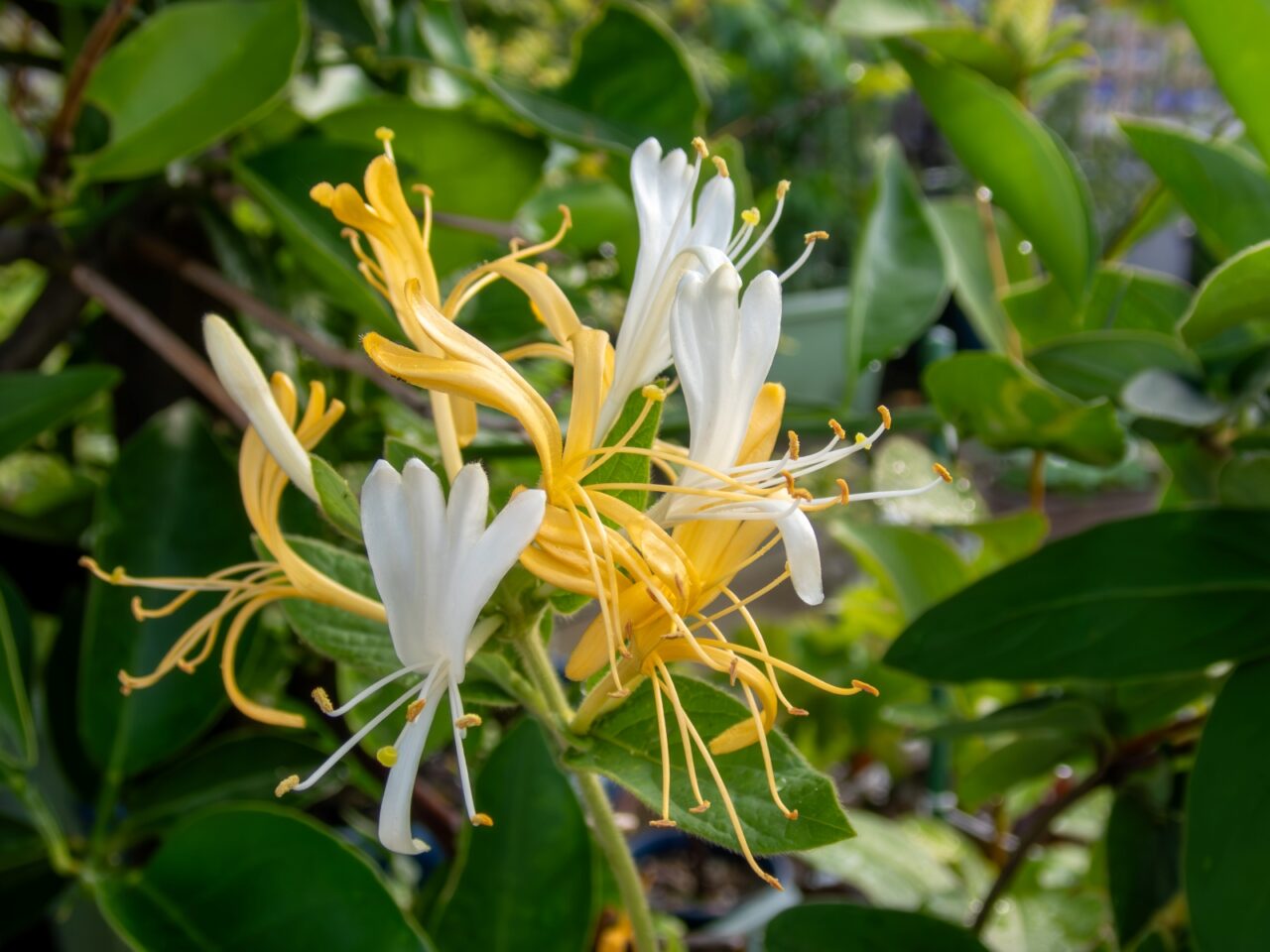
If you’re thinking about planting Japanese honeysuckle, be cautious. It’s a fast-growing vine that spreads quickly and can overtake other plants in your garden.
Though it has attractive flowers, it can become invasive, especially in warmer areas where it stays green year-round.
You’ll find it hard to control once it establishes itself. Many landscapers avoid it to prevent damage to native plants and garden balance.
Purple loosestrife
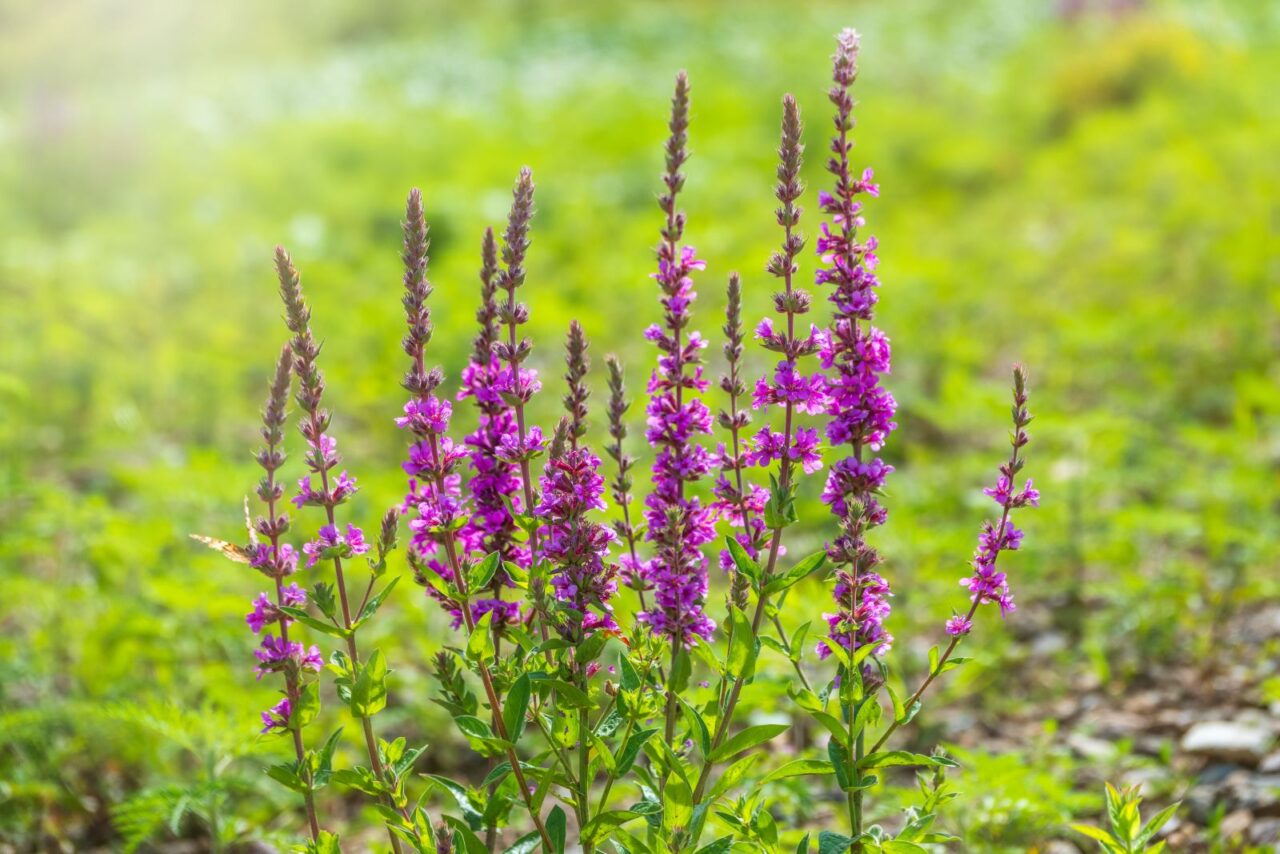
You might be tempted by its bright purple flowers, but purple loosestrife is a tough plant to handle. It spreads quickly, producing millions of seeds in one season, which can take over wetlands and crowd out native plants.
If you find purple loosestrife near your home, it’s best not to plant it. Instead, consider native alternatives like swamp milkweed that support local wildlife and look just as beautiful in your garden.
Barberry (invasive in many regions)

You might find barberry attractive with its bright berries and thorns. However, certain types like Japanese barberry are invasive in many areas.
If you plant them, they can spread quickly and crowd out native plants. This disrupts local ecosystems and makes it harder for native wildlife to thrive.
Also, these bushes can bring ticks to your yard, which is not ideal for outdoor spaces. It’s better to choose native plants that support your local environment.
Gladioli in containers
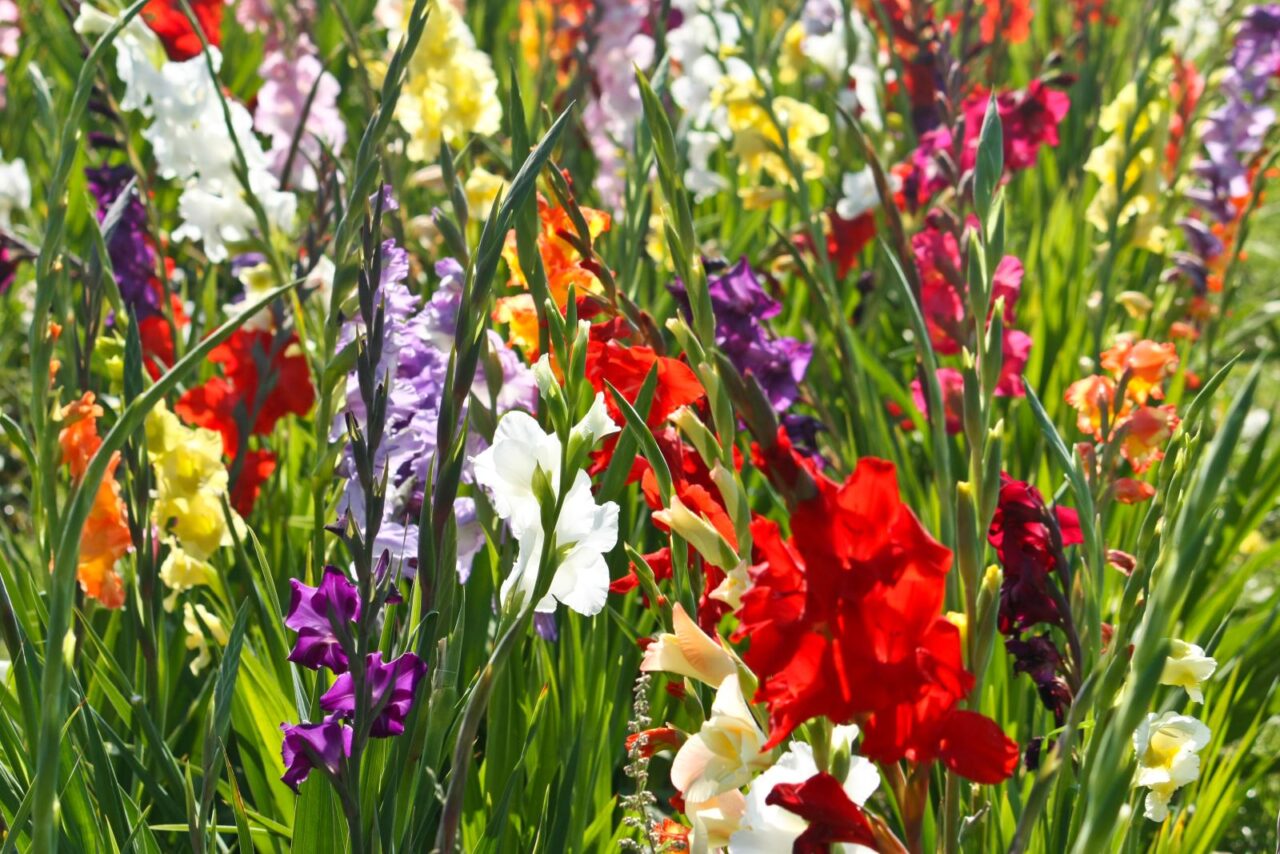
You can grow gladioli in containers if space is tight. Just choose a pot with good drainage to avoid waterlogging.
Plant each bulb 3 to 5 inches deep, with the pointed end up. Avoid overcrowding; give each bulb enough room to grow strong stems.
A 12-inch pot can hold 3 to 5 bulbs, while smaller pots should have just one. Use stakes to support tall flower spikes as they grow.
English ivy
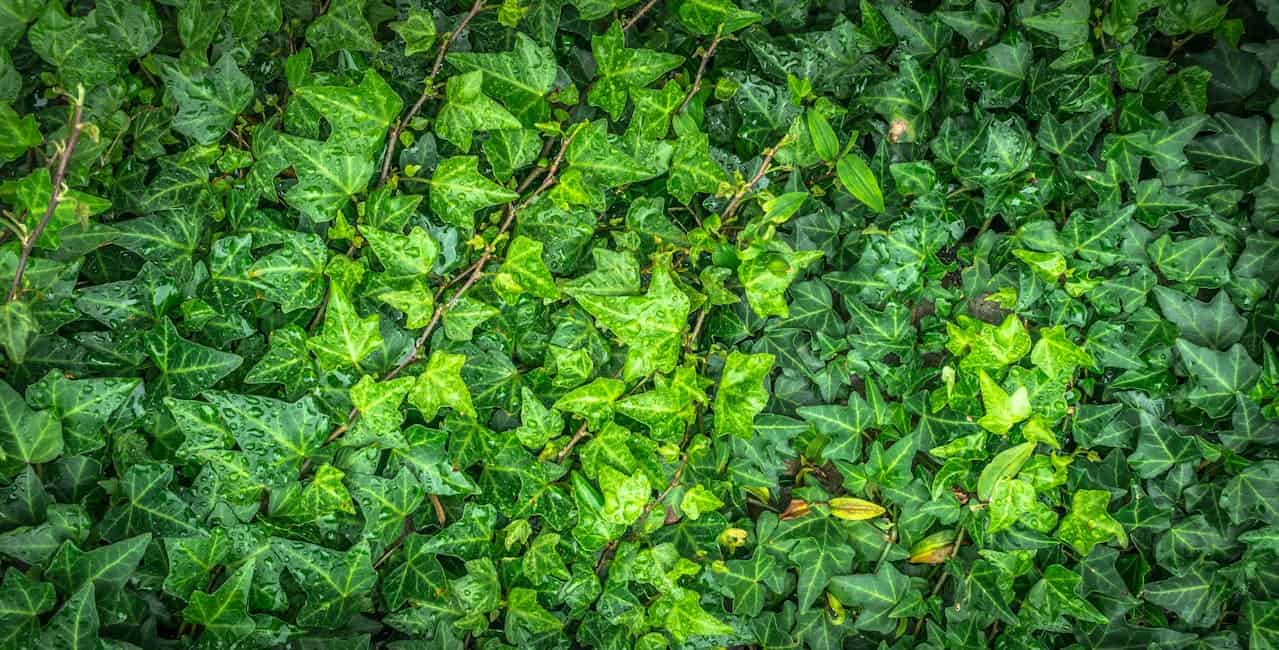
If you’re thinking about planting English ivy, keep in mind it can be invasive. It spreads quickly and attaches to walls or trees, which may cause damage over time.
You might also find it harbors pests like spider mites or aphids that can weaken your other plants.
While it looks lush and green, English ivy can be a troublemaker in your garden if not carefully managed.
Kudzu vine
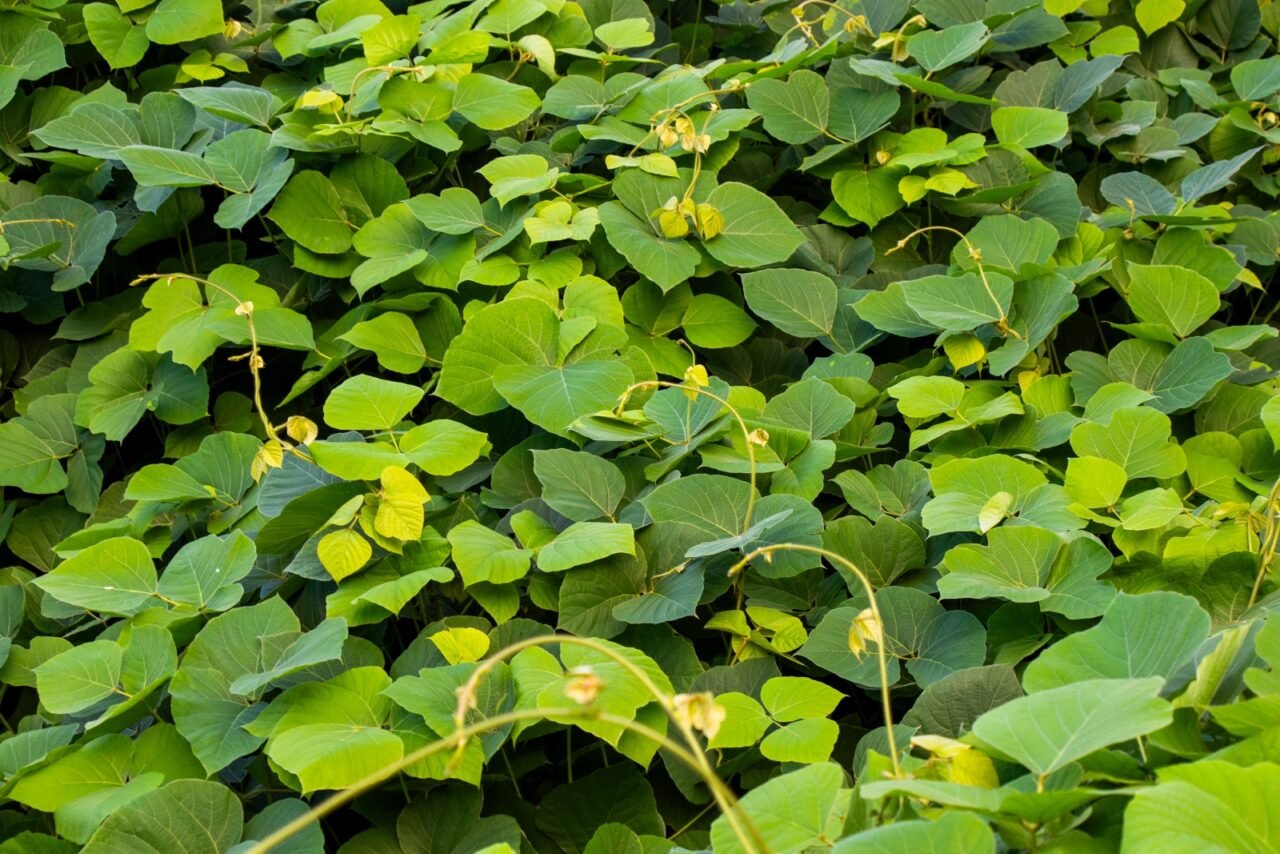
If you’re thinking about planting kudzu, be cautious. This vine grows extremely fast, sometimes up to a foot a day. It can quickly take over your garden, smothering other plants by blocking sunlight.
You’ll find it tough to control once it spreads. Many landscapers avoid it because it limits biodiversity and requires constant maintenance to manage.
While kudzu does fix nitrogen in the soil, its invasive nature often outweighs any benefits in a home garden setting.
Butterfly bush (Buddleia davidii)
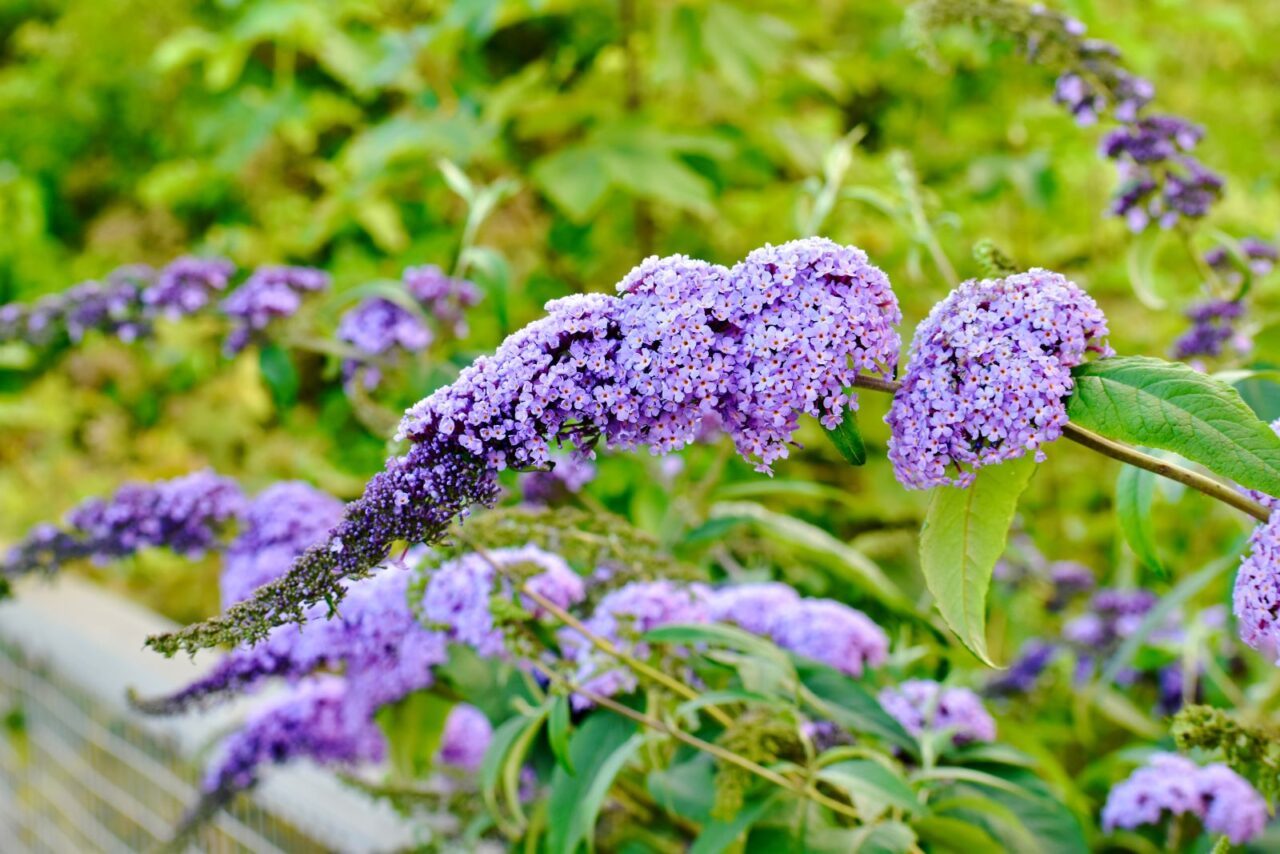
If you like attracting butterflies, the butterfly bush might seem perfect. Its flowers are colorful and fragrant, drawing pollinators easily.
However, it can grow very tall and leggy if you don’t prune it regularly. You need to cut it back in early spring to encourage new blooms and keep it tidy.
It also prefers full sun and well-draining soil. Too much shade or soggy ground can make it look sparse or unhealthy.
Nitrogen-fixing acacia

If you plant acacia, remember it fixes nitrogen from the air, enriching your soil naturally. This means you don’t need to add much fertilizer, especially nitrogen-based ones.
Too much fertilizer can actually harm your acacia and slow its growth. They prefer full sun and light pruning to keep them healthy and flowering well.
Privet hedge
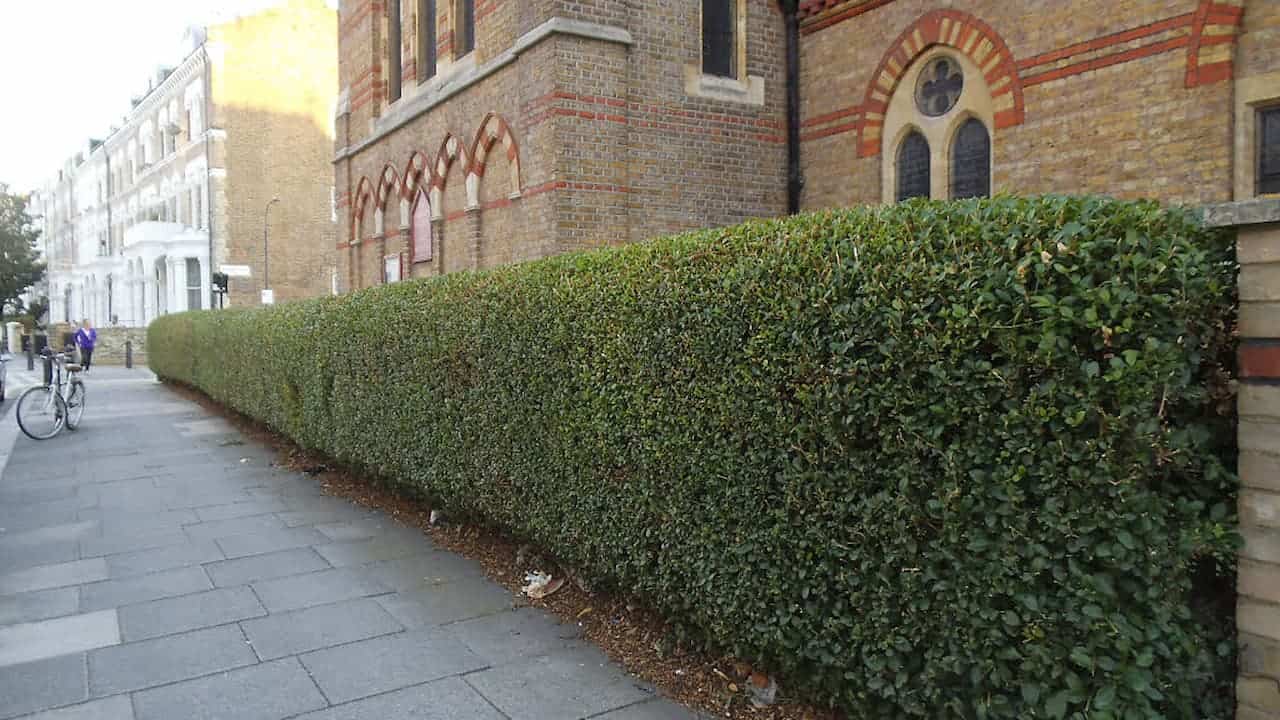
If you’re thinking about a privet hedge, consider that it can spread seeds easily and become invasive. This makes it tricky to control around your garden.
Privet grows fast and offers good privacy, but it needs full sun to thrive and bloom well. Prune carefully and at the right time to avoid issues with flowering.
You might want to try alternatives like boxwood or holly instead. They provide similar privacy without the risk of unwanted spreading.
Giant hogweed
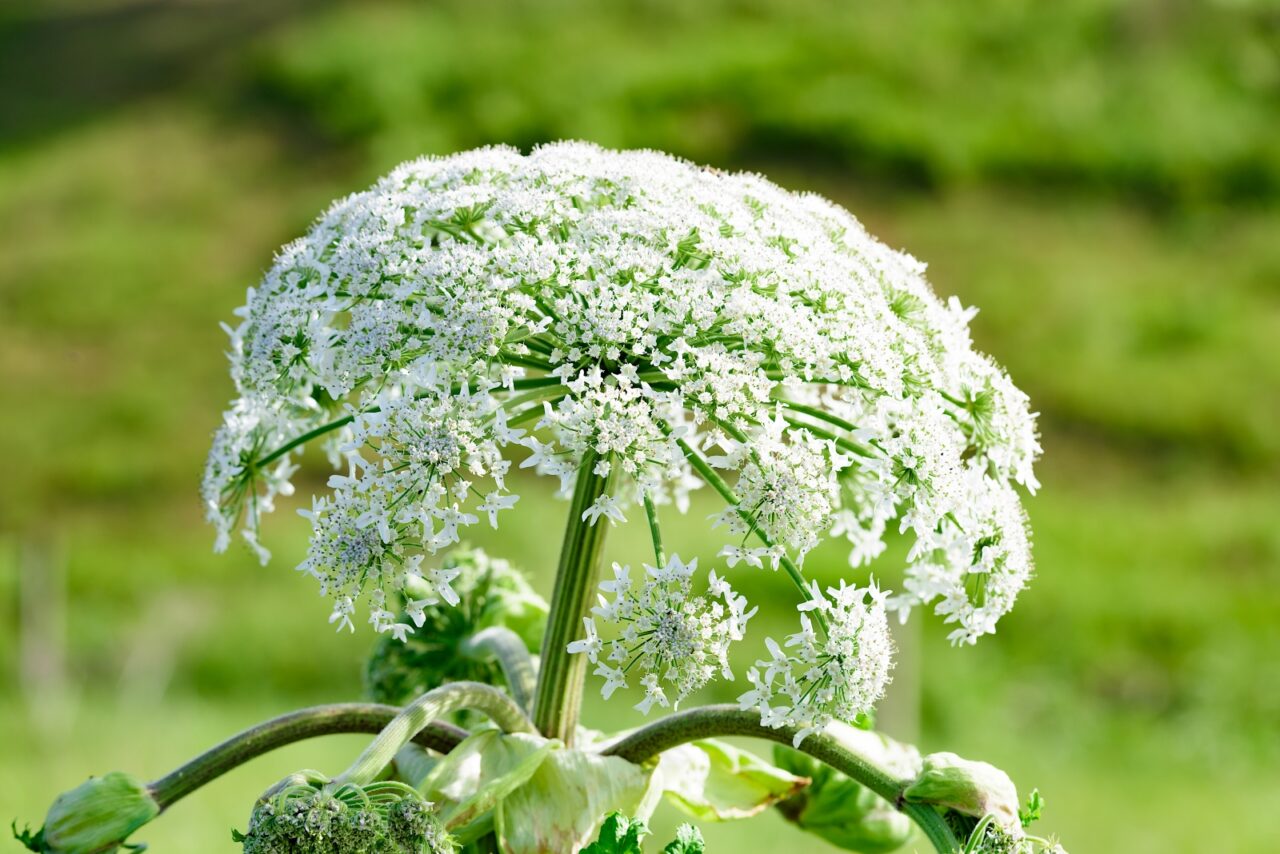
Giant hogweed looks impressive with its huge leaves and tall height, but it’s one flower you want to avoid planting at home. The plant can grow up to 15 feet tall and has toxic sap that causes serious skin burns when exposed to sunlight.
If you come into contact with it, your skin can blister and become very sensitive to the sun. Plus, it spreads aggressively, crowding out other plants in your garden. It’s better to choose safer, low-maintenance flowers instead.
Pokeweed
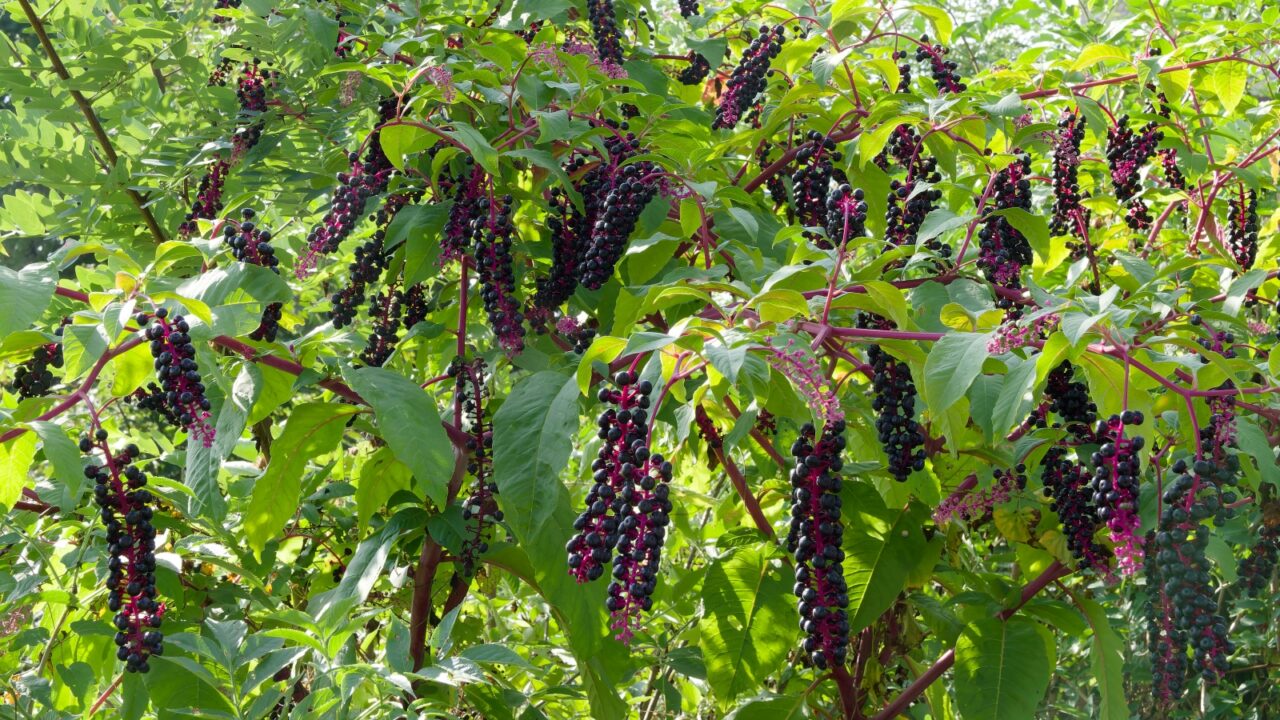
If you want a low-maintenance garden, pokeweed might not be the best choice. It grows quickly and can reach up to 10 feet tall in a single season.
The plant has large, dark green leaves with a reddish-purple stem, making it easy to spot.
Pokeweed’s deep taproot makes it tough to remove, so it often comes back after cutting. It also produces clusters of white-green flowers that turn into purple berries, which can spread the plant further.
Queen Anne’s lace

You might enjoy Queen Anne’s lace for its delicate, lacy flowers that attract pollinators. However, landscapers often avoid planting it because it can spread aggressively and become invasive.
It grows easily from seed and tolerates poor soil, but that means it can take over garden spaces. Be careful, as its look is similar to poison hemlock, which is toxic.
If you do plant it, expect it to need regular watering at first, then less as it establishes.
Wisteria (when aggressive)
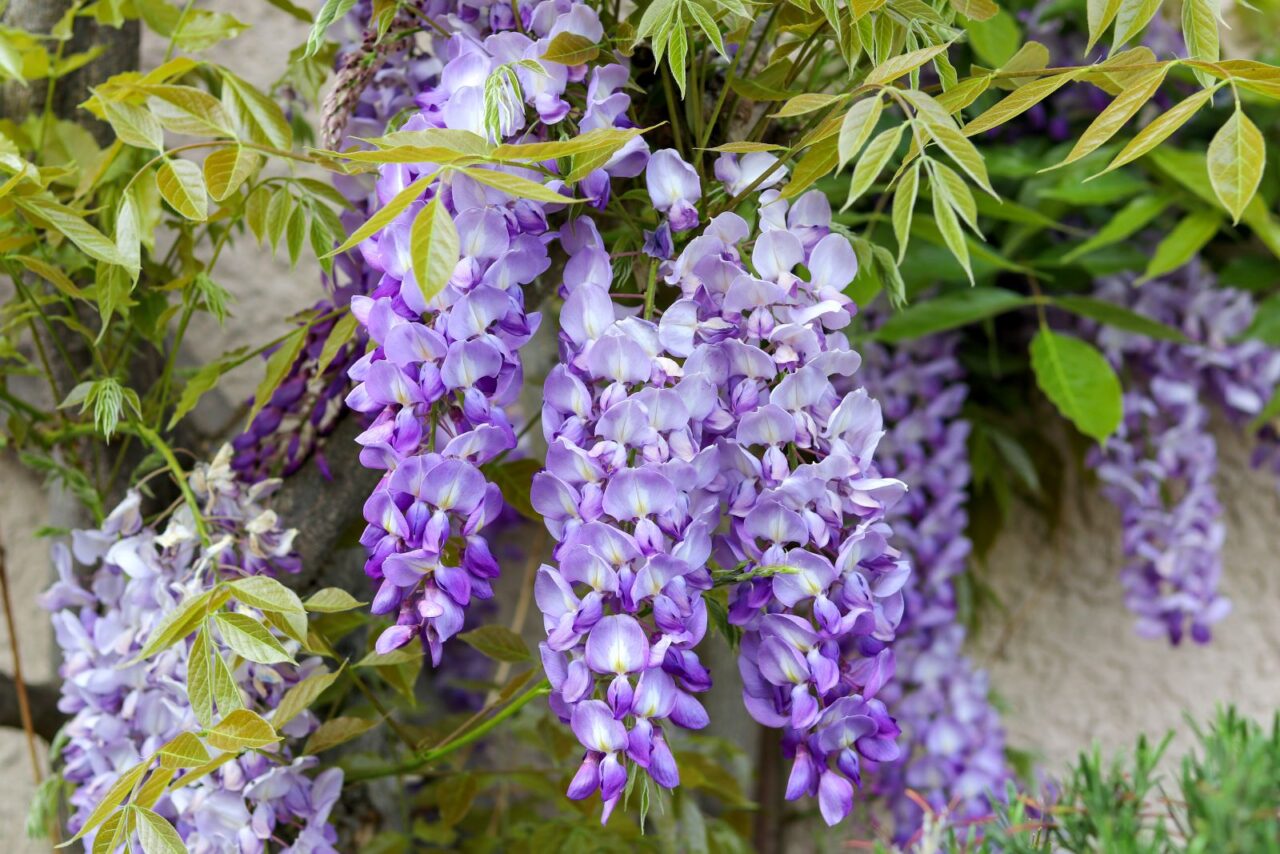
If you choose an aggressive wisteria variety, you might find it spreading quickly and taking over your garden. Its vines can overwhelm nearby plants and even damage structures with their weight.
You should avoid planting it near delicate or slow-growing flowers, as wisteria can easily outcompete them.
Opt for native or less invasive types if you want the beauty without the hassle. This way, your garden stays balanced and manageable.