When you’re house hunting, the layout of a home can make a big difference in how comfortable and functional it feels. Not all floor plans suit today’s buyers, who are looking for spaces that match their lifestyle and needs.
Understanding which floor plans are commonly rejected helps you avoid costly mistakes and find a home you’ll truly enjoy. Knowing what to watch out for can save you time and frustration during your search.
Advertisement
Open-concept floor plans with no defined entryway
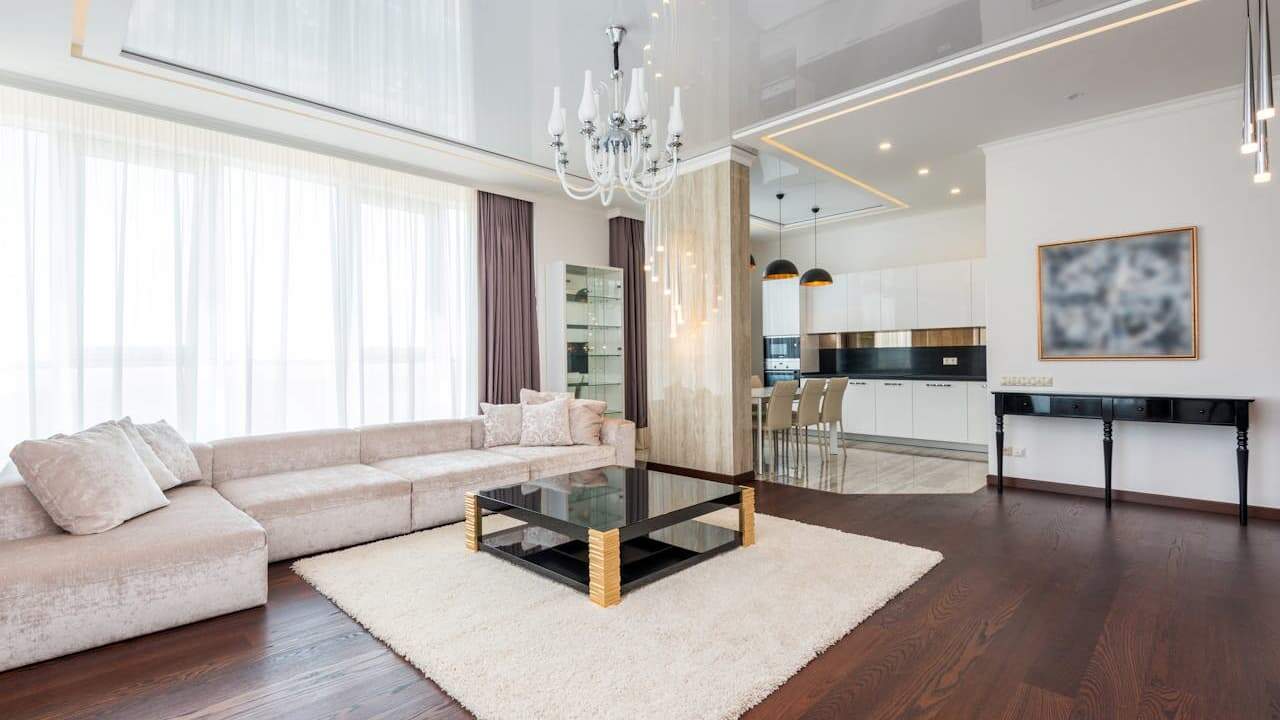
You might find open-concept layouts appealing at first, but lacking a clear entryway can feel awkward. Without a defined space to transition from outside to inside, your home may seem less organized.
Guests often appreciate a welcoming area to remove shoes or hang coats. When this is missing, your living space can feel like it jumps straight into your daily life without pause.
If you enjoy an open floor plan, consider adding subtle partitions or furniture to create a sense of arrival. This small change can make your entry feel intentional and inviting.
Homes lacking private, separate rooms
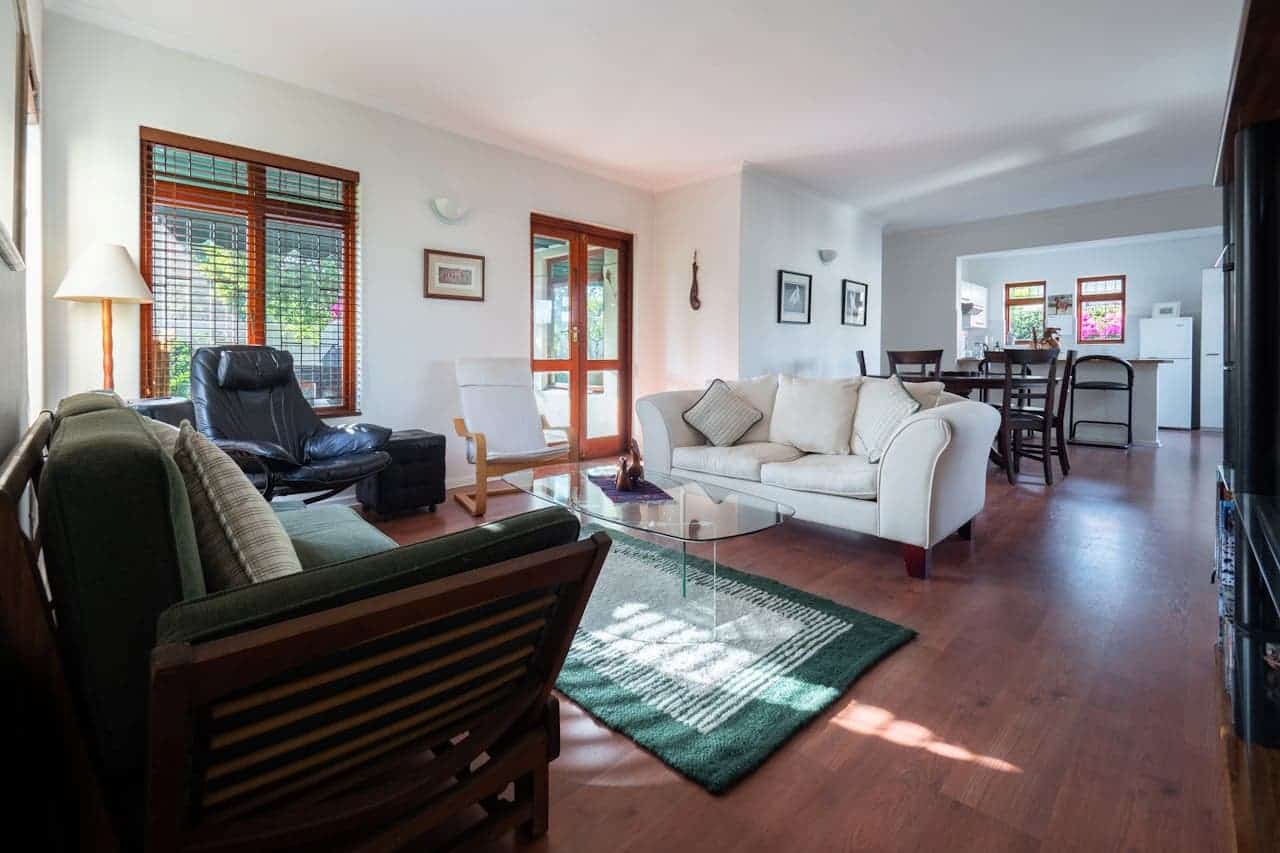
If your home doesn’t have private, separate rooms, it might feel cramped or noisy. You need spaces where you can focus, relax, or work without distractions.
Open floor plans can be great, but without defined rooms, it’s harder to create quiet zones. You might find it tough to keep your home organized or maintain privacy.
Having separate rooms lets you decorate each space uniquely. It also helps control noise, especially if you have kids or pets moving around.
Overly large, open living spaces without zoning
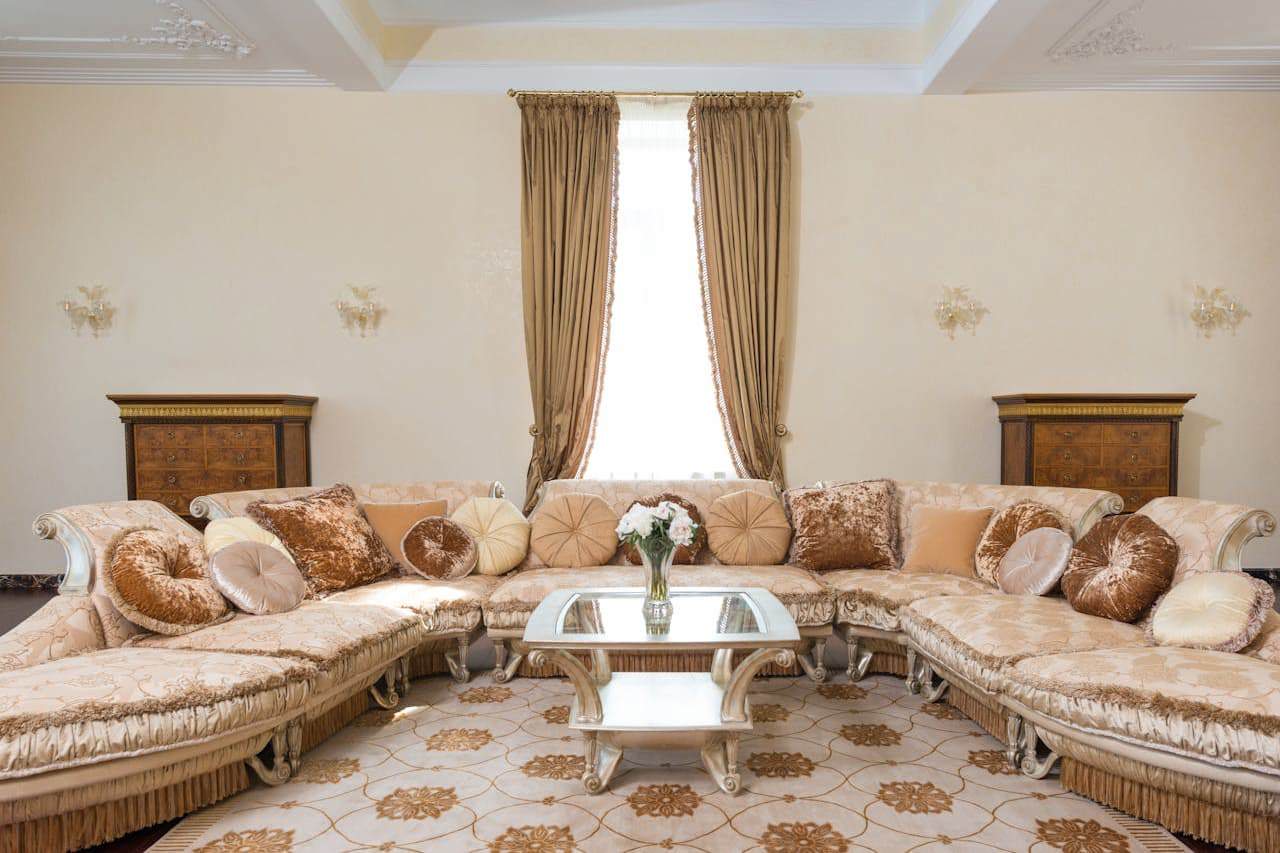
If your open living space feels like one big room with no clear purpose, it can be hard to feel comfortable. When areas for cooking, dining, and relaxing blend without separation, it’s easy to lose a sense of organization.
You want your space to have distinct zones, even in an open plan. This helps you use each part effectively and makes your home feel cozier.
Without zoning, it can be difficult to arrange furniture or decide where activities belong, leading to confusion and clutter.
Floor plans without room dividers or sliding doors
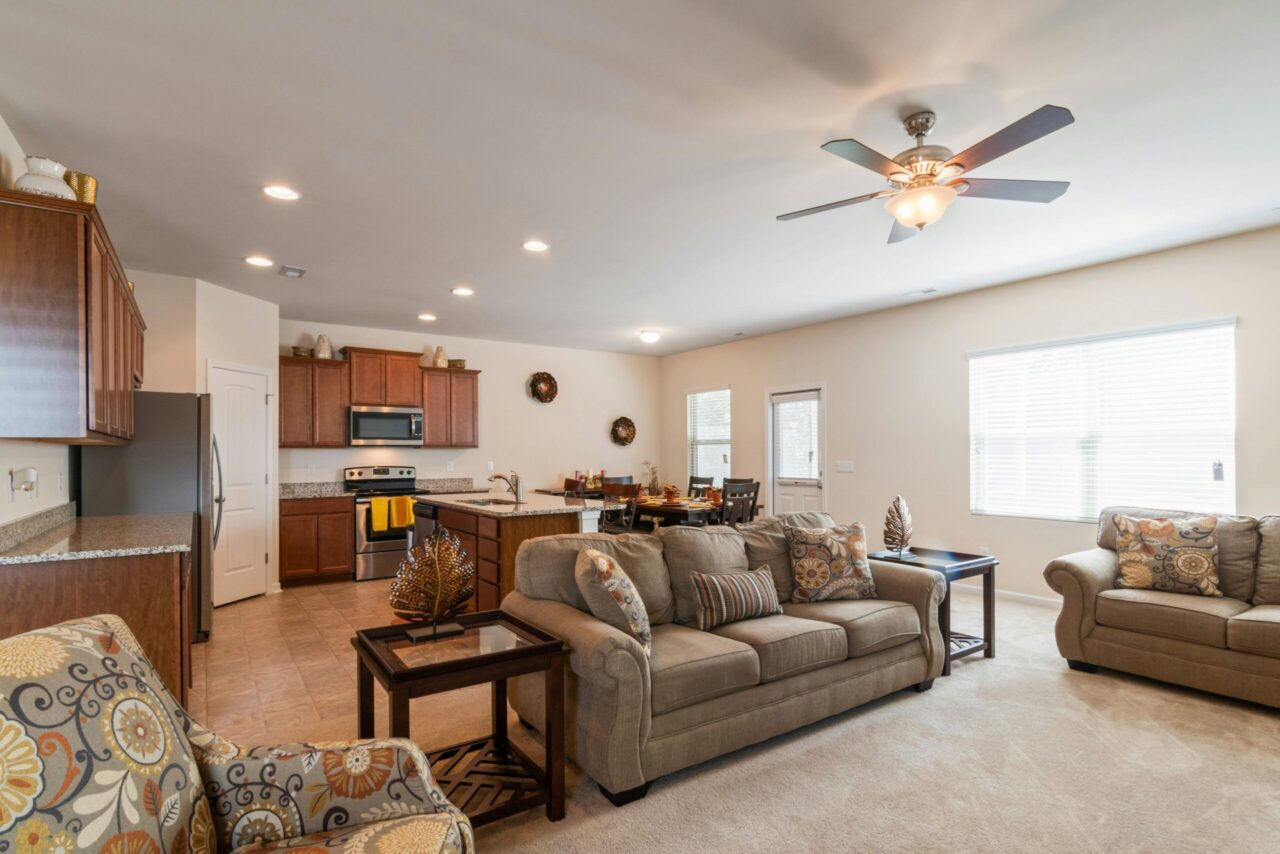
If your floor plan lacks room dividers or sliding doors, you might find it hard to create privacy. Open areas can feel too exposed, especially for work or quiet time.
Without any barriers, noise travels easily and personal spaces blend together. You may struggle to define different uses in the same room.
Adding dividers or sliding doors can help you separate spaces without losing openness. Without these, your floor plan might feel less practical for everyday living.
Layouts that force immediate exposure of living areas from the front door
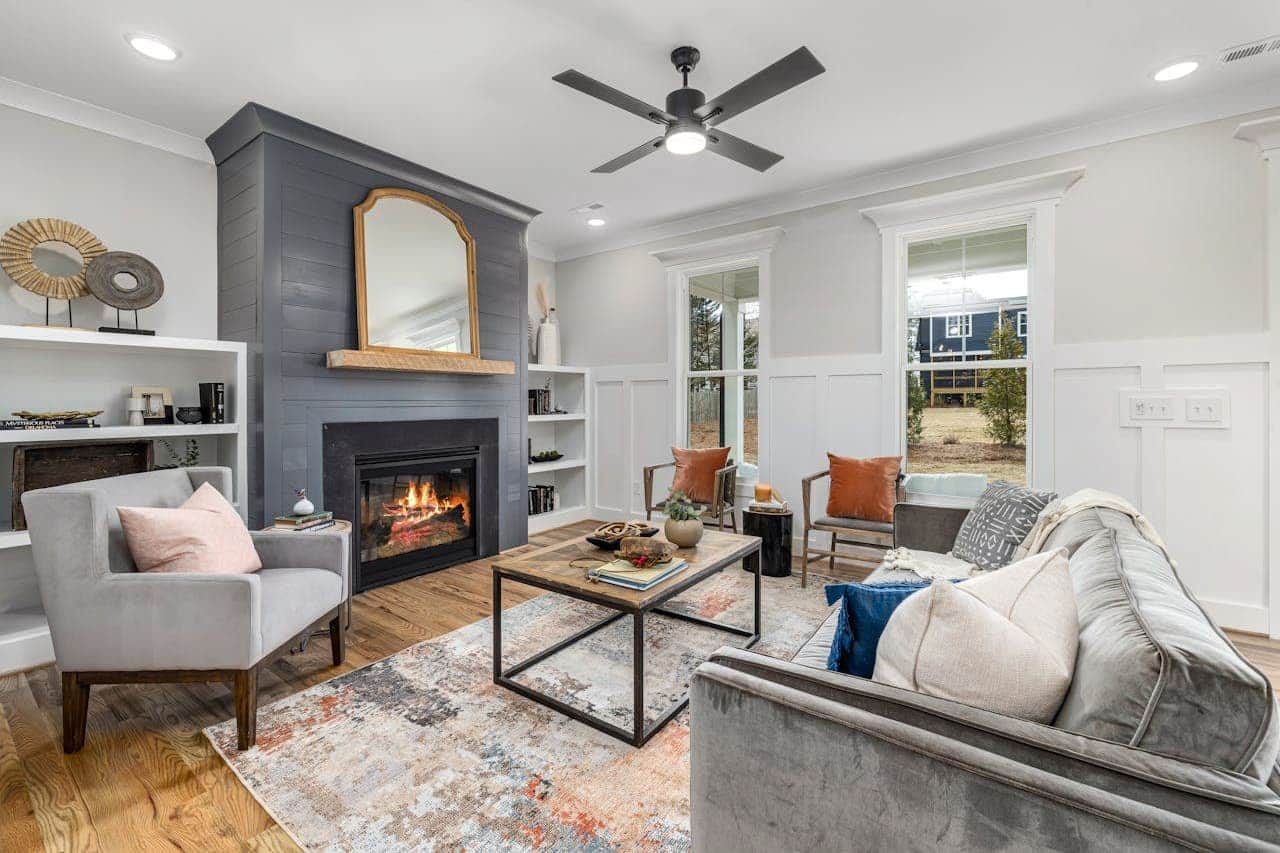
When your front door opens directly into the living space, it can feel like you’re handing guests an instant look at your personal life. This layout leaves little room for privacy or a proper entryway.
You might find it challenging to keep the living area tidy since it’s visible the moment someone walks in. Adding simple elements like a bench, hooks, or a small divider can help create a subtle welcome zone and make the space feel more organized.
Oversized, wasted square footage in common areas
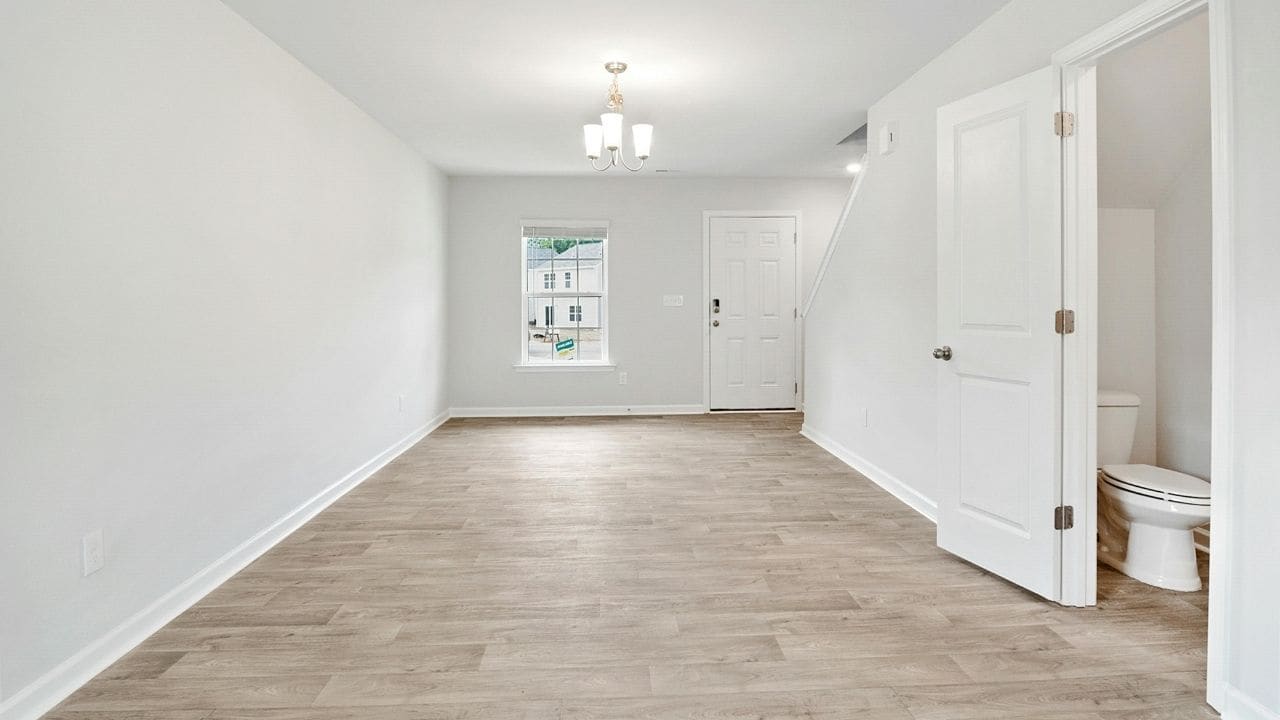
You might think bigger common areas mean better living space, but oversized rooms can actually waste valuable square footage. Large hallways and open spaces that don’t serve a clear purpose often leave your home feeling empty rather than cozy.
Instead, focus on designing areas that balance comfort and function. Efficient use of space helps your home feel inviting and makes every square foot count. Avoiding unnecessary, sprawling common areas can improve flow and make your home more practical.
Homes without cozy nooks or quiet corners
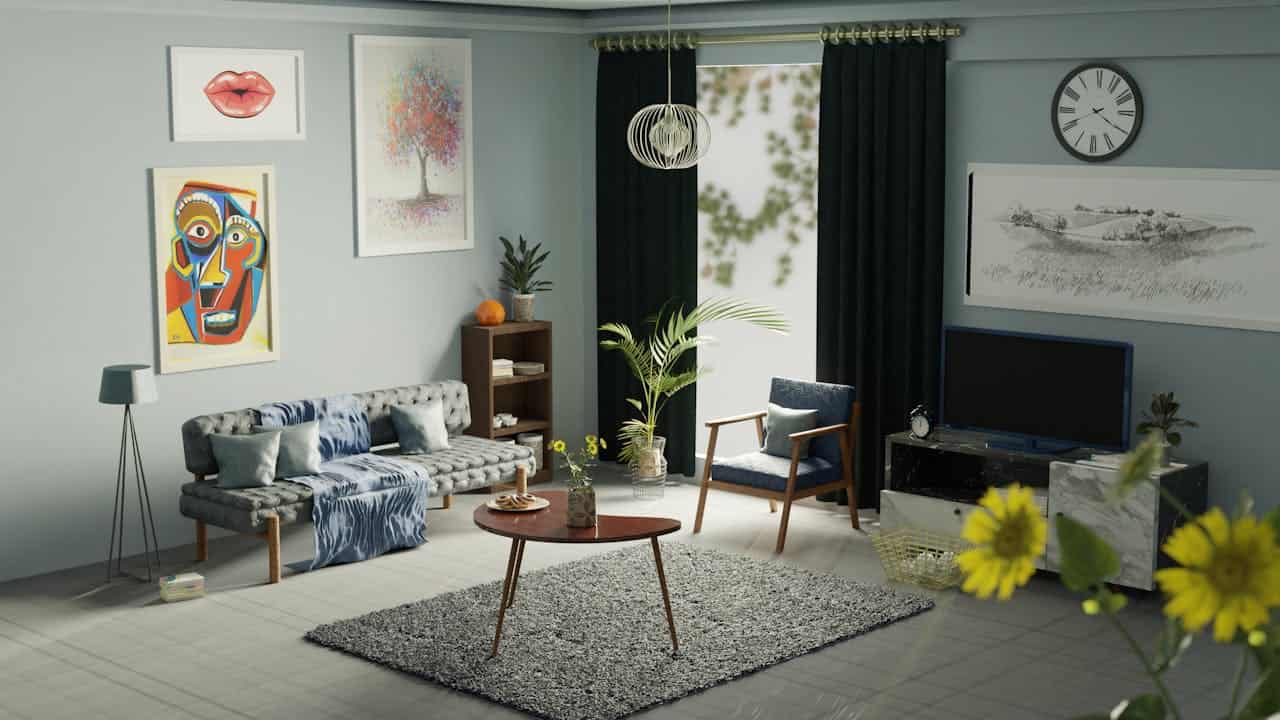
You want a home that feels comfortable and gives you a chance to relax. Without cozy nooks or quiet corners, your space can feel open but also a bit overwhelming.
These little retreats are perfect for reading, resting, or working without distractions. If your home lacks them, it might miss out on that sense of calm and privacy you need during busy days.
Layouts with poor traffic flow and cramped hallways
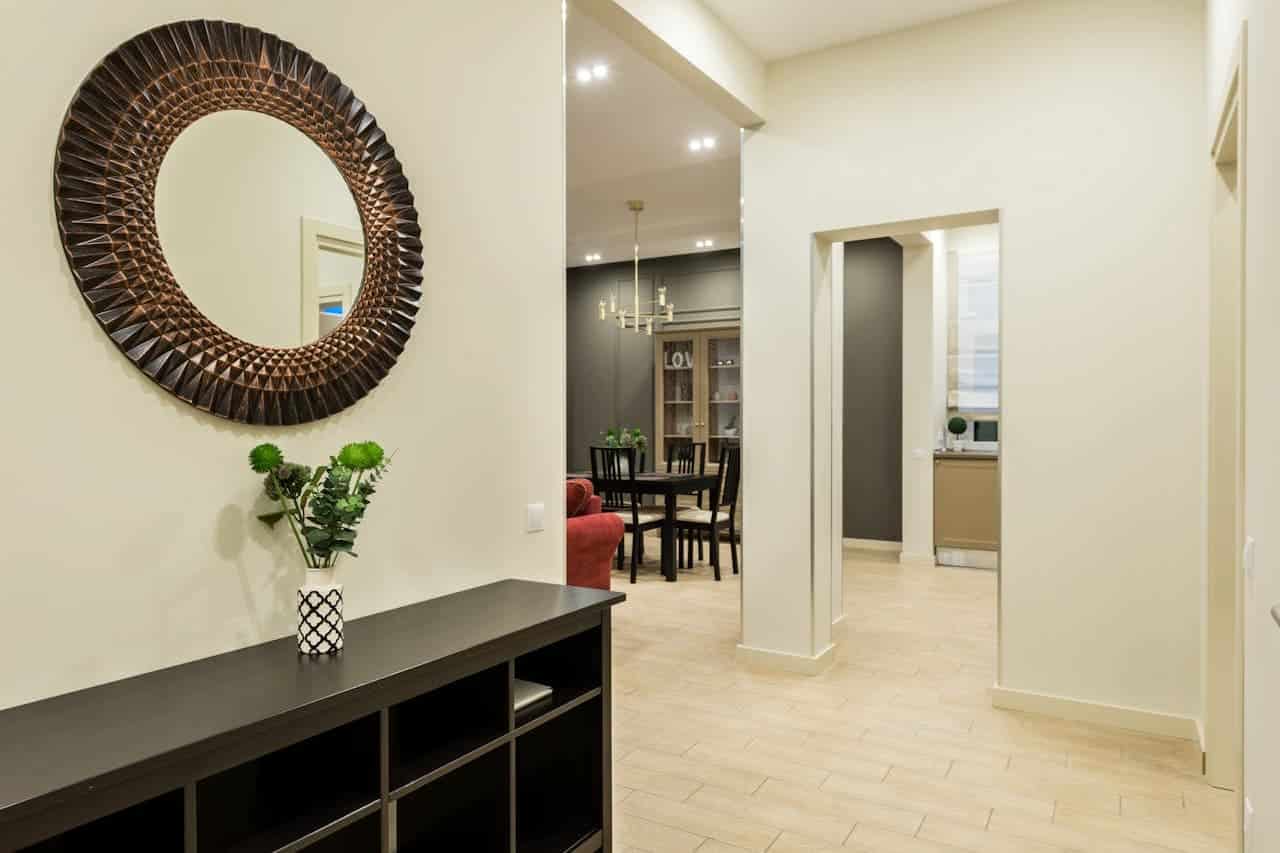
If your floor plan creates tight walkways or forces awkward turns, it can make moving through your home frustrating. Narrow hallways under 36 inches wide often feel cramped and limit easy access.
You want clear, open paths that connect rooms smoothly without obstacles. Keeping hallways bright and free of excess furniture also helps your space feel more inviting and functional.
Houses missing designated mudroom or drop zones

If your house lacks a designated mudroom or drop zone, you might find clutter and dirt building up near the entry. These spaces are helpful for keeping shoes, coats, and bags organized before entering your main living areas.
Without a drop zone, it’s harder to manage daily messes, especially if kids or pets track in dirt. Adding one can make your home feel more orderly and easier to keep clean.
Plans that ignore parents’ needs for child safety gates

You want a home that feels safe for your little ones. Floor plans that overlook spaces for child safety gates can create challenges in keeping your child secure.
Lack of clear doorframes or narrow hallways may make it hard to install gates. This can leave you worrying about stairs or certain rooms.
Choosing a plan that considers easy gate installation helps you protect your child without sacrificing style or convenience.
Single large open kitchens without islands or partitions
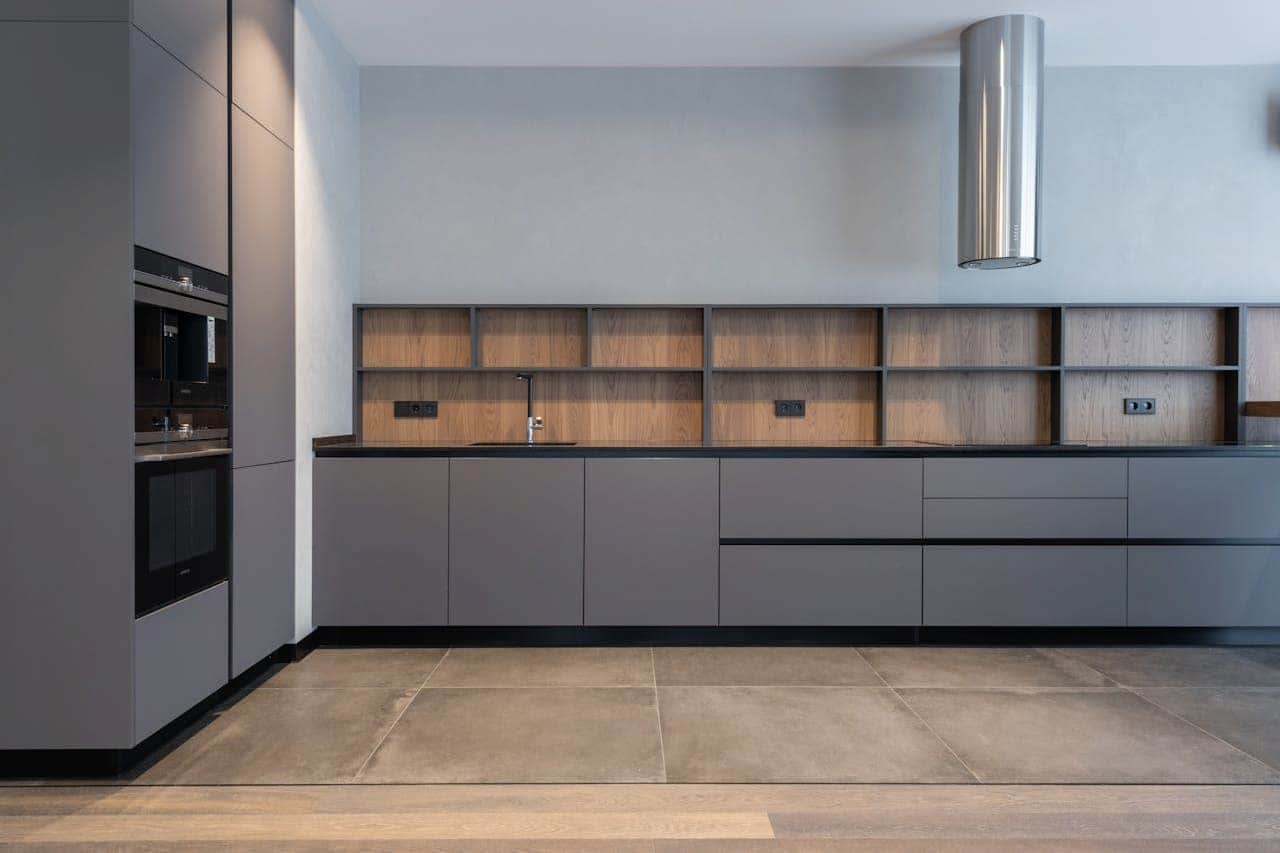
If your kitchen is a big open space without an island or any partitions, you might find it feels a bit empty or lacking in function. Without an island, you lose extra counter space and a natural gathering spot.
This setup can make it harder to organize cooking and socializing at the same time. You might also miss having a clear division between cooking and living areas, which can lead to clutter.
Many buyers today prefer a more defined kitchen layout that balances openness with practical features like islands or partial walls.
Homes lacking flexibility for multi-use spaces
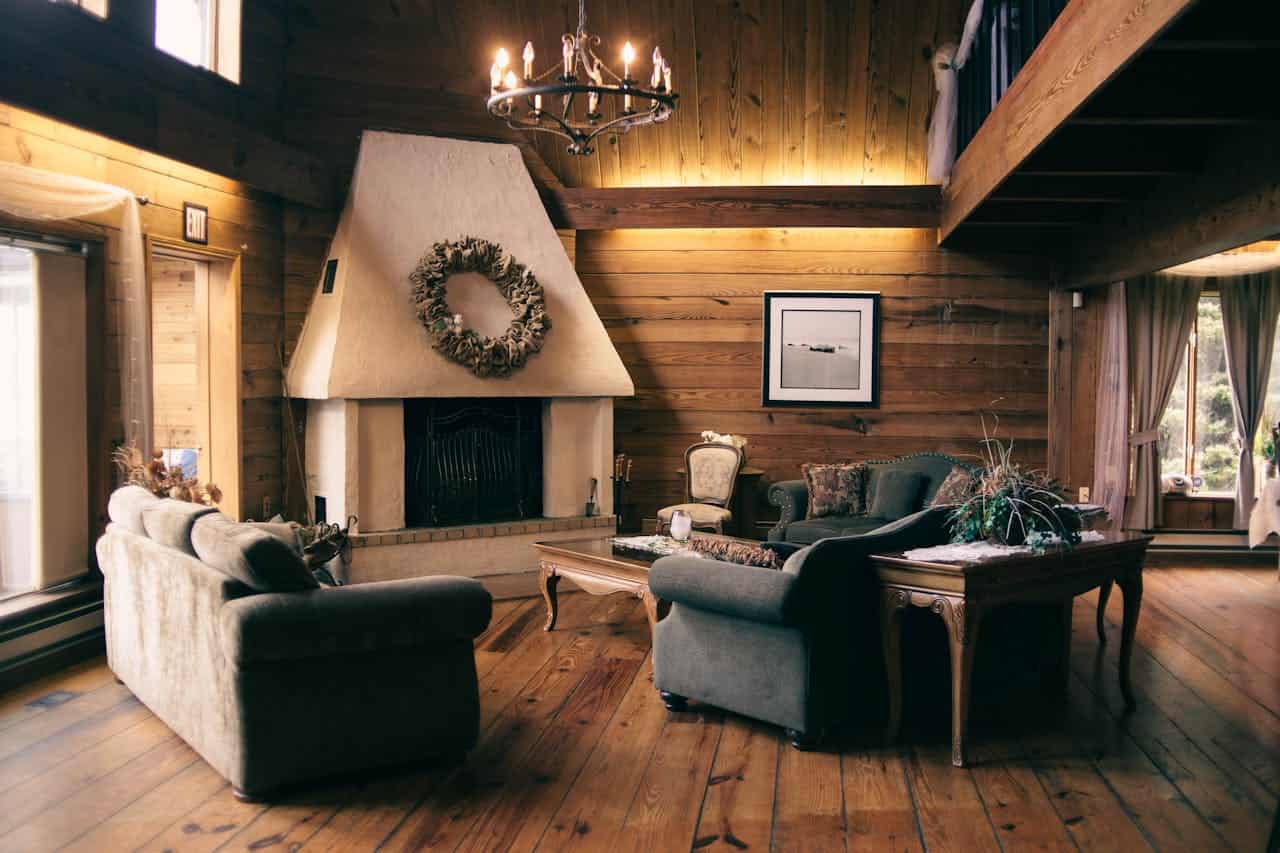
You want your home to adapt to your lifestyle, but many floor plans don’t offer that flexibility. Rooms with fixed purposes can feel limiting, especially as your needs change.
Without spaces that easily transform, juggling work, relaxation, and hobbies becomes tougher. Open layouts or areas designed with multiple uses let you customize your home more easily.
If your home lacks zones that can serve different functions, you might find yourself stuck without options for a home office or workout space. Flexibility is key in today’s busy world.
Floor plans with awkwardly placed bathrooms
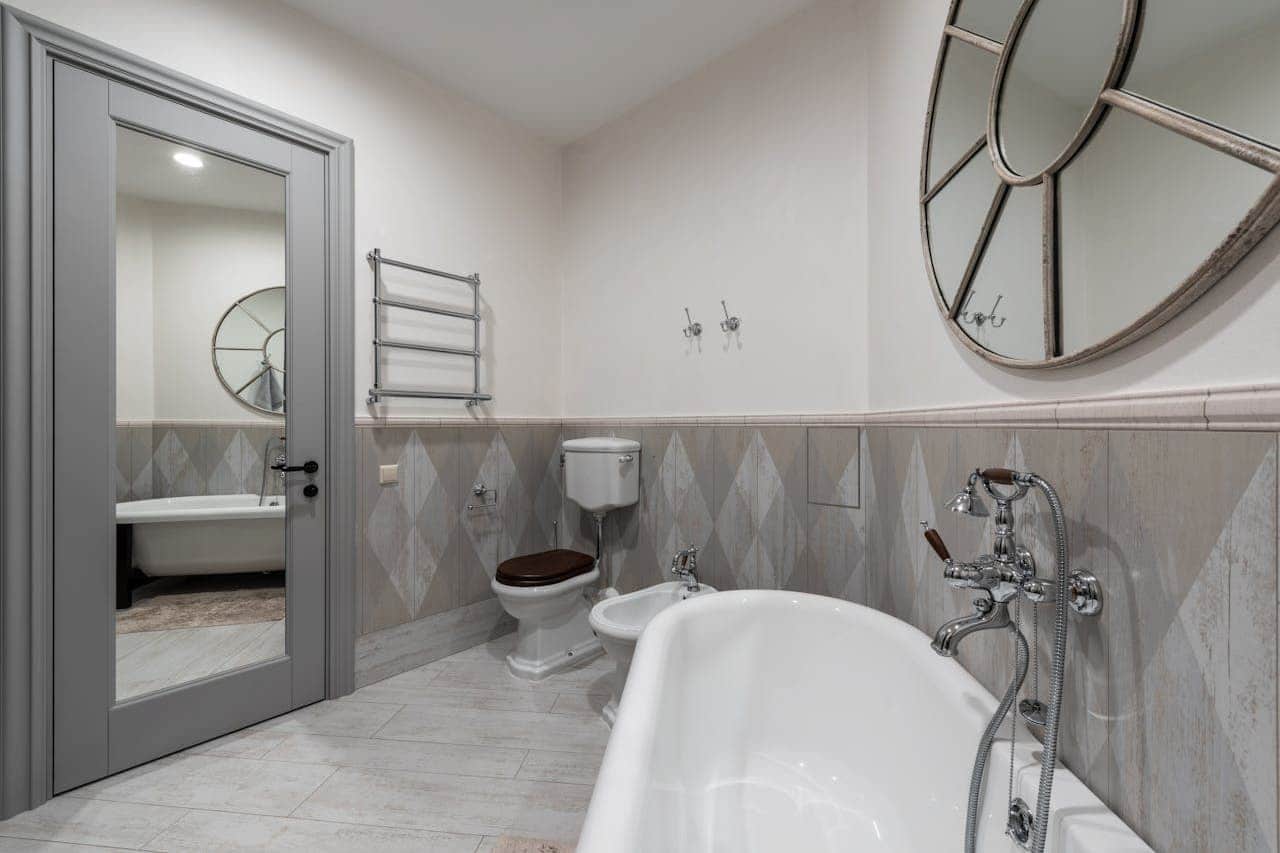
If your bathroom feels like it’s stuck in a strange corner or right off a main living space, it can be a real turnoff. You want privacy and smooth flow, not a bathroom that disrupts your daily routine.
Bathrooms placed far from bedrooms or next to noisy areas make convenience disappear. Poor placement often means you’ll deal with awkward traffic and less usable space in your home.
Why Modern Buyers Dismiss Certain Floor Plans
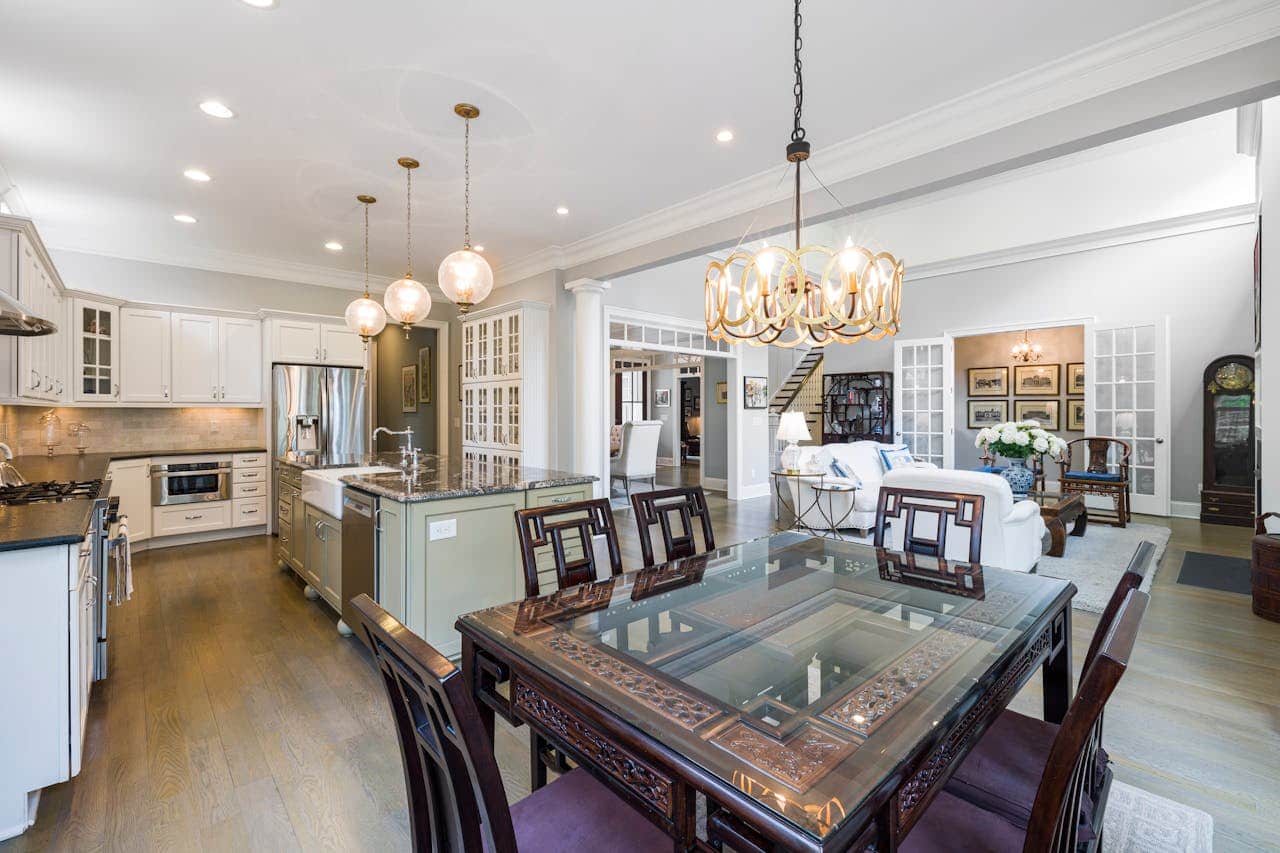
You’ll find that many modern buyers are moving away from popular design choices like open-concept layouts or overly traditional spaces. Instead, they want homes that fit their day-to-day routines and offer practical, comfortable living.
Changing Lifestyles and Preferences

Many buyers now spend more time working and relaxing at home. This shift means layouts that offer privacy and quiet zones are favored over large open spaces. You might notice a decline in demand for sprawling, uninterrupted rooms because they don’t support tasks like remote work or homeschooling.
Buyers also want more defined spaces for cooking, eating, and socializing, rather than a single large area. Flex rooms or multi-use spaces that adapt to various needs are highly appealing.
Common Design Dealbreakers
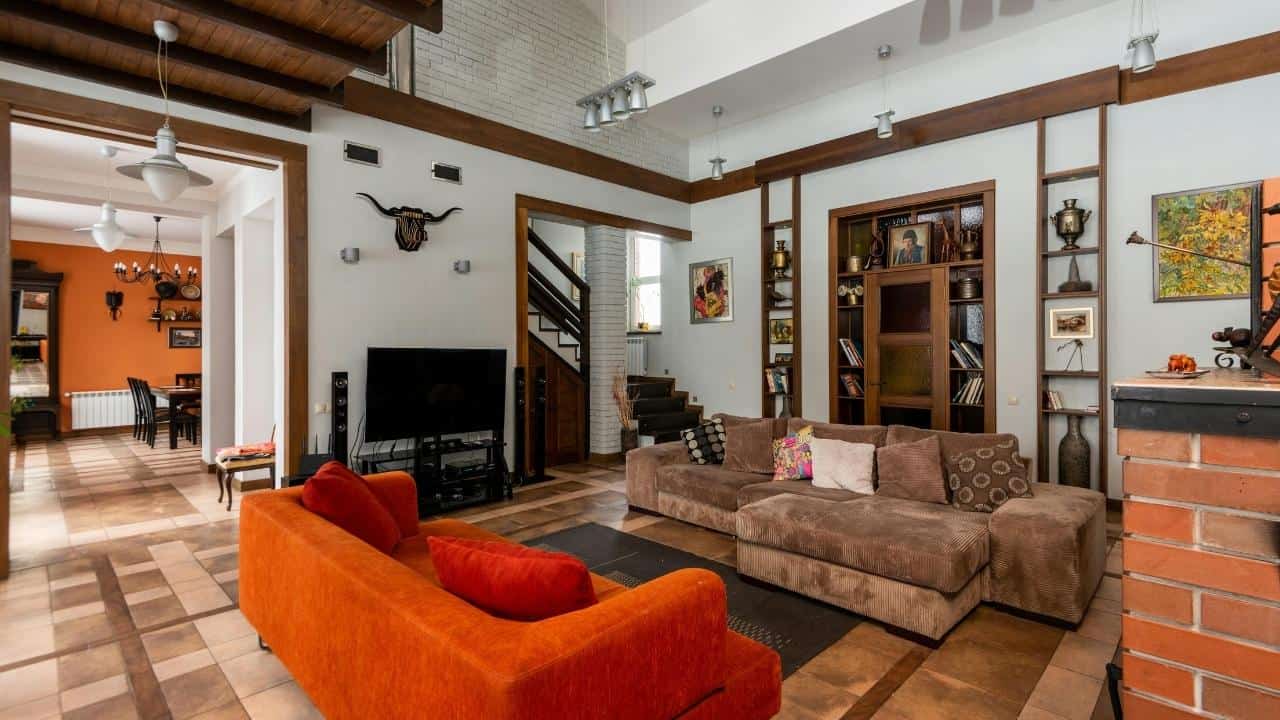
Certain floor plans have elements that quickly turn buyers off. For example:
- Overly open floor plans that don’t accommodate privacy
- Rooms with awkward shapes or poor flow
- Inflexible layouts that don’t allow for personalization
- Yard or landscaping that looks neglected, which impacts first impressions
You want to avoid these pitfalls if you’re designing or selling a home, because they can slow down offers or reduce buyer interest significantly.
How Builders Adapt to Evolving Tastes

Builders adjust their designs by listening carefully to buyers’ needs and market shifts. They focus on creating homes that balance privacy, flexibility, and modern features. This approach helps make sure your future home fits your lifestyle and stays desirable over time.
Incorporating Feedback Into New Designs

Builders actively gather input from homebuyers and real estate agents to understand what works and what doesn’t. For example, many buyers want defined rooms where they can close a door for privacy, rather than fully open floor plans.
This feedback leads to changes like slightly smaller open areas combined with private spaces. Builders also add optional extensions to increase living space without sacrificing layout comfort.
By including more adaptable rooms and practical layouts, your home can meet both current needs and future changes in how you live and work.
Trends Driving Future Floor Plan Choices
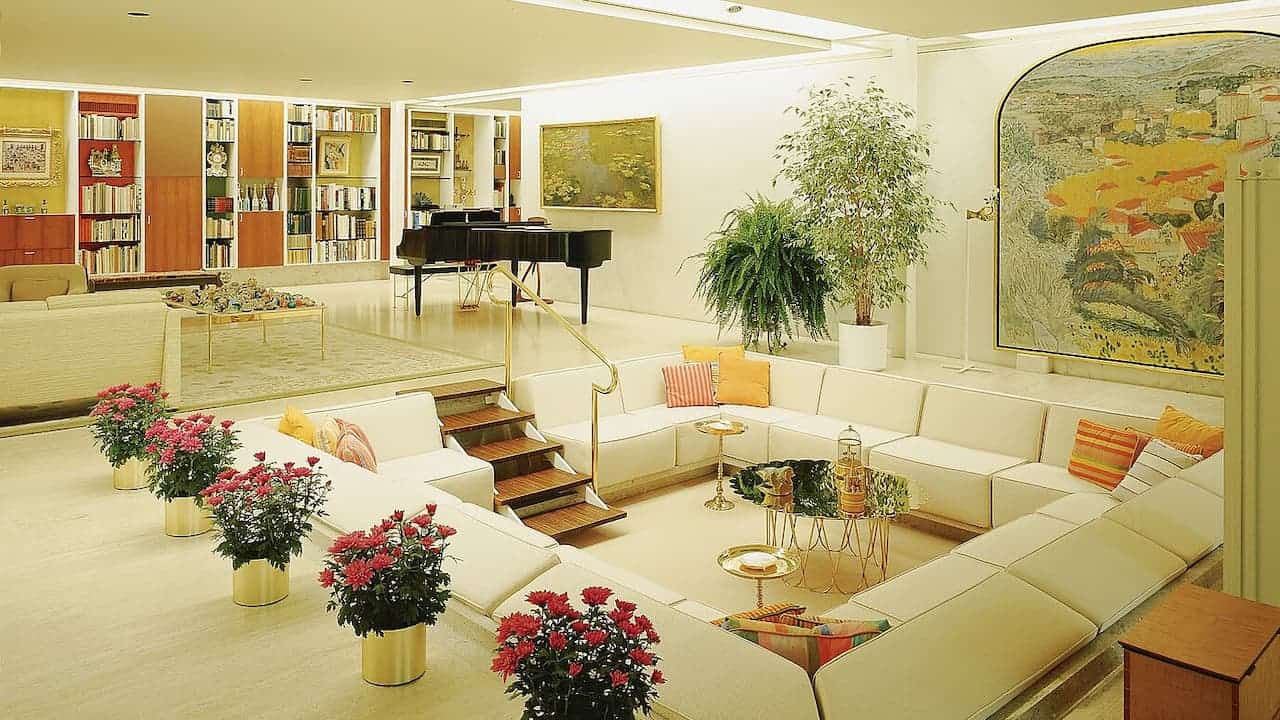
You’ll notice builders increasingly use flexible design elements like movable walls and multipurpose rooms. These options let you easily adjust your space for work, hobbies, or growing families.
Energy efficiency and smart technology integration are also common priorities, reflecting your interest in sustainability and convenience.
Additionally, larger windows and more natural light are becoming standard to enhance comfort. These trends aim to create homes that feel modern but also practical and comfortable for daily living.